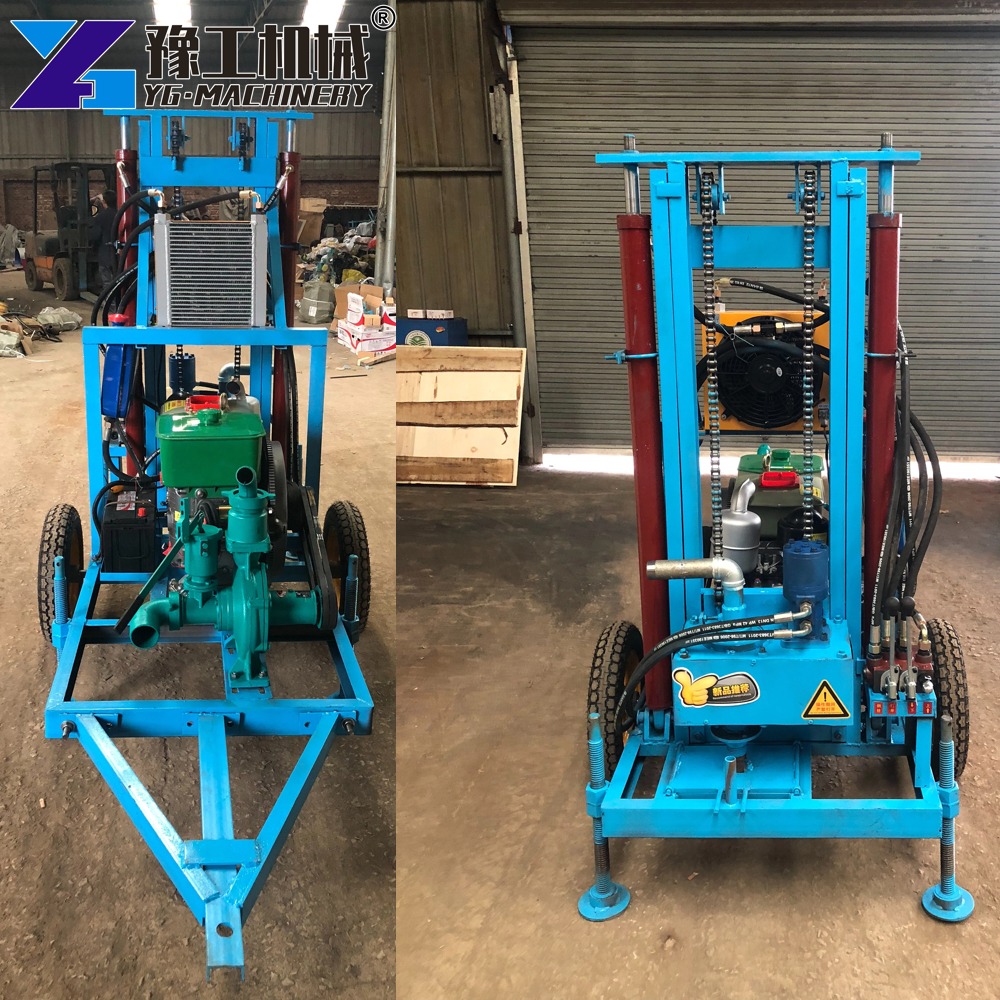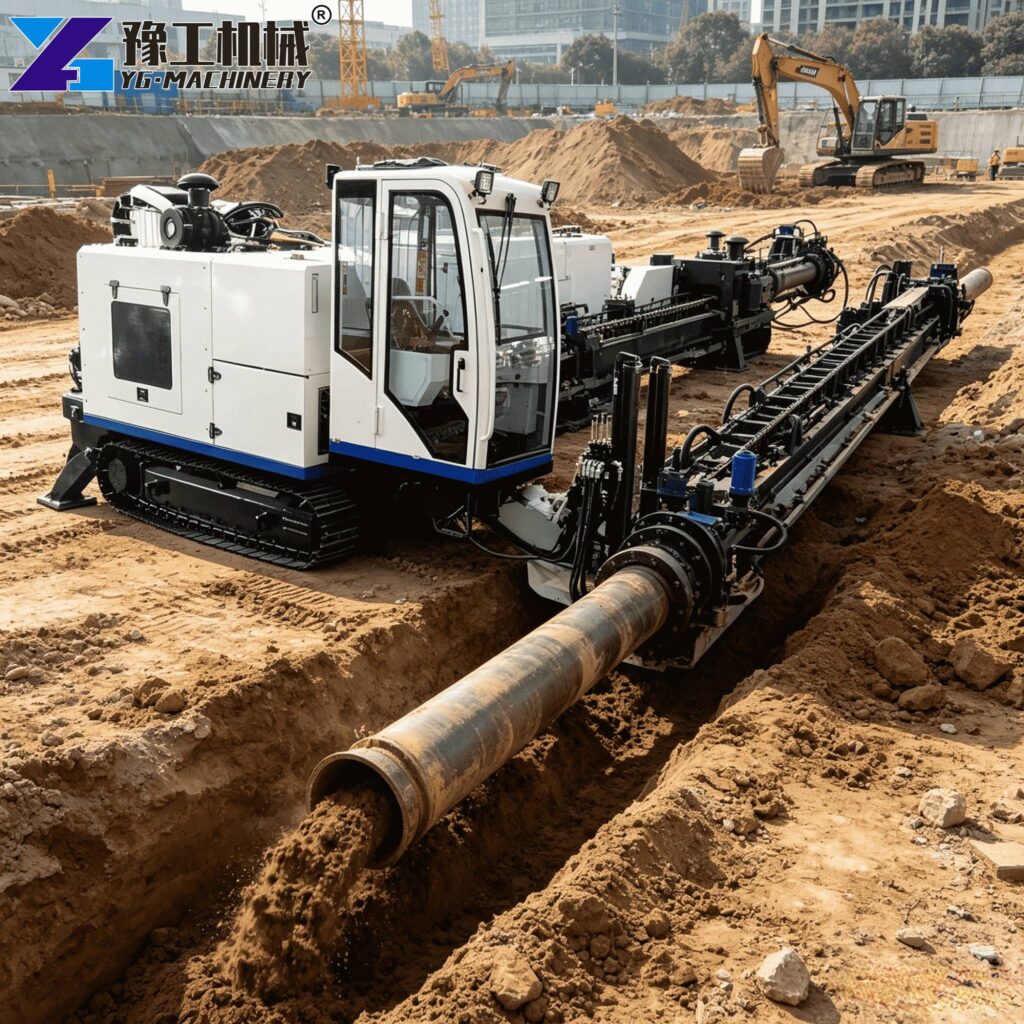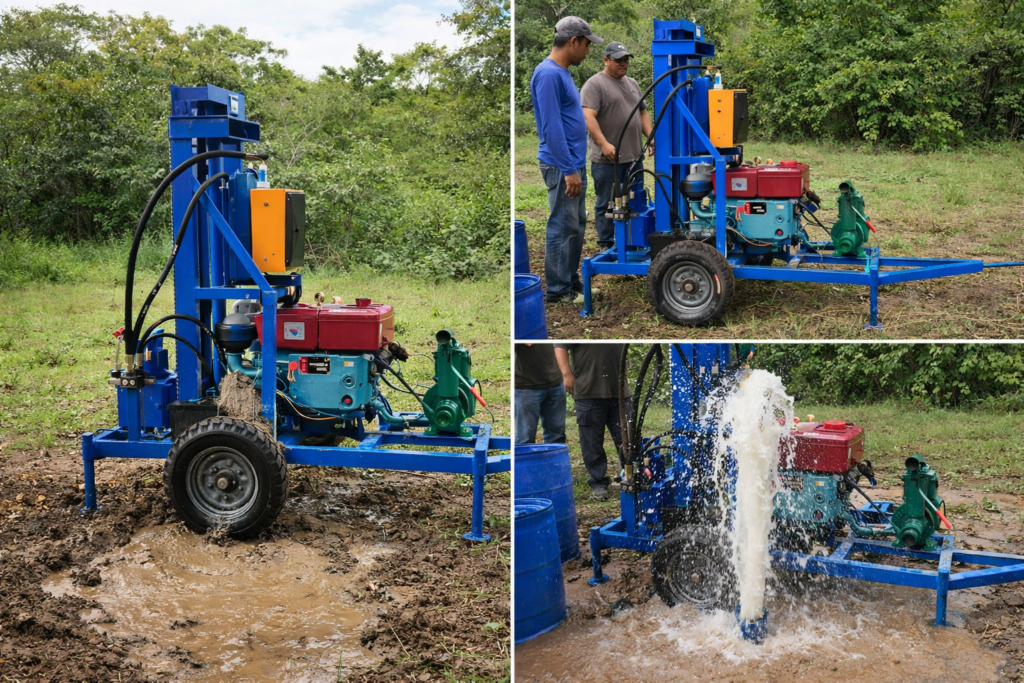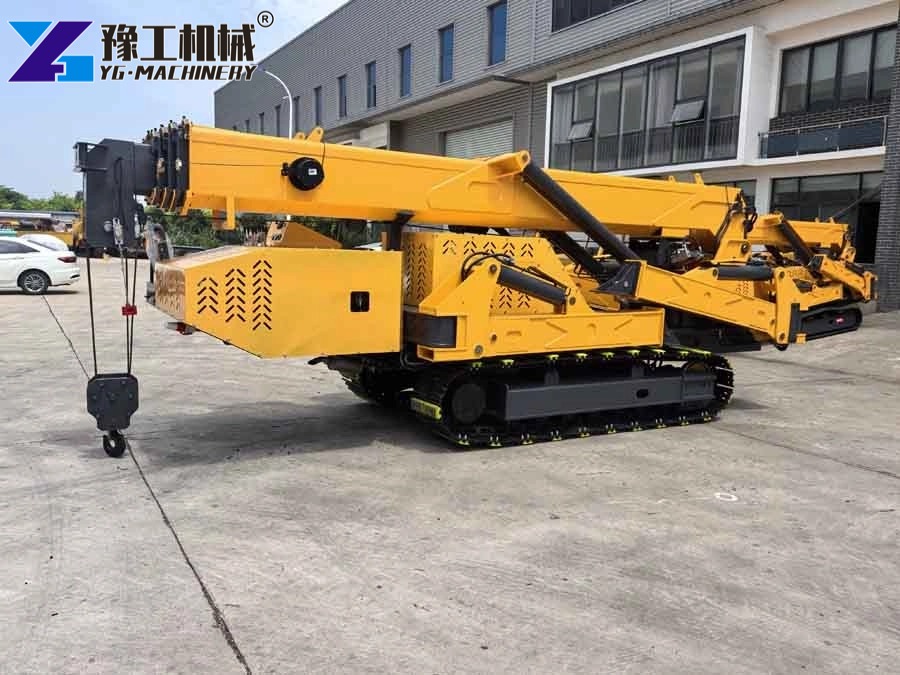
The hydraulic core drilling rig plays a crucial role in modern geological exploration, mining surveys, and infrastructure projects. With the increasing demand for deeper and more accurate drilling, this equipment has become the preferred choice due to its efficiency, stability, and precision.
Compared to traditional drilling systems, a hydraulic core drilling rig offers advanced control, higher drilling speed, and improved safety. Whether used for mineral exploration, hydrological surveys, or engineering geology, mastering its operation is essential for achieving high-quality core samples and maximizing project success.
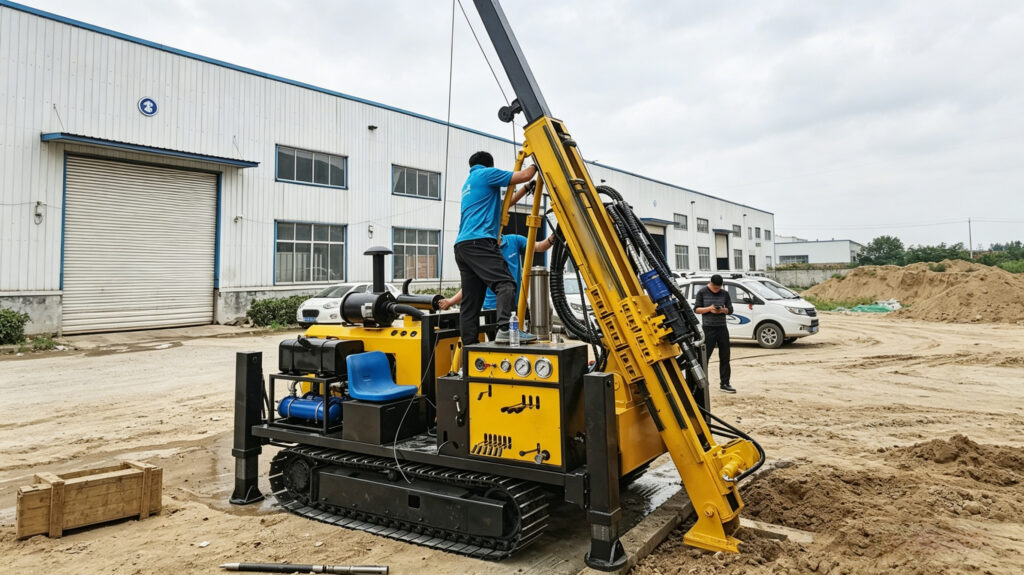
What Is a Hydraulic Core Drilling Rig and How It Works
It’s a fully hydraulic-powered drilling system designed to extract cylindrical rock samples (cores) from underground formations. These samples are essential for analyzing geological structures and mineral composition.
Unlike conventional rigs, a hydraulic core drilling machine uses hydraulic systems to control rotation, feeding, lifting, and pressure. This ensures smoother drilling operations, reduced vibration, and precise control over drilling parameters.
The working principle involves:
- Rotating a drill bit to cut into rock formations
- Using drilling fluid (mud) to cool and remove debris
- Extracting intact core samples for analysis
This advanced system allows operators to handle complex geological conditions with ease.
Key Features of a Modern Hydraulic Core Drilling Machine
Its designs offer several technological advantages:
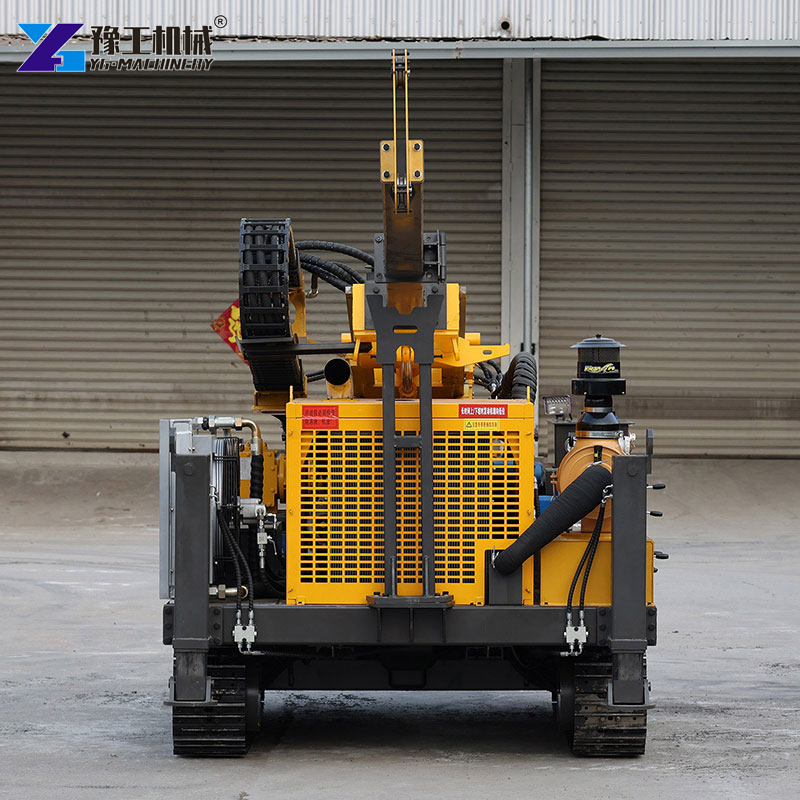
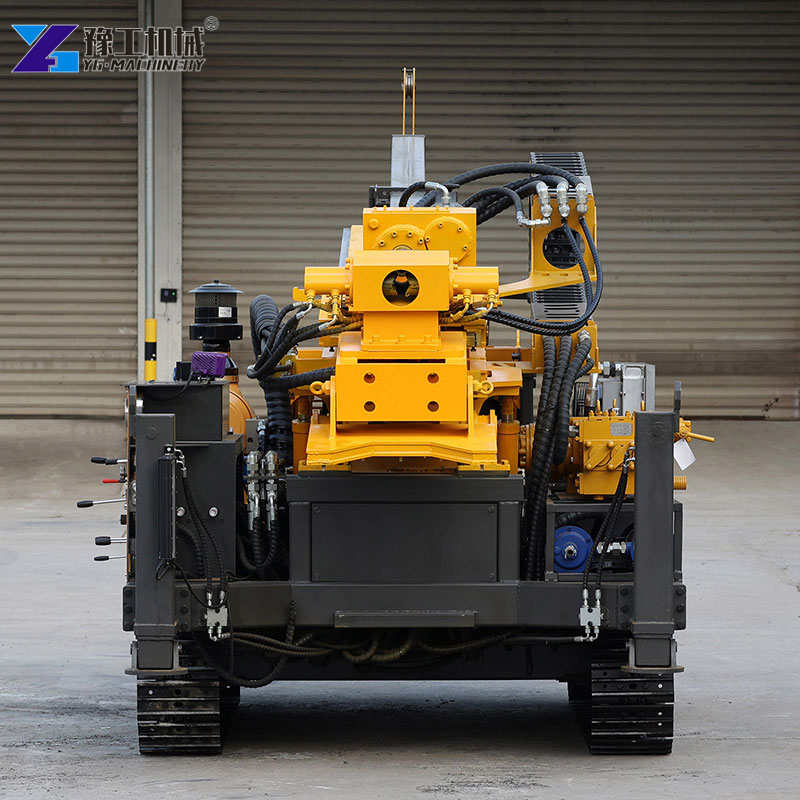
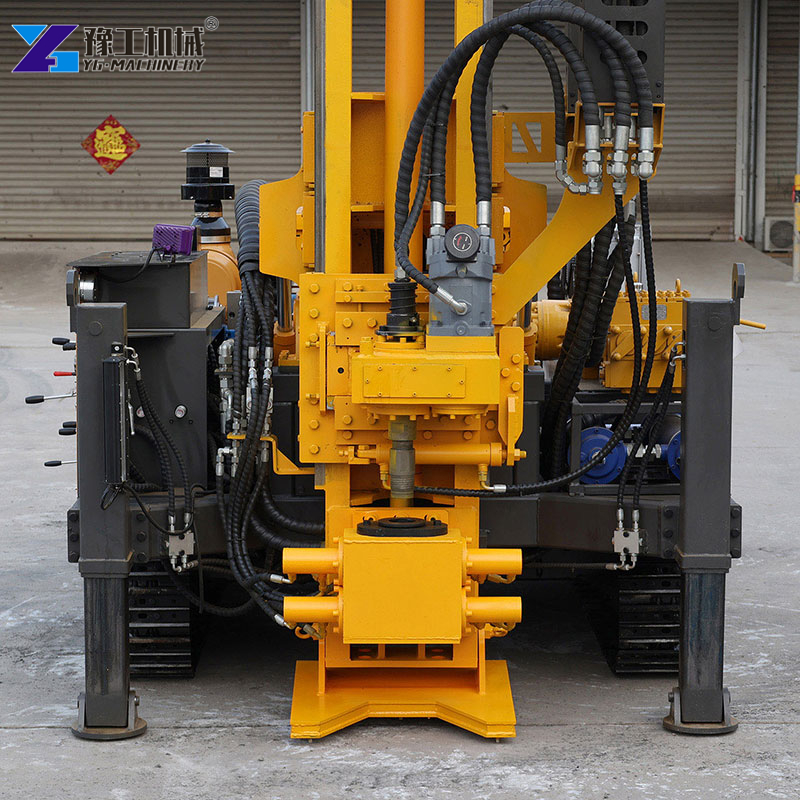
- Full Hydraulic Transmission: Flexible layout, smooth operation, and easy maintenance
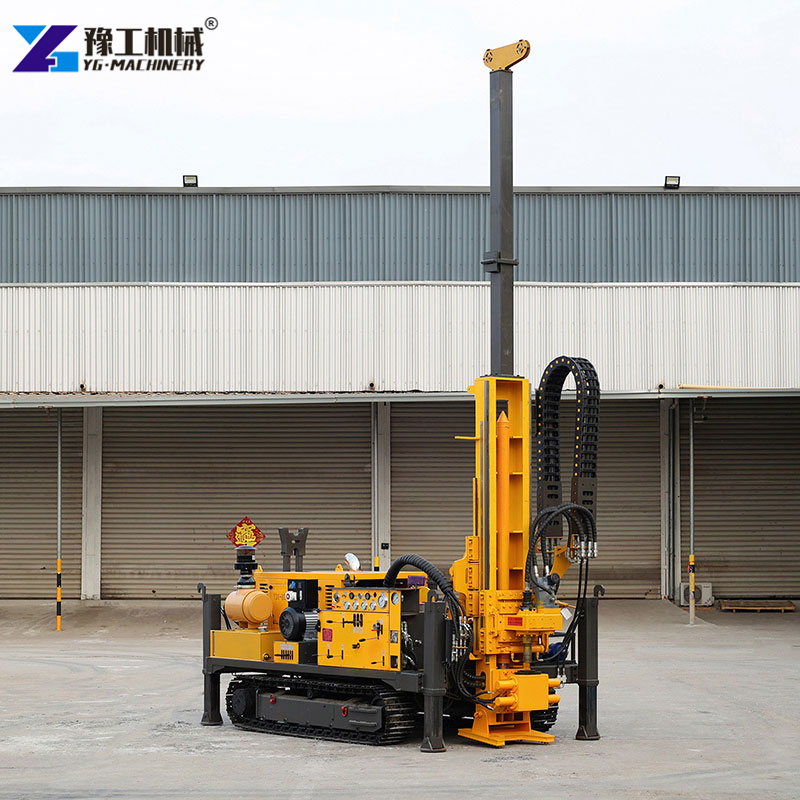
- Telescopic Mast Structure: No need for a traditional drill tower, enabling faster setup
- Crawler Chassis with Remote Control: Enhanced safety and mobility
- Stepless Speed Regulation: Stable drilling with minimal vibration
- Real-Time Pressure Monitoring: Improved safety and drilling accuracy
These features make hydraulic rigs ideal for deep-hole and complex formation drilling.
Core Drilling Technology: Diamond Coring Rig Advantages
The diamond coring rig is widely used in combination with hydraulic systems to achieve high-performance drilling.
Its advantages include:
- Thin-wall diamond bits reduce resistance and increase cutting speed
- High core recovery rate, ensuring accurate geological data
- Large core diameter, improving analysis quality
- Reduced drilling accidents, enhancing operational safety
This technology ensures efficient drilling while maintaining the integrity of rock samples.
Preparation Before Operating a Hydraulic Coring Machine
Before starting any drilling operation, proper preparation of the hydraulic coring machine is critical.
1. Ground Leveling
Ensure the worksite is flat and stable to prevent equipment tilting.
2. Equipment Calibration
Use leveling tools to adjust the rig and ensure accurate drilling angles.
3. Mast Angle Adjustment
Set the drilling angle according to project requirements.
4. Mud Pit Excavation
Prepare a mud pit for fluid circulation and waste management.
5. Mud Pump and Pipeline Connection
Install and test the mud system to ensure smooth operation.
Proper preparation directly impacts drilling efficiency and safety.
Step-by-Step Operation Process of Hydraulic Core Drilling Rig
Standard Operating Procedure (SOP) – Step-by-Step Workflow
| Step | Stage | Key Actions | Technical Focus | Important Notes |
| 1 | Site Preparation | Level ground, stabilize base, position rig | Rig alignment accuracy | Prevent borehole deviation from the start |
| 2 | Mast Adjustment | Set drilling angle (0°–90°) | Angle precision | Ensure correct hole trajectory |
| 3 | Mud System Setup | Dig mud pit, connect pump & pipelines | Flow rate & circulation | Ensure continuous debris removal |
| 4 | Casing Installation | Install casing into bedrock | Surface protection | Prevent collapse in loose layers |
| 5 | Drill Assembly | Connect drill rods & core barrel | Thread tightening torque | Avoid vibration & leakage |
| 6 | Start Drilling | Start rotation + mud pump | RPM & feed pressure | Balance speed and pressure |
| 7 | Continuous Drilling | Use a wireline system to recover inner tube | Penetration rate control | Maintain stable drilling conditions |
| 8 | Parameter Monitoring | Use a wireline system to recover the inner tube | Real-time adjustment | Detect formation changes early |
| 9 | Core Retrieval | Monitor pressure, torque, and mud return | Winch control & alignment | Avoid retrieval failure |
| 10 | Core Handling | Place, label, and record cores | Core recovery rate | Ensure accurate geological data |
| 11 | Drill Completion | Remove rods and casing | Safe extraction sequence | Prevent hole damage |
| 12 | Hole Sealing | Seal with cement or bentonite | Environmental compliance | Prevent contamination |
| 13 | Site Restoration | Level and clean site | Safety & regulations | Use a wireline system to recover the inner tube |
Operating a core drilling rig requires not only a clear workflow but also precise control of drilling parameters, proper tool selection, and real-time judgment based on geological conditions. Below is a more in-depth, professional step-by-step process used in field operations:
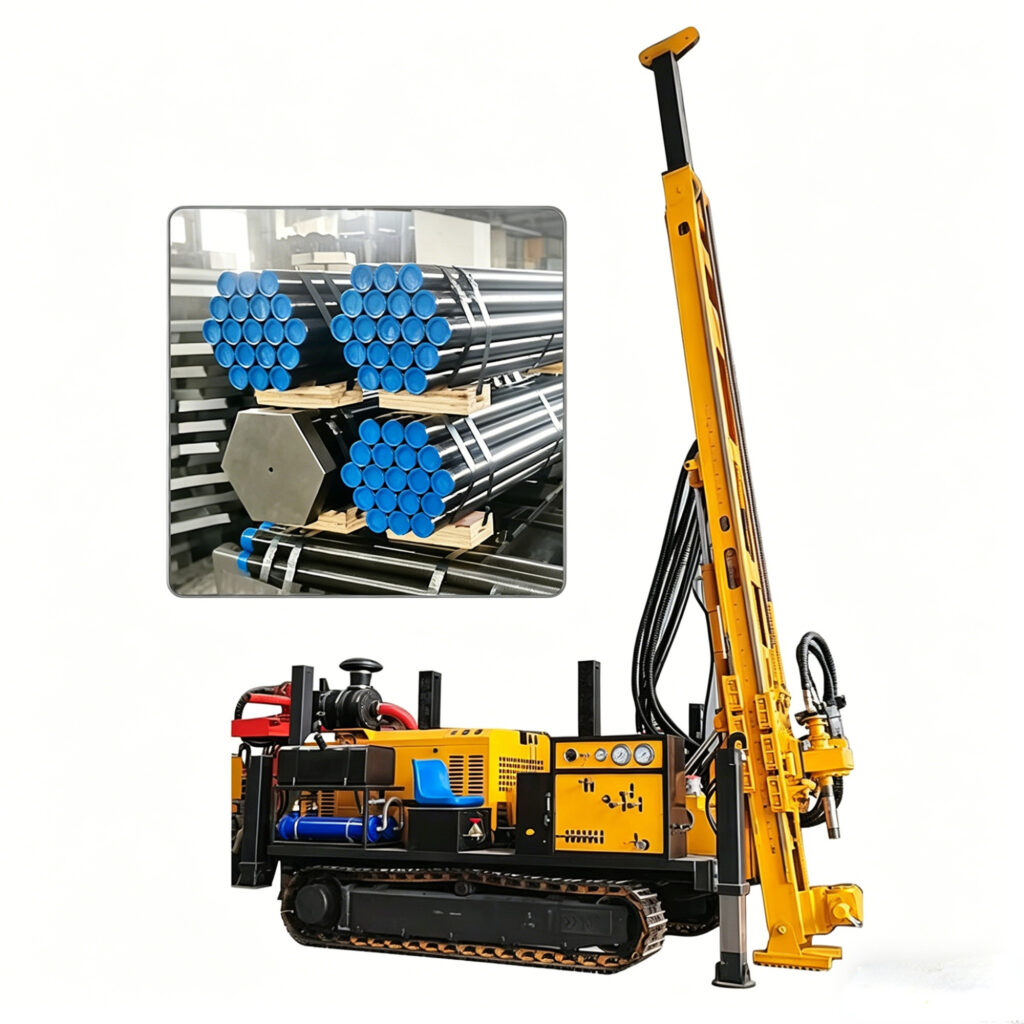
Step 1 – Site Preparation and Rig Positioning
Before drilling begins, proper site setup directly affects drilling accuracy and safety.
- Ground Stabilization: Ensure the ground bearing capacity meets equipment requirements to prevent settlement during operation. In soft formations, steel plates or sleepers may be used.
- Rig Leveling: Use a precision level instrument to align the rig. Even a slight tilt can lead to borehole deviation, especially in deep drilling.
- Mast Alignment: Adjust the mast angle according to the drilling design (vertical or inclined holes). Accurate alignment ensures better hole straightness and reduces deviation.
Professional Tip: Borehole deviation control starts at setup. Poor alignment can lead to increased torque, rod wear, and lower core recovery.
Step 2 – Casing Installation (Surface Protection Stage)
Casing installation is essential before entering bedrock, especially in loose overburden layers.
- Purpose of Casing:
- Prevent hole collapse in unconsolidated soil
- Isolate surface water and contaminants
- Guide the drill string
- Installation Method:
The casing is driven or rotated into stable bedrock using the rig’s rotary head.
Professional Tip: The casing shoe should penetrate competent rock to form a stable collar; otherwise, sloughing and hole enlargement may occur.
Step 3 – Drilling Operation (Core Drilling Phase)
This is the core stage where drilling efficiency and core quality are determined.
3.1 Drill String Assembly
- Connect the double-tube core barrel system (inner tube + outer tube)
- Ensure all threaded connections are tightened to the recommended torque
3.2 Start Drilling
- Activate the rotation system and gradually increase RPM
- Start the mud pump to establish circulation before full penetration
3.3 Parameter Control
Key parameters must be continuously adjusted:
- Rotation Speed (RPM): Higher for soft formations, lower for hard rock
- Feed Pressure (Weight on Bit): Must be balanced to avoid bit damage or deviation
- Mud Flow Rate: Ensures cuttings removal and bit cooling
Professional Tip: In diamond drilling, excessive pressure reduces bit life and core quality. Maintain a “low pressure + high speed” strategy for optimal results.
3.4 Rod Handling Cycle
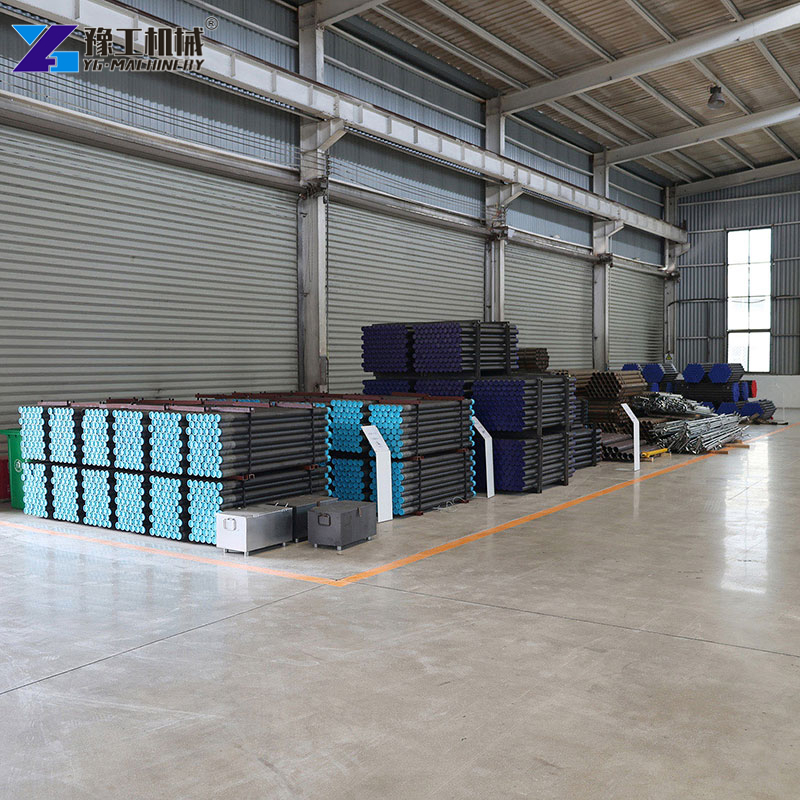
- Each drill rod is typically 1.5 meters
- After drilling one rod length:
- Stop rotation
- Lift the power head
- Add a new rod
- Resume drilling
This cycle continues until the target depth or core run length is reached.
Step 4 – Core Retrieval (Wireline Coring Process)
Once the inner tube is filled with core, it must be retrieved efficiently without pulling out the entire drill string.
- Wireline System Operation:
- Lower the overshot tool through the drill rods using a steel cable
- Engage and latch onto the inner tube
- Lift the inner tube to the surface using a hydraulic winch
- Advantages:
- Saves time compared to conventional coring
- Reduces wear on drill rods
- Improves overall drilling efficiency
Professional Tip: Ensure proper alignment of the overshot and inner tube latch. Misalignment can lead to retrieval failure or tool damage.
Step 5 – Core Handling and Geological Logging
Core samples are the most valuable output of the drilling process and must be handled carefully.
- Core Placement:
Arrange cores sequentially in the core boxes according to depth - Labeling:
Record depth intervals, recovery rate, and any anomalies - Geological Logging:
- Identify lithology, fractures, and mineralization
- Record structural features such as bedding and fault zones
Professional Tip: High-quality logging improves exploration accuracy and reduces the risk of misinterpretation in later analysis.
Step 6 – Hole Completion, Rod Withdrawal, and Sealing
After reaching the final depth and completing sampling:
- Rod and Casing Removal:
Gradually withdraw drill rods and casing while maintaining hole stability - Hole Sealing:
Use cement or bentonite to seal the borehole to prevent contamination or collapse - Site Restoration:
Level the site and restore it to comply with environmental regulations
Professional Tip: Proper hole sealing is critical in hydrogeological and environmental projects to prevent groundwater contamination.
Step 7 – Real-Time Monitoring and Safety Control (Throughout the Process)
During all stages of operating a core drilling rig, continuous monitoring is essential:
- Hydraulic Pressure Monitoring: Detect formation changes and prevent overload
- Torque Feedback: Identify bit wear or hard formations
- Mud Return Observation: Ensure proper circulation and detect potential blockages
Professional Tip: Sudden drops in pressure or mud return may indicate fractures or loss zones, requiring immediate adjustment.
Summary
A well-executed operation of a core drilling rig depends on precise control of each step—from setup and casing to drilling, coring, and sealing. By combining proper technique with real-time parameter adjustment, operators can achieve:
- Higher drilling efficiency
- Better core recovery rates
- Reduced equipment wear
- Improved safety and reliability
Critical Safety Checkpoints
- ✔ Always confirm rig leveling before drilling
- ✔ Never start drilling without mud circulation
- ✔ Monitor hydraulic pressure continuously
- ✔ Stop immediately if abnormal vibration occurs
- ✔ Ensure proper casing in loose formations
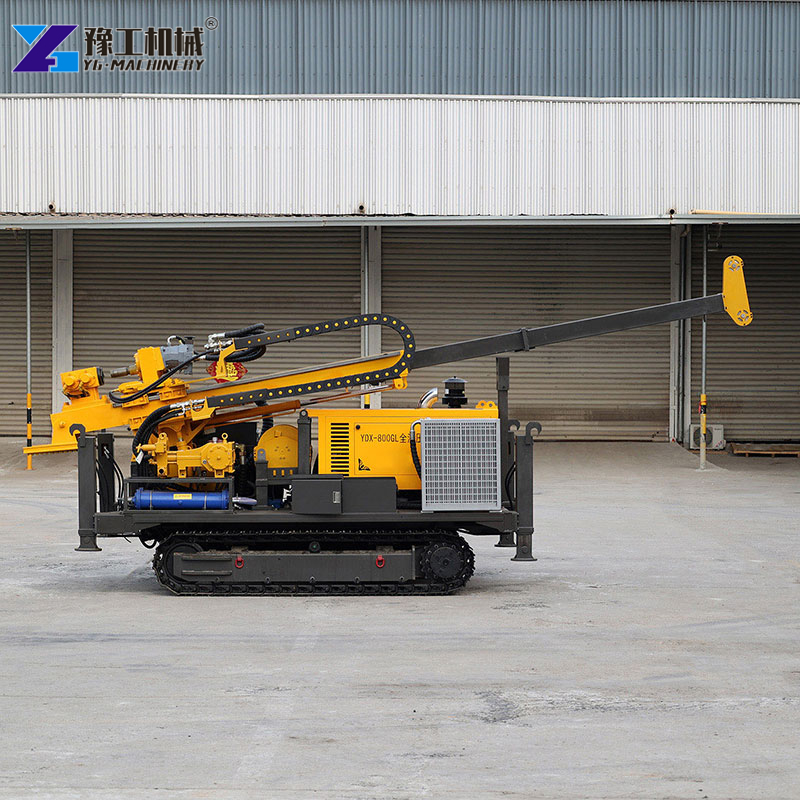
Technical Parameters of Hydraulic Core Drilling Rig
Here are the main models and specifications:
| Parameter | YGX-400 | YGX-600 | YGX-800 | YGX-1000 ⭐ |
|---|---|---|---|---|
| Drilling Depth (m) | 180 / 400 / 500 | 200 / 600 / 650 | 400 / 800 / 1000 | 500 / 1000 / 1100 |
| Rated Pressure (MPa) | 21 | 21 | 25 | 28 |
| Rated Flow (L/min) | 168 | 192 | 260 | 300 |
| Cooling System | Air cooling + water cooling | Air cooling + water cooling | Air cooling + water cooling | Air cooling + water cooling |
| Engine Brand | Yuchai | Yuchai | Yuchai | Cummins |
| Rated Power / Speed | 78 kW / 2400 rpm | 92 kW / 2400 rpm | 92 kW / 2400 rpm | 154 kW / 2400 rpm |
| Drilling Angle (°) | 0–90 | 45–90 | 45–90 | 45–90 |
| Lifting Force (t) | 12 | 16 | 24 | 30 |
| Feed Force (t) | 6 | 8 | 12 | 15 |
| Mud Pump Flow (L/min) | 30–90 | 30–90 | 90–180 | 90–180 |
| Mud Pump Pressure (MPa) | 4–7 | 4–7 | 4–7 | 4–7 |
| Dimensions (L×W×H mm) | 4000 × 1900 × 1800 | 4000 × 2000 × 1800 | 5500 × 2100 × 2000 | 6000 × 2200 × 2400 |
| Weight (t) | 4.3 | 4.5 / 5.5 | 6.5 | 7.5 |
How to Choose the Right Model
- Shallow projects: YGX-400
- Medium depth: YGX-600
- Deep drilling: YGX-800 / YGX-1000
Selecting the right model improves efficiency and reduces costs.
Efficient Operation and Reliable Performance of Hydraulic Core Drilling Rig
Operating a core drilling rig efficiently requires proper preparation, correct procedures, and reliable equipment. With advanced features such as full hydraulic transmission, telescopic mast, and diamond coring technology, these rigs deliver outstanding performance in complex drilling environments.
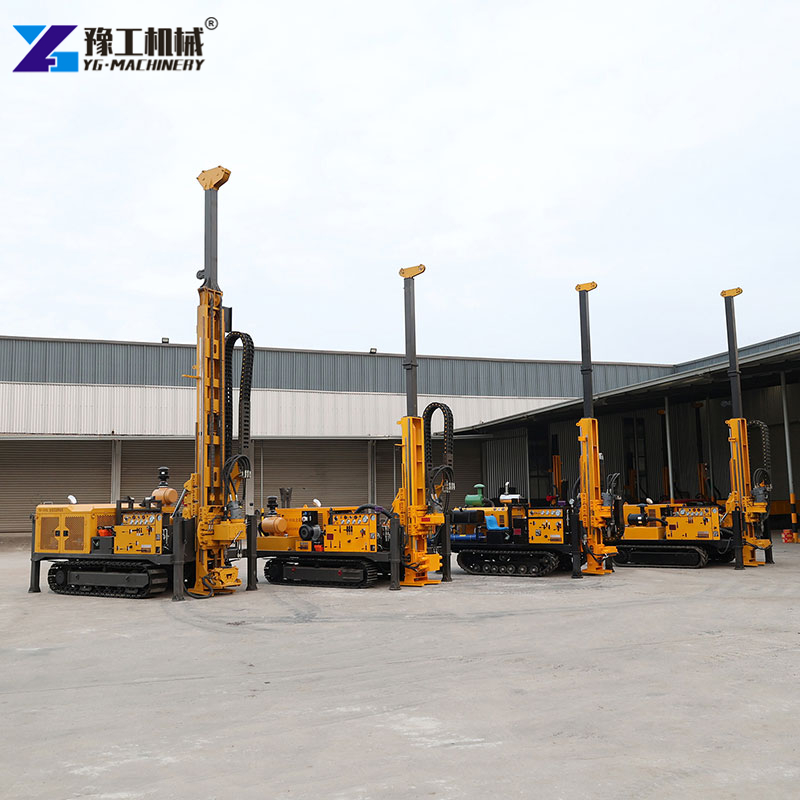
If you are planning a drilling project and need a high-performance solution, YG Machinery provides professional core drilling rigs tailored to your needs.
Contact us today to get expert advice and a competitive quote for your next project.