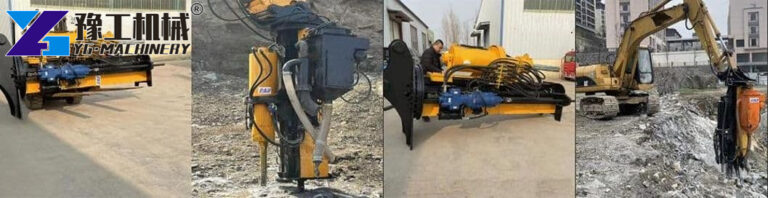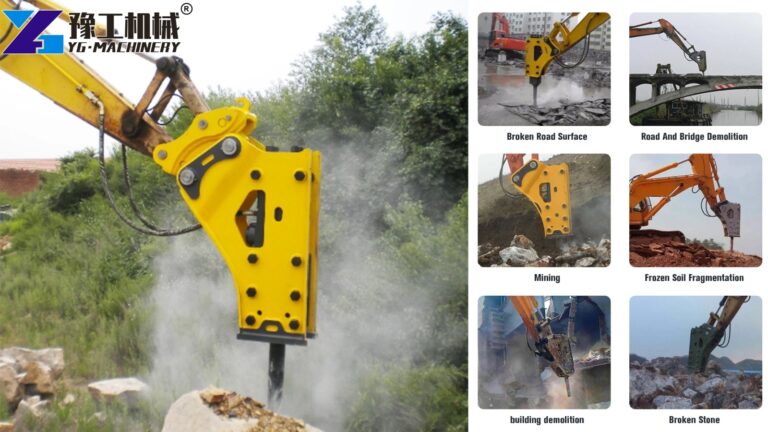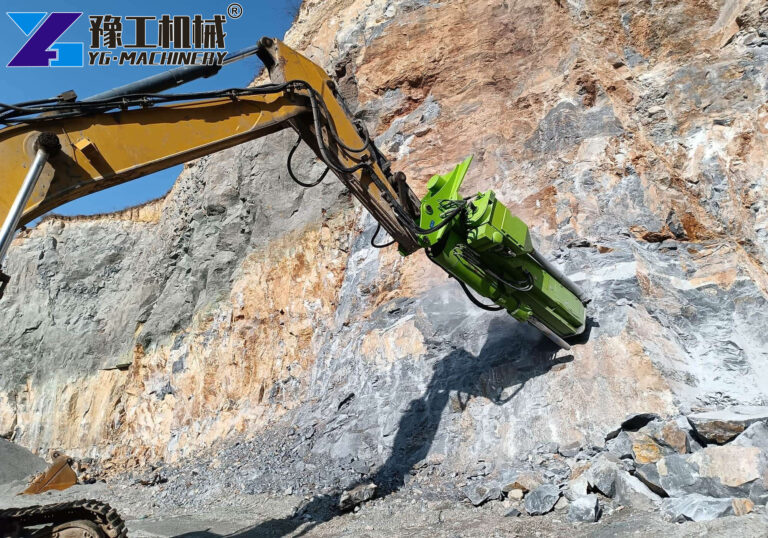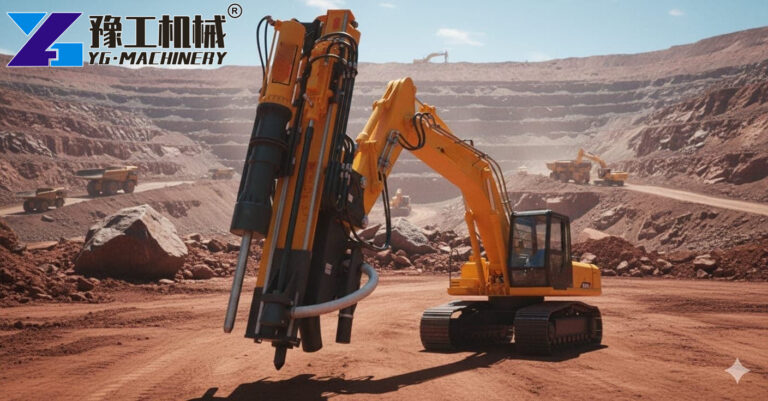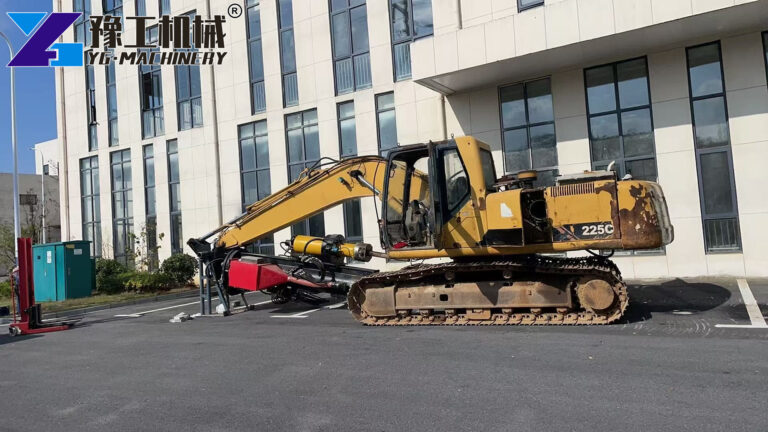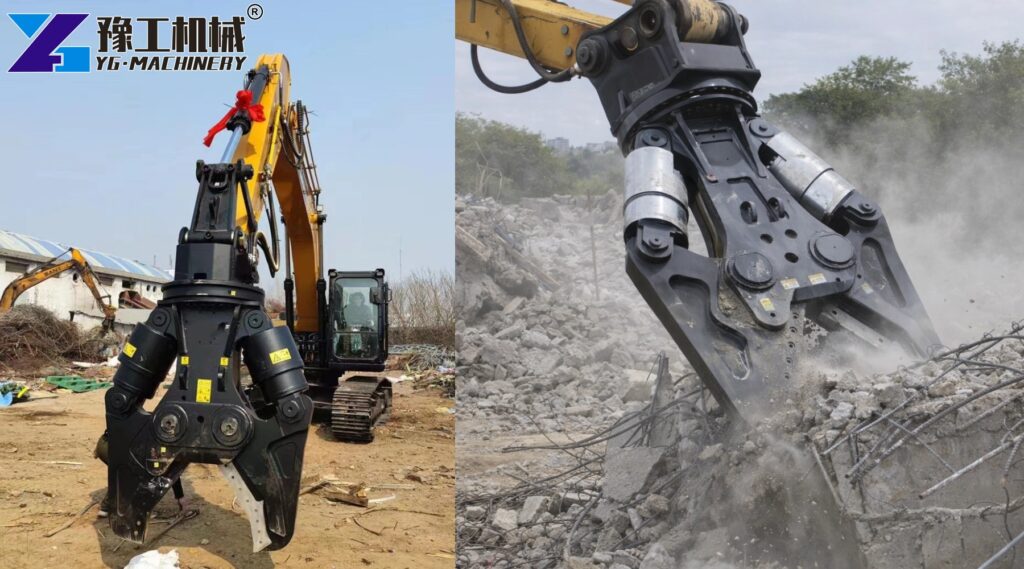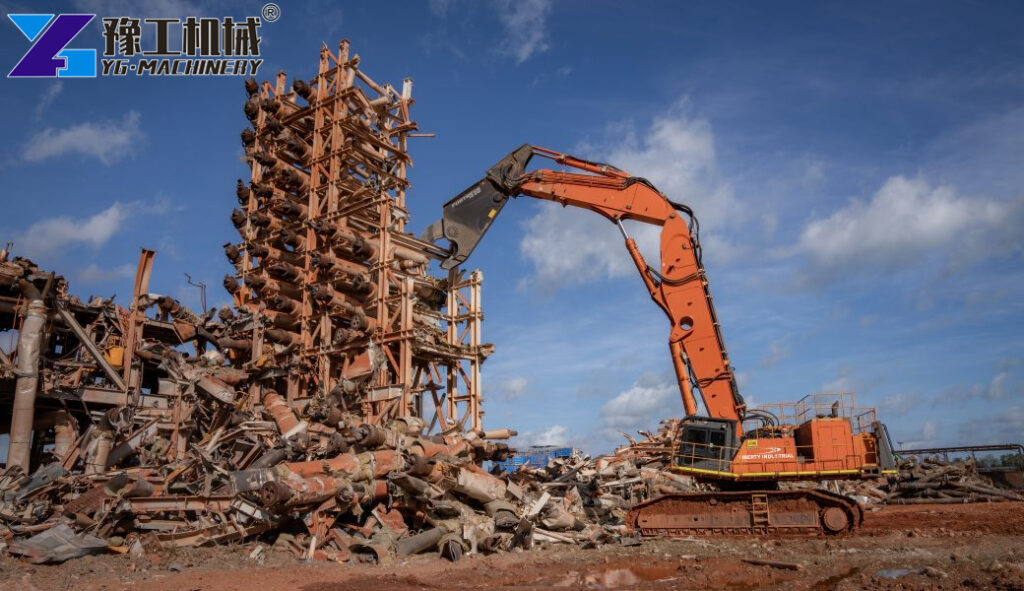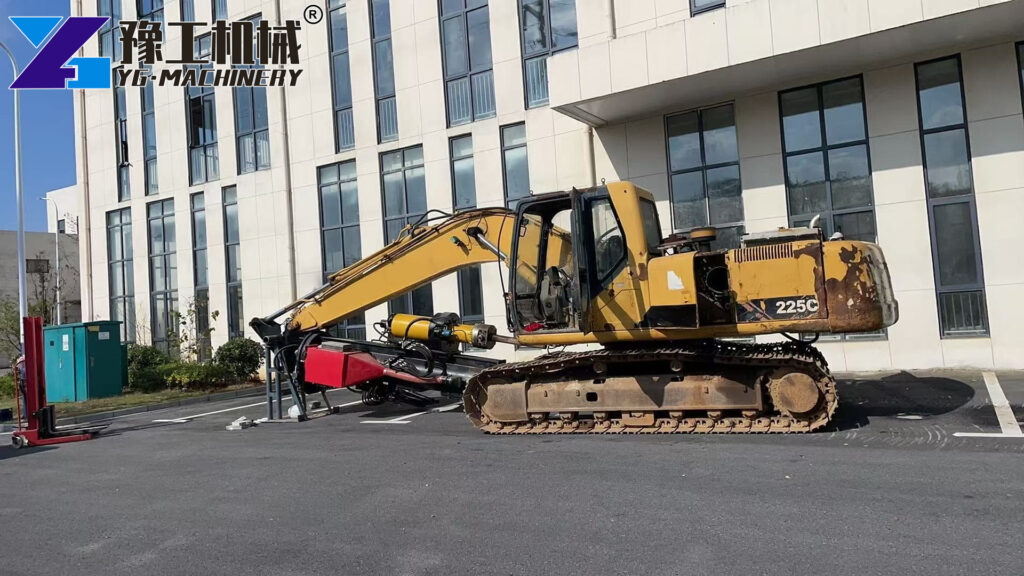
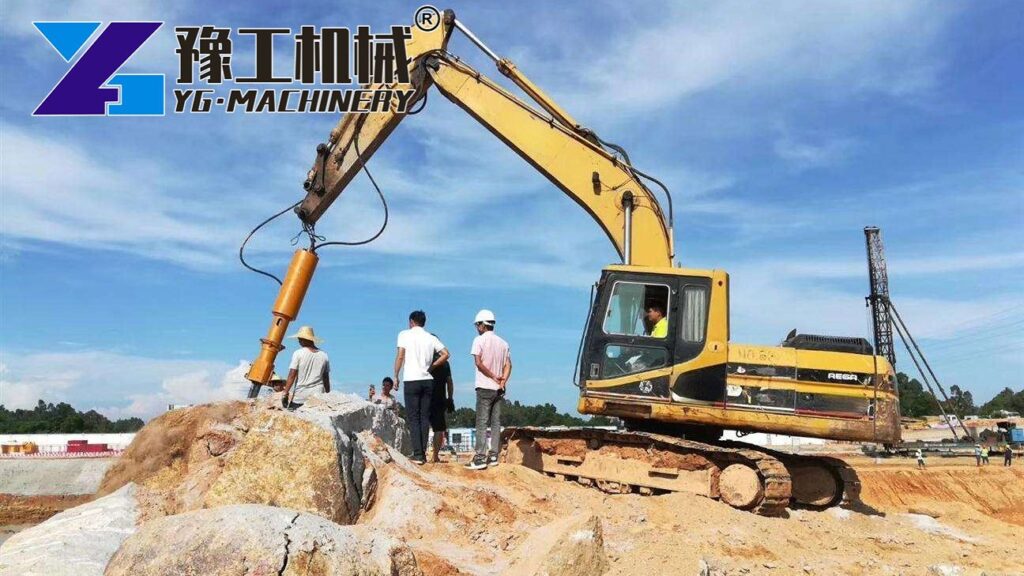
A rock splitter for an excavator is a heavy-duty hydraulic attachment that transforms a standard excavator into a powerful rock-breaking machine. It is designed to split hard rock, reinforced concrete, and dense stone efficiently without the need for blasting, making it ideal for mining, quarrying, foundation excavation, tunneling, and demolition projects.
Compared with traditional blasting or hydraulic hammer methods, a modern excavator rock splitter delivers greater precision, lower vibration, reduced noise, and improved jobsite safety. These advantages make it especially suitable for urban construction and environmentally sensitive projects where strict noise and vibration limits apply.
As a professional manufacturer, YG Machinery supplies factory-direct hydraulic rock splitters engineered for continuous heavy-duty operation in demanding geological conditions. With reliable performance, durable components, and customized solutions for different excavator sizes, our equipment helps contractors improve productivity while reducing operating costs.
Start Your Project with the Right Equipment
What Is a Rock Splitter for an Excavator and How Does It Work?
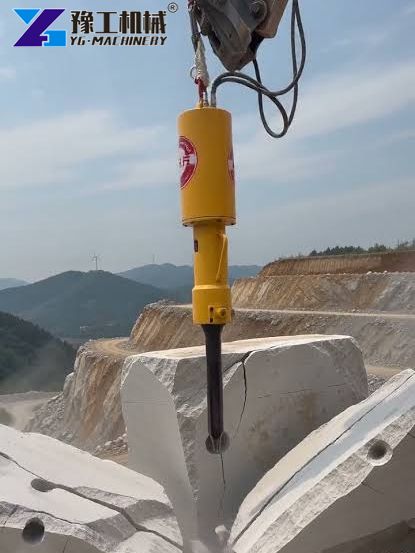
An excavator rock splitter, also known as a hydraulic rock splitter or wedge splitter, delivers precise and powerful rock-breaking performance for demanding demolition and excavation projects. Instead of relying on high-impact percussion like a hydraulic hammer, it applies immense static hydraulic pressure to split rocks and reinforced concrete from the inside out.
This controlled splitting method minimizes vibration, flying debris, and noise, making the attachment an ideal choice for quarrying, trenching, mining, foundation work, and urban construction where safety, precision, and environmental compliance are essential.
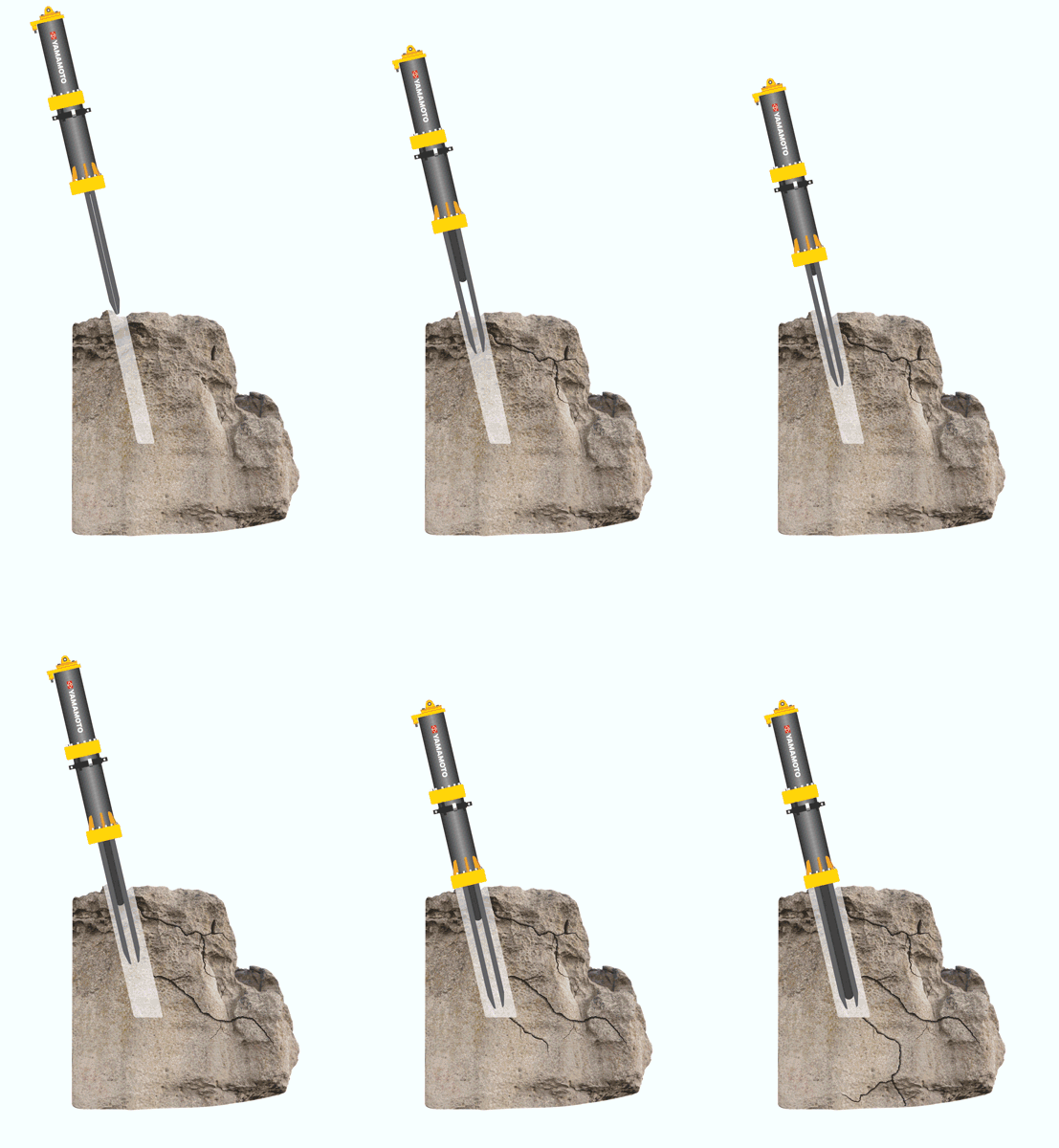
The operation of an excavator rock splitter is based on the mechanical wedge principle. The process typically unfolds in three straightforward steps:
- Drilling: An operator first drills a pilot hole of a specific diameter and depth into the rock or concrete using a drilling attachment.
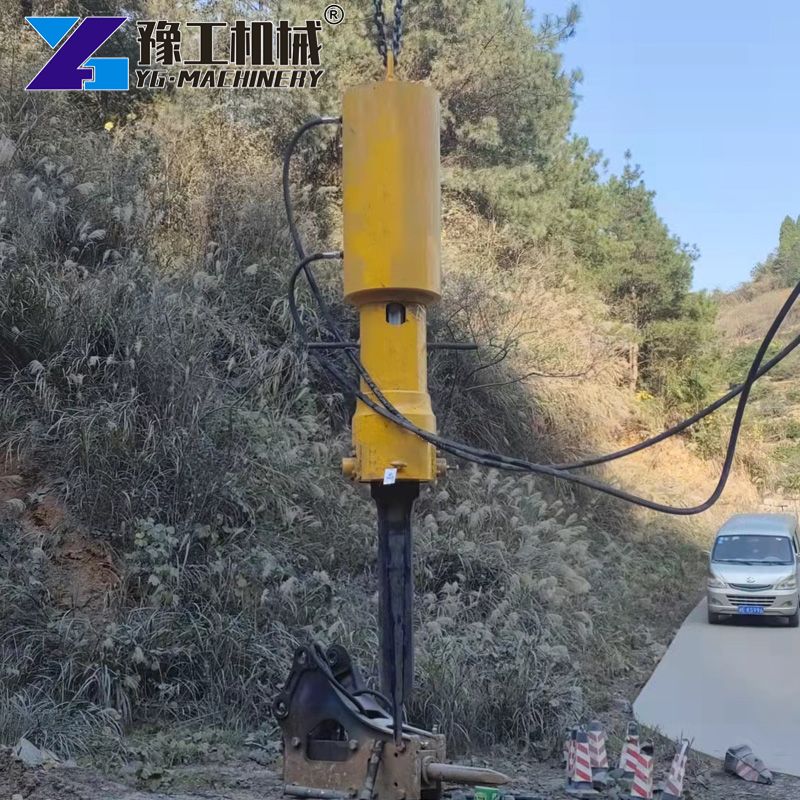
- Insertion: The cylinder assembly of the rock splitter—featuring a powerful central wedge flanked by two hardened counter-wedges (commonly called feathers)—is inserted into the pre-drilled hole.
- Splitting: Powered by the excavator’s hydraulic system, high-pressure fluid drives the central wedge downward between the counter-wedges. This action generates enormous lateral splitting forces, frequently exceeding several hundred tons. Because stone and concrete possess high compressive strength but low tensile strength, the material immediately yields to the outward pressure, fracturing cleanly along the intended line within seconds.
By eliminating heavy ground vibrations and minimizing dust, this advanced attachment offers a safer, highly efficient alternative to explosives and conventional breakers, significantly boosting productivity in sensitive or confined job-site environments.
Rock Splitter for Excavator Technical Parameters Overview
| Parameter | YGM-S200 | YGM-S280 |
| Splitting Force (ton) | 3800 | 5700 |
| Piston Diameter (mm) | 200 | 250 |
| Required Drilling Diameter (mm) | 90–110 | 110–130 |
| Required Drilling Depth (mm) | 1600 | 1700 |
| Crack Width (mm) | 32 | 35 |
| Drilling Gap Distance (mm) | 1000–1500 | 2000–2500 |
| Splitting Speed (s) | 40–50 | 40–50 |
| Required Pressure (MPa) | 60–80 | 80 |
| Splitting Gun Length (mm) | 2700 | 2800 |
| Weight (kg) | 900 | 1000 |
Compare Models and Get a Quote
How to Choose the Right Rock Splitter for an Excavator with YG Machinery Engineering Strength
Selecting the optimal hydraulic rock splitter for your excavator requires a strategic balance between project demands, carrier specifications, and machinery quality. To maximize operational efficiency and return on investment, contractors must evaluate several key technical factors alongside the manufacturer’s manufacturing capabilities:
1. Carrier Tonnage and Hydraulic Compatibility
Match the rock splitter’s operating requirements with your carrier class:
- Medium Excavators (20–30 metric tons): Ideal for models like the YGM-S200 (generating 3,800 tons of splitting force at 60–80 MPa operating pressure).
- Large Excavators (30–40+ metric tons): Recommended for heavy-duty units like the YGM-S280 (delivering up to 5,700 tons of splitting force at 80 MPa). Ensure your excavator’s hydraulic system supplies sufficient oil flow and pressure to achieve full splitting output without overloading the main pump.
2. Geological Hardness & Hole Dimensions
The physical characteristics of the rock determine the required hole diameter, depth, and wedge configuration:
- Hard Quartzite, Basalt, and Granite: Require deeper pre-drilled pilot holes (1600–1700 mm) with larger hole diameters (90–130 mm) to allow the central wedge and counter-wedges to engage fully.
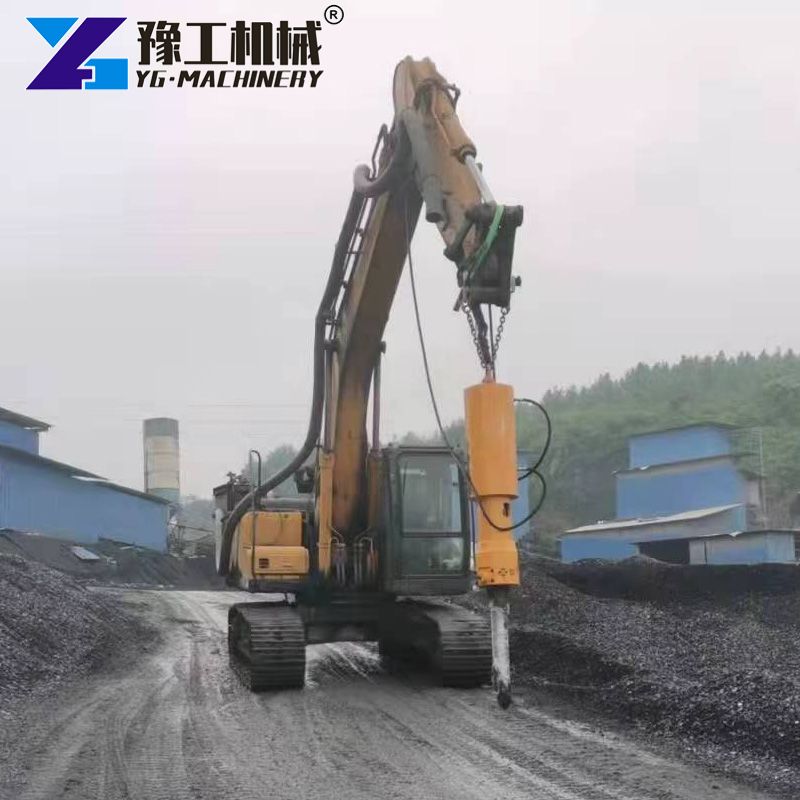
- Integrated Rock Drill and Splitter Systems: For high-production job sites, single dual-function attachments (such as the YG-130 or YG-152) integrate hydraulic drilling and splitting into a single remote-controlled rig mounted on the excavator boom, eliminating manual drilling steps.
3. Complementary Heavy Duty Excavator Attachments
A fully equipped fleet relies on a combination of specialized excavator attachments working together on complex demolition, quarrying, and foundation sites:
- Hydraulic Breakers (Breaker Hammers): Used for initial surface scoring, breaking softer rock layers, or secondary reduction of fractured concrete.
- Excavator Hydraulic Shears (Metal/Demolition Shears): Essential for cutting exposed rebar, steel beams, and structural mesh after the rock splitter fractures reinforced concrete structures.
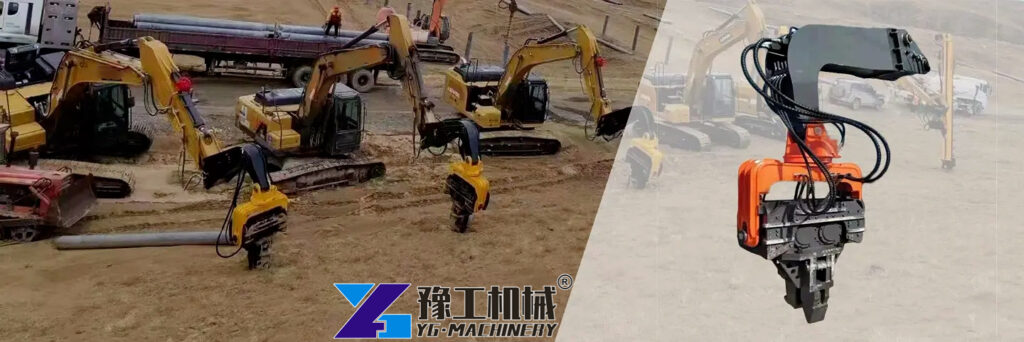
- Pile Breaking Machines (Pile Cutters): Specialized attachments designed for rapid, clean crushing of concrete foundation piles without damaging internal steel reinforcement.
- Vibratory Pile Drivers & Log/Demolition Grapples: Provide versatile handling, foundation piling, and debris clearing capabilities across multi-phase job sites.
4. Backed by YG Machinery’s Engineering Strength
Choosing YG Machinery means leveraging decades of specialized engineering, advanced metallurgy, and robust manufacturing standards:
- Heavy-Duty Alloy Construction: YG rock splitters feature precision-honed cylinders forged from high-strength alloy steel and heat-treated wedge components built to endure extreme frictional wear under thousands of tons of lateral force.
- Tailored Mounting Brackets: Custom mounting brackets and quick-coupler adapters are custom-engineered to match any global excavator brand, ensuring seamless hydraulic integration without fleet modifications.
- Comprehensive Attachment Lineup: From standalone hydraulic rock splitters and integrated drill-splitter units to hydraulic shears, pile breakers, and vibratory drivers, YG Machinery provides complete, field-tested attachment solutions built for demanding mining, tunneling, and urban infrastructure projects worldwide.
Boost Productivity—Get a Free Quote
Key Features of the Rock Splitter for Excavator
An excavator rock splitter is engineered with a range of advanced mechanical and hydraulic features designed to maximize job-site productivity, safety, and precision.
- Massive Splitting Force: Driven by heavy-duty hydraulic cylinders, these attachments generate immense outward pressure—often ranging from 300 to over 700 tons of force—allowing them to effortlessly fracture the hardest rock formations and thickest reinforced concrete.
- Vibration and Noise Control: Unlike hydraulic hammers that rely on destructive shock waves, rock splitters operate via static hydraulic pressure. This drastically reduces ground vibrations and noise, making them ideal for urban demolition, tunneling, and close proximity to sensitive infrastructure.
- Controlled and Precise Breakage: Operators maintain complete control over the direction and line of the fracture. By strategically placing drill holes, crews can split materials precisely as intended without accidental over-breaking or structural damage to surrounding areas.
- High Durability Counter-Wedges (Feathers): The core splitting assembly is forged from high-grade alloy steel and subjected to advanced heat treatments. This ensures the central wedge and side feathers withstand extreme frictional wear and repeated high-pressure stress cycles.
- Excavator Compatibility: Rock splitters are designed for seamless integration with a wide variety of carrier machines, ranging from mini excavators for tight residential spaces to large excavators for heavy quarrying and mining operations.
- Enhanced Safety and Efficiency: The elimination of flying debris and the reduced risk of uncontrolled rock fragmentation significantly improve operator safety while minimizing cleanup times and project delays.
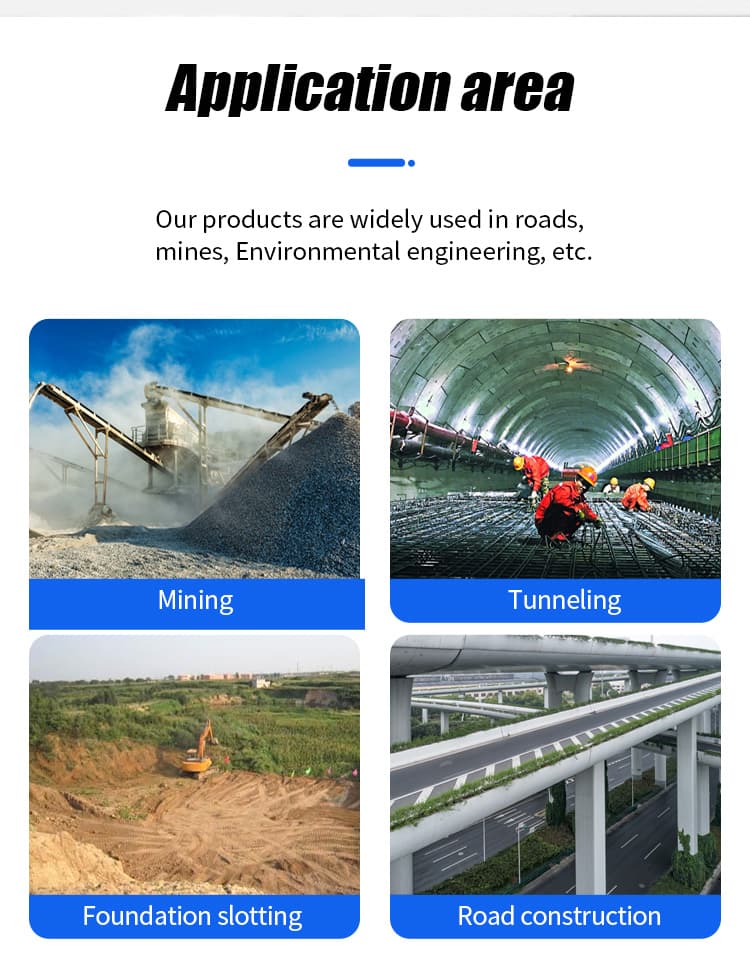
Applications of Hydraulic Rock Splitting Equipment
Hydraulic rock splitting equipment is valued across industries where traditional demolition methods are restricted due to space, noise, or structural safety concerns.
- Underwater Demolition: Specialized hydraulic splitters can operate submerged in water, making them effective for deepening shipping channels, removing underwater rock ledges, and clearing marine foundations.
- Urban Demolition and Foundation Removal: In densely populated areas, rock splitters safely break up massive concrete foundations, basement rock, and retaining walls without damaging nearby structures through heavy vibrations or shock waves.
- Trenching and Pipeline Installation: Utility crews use rock splitters to cut through bedrock and hard stone formations during sewer, water, and electrical trenching projects, eliminating the need for controlled blasting in confined spaces.
- Quarrying and Dimension Stone Extraction: In quarries, splitters allow operators to harvest high-value blocks of marble, granite, and limestone cleanly and precisely, maximizing material yield and minimizing the waste caused by explosive fracturing.
- Tunneling and Underground Construction: During underground excavation, rock splitters provide a safe, fume-free, and low-vibration method for advancing tunnels without risking the stability of surrounding rock strata.
Find the Right Model for Your Project
Rock Splitter for the Excavator vs. Traditional Methods
When tackling heavy demolition, rock excavation, or concrete removal, choosing the right method directly impacts project timelines, safety, and budgets. Comparing excavator rock splitters to traditional techniques highlights distinct operational advantages.
| Comparison Factor | Excavator Rock Splitter | Hydraulic Breakers (Hammers) | Blasting (Explosives) |
| Operational Principle | Static hydraulic wedge pressure (inside-out fracturing) | High-impact percussive shock waves | Chemical detonation |
| Vibration & Noise | Minimal vibration, very low noise | Severe ground vibration, extremely loud | Massive shock waves, deafening noise |
| Precision & Control | High; fractures along a pre-determined drill line | Low to moderate; prone to random chipping | Low; difficult to contain precisely |
| Environmental Impact | Eco-friendly; virtually no dust or flying debris | Generates significant dust and debris | High risk of flying rock, dust, and toxic fumes |
| Regulatory & Permit Hurdles | Minimal; safe for urban and restricted zones | Moderate; restrictions near sensitive structures | Extreme; requires specialized permits, licensed blasters, and strict security |
| Primary Use Cases | Urban demolition, trenches, indoor rock removal, quarries | General concrete breaking, road paving, utility work | Large-scale mining, mass earthmoving, open-pit quarries |
Key Takeaways
- Versatility in Sensitive Areas: While traditional hydraulic hammers and explosives are heavily restricted in urban environments or near existing structures due to noise and vibration complaints, rock splitters operate safely right next to foundations and utilities.
- Cost and Efficiency: Although rock splitters require a preliminary drilling step, they save money in the long run by eliminating the costly permitting, insurance, and specialized labor required for explosives, while cutting down cleanup and material waste.
Case Study: YGM-S280 Heavy-Duty Rock Splitter Empowers Hard Granite Excavation in Turkey
To showcase the real-world performance of advanced heavy-duty rock splitting technology, we look at a major infrastructure and utility expansion project located in the rugged terrain of Turkey. The job site involved cutting deep trenches through dense, unyielding basalt and granite bedrock situated close to residential zones and active municipal pipelines. Because local environmental regulations strictly prohibited the use of explosives, and traditional hydraulic breakers proved too slow and disruptive, the contractor selected the ultra-powerful YGM-S280 heavy-duty excavator rock splitter.
Project Implementation & Operational Workflow
The Turkish contractor integrated the YGM-S280 unit onto a heavy excavator, deploying a precise, vibration-free methodology to break through the stubborn stone strata:
- High-Precision Drilling: The team utilized specialized drill rigs to create pilot holes with a diameter of 110–130 mm and a depth of 1700 mm. To maximize efficiency across the trench line, they maintained an optimized drilling gap distance of 2000–2500 mm between holes.
- Massive Hydraulic Splitting Force: Operating at a required system pressure of 80 MPa, the 1000 kg splitting gun (measuring 2800 mm in length) delivered an astonishing 5,700 tons of splitting force through its robust 250 mm piston diameter.
- Rapid Cycles and Clean Fracturing: Each splitting cycle took a mere 40–50 seconds, cleanly fracturing the dense Turkish bedrock from the inside out and producing a consistent crack width of 35 mm per cycle without generating harmful ground shocks or flying debris.
Results and Project Impact
By transitioning from conventional percussive hammering to the YGM-S280 hydraulic rock splitter, the Turkish construction crew achieved exceptional outcomes:
- Regulatory Compliance: Completely eliminated the noise, seismic shocks, and safety hazards associated with controlled blasting, allowing the project to proceed smoothly inside restricted urban-adjacent zones.
- Accelerated Timelines: The wide drilling gap and massive 5,700-ton output allowed the team to break massive volumes of rock per shift, cutting trenching time down by nearly 40% compared to standard breaker attachments.
- Cost Efficiency: Minimized machine wear and tear, reduced operator fatigue, and avoided the heavy insurance and permit costs tied to explosive usage.
Ready to Upgrade Your Fleet? Contact YG Machinery Today
Looking to boost efficiency, lower project costs, and tackle challenging rock and concrete projects with precision? YG Machinery provides high-performance excavator rock splitters, hydraulic shears, pile breakers, and a full range of heavy-duty attachments tailored to your equipment and site conditions.