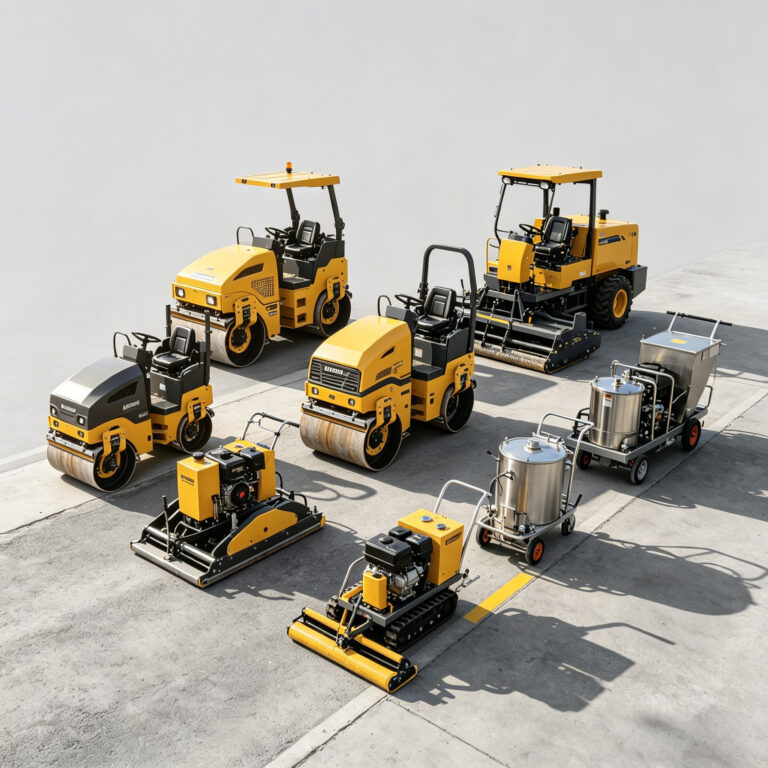
Choosing between a mini plate compactor and a mini road roller compactor comes down to three critical job-site variables: material type (granular soil, interlocking pavers, or hot-mix asphalt), workspace width, and daily area coverage. Selecting the wrong compaction machine leads to uneven asphalt ripples, insufficiently compacted sub-bases, or wasted labor hours maneuvering oversized equipment in narrow utility trenches.
Engineered for maximum centrifugal compaction force, agile maneuverability, and low fuel consumption, YG Machinery’s vibratory plate compactors and walk-behind/ride-on mini road rollers cover every small-to-medium compaction task—from tight backyard paver patios to municipal asphalt road patching. Use this technical comparison guide to match the right compactor to your project specs and budget!
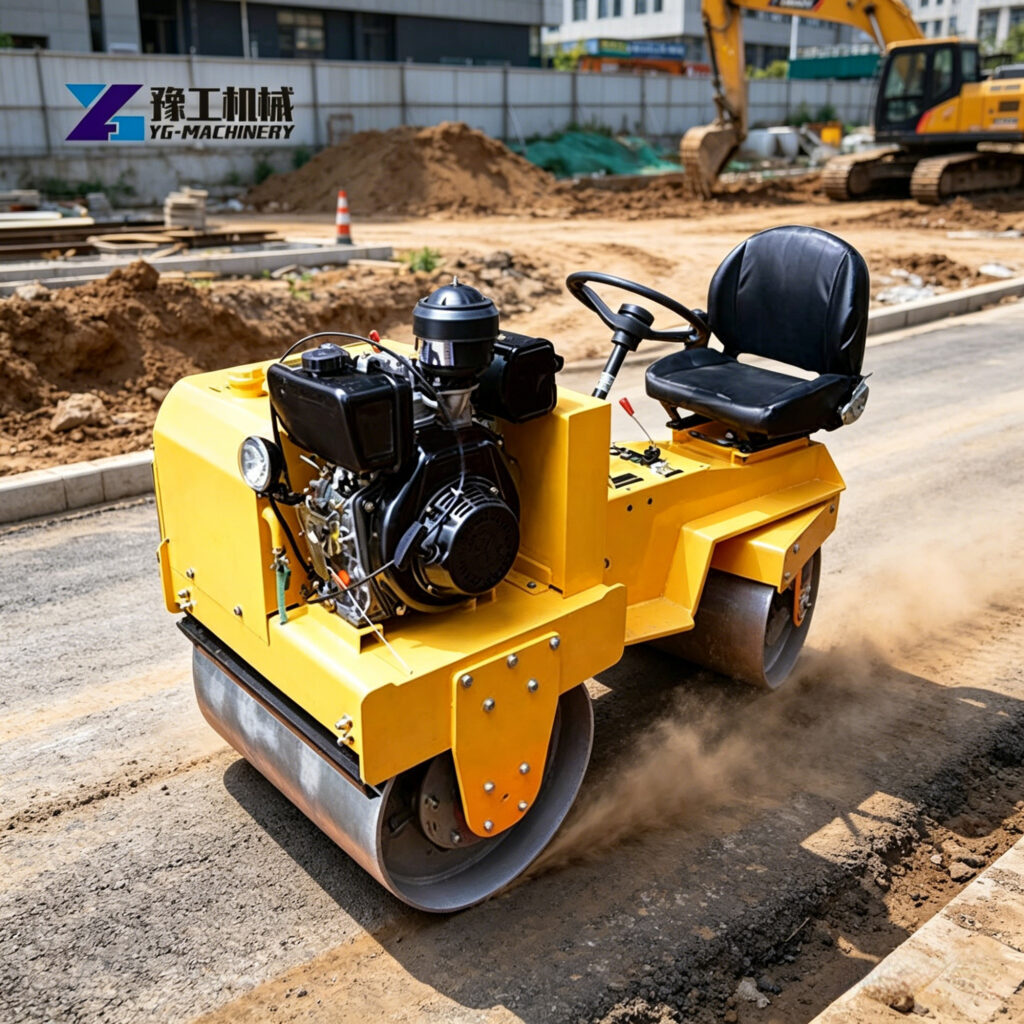
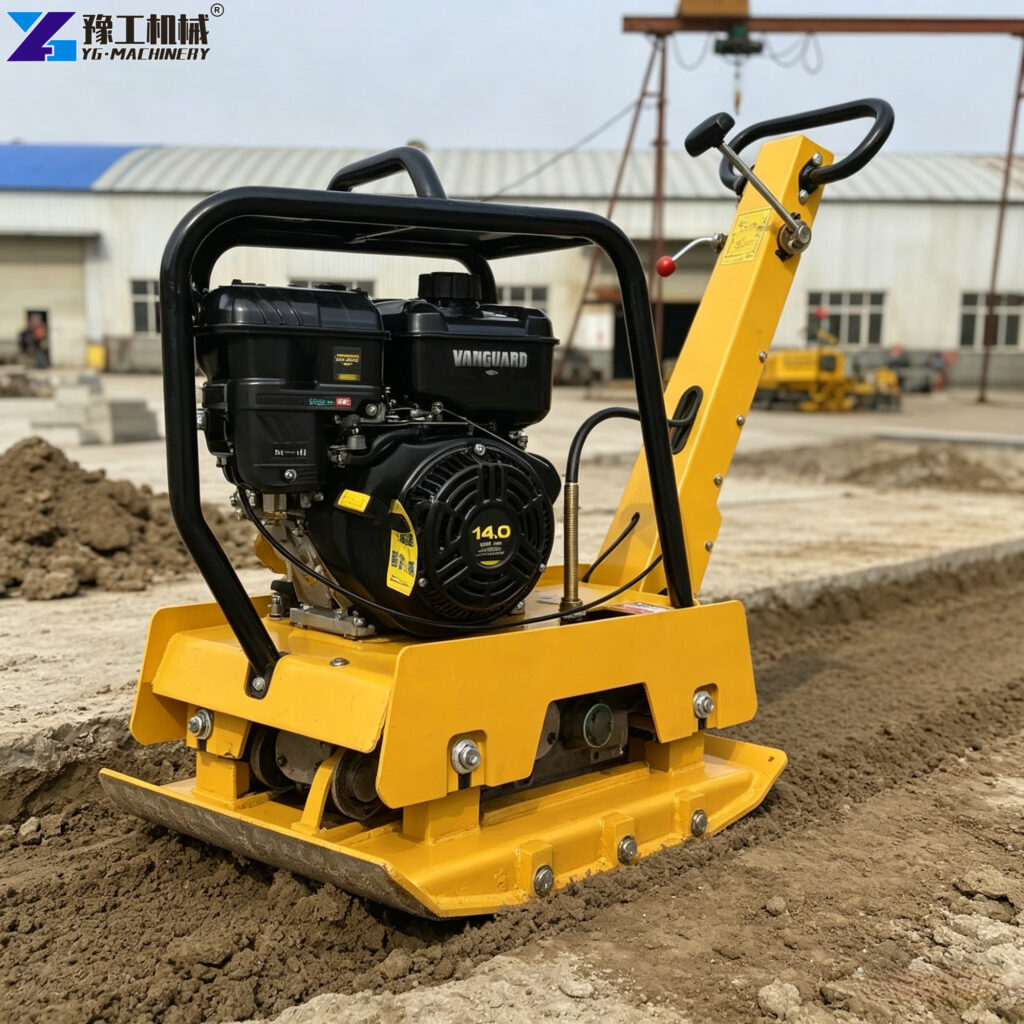
Mini Plate Compactor vs. Mini Road Roller: Side-by-Side Comparison
| Comparison Factor | Mini Vibratory Plate Compactor | Mini Road Roller (Walk-Behind / Ride-On) |
| Operating Weight | 60 kg – 350 kg (Forward & Reversible) | 350 kg – 3,000+ kg (Single/Double Drum) |
| Best Surface Material | Sand, gravel, crushed stone, interlocking pavers, small asphalt patches | Hot-mix asphalt, road sub-base, parking lots, bike paths & mixed soils |
| Asphalt Finish Quality | Moderate (can leave plate edge lines on large surfaces) | Superior (smooth, seamless finish with water sprinkler system) |
| Tight Space & Trench Access | Excellent (easily fits inside narrow trenches, corners & against walls) | Moderate (requires wider turning radius, though zero-overhang drums help) |
| Transport & Portability | Fits in a pickup truck or van; 1–2 workers can load with a lifting hook | Requires small utility trailer or ramp truck |
| Initial Purchase Price | (Most Economical — $800 to $2,500) | (Mid-Range Investment — $2,000 to $10,000+) |
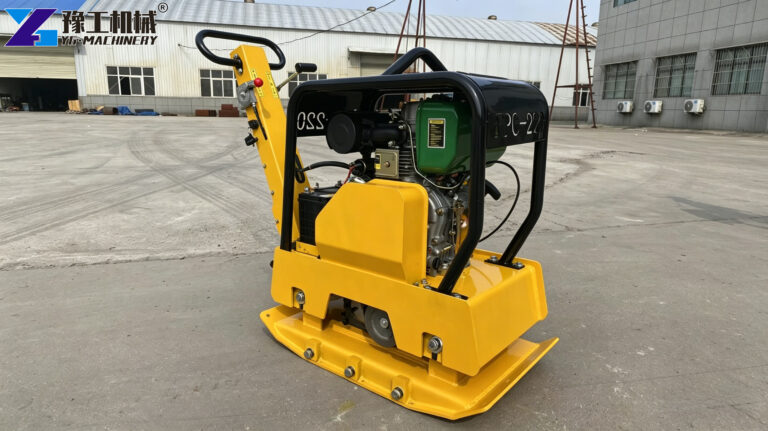
Vibe Plate Compactor: Structure and Working Method
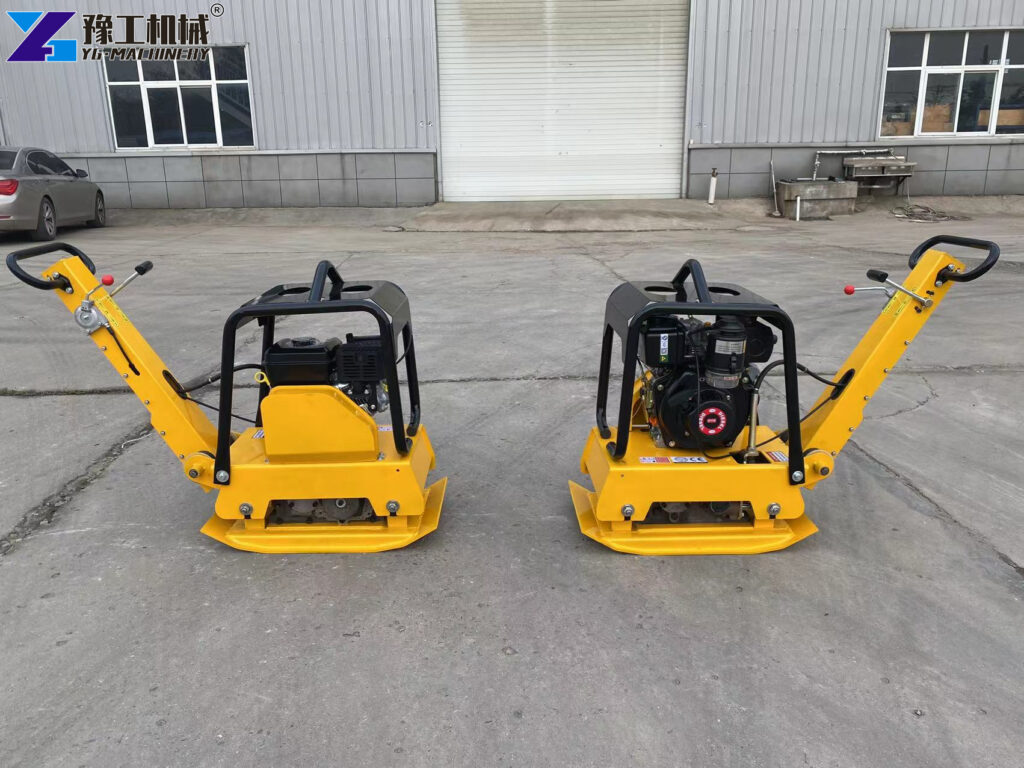
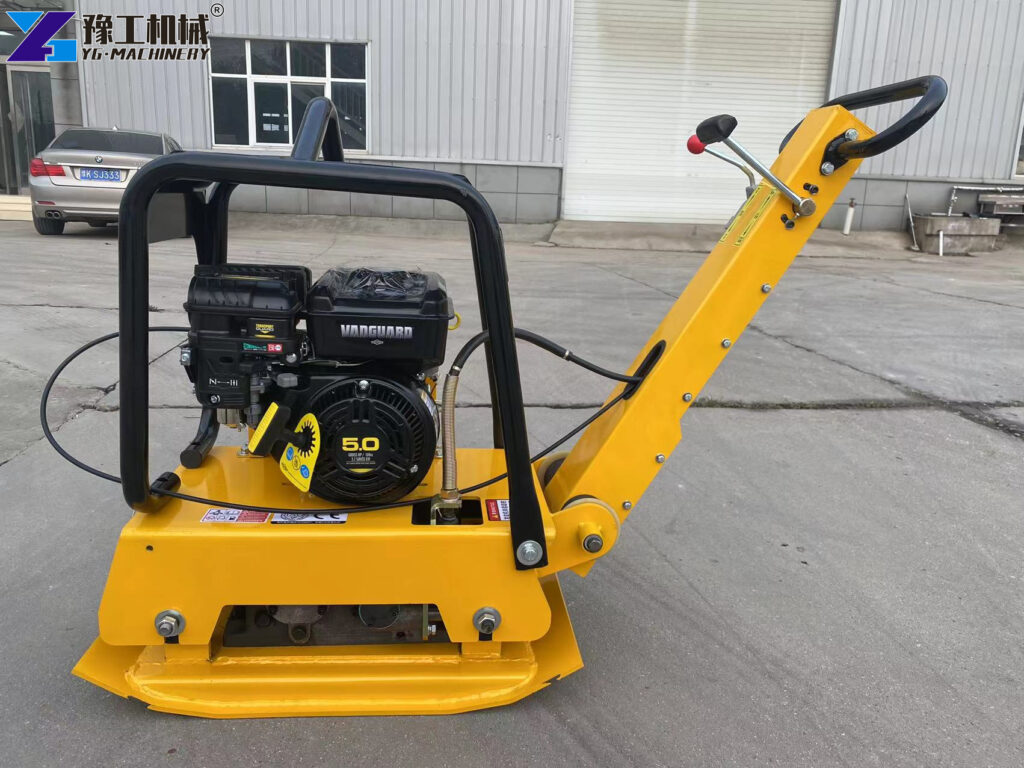
A vibe plate compactor uses a vibrating flat plate to compact the ground. The vibration force pushes air out of the material, making the surface denser.
It is lightweight, easy to move, and ideal for small jobs. Because of its flat base, it works well on sand, soil, and paving blocks. It is commonly used for landscaping, sidewalks, and small repair work.
However, its compaction depth is limited compared to heavier equipment.
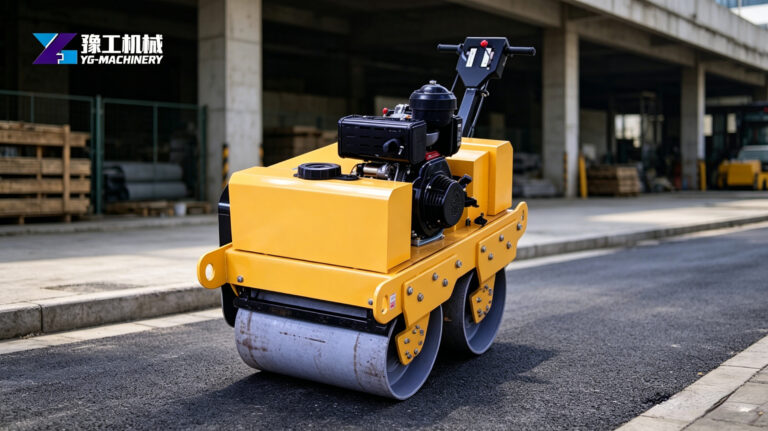
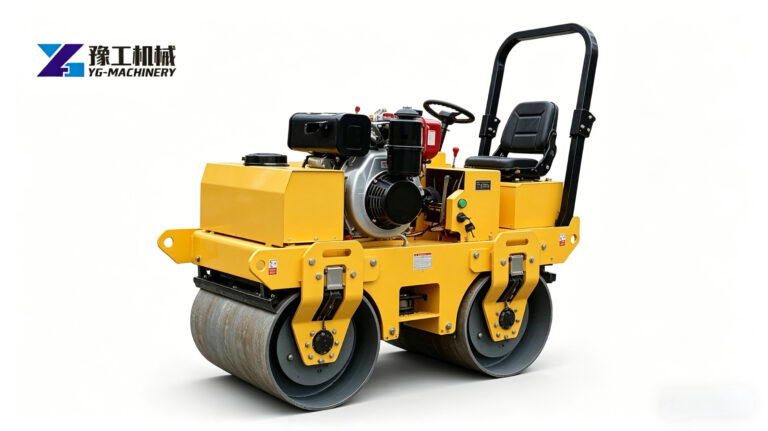
Small Road Roller: Structure and Performance
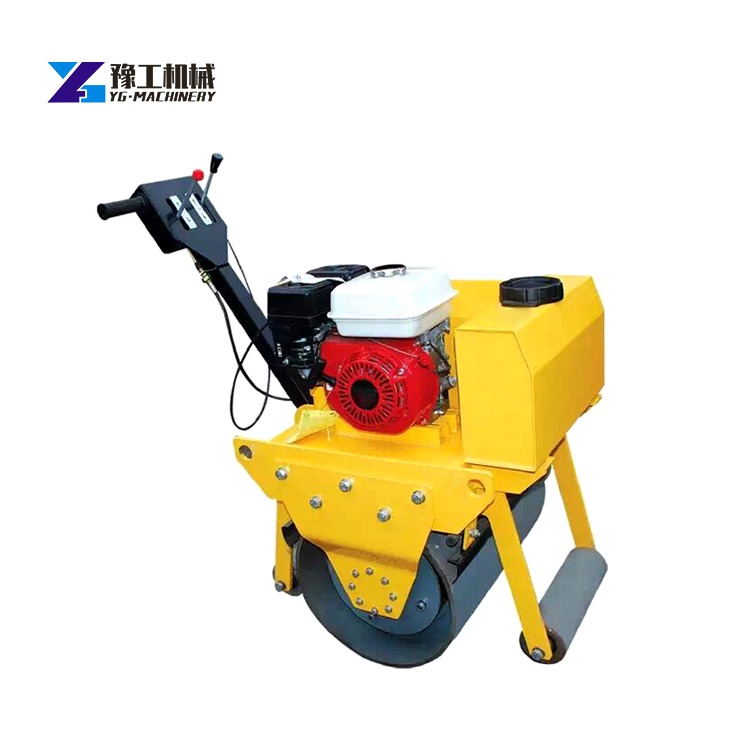
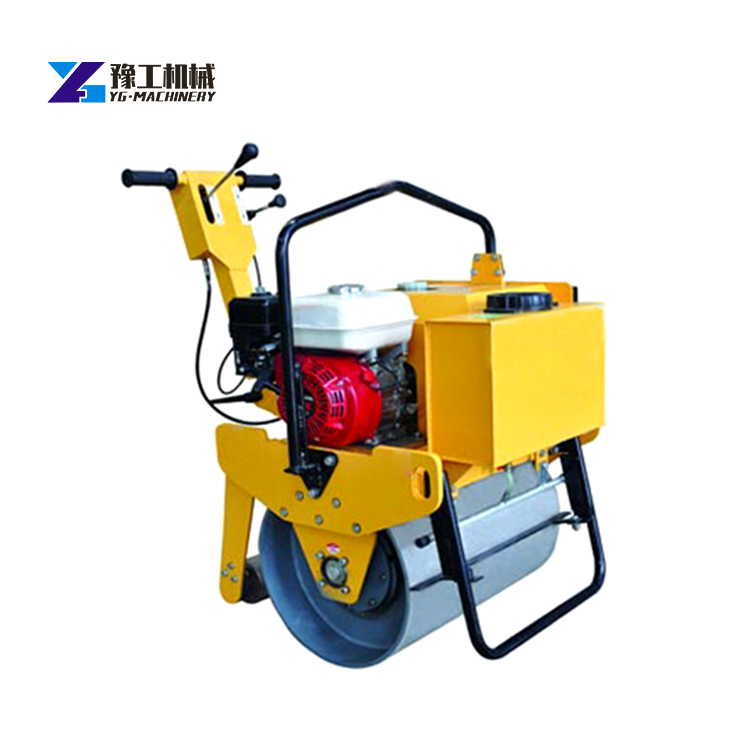
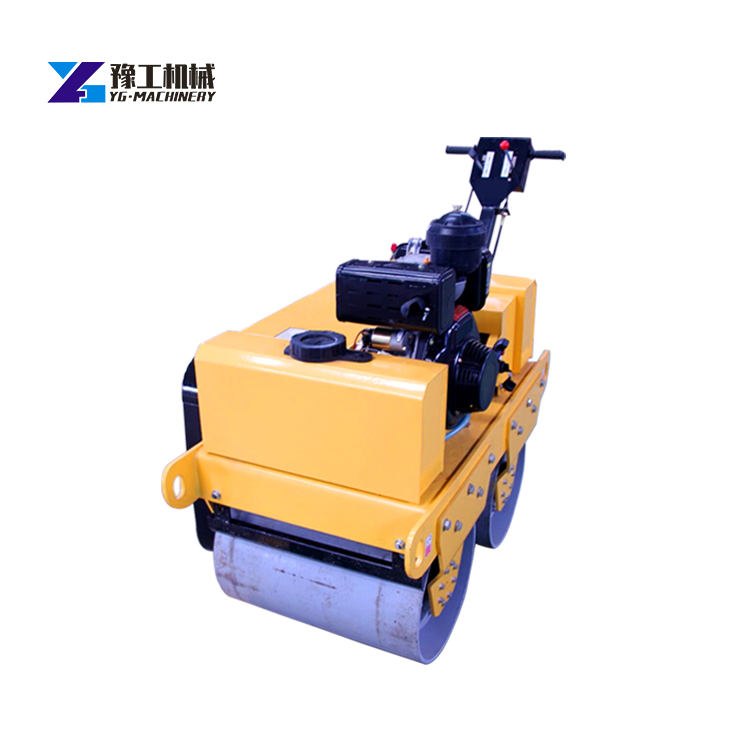
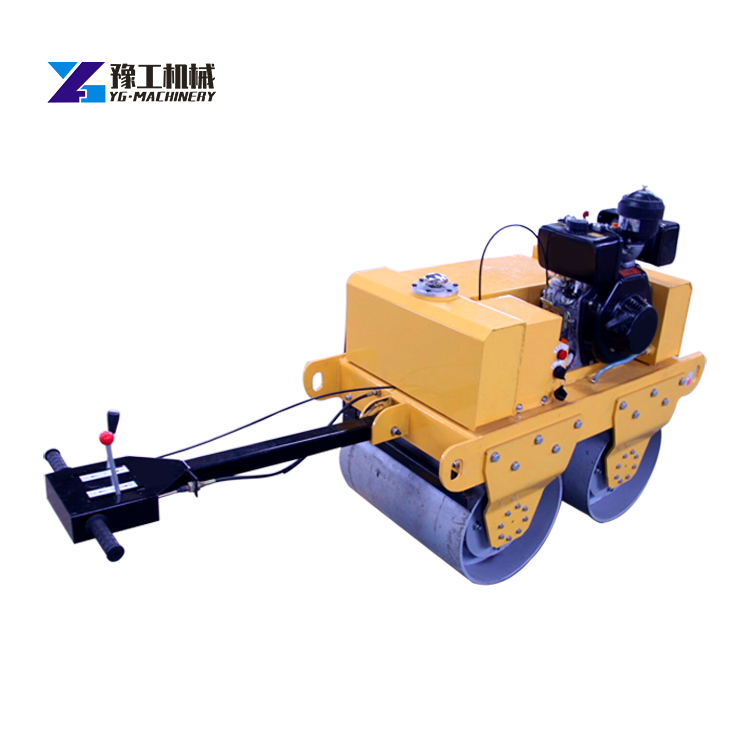
A road roller uses a steel drum to apply pressure and vibration to the surface. This allows deeper and more even compaction.
It is more stable during operation and suitable for asphalt surfaces and larger areas. The drum design ensures uniform pressure, which improves surface smoothness and durability.
Compared with plate compactors, it is better for projects that require higher compaction quality.
Mini Plate Compactor vs Mini Road Roller Compactor Specifications&Performance Comparison
The Mini Road Roller Parameter
| Model | YG-600S | YG-600D | YG-850 | YG-880 |
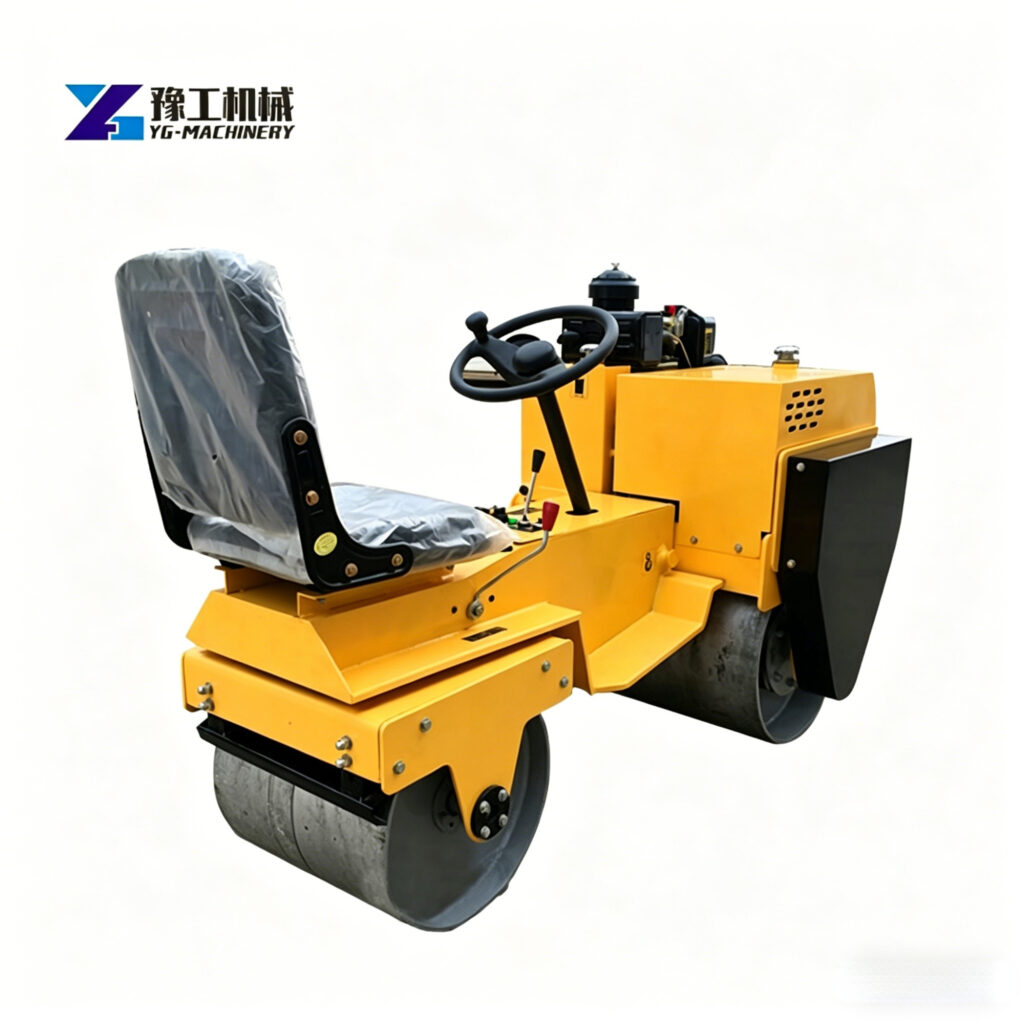
| Type | Walk-behind | Walk-behind | Ride-on | Ride-on |
| Drum Number | 1 | 2 | 2 | 2 |
| Engine Power | 5.5 HP | 6.0 HP | 6.0 HP | 25 HP |
| Walking Speed | 2.4 km/h | 0–4 km/h | 0–4 km/h | 0–5 km/h |
| Walking Type | Two-side | Two-side | Two-side | Two-side |
| Drive Type | Hydraulic | Hydraulic | Diesel | Hydraulic |
| Drum Size (mm) | 426 × 600 | 426 × 600 | 580 × 700 | 800 × 850 |
| Vibration Force | 15 KN | 25 KN | 35 KN | 50 KN |
| Climbing Ability | 25% | 30% | 30% | 30% |
| Weight | 330 kg | 550 kg | 750 kg | 1000 kg |
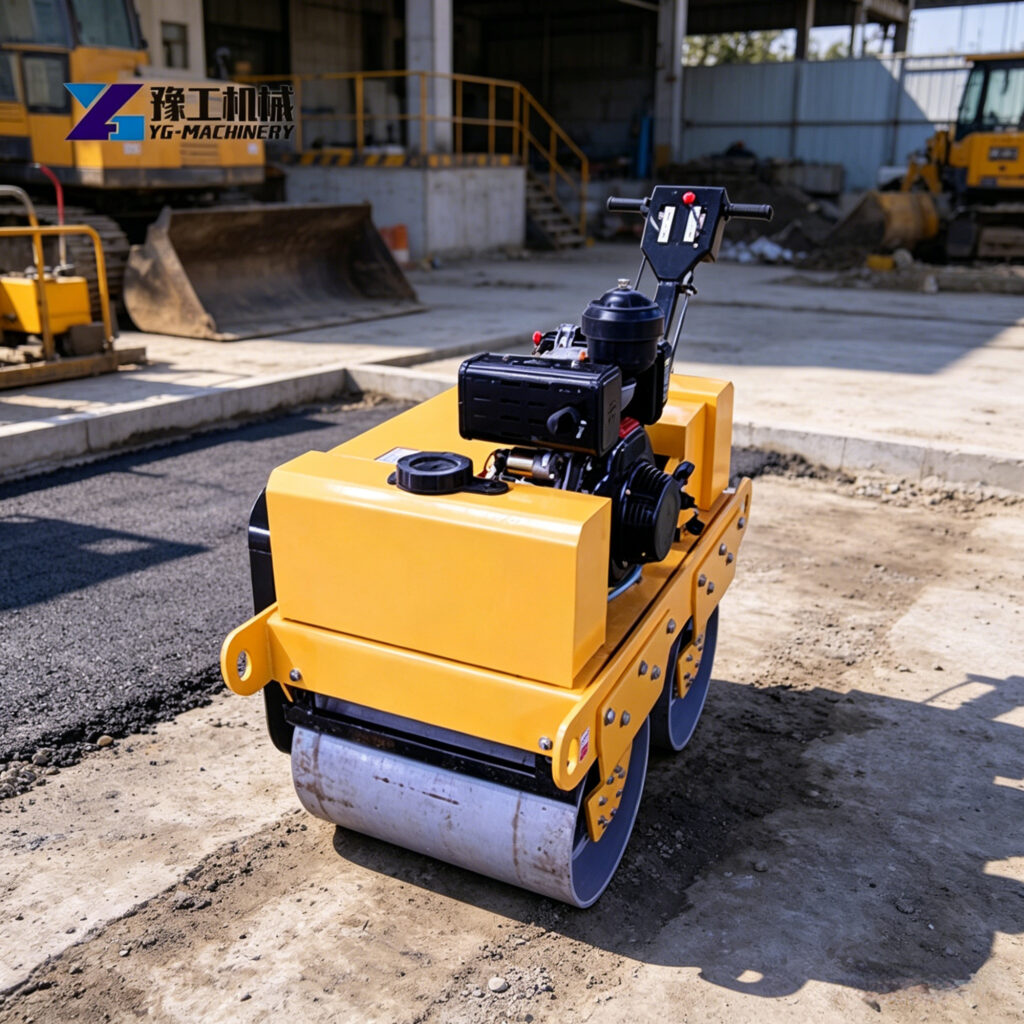
The Mini Plate Compactor Parameter
| Model | YG-120 | YG-150 |
| Power Type | Electric | Electric |
| Power Output | 3 kW | 4 kW |
| Exciting Force | 16 KN | 20 KN |
| Compaction Depth | 30 cm | 30 cm |
| Moving Speed | 10–27 cm/s | 10–27 cm/s |
| Working Efficiency | 48 Hz | 48 Hz |
| Compaction Area (mm) | 450 × 420 | 450 × 420 |
| Item Weight | 125 kg | 150 kg |
| Gradeability | ≤20° | ≤20° |
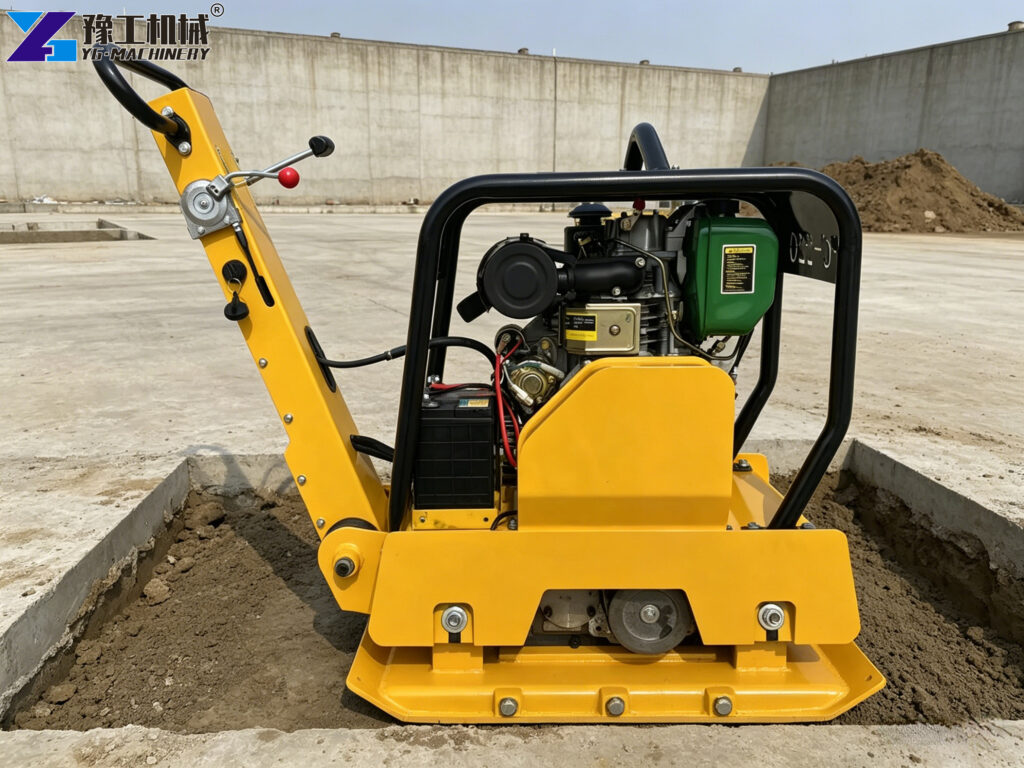
Performance Comparison
| Aspect | Plate Compactor | Road Roller |
| Compaction Depth | Shallow | Deeper |
| Efficiency | Medium | High |
| Surface Finish | Moderate | Smooth |
| Mobility | Very High | High |
| Cost | Lower | Higher |
| Application Area | Small Jobs | Medium Projects |
How to Choose Between the Two
Here is a simple decision guide:
- Choose a plate compactor if:
- You need portability. Your projects are small
- The budget is limited
- Choose a road roller if:
- You need deeper compaction. You work on asphalt surfaces
- You handle medium-sized projects
Making the right choice improves efficiency and reduces long-term costs.
Road Roller Machine Price vs Plate Compactor Cost
The price of a road roller is generally higher than that of a plate compactor due to its larger size and stronger performance.
Plate Compactor Price Range
- $800 – $2,500
- Lower initial investment
- Suitable for small projects
Road Roller Price Range
- $2,000 – $10,000+
- Higher performance and durability
- Better for long-term use
Cost Insight:
- Plate compactors are ideal for budget-sensitive users
- Rollers offer better long-term value for larger projects
Mini Plate Compactor vs Mini Road Roller Compactor: Applications – Which Machine Fits Your Project?
Choosing between a mini plate compactor and a mini road roller compactor depends on the application, material type, and project scale. Each machine is designed for specific working conditions, and selecting the right one can greatly improve efficiency and compaction quality.
Plate Compactor Applications
- Landscaping and gardening projects, such as soil leveling and turf preparation
- Sidewalk and paving block installation where precise edge compaction is required
- Small repair jobs like patching damaged ground or filling gaps
- Residential construction, including driveways and patios
- Sand, gravel, and loose soil compaction in confined areas
This type of equipment performs best in tight spaces and on granular materials. It is especially useful when frequent movement and flexibility are required.
Road Roller Applications
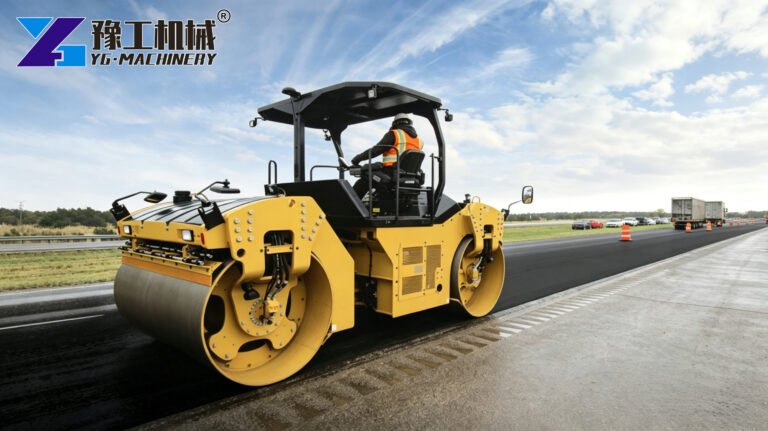
- Asphalt road compaction for smoother and more durable surfaces
- Parking lot construction and maintenance
- Municipal road repair and infrastructure projects
- Trench backfilling for pipelines and cable installation
- Medium-scale construction projects requiring deeper compaction
This type of equipment is more suitable for larger surfaces and projects that require higher compaction strength. It ensures better surface uniformity and long-term stability.
In real-world projects, contractors often choose based on both efficiency and final surface quality. For quick, small-scale tasks, a plate compactor is usually enough. For projects that demand higher durability and a professional finish, a roller becomes the better option.
Understanding these application differences helps avoid underperformance or over-investment, ensuring the best return on equipment cost.
Why Choose YG Machinery for Small Road Roller & Compaction Equipment
YG Machinery is a professional manufacturer of compaction equipment with strong global experience.
Key Advantages:
- ✔ Wide product range for different needs
- ✔ Durable machines with stable performance
- ✔ Competitive factory pricing
- ✔ Fast delivery and reliable support
YG Machinery provides:
- Road rollers
- Plate compactors
- Road marking machine
- Asphalt crack sealing machines
- Road surface shot blasting machine
This helps customers complete full construction and maintenance projects with one supplier.
Conclusion & Expert Recommendation
When deciding between a mini plate compactor vs mini road roller compactor, let your surface material and site width guide the choice: pick a vibratory plate compactor for granular gravel, pavers, and narrow trenches, and choose a mini drum road roller for smooth asphalt finishing and higher daily square-meter output. Many successful paving and utility contractors keep one of each on their trailer to handle every job phase profitably.
- Not sure which compactor weight, engine option (Honda, Loncin, or Diesel), or drum width fits your projects? Tell us your primary compaction material (soil, pavers, or asphalt) and typical site dimensions—our engineers will recommend the exact model and send a factory-direct quote within 6 hours.
[ Contact our road construction equipment specialists today for model specs, comparison advice, and factory-direct quotes! ]
FAQ: Mini Plate Compactor vs Mini Road Roller Compactor
A: Yes, for small pothole patches, trench strips, and tight edges—as long as you choose an asphalt-spec plate compactor equipped with a built-in water tank and sprinkler bar to keep hot bitumen from sticking to the base plate. However, for full driveways, parking lots, or municipal roads, a mini drum road roller delivers a noticeably smoother, higher-density asphalt finish.
A: Neither flat plate compactors nor small smooth-drum rollers are ideal for deep, sticky clay on their own. For cohesive clay and silt in narrow trenches, a tamping rammer (jumping jack) delivers high-impact kneading force. For wider clay sub-bases, choose a heavier padfoot (sheepsfoot) vibratory roller.
A: To support contractors across the complete road maintenance and paving workflow, YG Machinery also manufactures walk-behind concrete & asphalt road cutters for clean trench edging, asphalt crack sealing machines and bitumen sprayers, tamping rammers, and thermoplastic road marking machines.
Road rollers provide better results for asphalt surfaces.
It can be used for small jobs, but not for larger projects.