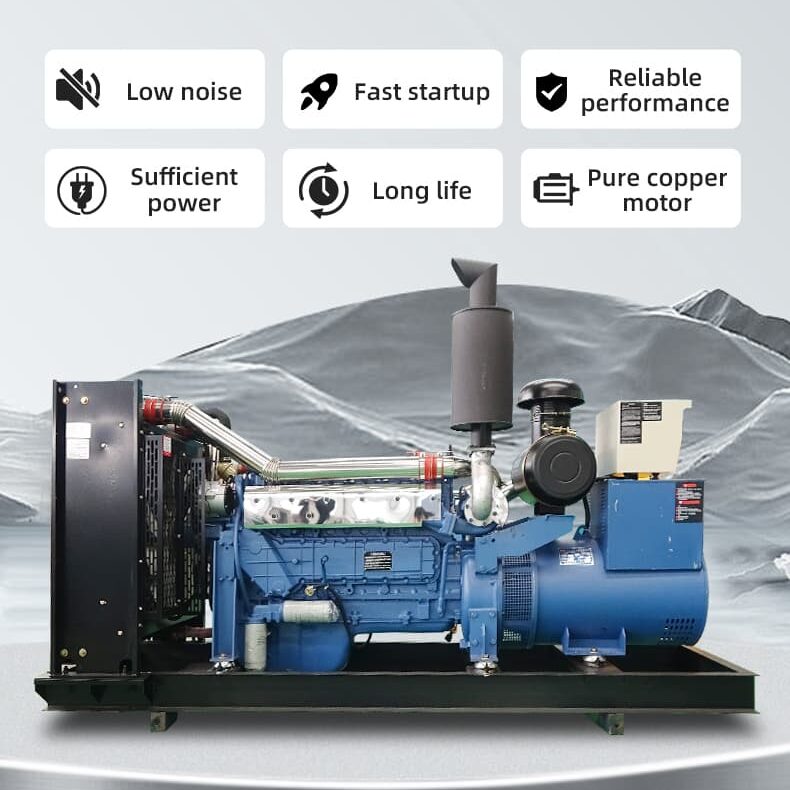
For commercial property developers, retail mall operators, hotel chains, fuel retailers, and Charge Point Operators (CPOs), installing commercial EV charging machines is no longer just a sustainability gesture—it is a high-margin revenue engine and an essential tenant amenity. However, deploying consumer-grade chargers in high-traffic commercial zones leads to frequent downtime, billing disputes, grid overload penalties, and lost revenue.
At YG Machinery, we engineer and manufacture industrial EV chargers purpose-built for continuous 24/7 public and fleet utilization. From revenue-ready 22kW dual-port commercial AC pedestals up to 120kW–480kW+ split-type and all-in-one DC fast-charging systems, our hardware combines 96% power conversion efficiency, OCPP 1.6J/2.0.1 cloud monetization, contactless POS card payment integration, and dynamic matrix power allocation. Certified for global commercial deployment (CE, TÜV, EN/IEC 61851, and UL/FCC options), YG Machinery delivers turnkey commercial charging hardware at direct factory prices. Contact us today for station ROI consultation, OEM cabinet customization, and bulk project quotes!
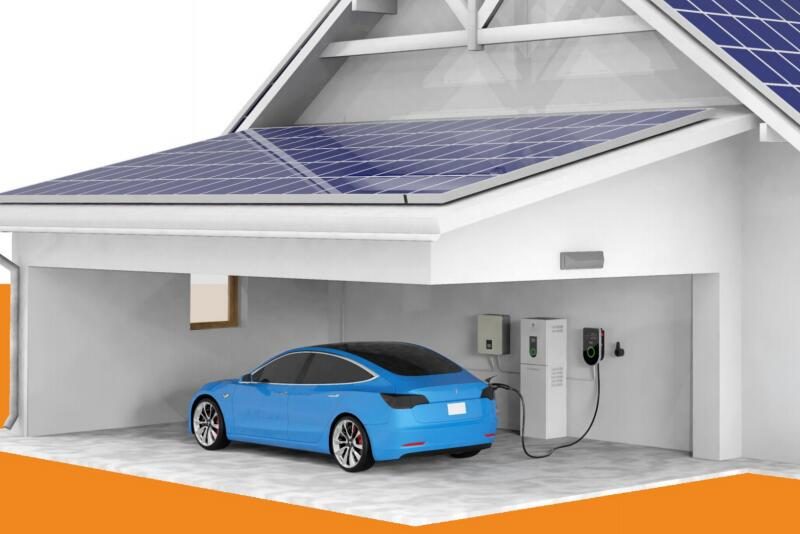
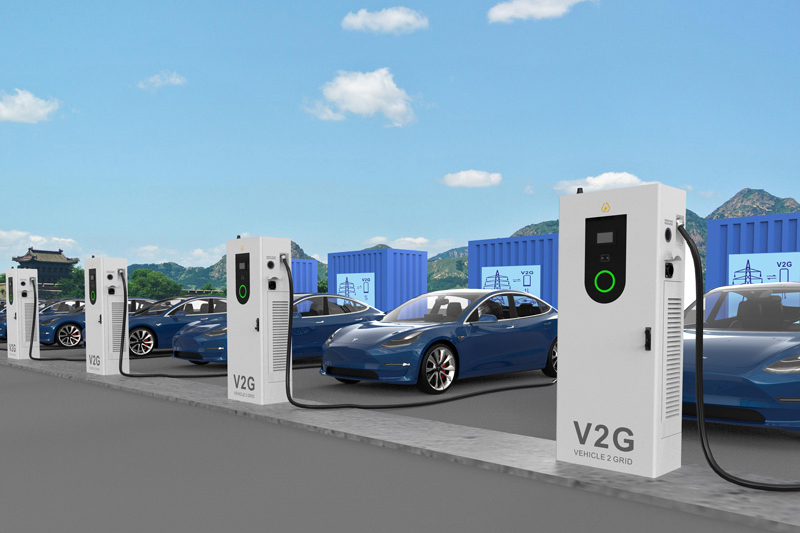
Product Specifications for YG Machinery’s EV Charging Machines
YG Machinery offers a range of commercial EV charging machines, designed to meet the needs of businesses. Here are the key specifications for their models:
| Parameter | YG-60KW | YG-80KW | YG-120KW |
| Rated Power | 60kW | 80kW | 120kW |
| Input Voltage | AC380V±20% | AC380V±20% | AC380V±20% |
| Output Voltage | 200–750VDC | 200–750VDC | 200–750VDC |
| Output Current | 0–90A | 0–120A | 0–160A |
| Efficiency | ≥94.5% | ≥94.5% | ≥94.5% |
| Cooling Method | Forced air | Forced air | Forced air |
| Protection Level | IP54 | IP54 | IP54 |
| Communication | Ethernet / 4G | Ethernet / 4G | Ethernet / 4G |
| Noise Level | < 60 dB | < 60 dB | < 60 dB |
| Operating Temp | -50°C to +50°C | -50°C to +50°C | -50°C to +50°C |
These commercial EV chargers are designed for high performance and durability, making them ideal for businesses with high traffic and demand for reliable charging stations.
YG Commercial EV Charging Machine Lineup: Quick Comparison Table
| Model Series | Commercial Tier | Power Output | Payment & Networking | Ideal Commercial Venue |
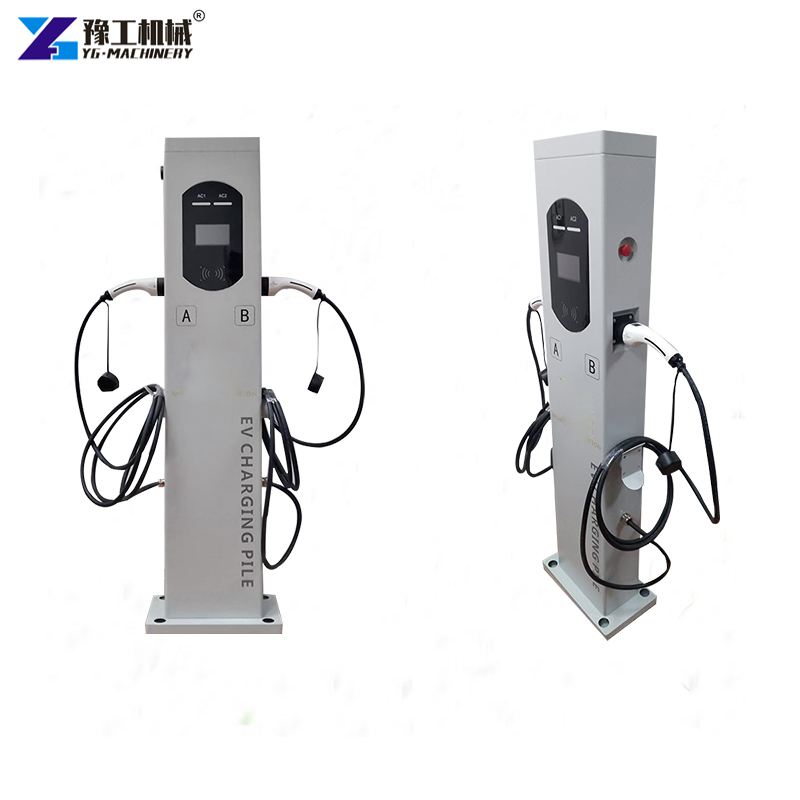
| YG-C22 Dual | Commercial AC Pedestal | 2 × 11 kW / 2 × 22 kW | OCPP 1.6J, 4G/Ethernet, RFID, App | Hotels, corporate offices, apartment parking & resorts |
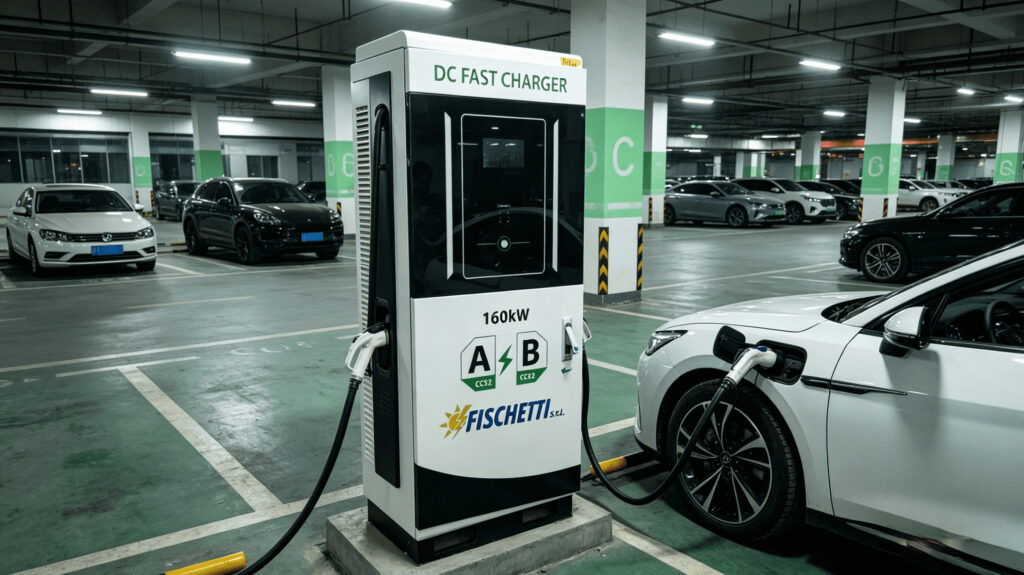
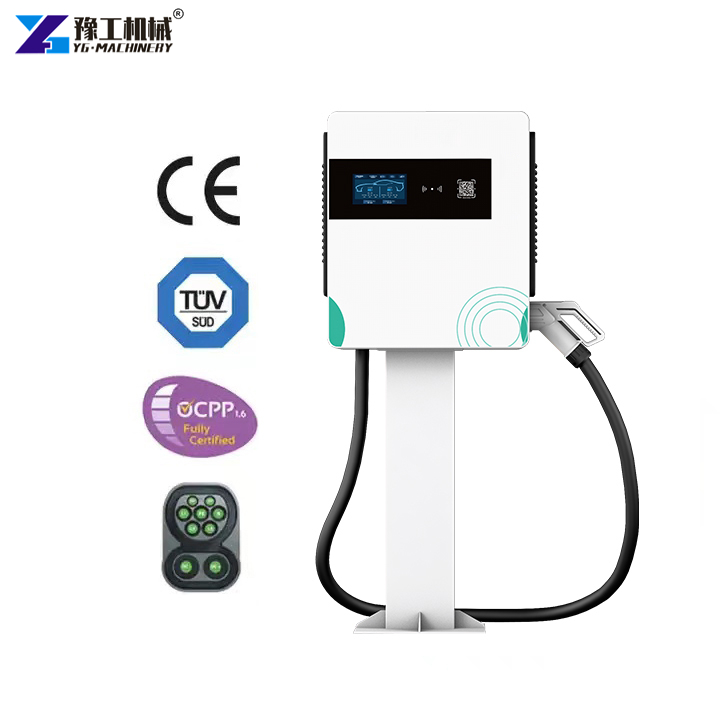
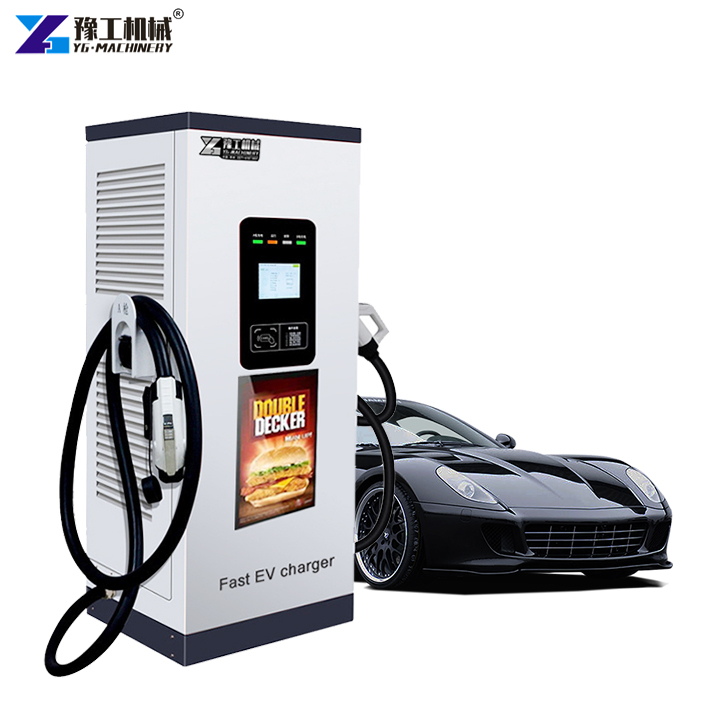
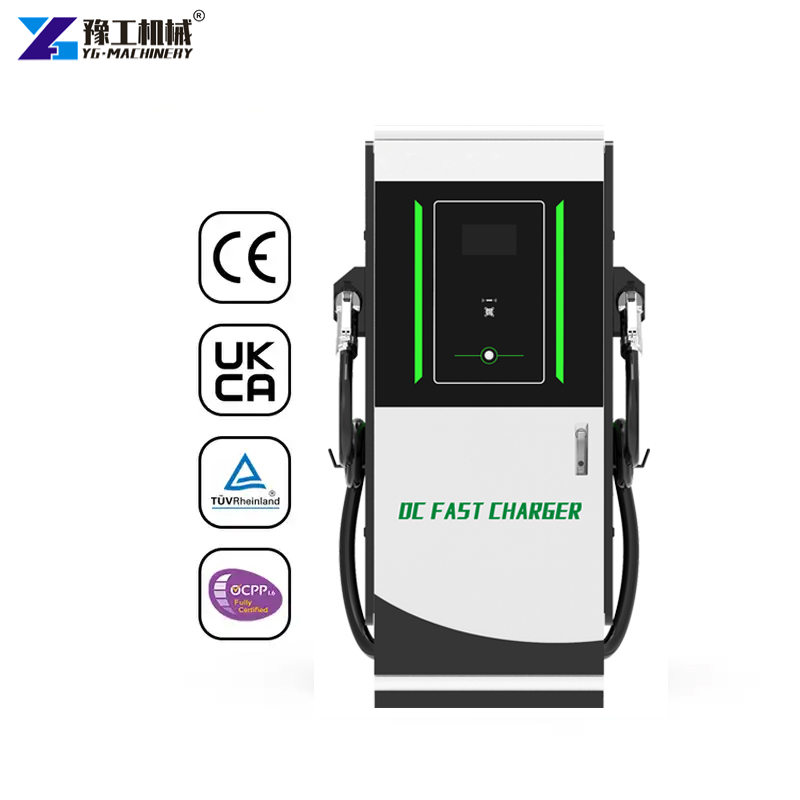
| YG-CDC120/180 | All-in-One DC Fast Charger | 120 kW – 180 kW (Dual Gun) | OCPP 1.6J/2.0.1, POS Card Reader, LCD | Shopping malls, supermarkets, city parking & dealerships |
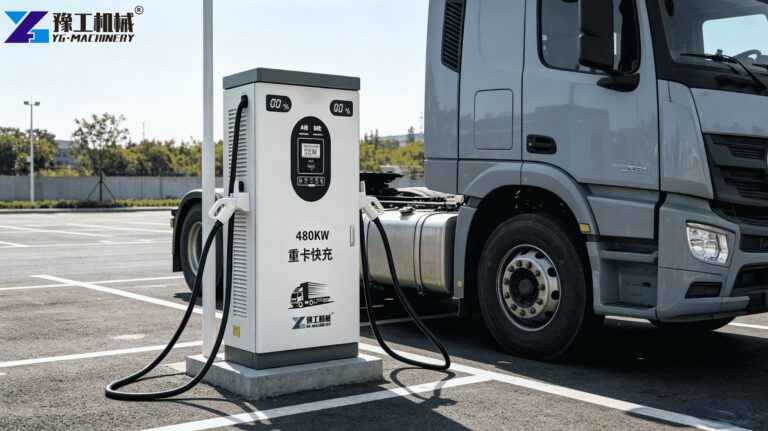
| YG-CDC360/480 | Split-Type Ultra-Fast System | 360 kW – 480+ kW (Liquid-Cooled) | Multi-Dispenser Matrix, POS, Fleet API | Highway service plazas, EV taxi hubs & heavy truck depots |
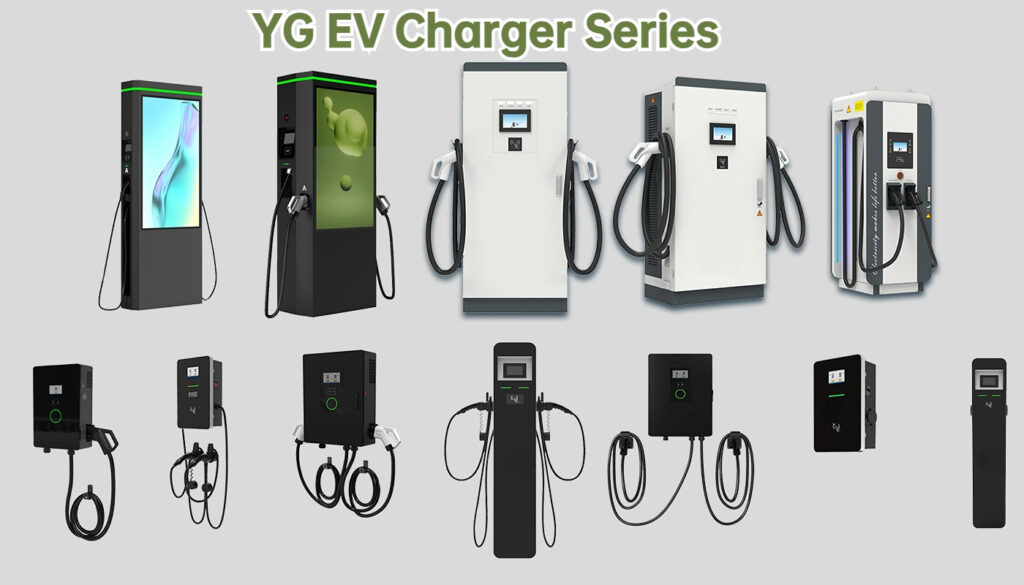
Fast Charging Station for EVs: Meeting Growing Demand
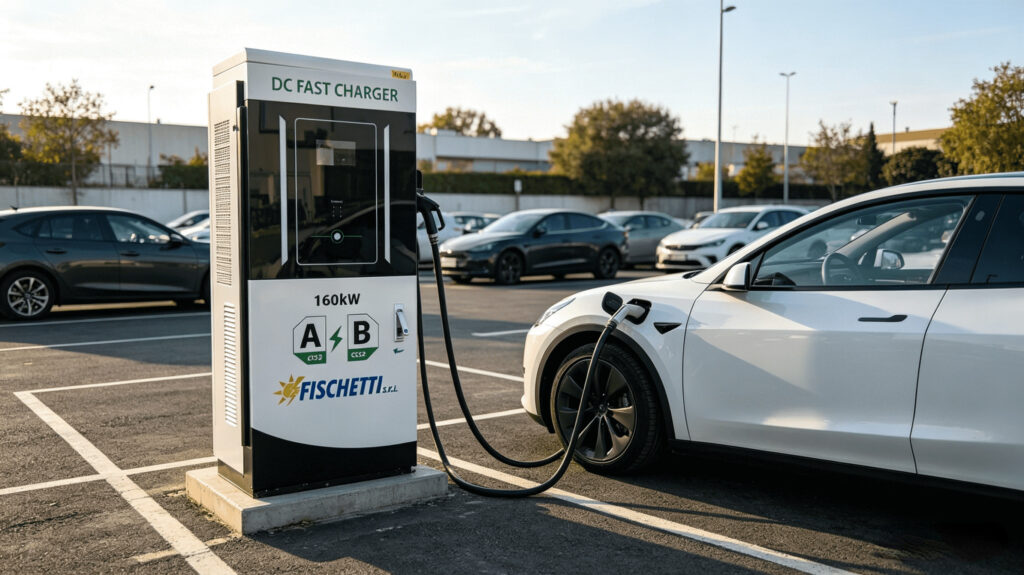
Fast-charging stations for EVs are essential in high-traffic areas where time is of the essence. These stations allow electric vehicles to charge quickly, minimizing downtime and ensuring that your customers or employees are not left waiting for long periods. Whether it’s for a commercial building, a shopping center, or a fleet of electric cars, a fast charging station provides the best solution for businesses that need high-efficiency charging.
Fast charging stations offer a variety of features to ensure fast and efficient service:
- Rapid charging times: Charge an EV to 80% in just 30 minutes or less.
- Wide compatibility: Works with most electric vehicle models, making it a versatile solution.
- User-friendly: Easy-to-use interfaces and payment systems that integrate with apps and RFID cards.
YG Machinery provides a range of fast charging stations for businesses, designed with reliability, safety, and efficiency in mind. Their stations also include a comprehensive monitoring system that allows you to track charging data in real time.
Find the Right Model for Your Project
EV Charging Point Cost: Understanding Investment and ROI
When considering an EV charging machine for your business, understanding the cost of the EV charging point is crucial. The upfront investment can vary depending on the type of charger (AC or DC), installation requirements, and the number of units required.
AC vs DC Chargers
- AC Charging Points: Typically lower cost with slower charging times (6–12 hours for a full charge).
- DC Fast Charging Points: Higher cost but much faster charging (15–60 minutes for a full charge).
While DC chargers are more expensive upfront, they provide faster charging and can support a higher turnover of vehicles, offering better return on investment (ROI) for high-traffic areas.
Key Cost Factors:
- Installation Costs: Installation of a fast-charging station can be more complex, involving higher infrastructure and grid capacity.
- Maintenance: Ongoing maintenance and service costs should be considered to ensure the chargers continue to operate smoothly.
- Energy Costs: DC chargers may require more power, which can impact your business’s energy bills.
YG Machinery offers cost-effective solutions for both AC and DC charging stations, ensuring that businesses can scale their infrastructure while keeping costs manageable.
Boost Productivity—Get a Free Quote
EV Charging Platform: Integration with Existing Infrastructure
As businesses adopt commercial EV charging stations, it’s essential to choose a solution that integrates well with existing systems. An EV station allows businesses to manage charging stations remotely, track usage, and even integrate payment systems for customers.
Modern EV charging platforms offer several benefits:
- Real-time monitoring: Track the status of charging sessions, usage statistics, and energy consumption.
- Flexible payment options: Integrate with apps, RFID cards, or credit card payments for easy access.
- User management: Allow employees, customers, or fleet managers to manage charging access and billing easily.
YG Machinery’s EV stations are designed for ease of use, featuring intuitive interfaces that ensure smooth management of commercial charging infrastructure. The platform supports remote diagnostics, software updates, and the ability to adjust charging parameters to suit your business needs.
Top Commercial Deployment Scenarios
- Shopping Malls, Supermarkets & Entertainment Hubs: Increase customer dwell time by 45–60 minutes while capturing direct kWh charging margins and retail foot traffic.
- Fuel Stations & Highway Service Corridors: Convert existing forecourt bays into high-turnover DC ultra-fast charging islands capable of delivering 300+ km of range in under 15 minutes.
- Ride-Hailing, Taxi & Commercial Delivery Depots: Scheduled overnight tariff optimization and automated per-vehicle kWh accounting for high-utilization commercial fleets.
- Hospitality, Resorts & Mixed-Use Real Estate: Attract high-value EV-driving guests and corporate tenants with reliable destination charging and automated billing.
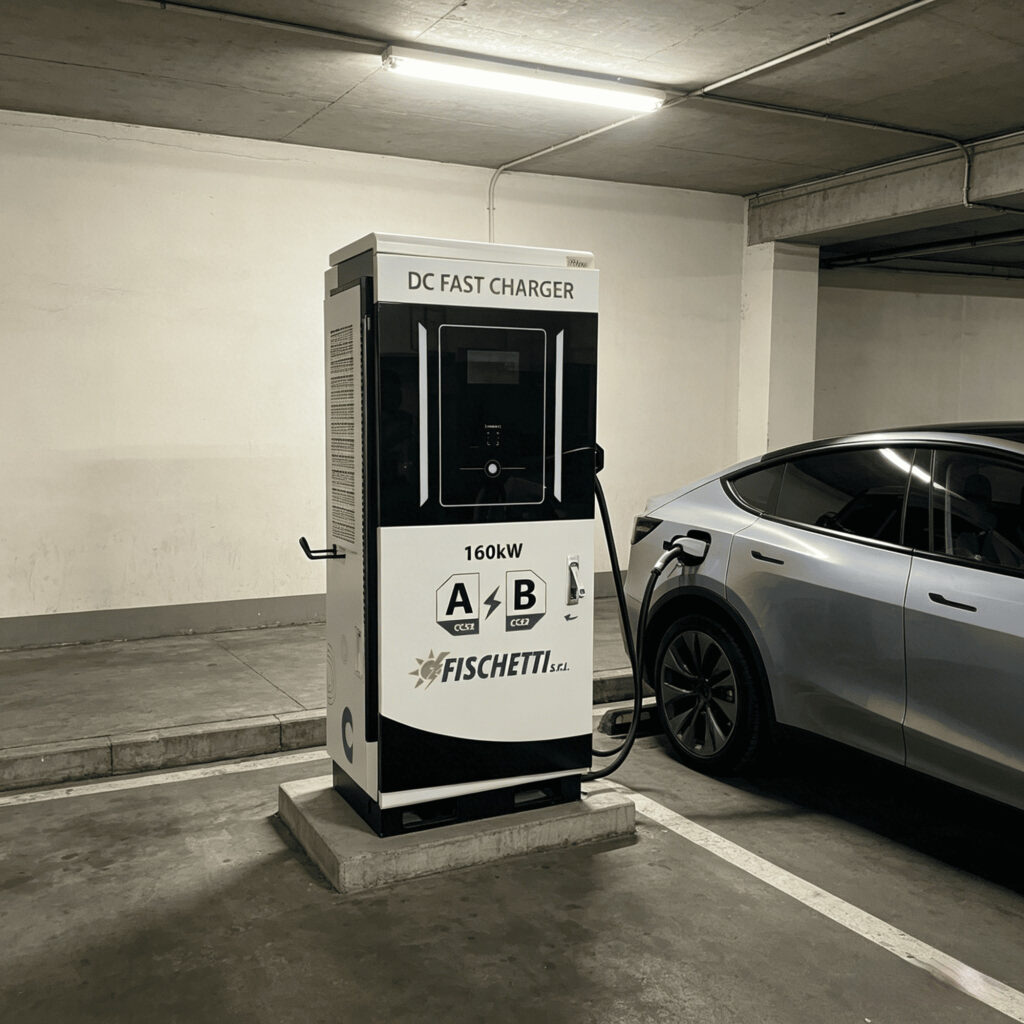
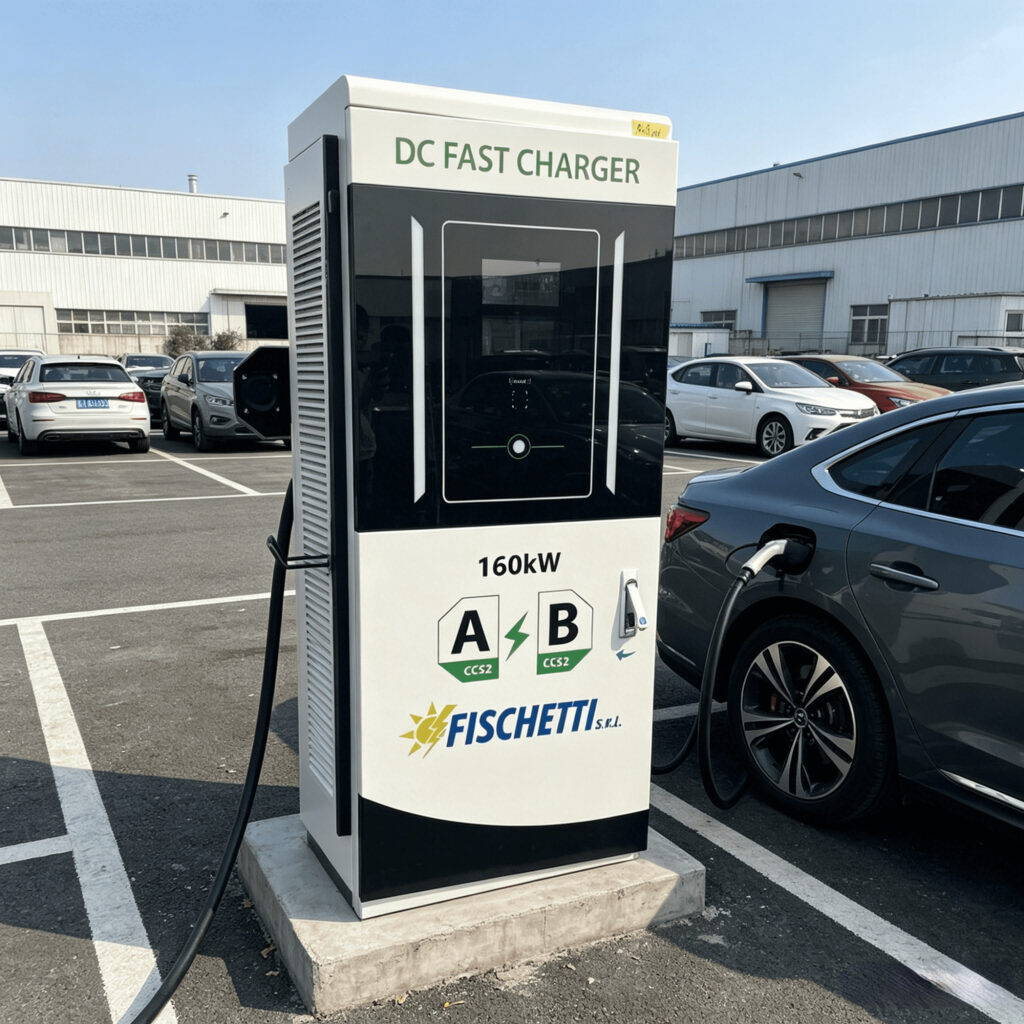
Featured Case Study: High-Temperature Commercial DC Chargers Exported to the Middle East
Case Study: 180kW Dual-Gun Commercial EV Charging Machines Exported to Dubai, UAE for Retail & Ride-Hailing Hub
Project Overview & Client Need:
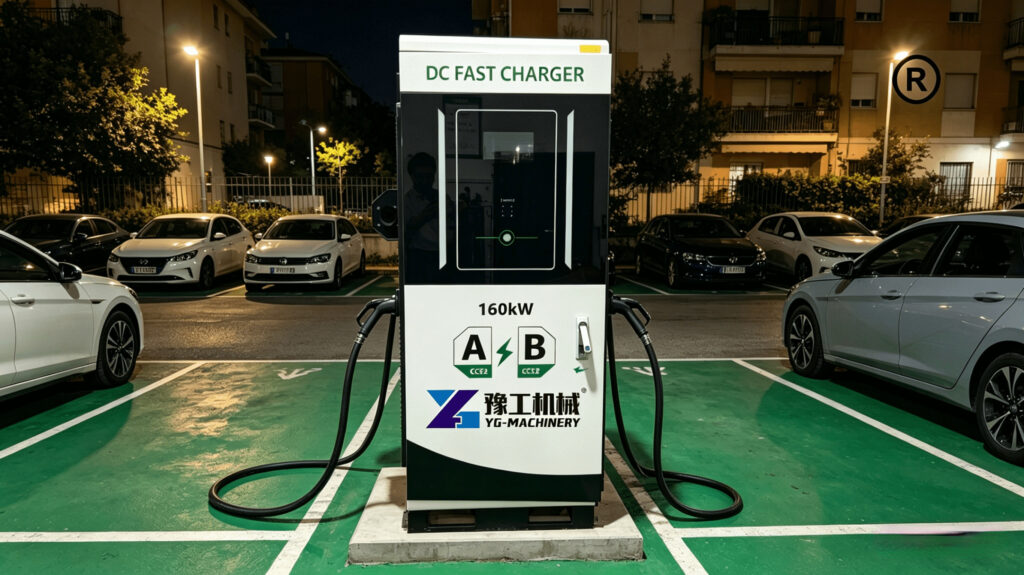
A commercial parking operator and EV ride-hailing fleet partner in Dubai, United Arab Emirates, deployed a fleet of YG Machinery’s 180kW dual-gun CCS2 commercial DC fast charging machines across an outdoor retail mall parking plaza. Operating in extreme summer ambient temperatures exceeding 48°C alongside fine desert dust, the client needed heavy-duty commercial chargers capable of continuous rapid turnaround without thermal power throttling, complete with contactless credit card payment terminals.
Equipment Performance & Regional Integration:
YG Machinery engineered and delivered desert-spec commercial charging stations featuring:
- High-Temperature Resistant Power Modules & Isolated Cooling: Maintained full 180kW rated charging output in 50°C peak afternoon heat while filtering fine desert sand from internal electronics.
- Integrated Contactless POS & OCPP 1.6J Billing: Allowed ride-hailing drivers and mall visitors to tap credit cards or scan via the operator’s local UAE mobile app seamlessly.
- Dynamic Dual-Gun Load Allocation: Charged two commercial EV sedans simultaneously at 90kW each, cutting queue times during peak shift changes.
On-Site Results & Client Feedback:
Each commercial charging pedestal averaged over 28 charging sessions per day, achieving full hardware ROI within 11 months with zero thermal shutdowns during peak summer months.
The operations director noted: “Most chargers derate heavily in the Dubai summer heat, costing us valuable kWh sales. YG’s 180kW commercial charging machines held steady through 48°C afternoons, and the built-in tap-to-pay terminals made driver onboarding effortless.”
FAQ: Fast Charging Station for EV
Q1: How do I choose between AC and DC fast charging?
A1: If you need quick turnover and have high traffic, DC fast chargers are the best choice. AC chargers are better for locations where vehicles stay parked for longer periods.
Q2: Can I integrate a commercial EV charger with my current business system?
A2: Yes, many commercial EV chargers, including those offered by YG Machinery, come with integration options for payment systems, monitoring platforms, and remote management tools.
Q3: What payment options can I offer for customers using the charging station?
A3: You can integrate a variety of payment options, including app-based payments, RFID cards, or credit card processing, depending on the charging platform you choose.
Q4: What are the advantages of your charging station’s mainboard?
A4: The mainboard has several key advantages:
- Design and Layout: The circuit is routed internally, with components neatly arranged for a clear pattern and logical layout.
- Expandability: It features reserved ports like RS232, RS485, and CAN communication, allowing for various functions such as electromagnetic locks, gun temperature detection, and discharge resistance control. The modular design allows for easy expansion with various connectors to meet specific charging station needs.
- Universal Compatibility: It supports multiple charging standards, including European, American, and Japanese protocols, ideal for international projects. The mainboard is also compatible with various EV charging platforms (e.g., State Grid, YCG, YunKuaiChong, etc.) and government platforms (e.g., Zhenjiang, Chongqing), and works seamlessly with multiple charging modules from different manufacturers.
Q5: How does your charging station’s mainboard enhance user experience?
A5: The mainboard is designed for a seamless user experience, offering:
- User Interface: A simple and convenient human-machine interface (HMI), enabling easy operation and remote/local control.
- Remote Control and Upgrades: The charging station allows for easy software upgrades and monitoring through the backend, where operational status, faults, and performance can be tracked.
- Multiple Payment Options: Users can charge via WeChat QR codes, card swiping, and other methods, offering greater flexibility. The interface background can be customized, and various settings, like network configurations and protective settings, can be adjusted directly via the interface for easy troubleshooting.
Q6: What features make your charging station’s mainboard suitable for future scalability and upgrades?
A6: The mainboard is highly scalable and upgradeable:
- Modular Design: It allows for easy expansion with additional protocol boards for international compatibility (e.g., European, American, Japanese standards).
- Flexible Platform Integration: Compatible with various charging operator platforms and government systems, it offers a versatile solution for different use cases.
- Automatic Power Distribution: It features automatic power adjustment and distribution, ensuring efficient and reliable charging for both single-gun and multi-gun setups.
Q7: What are the advantages of using an AC contactor in a DC charging station?
A7: The AC contactor significantly reduces standby power consumption. Without the AC contactor, a 120kW DC charger consumes 2,171.95W per day in standby mode, amounting to approximately 52 kWh of power per day and 18,980 kWh annually. However, with the AC contactor, standby power consumption drops to just 30W per day (0.72 kWh annually). This reduces energy consumption by about 110 times, making the AC contactor a highly cost-effective choice for long-term savings on electricity.
Q8: How much electricity can be saved by adding an AC contactor to the DC charging station?
A8: By adding an AC contactor, the standby power consumption of a 120kW DC charger is reduced from 2,171.95W to just 30W per day. Over a year, this means saving 18,717.2 kWh, which significantly lowers operating costs. This translates to energy savings of approximately 110 times compared to a charger without the AC contactor.
Q9: Is it cost-effective to invest in an AC contactor for a DC charging station?
A9: Yes, adding an AC contactor is a highly cost-effective investment in the long run. While the initial cost of the charger may be slightly higher, the reduction in standby power consumption provides substantial savings over time. For example, a 120kW DC charger without an AC contactor consumes 18,980 kWh annually, while one with an AC contactor only consumes 262.8 kWh annually, offering a savings of over 18,700 kWh per year.
Q10: How do commercial EV charging machines generate revenue for property owners and CPOs?
A10: Commercial chargers create multiple revenue streams: direct markup on electricity sold ($/kWh), session connection fees, post-charge idle penalties to prevent bay blocking, and on-screen digital advertising. Our OCPP backend automatically handles tariff rules and payout splits.
Q11: Can YG commercial chargers accept direct credit card payments without requiring drivers to download an app?
A11: Yes, absolutely! All YG commercial DC fast chargers and pedestal AC stations can be equipped with integrated EMV contactless payment terminals (supporting Visa, Mastercard, Apple Pay, and Google Pay), ensuring full compliance with AFIR (Europe) and NEVI/public access payment mandates.
Q12: What is the typical lifespan and maintenance requirement of YG commercial EV chargers?
A12: Engineered for a 15+ year commercial service life, our chargers feature modular hot-swappable power units and washable/replaceable dust filters. Routine maintenance requires only periodic filter cleaning and remote firmware updates via OCPP—backed by our 24-month commercial warranty and global spare parts supply.
EV Charging Equipment Factory-YG Machinery
Deploying high-efficiency commercial EV charging stations for sale transforms parking spaces into profitable, future-proof energy assets. Backed by industrial-grade components, seamless OCPP/POS payment integration, and full OEM customization, YG Machinery helps CPOs, fleet operators, and commercial developers scale their charging networks faster and at lower capital cost.
- Planning a commercial charging hub, retail installation, or fleet electrification project?YG Machinery provides free power-sizing consultations, custom cabinet branding, OCPP testing support, and factory-direct project pricing.
[ Contact our commercial EV charging specialists today for ROI specs, product catalogs, and factory-direct quotes! ]