In many developing regions, including Zambia, the demand for sustainable packaging solutions has grown rapidly in recent years. With the expansion of poultry farming and egg distribution networks, the need for reliable packaging has become increasingly important. As a result, more entrepreneurs and investors are turning to pulp molding equipment to build local production capacity.
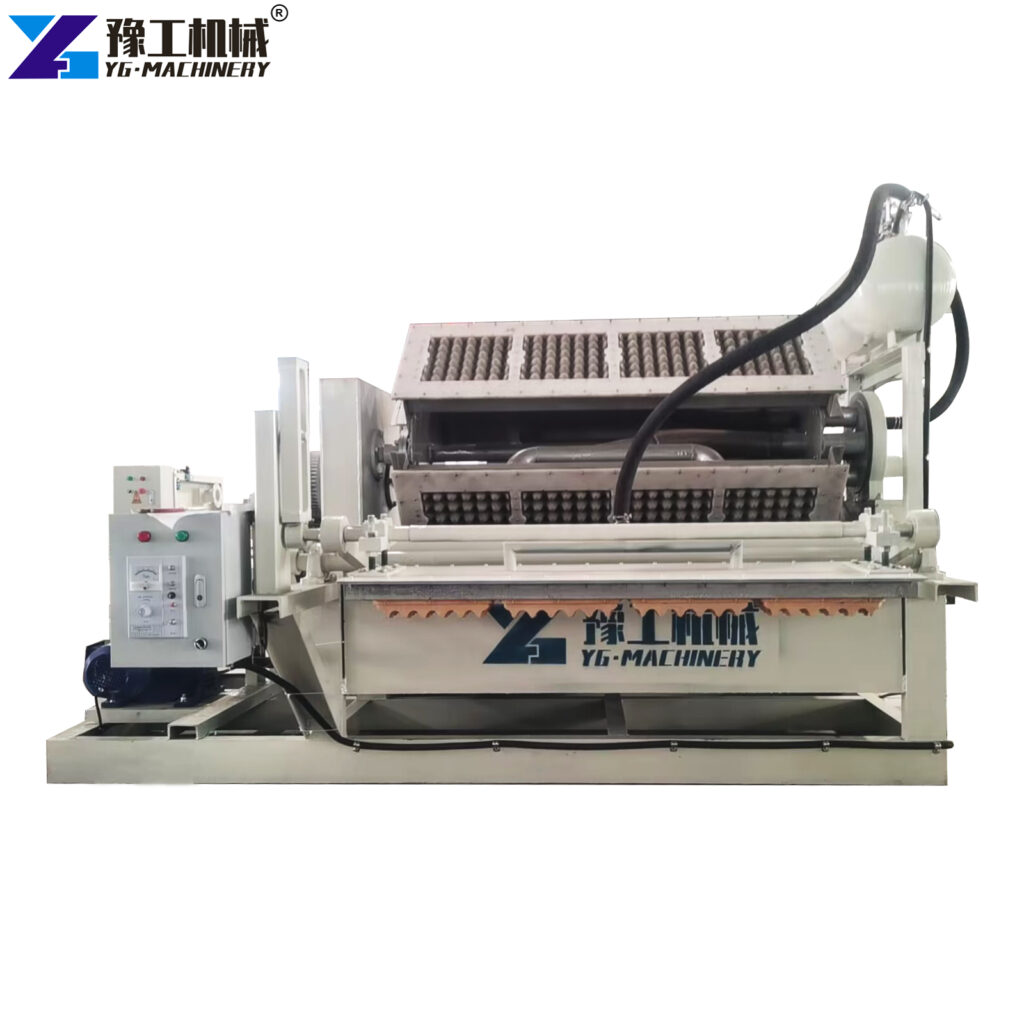
Among these solutions, the egg tray production machine has become a popular choice due to its low raw material cost, simple operation, and high return on investment. This real export case from Zambia demonstrates how a local investor successfully established a profitable egg tray production business by selecting the right equipment and supplier.
This project highlights not only the technical aspects of machine selection but also the practical considerations that influence purchasing decisions, making it highly valuable for other buyers planning similar investments.
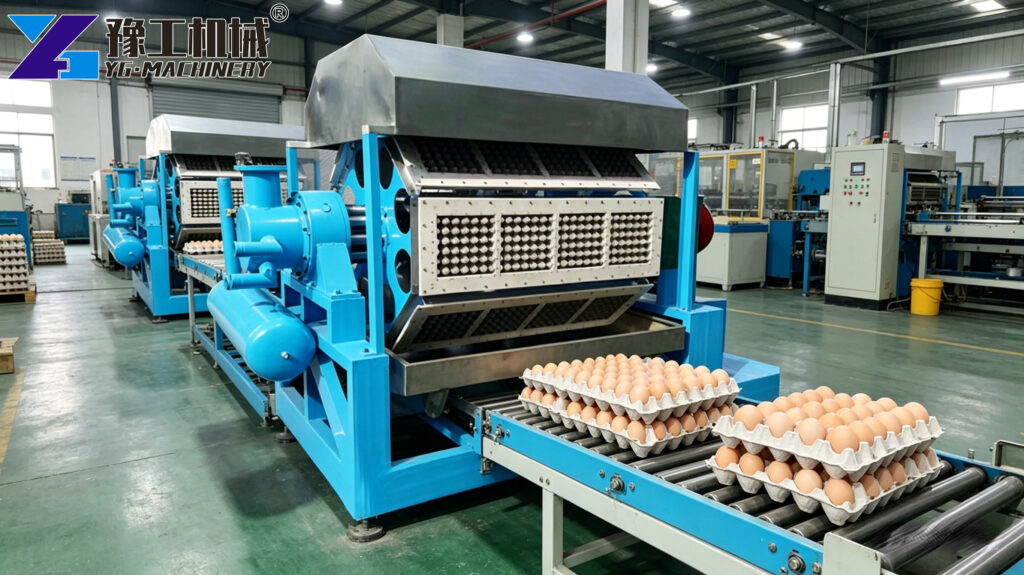
Project Background and Constraints of Egg Tray Production Machine
The client in Zambia was a small-to-medium investor entering the packaging industry for the first time. Their primary goal was to produce egg trays locally to supply nearby poultry farms and reduce dependence on imported packaging.
However, several constraints shaped the project requirements.
First, the initial investment budget was limited. The client needed a cost-effective solution that could start generating revenue quickly without a high upfront cost.
Second, the local infrastructure was not fully stable. Power supply fluctuations and limited industrial facilities meant the equipment had to be robust and adaptable.
Third, the availability of raw materials was a key factor. Fortunately, waste paper such as newspapers and cartons was readily available, making pulp-based production feasible.
Fourth, the client lacked prior experience in operating such machinery. This meant the system needed to be simple to operate and easy to maintain.
These conditions ruled out overly complex or high-cost solutions and required a carefully balanced configuration.
How the Client Chose an Egg Tray Maker Machine
Instead of immediately selecting a supplier, the client conducted detailed research.
Evaluation Process
They compared:
- Local suppliers with limited production capacity
- Used machines from overseas markets
- New machines from Chinese manufacturers
During this stage, multiple types of egg tray maker machines were evaluated.
Key Considerations
The client focused on:
- Production capacity per hour
- Power consumption
- Number of workers required
- Ease of installation
- After-sales support
Used machines were cheaper but came with reliability risks. Local suppliers could not meet capacity requirements.
YG Machinery provided:
- Clear technical documentation
- Customizable solutions
- Remote installation guidance
- Competitive pricing
The client also reviewed videos and case studies to understand real production scenarios.
After careful comparison, they selected YG Machinery as their supplier.
Egg Carton Making Machine Matching and Practical Limitations
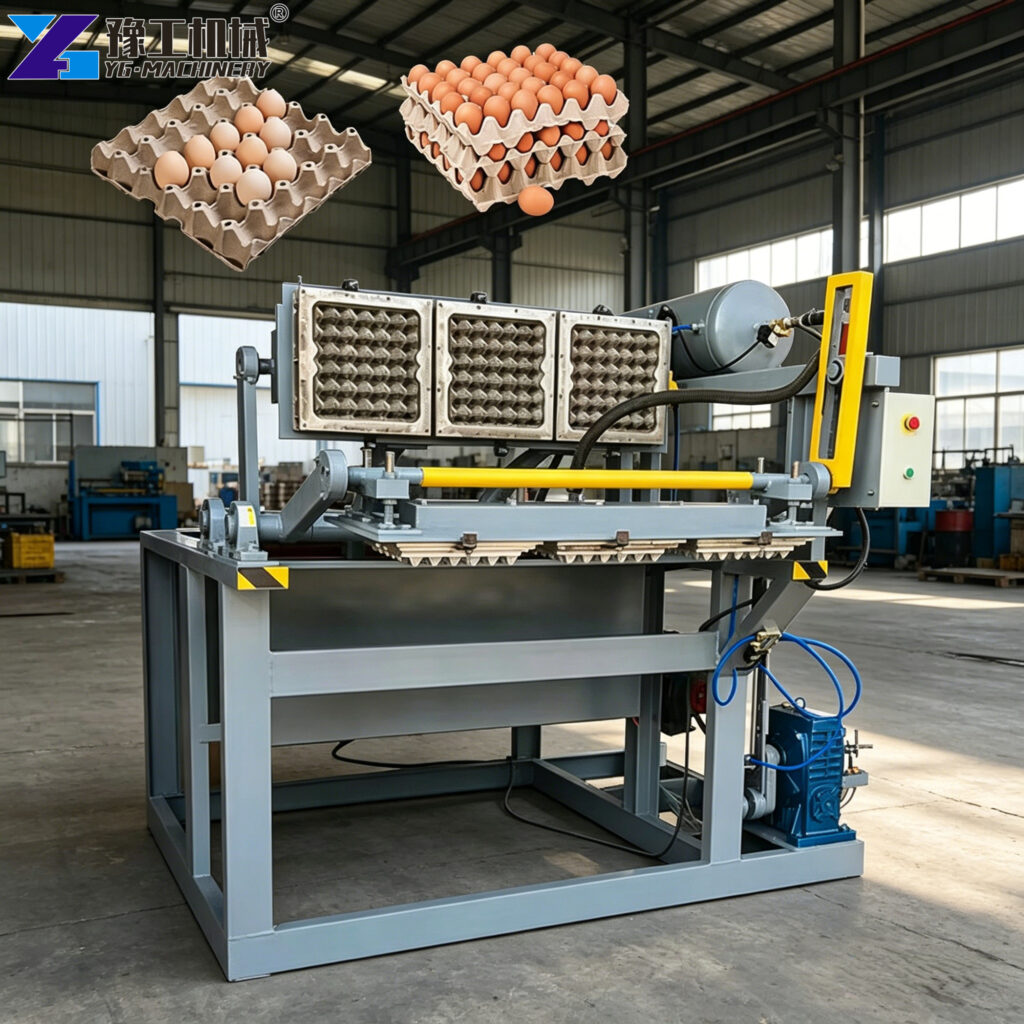
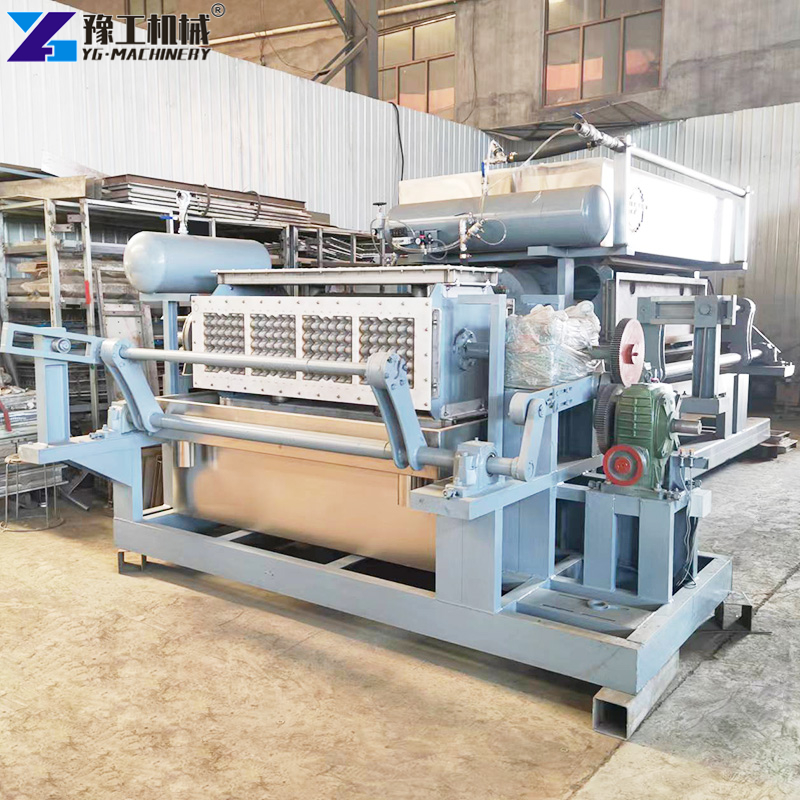
Selecting the right configuration of the egg carton-making machine was critical to ensure long-term success.
Matching Strategy
The chosen system was based on:
- Medium production capacity
- Semi-automatic operation
- Affordable energy consumption
Key Limitations and Solutions
1. Power Supply Stability
Frequent fluctuations could affect production
Solution: stable motor configuration and backup options
2. Labor Availability
The local workforce had limited technical skills
Solution: simplified operation design
3. Drying Conditions
Natural drying is affected by the weather
Solution: hybrid drying system (sun + simple dryer)
These adjustments ensured smooth operation under local conditions.
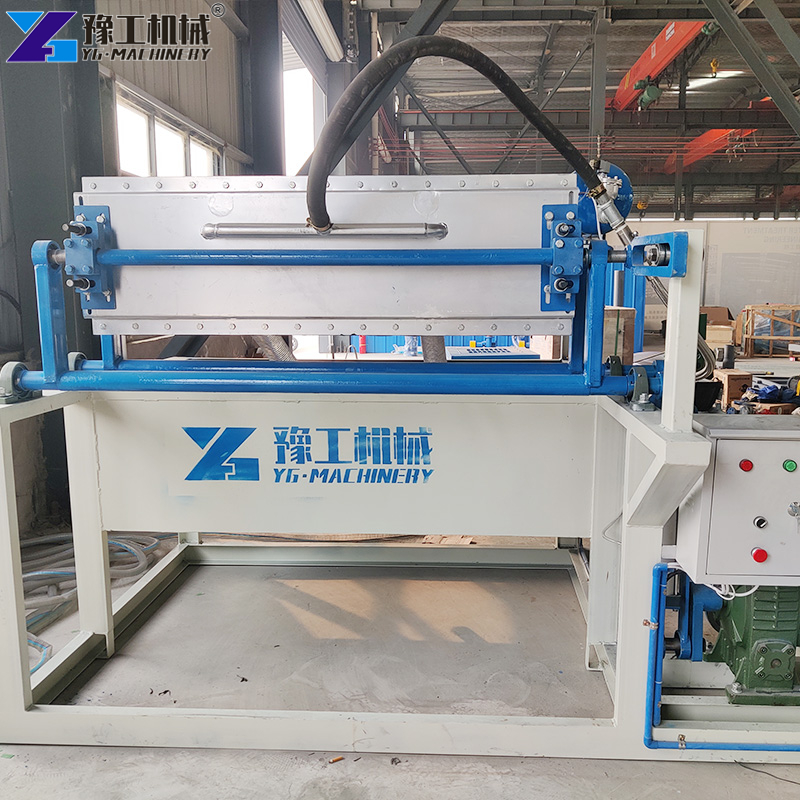
Technical Specifications of YG Egg Tray Production Machine
To help evaluate whether this egg tray-making machine fits similar projects, here are the specifications used:
| Model | YG-1*3 | YG-1*4 | YG-3*4 | YG-4*4 | YG-4*8 | YG-5*8 | YG-6*8 |
| Capacity (pcs/h) | 1000 | 1500 | 2500 | 3500 | 4500 | 5500 | 7000 |
| Forming Mould Quantity | 3 | 4 | 12 | 16 | 32 | 40 | 48 |
| Total Power (kW) | 40 | 40 | 50 | 60 | 130 | 140 | 186 |
| Electricity Consumption | 28 | 29 | 35 | 42 | 91 | 98 | 130 |
| Workers | 3–5 | 4–6 | 4–6 | 4–6 | 4–6 | 5–7 | 6–8 |
Not sure which model suits your market demand?
Contact YG Machinery for a tailored production solution.
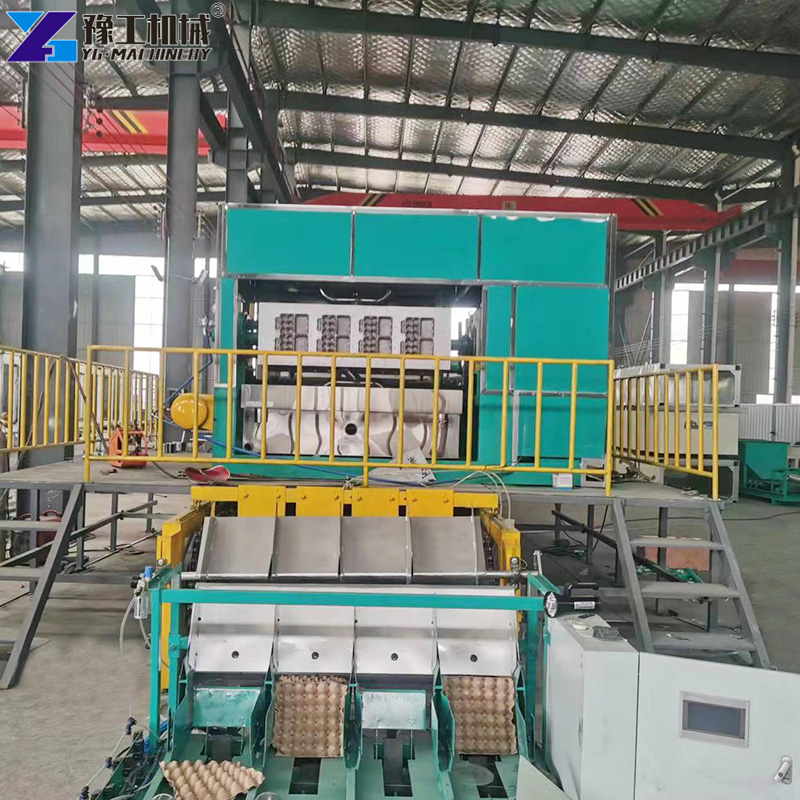
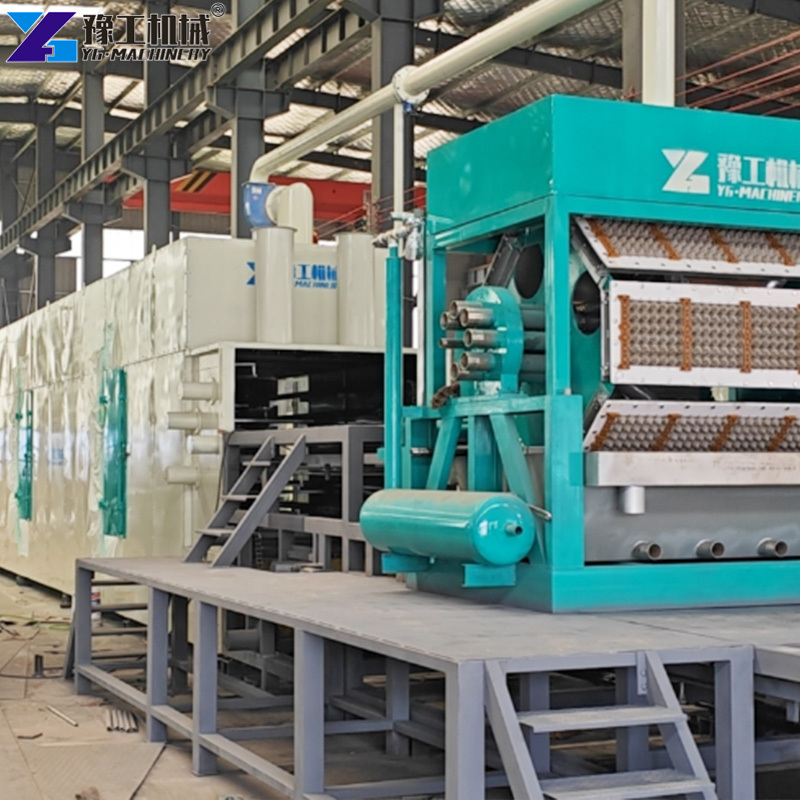
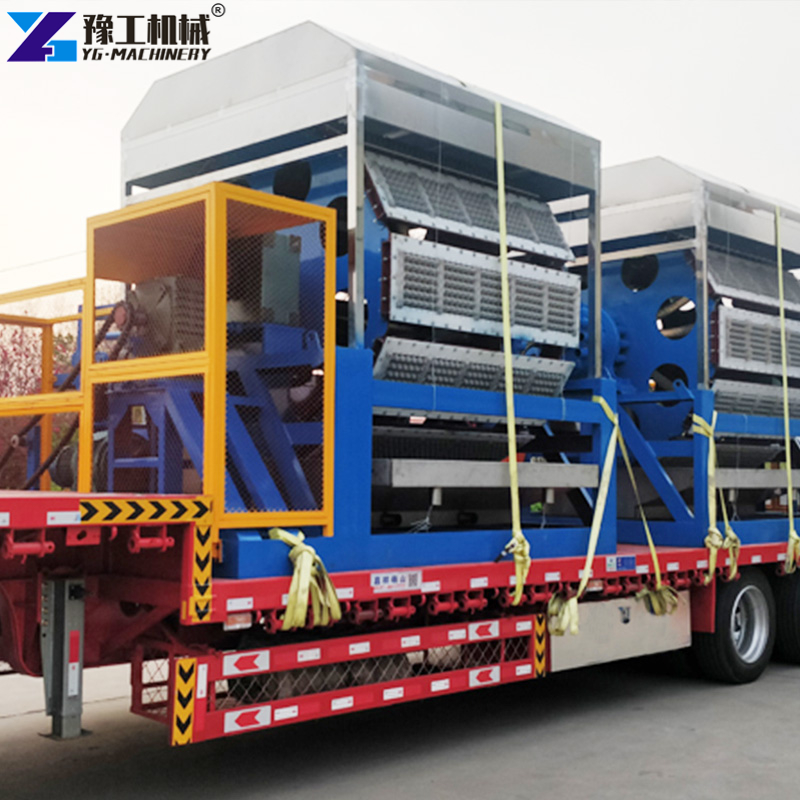
Egg Crate Making Machine for Sale: Delivery and Installation Process
The export process of the egg crate-making machine for sale required coordination across multiple stages to ensure smooth delivery and quick setup.
Logistics
- Equipment packed securely
- Container optimized for shipping
- Delivered to the Zambia port on schedule
Installation
- Remote video guidance provided
- The local team completed the assembly
- Trial production conducted
Despite limited experience, the client successfully installed the system within a short time.
Egg Tray Production Machine Performance Feedback
After several months of operation, the client reported strong performance.
Production Efficiency
- Stable output per hour
- Continuous operation capability
- Easy workflow management
Product Quality
- Uniform tray shape
- Strong structure
- Suitable for transportation
Cost Advantages
- Low raw material cost
- Reduced labor requirement
- Fast return on investment
Client Feedback from Zambia
The client shared their experience after running the equipment for several months:
“Before purchasing, we compared multiple suppliers and were concerned about reliability and ease of operation. After working with YG Machinery, we found the machine very stable and easy to manage, even for our local workers with limited experience.
The production output meets our expectations, and the quality of the egg trays is consistent. What impressed us most is the low operating cost and simple maintenance.
This investment helped us quickly enter the local market, and we are now planning to expand our production capacity in the future.”
Want similar results for your project?
Contact YG Machinery today to get a customized egg tray production solution.
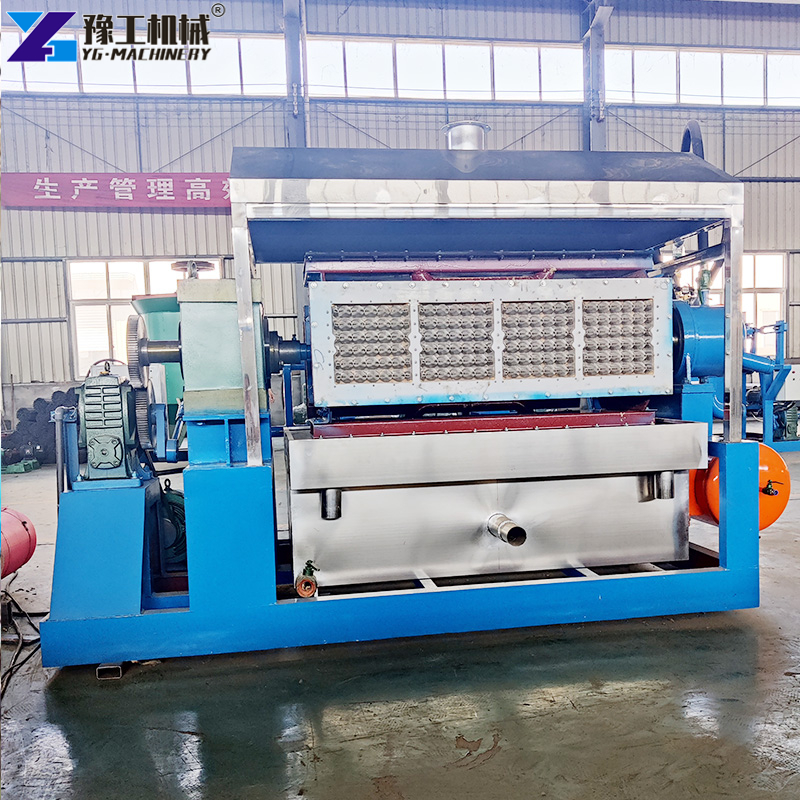
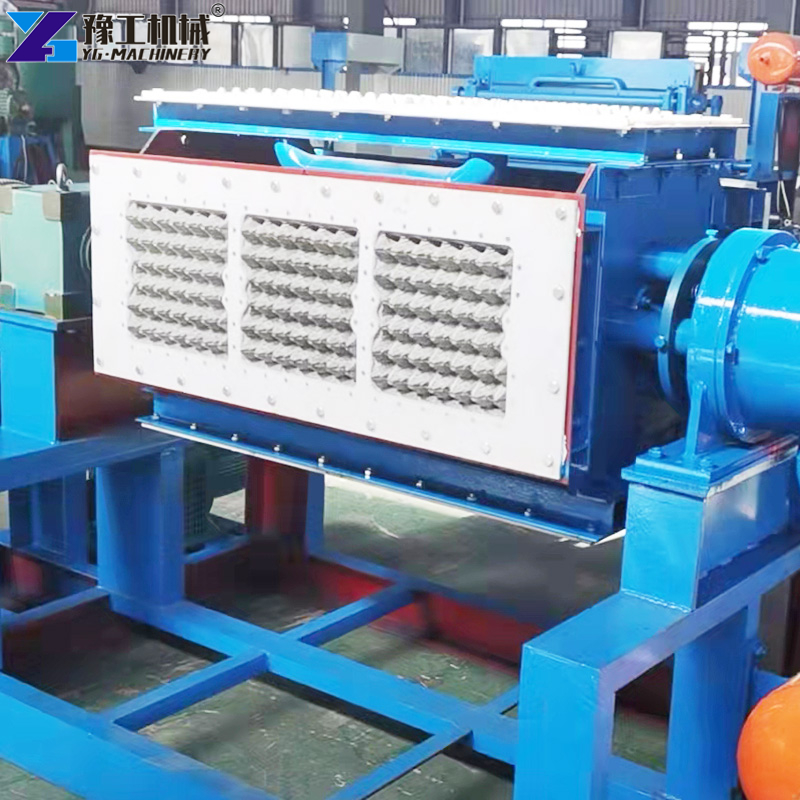
What This Egg Tray Production Machine Case Means for Buyers
This egg tray production machine export case offers more than just a successful project story. It provides practical, real-world insights that can help new investors and experienced buyers make smarter purchasing decisions, especially in emerging markets like Africa.
1. Start with a Scalable Production Plan
One of the most important lessons from this project is the importance of selecting the right starting capacity. Instead of investing in the largest system immediately, the client chose a medium-capacity configuration that matched current market demand.
This approach allowed them to:
- Reduce initial investment risk
- Test local market response
- Build stable customer relationships
For new buyers, starting with a scalable solution ensures flexibility for future expansion without overcommitting resources.
2. Adapt Equipment to Local Infrastructure Conditions
In regions like Zambia, infrastructure conditions such as power supply, labor skill level, and climate can directly affect production efficiency.
This case shows that:
- Stable operation is more important than complex features
- Simple, durable designs perform better in real environments
- Backup solutions (for power or drying) are essential
Buyers should always evaluate how well the machine can adapt to local conditions rather than focusing only on specifications.
3. Focus on Total Operating Cost, Not Just Machine Price
Many first-time buyers focus heavily on the purchase price. However, this project highlights that long-term profitability depends on:
- Energy consumption
- Labor requirements
- Maintenance cost
- Raw material efficiency
The selected egg tray-making machine delivered strong performance with low operating cost, allowing the client to achieve faster return on investment.
4. Choose Equipment That Matches Workforce Skill Level
Another key takeaway is the importance of selecting equipment that aligns with the available workforce.
In this case:
- Operators had limited prior experience
- Training needed to be simple and fast
A machine with straightforward controls and minimal maintenance requirements helped reduce training time and avoid operational errors.
For many buyers in developing markets, ease of use is just as important as production capacity.
5. Supplier Support Plays a Critical Role in Project Success
This project also demonstrates that choosing the right supplier goes beyond product specifications.
Reliable support includes:
- Clear installation guidance
- Remote technical assistance
- Fast response to issues
A supplier with export experience can significantly reduce risks during setup and operation.
6. Local Market Demand Should Drive Equipment Selection
The success of this project was also driven by strong local demand for egg trays.
Before investing, the client:
- Analyzed nearby poultry farms
- Identified supply gaps
- Confirmed long-term demand
This ensured that production output could be quickly absorbed by the market.
For other buyers, understanding local demand is critical to avoid overproduction or underutilization.
7. Simple and Practical Solutions Often Deliver the Best Results
This case proves that success does not always require the most advanced or expensive system.
Instead, the winning factors were:
- Reliable performance
- Easy operation
- Low cost
- Practical configuration
These elements combined to create a sustainable and profitable business model.
8. A Clear Expansion Path Is Essential
After achieving stable production, the client is now planning to expand capacity.
Because the initial system was well-matched:
- Scaling up is easier
- Additional modules can be added
- Investment risk remains controlled
This highlights the importance of choosing equipment that supports future growth.
What This Means for You
If you are planning to invest in an egg tray production machine, this case shows that success depends on more than just the equipment itself. It requires a balanced approach that considers:
- Market demand
- Local conditions
- Cost control
- Supplier reliability
By applying these lessons, you can reduce risk and build a more profitable production business from the start.