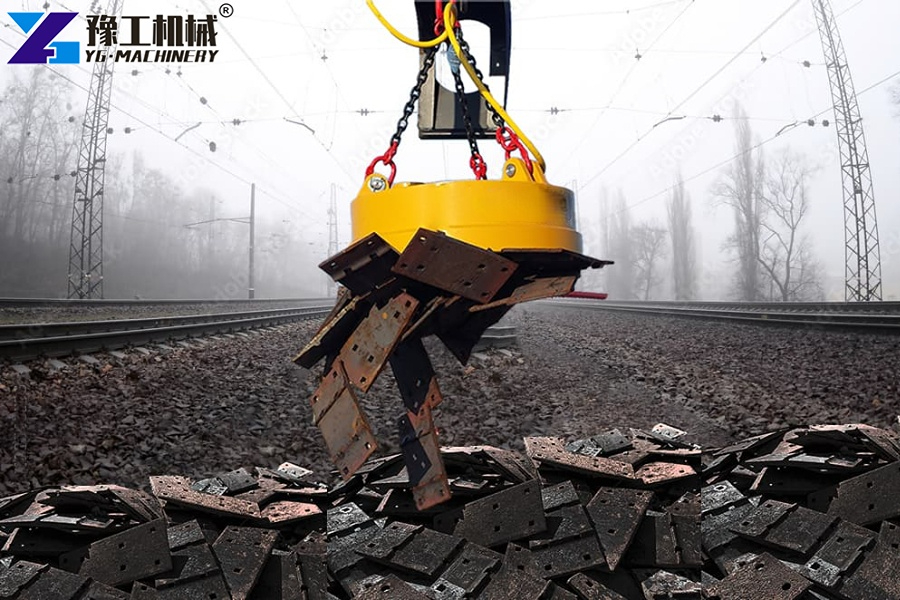
An excavator magnet attachment turns any standard digger into a powerful metal handling machine. Scrap yards, demolition crews, and recycling facilities all use this tool to lift and sort ferrous material. Steel beams, rebar, scrap cars, and demolition debris – the magnet grabs it all without a second machine.
Without an excavator magnet attachment, workers pick metal by hand. That is slow, dangerous, and expensive. With one, a single operator picks five tons of scrap per hour from a pile of rubble. The machine pays for itself in labor savings within months. For contractors who bid on demolition or recycling jobs, this tool is a game-changer.
Product Specifications of Excavator Magnet Attachment
YG Machinery manufactures seven models of this equipment. Each one matches a specific excavator size. The table below shows the full lineup.
| Model | Suitable Excavator (ton) | Weight (kg) | Power (kW) | Outer Diameter (mm) | Working Flow (lpm) | Working Pressure (bar) |
| YGML02 | 4-6 | 1400 | 5 | 700 | 30-55 | 170 |
| YGML04 | 7-11 | 1500 | 8 | 800 | 50-100 | 180 |
| YGML06 | 12-16 | 1890 | 8 | 900 | 90-110 | 190 |
| YGML08 | 17-23 | 2000 | 10 | 1100 | 100-140 | 200 |
| YGML10 | 24-30 | 2200 | 10 | 1200 | 130-170 | 210 |
| YGML14 | 31-40 | 2500 | 15 | 1300 | 200-250 | 250 |
| YGML20 | 41-50 | 2800 | 15 | 1400 | 250-320 | 250 |
The YGML02 fits mini excavators. The YGML20 works on 50-ton machines. YG Machinery builds each magnet with copper windings and a steel outer casing. Every unit test runs for 2 hours before shipping.
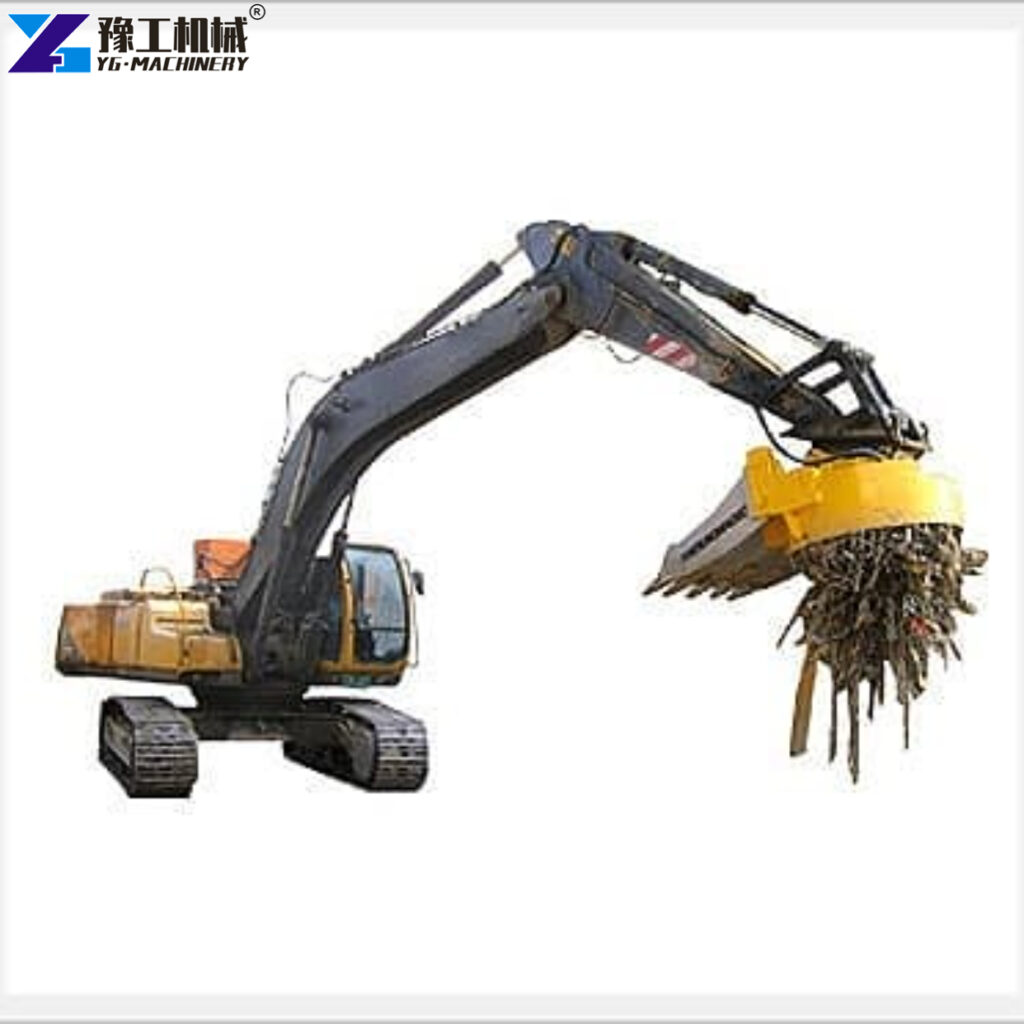
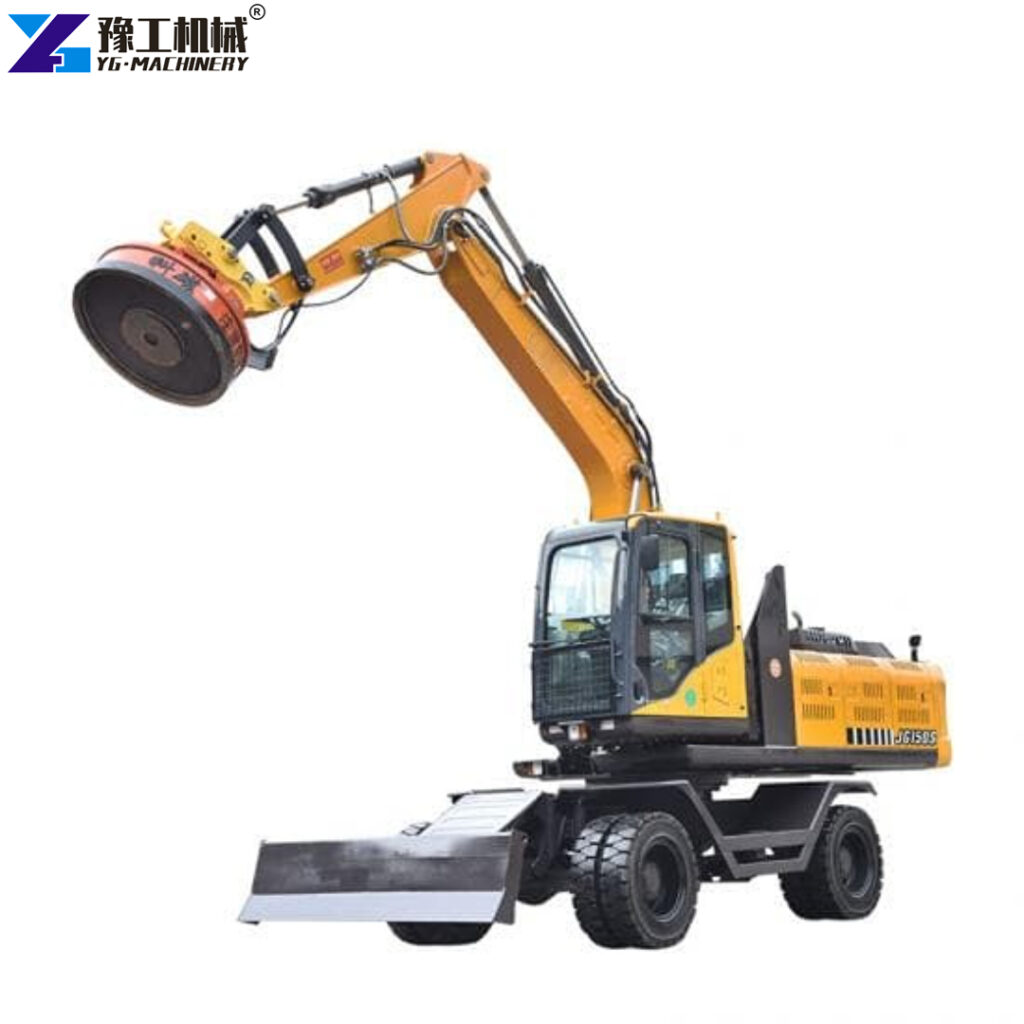
How to Match the Excavator Magnet Attachment to Your Excavator
Choosing the right model depends on three things: excavator size, hydraulic flow, and typical material. Match your machine to the numbers above.
Start with the excavator weight. A 5-ton mini digger cannot handle the YGML20. It weighs 2800kg – more than half the machine’s lifting capacity. The YGML02 at 1400kg is the right fit. It does not tip the machine or strain the hydraulics.
Next, check hydraulic flow. Your excavator’s auxiliary circuit must deliver enough liters per minute. The YGML14 needs 200-250 lpm. If your machine only puts out 150 lpm, the magnet will work, but lift slower. YG Machinery can adjust the magnet’s coil for lower flow machines. Just ask when ordering.
Finally, consider what you pick up. Small rebar and light scrap need less magnetic force. Heavy demolition steel or cast iron needs more. The larger diameter magnets have stronger surface fields. They pick up heavier pieces from farther away.
Excavator Magnet for Sale: What Each Model Delivers
An excavator magnet from YG comes as a complete kit. You get the magnet body, mounting plate, hydraulic hoses, and an in-cab switch. Hook it to your excavator’s auxiliary circuit, mount the switch near the joystick, and start picking.
The YGML02 and YGML04 suit demolition contractors who work in tight spaces. They fit through doorways and between columns. The smaller diameter also means less weight hanging off the stick. Your excavator keeps its full range of motion.
The YGML06 through YGML10 are the most popular models. They handle most scrap yard and recycling jobs. A 24-ton excavator with the YGML10 picks up engine blocks, steel drums, and structural beams. The magnet’s 1200mm diameter covers a wide area. One pass clears a large patch of ground.
The YGML14 and YGML20 go on large excavators at major scrap yards. These machines work 8 to 10 hours per day. The magnets have extra copper windings to handle continuous duty. They do not overheat. They do not lose strength. They just keep picking.
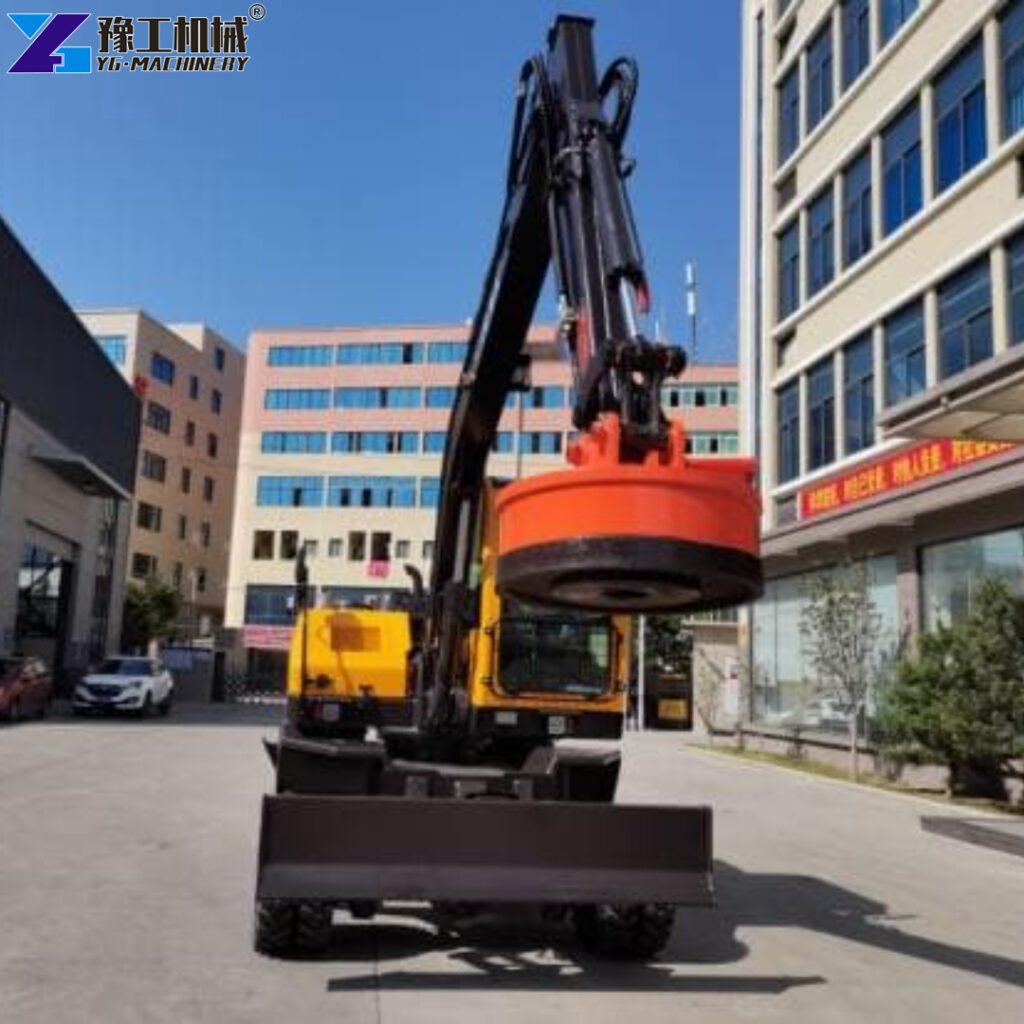
Hydraulic Magnet for Excavator: How It Works
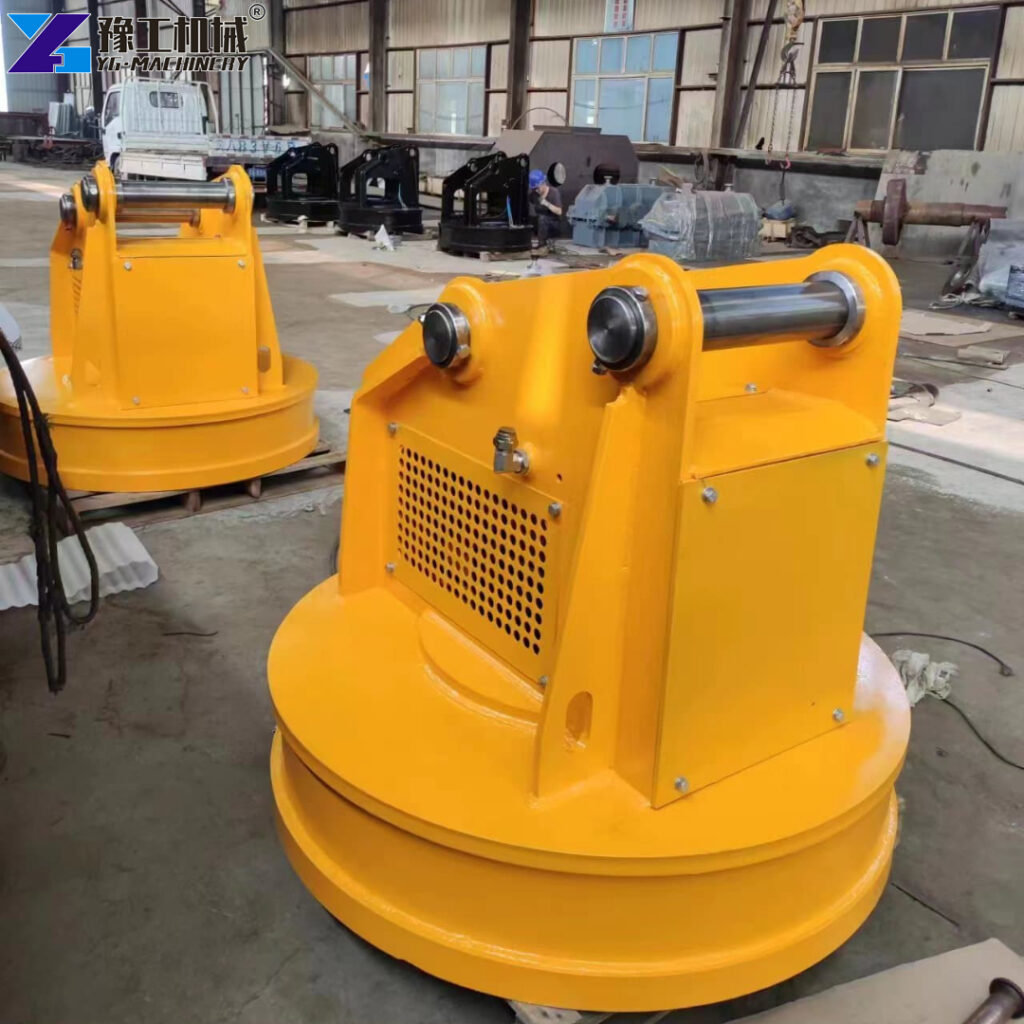
A hydraulic magnet for excavator uses the machine’s own hydraulic system to generate electricity. An oil flow motor spins a generator inside the magnet housing. That generator powers the electromagnet coil. No external power supply needed. No generator trailer. No extension cords.
Here is how the system works. You connect two hoses from your excavator’s auxiliary circuit to the magnet. One hose sends pressurized oil to the magnet’s motor. The other hose returns oil to the tank. A small control box in the cab sends power to the motor when you flip the switch.
The magnet engages instantly. Flipping the switch on gives full lifting power with no delay. Flipping it off releases the load immediately. This instant on-off control matters when sorting material. You pick only what you want and drop the rest.
YG Machinery builds the hydraulic motor and generator inside a sealed housing. No dust or moisture gets in. The copper windings are varnished to resist heat and vibration. A steel outer shell protects everything from impacts.
Hydraulic Excavator Magnet: Features That Matter
A hydraulic excavator magnet from YG includes several design features that make it reliable on tough job sites.
The magnetic circuit uses high-grade steel laminations. These laminations focus the magnetic field downward, not sideways. You get maximum pickup force at the bottom face. The sides stay relatively cool. This design also prevents the magnet from attracting debris to its sides – a common problem with cheap magnets.
The bottom plate is bolted on, not welded. When it wears out from scraping against concrete and steel, you replace just the plate. No cutting. No welding. Four bolts and 20 minutes of work. A new plate costs a fraction of a whole magnet.
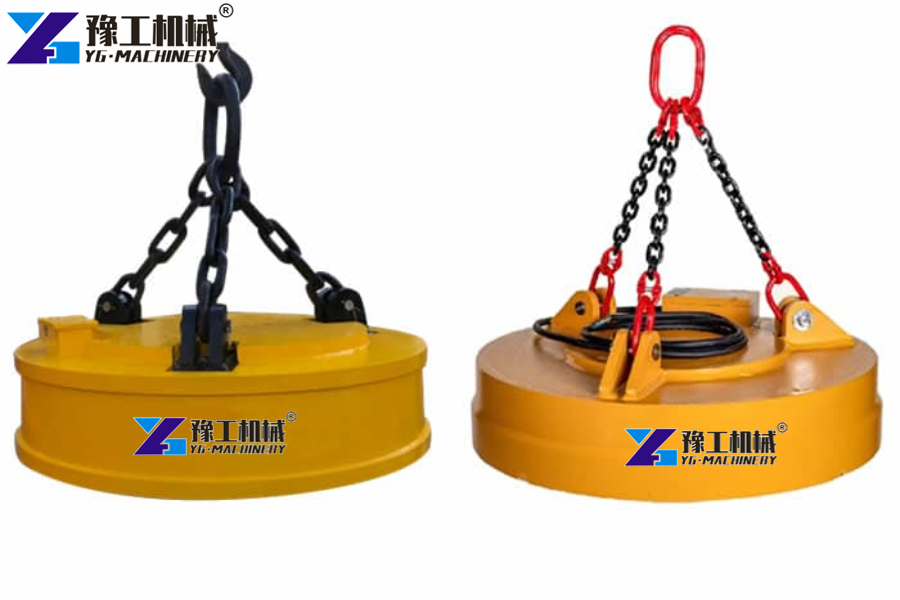
The housing has lifting eyes on top. Use them for crane lifting during installation. They also serve as tie-down points for transport. The cable entry point uses a steel strain relief. Pulling on the hydraulic hoses will not damage the internal wiring.
The magnet runs cool even after hours of continuous use. YG designed the oil flow path to carry heat away from the coil. The generator also runs at moderate speed – fast enough to make power, slow enough to last. Expect 5,000 to 8,000 hours before any major service.
Applications Across Industries for Excavator Magnet Attachment
This equipment works wherever ferrous metal needs to be moved. Here are the most common uses.
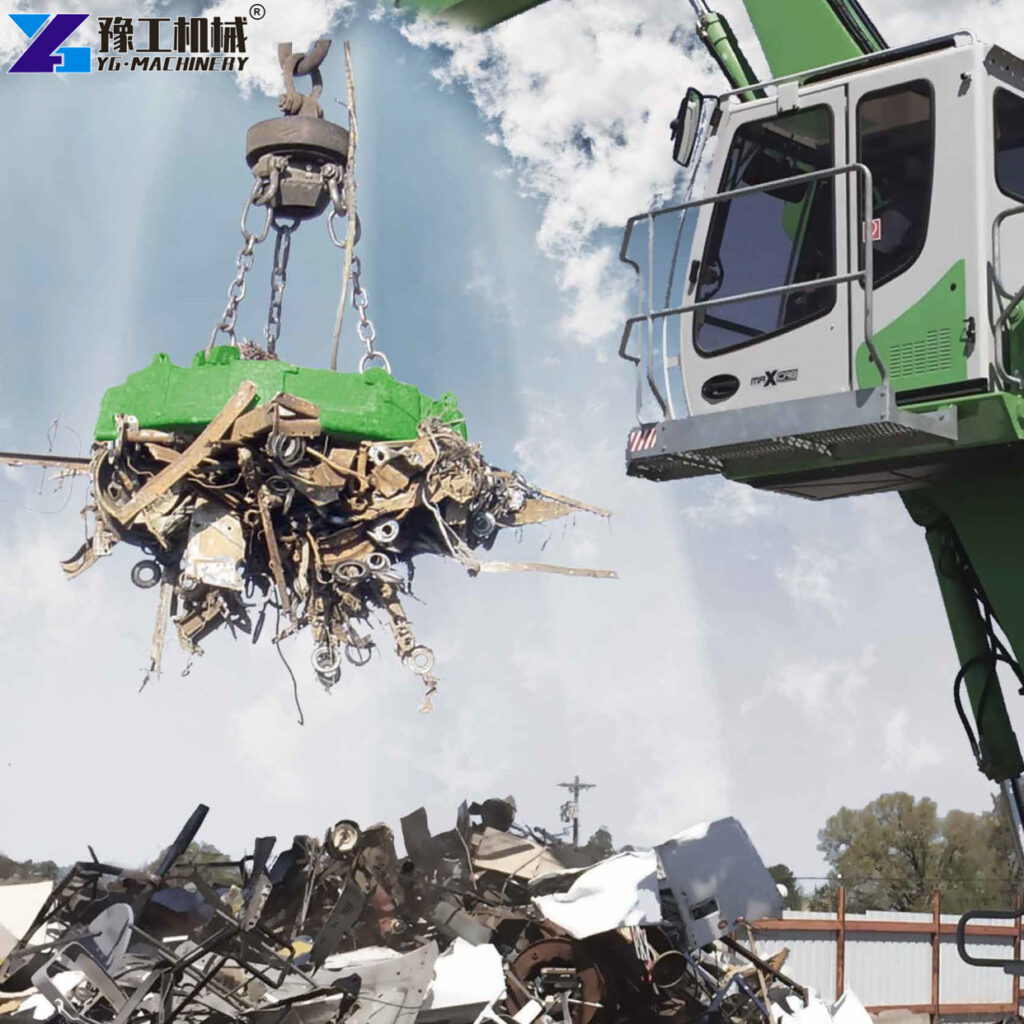
Scrap yards. Loaders push scrap into piles. The excavator with a magnet picks through those piles, separating steel from trash. Clean steel goes to the shear or baler. Trash goes to the landfill. One operator does the work of four laborers.
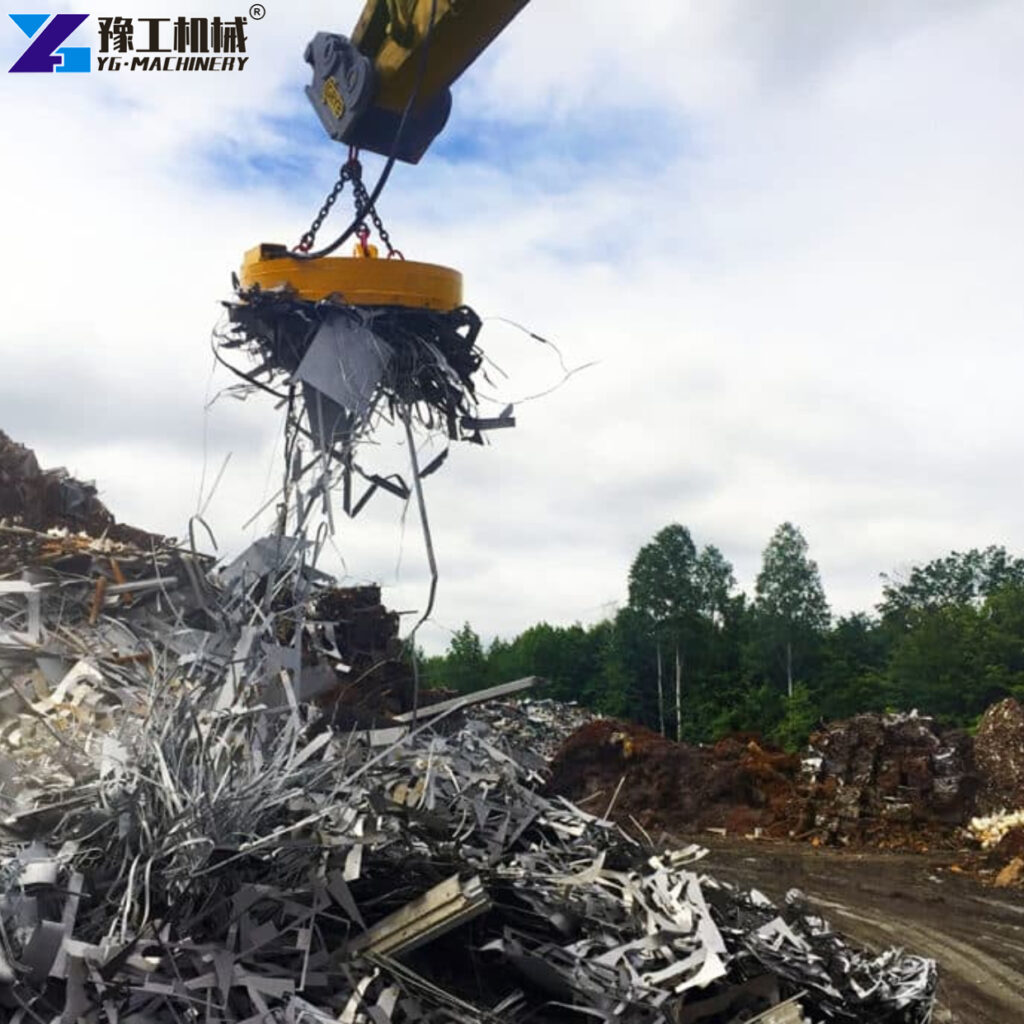
Demolition sites. After a building comes down, steel rebar and beams are everywhere. The excavator pulls them from concrete rubble. The magnet lifts the steel into a truck. The concrete stays on the ground for crushing. Clean separation means higher scrap prices.
Foundries and mills. Casting facilities use magnets to feed shredders and furnaces. A large excavator with a magnet picks scrap from storage piles and drops it into a hopper. Consistent feed rates keep the furnace running efficiently.
Rail yards. Old rails, spikes, and tie plates are all steel. A magnet-equipped excavator cleans up after rail replacement projects. It also loads scrap rail cars for transport to mills.
Ports and docks. Ships unload scrap metal onto docks. An excavator with a magnet moves that scrap from the dock to storage piles or directly into trucks. No dust. No noise beyond the excavator’s engine.
Recycling centers. Mixed recycling includes steel cans and small metal items. A magnet separates them from paper, plastic, and glass. The cleaned steel bales for sale to mills.
YG Machinery – Your Manufacturing Partner for Excavator Magnet Attachment
YG Machinery has built hydraulic attachments for over a decade. Their factory in Zhengzhou, China, produces every excavator magnet attachment in-house. They wind their own coils, machine their own housings, and assemble every unit personally.
YG Machinery tests each magnet on an actual excavator before shipping. You receive a video of your magnet picking steel at the factory. No guessing about performance. No returns for weak magnets.
Spare parts ship from warehouses in Houston and Rotterdam. Common items – bolt-on bottom plates, seal kits, and hoses – arrive in 2 to 4 days. Coils and generators take 10 days. YG publishes a full parts list with every machine.
Other Equipment from YG Machinery
Beyond magnetic attachments, YG Machinery manufactures several other excavator tools and construction equipment:
- Hydraulic breakers (from 200kg to 4000kg for 1-50 ton excavators)
- Mechanical grabs (for demolition and scrap handling)
- Rotating pulverizers (for concrete crushing and rebar separation)
- Auger drives (for foundation drilling and tree planting)
- Compaction wheels (for trench backfill and landfill work)
- Quick couplers (pin grabber and hydraulic types for fast tool changes)
- Tilt rotators (for grading and finishing work)
Contact YG Machinery directly for a full catalog. They offer bundle pricing for magnets and breakers purchased together. Free hydraulic flow matching service is available before purchase.
FAQs: Excavator Magnet for Sale
1. Can this magnet pick up stainless steel or aluminum?
No. This magnet only picks ferrous metals – iron and steel. Stainless steel (depending on grade) has little or no magnetic response. Aluminum is non-ferrous. For those materials, you need a different attachment, like a demolition grab.
2. How hot can the magnet get before it fails?
The magnet operates safely up to 80°C (176°F) surface temperature. Above that, the copper windings can degrade. Most jobs never reach this temperature. Continuous use in a steel mill might. YG offers a high-temperature version with special insulation for those applications.
3. My excavator has low hydraulic flow. Can you still supply a magnet?
Yes. YG can adjust the generator and motor combination to work with flows as low as 20 lpm. The magnet will have less pickup force. For low-flow machines, consider a smaller diameter model or an electrically powered magnet with a separate generator.
4. How do I clean debris off the magnet face?
Turn the magnet off. Most steel will drop. Stuck debris – small wire or light shavings – wipe off with a gloved hand or a wooden board. Do not use a steel hammer. Impact can demagnetize the core. A plastic scraper works best.
5. What is the lifting capacity of these magnets?
Lifting capacity depends on material shape and size. A solid steel block lifts more easily than tangled rebar. As a rule of thumb, the magnet will lift its own weight in steel. The YGML10 at 2200kg lifts about 2000kg of clean scrap. Mixed material lifts less.
6. How long do the bottom plates last?
Bottom plates last 500 to 2000 hours, depending on use. Scrap yard work on concrete wears plates faster than demolition work on dirt. Replace the plate when you see holes or excessive grooving. Running with a worn plate damages the coil housing.
7. Can I use this magnet underwater?
No. The magnet housing is not sealed for submersion. Moisture ingress will short the coil. For dredging or underwater work, YG offers a specially sealed marine magnet. It costs more but lasts in wet conditions.