Electric vehicles (EVs) are reshaping the future of transportation, and efficient charging systems are a critical part of the infrastructure. When deciding on the best solution for your project, understanding the differences between DC EV Fast Charging and AC EV Charging is crucial. These two systems vary significantly in speed, cost, and application, and making the right choice can impact both operational efficiency and profitability. This article will guide you through the pros and cons of each system, helping you make an informed decision.
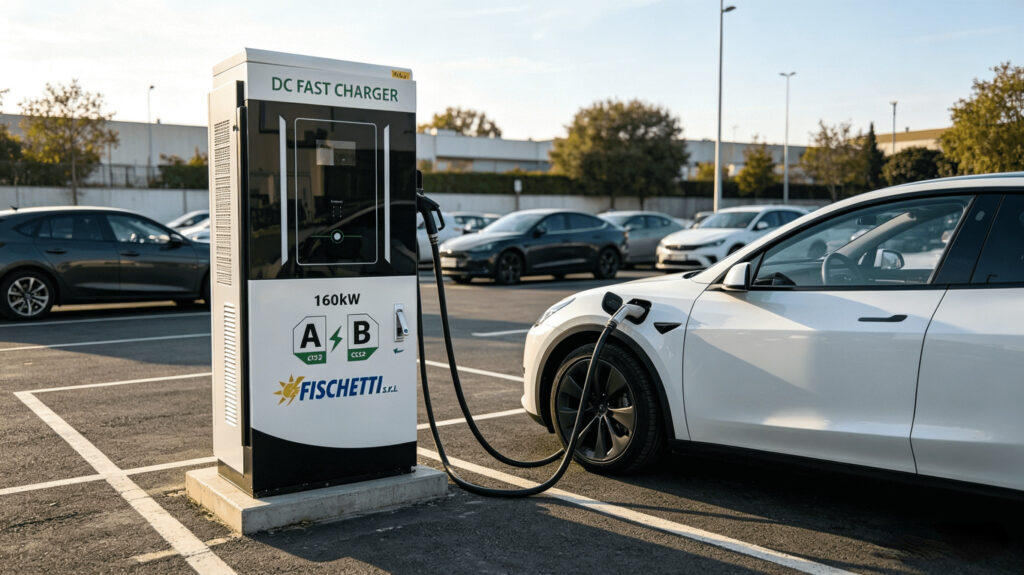
What Is DC EV Fast Charging vs AC EV Charging?
The main difference between DC EV Fast Charging and AC EV Charging lies in how electricity is delivered to the vehicle’s battery. AC chargers supply alternating current (AC) to the vehicle, which then converts it to direct current (DC) inside the car. This conversion limits the charging speed.
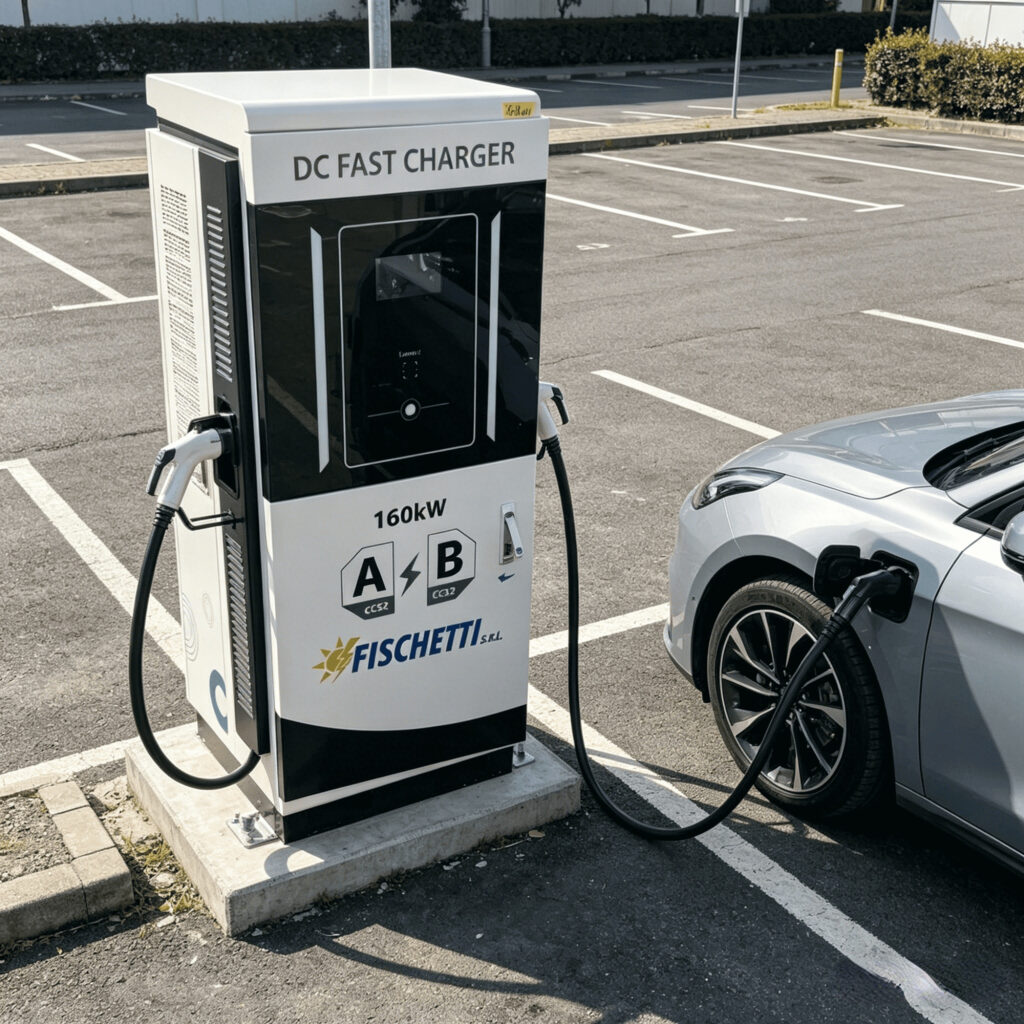
On the other hand, DC fast charging happens inside the station itself. The DC charger directly delivers the energy into the battery, bypassing the vehicle’s onboard charger. This results in much faster charging times, making it ideal for high-demand locations where quick turnover is crucial.
EV Charging Stations for Sale: Types and System Overview
When planning your EV charging infrastructure, it’s important to understand the key characteristics of both AC and DC charging stations.
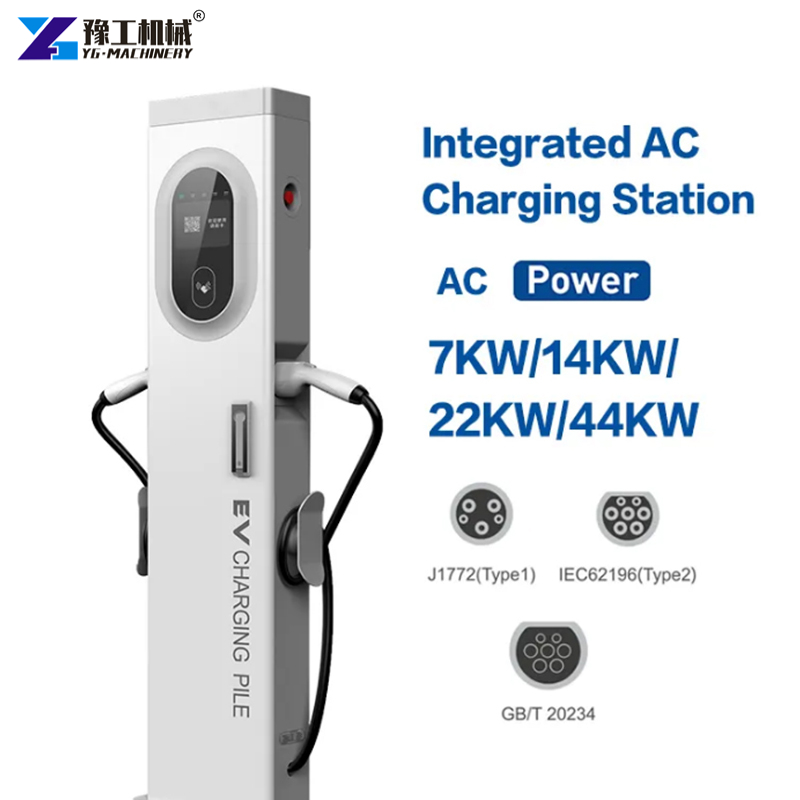
AC Charging Stations
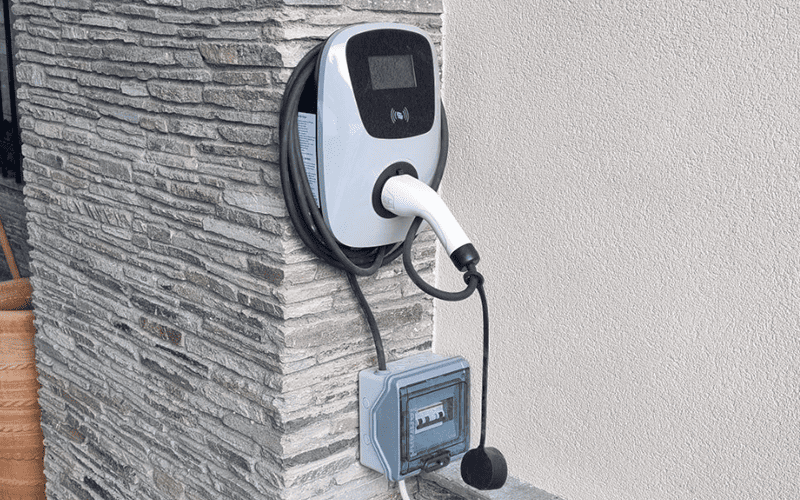
- Power range: 3.7kW – 22kW
- Charging time: 6–12 hours
- Common locations: Homes, offices, and parking lots
- Installation cost: Relatively low
- Ideal for: Areas where vehicles remain parked for long periods, such as residential communities or office parking lots.
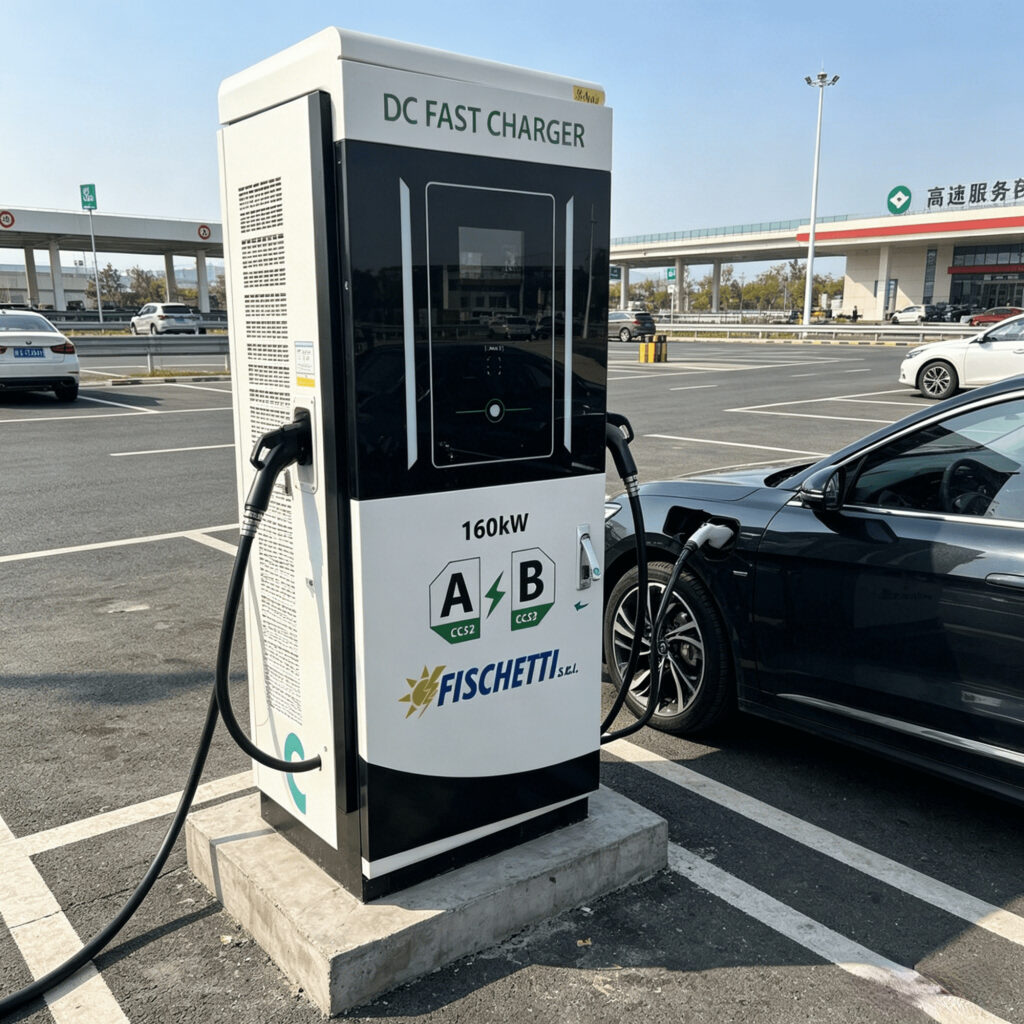
DC Fast Charging Stations
- Power range: 50kW – 350kW+
- Charging time: 15–60 minutes
- Common locations: Highways, commercial hubs, and public charging points
- Installation cost: Higher, but generates greater returns
- Ideal for: Commercial environments, fleet charging, and public locations with high traffic.
These systems cater to different needs: AC charging is more suited to home or business charging, while DC fast charging is tailored for locations requiring quick turnaround and high volume.
Electric Charging Stations Cost: Investment and ROI Analysis
Understanding the costs associated with AC and DC charging stations is key to evaluating the best solution for your project. Here’s a breakdown:
AC Charging Cost
- Equipment cost: Lower
- Installation cost: Simple and less expensive
- Grid requirements: Standard
- Maintenance: Minimal
DC Charging Cost
- Equipment cost: Higher
- Installation cost: Complex, requires specialized infrastructure
- Grid requirements: High capacity needed
- Maintenance: Moderate
Investment Insight:
- AC chargers have a low initial cost but a slower return on investment (ROI).
- DC chargers, while more expensive upfront, deliver faster ROI thanks to shorter charging times and higher traffic turnover.
Electric Charging Stations: Technical Parameters (YG Models)
Here are the specifications for commercial EV charging stations from YG Machinery, highlighting their robust technical capabilities:
| Parameter | YG-60KW | YG-80KW | YG-120KW |
| Rated Power | 60kW | 80kW | 120kW |
| Input Voltage | AC380V±20% | AC380V±20% | AC380V±20% |
| Output Voltage | 200–750VDC | 200–750VDC | 200–750VDC |
| Output Current | 0–90A | 0–120A | 0–160A |
| Efficiency | ≥94.5% | ≥94.5% | ≥94.5% |
| Cooling Method | Forced air | Forced air | Forced air |
| Protection Level | IP54 | IP54 | IP54 |
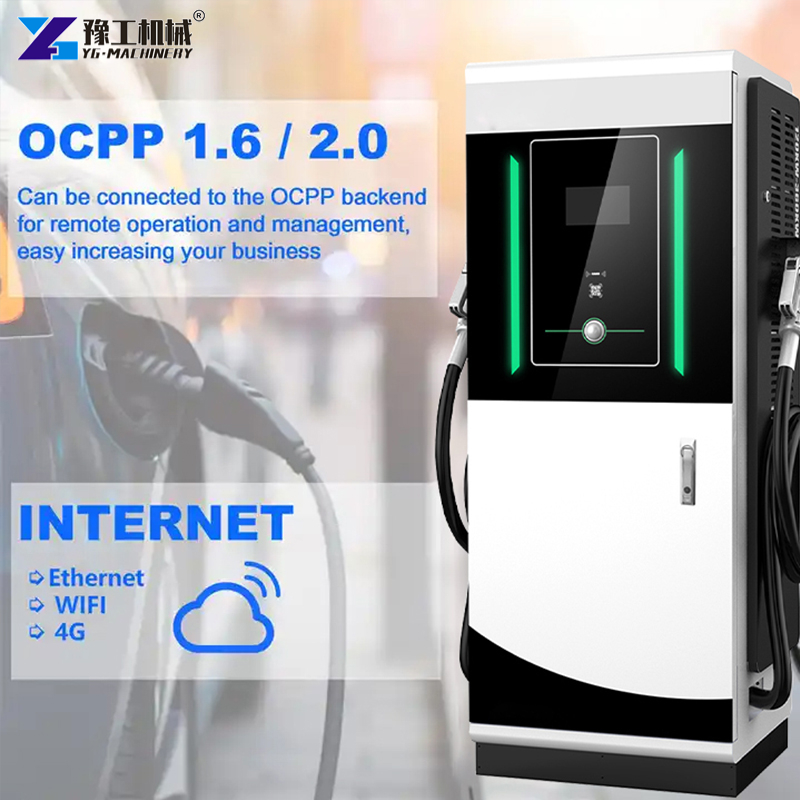
| Communication | Ethernet / 4G | Ethernet / 4G | Ethernet / 4G |
| Noise Level | ≤60dB | ≤60dB | ≤60dB |
| Operating Temp | -25°C to +50°C | -25°C to +50°C | -25°C to +50°C |
The higher power options (YG-120KW) provide faster charging times and can accommodate more vehicles. Additionally, the advanced efficiency (94.5%) ensures minimal energy waste, contributing to both performance and sustainability.
EV Fast Charging vs AC EV Charging Performance Comparison: Speed, Efficiency, and Use Case
When deciding between AC and DC chargers, consider the performance features that matter most to your project:
| Aspect | AC Charging | DC Fast Charging |
| Charging Speed | Slow | Very Fast |
| Installation Cost | Low | High |
| User Turnover | Low | High |
| Best Use | Residential | Commercial |
| Grid Demand | Low | High |
AC chargers are ideal for locations where vehicles are parked for long periods, such as residential buildings or businesses. However, DC chargers are necessary for commercial and high-traffic locations, where quick charging times are essential.
EV Charging Stations for Sale: Why Choose YG Machinery?
YG Machinery offers high-performance charging systems designed to meet the growing demands of the EV market. Their EV charging solutions stand out for the following reasons:
- Reliability: YG Machinery’s systems are known for stable performance and high efficiency.
- Customization: With various power options, YG Machinery provides the flexibility to meet different project needs.
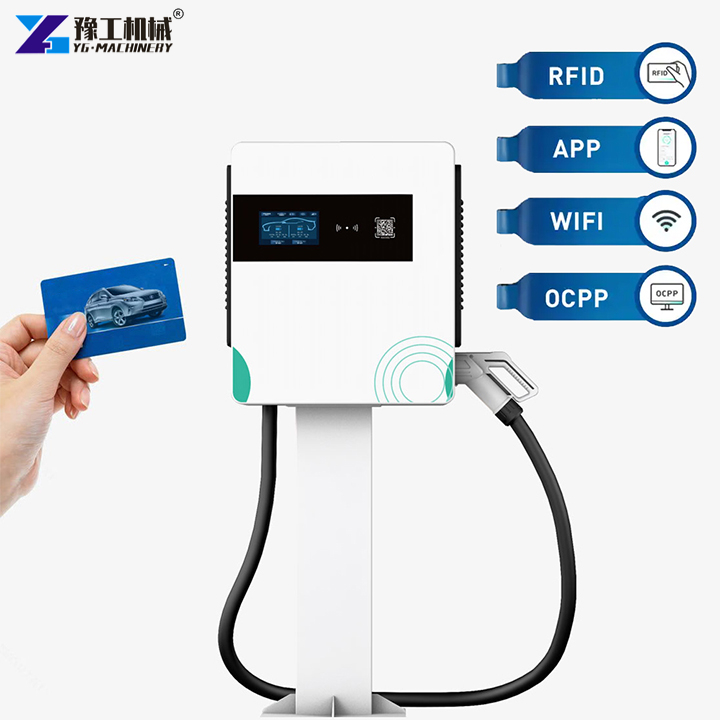
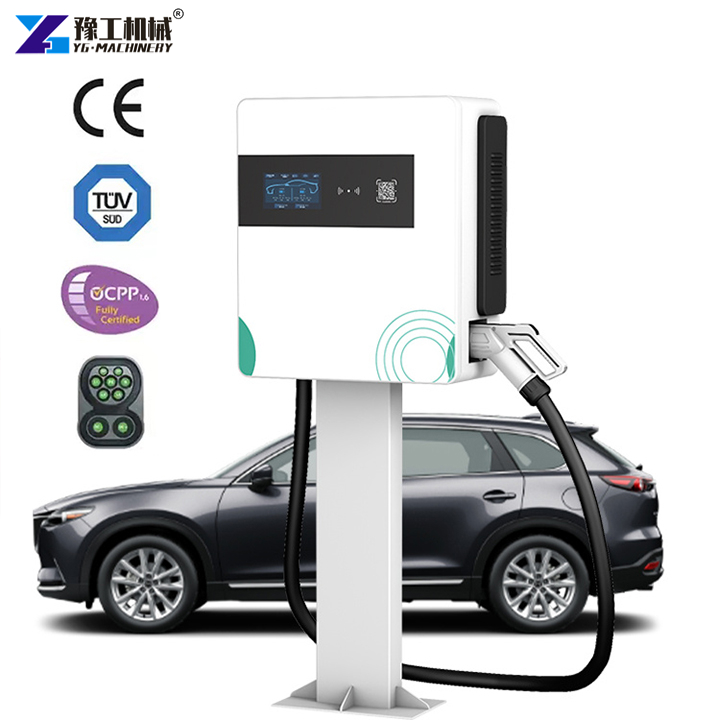
- Smart Technology: Their systems come with advanced control and payment integration.
- Safety: The built-in safety features ensure that each unit operates smoothly without compromising user security.
In addition to their excellent charging solutions, YG Machinery’s mainboard system offers several advantages:
- Appearance: The internal circuitry is neatly routed, with components arranged in an orderly manner. The clear texture and logical layout make maintenance easier.
- Scalability: The mainboard comes with pre-reserved interfaces for RS232, RS485, and CAN communication, as well as various functional ports for accessories like electromagnetic locks, gun temperature detection, and discharge resistance control. This scalability allows for customization according to specific charging station designs.
- Universal Compatibility: The system integrates seamlessly with a variety of charging operation platforms, such as State Grid, South Grid (Dudu Charging), Yanchengtong, Yunfast Charging, and more. It also supports government platforms like the Zhengtai and Chongqing municipal systems.
- Operational Flexibility: The controller can balance charging, adjust power for each charging gun, and distribute power automatically. The system is available in one-piece two-gun, four-gun, and split-stack designs.
- User Experience: The human-machine interface is intuitive and easy to use, allowing for both local and remote control. The system is also compatible with payment methods such as WeChat QR codes and credit cards, offering users more convenience. The control board connects to the backend, providing real-time data on the station’s operations and faults.
FAQs about DC EV Fast Charging vs AC EV Charging
Q.Which system is more cost-effective?
Answer: AC charging systems are less expensive to install, but DC chargers provide faster ROI, especially in high-traffic areas where quick turnaround is needed.
Q.Can both AC and DC systems be installed together?
Answer: Yes, a hybrid system combining both AC and DC chargers can provide flexibility and cater to a wider range of user needs.
Q.Are there any maintenance challenges with DC fast chargers?
Answer: DC chargers require more maintenance due to their complexity, but YG Machinery’s systems come with built-in diagnostic features to ensure smooth operation.
Q.What kind of payment systems do EV charging stations support?
Answer: Most EV charging stations, including those offered by YG Machinery, support a variety of payment methods, such as app-based payments, RFID, and credit card options.
Q.What is the typical lifespan of an EV charger?
Answer: EV chargers generally have a lifespan of 10-15 years, depending on usage and maintenance. YG Machinery’s chargers are built to last and come with comprehensive support.
Q: What makes your machine’s outer shell better?
Answer: Our partner sheet metal factory, in which we hold shares, manufactures the outer shells under strict quality control standards. The production team follows detailed procedures set by our quality control department to maintain consistent quality.
After polishing, workers place the shells into a rust-removal solution to eliminate rust and impurities completely. We use galvanized sheet metal to improve corrosion resistance, and the team bakes the painted surface in an oven to create a smooth, durable finish similar to automotive paint technology.
This process helps the shell maintain long-term durability and an attractive appearance, even after 8–10 years of outdoor exposure.
Q: Will the outer shell rust over time?
Answer: No, the outer shell will not rust. We use galvanized sheet metal and employ a detailed rust-removal and painting process to ensure the shell is completely protected. The baked paint finish, similar to car manufacturing processes, guarantees that the shell will maintain its appearance without rust or damage for many years of outdoor use.
Q: How effective is the waterproofing of your machine?
Answer: The waterproofing is highly effective. We use imported foam adhesive strips, which are applied to the robot shell through a programmed process to ensure a seamless application. The adhesive provides the right balance of flexibility and firmness. The cost of the foam adhesive we use is nearly 10 yuan per meter, which is four times the price of domestic third- or fourth-tier brands. Choosing the right adhesive is crucial for preventing future issues, such as the shell becoming difficult to open, the adhesive degrading, and water damage after a few years of use.
Q: What could happen if you use the wrong waterproofing adhesive?
Answer: If the wrong waterproofing adhesive is selected, it can lead to severe problems. The shell may become difficult to open, the adhesive may deteriorate over time, and water can seep in, damaging the equipment after just a few years of use. Proper selection of the adhesive is key to ensuring long-term durability and protection from water damage.
Q: How do you ensure after-sales support?
Answer: Choosing the wrong waterproofing adhesive can cause serious problems over time. The shell may become difficult to open, the adhesive can lose performance, and water may seep into the equipment after several years of use. To ensure long-term durability and reliable waterproof protection, you should always select the correct adhesive for the application.
Q: What happens if my equipment encounters problems after purchase?
Answer: If any issues arise with your equipment, we provide fast and reliable solutions. Our team of engineers and technical support is ready to assist. For minor problems, we can resolve them online. If an on-site visit is necessary, we will dispatch our team to handle the issue directly at your location.
Q: Can your EV chargers charge all types of electric vehicles?
A: Yes, our EV chargers are compatible with all electric vehicles. The only requirement is that the connector may need to be adjusted to match your vehicle’s charging port. If modifying the connector is inconvenient, we also offer interchangeable charging heads to ensure seamless compatibility with various EV models.