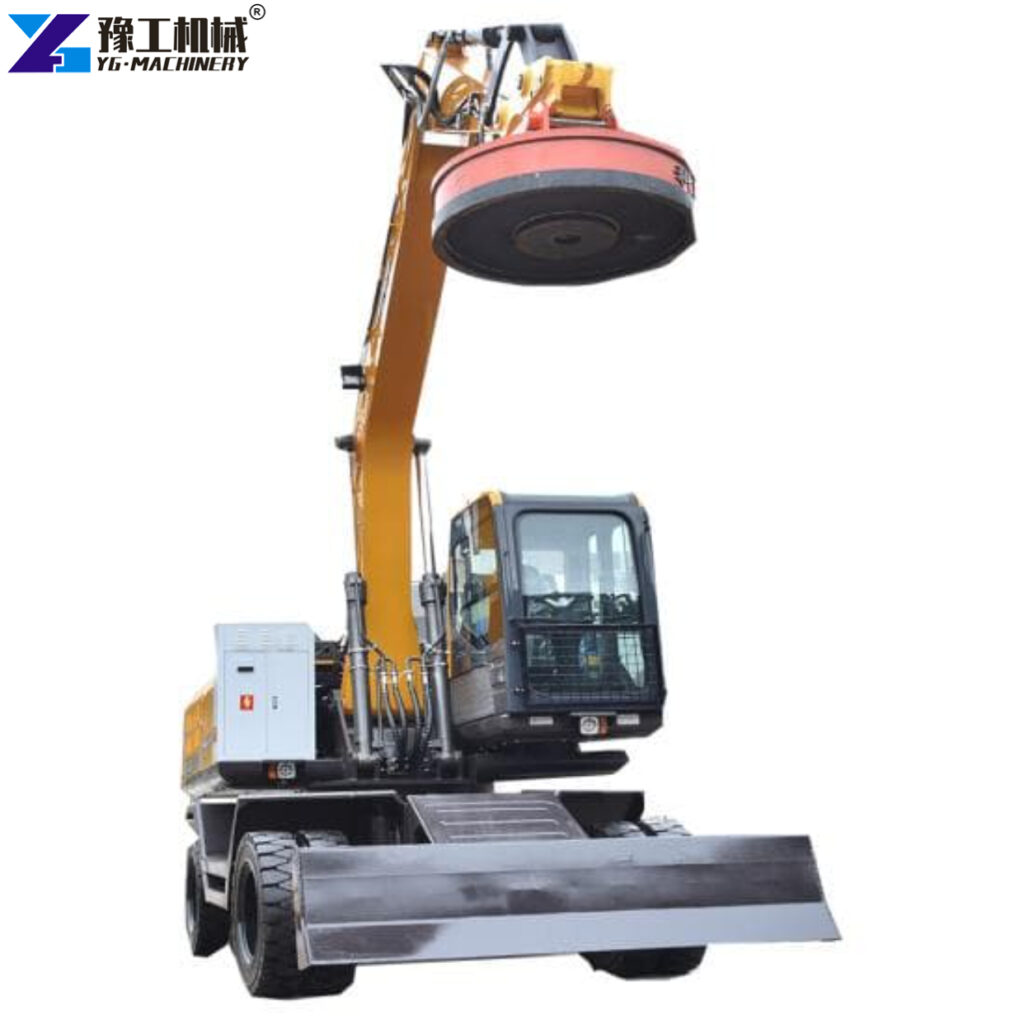
In the modern scrap handling and recycling industry, speed, sorting precision, and operator safety directly dictate profit margins. Traditional mechanical grabs and standard excavator buckets often struggle with loose ferrous metals—leaving behind fine steel turnings, requiring labor-intensive manual cleanup, and causing unnecessary wear on heavy machinery. This is why an increasing number of recycling yards, steel mills, and demolition contractors are deploying high-efficiency excavator magnet attachments to streamline their daily operations.
From heavy melting scrap (HMS) sorting to underwater recovery, an excavator scrap magnet (frequently searched as a hydraulic scrap magnet, excavator electromagnet, or generator-driven lifting magnet) provides the high breakout force, continuous zero-drop magnetism, and versatile handling power required across diverse scrap management environments.
Below, we explore the top 10 real-world applications of excavator magnets in the scrap handling industry and explain how they help operators maximize material throughput while slashing labor costs.
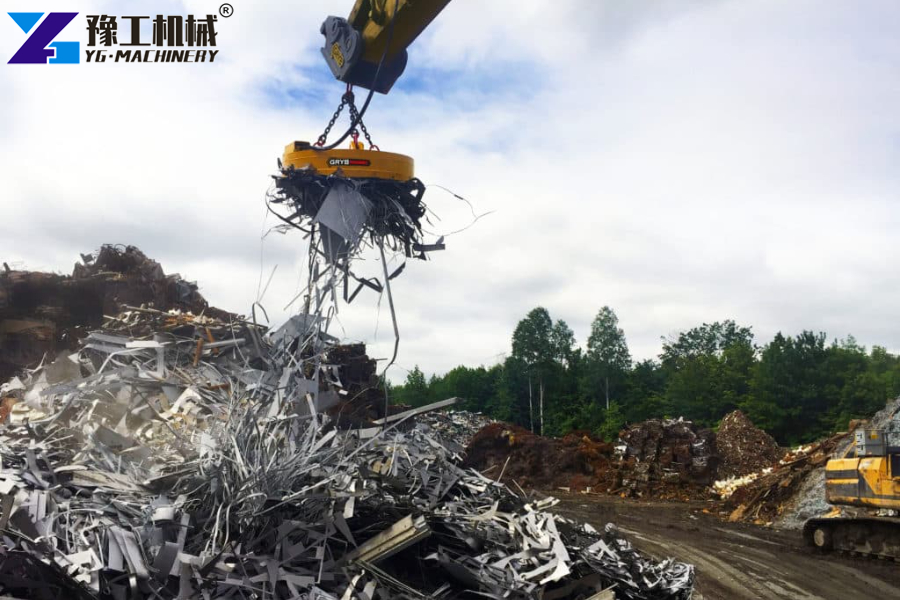
10 Essential Applications of an Excavator Magnet in Scrap Handling
1. Auto Recycling: Pulling Steel from Crushed Vehicles
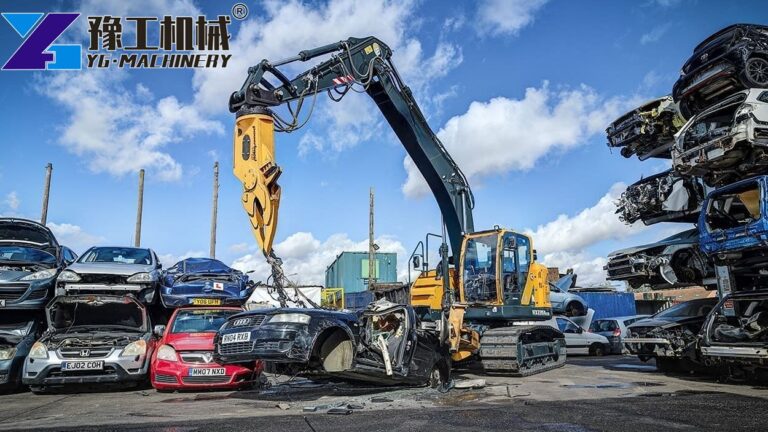
Vehicle recycling creates a messy mix of shredded steel, copper, aluminum, fabric, and foam. After a shredder processes car bodies, the material flows onto a sorting line. An excavator magnet positioned over the pile lifts clean steel while leaving lighter materials behind. This single pass recovers up to 90% of the ferrous content. Auto recyclers using an excavator scrap magnet reduce labor costs by 70% compared to manual picking. The YGML04 model, suitable for 7-11 ton excavators, works perfectly for mid-sized auto shredding operations. Operators appreciate the fast response time of the hydraulic magnet for excavator applications.
2. Demolition Debris: Recovering Rebar from Concrete
Demolition contractors face mountains of broken concrete laced with steel reinforcing bars (rebar). Most dump this mix in landfills, wasting valuable metal. An excavator magnet sweeps across the rubble pile, extracting every piece of rebar, mesh, or structural beam. The cleaned concrete then becomes recycled aggregate for road base. This dual revenue stream—selling scrap steel and recycled concrete—improves project profit margins. Excavator mounted magnets excel here because the operator can reach into tight basement corners or behind standing walls. The YGML06 (12-16 ton carrier) provides ideal lifting capacity for standard demolition projects.
3. Scrap Yards: Sorting Ferrous from Non-Ferrous Metals
Daily operations at a scrap yard require constant movement of material from incoming piles to processing areas to outbound shipping. Workers cannot sort every piece by hand. A hydraulic magnet for excavator allows one machine to unload trucks, sort ferrous metal, and load railcars or barges. The magnet lifts steel plate, angle iron, cast iron engine blocks, and heavy machinery parts. For non-ferrous metals like aluminum, copper, or brass, the operator simply moves the magnet aside or uses a separate grapple. This flexibility makes the excavator magnet the most versatile attachment in any yard. YG Machinery’s YGML08 (17-23 ton excavator) represents the sweet spot for most scrap processing facilities.
4. Steel Mill Slag Processing
Slag is a byproduct of steelmaking—a glass-like material containing pockets of trapped iron. Steel mills pile slag in huge dumps, waiting for processing. An excavator magnet lifts the slag and drops it onto a crusher. After crushing, the magnet again separates the metallic iron from the non-metallic slag. The recovered iron goes back to the furnace. The cleaned slag becomes construction fill. This closed-loop process requires a magnet that withstands heat and abrasion. The YG series, with working pressures up to 250 bar, handles the rigorous demands of slag processing. A hydraulic magnet for excavator in this application pays for itself within months.
5. Foundry Returns: Handling Casting Scrap
Foundries produce metal castings for automotive, industrial, and agricultural customers. Every casting leaves behind runners, risers, and defective parts. Foundries collect this scrap for remelting. Moving tons of heavy, odd-shaped cast iron or steel pieces by hand is dangerous. An excavator magnet lifts the entire pile and deposits it into a charge bucket or furnace feed conveyor. The magnet also cleans floors and reclaims spilled metal from sand systems. In a busy foundry, an excavator scrap magnet reduces forklift traffic and eliminates manual hooking. The YGML02 (4-6 ton excavator) fits inside smaller foundry buildings while still providing 1400 kg of magnet weight.
6. Port & Dock Scrap Loading
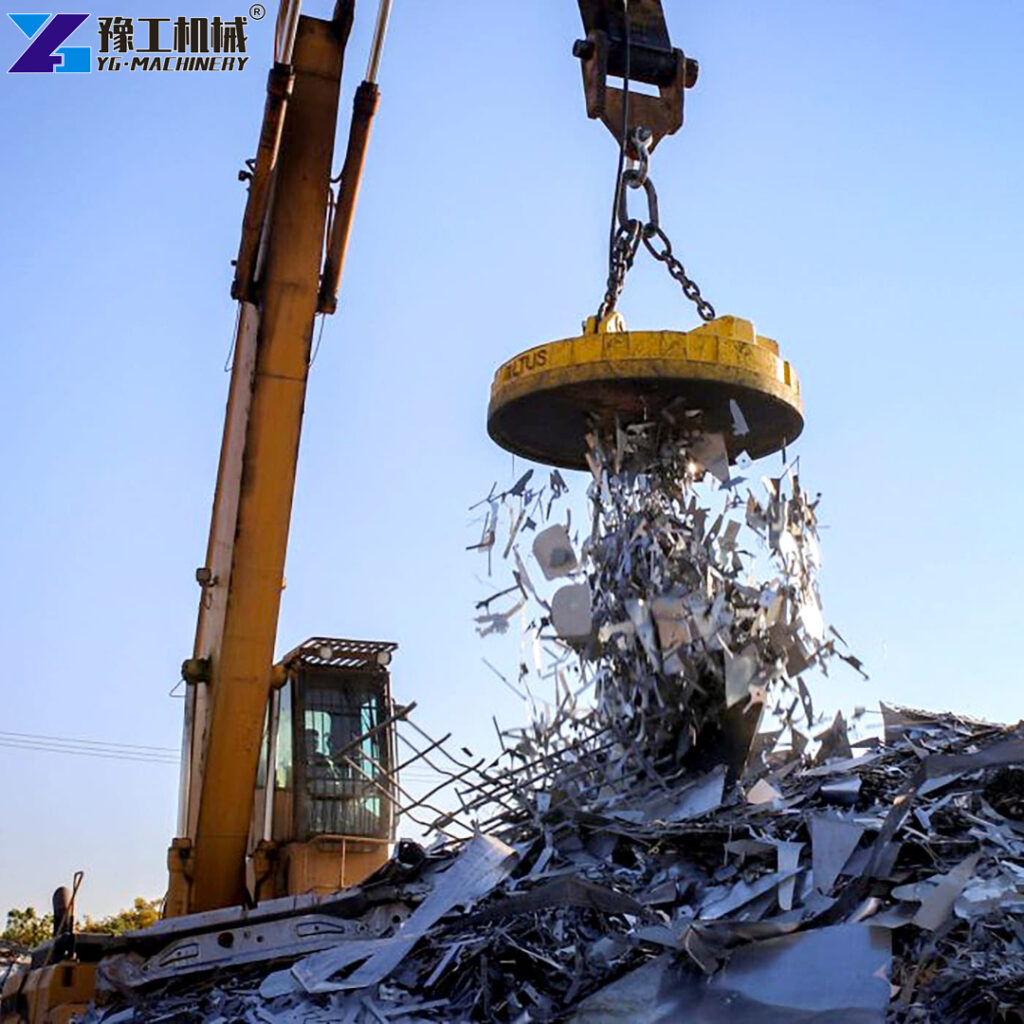
Scrap exporters need to move material from stockpiles to ship holds quickly. Dock space costs money. Every minute spent loading adds expense. A dedicated crane with a magnet works, but cranes cannot reposition easily across a large dock. An excavator magnet mounted on a long-reach excavator covers more area. The operator drives to the stockpile, lifts, and swings directly over the hold. The YGML14 (31-40 ton excavator) or YGML20 (41-50 ton) provides the high lifting force needed for dense scrap. The magnet’s 1400mm outer diameter on the YGML20 creates a wide magnetic field, grabbing more metal per pass. Port operators using excavator mounted magnets report 40% faster loading times.
7. Railroad Scrap Recovery
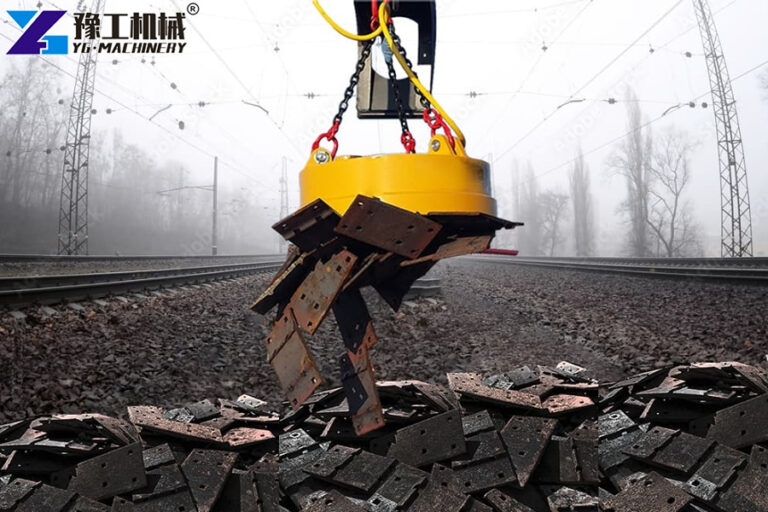
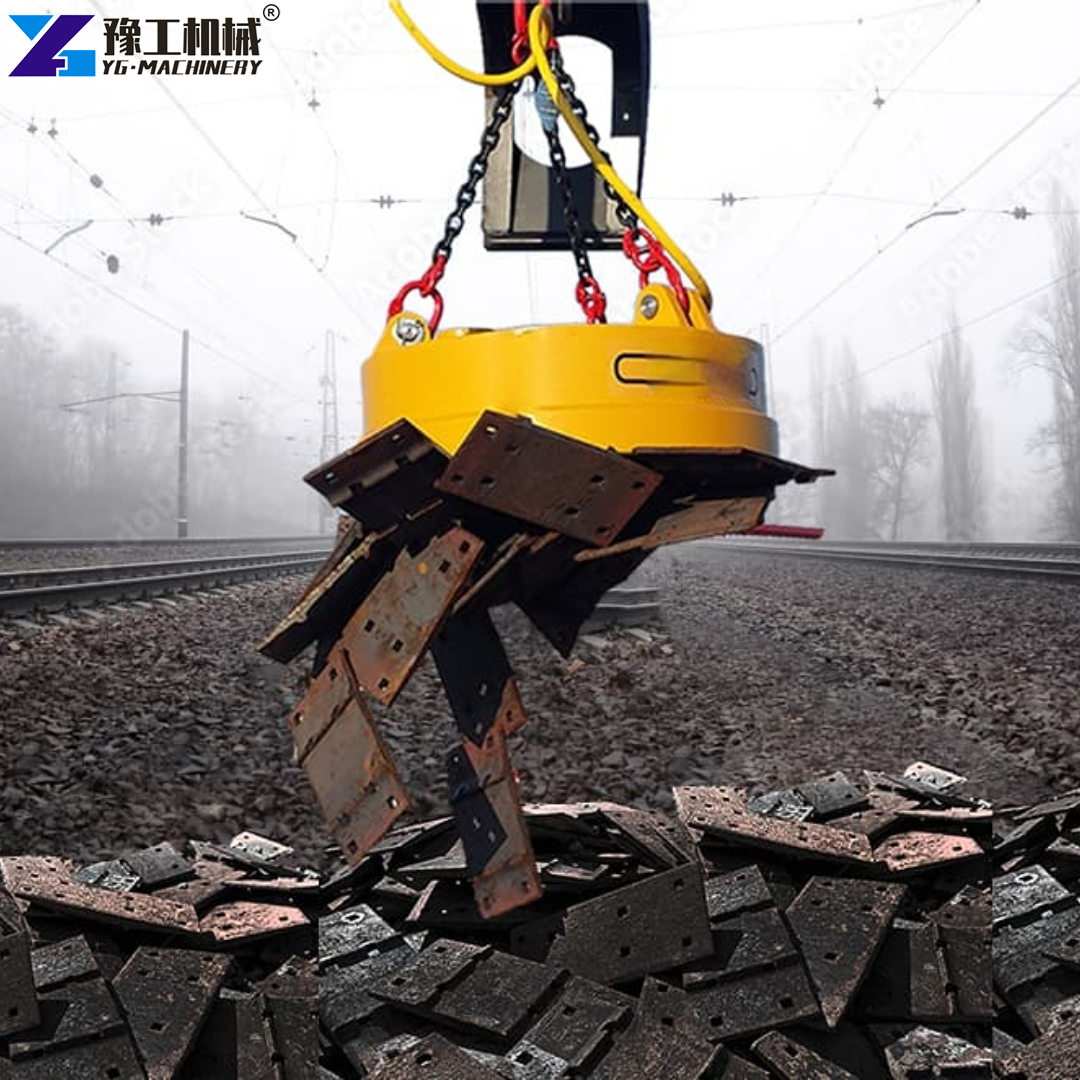
Railroads replace thousands of miles of steel rail and millions of spikes and tie plates every year. This scrap has high value because of its consistent chemistry. Recovering it by hand requires crews walking the tracks with pry bars. An excavator magnet on a rail-capable excavator (steel wheels or rubber tires that fit rails) speeds up the job tremendously. The magnet lifts entire sections of rail, grabs loose spikes from ballast, and picks up discarded junction plates. The compact YGML02 or YGML04 models work well here because railroad clearances are tight. A scrap recovery crew using an excavator scrap magnet finishes a mile of track in hours instead of days.
8. Municipal Waste Recycling Centers (MRFs)
Material Recovery Facilities (MRFs) process household recycling: plastic bottles, cardboard, glass, and metal cans. Steel food cans (tin cans) are ferrous and magnetic. An excavator magnet suspended over the conveyor belt or sorting floor lifts these cans off the line. This protects downstream equipment like glass crushers and eddy current separators from damage. The magnetic extraction also improves the purity of the paper and plastic streams. Unlike an overhead belt magnet, an excavator scrap magnet allows the operator to target specific areas of the pile. The movable design of a hydraulic magnet for excavator gives MRF managers flexibility to reconfigure their sorting line without new equipment purchases.
9. Pipe & Structural Steel Handling
Construction yards and steel service centers store long materials like pipes, beams, channels, and HSS sections. Lifting these with slings requires workers to climb stacks and attach rigging—a dangerous task. An excavator magnet lifts multiple pipes or several beams at once. The magnetic field holds them securely without crushing or bending. The operator can lift, rotate, and place each piece with precision. Excavator mounted magnets excel at unloading flatbed trucks and organizing storage racks. The YGML08 with a 2000 kg magnet weight handles standard construction steel easily. For heavier sections, the YGML10 (24-30 ton excavator) provides 2200 kg of lifting force.
10. Disaster Cleanup & Construction Site Clearing
After a building fire, tornado, or earthquake, debris contains twisted steel, collapsed trusses, and exposed rebar. Clearing this rubble quickly allows rescue teams to work and reconstruction to begin. An excavator magnet mounted on a rubber-track carrier drives over unstable ground where wheeled cranes cannot go. The magnet pulls steel beams from piles without the need for torches or saws. On new construction sites, the same hydraulic magnet for excavator clears leftover rebar ends, wire mesh scraps, and steel framing offcuts. This keeps the site safe for concrete pours and reduces trip hazards. Disaster response teams keep an excavator scrap magnet on their lead machine for exactly this reason.
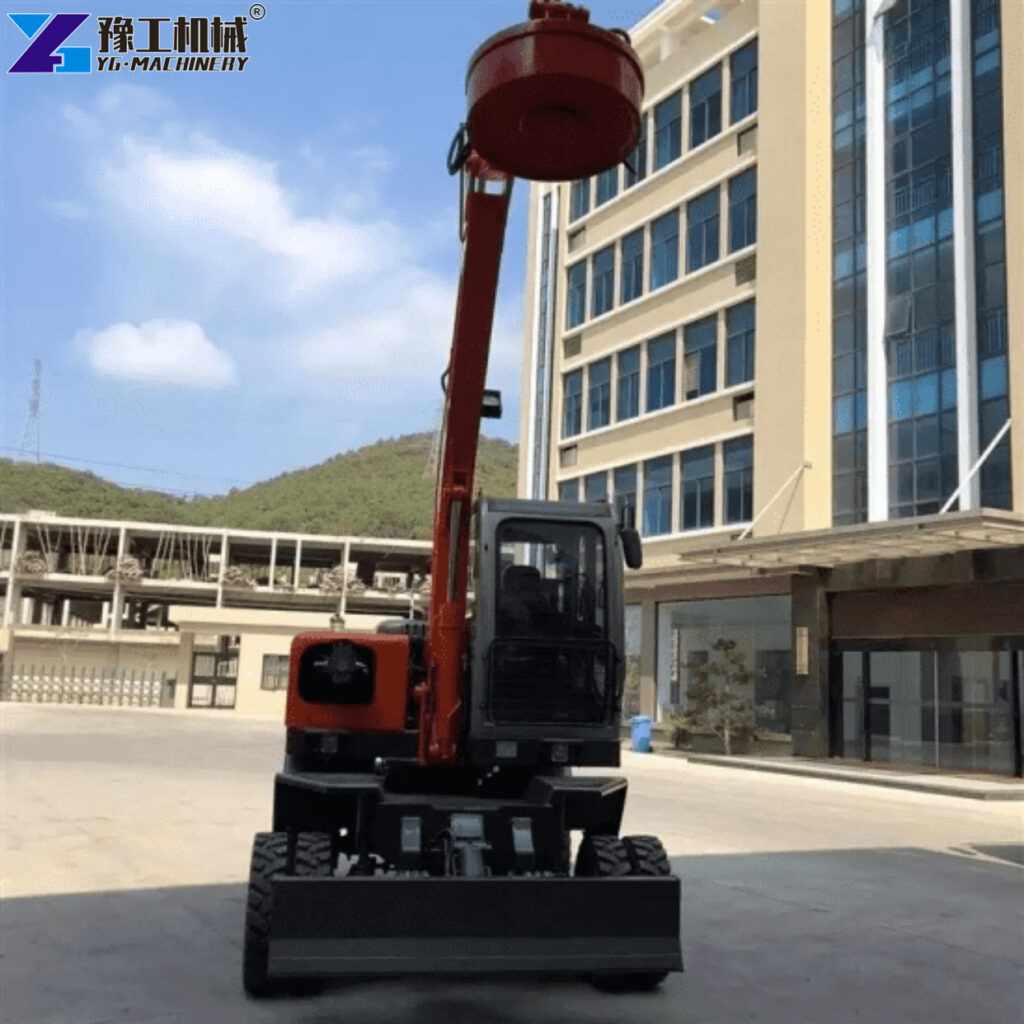
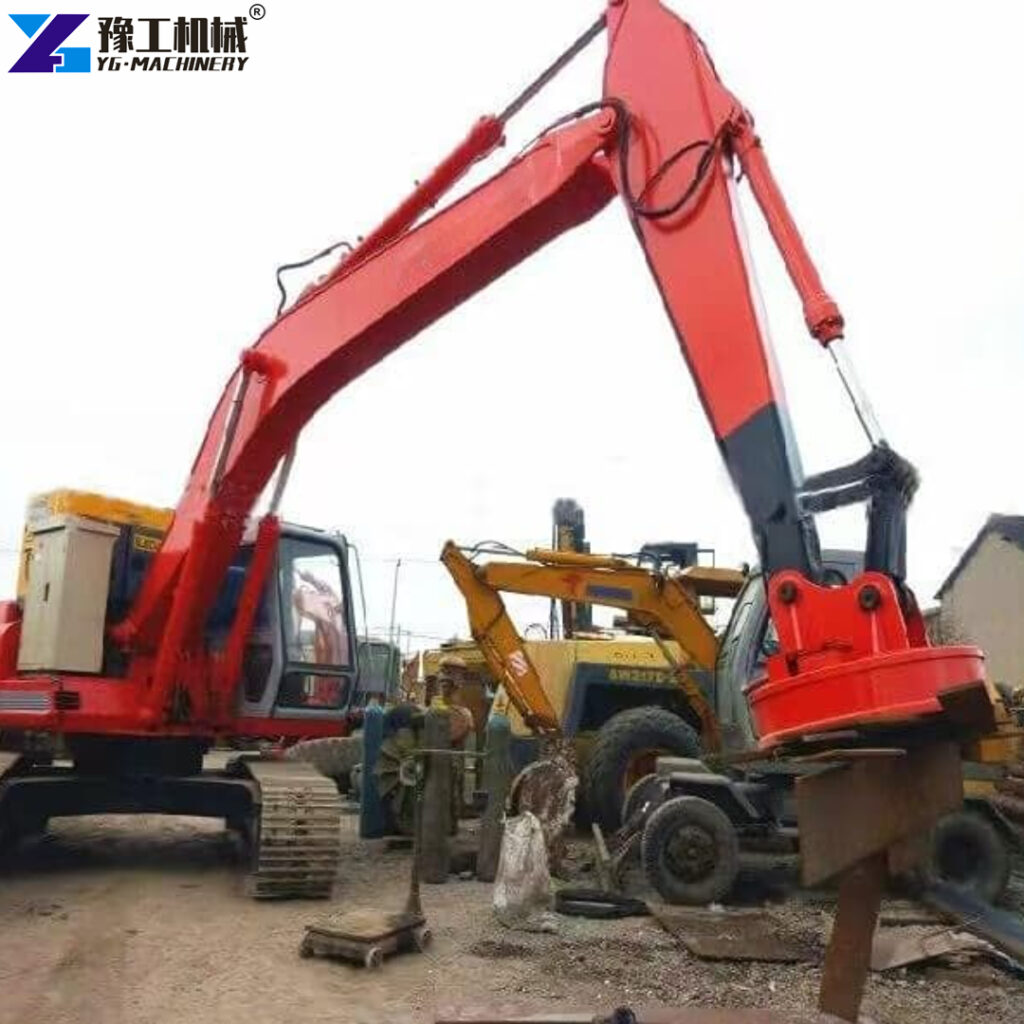
Why Choose YG Machinery’s Hydraulic Magnet for Excavator Series?
YG Machinery designed the YG hydraulic magnets with the scrap industry’s real needs in mind. The series includes eight models covering excavators from 4 tons to 50 tons. Every YG magnet provides:
| Item/Model | Unit | YGML02 | YGML04 | YGML06 | YGML08 | YGML10 | YGML14 | YGML20 |
| Suitable Excavator | ton | 4-6 | 7-11 | 12-16 | 17-23 | 24-30 | 31-40 | 41-50 |
| Weight | kg | 1400 | 1500 | 1890 | 2000 | 2200 | 2500 | 2800 |
| Power | kW | 5 | 8 | 8 | 10 | 10 | 15 | 15 |
| Outer Diameter | mm | 700 | 800 | 900 | 1100 | 1200 | 1300 | 1400 |
| Working Flow | lpm | 30-55 | 50-100 | 90-110 | 100-140 | 130-170 | 200-250 | 250-320 |
| Working Pressure | bar | 170 | 180 | 190 | 200 | 210 | 250 | 250 |
Key advantages of the YG series magnet for excavators include:
- Direct hydraulic drive – No electric cables to damage. The magnet generates power from the excavator’s auxiliary circuit.
- Deep magnetic field – The 700mm to 1400mm diameters penetrate through light debris to grab buried metal.
- Low weight-to-power ratio – At only 1400kg for the YGML02, you keep more payload for lifting actual scrap.
- High working pressure tolerance – Up to 250 bar ensures consistent performance even with older excavators.
Learn more about the machine specifications and available models.
Core Technical Highlights of YG Excavator Lifting Magnets
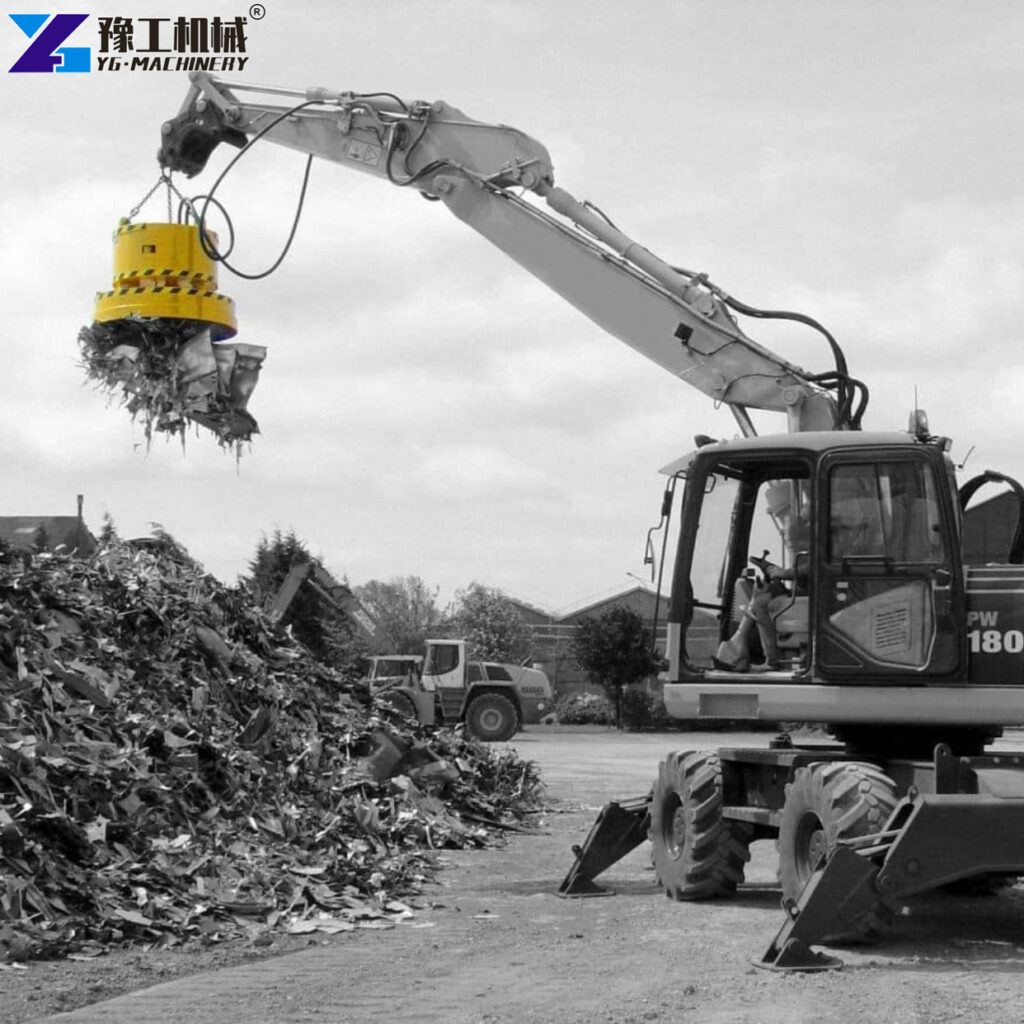
- Integrated Hydraulic Generator Option: Features a self-contained hydraulic motor and generator package that runs directly off the excavator’s auxiliary line—eliminating the need for noisy external fuel generators or complex electrical rewiring.
- Extreme Magnetic Duty Cycle & High Breakout Force: Engineered with 75% high duty cycles and deep-field magnetic circuits, allowing continuous lifting of heavy melting scrap (HMS 1/2), rebar bundles, and cast iron blocks.
- IP68 Sealed Waterproof Shell: Heavy-duty cast steel body protected by multi-layer insulating resin, allowing underwater operation for canal clearing and wet dock yard sorting.
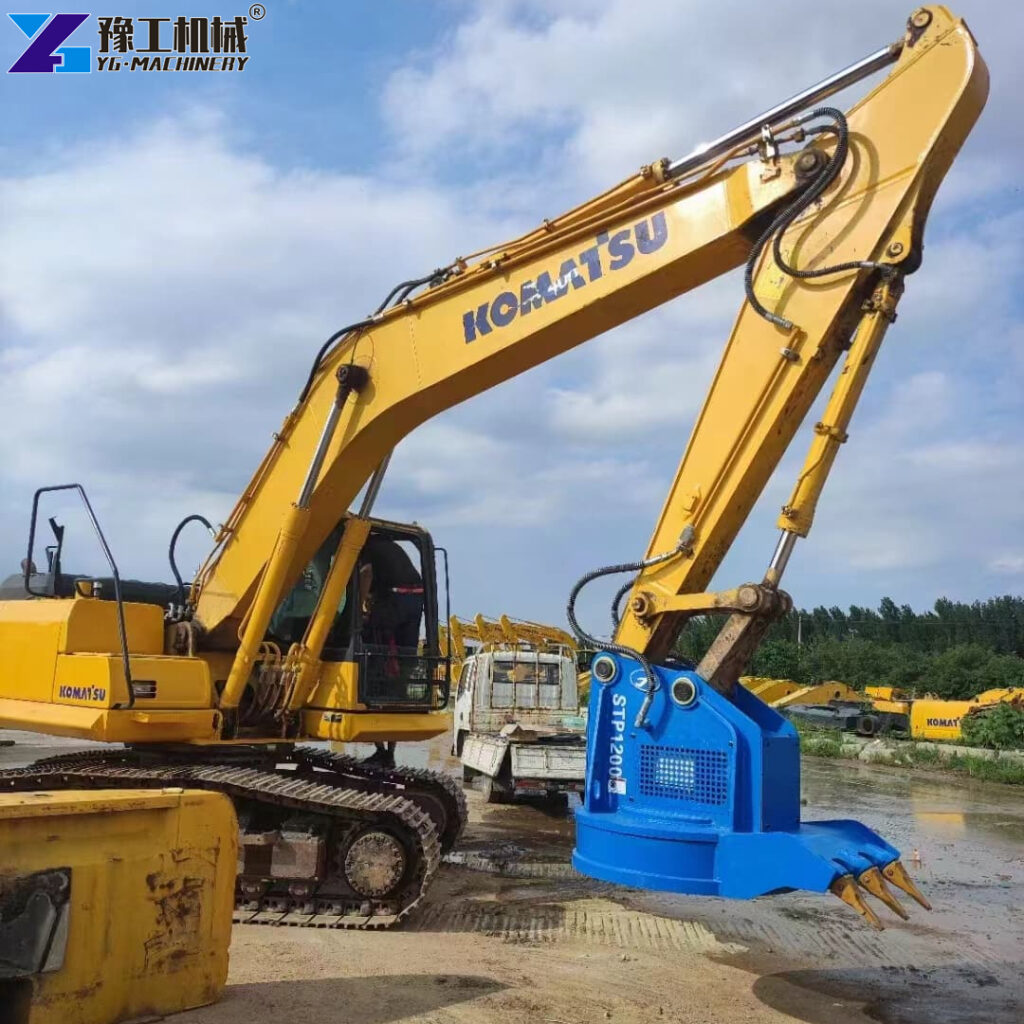
- Quick-Hitch & Attachment Versatility: Compatible with standard chain suspensions or rigid quick-coupler adapters, allowing operators to switch seamlessly between a bucket, orange peel grapple, and magnet in minutes.
Frequently Asked Questions (FAQ) About Excavator Magnet Attachment
A1: Not with our hydraulic-driven series! YG Machinery offers integrated hydraulic generator packages that mount directly onto your excavator and run off standard auxiliary hydraulic lines.
A2: Yes. All YG excavator magnets are built with an IP68 waterproof sealed enclosure, making them fully operational for underwater yard cleaning, dredging, or dockside recovery.
A3: Using standard quick-coupler pins or hanging chains, switching from an excavator bucket or orange peel grapple to the magnet takes less than 10 minutes.
Conclusion & Expert Recommendation
Choosing the right excavator attachment for your scrap handling applications can dramatically boost productivity and reduce job site hazards. Backed by strict quality controls, CE/UKCA compliance, and a 12-month manufacturer warranty, YG Machinery supplies high-durability excavator magnets tailored to your carrier machinery.
- Ready to optimize your scrap handling operations?YG Machinery provides custom pin-diameter mounting brackets, hydraulic control valve matching, and direct factory pricing with global shipping.