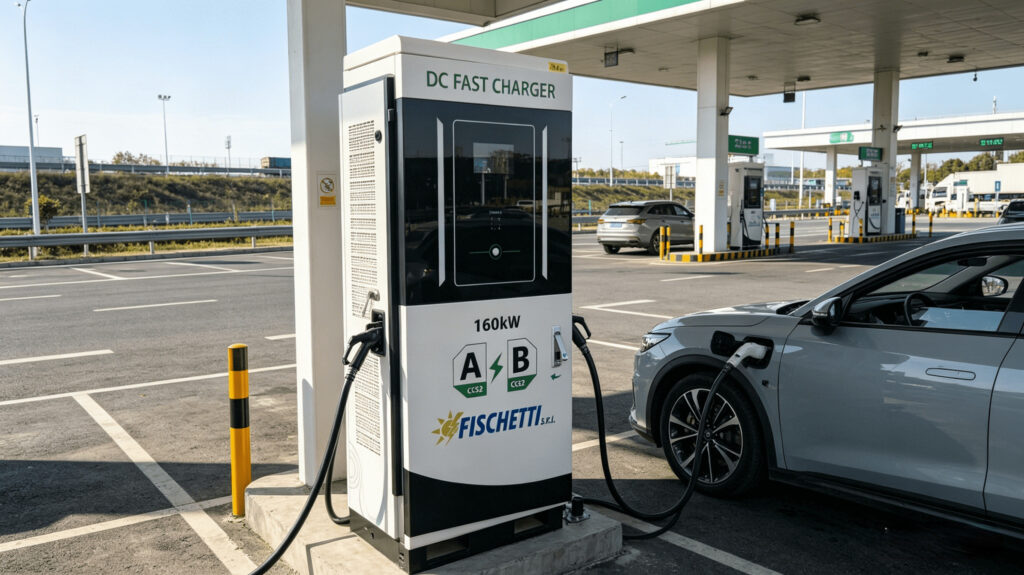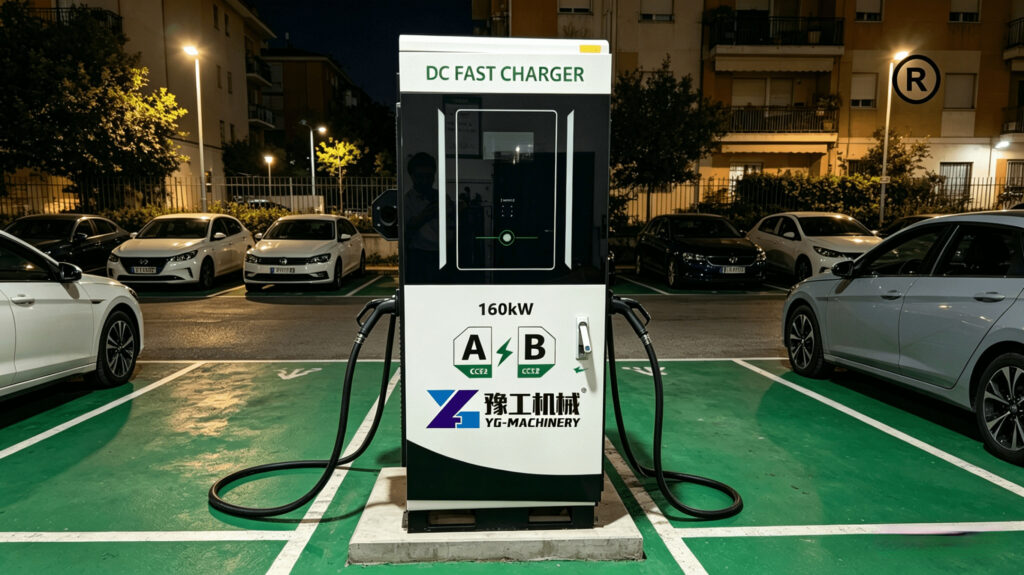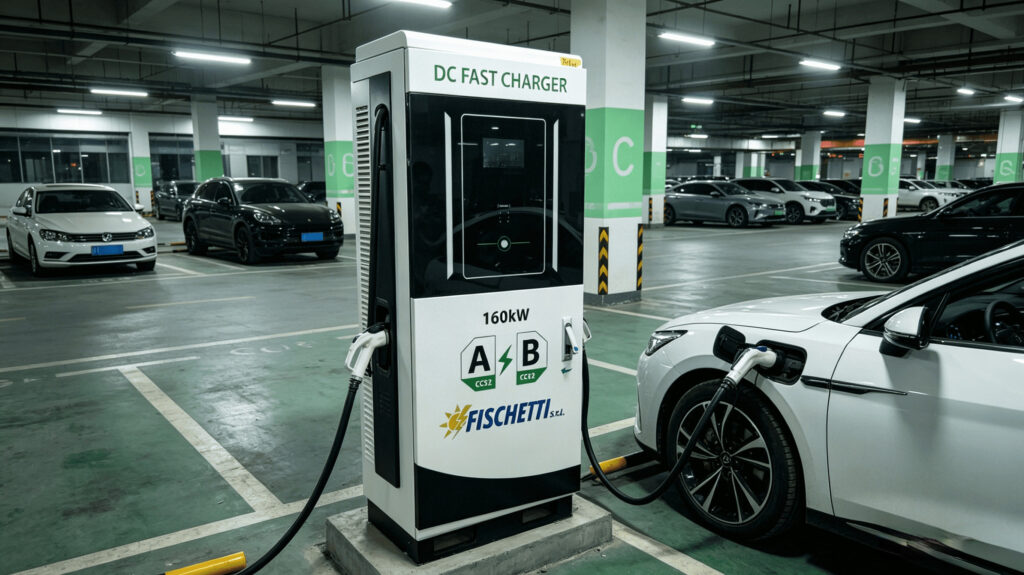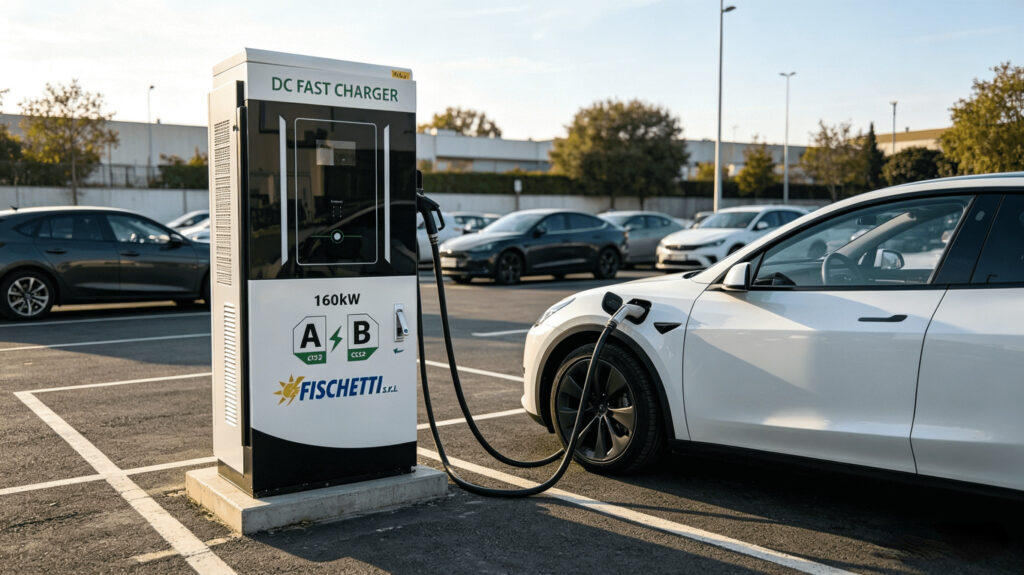
The shift to electric vehicles (EVs) is gaining momentum, making electric car power stations a crucial part of modern infrastructure. As EVs become more common, businesses and municipalities need reliable charging solutions that can handle high traffic and provide quick, efficient service. An EV station ensures your clients and employees have access to fast, convenient charging options. This article explores the advantages of these power stations, their pricing structure, and key features that businesses need to consider when investing in rapid charging points.
Boost Productivity—Get a Free Quote
Why Choose an Electric Car Power Station for Your Business?
As more consumers and businesses make the switch to electric vehicles, the demand for reliable, fast charging solutions continues to grow. An electric car power station is a critical piece of the puzzle, offering the infrastructure needed to support the increasing number of electric cars on the road. Whether you’re looking to offer charging stations for customers or power a fleet of electric vehicles, an efficient and reliable charging solution is essential.
EV charging stations cater to both commercial and residential sectors. By investing in high-quality charging stations, businesses can enhance customer satisfaction, support the sustainability movement, and meet the demands of the growing electric vehicle market.
Product Specifications for YG Machinery’s Electric Car Power Stations
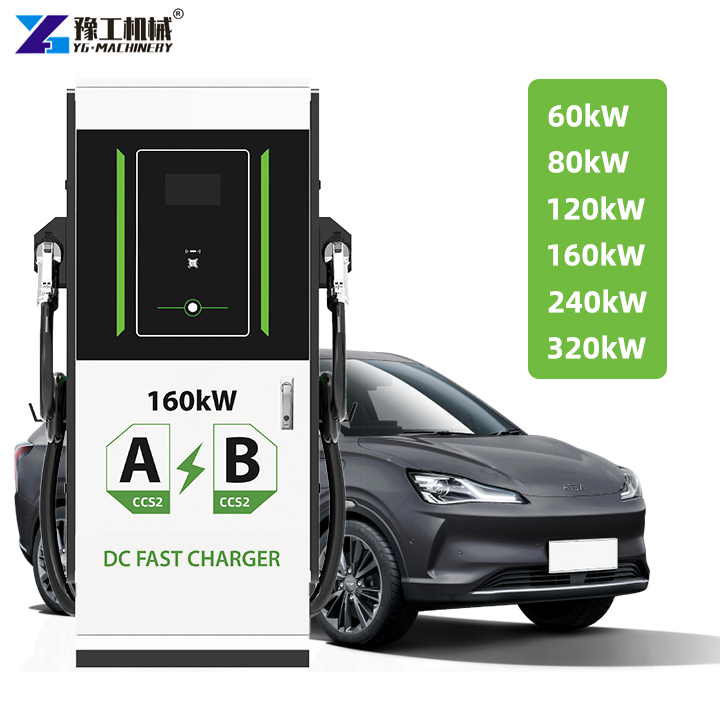
YG Machinery provides a wide range of electric car power stations designed to meet the needs of businesses across various industries. Here are the specifications for their top models:
| Parameter | YG-60KW | YG-80KW | YG-120KW |
| Rated Power | 60kW | 80kW | 120kW |
| Input Voltage | AC380V±20% | AC380V±20% | AC380V±20% |
| Output Voltage | 200–750VDC | 200–750VDC | 200–750VDC |
| Output Current | 0–90A | 0–120A | 0–160A |
| Efficiency | ≥94.5% | ≥94.5% | ≥94.5% |
| Cooling Method | Forced air | Forced air | Forced air |
| Protection Level | IP54 | IP54 | IP54 |
| Communication | Ethernet / 4G | Ethernet / 4G | Ethernet / 4G |
| Noise Level | < 60 dB | < 60 dB | < 60 dB |
| Operating Temp | -25°C to +50°C | -25°C to +50°C | -25°C to +50°C |
These EV charging stations come equipped with cutting-edge technology, ensuring that your charging infrastructure is not only reliable but also energy-efficient. Whether you’re installing one or multiple charging units, YG Machinery’s chargers are built to handle high-volume use and provide a seamless experience for EV drivers.
Compare Models and Get a Quote
EV Fast Charger Price: What to Expect for Your Investment
When considering an EV fast charger, one of the first questions is typically about the EV fast charger price. The price of an EV charger can vary based on several factors, including charging speed (AC vs. DC), installation complexity, and any additional features or customization options.
Key Pricing Factors:
- Type of Charger:
- AC Charging Stations: Generally lower in price but slower in charging speed. These are ideal for locations where vehicles stay parked for long durations.
- DC Fast Charging Stations: More expensive, but they offer rapid charging capabilities (15-60 minutes to charge an EV). They are ideal for commercial locations with high vehicle turnover.
- Installation Costs:
The installation cost depends on the power requirements and any additional infrastructure upgrades needed (e.g., grid capacity). DC fast chargers require a more robust electrical setup compared to AC chargers. - Maintenance and Operating Costs:
Ongoing maintenance can impact the total cost of ownership. DC fast chargers typically require more regular maintenance due to their higher power output and complexity.
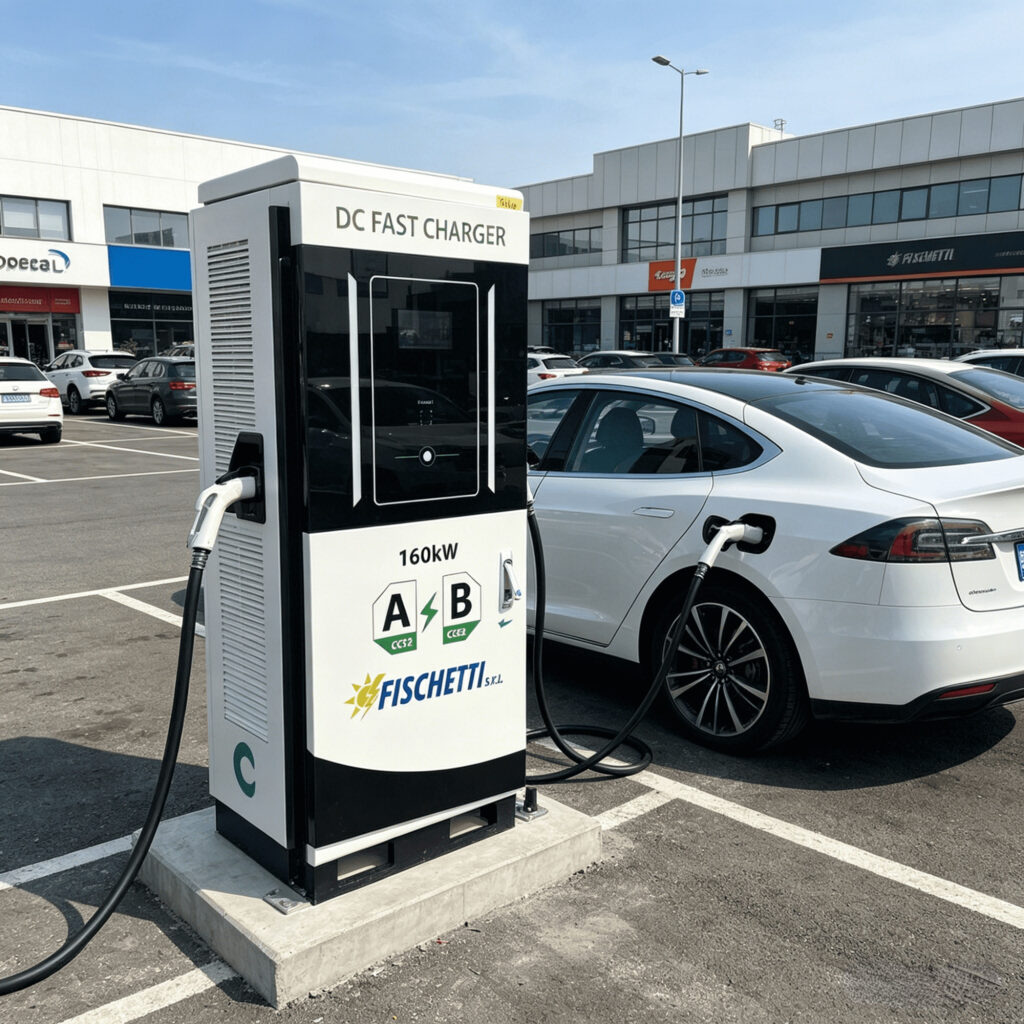
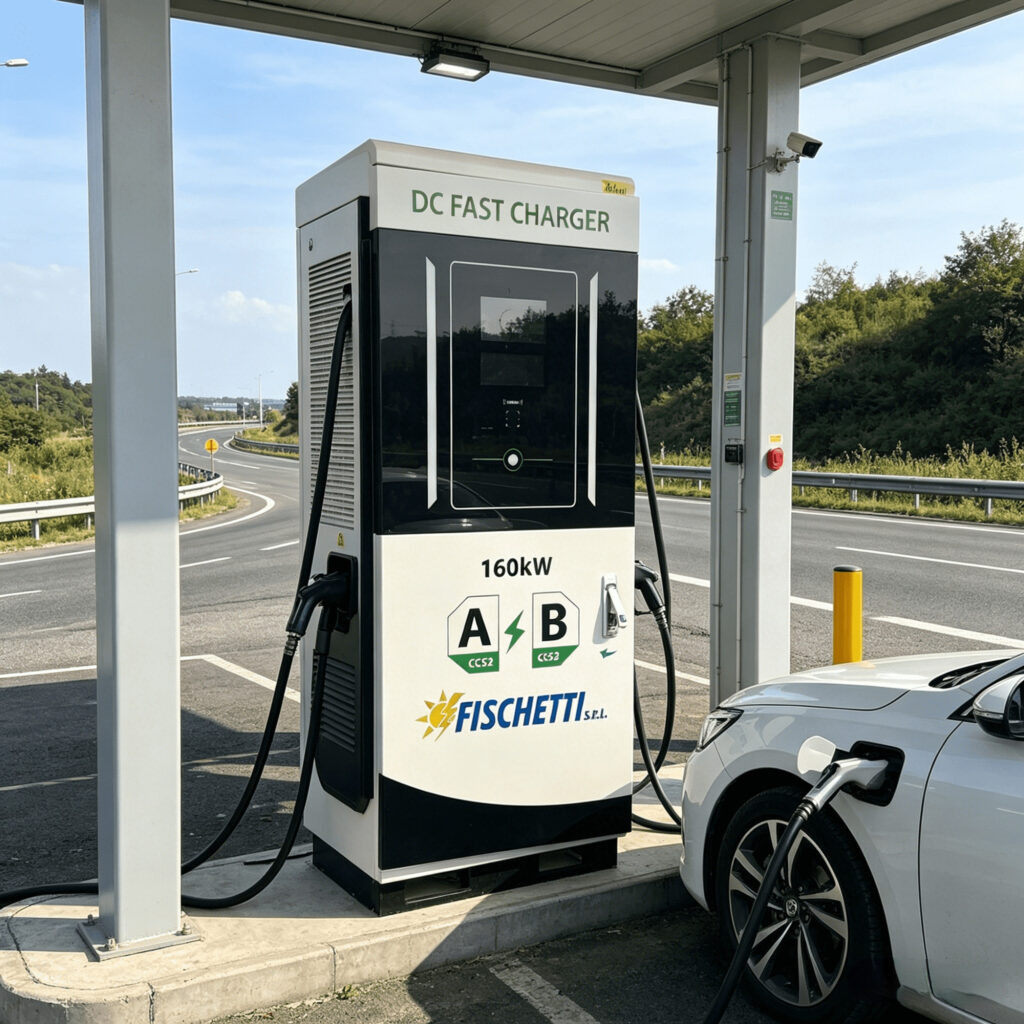
YG Machinery offers a variety of EV charging stations that cater to different needs and budgets. Their fast charging stations provide the ideal solution for businesses looking to enhance their charging infrastructure while keeping costs manageable.
Find the Right Model for Your Project
EV Rapid Charging Stations: Why Speed Matters
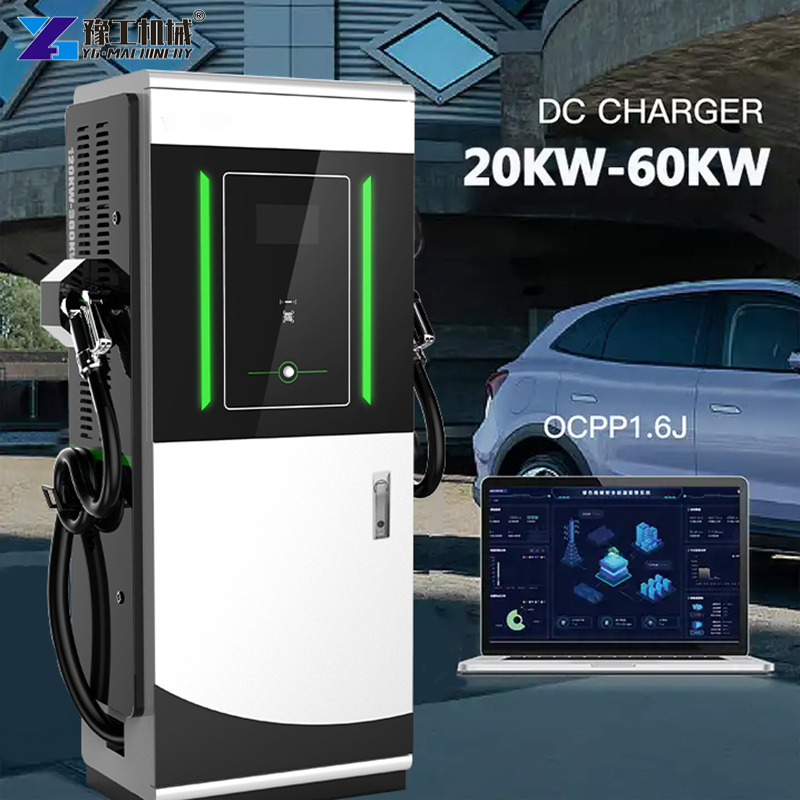
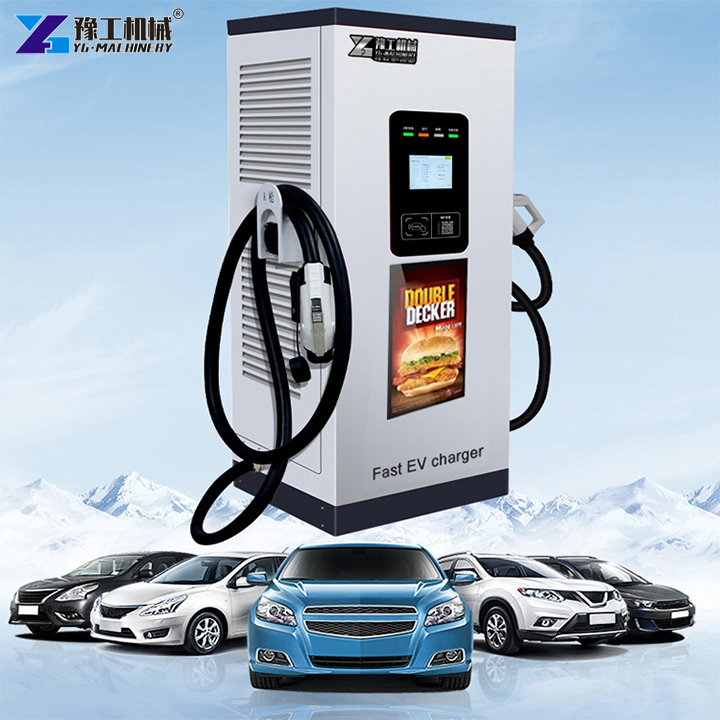
One of the key benefits of an electric car power station is the ability to support EV rapid charging stations. Rapid charging stations are designed to deliver power quickly to electric vehicles, ensuring minimal wait times for users and boosting the efficiency of your fleet or public charging infrastructure.
Why Rapid Charging is Essential:
- Faster Charging Times: EV rapid charging stations can charge vehicles up to 80% in just 30 minutes, making them ideal for busy commercial environments.
- High Usage Potential: The fast turnover of cars ensures higher revenue generation in high-traffic locations.
- Improved User Experience: Fast charging minimizes wait times, improving customer satisfaction and encouraging more frequent use.
With EV car charging stations, businesses can offer a competitive advantage by providing a fast, efficient, and reliable charging experience for their customers and employees.
Start Your Project with the Right Equipment
Rapid Charging Points: How to Maximize Efficiency
Investing in rapid charging points offers businesses several advantages, including reduced downtime for EVs, increased customer satisfaction, and a more sustainable business model. Fast charging stations are essential for high-traffic commercial areas, fleet operations, and public charging stations.
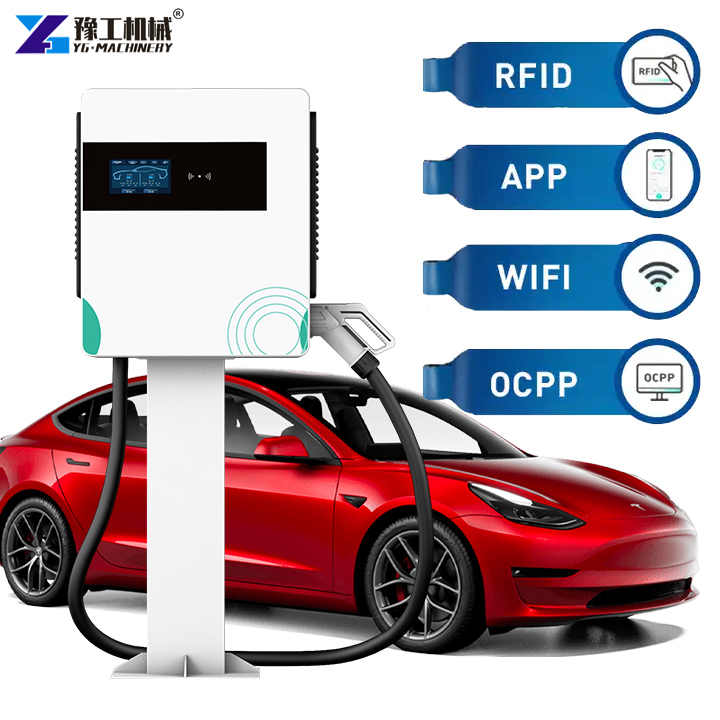
With the right installation, businesses can ensure that their EV car charging station remains efficient, safe, and ready for high-volume usage. YG Machinery’s stations are designed with smart features such as real-time monitoring, software updates, and advanced payment integration to provide a streamlined, hassle-free experience for both operators and users.
FAQ: Addressing Your Electric Car Power Station Concerns
- What is the price difference between AC and DC chargers?
AC chargers are generally more affordable, but DC chargers offer faster charging and higher ROI in busy locations. - How long does it take to install an EV charging station?
Installation times vary depending on the type of charger and infrastructure requirements, but it generally takes anywhere from a few days to several weeks. - How much energy does an electric car charger consume?
Electric car chargers consume more energy than standard chargers, but they are designed to optimize efficiency and minimize energy loss. - Are these YG Machinery power stations compatible with all electric vehicles?
Yes, most car chargers are compatible with all major EV models, supporting both AC and DC charging protocols. - What is the expected lifespan of a car charger?
With proper maintenance, these car chargers can last 10–15 years, making them a long-term investment for your business. - What is included in the installation cost?
Installation typically includes site preparation, electrical work, and any necessary upgrades to your existing infrastructure.