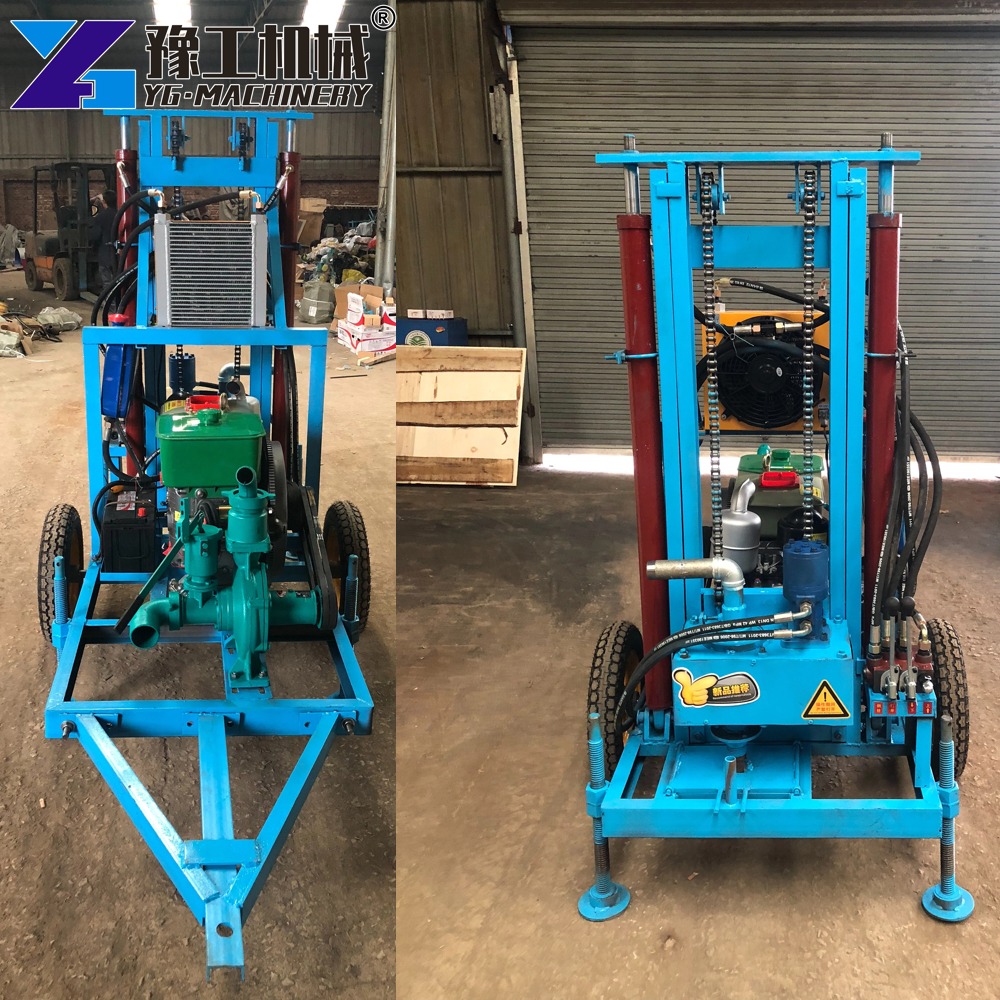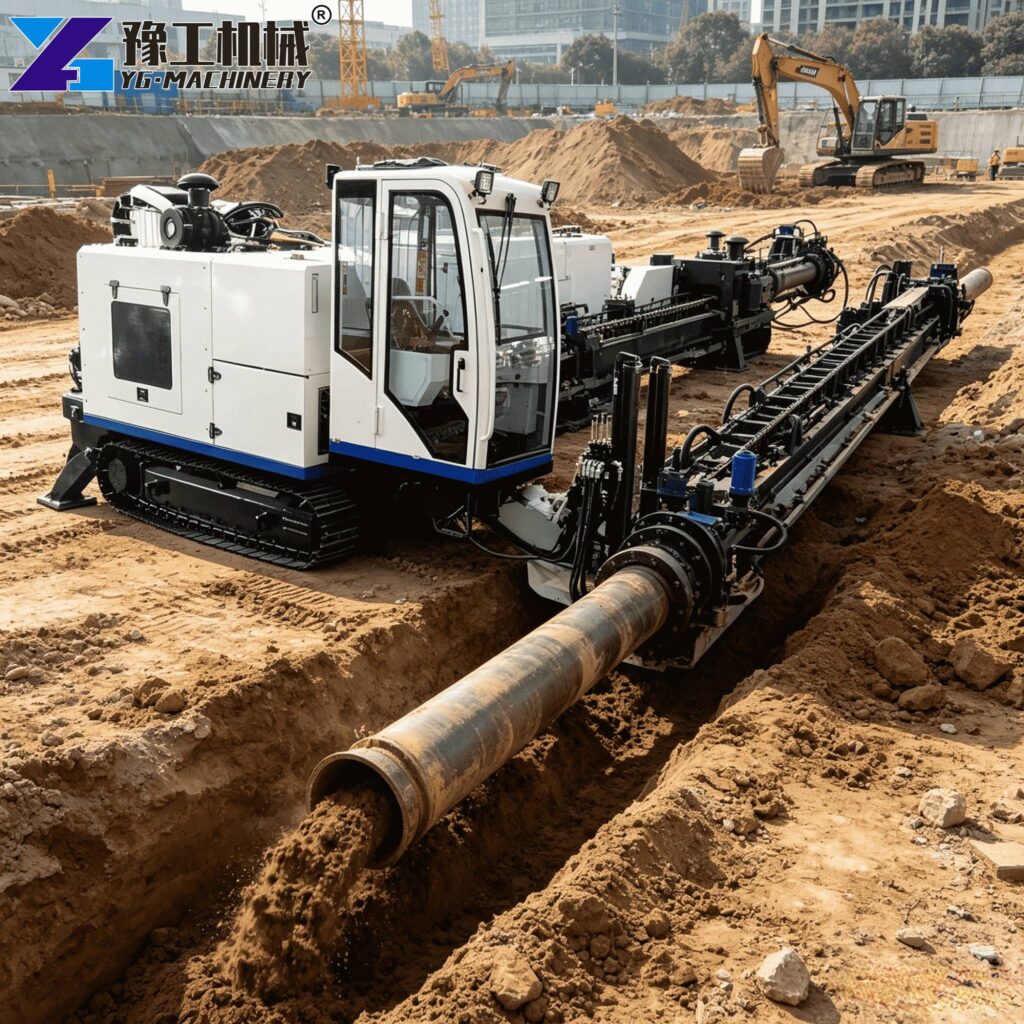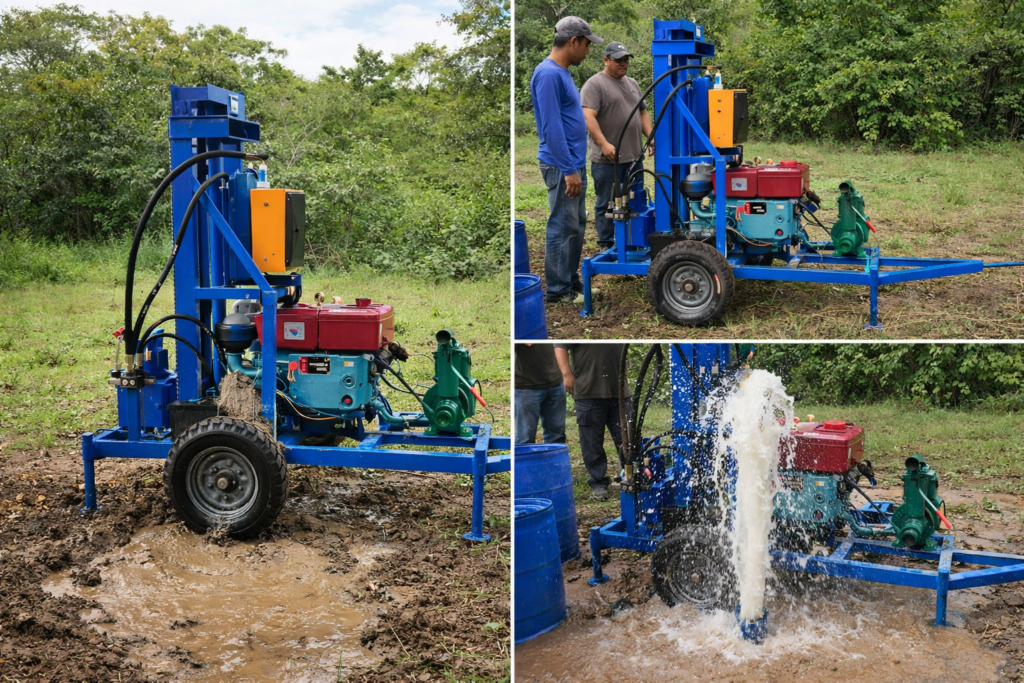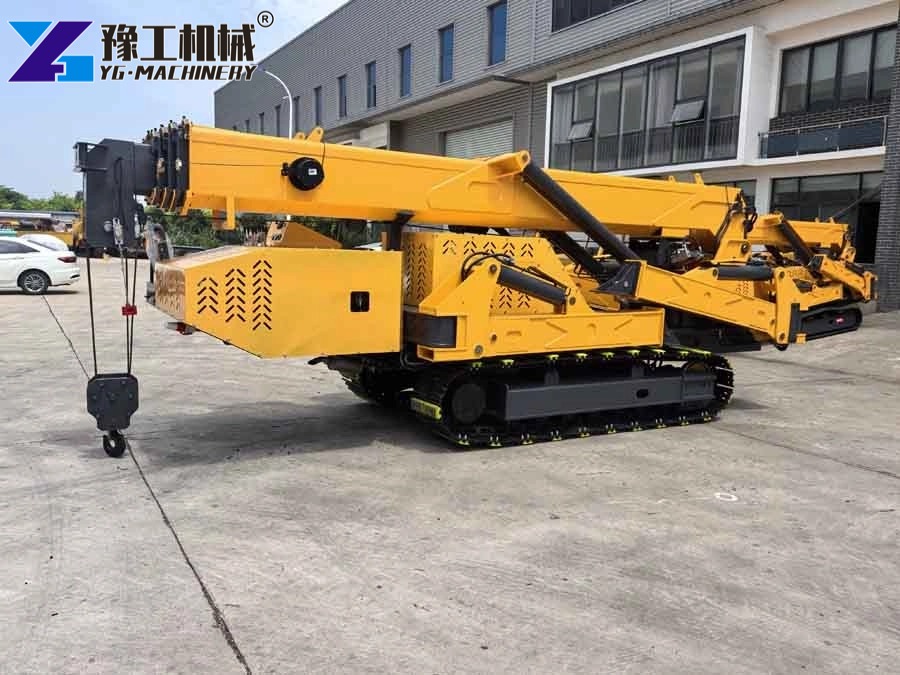
A DTH drilling machine is widely used in mining, quarrying, construction, and water well drilling projects involving hard rock formations. Its popularity stems from one key advantage: it delivers impact energy directly at the bottom of the hole, significantly improving drilling efficiency.
Unlike traditional rotary drilling methods that lose energy along the drill string, this system keeps the hammer close to the drill bit. This design reduces energy loss and improves penetration performance in rock conditions such as granite, basalt, and limestone.
YG Machinery designs pneumatic drilling systems that are suitable for different geological environments, helping contractors achieve stable drilling performance with lower operating costs.
Learn more about the machine specifications and available models.
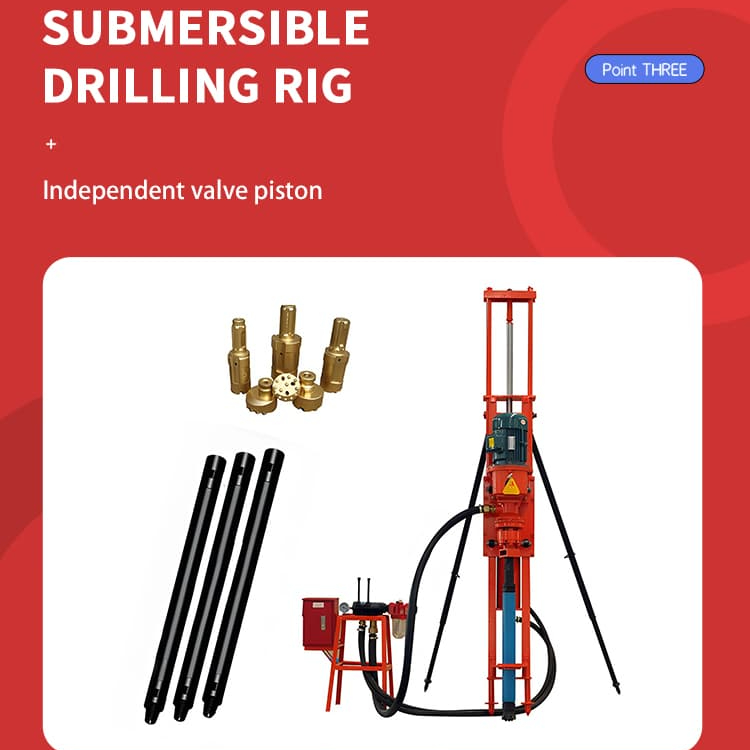
What Makes DTH Drilling Machine Technology Different?
The core difference of this down the hole drilling rig system lies in the location of the hammer. Instead of staying at the surface, the hammer works inside the borehole.
This allows the drilling system to combine:
- Percussion (rock breaking force)
- Rotation (direction control)
- Air flushing (cutting removal)
Together, these three functions make drilling faster and more stable in hard rock conditions.
This is why industries that require deep and accurate holes often prefer this technology over conventional drilling methods.
DTH Drilling Machine Working Principle Explained Step by Step
The working principle is based on compressed air and mechanical impact.
Explore the full product configuration and technical parameters.
Step 1: Air Supply
A compressor sends high-pressure air through the drill rods.
Step 2: Hammer Activation
Air enters the hammer chamber and drives a piston system.
Step 3: Impact Energy Transfer
The piston strikes the drill bit repeatedly, breaking the rock directly at the bottom of the hole.
Step 4: Rotation Function
The drilling system rotates slowly to ensure uniform hole formation.
Step 5: Debris Removal
Air pressure carries rock cuttings out of the hole, keeping the drilling process continuous.
This cycle repeats until the required depth is achieved.
Main Components of the DTH Drilling Machine System
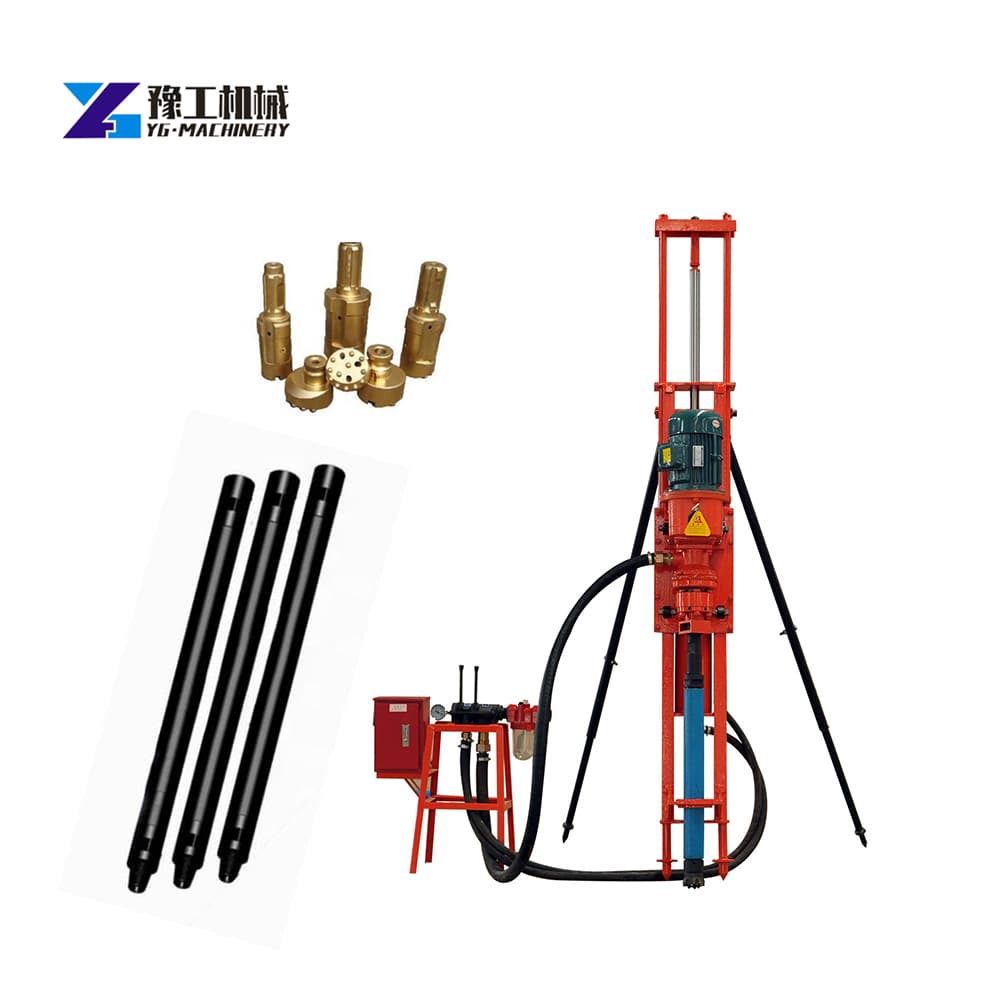
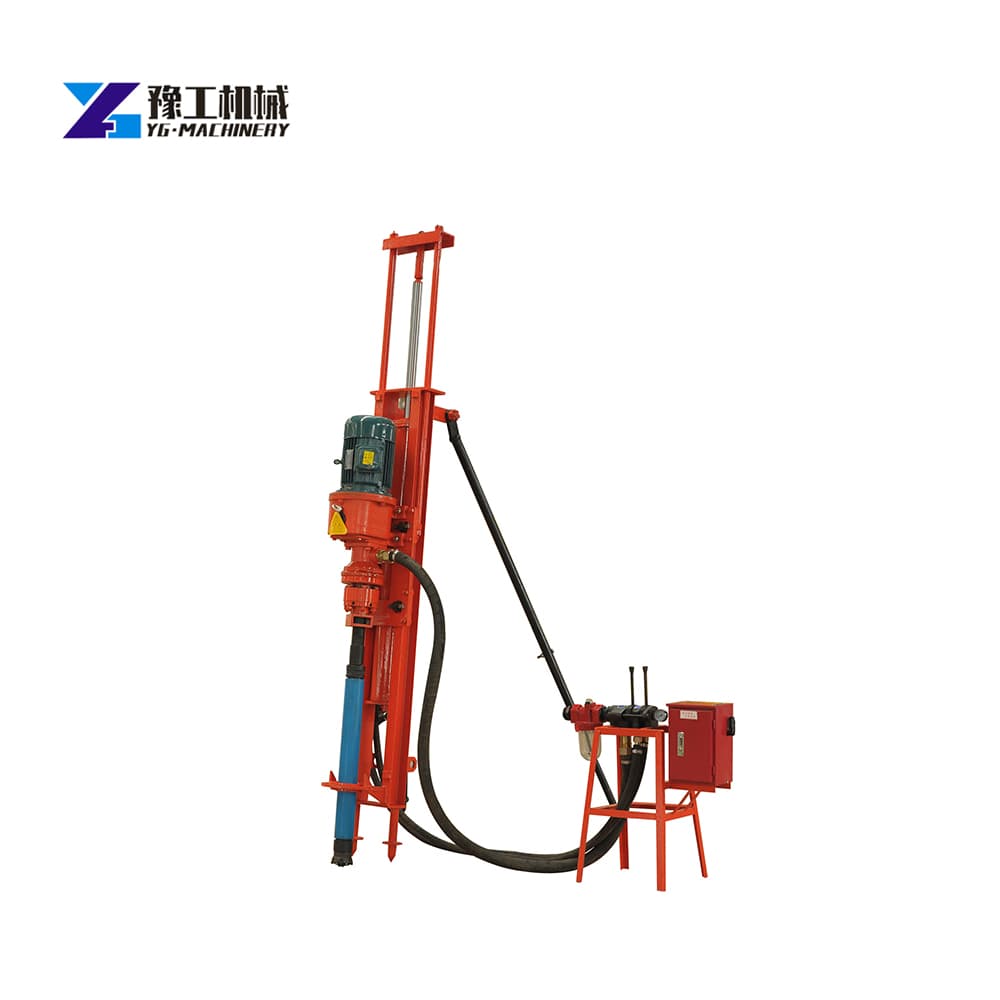
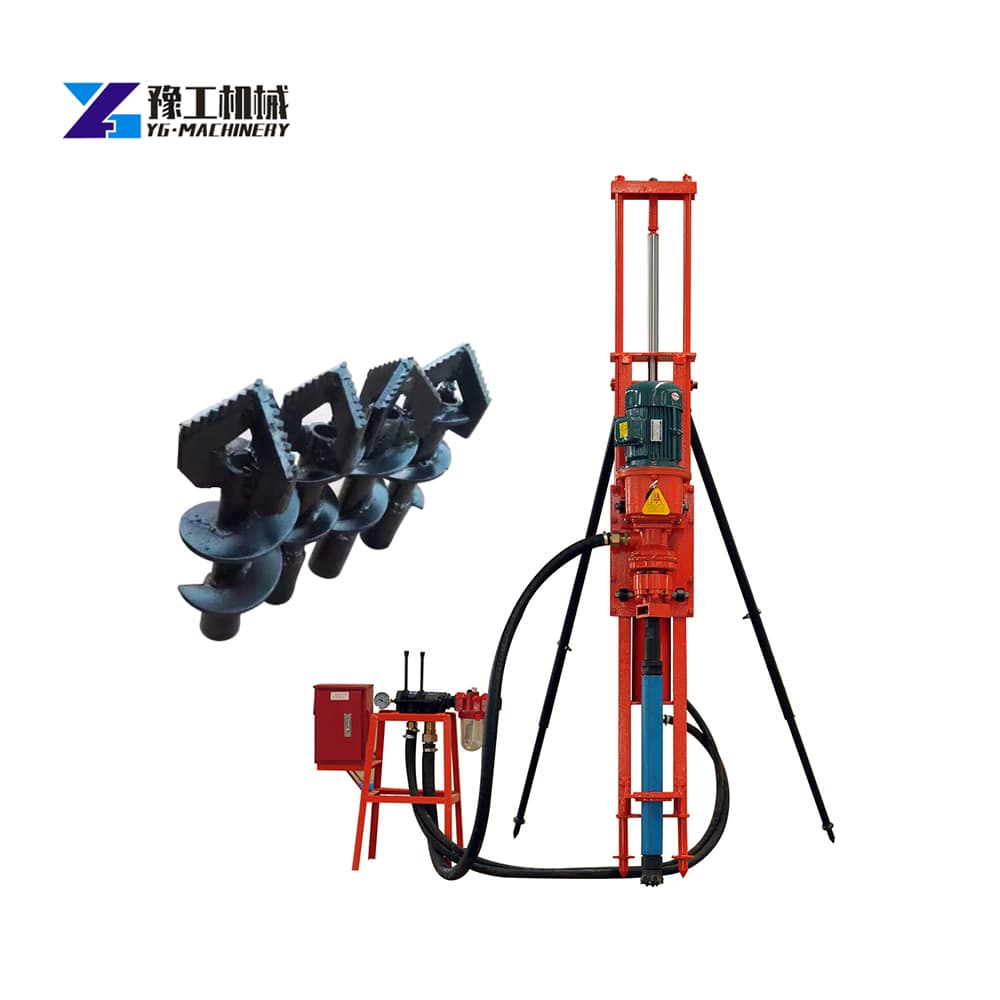
A typical DTH system consists of:
- Drill rig structure (support and positioning)
- Down-the-hole hammer (impact generation)
- Drill bit (rock crushing tool)
- Drill rods (energy transmission)
- Air compressor system (power source)
Each component plays a critical role in ensuring stable drilling performance in different rock conditions.
Real Operation Process of a DTH Drilling Rig
In real field applications, a DTH drilling rig follows a structured operation process:
- The rig is positioned and stabilized
- The drill string is lowered to the working point
- Compressed air activates the hammer system
- The hammer starts impacting the rock surface
- The rig rotates the drill string slowly
- Cuttings are removed through air circulation
This continuous cycle allows operators to maintain high drilling efficiency even in challenging environments
Operation Flow of DTH Drilling Rig
A down-the-hole drilling system works in a coordinated sequence:
- Setup and alignment
- Air system activation
- Percussion drilling begins
- Continuous rotation ensures hole straightness
- Air flush removes rock fragments
This design ensures the machine maintains high productivity while reducing mechanical stress on components.
Structural Design of DTH Drilling Rig
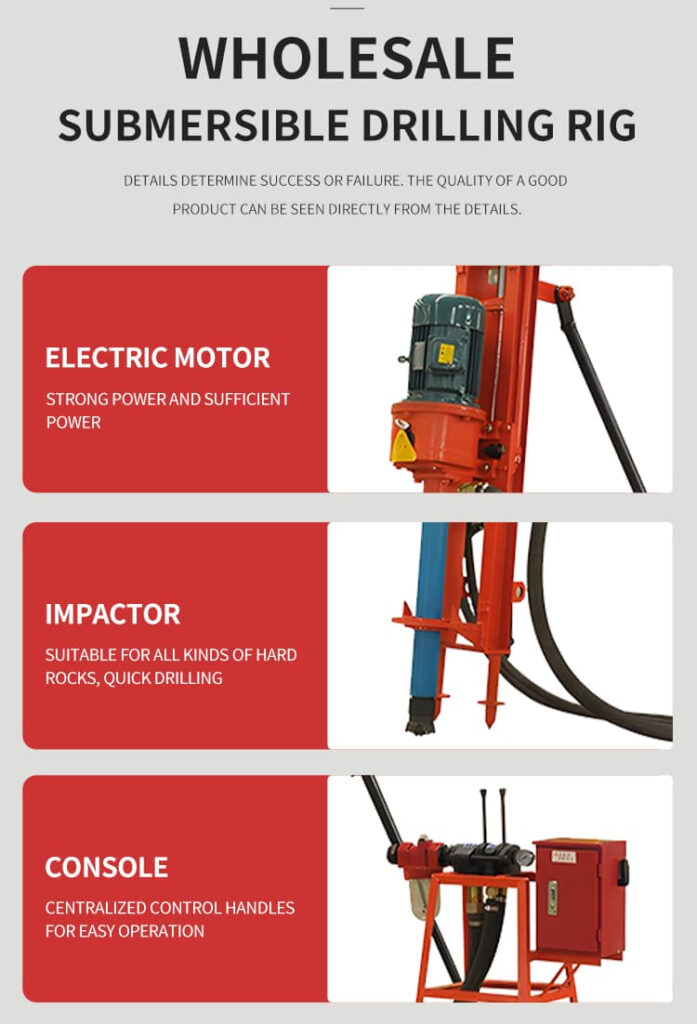
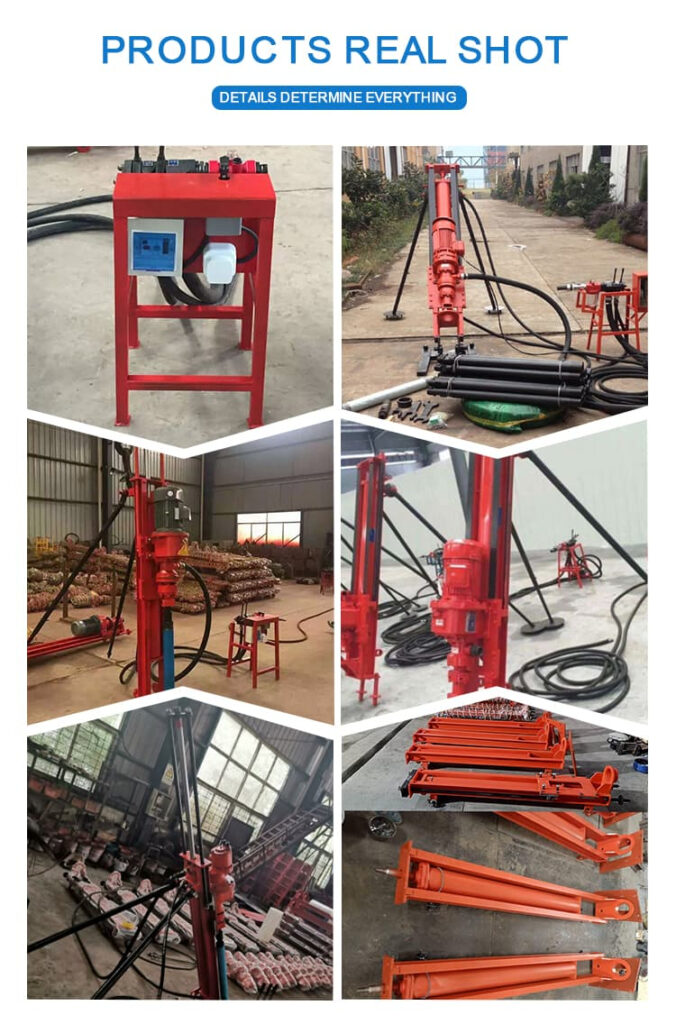
A down the hole drilling machine integrates multiple engineering systems:
- Hydraulic system: controls movement and feed force
- Pneumatic system: powers hammer operation
- Rotation system: ensures a stable drilling direction
- Control system: manages drilling speed and pressure
This combination allows the machine to perform efficiently in different geological environments.
DTH Drilling Machine Key Advantages in Real Projects
This drilling technology offers several practical advantages:
High Efficiency in Hard Rock
It performs well in granite and basalt formations.
Stable Hole Accuracy
Ideal for blasting and foundation drilling.
Lower Energy Loss
Direct impact system improves energy efficiency.
Reduced Operating Cost
Faster drilling reduces labor and fuel consumption.
Strong Adaptability
Suitable for mining, construction, and water well drilling.
Check how this machine performs on-site.
Product Parameters of YG Down The Hole Drilling Machine
Below is the technical specification of the SKD and SKQ series models:
| Parameter | SKD70 | SKQ70 | SKD100 | SKQ100 |
| Hole diameter | 50-90mm | 50-90mm | 90-130mm | 90-130mm |
| Rock hardness | F6-20 | F6-20 | F6-20 | F6-20 |
| Hole depth | <15m | <15m | <25m | <25m |
| Rotation speed | 110 r/min | 110 r/min | 110 r/min | 110–160 r/min |
| Working pressure | 0.5–0.7 MPa | 0.5–0.7 MPa | 0.5–1.0 MPa | 0.5–1.0 MPa |
| Gas consumption | 4 m³/min | 10 m³/min | 6 m³/min | 12 m³/min |
| Cylinder diameter | 90mm | 90mm | 140mm | 140mm |
| Advance stroke | 1070mm | 1070mm | 1070mm | 1070mm |
| Max propulsion | 3600N | 3600N | 9600N | 9600N |
| Motor model | Y2-4E | TMY3 pneumatic | Y112M-4-B5 | TMY4 pneumatic |
| Power | 3kW | 3kW | 4kW | 4.4kW |
| Voltage | 380V | / | 380V | / |
| Rated speed | 1430 r/min | 3500 r/min | 1440 r/min | 3200 r/min |
| Drill pipe OD | 42mm | 42mm | 50–60mm | 50–60mm |
| Drill pipe length | 1025mm | 1025mm | 1025mm | 1025mm |
| Machine weight | 295kg | 298kg | 415kg | 398kg |
| Dimensions | 1740×260×420mm | 1740×260×420mm | 2230×380×550mm | 2230×380×550mm |
Check how this machine performs on-site.
DTH Drilling Machine Applications Across Industries
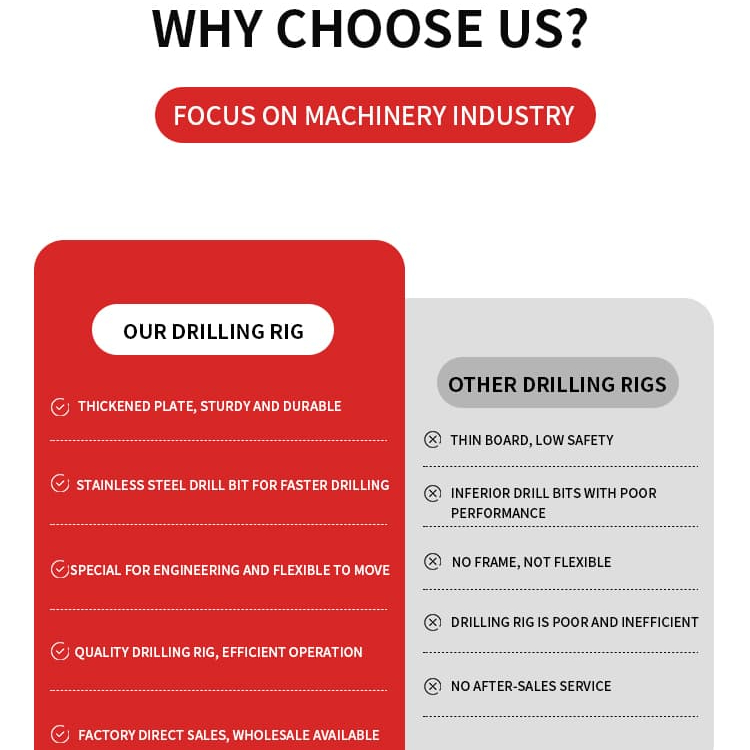
This drilling system is widely used in:
- Mining blasting hole drilling
- Water well drilling projects
- Construction foundation drilling
- Quarry rock extraction
- Geothermal exploration
Its versatility makes it suitable for both small-scale and industrial-scale projects.
Why Choose YG Machinery Down the Hole Drilling Rig Solutions?
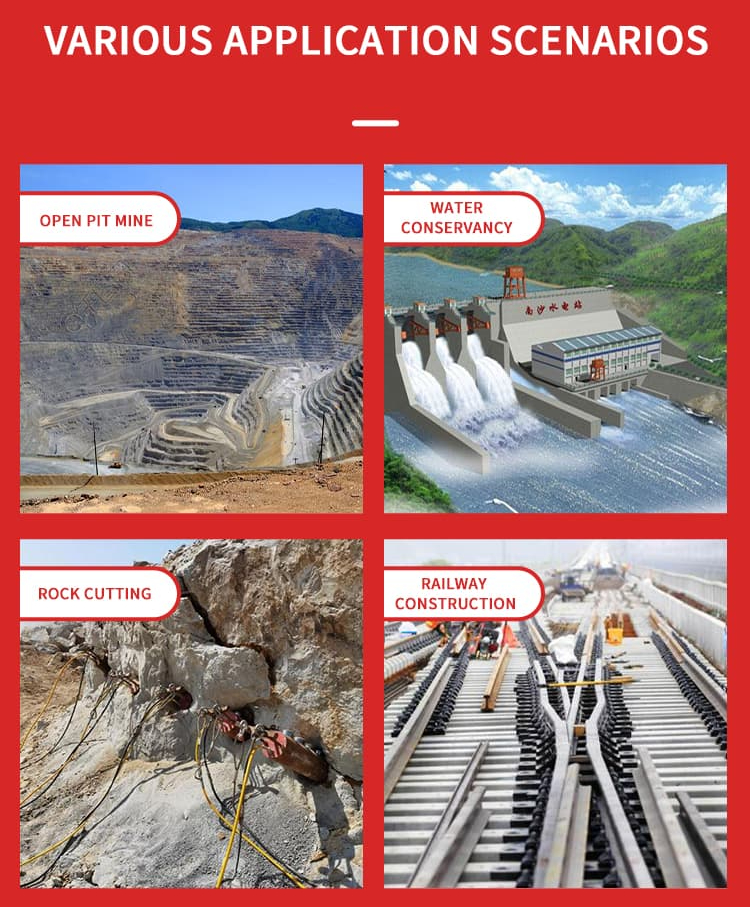
YG Machinery focuses on delivering durable and export-ready down the hole drilling rigs designed for global markets.
Key advantages include:
- Stable performance in harsh environments
- Multiple model configurations
- Easy maintenance and operation
- Strong adaptability to different rock hardness
- Export experience in global markets
Explore More:
- Product page: DTH pneumatic drilling rig
- Mining equipment solutions category
- Water well drilling case studies
- Excavator drilling attachments blog
Explore real project photos and customer feedback.
FAQ: DTH Drilling Machine
It delivers impact energy directly at the rock surface, improving efficiency in hard rock drilling.
It is suitable for granite, basalt, limestone, and other hard rock formations.
It reduces energy loss by placing the hammer at the bottom of the hole.
Yes, depending on model configuration and air compressor capacity.
Mining, construction, quarrying, and water well drilling industries.
Down-the-Hole (DTH) hammers are a type of drilling tool used to create holes in rock formations. Unlike top-hammer drills, which use percussive force from the surface, a DTH hammer is located directly at the bottom of the drill string, just above the drill bit.
It works like a jackhammer, using compressed air to drive a piston that repeatedly strikes the back of the drill bit, transferring energy directly to the rock. This makes DTH hammers highly efficient for drilling deep, straight, and large-diameter holes in very hard rock, as they minimize energy loss over the length of the drill string.
Get Professional Down the Hole Drilling Rig Solutions
A DTH drilling system is one of the most efficient solutions for modern rock drilling operations. Its unique design ensures high penetration speed, stable performance, and lower operating cost in demanding environments.
YG Machinery provides reliable drilling equipment designed for global industrial applications, helping contractors achieve better productivity and long-term value.
If you are looking for a stable and efficient drilling solution for hard rock projects, YG Machinery can provide customized recommendations based on your application.
Contact our engineering team for:
- Model selection guidance
- Air compressor matching
- Project-specific drilling solutions
- Global shipping support