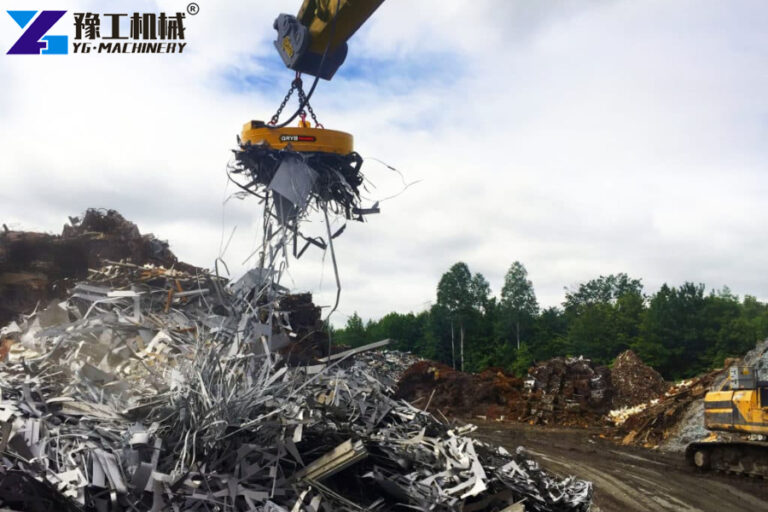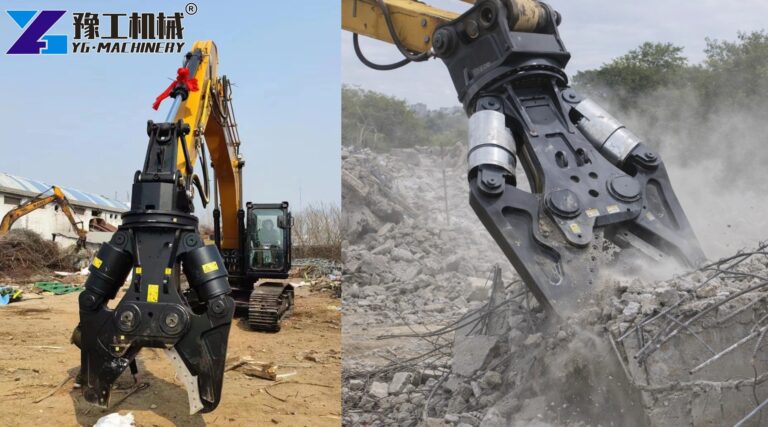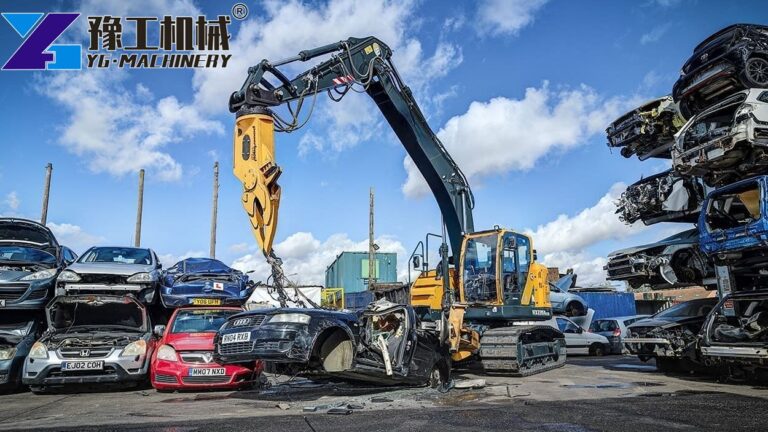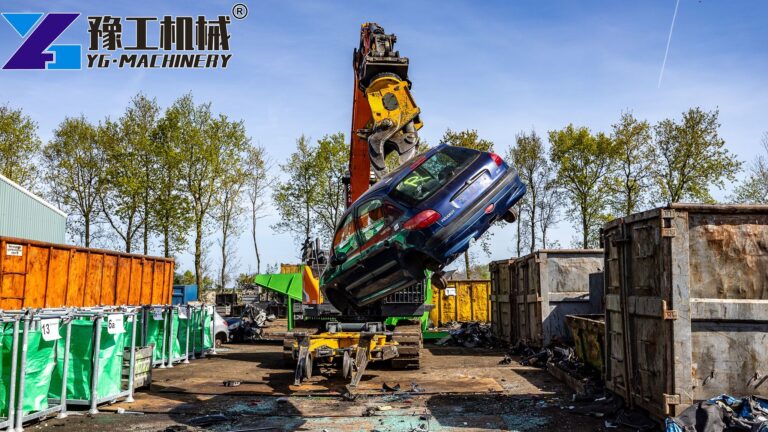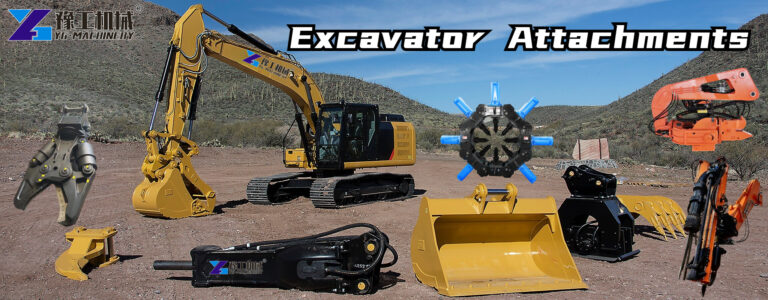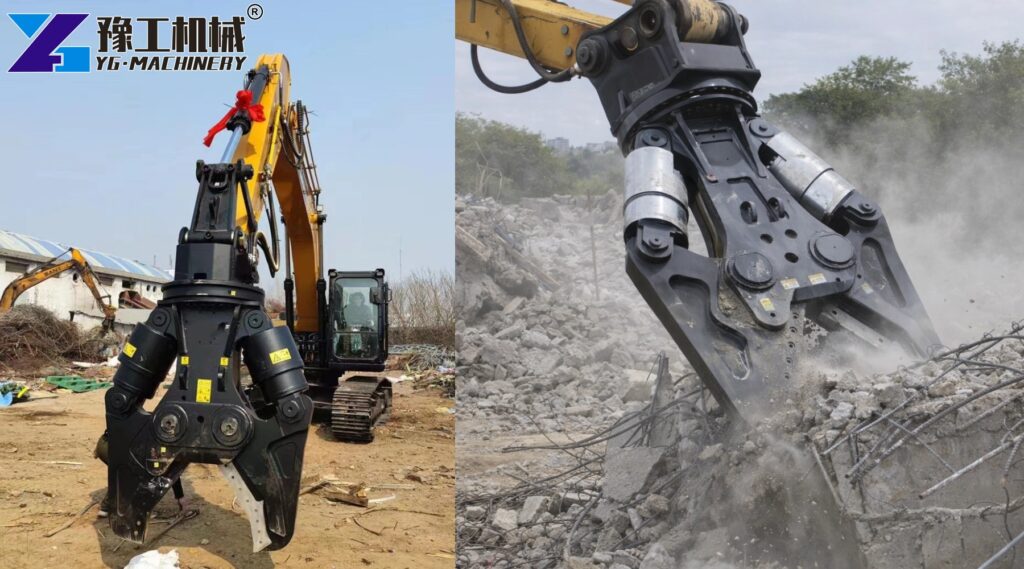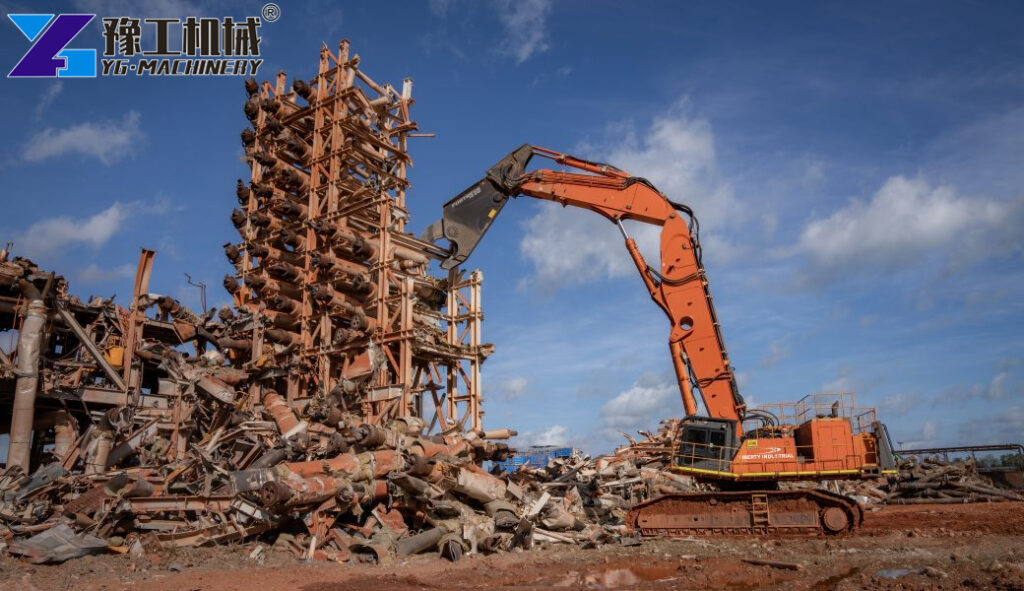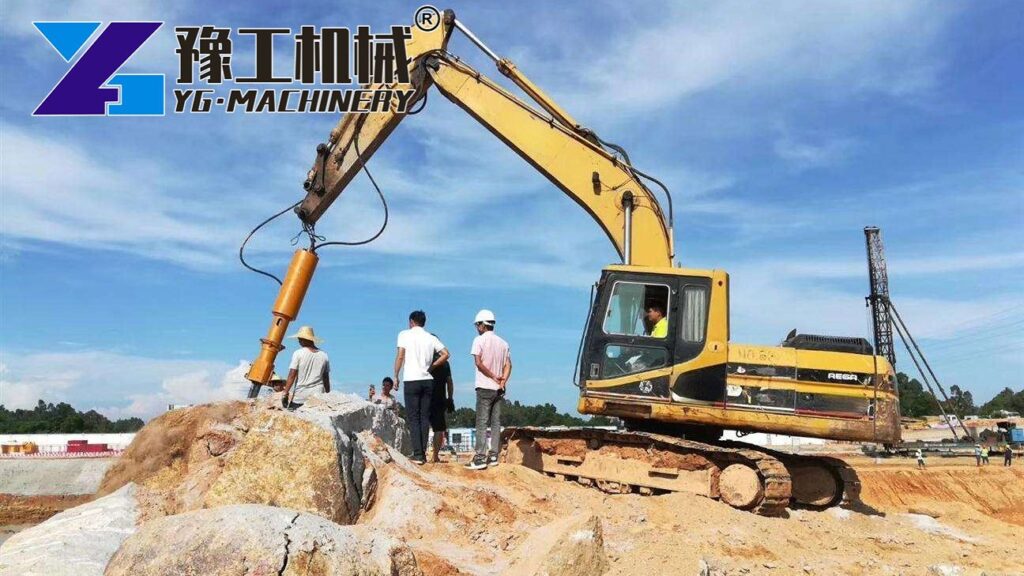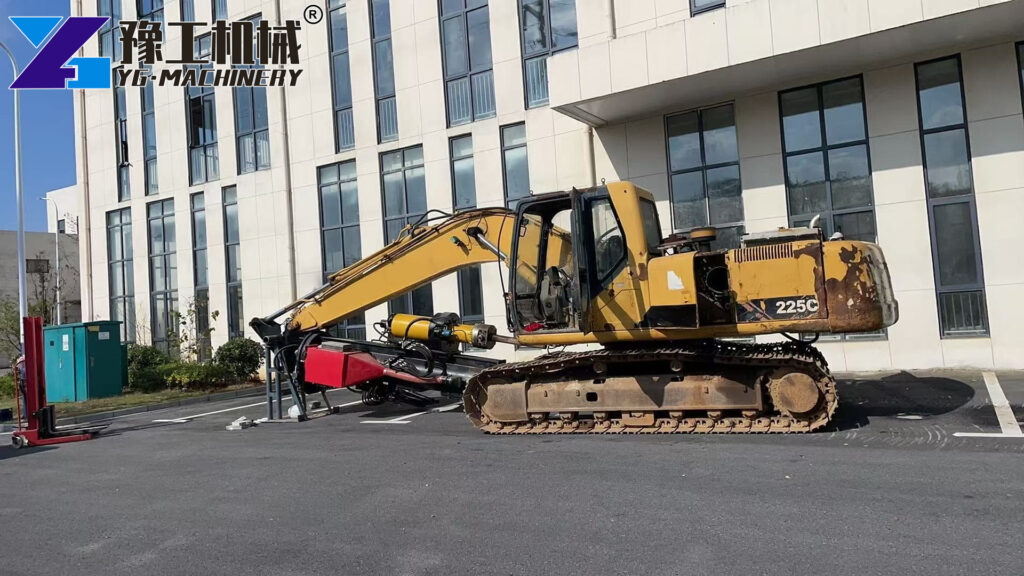
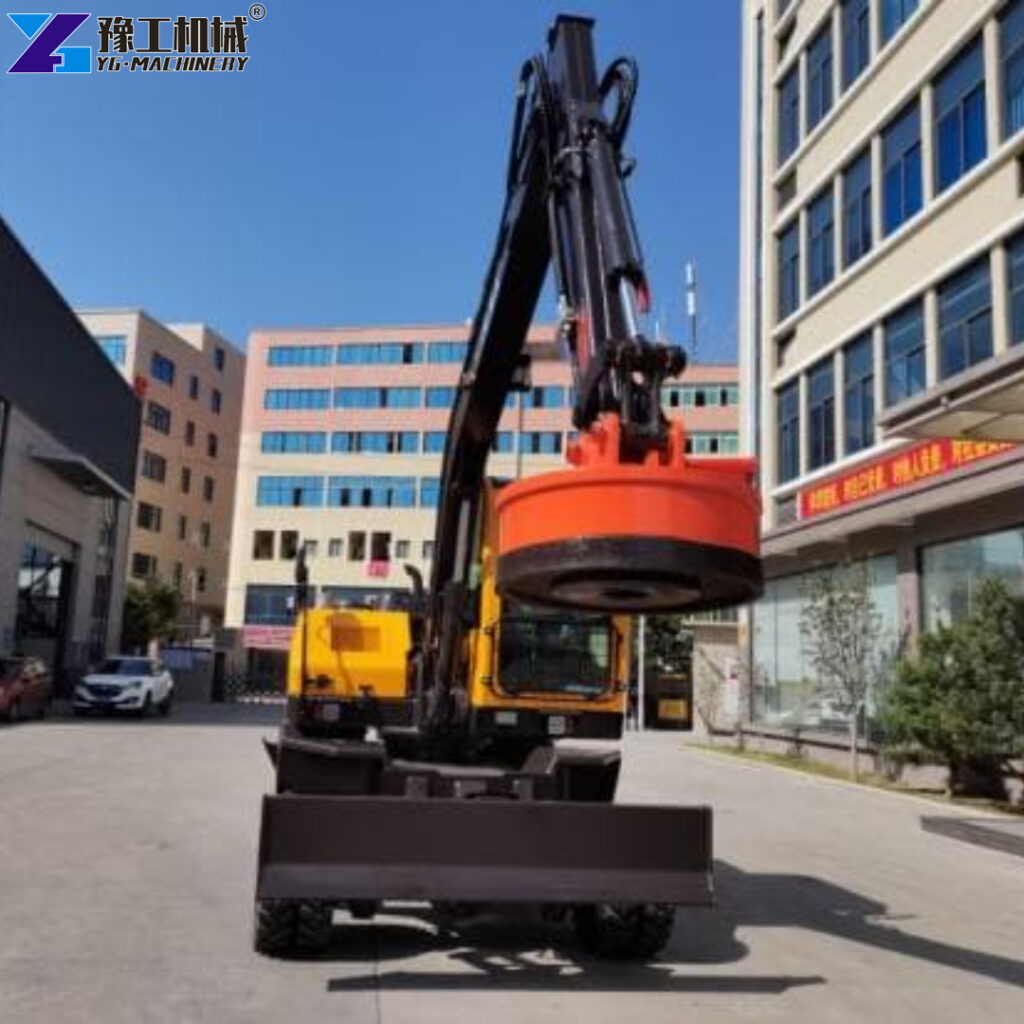
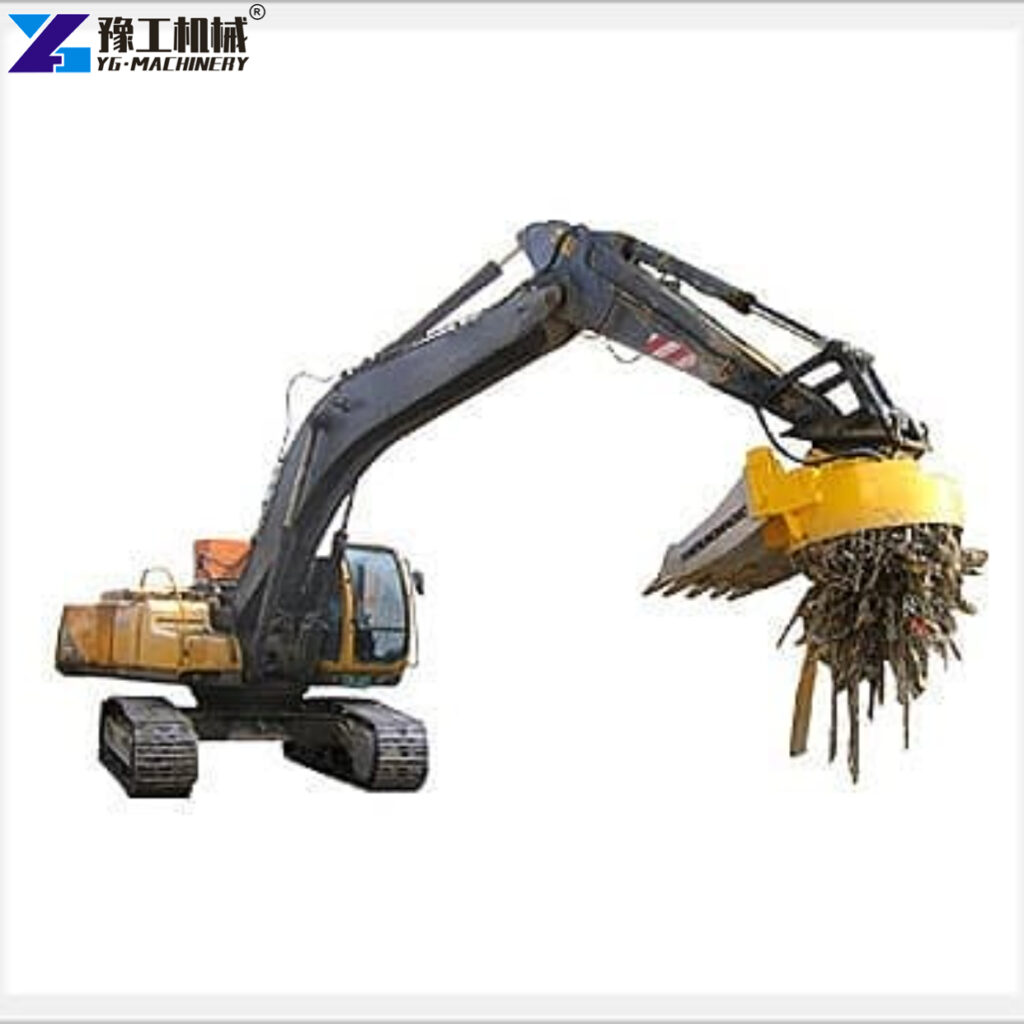
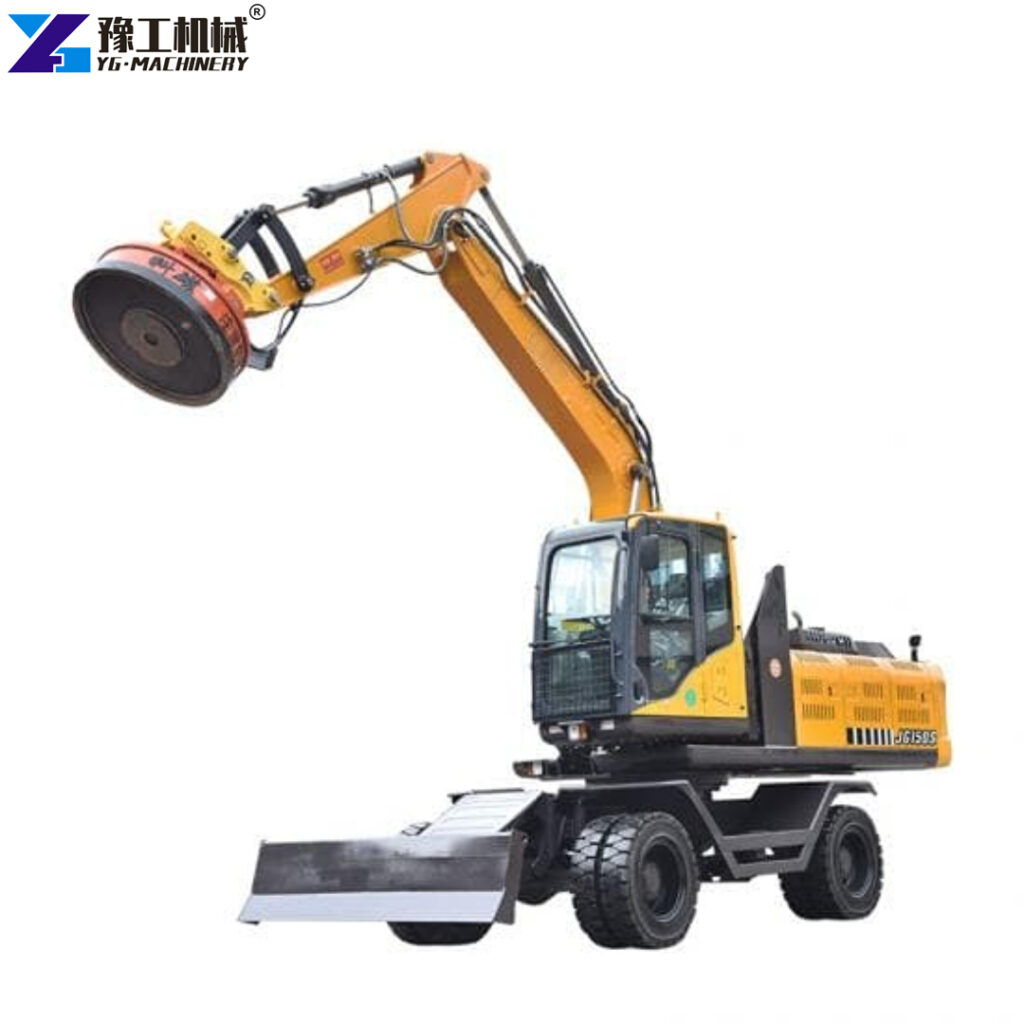
Turn your standard digger into a high-efficiency metal processing unit. Whether you are managing a scrap yard, demolition site, or recycling center, an excavator magnet attachment eliminates manual metal sorting, dramatically reducing labor costs while keeping your job site safe.
Instead of relying on manual labor or multi-machine operations, a hydraulic scrap magnet enables a single operator to lift, sort, and move up to 5 tons of ferrous material per hour—including rebar, steel beams, and scrap cars. Most contractors see a complete return on investment (ROI) within just a few months.
YG Machinery manufactures robust, heavy-duty excavator mounted magnets designed to fit 4- to 50-ton excavators (compatible with CAT, Komatsu, SANY, Kubota, and more). All units are factory-tested and CE-certified.
Start Your Project with the Right Equipment
Product Specifications of Excavator Magnet Attachment
YG Machinery manufactures seven models of this equipment. Each one matches a specific excavator size. The table below shows the full lineup.
| Model | Suitable Excavator (ton) | Weight (kg) | Power (kW) | Outer Diameter (mm) | Working Flow (lpm) | Working Pressure (bar) |
| YGML02 | 4-6 | 1400 | 5 | 700 | 30-55 | 170 |
| YGML04 | 7-11 | 1500 | 8 | 800 | 50-100 | 180 |
| YGML06 | 12-16 | 1890 | 8 | 900 | 90-110 | 190 |
| YGML08 | 17-23 | 2000 | 10 | 1100 | 100-140 | 200 |
| YGML10 | 24-30 | 2200 | 10 | 1200 | 130-170 | 210 |
| YGML14 | 31-40 | 2500 | 15 | 1300 | 200-250 | 250 |
| YGML20 | 41-50 | 2800 | 15 | 1400 | 250-320 | 250 |
The YGML02 fits mini excavators. The YGML20 works on 50-ton machines. YG Machinery builds each magnet with copper windings and a steel outer casing. Every unit test runs for 2 hours before shipping.
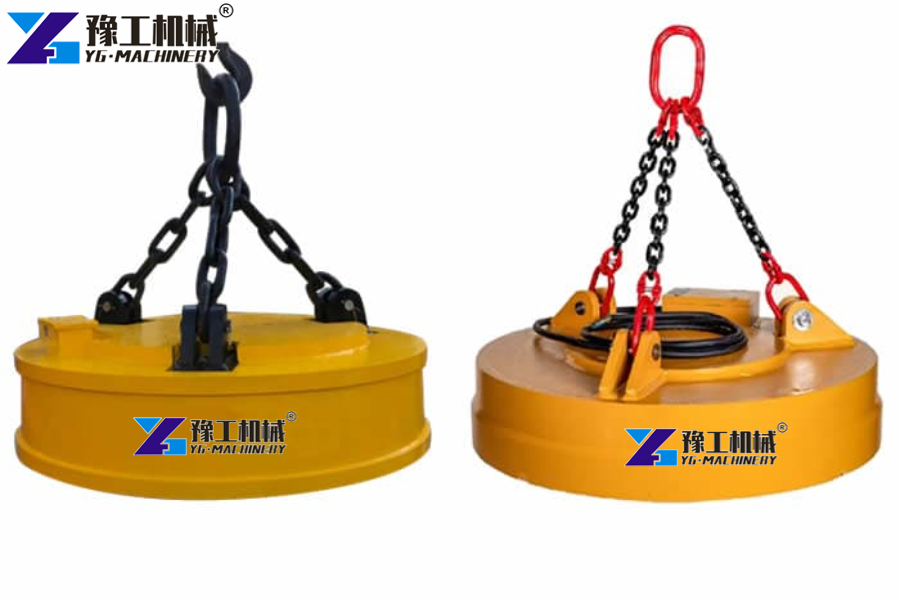
This excavator magnet solution helped improve scrap handling efficiency on-site.
How to Match the Excavator Magnet Attachment to Your Excavator
Choosing the right model depends on three things: excavator size, hydraulic flow, and typical material. Match your machine to the numbers above.
- Start with the excavator weight. A 5-ton mini digger cannot handle the YGML20. It weighs 2800kg – more than half the machine’s lifting capacity. The YGML02 at 1400kg is the right fit. It does not tip the machine or strain the hydraulics.
- Next, check hydraulic flow. Your excavator’s auxiliary circuit must deliver enough liters per minute. The YGML14 needs 200-250 lpm. If your machine only puts out 150 lpm, the magnet will work, but lift slower. YG Machinery can adjust the magnet’s coil for lower-flow machines. Just ask when ordering.
- Finally, consider what you pick up. Small rebar and light scrap need less magnetic force. Heavy demolition steel or cast iron needs more. The larger diameter magnets have stronger surface fields. They pick up heavier pieces from farther away.
Learn more about our excavator lifting magnet models and specifications.
Compare Models and Get a Quote
Hydraulic Magnets for Excavators: Complete Operational & Engineering Breakdown
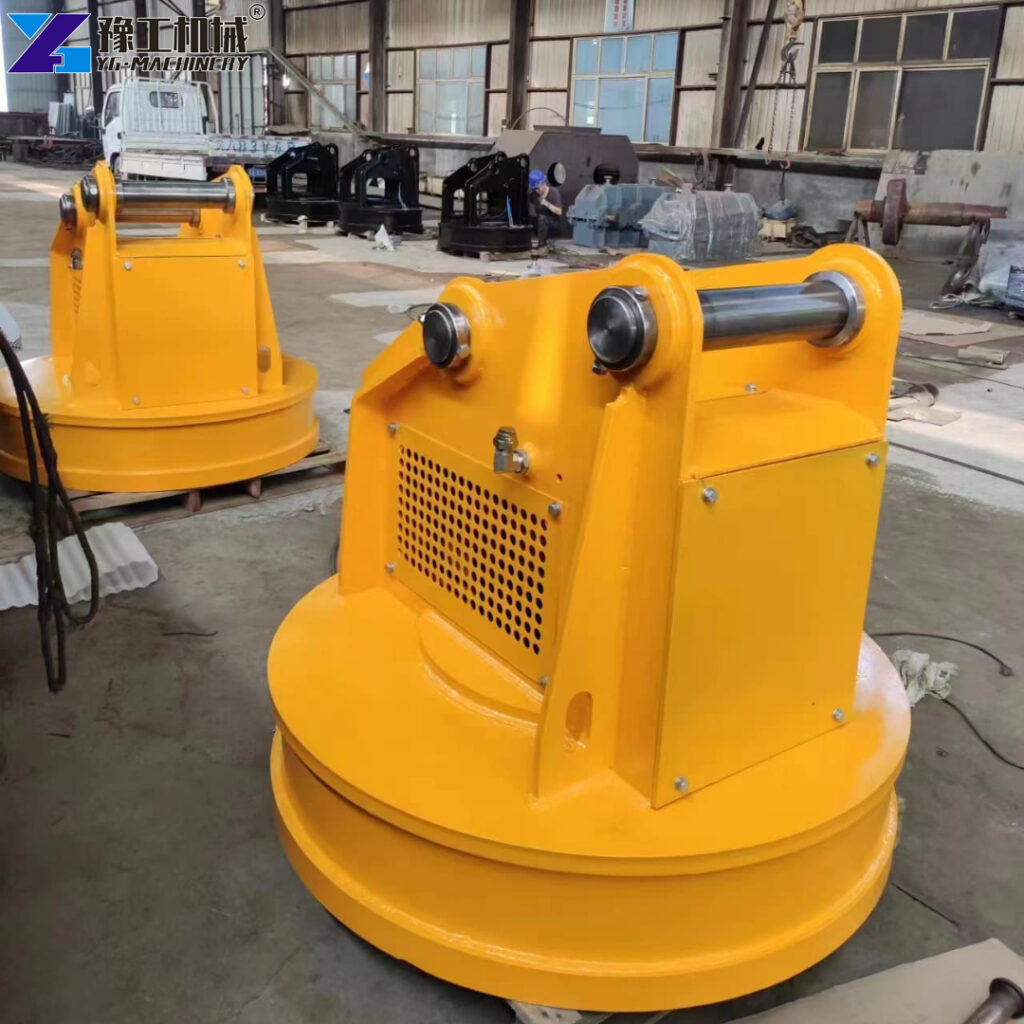
A hydraulic magnet turns a standard excavator into a self-contained scrap-handling and material-sorting unit without requiring an external diesel generator set, electrical umbilical cords, or auxiliary trailers. By converting hydraulic fluid pressure directly into direct current (DC) electrical energy, the attachment generates an intense electromagnetic field on demand.
Internal Architecture & Component Breakdown
+-------------------------------------------------------------------------------+
|                       Hydraulic Magnet Shell Assembly                         |
|                                                                               |
|  [ Aux Line IN ] ──► [ Integrated Hydraulic Motor ]                           |
|                             │ (Mechanical Shaft Rotation)                     |
|                             ▼                                                 |
|                      [ DC Generator ]                                         |
|                             │ (Electrically Powered via Cab Control)          |
|                             ▼                                                 |
|               [ Copper/Aluminum Electromagnet Coils ]                         |
|                             │                                                 |
|                             ▼                                                 |
|                (Intense Flux Field Generated)                                 |
|                                                                               |
|  [ Aux Line OUT ] ◄── (Hydraulic Return Line to Tank)                         |
+-------------------------------------------------------------------------------+
- Integrated Hydraulic Motor: Receives pressurized hydraulic oil from the excavator’s breaker or auxiliary circuit.
- Onboard DC Generator: Directly coupled to the hydraulic motor shaft, generating stable 220V DC power inside the sealed attachment housing.
- Electromagnetic Core & Coils: High-purity copper or aluminum wire windings wrapped around a heavy-duty steel core. When energized by DC, it converts electrical energy into high-gauss magnetic flux lines.
- Sealed Steel Outer Casing: Fully welded, heavy-gauge steel shell filled with high-temperature insulating compound (varnish or epoxy resin) to lock windings in place, guarding against extreme vibration, mechanical impacts, dust, and water ingress.
Step-by-Step Operating Cycle
Step 1: Hydraulic Fluid Engagement
When the operator steps on the auxiliary foot pedal or toggles the cab control switch, hydraulic oil under pressure travels down the arm through the auxiliary supply line into the attachment’s hydraulic motor.
Step 2: Onboard Power Generation
The hydraulic motor spins the generator at a constant RPM, outputting continuous DC electricity. Integrated flow-control and relief valves maintain steady generator rotation speed even if carrier engine RPM fluctuates.
Step 3: Instant Magnetization (Attraction)
Electricity enters the coil windings, creating a deep magnetic field that extends outward through the wear plate. Ferrous scrap—including rebar, structural steel beams, iron turnings, and cast iron—is pulled tight against the magnet face immediately.
Step 4: Fast Demagnetization (Clean Drop)
When the operator cuts power via the cab switch, an internal discharge controller briefly applies a reverse voltage pulse through the coil. This counteracts residual magnetism, allowing small filings and fine metal debris to fall away cleanly without clinging.
Comparison: Hydraulic Magnet vs. Traditional Generator Magnet
| Parameter | Hydraulic Magnet | Traditional Diesel-Generator Magnet |
| Power Source | Excavator auxiliary hydraulic flow | External diesel genset mounted on carrier counterweight |
| Setup & Mobility | Plug-and-play via 2 hydraulic hoses | Requires auxiliary mounting frames, fuel tanks & wiring |
| Maintenance Burden | Low (Self-contained, sealed system) | High (Dual engine servicing, belt drives, electrical leads) |
| Fuel Efficiency | Driven by primary excavator engine | Burns additional fuel running an external engine |
| Attachment Swapping | Fast change via quick coupler | Slow due to electrical harness disconnects |
Boost Productivity—Get a Free Quote
Hydraulic Excavator Magnet: Features That Matter
A hydraulic excavator magnet from YG includes several design features that make it reliable on tough job sites.
The magnetic circuit uses high-grade steel laminations. These laminations focus the magnetic field downward, not sideways. You get maximum pickup force at the bottom face. The sides stay relatively cool. This design also prevents the magnet from attracting debris to its sides – a common problem with cheap magnets.
The bottom plate is bolted on, not welded. When it wears out from scraping against concrete and steel, you replace just the plate. No cutting. No welding. Four bolts and 20 minutes of work. A new plate costs a fraction of a whole magnet.
The housing has lifting eyes on top. Use them for crane lifting during installation. They also serve as tie-down points for transport. The cable entry point uses a steel strain relief. Pulling on the hydraulic hoses will not damage the internal wiring.
The magnet runs cool even after hours of continuous use. YG designed the oil flow path to carry heat away from the coil. The generator also runs at moderate speed – fast enough to make power, slow enough to last. Expect 5,000 to 8,000 hours before any major service.
Applications Across Industries for Excavator Mounted Magnets
This excavator scrap magnet works wherever ferrous metal needs to be moved. Here are the most common uses.
- Scrap yards. Loaders push scrap into piles. The excavator with a magnet picks through those piles, separating steel from trash. Clean steel goes to the shear or baler. Trash goes to the landfill. One operator does the work of four laborers.
- Demolition sites. After a building comes down, steel rebar and beams are everywhere. The excavator pulls them from concrete rubble. The magnet lifts the steel into a truck. The concrete stays on the ground for crushing. Clean separation means higher scrap prices.
- Foundries and mills. Casting facilities use magnets to feed shredders and furnaces. A large excavator with a magnet picks scrap from storage piles and drops it into a hopper. Consistent feed rates keep the furnace running efficiently.
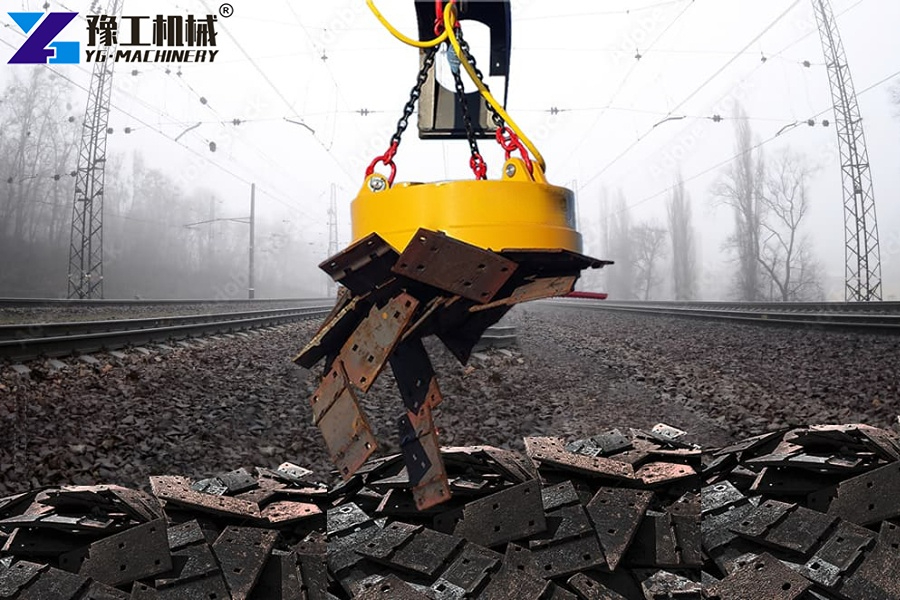
- Rail yards. Old rails, spikes, and tie plates are all steel. A magnet-equipped excavator cleans up after rail replacement projects. It also loads scrap rail cars for transport to mills.
- Ports and docks. Ships unload scrap metal onto docks. An excavator with a magnet moves that scrap from the dock to storage piles or directly into trucks. No dust. No noise beyond the excavator’s engine.
- Recycling centers. Mixed recycling includes steel cans and small metal items. A magnet separates them from paper, plastic, and glass. The cleaned steel is baled for sale to mills.
Find the Right Model for Your Project
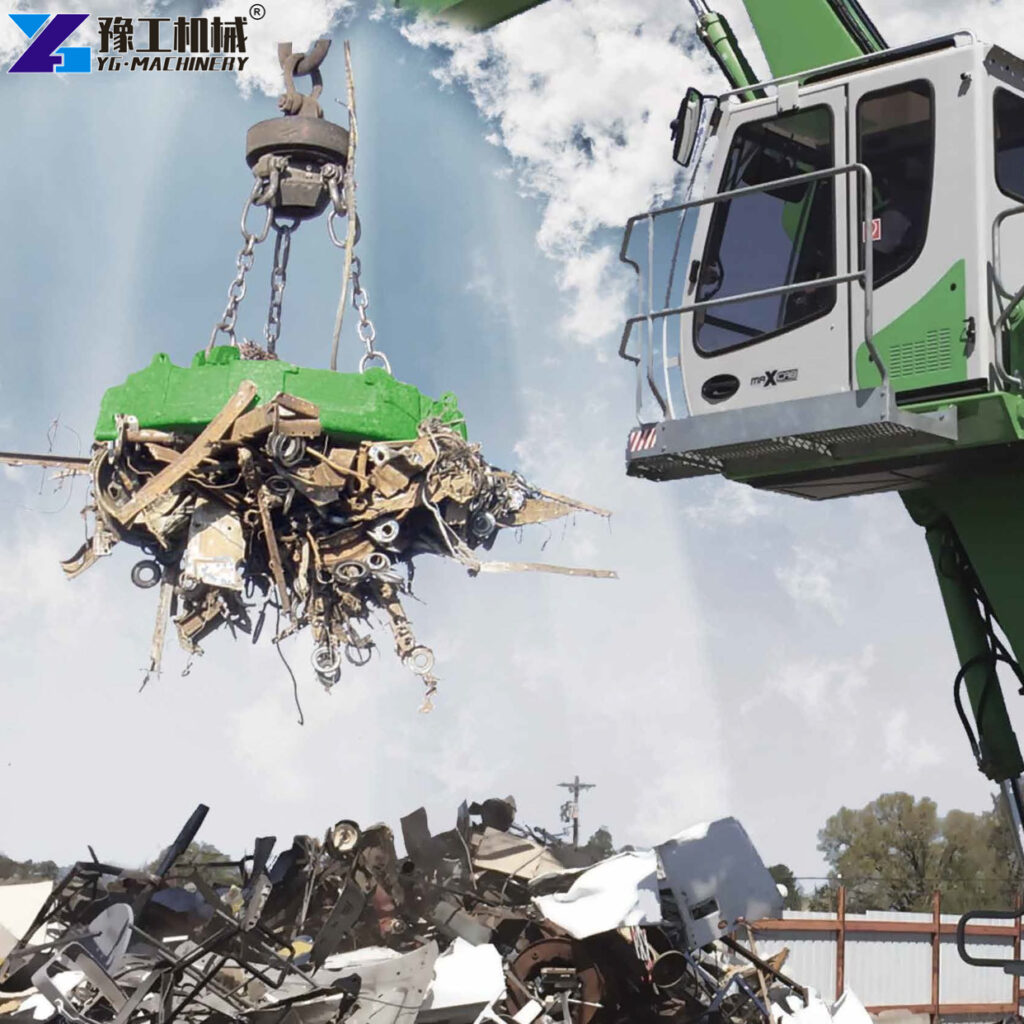
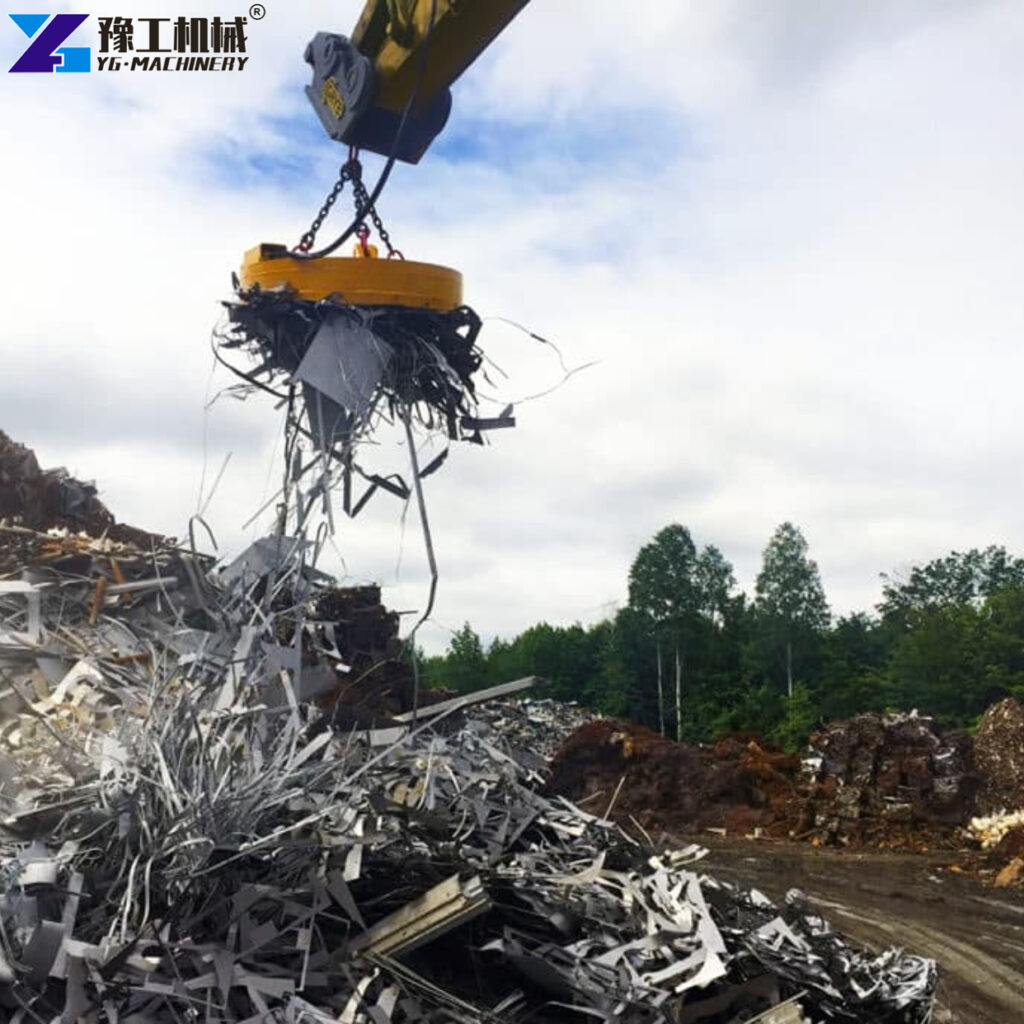
Case Study: Hydraulic Generator Excavator Magnets Exported to Malaysia for Scrap Yard Operation
Project Overview & Client Need:
A major scrap metal processing facility in Selangor, Malaysia, purchased a fleet of YG Machinery’s hydraulic-driven excavator magnets mounted on 20-ton excavators. Handling continuous daily shifts of Heavy Melting Scrap (HMS 1/2), rebar bundles, and loose iron turnings, the yard needed a robust magnet capable of operating reliably in high humidity and torrential tropical rain without electrical short-circuits.
Equipment Performance & Regional Integration:
YG Machinery supplied heavy-duty hydraulic generator scrap magnets featuring:
- Self-Contained Hydraulic Generator Drive: Powered directly by the excavator’s auxiliary hydraulic lines, eliminating external fuel generators and hazardous trailing cables.
- IP68 Waterproof Sealed Cast-Steel Shell: Protected internal copper coils from torrential tropical rainfall and muddy yard conditions.
- Hardox Wear-Resistant Base Plate: Prevented sharp steel scrap and rebar from puncturing the magnetic structure.
On-Site Results & Client Feedback:
The excavator magnets boosted scrap sorting and truck loading efficiency by 35%, while eliminating manual labor safety risks in the scrap pile.
The scrap yard director noted: “YG’s hydraulic magnet is exceptionally reliable. It hooks up to our excavator in minutes, picks up fine iron scrap effortlessly, and handles heavy tropical rain without any electrical issues.”
YG Machinery – Excavator Mounted Magnets Manufacturer
YG Machinery has built hydraulic attachments for over a decade. Their factory in Zhengzhou, China, produces every excavator-mounted magnet in-house. They wind their own coils, machine their own housings, and assemble every unit personally.
YG Machinery tests each magnet on an actual excavator before shipping. You receive a video of your magnet picking steel at the factory. No guessing about performance. No returns for weak magnets.
Spare parts ship from warehouses in Houston and Rotterdam. Common items – bolt-on bottom plates, seal kits, and hoses – arrive in 2 to 4 days. Coils and generators take 10 days. YG publishes a full parts list with every machine.
Other Equipment from YG Machinery
Beyond magnetic attachments, YG Machinery manufactures several other excavator tools and construction equipment:
- Hydraulic breakers (from 200kg to 4000kg for 1-50 ton excavators)
- Mechanical grabs (for demolition and scrap handling)
- Rotating pulverizers (for concrete crushing and rebar separation)
- Auger drives (for foundation drilling and tree planting)
- Compaction wheels (for trench backfill and landfill work)
- Excavator quick couplers (pin grabber and hydraulic types for fast tool changes)
- Tilt rotators (for grading and finishing work)
- Milling head for excavator
Contact YG Machinery directly for a full catalog. They offer bundle pricing for magnets and breakers purchased together. Free hydraulic flow matching service is available before purchase.
FAQs: Scrap Handling Magnet for Excavator for Sale
1. Can this battery magnet excavator pick up stainless steel or aluminum?
No. This magnet only picks ferrous metals – iron and steel. Stainless steel (depending on grade) has little or no magnetic response. Aluminum is non-ferrous. For those materials, you need a different attachment, like a demolition grab.
2. How hot can the excavator electromagnetic attachment get before it fails?
The magnet operates safely up to 80°C (176°F) surface temperature. Above that, the copper windings can degrade. Most jobs never reach this temperature. Continuous use in a steel mill might. YG offers a high-temperature version with special insulation for those applications.
3. My excavator has low hydraulic flow. Can you still supply a magnet?
Yes. YG can adjust the generator and motor combination to work with flows as low as 20 lpm. The magnet will have less pickup force. For low-flow machines, consider a smaller diameter model or an electrically powered magnet with a separate generator.
4. How do I clean debris off the excavator scrap magnets face?
Turn the magnet off. Most steel will drop. Stuck debris – small wire or light shavings – wipe off with a gloved hand or a wooden board. Do not use a steel hammer. Impact can demagnetize the core. A plastic scraper works best.
5. What is the lifting capacity of this hydraulic lifting magnet for a digger?
Lifting capacity depends on material shape and size. A solid steel block lifts more easily than tangled rebar. As a rule of thumb, the magnet will lift its own weight in steel. The YGML10 at 2200kg lifts about 2000kg of clean scrap. Mixed material lifts less.
6. How long do the bottom plates last?
Bottom plates last 500 to 2000 hours, depending on use. Scrap yard work on concrete wears plates faster than demolition work on dirt. Replace the plate when you see holes or excessive grooving. Running with a worn plate damages the coil housing.
7. Can I use this excavator scrap magnet underwater?
No. The magnet housing is not sealed for submersion. Moisture ingress will short the coil. For dredging or underwater work, YG offers a specially sealed marine magnet. It costs more but lasts in wet conditions.