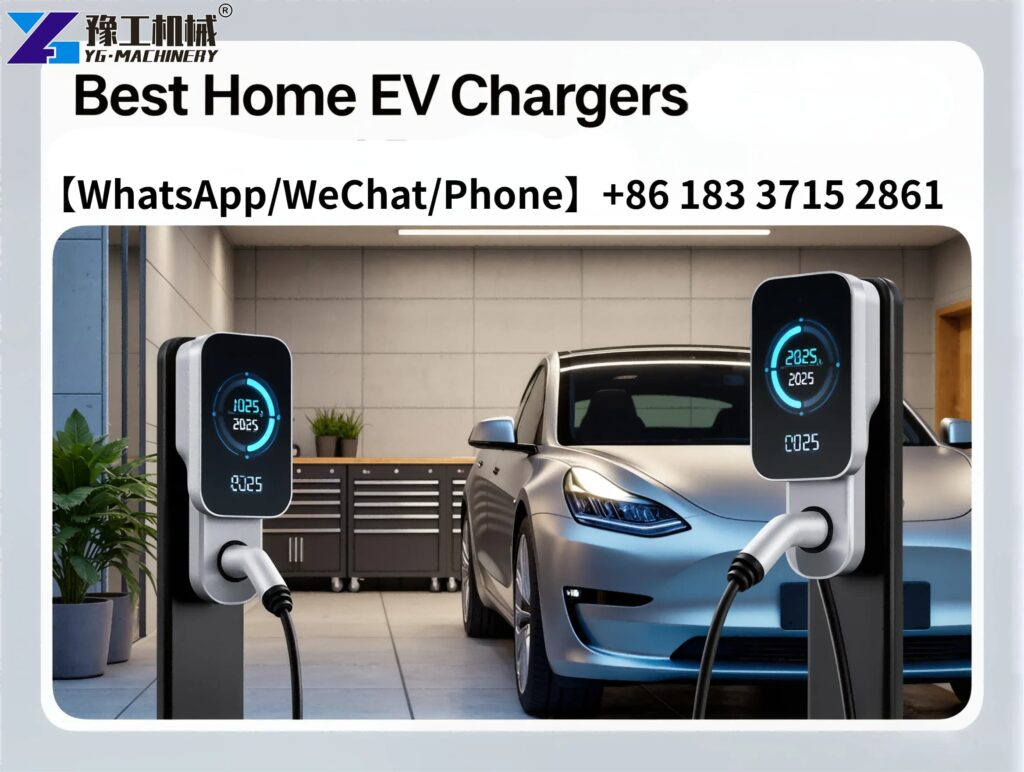
Smart EV Charger | Home Level 2 Charger | EV Wall Charger Price
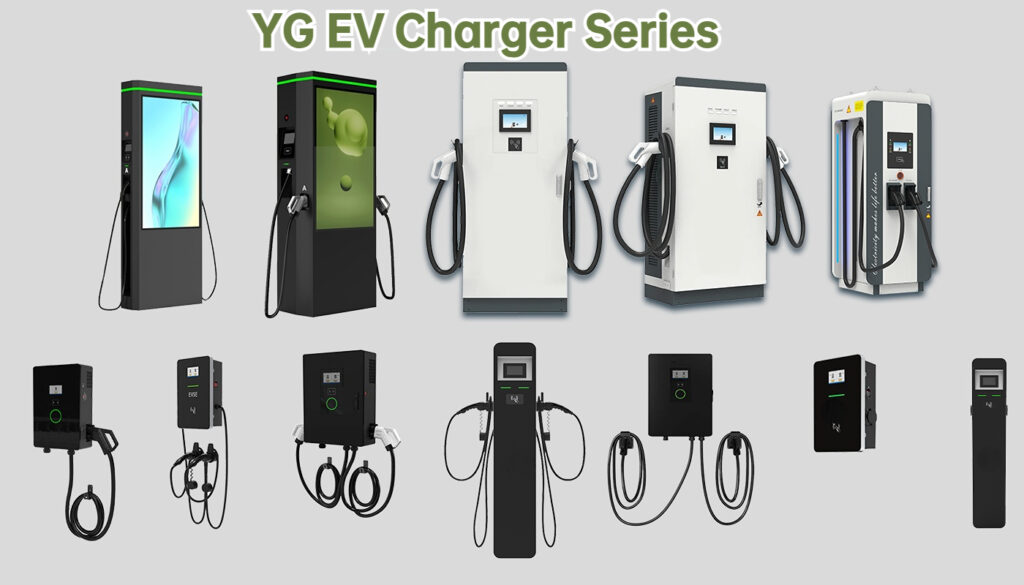
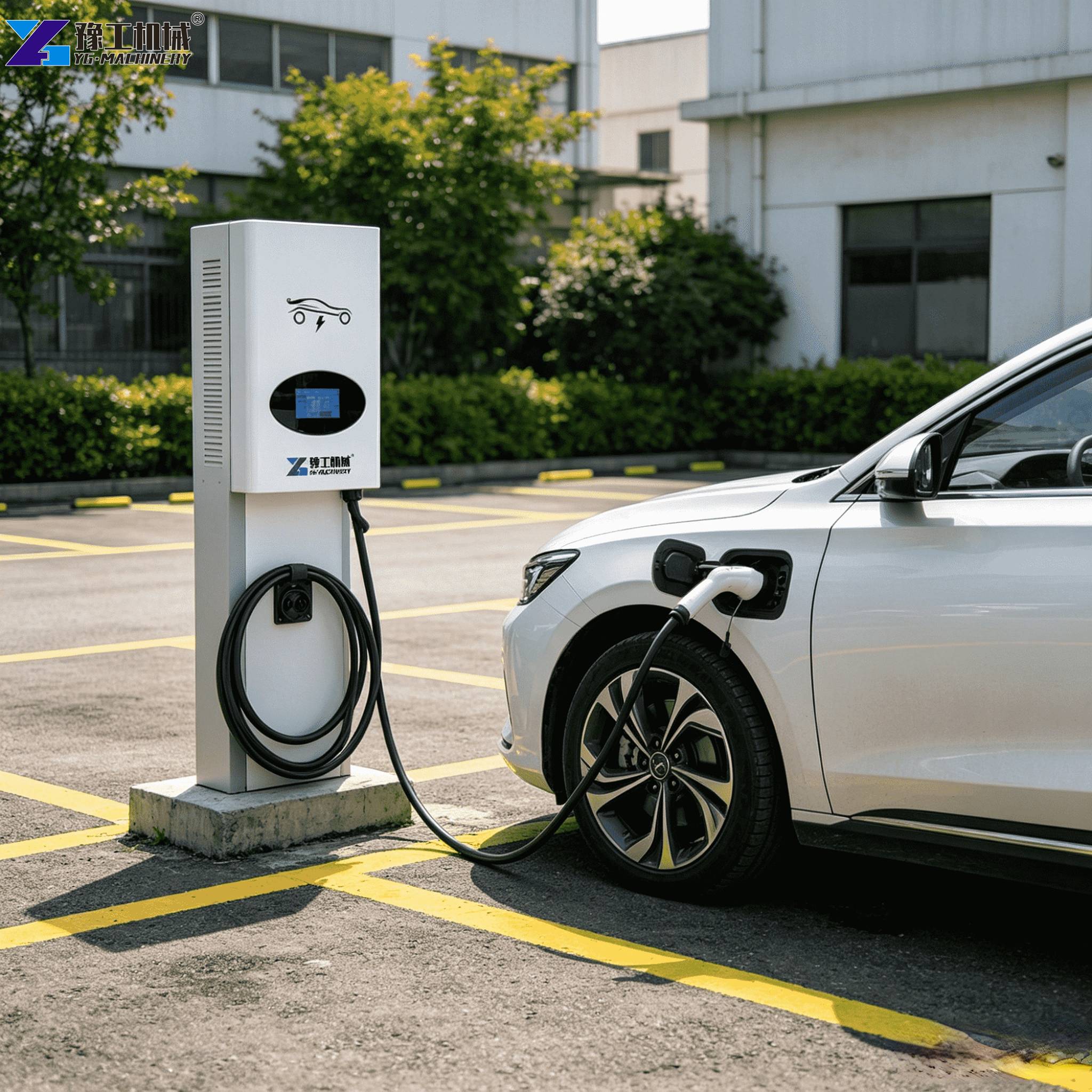
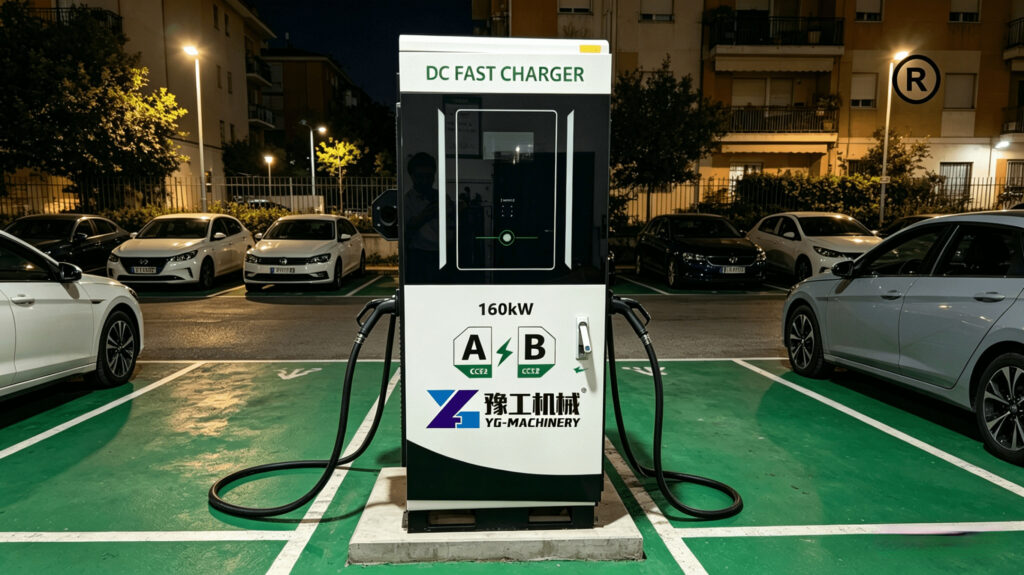
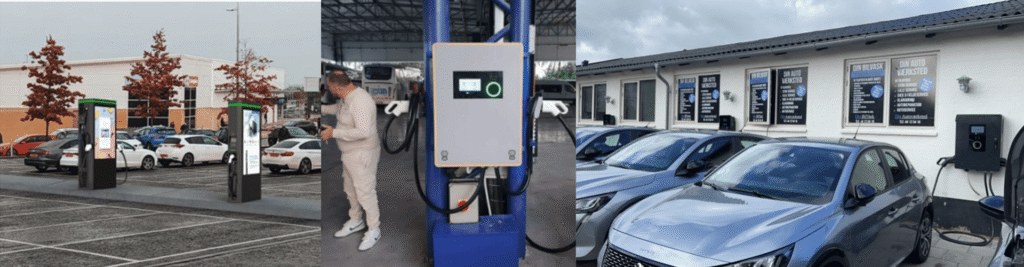
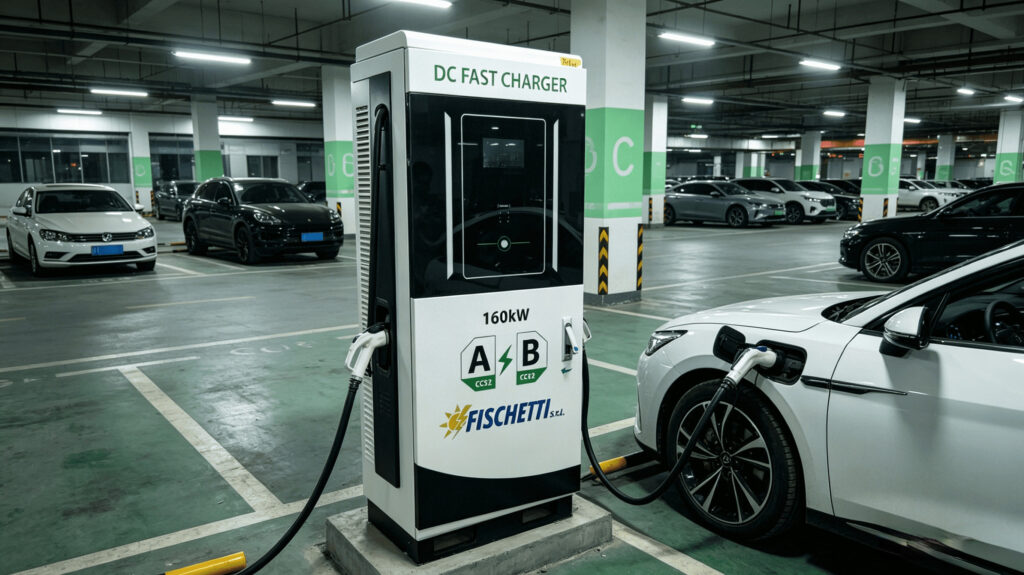
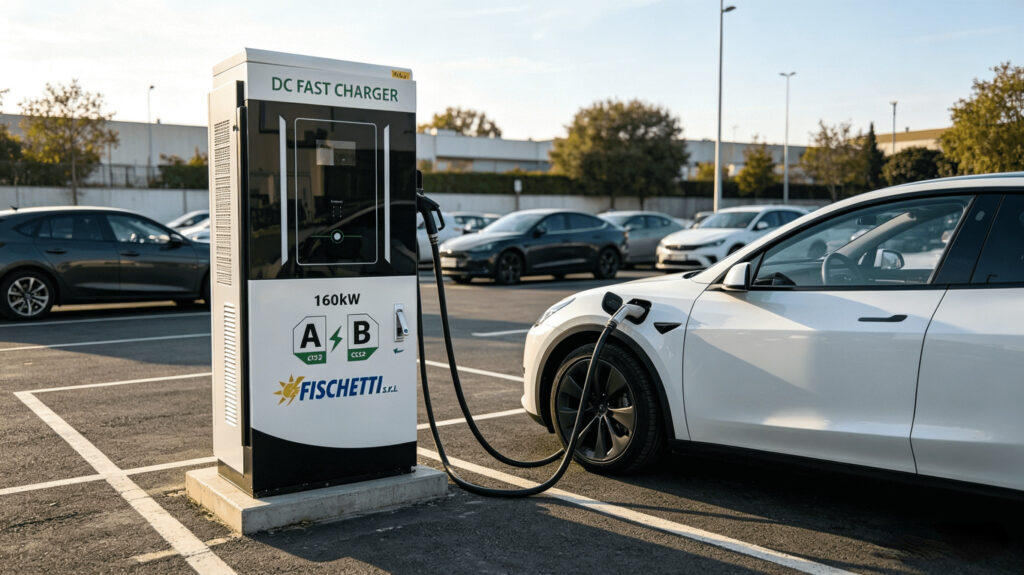
Engineered for ultimate charging efficiency, the YG Smart EV Charger Series offers complete solutions ranging from 3.5kW–21kW Level 2 AC EV wall chargers for daily home use to 60kW–120kW DC Fast Chargers for multi-EV households and commercial fleets. Equipped with a 7-inch color LCD touchscreen, versatile payment and activation methods, and industrial-grade safety protection, our chargers eliminate range anxiety while delivering seamless plug-and-play convenience and smart energy savings.
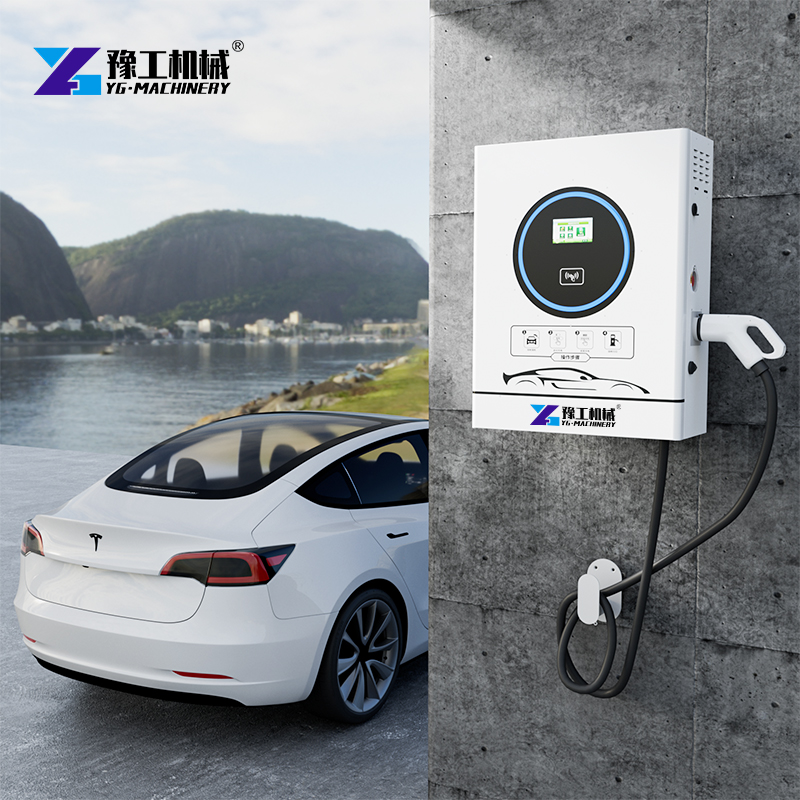
Best EV Wall Charger 7 Inch LCD Touchscreen Interface
⚡ Response within 8 hours | Free Technical Consultation
YG Hot Sale Electric Car Charger Technical Parameters
We offer three models of this equipment. All units feature a 7-inch color LCD touchscreen interface and support floor-standing or down-in-down-out installations. The table below shows the complete specifications.
Parameter
YG-60KW
YG-80KW
YG-120KW
Recommendation Index
⭐⭐⭐⭐☆
⭐⭐⭐⭐⭐
⭐⭐⭐⭐☆
Recommended Application
Commercial Parking & Small Fleets
Top Value Choice / Ride-share & Busy Charging Hubs
We provide free sizing advice based on your vehicle’s onboard charger capacity and daily driving distance.
Looking for an Economical Everyday Solution?
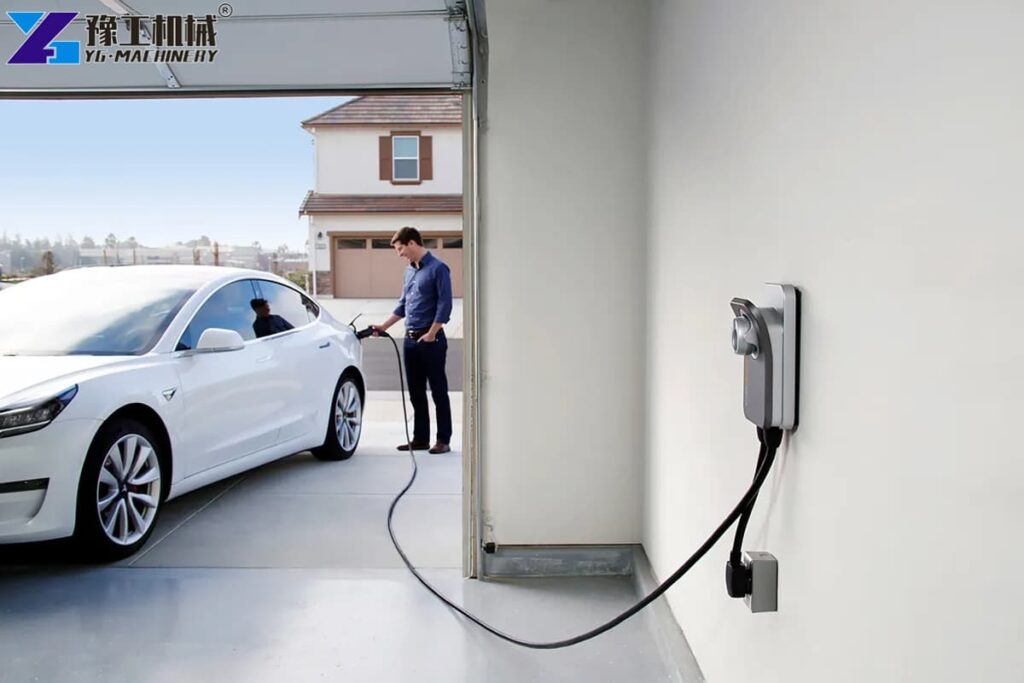
Need a Reliable Level 2 AC Charger for Daily Overnight Charging? Not every home needs 60kW+ DC fast charging. If your daily commute is within normal range, or your home’s electrical panel has capacity limits, our Level 2 AC Home Charger Series (3.5kW – 21kW) offers the most cost-effective, plug-and-play solution. Simply charge overnight and wake up to a full battery every morning!
Home Charging Point Cost: What Affects Your Investment
The home EV Charger Price depends on the power level, installation requirements, and available incentives. Our DC fast chargers represent a premium solution for serious EV users and fleets.
Here is what affects the total cost:
Charger power. 60KW units cost less than 120KW units. The difference reflects the power module capacity and cooling requirements.
Installation labor. Hiring a qualified electrician for DC charger installation is mandatory. The cost varies by region and distance from the panel.
Electrical panel upgrade. Older 100A panels may need upgrading to 200A for high-power DC chargers.
Permitting and inspection. Most municipalities require permits for DC charger installations. Costs range from $100 to $500.
Federal and local incentives. The US federal tax credit covers 30% of installation costs up to $1,000. Many utilities offer additional rebates.
Typical U.S. homeowners pay $3,000-$9,000 for a fully installed Level 2 charger, including labor and panel upgrades. Our DC fast chargers cost more but deliver faster charging. For a fleet that saves $100 per hour in downtime, the premium pays for itself.
While residential installations are simpler, businesses looking to deploy chargers for public or fleet use have different infrastructure and grid capacity requirements. Learn more about planning and budgeting for commercial projects in our detailed breakdown of the Commercial EV Charging Machine.
A home DC charger bypasses your vehicle’s onboard AC-to-DC converter. Instead of converting power inside the car, the charger sends direct current straight to the battery. This eliminates the 7-11KW bottleneck of Level 2 AC units and delivers 60-120KW directly to your EV battery.
DC fast charging at home is becoming a practical reality. The global home DC fast charger market is expected to grow from $1.19 billion in 2025 to $3.39 billion in 2030, a CAGR of 23.2%. For fleet operators, ride-share drivers, and households with multiple EVs, the time savings translate directly to money saved.
Choose the Right Charger for Your Daily Routine
Level 2 AC Home Charger (3.5kW – 21kW):
Best For: Daily commuters, overnight home charging, and budget-conscious homeowners.
Why Choose It: Lower upfront cost, effortless DIY/standard electrician installation, zero electrical grid upgrade required, and smart off-peak scheduled charging via App.
Home DC Fast Charger (60kW – 120kW):
Best For: Multi-EV households, high-mileage drivers, ride-share fleets, and commercial sites.
Looking for business solutions? If you need charging infrastructure for your workplace, retail parking, or fleet, check out our comprehensive guide on Commercial EV Charging Machines for Businesses to find the perfect ROI-driven setup.
Best Home Level 2 Charger: 5 Safety Features You Can’t Ignore
A best home level 2 charger must protect your vehicle, your home, and your family. Our units include comprehensive safety systems that exceed industry standards.
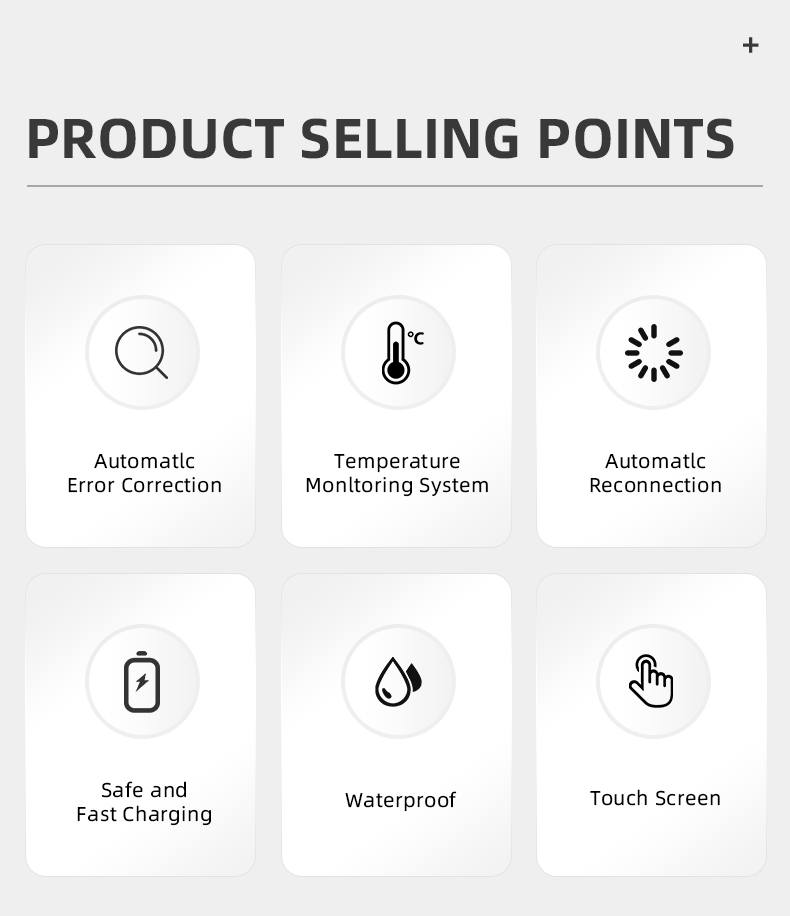
1. Charge gun temperature detection. The charger monitors temperature at the connector. If the plug overheats, it reduces power or shuts down. This prevents melted connectors and potential fires.
2. Overvoltage and undervoltage protection. The system monitors input voltage continuously. If the voltage swings beyond safe limits, the charger disconnects automatically. No damage to your vehicle’s battery.
3. Overload and short circuit protection. The unit trips if the current exceeds 110% of rated capacity. A short circuit triggers immediate shutdown. Your home’s circuit breaker stays intact.
4. Insulation monitoring protection. The system checks insulation resistance before charging begins. If it detects a fault, the charger does not start. This protects against ground faults and leakage.
5. Lightning and surge protection. Internal surge arresters protect the unit from lightning strikes and grid surges. The IP54 enclosure keeps water and dust out in all weather conditions.
We test every safety system before shipping. Each unit runs through a full safety check at the factory. Buyers receive a test report showing all protection functions verified.
EV Wall Charger: Smart Features That Make Daily Charging Effortless
The best EV wall charger does more than just pump electricity into your battery. The YG series includes intelligent features that simplify the entire charging experience, from scheduling to payment to remote monitoring.
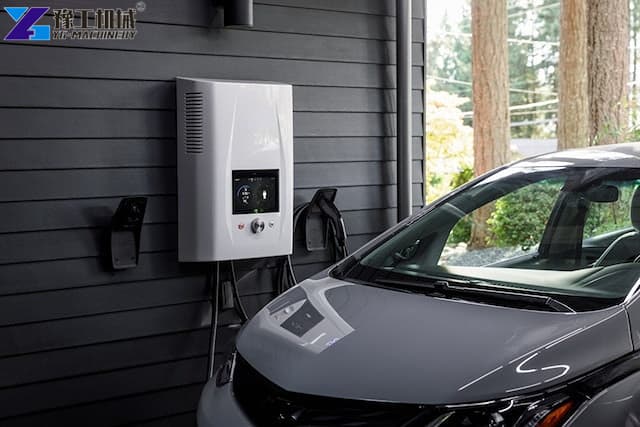
The 7-inch LCD color touchscreen puts all controls at your fingertips. The interface shows real-time data: voltage, current, charging time, and energy delivered. The LED indicator provides a quick visual status check from across the garage. Green means charging. Blue means standby. Red signals a fault.
Four charging modes give you complete flexibility:
Auto full mode – The unit charges until your battery reaches 100%. Set it and forget it.
Fixed power mode – You set the exact power level. Useful for solar integration or grid load management.
Fixed amount mode – Charge to a specific kWh target. Perfect for fleet operators who bill per vehicle.
Fixed time mode – Set a charging duration. The unit stops automatically when the time expires.
Payment integration makes the unit suitable for commercial and shared use. The charger supports credit card payment, APP payment, and QR code scanning. Fleet operators can track usage by vehicle. Apartment buildings can bill residents per session. The optional Ethernet or 4G connectivity enables remote monitoring and over-the-air firmware updates.
FAQ About the EV Wall Charger
Do you offer heavy-duty chargers for commercial or public use?
Yes! While this wall-mounted model is excellent for residential and light fleet use, we manufacture dedicated high-power systems for retail, commercial parking, and public charging networks. Read our full guide on Commercial EV Charging Machine for more details.
Can I install the EV charger outdoors?
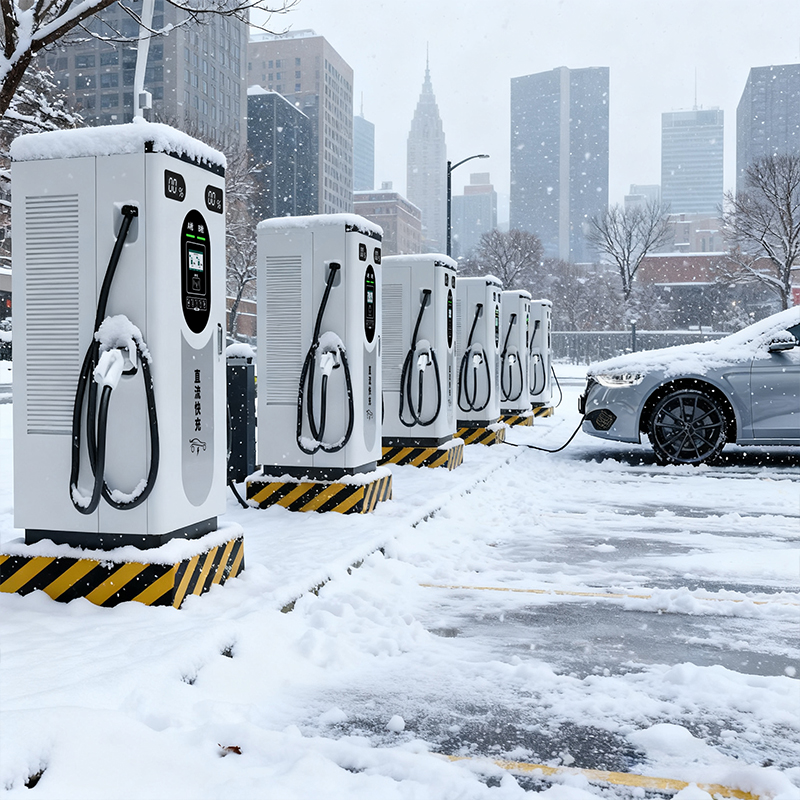
Yes. The IP54 rating protects against dust and water sprays. The operating temperature range is -25°C to +50°C.
How long does the EV charger take to charge a 75kWh battery?
At 120KW output, the charger takes approximately 30-40 minutes to reach 80% state of charge. The YG-60KW takes about 60-75 minutes.
How do I monitor charging status?
The 7-inch touchscreen shows voltage, current, and charging time. The optional Ethernet or 4G connectivity lets you monitor via a smartphone app.
What if my residential power grid cannot support a 60kW+ DC Fast Charger?
We strongly recommend our Level 2 AC Wallbox Series (7kW / 11kW / 22kW). They require standard single-phase or three-phase residential power; installation is simpler and more affordable, and they can fully recharge a standard EV battery overnight (6–8 hours).
What payment methods does the EV charger accept?
The unit supports credit card payment, APP payment, and QR code scanning. This is useful for commercial settings and fleet management.
Does your AC charger support smart scheduling to save electricity costs?
Yes! Our AC chargers support Wi-Fi/Bluetooth App control and RFID authentication, allowing you to schedule charging sessions during off-peak hours to minimize electricity costs.
What is the MTBF rating?
Mean Time Between Failures is 100,000 hours, approximately 11.4 years of continuous operation. This reflects the quality of power modules and cooling components.
We offer free consultations for buyers. Tell us your vehicle type, daily charging needs, and available electrical capacity. We will recommend the right model and provide a detailed cost analysis.
Three ways to move forward:
Request a quote – Send your power requirements. Get pricing within 24 hours.
Watch a test run – Ask for a video of the unit charging your vehicle model.
Visit our factory – See production and meet our engineering team in Zhengzhou.
Contact YG Machinery today via WhatsApp, email, or the website form. Every machine includes a warranty and remote support.【WhatsApp/WeChat/Phone】+86 183 3715 2861
Global Clients Visiting YG Machinery
Contact YG Machinery for Your EV Quick Charger Needs
As electric vehicles (EVs) continue to grow in popularity, businesses must keep up with the demand for charging infrastructure. Commercial EV charging machines are not…
The shift to electric vehicles (EVs) is gaining momentum, making electric car power stations a crucial part of modern infrastructure. As EVs become more common,…
The shift to electric vehicles (EVs) is gaining momentum, making electric car power stations a crucial part of modern infrastructure. As EVs become more common,…
Electric vehicles (EVs) are reshaping the future of transportation, and efficient charging systems are a critical part of the infrastructure. When deciding on the best…