A block manufacturer in Spain had a good problem. Demand for their hollow blocks and pavers continued to grow. New housing projects needed materials. Local contractors placed larger orders each month. But the manufacturer could not keep up.
Their old machine produced only 4,000 blocks per 8-hour shift. The machine broke down often. Each breakdown cost them a full day of production. The operator needed constant attention to keep the machine running. Block quality varied from batch to batch. Some blocks came out too soft. Others had cracks.
The owner realized it was time to invest in a new concrete brick machine that could deliver reliability, high production speed, and simple operation. He began researching suppliers online, carefully comparing prices, technical specifications, and customer feedback. After a thorough evaluation, he ultimately discovered YG Machinery.
This article tells his real story. You will see the challenges he faced, how he chose the YG machine, and what results he achieved. The goal is simple: to help you decide whether a brick-and-block-making machine from YG fits your production needs.
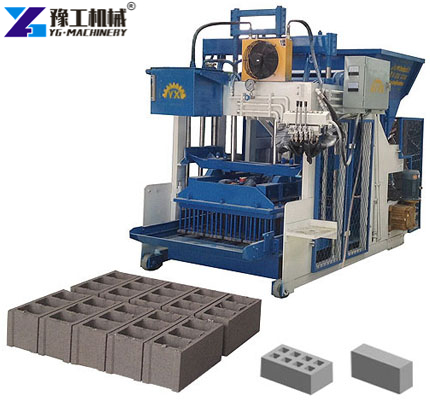
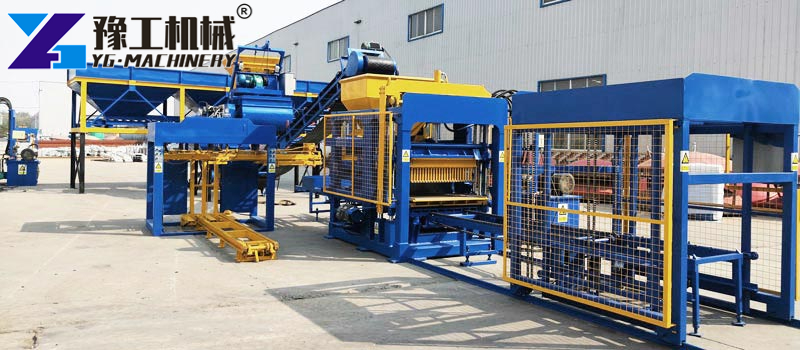
View the machine used in this customer project.
Customer Background & Challenges Before Buying the Concrete Brick Machine
The Customer: A Growing Block Manufacturer in Spain
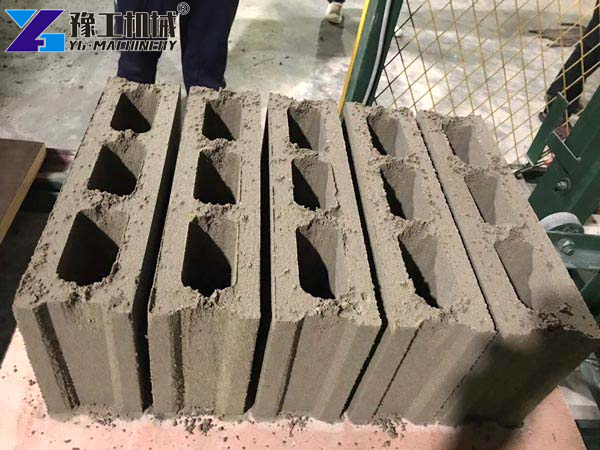
The customer operates a block manufacturing business in a mid-sized Spanish city. The company has supplied construction materials for 12 years. They employ 15 people. Their main products include hollow blocks for walls, solid blocks for foundations, and pavers for driveways and walkways.
Before buying from YG, the customer used an old hydraulic machine. The machine had worked well when they first bought it eight years ago. But years of heavy use took a toll. Production output dropped. Maintenance costs rose. The owner knew he needed to replace it.
Specific Challenges They Faced
The customer had four major problems with their old production line.
Problem 1: Low production output. Their old machine produced only 4,000 hollow blocks per 8-hour shift. The local market demanded at least 8,000 blocks per day. They had to turn down orders because they could not produce enough.
Problem 2: High labor costs. The old machine required three operators per shift. One person loaded raw materials. A second person ran the control panel. A third person removed finished blocks and stacked them on pallets. Labor costs ate into their profit margin.
Problem 3: Inconsistent block quality. The old machine lacked precise vibration control. Some blocks came out with uneven density. Others had visible cracks. The customer had to reject about 5% of their production. Rejected blocks meant wasted materials and lost time.
Problem 4: Frequent breakdowns. The old machine broke down at least once per week. Each breakdown required a technician to visit the site. Spare parts took days to arrive. The customer lost an average of 8 production days per month to breakdowns and repairs.
Why They Needed a New Concrete Brick Machine
The customer realized they could not grow their business with their old equipment. They calculated their potential revenue if they could double production. The math made sense. A new automatic brick machine would pay for itself within 12 months.
They began searching for a reliable supplier that could provide a high-performance brick and block making machine with high output, low maintenance requirements, and stable, consistent product quality. At the same time, they required a manufacturer capable of shipping equipment to Spain and offering comprehensive installation guidance and operator training.
How the Customer Selected the Right Concrete Brick Machine from YG
How the Customer Found YG Machinery
The customer searched online for a cement block machine for sale. They visited several supplier websites. They requested quotes from three different manufacturers. YG Machinery responded within 24 hours with a detailed proposal.
YG’s sales engineer asked specific questions about their production needs. What block sizes do you make? How many shifts per day? What is your raw material situation? Do you have three-phase power? These questions showed that YG understood the customer’s business.
Why They Chose YG Over Other Suppliers
The customer received quotes from two other suppliers. One offered a lower price but could not provide detailed specifications. The other offered a similar price but had longer delivery times.
YG stood out for four reasons. First, YG provided a complete technical datasheet with production rates for each block type. Second, YG offered a 12-month warranty and spare parts support. Third, YG’s delivery time was 25 days, faster than the others. Fourth, YG assigned a project manager to handle shipping and customs clearance.
Technical Specifications of the YG Cement Block Machine for Sale
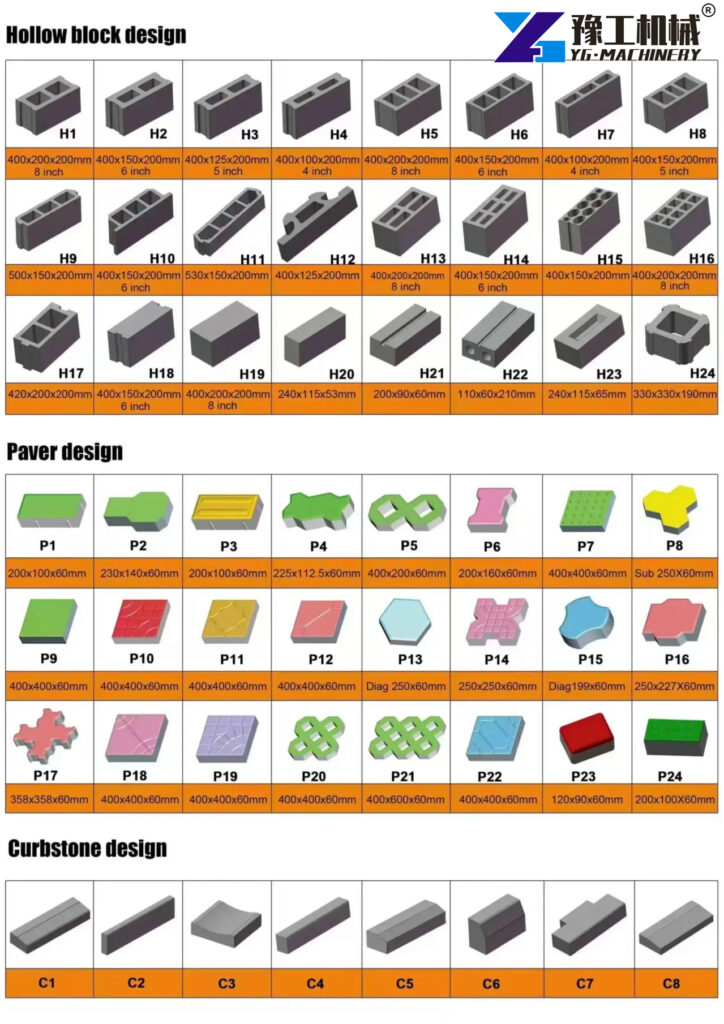
The customer chose the YG model designed for medium-volume production. The machine offers the following production rates:
| Block Name | Size (LWH) mm | Molding Cycle | QTY/Mould | QTY/hour | QTY/8hr |
|---|---|---|---|---|---|
| Hollow block | 400*200*200 | 15-20s | 6pcs | 1080-1440pcs | 8640-11520pcs |
| Hollow block | 400*150*200 | 15-20s | 7pcs | 1260-1680pcs | 10080-13440pcs |
| Hollow block | 400*100*200 | 15-20s | 11pcs | 1980-3640pcs | 15840-21120pcs |
| Porous block | 240*115*90 | 15-20s | 15pcs | 2700-3600pcs | 21600-28800pcs |
| Standard brick | 240*115*53 | 15-17s | 30pcs | 6300-7200pcs | 50400-57600pcs |
| Paver | 225*112.5*60 | 20-25s | 15pcs | 2160-2700pcs | 17280-21600pcs |
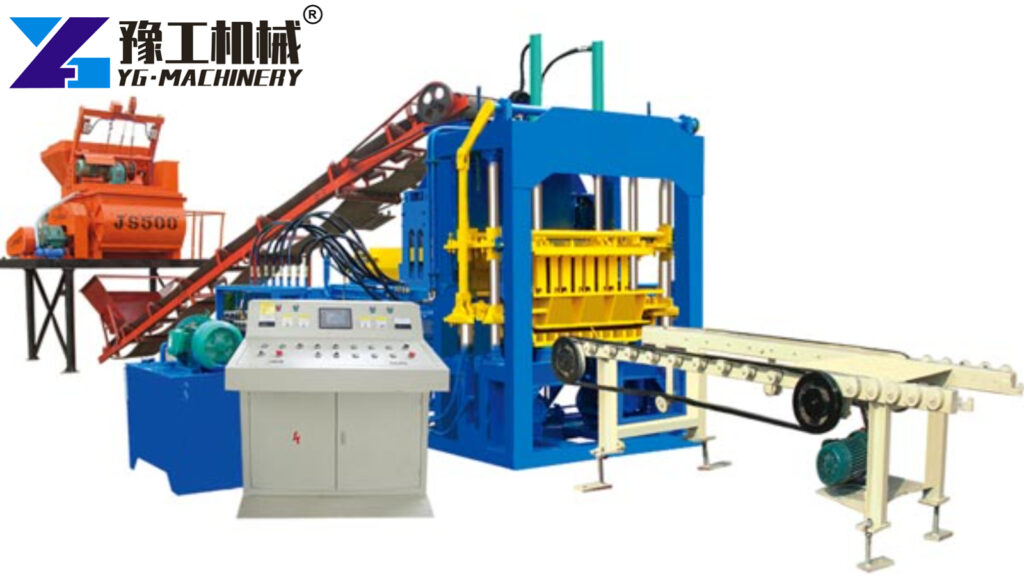
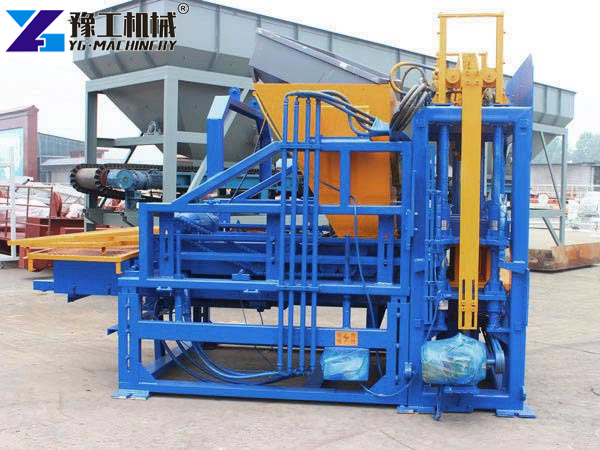
The machine features fully automatic operation. It includes a raw material hopper, a conveyor belt, a vibration system, a hydraulic press, and a pallet stacker. The operator only needs to monitor the control panel and remove finished pallets.
The concrete brick machine uses a Siemens PLC control system. The operator can adjust vibration frequency, press pressure, and cycle time from a touch screen. The machine stores settings for different block types. Changing from hollow blocks to pavers takes less than five minutes.
Key Advantages of This Automatic Brick Machine
The machine offered several advantages over the customer’s old equipment.
Faster cycle time. The old machine took 25 seconds per cycle. The YG machine takes 15-20 seconds. That means more blocks per hour.
Higher output per shift. The old machine produced 4,000 hollow blocks per day. The YG machine produces up to 11,520 hollow blocks per day. That is nearly three times more output.
Better vibration control. The machine uses a servo vibration system. It delivers consistent vibration force on every cycle. Blocks have uniform density and smooth surfaces.
Lower labor requirement. The old machine needed three operators. The YG brick and block making machine needs only one operator. The machine handles material mixing, filling, pressing, and ejecting automatically.
Energy efficient. The hydraulic system uses a variable frequency drive. It consumes 30% less power than the customer’s old machine.
Easy maintenance. All grease points are accessible from ground level. The control panel displays maintenance reminders. The machine tells the operator when to change oil or replace wear parts.
Implementation: Delivering and Installing the Concrete Brick Machine in Spain
Step 1: Factory Production and Quality Testing
The customer confirmed the order. YG Machinery started production immediately. The factory completed the cement block machine for sale in 20 working days.
The assembly team strictly followed YG’s quality checklist at every station. They inspected the hydraulic system for any signs of leakage, tested the vibration system across all speed settings, and ran the press through 100 complete operational cycles. After all checks were completed, the machine successfully passed every test.
YG sent the customer a video of the machine running in the factory. The customer saw the machine produce hollow blocks, standard bricks, and pavers. They approved the machine for shipment.
Step 2: Shipping to Spain
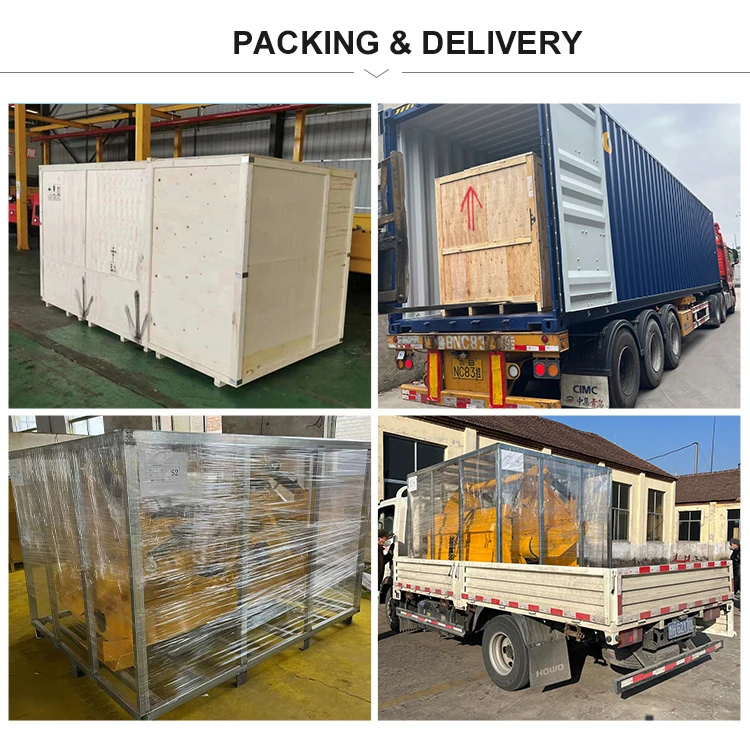
The machine traveled from YG’s factory to the port by truck. It took two days to reach the port. The machine went into a 40-foot container. The container ship sailed for 18 days to the Port of Valencia in Spain.
Customs clearance took three days. YG provided all necessary documents: commercial invoice, packing list, bill of lading, and certificate of origin. The customer’s freight forwarder handled the import process. A flatbed truck delivered the machine to the customer’s site on day 26.
Step 3: On-Site Installation
YG Machinery sent a service technician to Spain. The technician arrived one day before the machine. He inspected the customer’s site. He checked the power supply, water connection, and floor level. All conditions were good.
The machine arrived on a flatbed truck. A forklift lifted it off the truck. The technician and the customer’s team moved the machine into position. They leveled the machine using the adjustable feet. They connected the power cable and water hose.
The installation took four hours. The technician ran a quick test. The machine started without any problems.
Step 4: Operator Training
The YG technician trained three of the customer’s workers. The training covered:
- Daily startup and shutdown procedures
- Control panel operation and screen navigation
- Setting up different block types
- Adjusting vibration and press parameters
- Changing moulds
- Daily cleaning and lubrication
- Troubleshooting common issues
Each operator practiced running the machine for one hour. They made hollow blocks, standard bricks, and pavers. By the end of the second day, all three operators could run the machine independently.
The technician stayed for three days. He answered questions and watched the teamwork. He left a training manual and a spare parts list.
Step 5: First Week of Production
The customer started full production on day four. They ran one 8-hour shift per day. The machine produced hollow blocks for the first three days. Then they switched to pavers for two days.
| Day | Block Type | Output (pcs) | Downtime (minutes) |
|---|---|---|---|
| 1 | Hollow block 400x200x200 | 9,200 | 15 |
| 2 | Hollow block 400x200x200 | 10,100 | 10 |
| 3 | Hollow block 400x150x200 | 11,500 | 5 |
| 4 | Paver 225×112.5×60 | 8,500 | 20 |
| 5 | Paver 225×112.5×60 | 9,200 | 10 |
The machine performed as promised. The operator noted that the blocks came out clean and uniform. The pallet stacker worked automatically. The customer’s team delivered the first batch of blocks to a local contractor on day six.
Results: Production Gains After Switching to the Concrete Brick Machine
Production Output Increased by 140%
The customer’s old machine produced 4,000 hollow blocks per day. The YG concrete brick machine produces 9,600 hollow blocks per day on average. That is a 140% increase in output.
The customer can now accept larger orders. They no longer turn away business. They have added a second shift and now run 16 hours per day. Total daily output reaches 18,000 hollow blocks.
Labor Costs Dropped by 60%
The old machine required three operators per shift. The YG automatic brick machine requires one operator per shift. The customer reduced their production labor from six people to two people per day.
The saved labor now works on other tasks. One worker maintains the machine and keeps the site clean. Another worker helps with raw material delivery and finished block storage.
Block Quality Improved Significantly
The old machine produced 5% rejected blocks. The YG machine produces fewer than 1% rejected blocks. The customer saves materials and time.
Local contractors noticed the difference. The new blocks have smoother surfaces and more consistent dimensions. One contractor said the YG blocks lay flatter and require less mortar. The customer has gained new clients based on quality alone.
Machine Uptime Reached 98%
The old machine broke down weekly. The YG brick and block making machine has run for 60 days with no major breakdowns. The only downtime came from scheduled cleaning and lubrication.
The customer’s maintenance person performs daily checks in 15 minutes. He changes oil every 500 hours. He inspects wear parts monthly. The machine has not needed any spare parts yet.
Energy Costs Decreased by 30%
The YG machine uses a variable frequency drive on the hydraulic pump. The old machine ran the pump at full speed constantly. The YG machine adjusts pump speed based on demand. The customer’s electricity bill for block production dropped by 30%.
Customer’s Direct Feedback
The owner shared his experience after two months of production.
“We should have bought this concrete brick machine years ago. Our old machine cost us so much in lost production and repair bills. The YG machine runs all day without issues. My operator likes the touch screen controls. The block quality is excellent. We have already signed three new contracts because we can deliver more blocks faster. The machine will pay for itself in 10 months at this rate.”
The lead operator added his own comments.
“The old machine caused constant frustration—it jammed frequently, produced inconsistent blocks, and would stop without warning. Since upgrading to a new cement block machine for sale from YG, everything has changed. I simply set the parameters each morning, and the machine handles the rest smoothly.
Now I spend my time managing finished blocks instead of troubleshooting breakdowns. The training provided by YG’s technician was especially valuable—he even taught me how to change molds in just five minutes, making daily operation much more efficient.”
Future Outlook with the Automatic Brick Machine
The customer plans to add a second YG automatic brick machine next year. Demand continues to grow. They have hired two more salespeople to reach new contractors. They are also considering adding a color mixing system for decorative pavers.
YG Machinery continues to support the customer. The YG service team checks in every month. They answer questions via WhatsApp within a few hours. They have shipped a set of spare wear parts to the customer as a preventative measure.
The customer has recommended YG to two other block manufacturers in Spain. One of them has already requested a quote for a larger machine.
Contact YG Machinery today for your concrete brick machine needs. Tell us your required block types and daily output. We will send you a specification sheet and a full price, including shipping to your port.
Click the contact button now to request a quote. Ask for our free production calculator to estimate your potential output and cost savings.