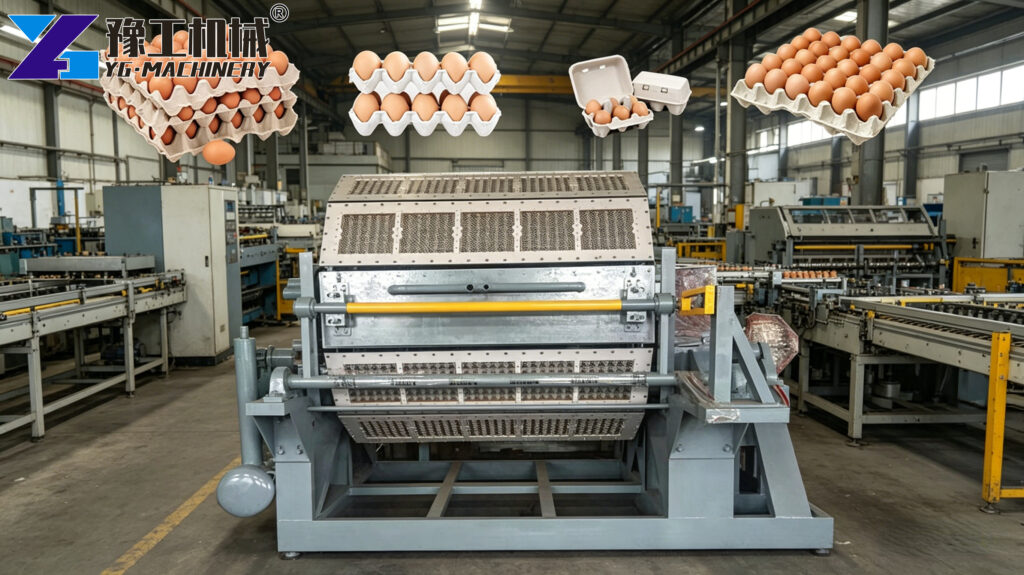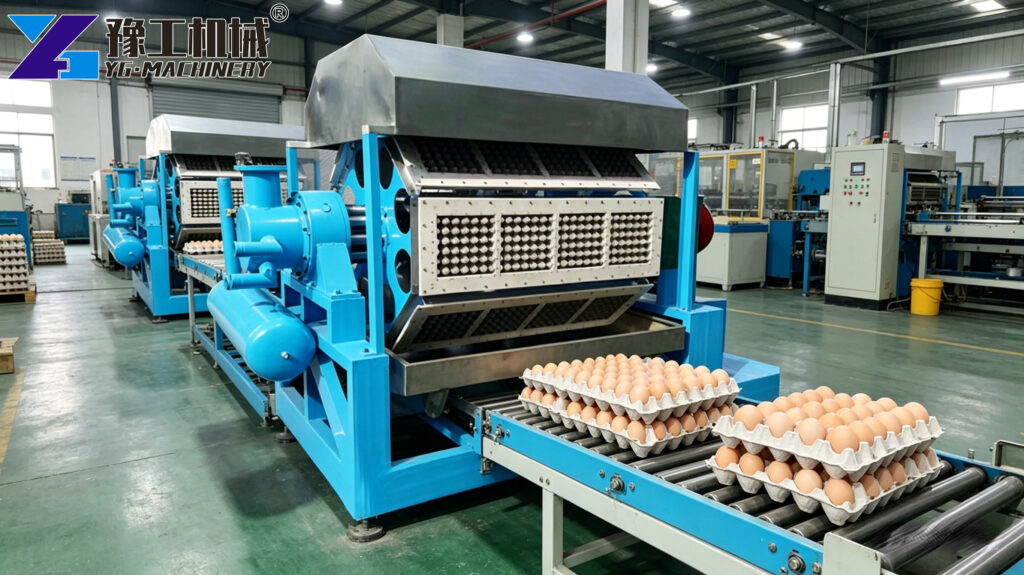
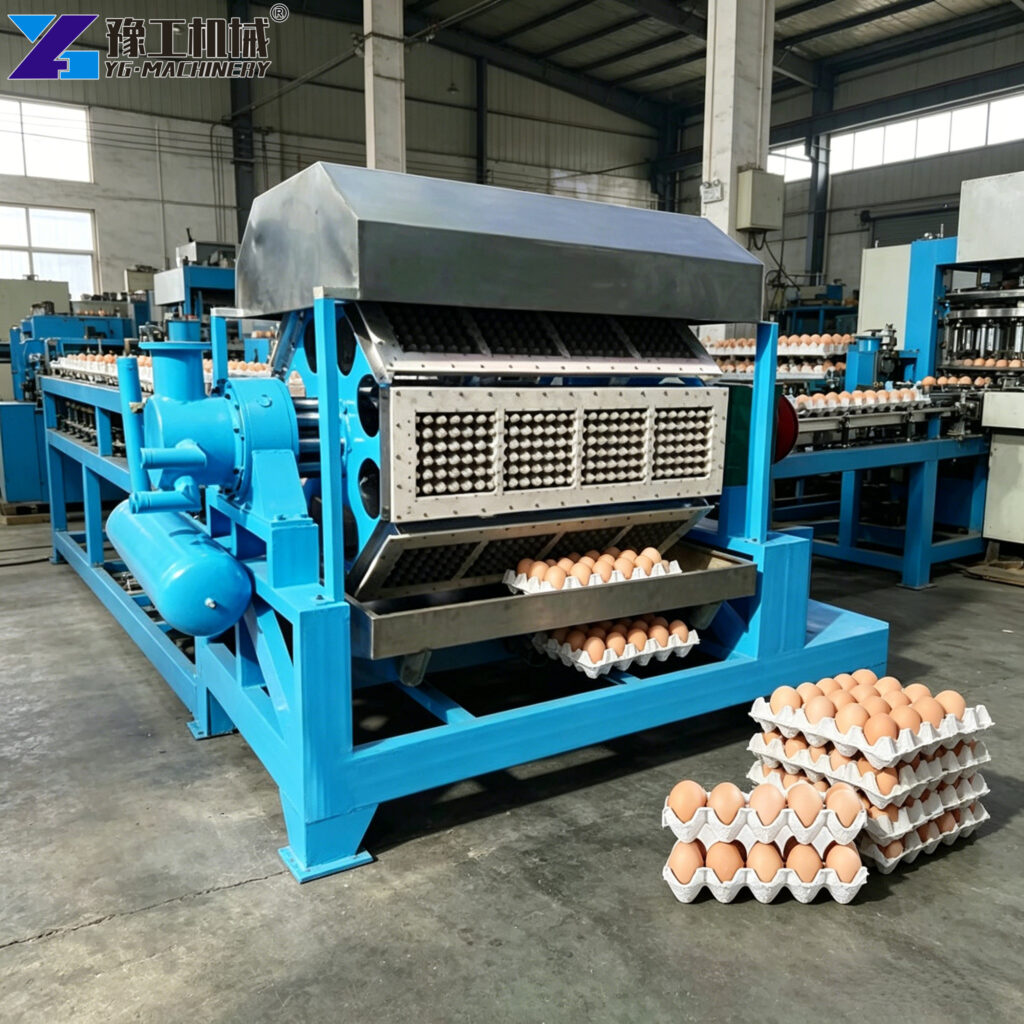
The egg tray production line is a comprehensive solution for efficient paper egg tray manufacturing, combining automated processes with flexible drying methods. As demand for sustainable packaging grows, businesses require reliable equipment capable of producing high-quality trays with consistent dimensions and minimal waste.
YG Machinery offers fully integrated solutions that streamline pulp preparation, molding, drying, and packaging. This enables operators to increase production capacity while maintaining cost-effectiveness and environmental compliance. Whether for small-scale workshops or large industrial facilities, the production line ensures precision, efficiency, and adaptability.
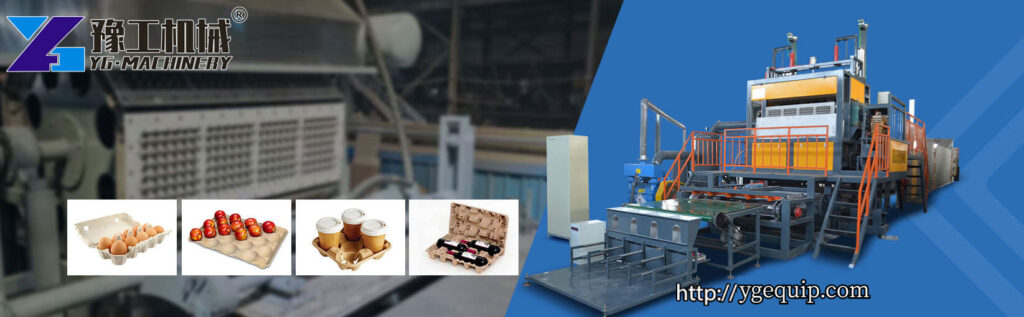
Why Choose An Egg Tray Production Line?
Selecting a modern egg tray production line provides more than basic tray molding. It ensures operational efficiency, quality consistency, and reduced labor costs. Key advantages include:
- High production efficiency
- Multiple drying methods
- Minimal material waste
- Customizable output capacities
- Easy operation and maintenance
- Energy-saving configurations
- Consistent tray quality
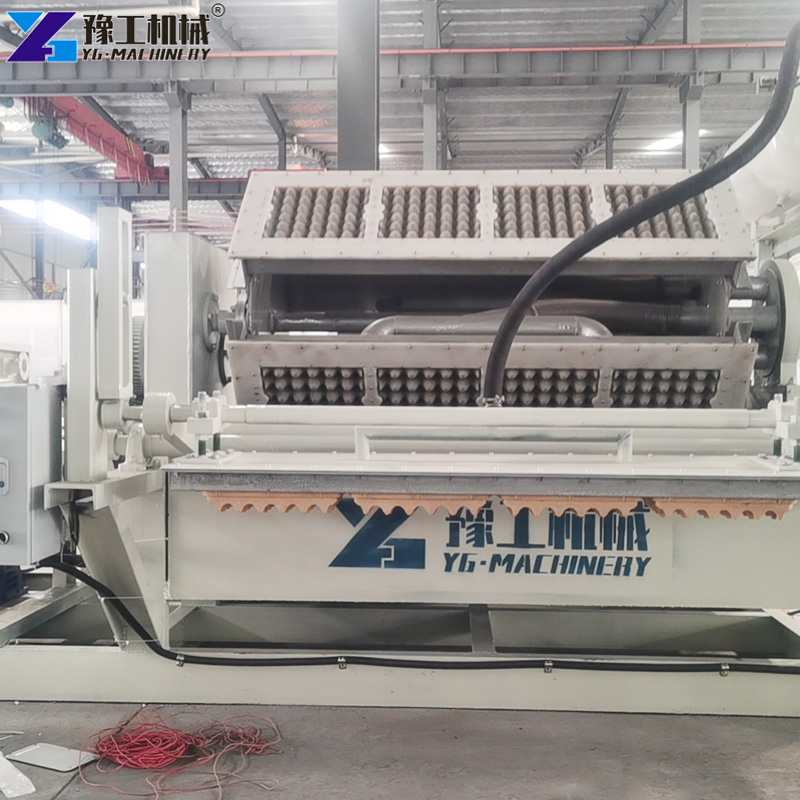
Compared with manual or semi-automatic solutions, this line reduces downtime, supports multiple tray formats, and maintains hygiene standards. Precision in tray molding is critical for both protection of eggs and customer satisfaction. The machine ensures uniform pulp distribution, accurate tray dimensions, and optimal thickness. Typical production features include:
- Automated pulp feeding
- Hydraulic forming system
- Adjustable tray sizes
- Integrated drying lines (natural, brick, single-layer, multi-layer)
- Efficient energy usage
- Low maintenance requirements
YG Machinery’s machines are engineered to handle continuous production with minimal operator intervention.
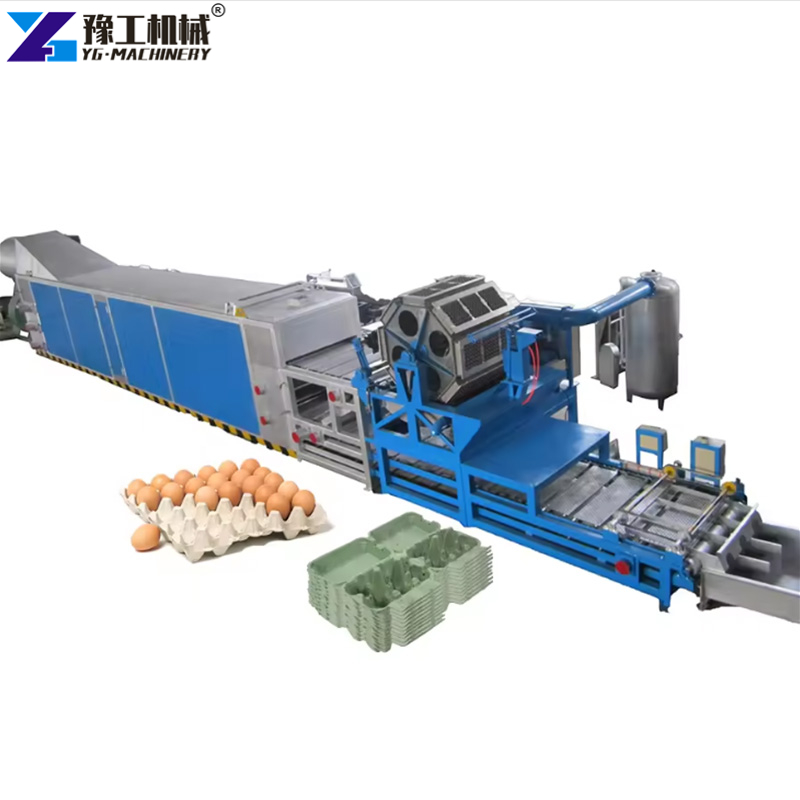
Egg Carton Machine Optimized For Various Outputs
Different businesses have varying production targets. Models are designed to scale according to demand.
Production capacities include:
| Production Line Model | Output (pcs/h) | Hydraulic Pulper | Egg Tray Machine | Natural Drying | Brick Drying Line | Single-layer Metal Drying Line | Multi-layer Metal Drying Line |
|---|---|---|---|---|---|---|---|
| YGDT3×1-1000 | 1000 | ZDS1 (1 m³) | DTF3×1 | √ | √ | √ | √ |
| YGDT4×1-1500 | 1500 | ZDS1 (1 m³) | DTF4×1 | √ | √ | √ | √ |
| YGDT3×4-2000 | 2000 | ZDS1 (1 m³) | DT3×4 | √ | √ | √ | √ |
| YGDT4×4-2500 | 2500 | ZDS2 (2 m³) | DT4×4 | √ | √ | √ | √ |
| YGDT3×8-3000 | 3000 | ZDS2 (2 m³) | DT3×8 | — | √ | √ | √ |
| YGDT4×8-4000 | 4000 | ZDS4 (4 m³) | DT4×8 | — | √ | √ | √ |
| YGDT5×8-5000 | 5000 | ZDS4 (4 m³) | DT5×8 | — | √ | √ | √ |
| YGDT5×12-6000 | 6000 | ZDS6 (6 m³) | DT5×12 | — | √ | √ | √ |
| YGDT6×8-7000 | 6000–7000 | ZDS6 (6 m³) | DT6×8 | — | √ | √ | √ |
These models accommodate natural drying, brick drying, single-layer, and multi-layer metal drying lines, allowing customization based on energy resources and production volume.
Egg Tray Machine Applications Across Industries
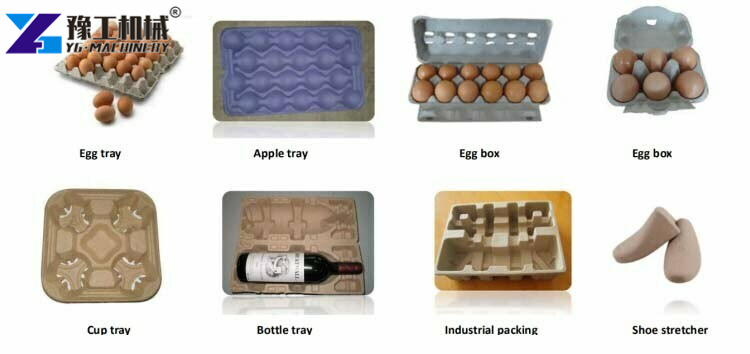
Egg tray lines are not limited to egg packaging; their versatility allows adaptation for other pulp molding products.
Applications include:
- Egg Farms: Produce standard and customized egg trays for commercial distribution.
- Food Packaging Plants: Trays and cartons for fresh produce, bakery items, or dairy.
- Industrial Packaging: Pulp packaging for electronics, glassware, and fragile products.
- Recycling Facilities: Use recycled paper for sustainable tray production.
The system supports multiple tray designs, sizes, and mold types.
How Egg Tray Production Line Improves Efficiency
Automation and integration enhance workflow efficiency:
- Reduced manual labor and repetitive tasks
- Continuous molding and drying cycles
- Lower energy consumption with optimized drying
- Faster transition between tray sizes or mold types
- Better quality control and product consistency
- Higher overall output per operator
Businesses benefit from higher throughput and lower operational costs.
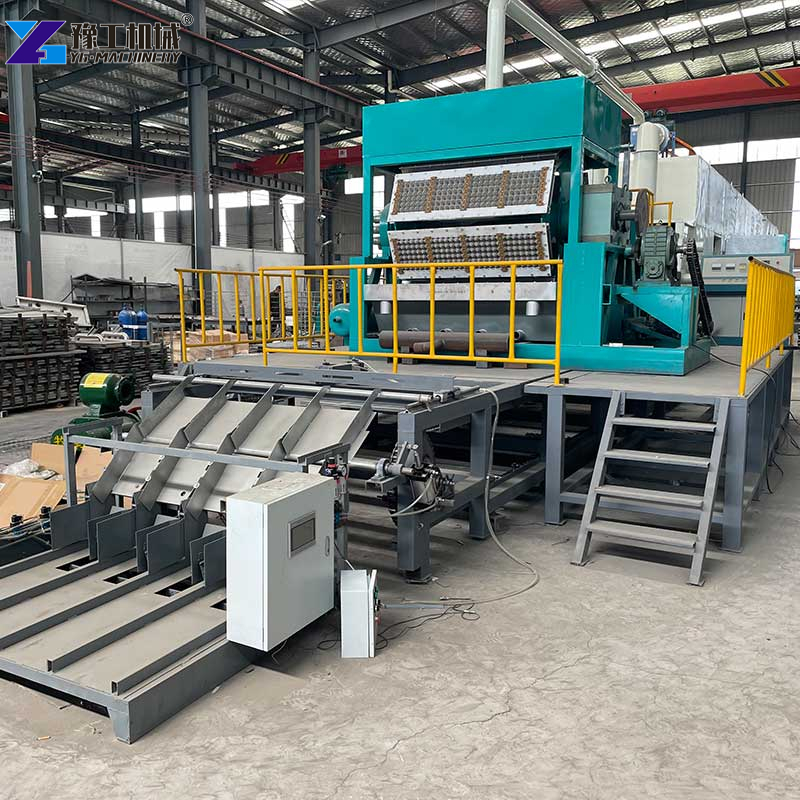
Egg Tray Production Line Technical Specifications
| Model | Drying Method | Capacity (pcs/h) | Paper Consumption (kg/h) | Water Consumption (kg/h) | Installed Power (kW) |
|---|---|---|---|---|---|
| YGDT3×1-1000 | Natural Drying | 1000 | 85 | 255 | 23.6 |
| YGDT4×1-1500 | Natural Drying | 1500 | 102 | 306 | 27.3 |
| YGDT3×4-2000 | Natural Drying | 2000 | 170 | 510 | 32.6 |
| YGDT4×4-2500 | Natural Drying | 2500 | 212 | 636 | 34.2 |
Drying Line Models
| Model | Drying Method | Installed Power (kW) | Coal (kg/h) | Natural Gas (m³/h) | Diesel (kg/h) | LPG (kg/h) |
|---|---|---|---|---|---|---|
| YGDT3×1-1000T | Brick Drying Line | 36.1 | 50 | 22–32 | 18–28 | 18–28 |
| YGDT3×1-1000J1 | Single-Layer Metal Drying Line | 36.1 | — | 22–32 | 18–28 | 18–28 |
| YGDT3×1-1000J6 | Multi-Layer Metal Drying Line | 36.1 | — | 22–32 | 18–28 | 18–28 |
| YGDT4×1-1500T | Brick Drying Line | 38.6 | 60 | 26–36 | 22–32 | 22–32 |
| YGDT4×1-1500J1 | Single-Layer Metal Drying Line | 38.6 | — | 26–36 | 22–32 | 22–32 |
| YGDT4×1-1500J6 | Multi-Layer Metal Drying Line | 38.6 | — | 26–36 | 22–32 | 22–32 |
| YGDT3×4-2000T | Brick Drying Line | 45.3 | 83 | 37–47 | 30–40 | 30–40 |
| YGDT3×4-2000J1 | Single-Layer Metal Drying Line | 45.3 | — | 37–47 | 30–40 | 30–40 |
| YGDT3×4-2000J6 | Multi-Layer Metal Drying Line | 45.3 | — | 37–47 | 30–40 | 30–40 |
| YGDT4×4-2500T | Brick Drying Line | 46.8 | 104 | 46–56 | 38–48 | 38–48 |
| YGDT4×4-2500J1 | Single-Layer Metal Drying Line | 46.8 | — | 46–56 | 38–48 | 38–48 |
| YGDT4×4-2500J6 | Multi-Layer Metal Drying Line | 46.8 | — | 46–56 | 38–48 | 38–48 |
| YGDT3×8-3000T | Brick Drying Line | 88.9 | 125 | 56–66 | 46–56 | 46–56 |
| YGDT3×8-3000J1 | Single-Layer Metal Drying Line | 88.9 | — | 56–66 | 46–56 | 46–56 |
| YGDT3×8-3000J6 | Multi-Layer Metal Drying Line | 88.9 | — | 56–66 | 46–56 | 46–56 |
| YGDT4×8-4000T | Brick Drying Line | 91.0 | 160 | 67–77 | 55–65 | 55–65 |
| YGDT4×8-4000J1 | Single-Layer Metal Drying Line | 91.0 | — | 67–77 | 55–65 | 55–65 |
| YGDT4×8-4000J6 | Multi-Layer Metal Drying Line | 91.0 | — | 67–77 | 55–65 | 55–65 |
| YGDT5×8-5000T | Brick Drying Line | 100.0 | 185 | 82–92 | 67–77 | 67–77 |
| YGDT5×8-5000J1 | Single-Layer Metal Drying Line | 100.0 | — | 82–92 | 67–77 | 67–77 |
| YGDT5×8-5000J6 | Multi-Layer Metal Drying Line | 100.0 | — | 82–92 | 67–77 | 67–77 |
| YGDT5×12-6000T | Brick Drying Line | 105.0 | 208 | 92–103 | 77–87 | 77–87 |
| YGDT5×12-6000J1 | Single-Layer Metal Drying Line | 105.0 | — | 92–103 | 77–87 | 77–87 |
| YGDT5×12-6000J6 | Multi-Layer Metal Drying Line | 105.0 | — | 92–103 | 77–87 | 77–87 |
Notes
- All data are calculated based on an average egg tray weight of 100 g per piece.
- The above figures are based on 100% waste paper pulp.
- When 20–30% stone powder is added, actual paper consumption may decrease to approximately 70–80% of the values shown above.
- Contact us for customized production line configurations and detailed operating cost calculations.
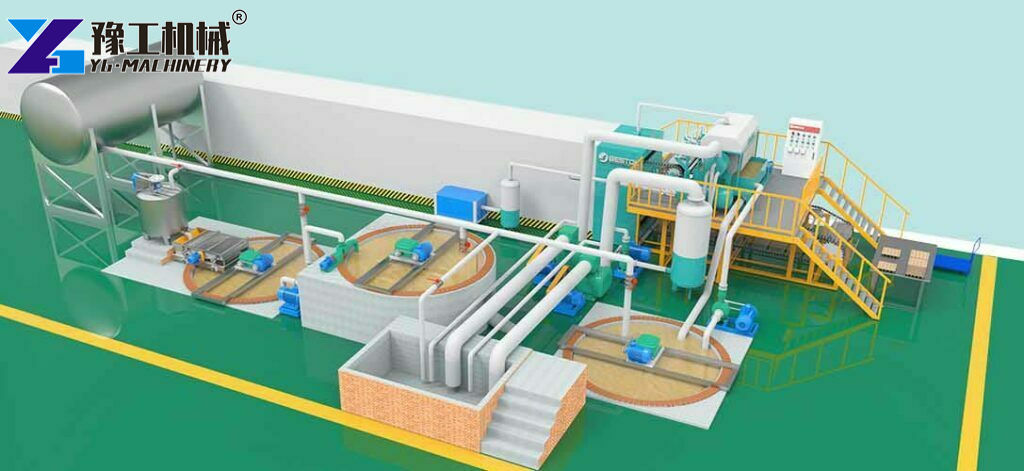
Egg Tray Production Line Working Process
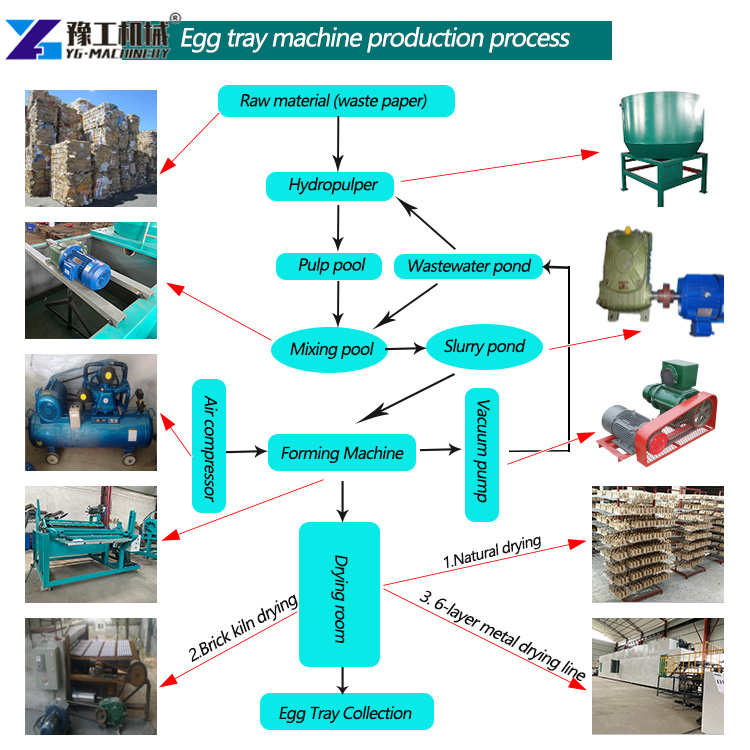
The egg tray production line operates through a complete automated workflow that converts waste paper into finished egg trays efficiently and consistently.
1. Pulping System
Waste paper, cartons, newspapers, and other recycled materials are mixed with water in the hydraulic pulper. The pulping system breaks down the raw materials into uniform pulp and transfers it to storage and mixing tanks for further processing.
2. Pulp Supply System
The system adjusts the prepared pulp to the required concentration and delivers it to the forming machine through pumps and pipelines. This process maintains a stable pulp flow and helps produce consistent, high-quality egg trays throughout production.
3. Forming System
The system uses vacuum forming to shape the pulp on customized molds and produce wet egg trays. During the molding process, the equipment removes excess water and recirculates it back into the system, reducing water consumption and improving overall efficiency.
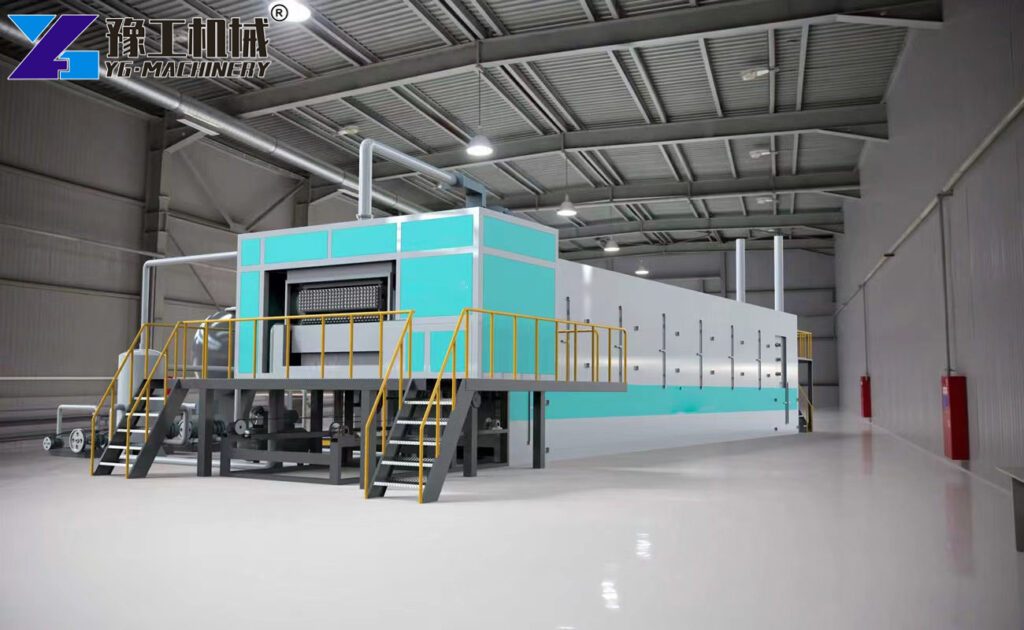
4. Drying System
The wet trays are transferred to the drying section. Customers can choose from several drying methods according to production capacity and budget:
- Natural drying
- Brick drying line
- Single-layer metal drying line
- Multilayer metal drying line
The drying process removes moisture and strengthens the trays for transportation and storage.
5. Hot Pressing And Packaging
After drying, trays can be hot-pressed if a smoother surface or improved appearance is required. The finished products are then counted, stacked, and packaged for sale or shipment.
This streamlined production process enables continuous operation, stable output, low labor requirements, and high-quality egg tray manufacturing.
Choosing The Right Egg Tray Production Line
Considerations for selecting a production line:
Production Capacity
- Evaluate daily output requirements
- Match line model to expected growth
- Consider multi-shift operation
Drying Method
- Natural vs. brick vs. metal lines
- Energy costs and availability
- Environmental regulations
Raw Material Source
- Recycled or virgin paper
- Moisture content and fiber quality
- Supply consistency
Floor Space
- Available area for installation
- Material handling logistics
- Worker movement and safety
Budget
- Balance upfront cost with operational efficiency
- Consider long-term energy consumption
- Account for maintenance and spare parts
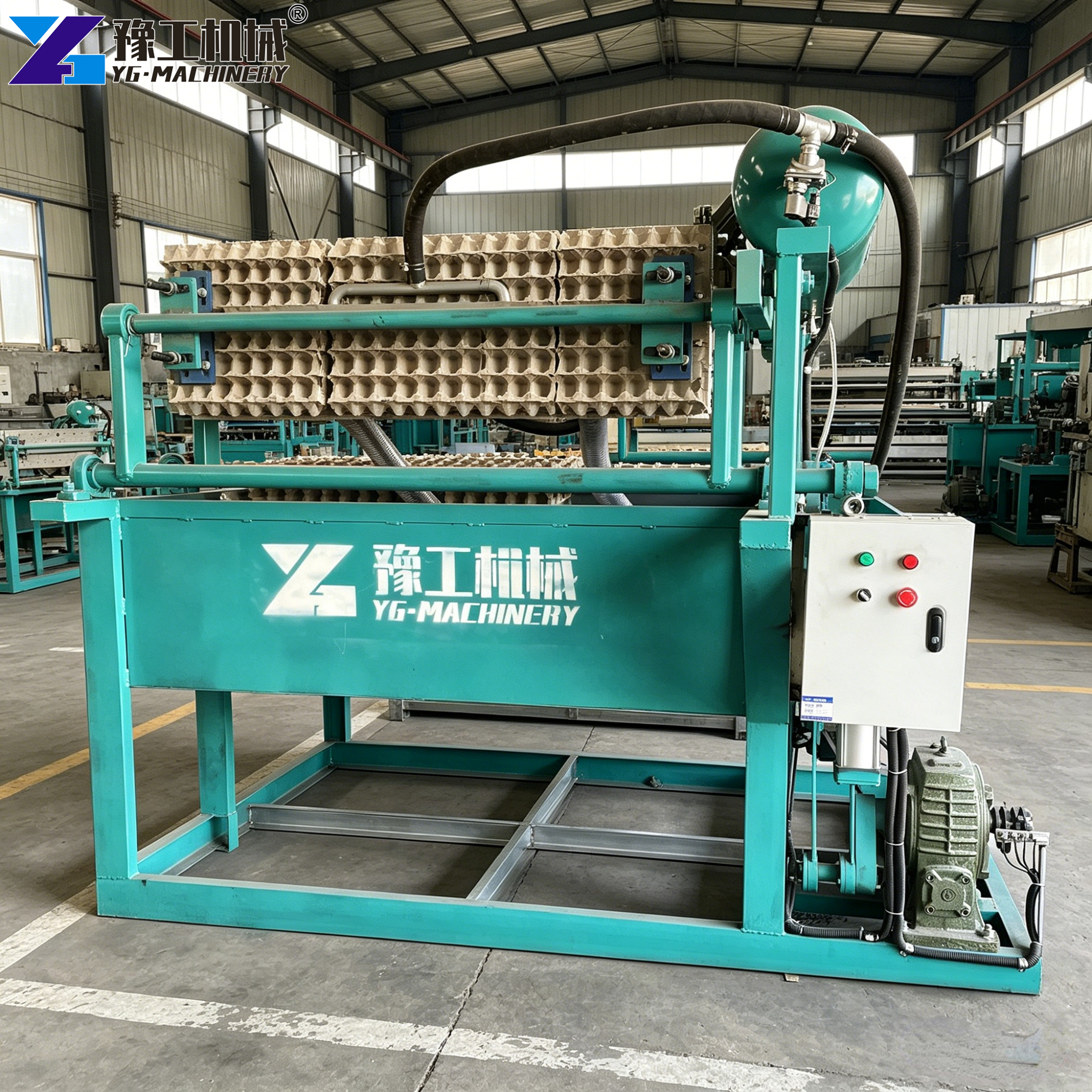
Request A Quote
To start egg tray production, contact YG Machinery for:
- Factory-direct pricing
- Professional consultation
- Custom line design
- Shipping arrangements
- Spare parts and maintenance plans
Provide your daily output targets and tray specifications for a detailed proposal.
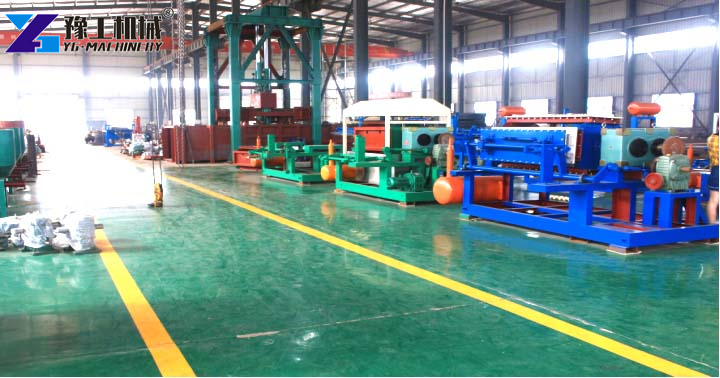
FAQs About Egg Tray Machine
Recycled paper, cardboard, or pulp with optional stone powder for enhanced tray strength.
Yes. The machine supports mold customization to produce small, medium, or large trays.
Natural drying, brick drying, single-layer metal, and multi-layer metal lines.
Depends on the line model and drying method; ranges from 50 kW to 1272 kW.
Yes. Additional drying layers, hydraulic pulpers, and automated conveyors are available.
Yes. Models support outputs from 1000 to 7000 trays per hour.
Typically 2–4 weeks depending on line complexity and factory preparation.