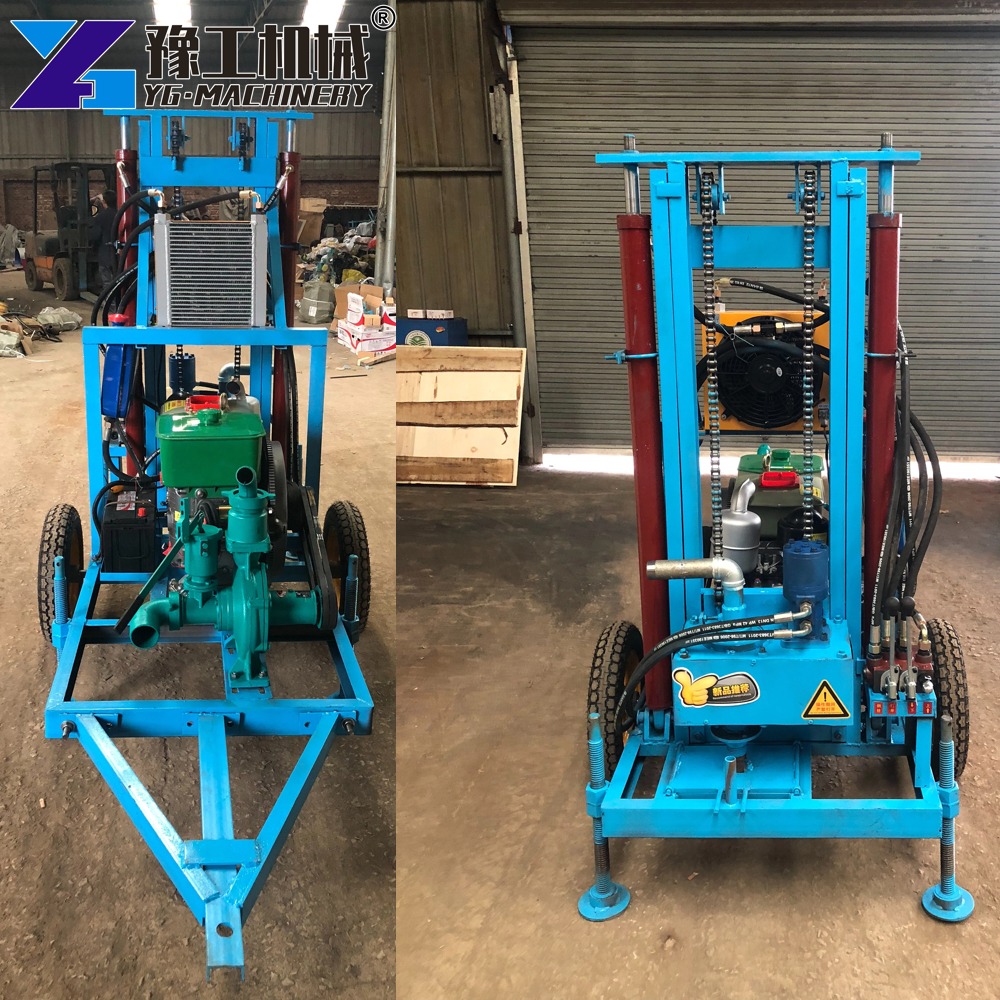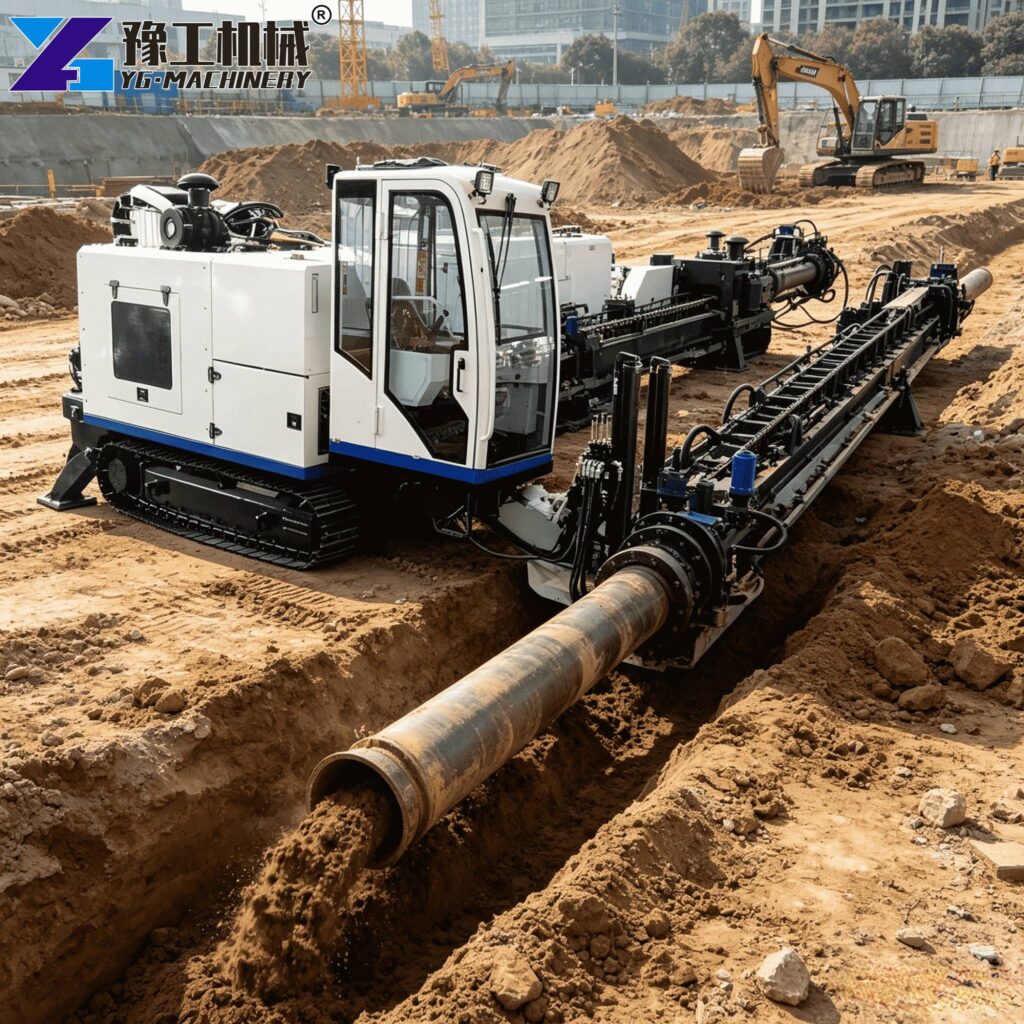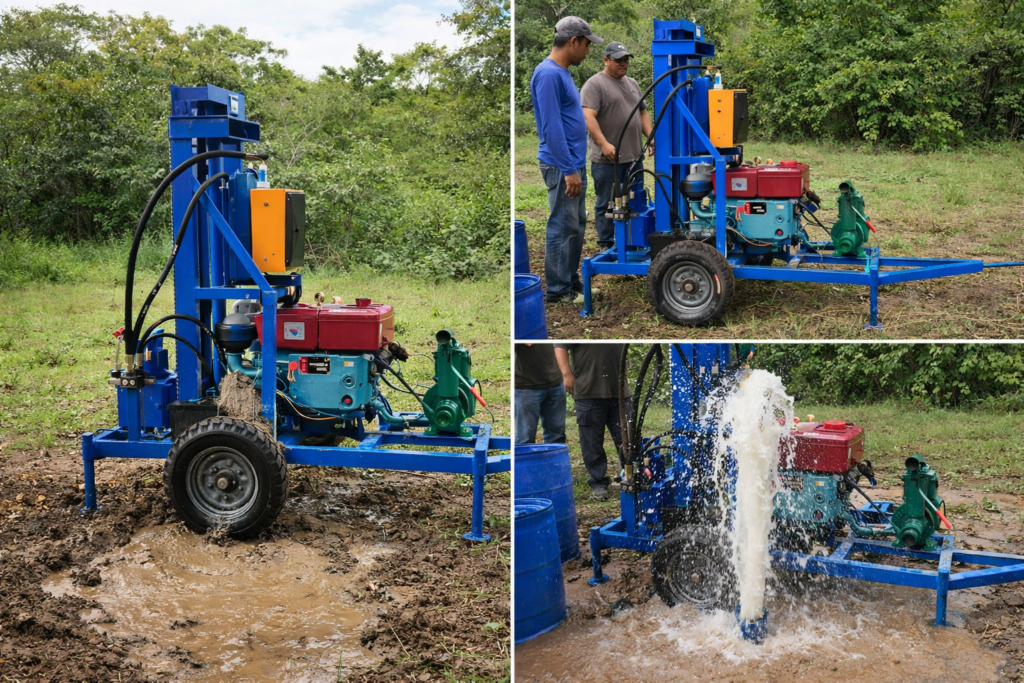
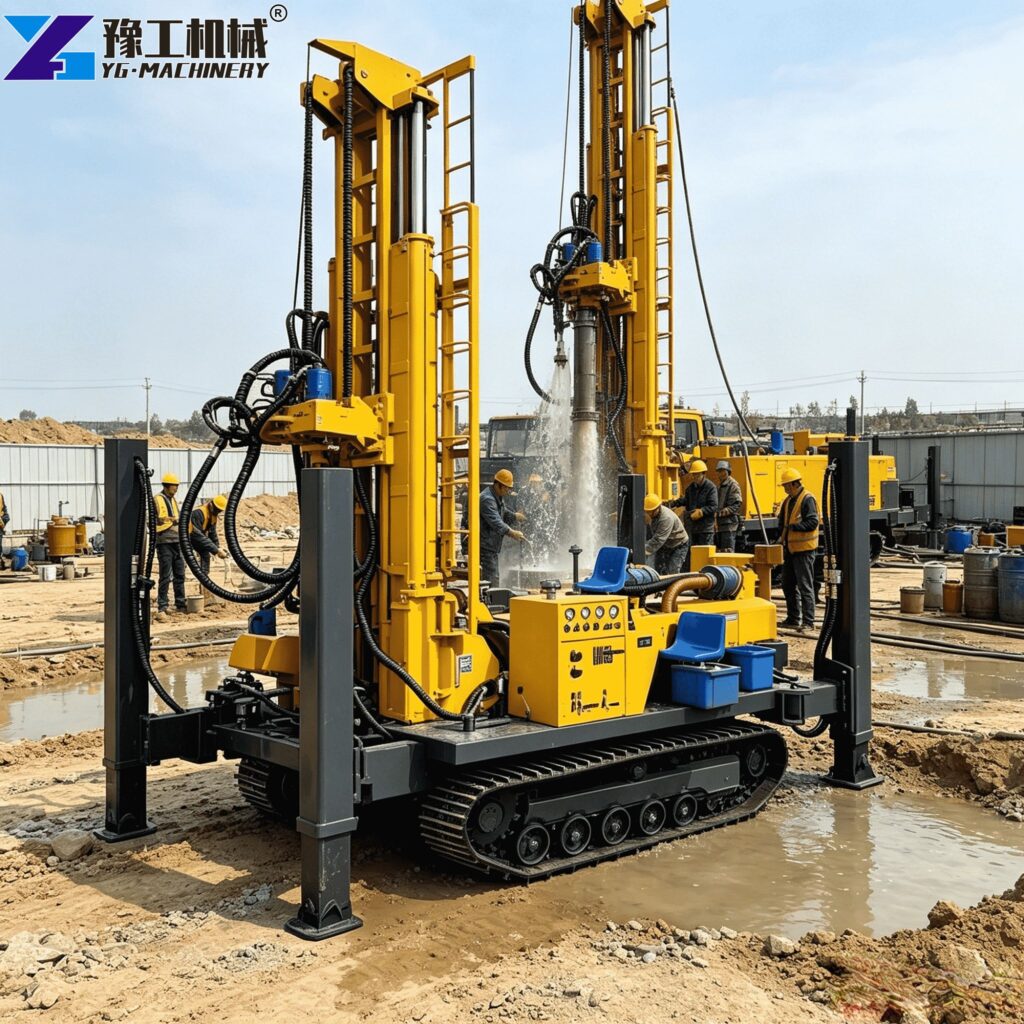

A large-scale groundwater exploration project in Colombia required stable drilling performance in mixed soil and fractured rock layers. Local contractors faced repeated problems with low penetration speed, unstable air pressure, and frequent equipment overheating. To solve these issues, YG Machinery provided a complete pneumatic water well drilling solution designed for high-efficiency deep drilling in complex terrain.
The client’s goal was simple but demanding: reach stable water sources at depths between 200–600 meters while keeping operational costs under control. Traditional rigs struggled with inconsistent airflow and limited torque output. This caused delays, increased fuel consumption, and high maintenance downtime.
The pneumatic water drilling machine system was selected after technical evaluation because it combines high-pressure air power with crawler mobility, allowing stable drilling even in harsh geological formations.
📌 Project at a Glance
| Parameter / Item | Project Details |
| Project Location | Colombia (South America) |
| Application | Deep groundwater exploration in mixed soil & hard rock layers |
| Target Drilling Depth | 200m – 600m |
| Selected Equipment | YG-400 Pneumatic Crawler Water Well Drilling Rig |
| Key Features | High-pressure air DTH drilling, 92kW power, 1.7–3.5MPa air pressure |
| Operational Impact | +42% Drilling Efficiency | -28% Fuel & Air Consumption | -35% Downtime |
Customer Pain Points Before Using Pneumatic Water Well Drilling Equipment
Before upgrading, the Colombian contractor used a mixed fleet of older pneumatic crawler drill units and basic rotary rigs. These machines were unable to maintain consistent performance in hard rock layers.
Main problems included:
- Unstable drilling speed in fractured rock
- High air consumption without efficiency gain
- Frequent drill pipe jamming
- Limited depth capability under 300m
- High maintenance frequency in remote zones
The contractor also compared different suppliers and checked crawler drill machine price options, but most low-cost rigs lacked durability for long-term deep drilling projects.
At this stage, YG Machinery recommended a full upgrade to the pneumatic water drilling machine system using the YG series models optimized for high-pressure air drilling.
Technical Advantages Behind Pneumatic Water Well Drilling Performance
The working principle of this system is based on compressed air energy transfer. High-pressure air drives the hammer and rotary system simultaneously, allowing fast rock fragmentation and efficient cuttings removal.
Compared with an air track drill rig, this system offers better pressure stability and deeper penetration capability. It also performs more efficiently than basic rotary systems in hard rock formations.
Key working process:
- Compressor generates stable high-pressure airflow
- Down-the-hole hammer converts air energy into impact force
- Rotary head ensures directional stability
- Crawler system maintains balance on uneven terrain
Compared with conventional crawler drill machine price-focused low-end rigs, the YG system prioritizes long-term durability and torque stability instead of only upfront cost.
The system also integrates optimized airflow channels, reducing energy loss during deep drilling operations.
Field Deployment Using Pneumatic Crawler Drill Configuration
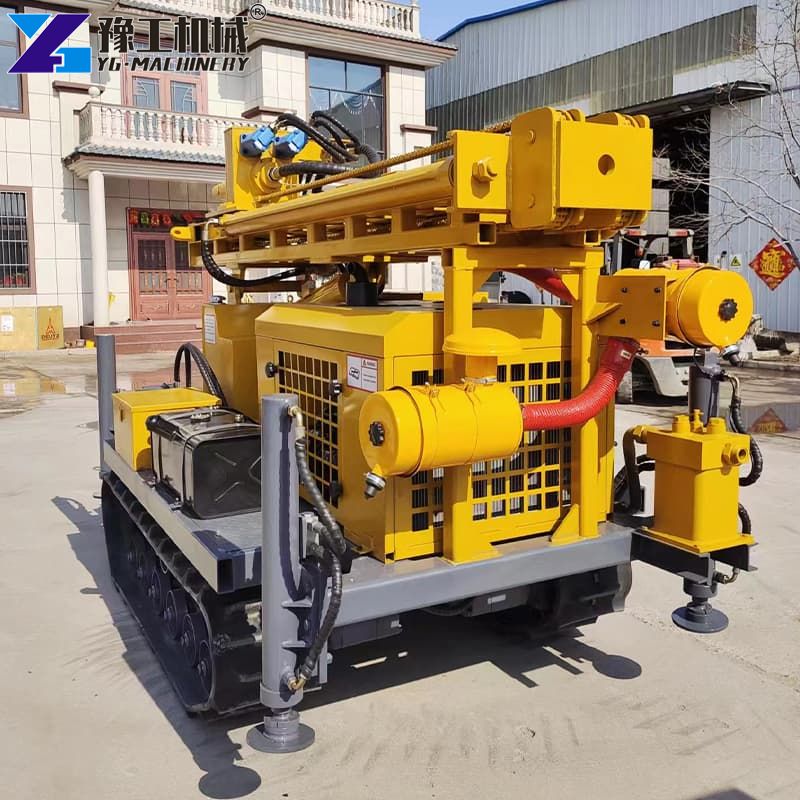
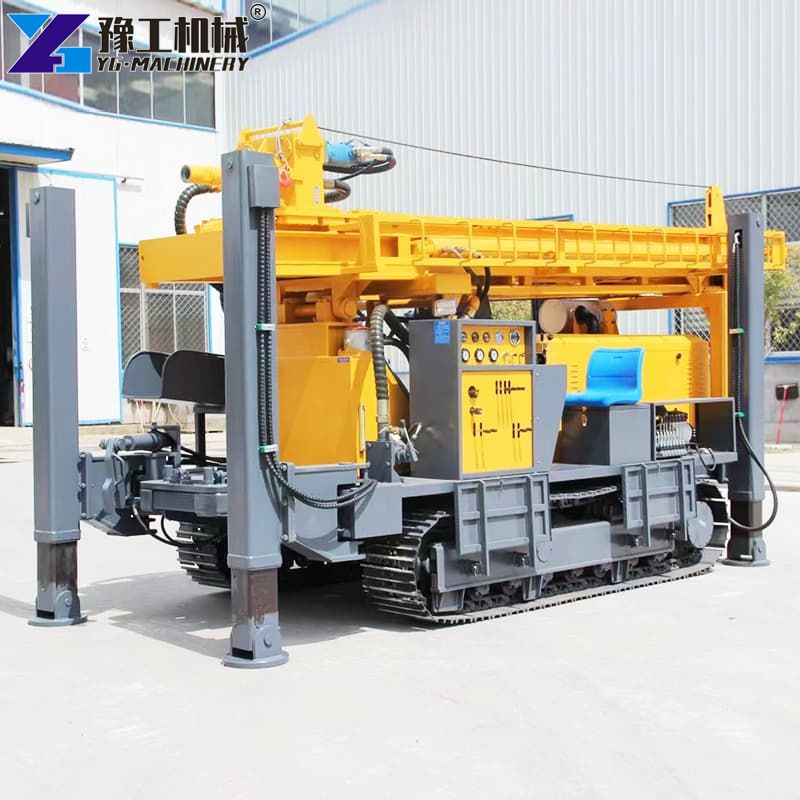
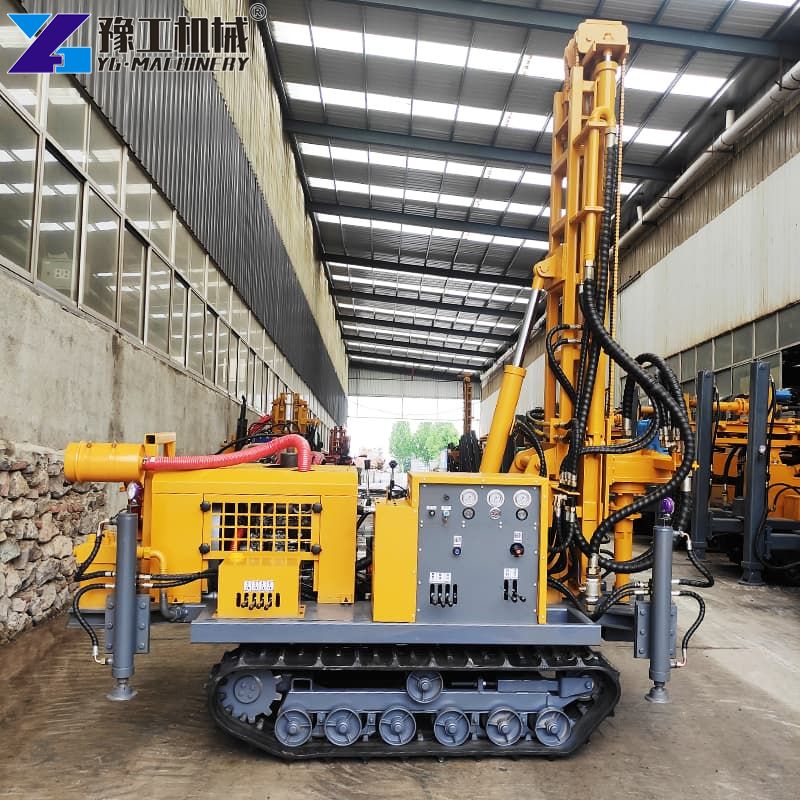
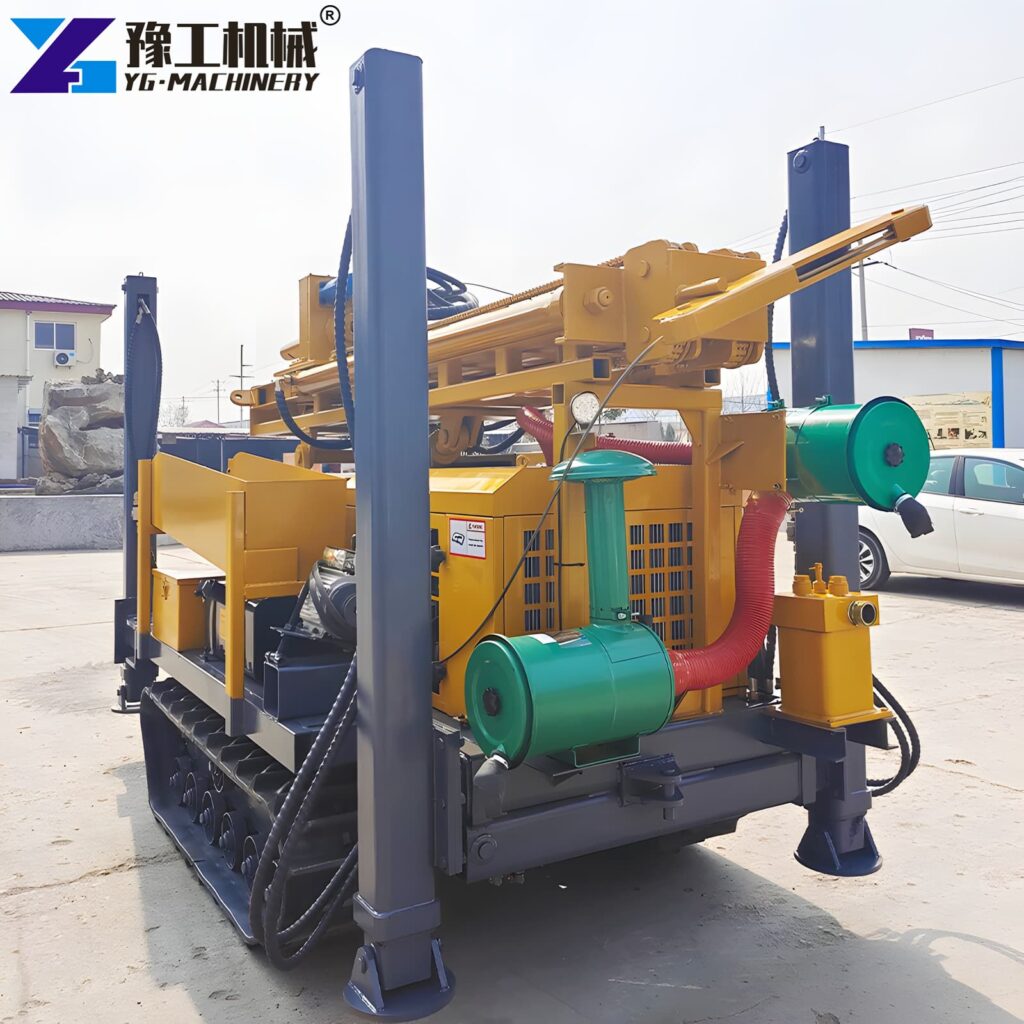
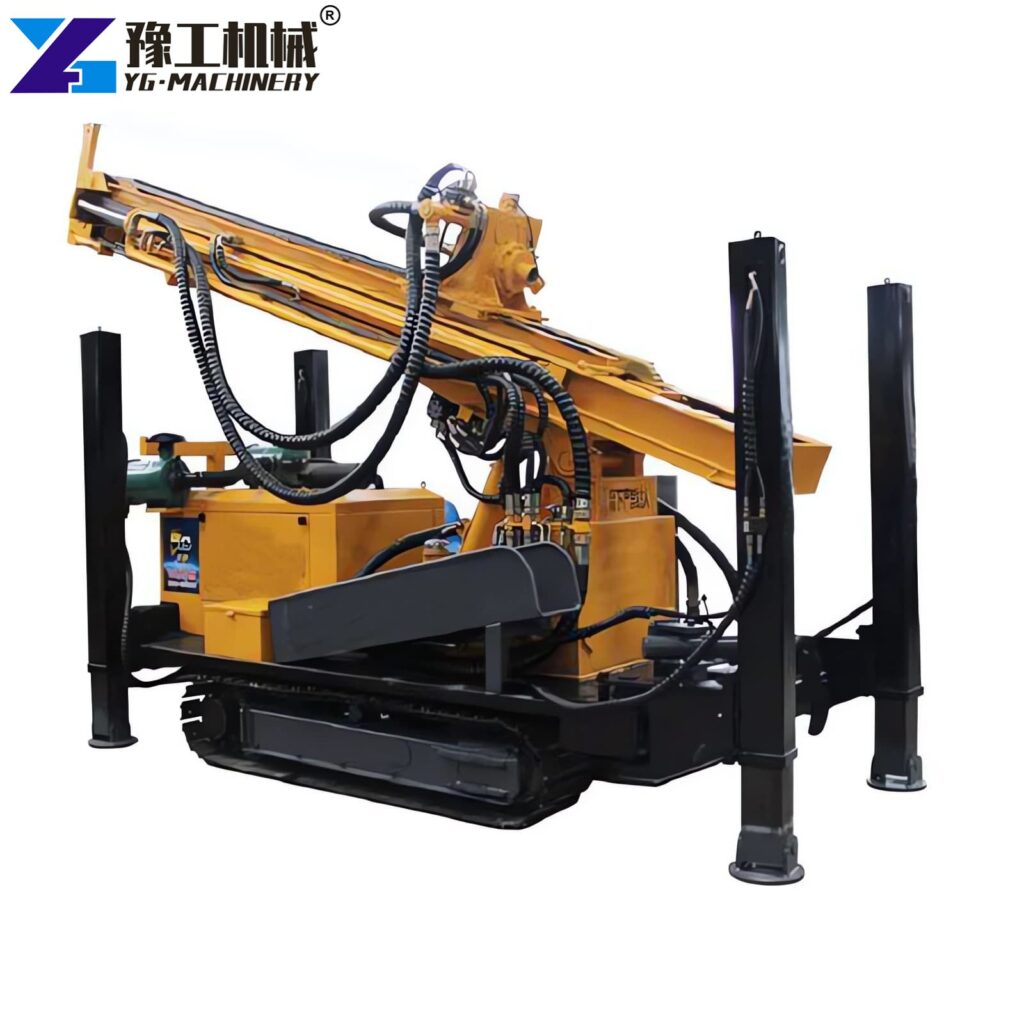
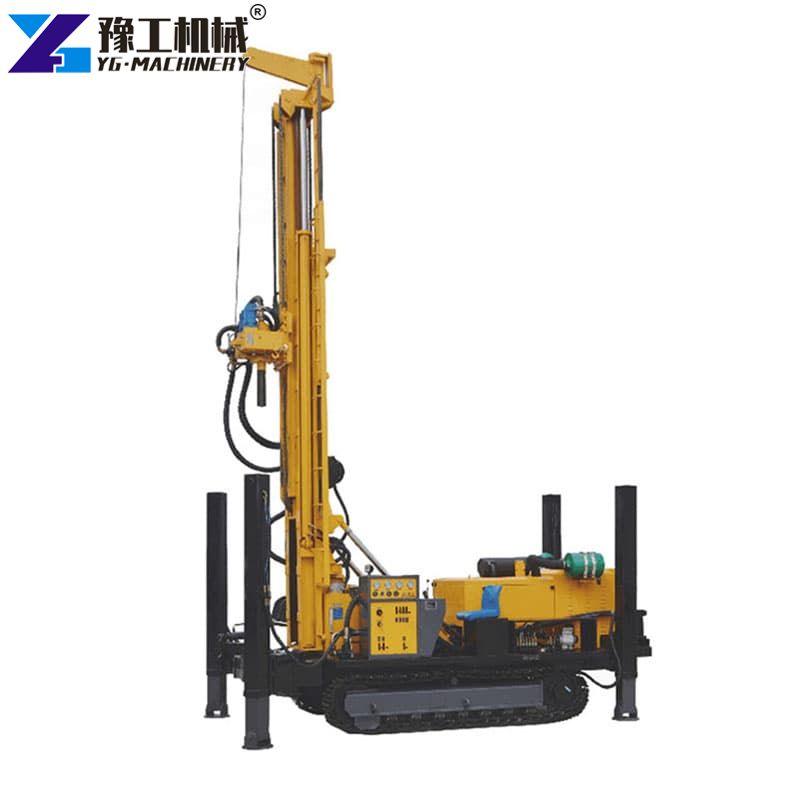
For this project, the client selected a configuration similar to the YG-400 model due to its balance between depth and mobility.
The pneumatic crawler drill structure provided several operational advantages:
- Strong traction on muddy and rocky terrain
- Stable movement on slopes up to 30°
- Fast repositioning between drilling points
- Reduced setup time per borehole
This crawler design significantly improved field efficiency, especially in remote Colombian mountain zones where road access is limited.
Operators reported that the machine maintained stable drilling even when encountering sudden rock hardness changes, which previously caused equipment vibration and hole deviation.
Challenges During Implementation of Pneumatic Water Well Drilling System
During early deployment, the project faced several real-world challenges:
1. Air Pressure Fluctuation in Remote Areas
The compressor supply was unstable in some locations. Engineers adjusted the system pressure range to maintain consistent drilling force between 1.7–3.5MPa.
2. Mixed Geological Layers
Soft clay layers followed by hard basalt required frequent parameter adjustment. The system was recalibrated to optimize swing torque performance.
3. Operator Training Gap
Local operators were familiar with older rigs. YG Machinery provided on-site training to improve handling of hydraulic controls and air system monitoring.
The combination of technical support and machine adaptability ensured stable operation within the first week of deployment.
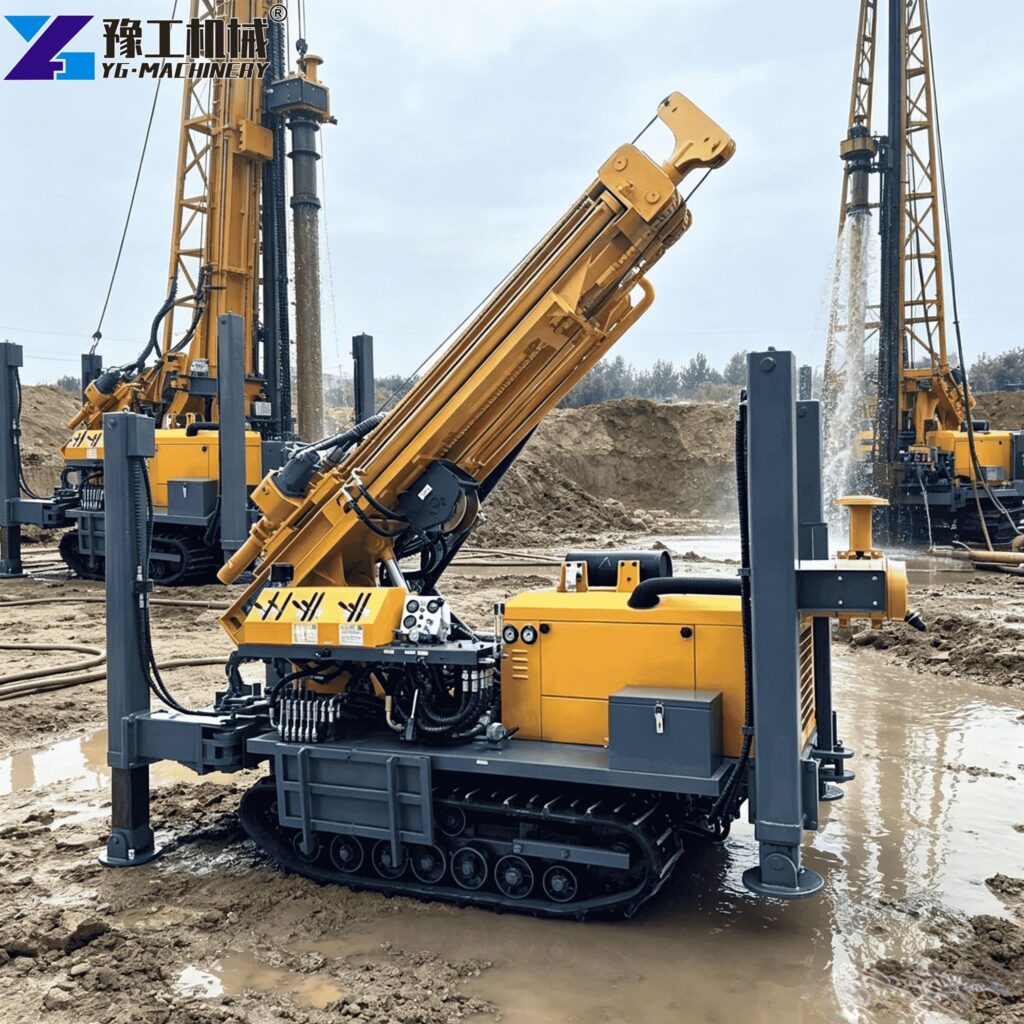
Measurable Results After Using Air Track Drill Rig
After 30 days of continuous operation, performance data showed significant improvements:
- Drilling efficiency increased by 42%
- Fuel and air consumption reduced by 28%
- Average drilling depth reached 500–600m stable range
- Equipment downtime reduced by 35%
- Hole deviation rate significantly lowered
The pneumatic water drilling machine system demonstrated strong performance stability even under continuous heavy-duty drilling cycles.
The YG series models used in similar operations include:
- YG-180: 180m depth, 55kW
- YG-300: 300m depth, 84kW
- YG-600: 600m depth, 115kW
These specifications allow flexible selection based on geological depth requirements.
Engineering Support from YG Machinery During the Project
YG Machinery provided full lifecycle support during the project, including installation guidance, parameter tuning, and operator training.
Support services included:
- On-site commissioning assistance
- Air system calibration guidance
- Spare parts supply planning
- Remote technical troubleshooting
This ensured that the pneumatic water drilling machine system could operate continuously without unexpected downtime.
The client also received optimized drilling strategy recommendations based on geological feedback collected during the first operation phase.
YG Pneumatic Water Well Drilling Rig Series
Explore the full product configuration and technical parameters.
| Model | YG-180 | YG–200 | YG–300 | YG–300A | YG–400 (Selected Model for Colombia Project) | YG–600 |
|---|---|---|---|---|---|---|
| Drilling hole diameter | 140–254mm | 140–305mm | 140–325mm | 140–325mm | 140–350mm | 140–350mm |
| Drilling depth | 180m | 200m | 300m | 300m | 400m | 600m |
| One-time advance length | 3.4m | 3.4m | 6.6m | 3.4m | 6.6m | 6.6m |
| Walking speed | 2.5km/h | 2.5km/h | 2.5km/h | 2.5km/h | 2.5km/h | 2.5km/h |
| Climbing angle | 30° | 30° | 30° | 30° | 30° | 30° |
| Engine power | 55kW | 65–70kW | 84kW | 75.8kW | 92kW | 115kW |
| Air pressure | 1.7–2.5MPa | 1.7–3.0MPa | 1.7–3.3MPa | 1.7–3.0MPa | 1.7–3.5MPa | 1.7–3.5MPa |
| Air consumption | 17–31m³/min | 17–30m³/min | 17–35m³/min | 17–35m³/min | 17–35m³/min | 17–35m³/min |
| Drill pipe length | 1.5–3.0m | 1.5–3.0m | 1.5–6.0m | 1.5–3.0m | 1.5–6.0m | 1.5–6.0m |
| Swing torque | 3200–4600 N.m | 3500–4800 N.m | 6200–8500 N.m | 5700–7500 N.m | 6500–9000 N.m | 8500–11000 N.m |
| Weight | 4500kg | 5800kg | 9000kg | 7000kg | 10000kg | 12000kg |
Compare Models and Get a Quote
Long-Term Value of Air Track Drill Rig Technology in Colombia
After project completion, the contractor expanded operations into nearby regions using the same system. The reliability of the equipment allowed them to reduce dependence on third-party maintenance services.
Compared with previous rigs, the new system offered:
- Longer service life under high-load conditions
- More stable torque in deep drilling
- Lower operational cost per meter drilled
- Better adaptability to remote environments
The combination of pneumatic power and crawler mobility proved highly effective for South American geological conditions.
Ready to Boost Your Drilling Efficiency?
Looking for a reliable, high-performance water well drilling rig for your next project? Whether you are dealing with complex rock formations, hard geological layers, or challenging terrain, YG Machinery provides tailored pneumatic drilling solutions to meet your exact depth and torque requirements.
Contact our engineering team today to get expert technical advice, custom product configurations, and an exclusive free quote!
Facing similar hard rock or deep drilling challenges in South America? Get a free custom solution and factory price quote within 8 hours!