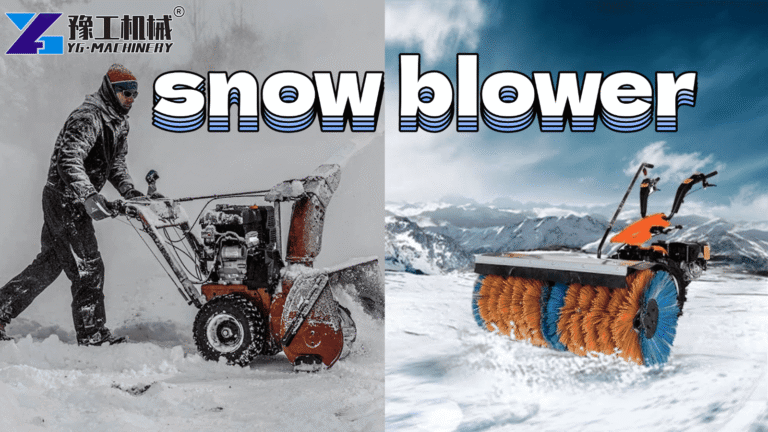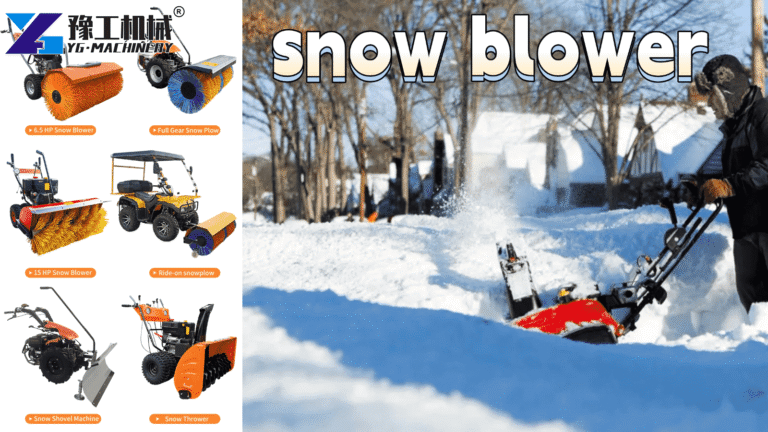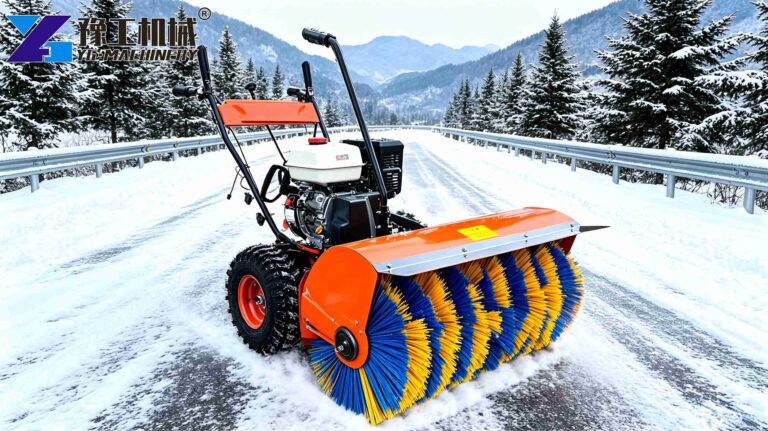
Winter snow can quickly turn driveways, sidewalks, parking lots, and commercial properties into difficult and unsafe areas. Whether you are a homeowner, contractor, municipality, or property management company, investing in the right small snow blower can save hours of manual labor while improving safety and efficiency.
This complete buying guide explains everything you need to know before purchasing a small snow blower. You’ll learn about different machine types, key specifications, pricing, maintenance, and how to choose the best model for your needs. By the end of this guide, you’ll have the knowledge to confidently select a machine that delivers reliable performance throughout the winter season.
Start Your Project with the Right Equipment
What Is a Small Snow Blower?
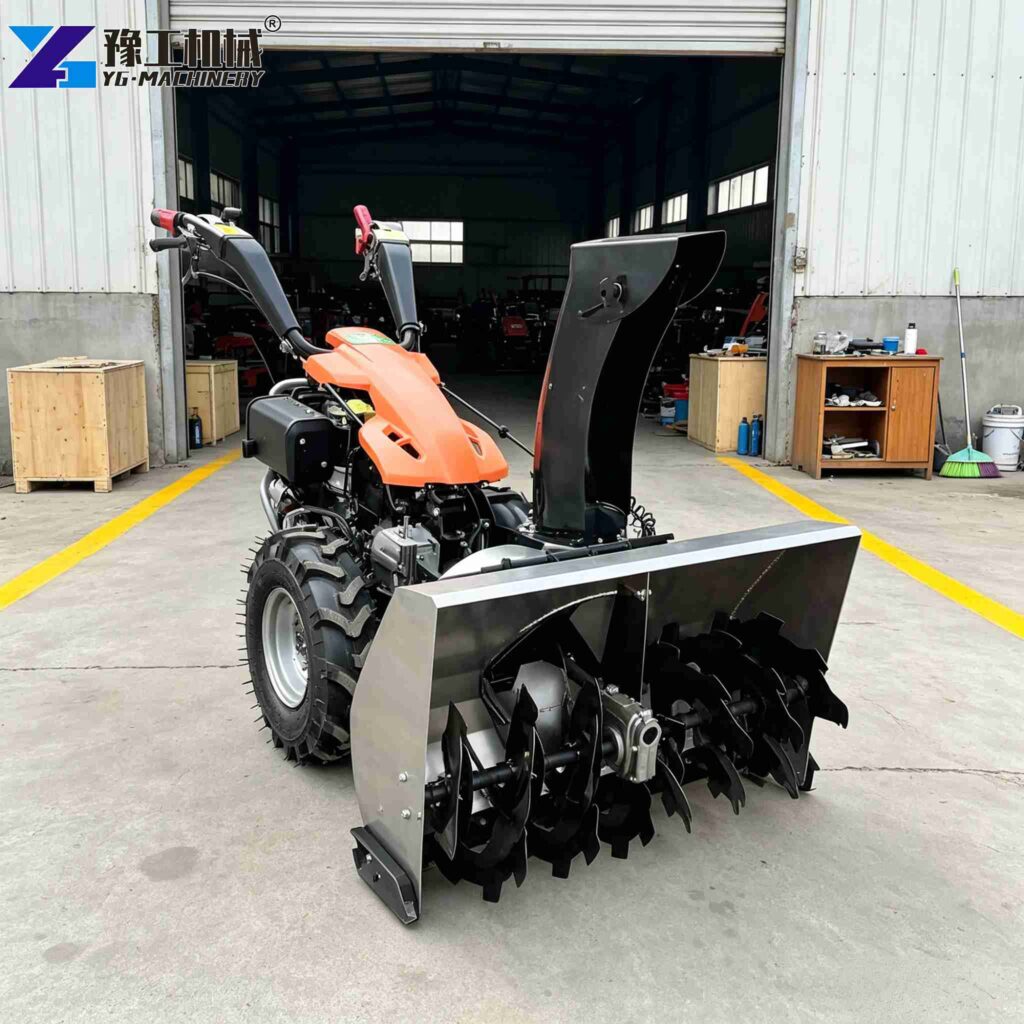
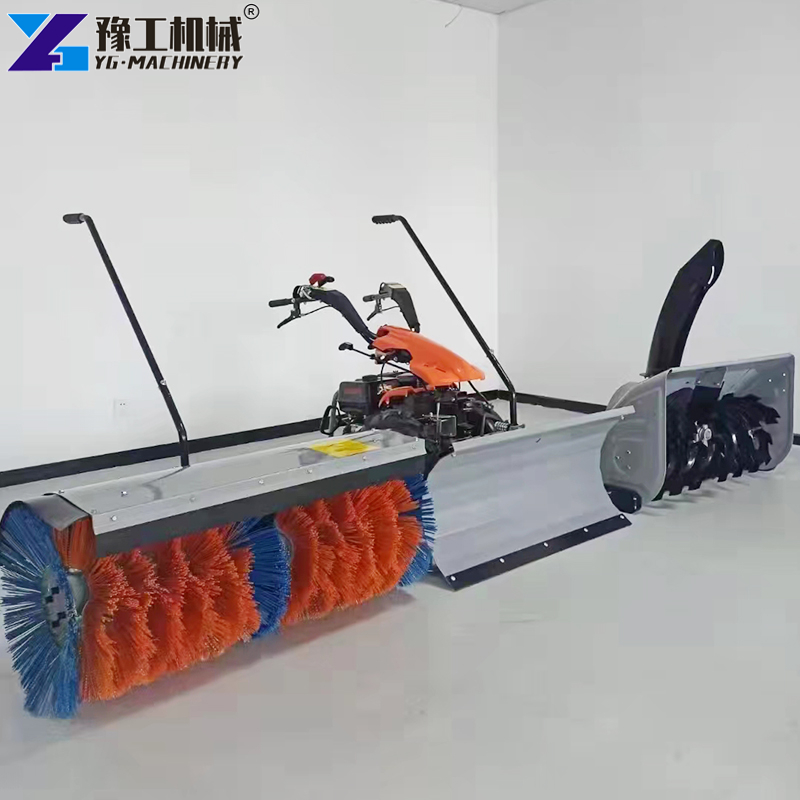
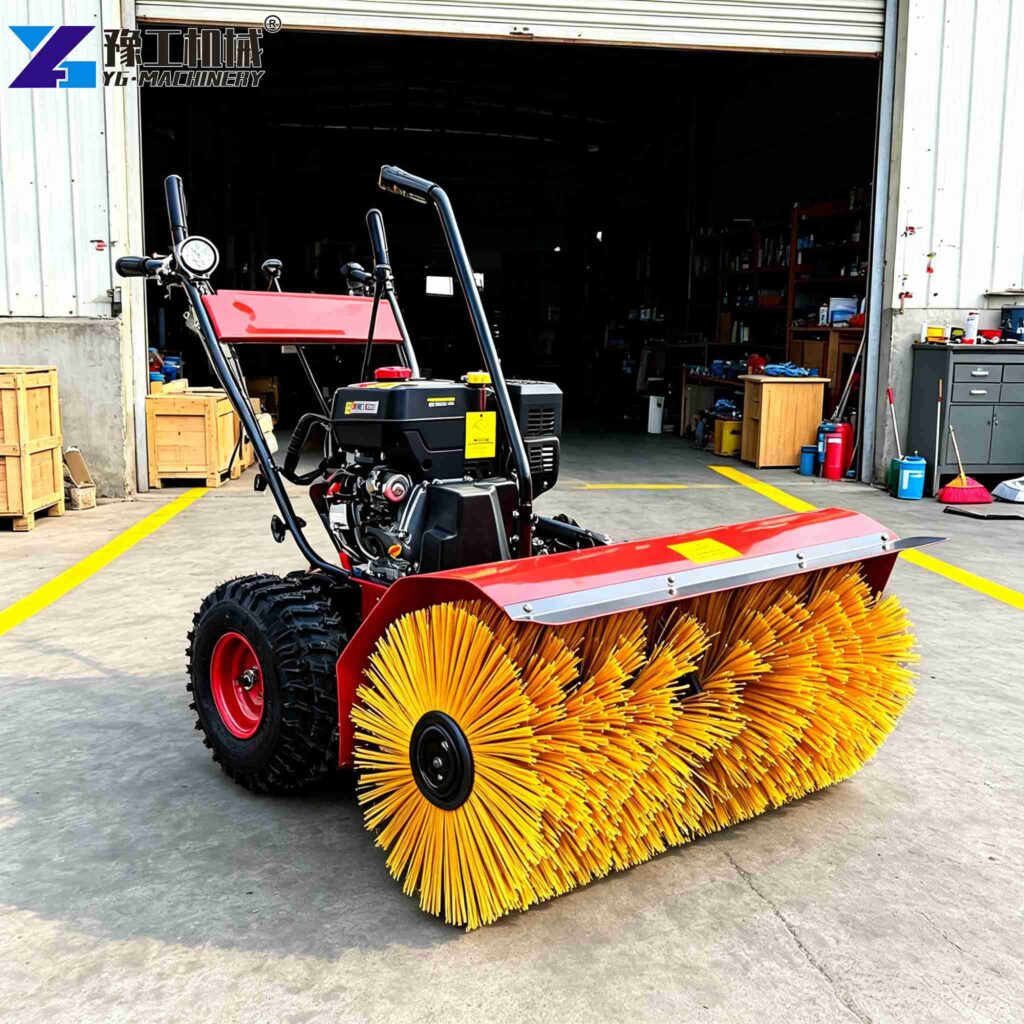
A small snow blower is a compact machine designed to remove snow from relatively small or medium-sized areas. Unlike large municipal snow removal equipment, small snow blowers are lightweight, easy to operate, and suitable for residential or light commercial applications.
Most compact snow blowers can efficiently clear:
- Residential driveways
- Sidewalks
- Walkways
- Small parking lots
- School entrances
- Hotel pathways
- Office building entrances
- Warehouse loading zones
Compared with manual snow shoveling, a snow blower significantly reduces physical effort while clearing snow much faster.
Why Choose a Small Snow Blower Instead of Manual Shoveling?
Many property owners still rely on snow shovels, but there are several reasons why upgrading to a compact snow blower is a better long-term investment.
Save Time
A snow blower can clear an average driveway in just a few minutes. What might take an hour with a shovel can often be completed in less than 15 minutes.
Reduce Physical Strain
Manual shoveling can place heavy stress on the back, shoulders, and knees. A powered snow blower minimizes physical effort and helps reduce the risk of injury.
Improve Safety
Snow-covered surfaces become slippery quickly. Faster snow removal helps reduce accidents for pedestrians and vehicles.
Handle Heavy Snow More Easily
Wet, packed snow can be extremely difficult to shovel manually. A quality snow blower easily breaks up and throws dense snow.
Increase Productivity
For contractors and maintenance companies, efficient snow removal means serving more customers in less time.
Boost Productivity—Get a Free Quote
Types of Small Snow Blowers
Understanding the different machine types is the first step toward choosing the right equipment.
Single-Stage Snow Blower
Single-stage snow blowers use one rotating auger to collect and throw snow.
Advantages
- Lightweight
- Affordable
- Easy to store
- Ideal for fresh snowfall
- Easy to maneuver
Best For
- Residential homes
- Sidewalks
- Light snowfall
- Snow depths under 20 cm (8 inches)
Two-Stage Snow Blower
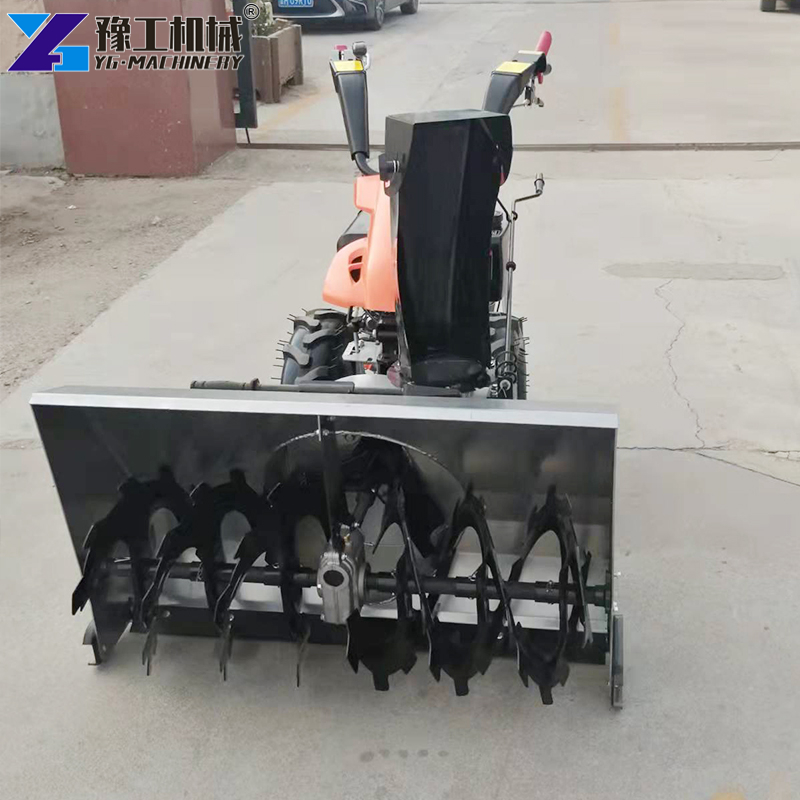
A two-stage snow blower uses an auger to gather snow and a high-speed impeller to throw it farther.
Advantages
- Higher power
- Greater throwing distance
- Better for wet snow
- Handles deeper snowfall
Best For
- Large driveways
- Commercial properties
- Heavy snowfall
- Frequent winter storms
Electric Snow Blower
Electric models are becoming increasingly popular.
Benefits
- Low noise
- Zero emissions
- Easy maintenance
- Instant startup
- Lower operating costs
Suitable For
- Residential users
- Areas with moderate snowfall
- Eco-conscious buyers
Gas-Powered Snow Blower
Gasoline-powered snow blowers remain the preferred choice for demanding applications.
Benefits
- Strong engine performance
- Long operating time
- No power cord
- Excellent mobility
Suitable For
- Contractors
- Commercial snow removal
- Heavy snowfall regions
Single-Stage vs. Two-Stage Small Snow Blower
Choosing between these two machine types depends on snowfall depth, working area, and budget.
| Feature | Single-Stage | Two-Stage |
|---|---|---|
| Snow Depth | Up to 20 cm | Over 20 cm |
| Power | Light to Moderate | Heavy Duty |
| Throwing Distance | 5–8 m | 10–15 m |
| Drive System | Push | Self-Propelled Available |
| Weight | Lighter | Heavier |
| Maintenance | Easier | Moderate |
| Best For | Homes | Commercial & Large Properties |
| Price | Lower | Higher |
If you only clear a residential driveway after light snowfall, a single-stage model is often sufficient. However, for frequent storms or commercial use, investing in a two-stage machine usually provides better long-term value.
Compare Models and Get a Quote
How Does a Small Snow Blower Work?
A snow blower removes snow through a simple yet effective process:
- The auger rotates to collect snow from the ground.
- The snow is directed into the machine.
- On two-stage models, an impeller accelerates the snow.
- The discharge chute throws the snow safely away from the cleared area.
- The operator adjusts the chute direction to control where the snow lands.
This process allows a compact snow clearing machine to remove snow quickly while reducing manual effort.
Who Should Buy a Small Snow Blower?
A small snow blower is suitable for a wide range of users, including:
- Homeowners with driveways or walkways
- Property management companies
- Hotels and resorts
- Schools and universities
- Warehouses
- Shopping centers
- Municipal maintenance departments
- Snow removal contractors
Because these machines are compact, easy to transport, and simple to operate, they provide an efficient solution for routine winter maintenance.
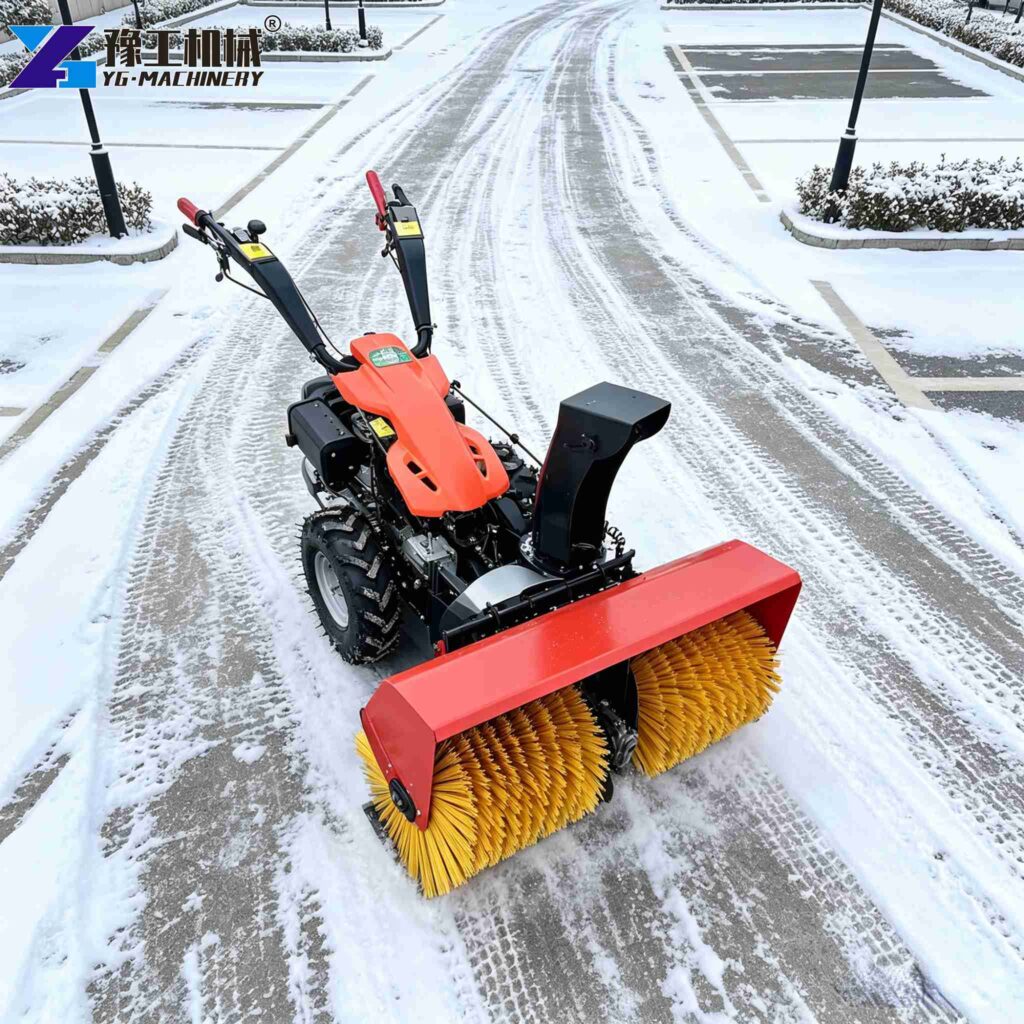
Key Features to Consider Before Buying
Not every small snow blower is the same. Here are the most important specifications buyers should compare.
Clearing Width
The clearing width determines how much snow can be removed in one pass.
Typical widths include:
| Clearing Width | Best Application |
|---|---|
| 18–20 inches | Small sidewalks |
| 21–24 inches | Residential driveways |
| 24–28 inches | Large driveways |
| 28+ inches | Commercial properties |
A wider clearing width increases productivity but also adds weight and cost.
Clearing Height
The intake height determines how deep a snow layer the machine can handle.
Typical ranges:
- 20 cm
- 30 cm
- 40 cm
- 50 cm
If your area experiences heavy snowfall, choose a model with a larger intake height.
Throwing Distance
A quality snow blower should throw snow far enough to prevent repeated clearing.
Typical throwing distances range from:
- 6 meters
- 8 meters
- 10 meters
- 15 meters
Longer throwing distances are especially useful for large open spaces.
Engine Power
Engine size directly affects snow-clearing performance.
Common engine options include:
- 5 HP
- 6.5 HP
- 7 HP
- 9 HP
- 13 HP
Higher horsepower is recommended for wet, heavy snow.
Drive System
There are two main drive options.
Push Snow Blower
The operator manually pushes the machine.
Advantages:
- Lower price
- Lightweight
- Easier storage
Best for residential use.
Self-Propelled Snow Blower
Powered wheels move the machine automatically.
Advantages:
- Less operator fatigue
- Easier on slopes
- Better traction
- Suitable for heavy snow
Adjustable Chute
An adjustable discharge chute allows users to quickly control snow-throwing direction.
Modern machines often feature:
- 180° rotation
- 200° rotation
- 270° rotation
- Remote chute adjustment
Tire or Track Drive
Wheels
- Faster movement
- Better on flat surfaces
Tracks
- Superior grip
- Better climbing ability
- Ideal for steep slopes
Find the Right Model for Your Project
How to Choose the Right Small Snow Blower
Selecting the right machine depends on your specific working conditions.
For Homeowners
Recommended features:
- Single-stage
- Electric or small gasoline engine
- 20–24 inch clearing width
- Lightweight design
Ideal for:
- Driveways
- Walkways
- Sidewalks
For Commercial Properties
Recommended features:
- Two-stage
- Self-propelled
- Larger engine
- Longer throwing distance
Ideal for:
- Parking lots
- Hotels
- Warehouses
- Shopping centers
For Snow Removal Contractors
Contractors should prioritize:
- High durability
- Commercial-grade engines
- Wide clearing width
- Easy maintenance
- Reliable spare parts availability
Common Mistakes When Buying a Snow Blower
Purchasing the wrong small snow blower can lead to poor performance, unnecessary expenses, and frustration during winter. Here are some common mistakes to avoid.
Choosing Based Only on Price
A low-cost machine may save money initially but could struggle with heavy snowfall or require frequent repairs.
Underestimating Snowfall
Many buyers choose a single-stage machine when local snowfall requires a two-stage model.
Ignoring Property Size
A compact machine is ideal for a short driveway but may be inefficient for large parking areas or commercial properties.
Forgetting After-Sales Support
Reliable technical support and spare parts availability are essential for keeping equipment running throughout the winter season.
Buying More Machine Than Necessary
A commercial-grade model is not always the best choice. Selecting equipment that matches your actual workload helps control both purchase and maintenance costs.
Small Snow Blower Price Guide
Several factors influence pricing.
These include:
- Engine size
- Machine type
- Clearing width
- Drive system
- Build quality
- Brand reputation
Typical price ranges are:
| Machine Type | Estimated Price |
|---|---|
| Electric Snow Blower | US$200–600 |
| Small Gas Snow Blower | US$500–1,200 |
| Self-Propelled Snow Blower | US$1,000–2,500 |
| Commercial Snow Blower | US$2,500+ |
Rather than choosing the lowest-priced option, buyers should evaluate long-term value, reliability, and maintenance costs.
Maintenance Tips for Longer Service Life
Routine maintenance helps extend the life of your snow blower.
Before each season:
- Inspect belts and augers.
- Check engine oil (gas models).
- Lubricate moving parts.
- Tighten loose bolts.
- Inspect scraper blades.
- Test all controls.
After every use:
- Remove snow and ice buildup.
- Dry the machine before storage.
- Empty fuel if storing for long periods.
- Store in a clean, dry location.
Regular maintenance reduces unexpected breakdowns and keeps the machine operating efficiently.
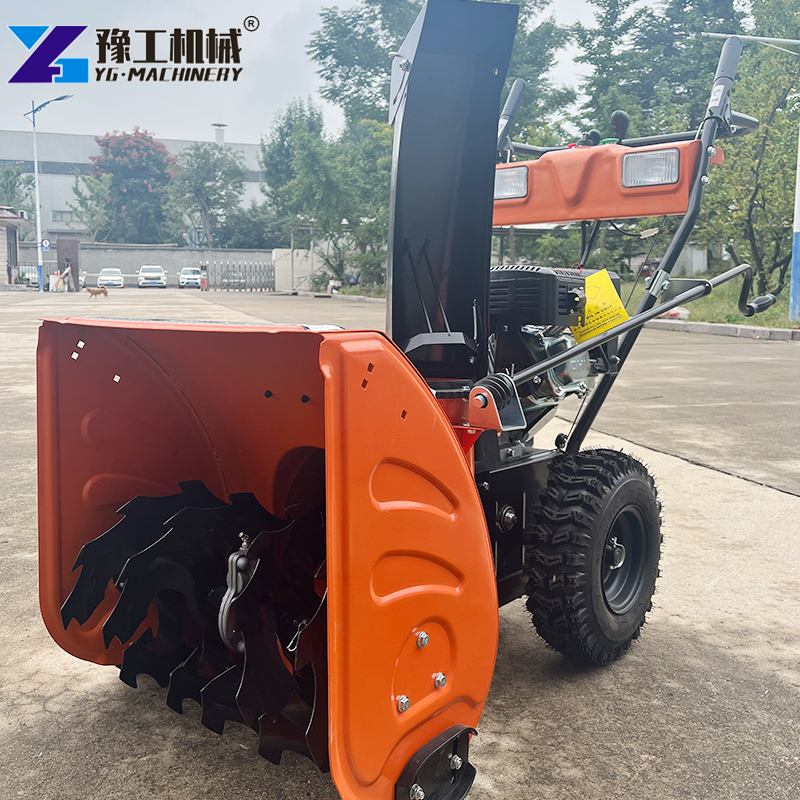
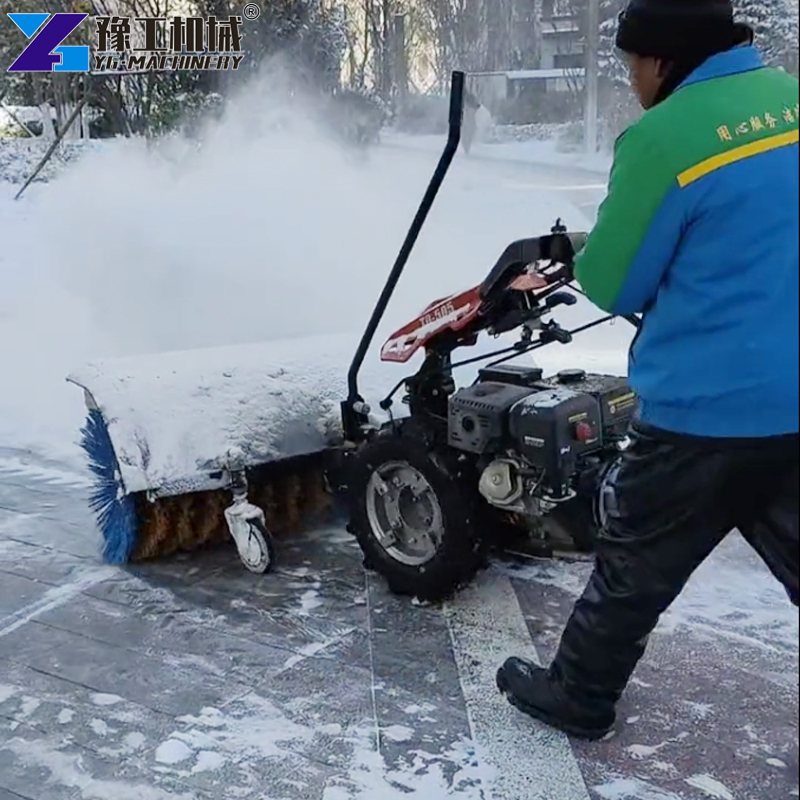
Why Choose YG Machinery for Your Small Snow Blower?
Choosing the right supplier is just as important as choosing the right machine. A dependable manufacturer can provide consistent product quality, responsive technical support, and reliable spare parts throughout the equipment’s service life.
YG Machinery specializes in manufacturing and exporting construction and municipal equipment to customers in more than 100 countries. With years of industry experience and a professional engineering team, we provide practical snow removal solutions for distributors, contractors, municipalities, and equipment rental companies.
When you choose YG Machinery, you benefit from:
- Factory-direct pricing with competitive costs
- Multiple small snow blower models for different snow conditions
- Durable components designed for long service life
- Easy operation and maintenance
- Fast spare parts supply
- Professional technical support before and after delivery
- Worldwide shipping and export experience
- OEM and customization services for distributors
Whether you need a compact residential snow blower or a more powerful machine for commercial winter maintenance, our team can recommend the most suitable solution based on your local climate, working environment, and budget.e or a heavy-duty solution for commercial snow removal, our experienced team can help you choose the right model.
Why More Businesses Are Investing in Compact Snow Removal Equipment
As labor costs continue to rise, many property management companies, municipalities, and contractors are replacing manual snow shoveling with compact snow removal equipment.
Compared with traditional methods, a small snow blower offers several long-term advantages:
- Lower labor costs
- Faster snow removal
- Improved workplace safety
- Higher operating efficiency
- Better customer satisfaction
- Reduced physical strain on workers
- Lower equipment operating costs than large snowplows
For businesses responsible for maintaining sidewalks, parking areas, schools, hotels, hospitals, or residential communities, investing in a compact snow blower can deliver an excellent return on investment over multiple winter seasons.
Frequently Asked Questions
The ideal size depends on your snowfall and the area you need to clear. For most residential driveways, a 20–24 inch clearing width is sufficient. Larger properties or regions with frequent heavy snowfall may benefit from a 24–28 inch or larger model.
Yes, electric snow blowers work well for light to moderate snowfall and residential use. For deeper or wet snow, a gas-powered model generally provides more power and longer runtime.
Yes, but performance depends on the machine. Two-stage gas-powered models are better suited for heavy, wet, or compacted snow than single-stage or lower-powered units.
Most compact models throw snow between 6 and 15 meters, depending on engine power, snow conditions, and the design of the impeller and discharge chute.
Inspect the machine before each winter season and perform basic cleaning after every use. Regular maintenance, such as checking belts, lubricating moving parts, and servicing the engine, helps extend equipment life.
Yes, many two-stage snow blowers can be adjusted to work on gravel surfaces by raising the skid shoes. This helps prevent the auger from picking up stones while clearing snow.
A single-stage snow blower uses one auger to collect and discharge snow, making it suitable for light snowfall and paved surfaces. A two-stage model uses both an auger and an impeller, allowing it to handle deeper, heavier snow and larger areas more efficiently.
Request a Quote for a Small Snow Blower
Choosing the right snow blower means considering snowfall conditions, working area, engine power, and operating efficiency. A well-matched machine will save time, reduce labor, and provide dependable performance throughout the winter season.
If you’re looking for a reliable small snow blower for residential, commercial, or municipal use, YG Machinery can provide professional recommendations and factory-direct solutions. Contact our team today to receive product specifications, pricing, and expert guidance tailored to your project.