A warehouse construction company in the UK faced a problem that affected its profitability and reputation. They had won a contract to build a 15,000 m² distribution center for a major logistics company. The specification required floor flatness of FF45 and levelness of FL35. These are demanding tolerances for industrial floors.
The company had always used traditional screeding methods—vibrating beams, wet screeds, and manual finishing. These methods worked for smaller projects. But for a 15,000m² warehouse with tight flatness requirements, they knew manual methods would struggle. The risk of rework was high. The labor cost would be high.
The project manager needed a different approach. He needed a concrete laser screed that could place large volumes of concrete quickly and achieve the required flatness. He needed a machine that would reduce labor costs and improve productivity.
This article tells his real story. You will see the challenges he faced, how he chose YG’s laser screed machine, and what results he achieved.
Start Your Project with the Right Equipment
A UK Contractor Facing a High-Stakes Warehouse Project
The customer operates a construction company based in the Midlands. The company has been building warehouses, factories, and distribution centers for 15 years. They employ 60 people and run projects across the UK.
Before buying from YG, the company relied on traditional screeding methods. They used vibrating beams and manual finishing tools. These methods worked for smaller floors but required large crews and were labor-intensive.
The warehouse project required placing 1,800 m³ of concrete across 15,000 m². The floor had to meet FF45/FL35 specifications. The project timeline was tight—12 weeks for the entire building.
The project manager had three main requirements for a new screeding system. First, the equipment is needed to place concrete quickly to meet the deadline. Second, the equipment needed to achieve the required flatness and levelness consistently. Third, the equipment needed to reduce labor costs compared to manual methods.
The project manager started searching for concrete screed equipment that could meet these requirements.
The Problem with Traditional Screeding Methods
The contractor faced several limitations with their existing approach.
Large crew size. Manual screeding required 8-10 workers on the floor. The crew placed concrete, vibrated it, leveled it, and finished it. The labor cost for a 15,000 m² floor was substantial.
Slow placement speed. A manual crew could place approximately 80- 100 m² per hour. At that rate, the 15,000 m² floor would take 150-180 hours of screeding time.
Inconsistent quality. Manual methods depend on the skill of individual workers. The result varies across the floor. Some areas meet flatness specifications. Other areas fall short.
Rework risk. If the floor fails the flatness test, the contractor must grind or patch the surface. Rework costs time and money. Grinding a 15,000m² floor can cost £10,000-£15,000.
Worker fatigue. Screeding is physically demanding work. Workers tire as the day progresses. Quality drops in the afternoon.
The project manager calculated that manual screeding would cost approximately £18,000 in labor for this project. He wanted a ride-on laser screed that could reduce labor costs and improve quality.
Boost Productivity—Get a Free Quote
Finding the Right Concrete Laser Screed
The project manager started searching online for a concrete laser screed. He needed equipment with specific capabilities.
First, the machine needed to place concrete quickly. The contractor needed to place at least 200 m² per hour to meet the project schedule.
Second, the machine needed to achieve FF45/FL35 flatness consistently. The machine needed automatic laser guidance to maintain grade.
Third, the machine needed a wide screed head to cover more area per pass. The vibrator plate needed to consolidate concrete effectively.
Fourth, the machine needed to be easy to operate. The contractor needed to train their crew quickly.
The manager contacted several suppliers. Some offered well-known brands at premium prices. Other suppliers offered cheaper equipment but could not provide detailed specifications. Then he found YG Machinery.
YG’s Concrete Laser Screed: The Right Fit for UK Specs
YG’s sales engineer asked detailed questions about the contractor’s needs—total floor area, flatness specifications, target placement rate, and prior experience with laser screeds.
Based on the answers, YG recommended the YG35 concrete laser screed. The project manager reviewed the specifications and agreed.
| Model | YG25 | YG35 |
|---|---|---|
| Engine | imported engine brands | imported engine brands |
| Laser emitter | imported brand transmitter | imported brand transmitter |
| Paving method | hydraulic mixing cage paving | hydraulic mixing cage paving |
| Screwdriver power | hydraulic motor | hydraulic motor |
| Screw auger advantages | Flip up and down for easy cleaning, swap left and right | Flip up and down for easy cleaning, swap left and right |
| Fuel capacity | 20L | 100L |
| Drilling speed | Flat surface, slope, double slope (3D) | Flat surface, slope, double slope(3D) |
| Width of vibration plate | 2500mm | 3100mm |
| Leveling thickness | 60-300mm | 100-450mm |
| Walking speed | 0-4km/h | 4-8km/h |
| Size | 3300*3460*1650mm | 5350*3650*2040mm |
Compare Models and Get a Quote
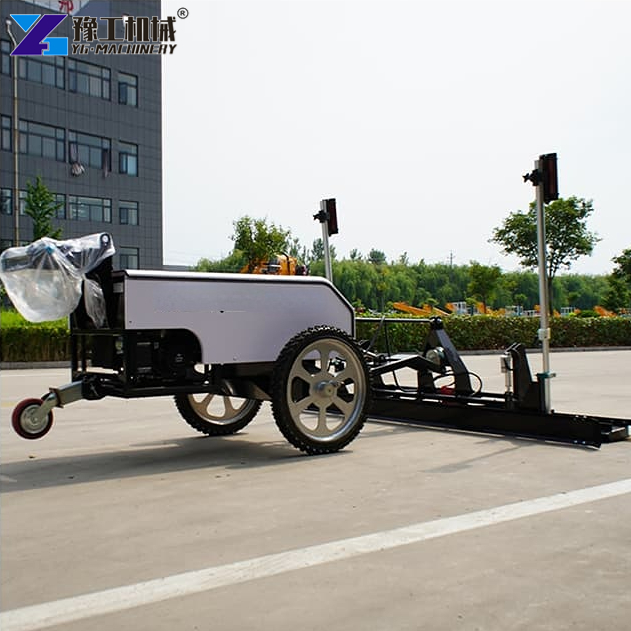
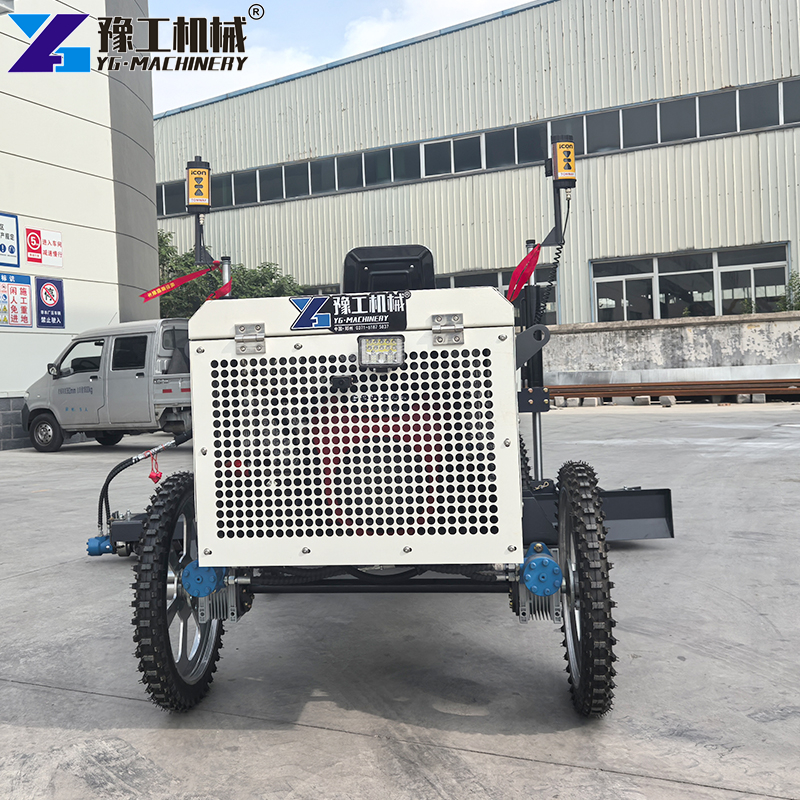
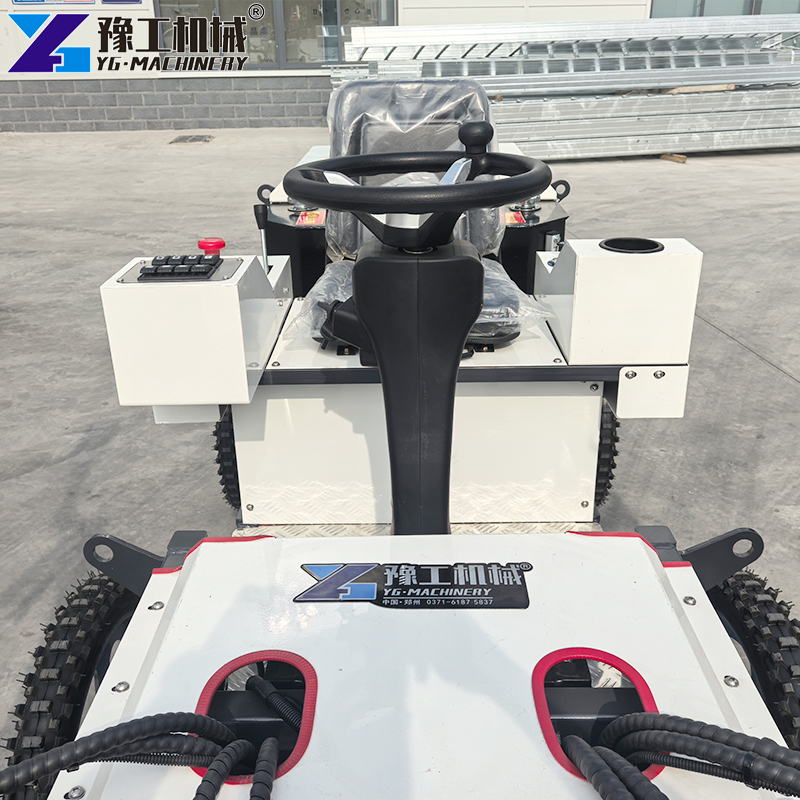
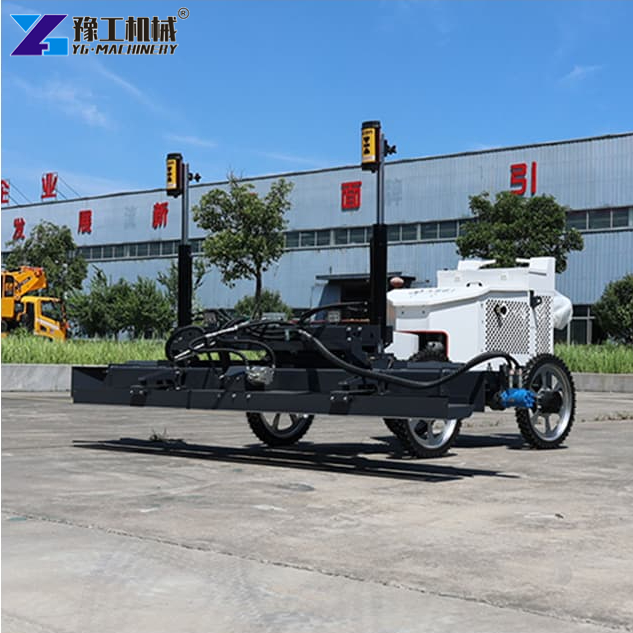
The YG35 laser screed for sale offers several advantages for this UK warehouse project.
Wide vibration plate. The 3100mm vibrator plate covers more area per pass. The contractor can place up to 300 m² per hour, three times faster than manual methods.
Imported engine. The machine uses an imported engine brand known for reliability. The engine provides consistent power throughout the working day.
Imported laser emitter. The imported laser transmitter provides accurate grade control. The machine maintains the required elevation automatically, achieving FF45/FL35 flatness consistently.
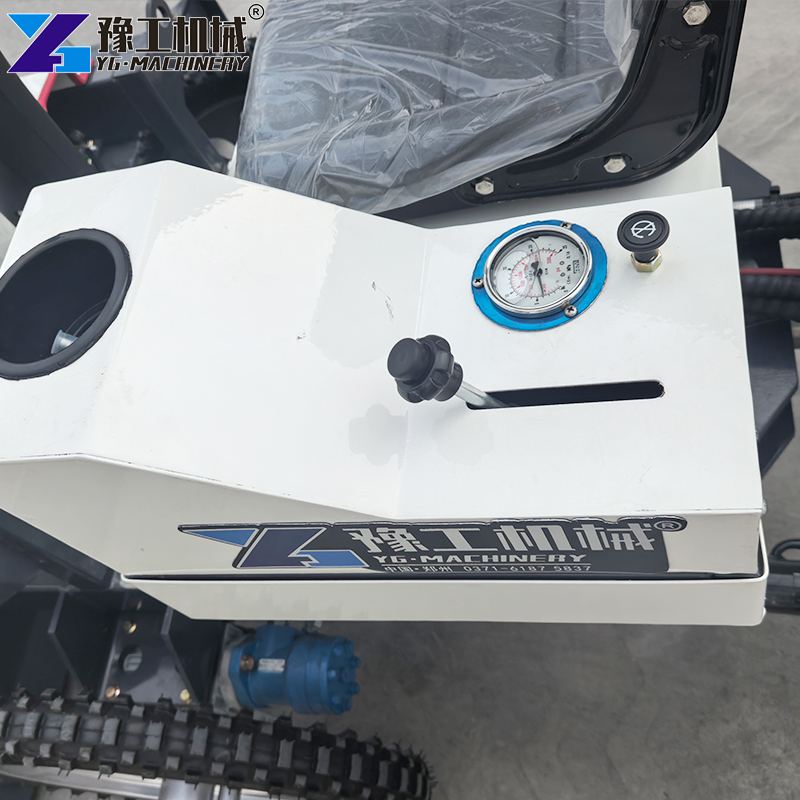
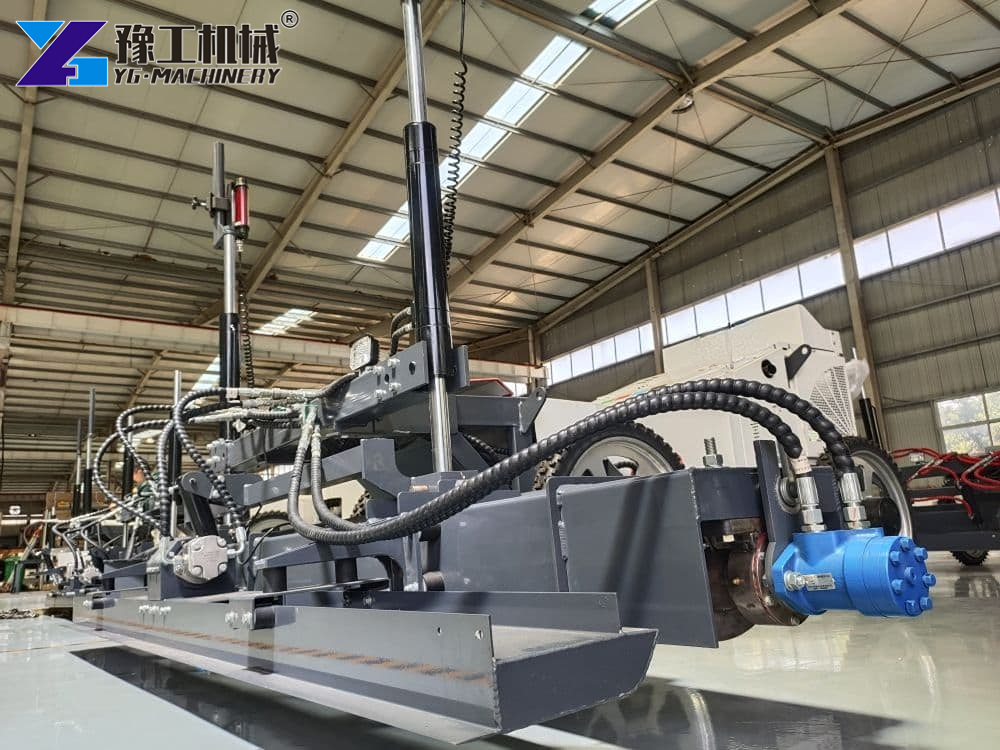
Hydraulic mixing cage paving. The hydraulic system drives the auger and vibrator. The operator controls all functions from the ride-on platform.
Flip-up auger. The screw auger flips up for easy cleaning. The contractor can swap the auger left or right, adapting to different placement patterns.
Large fuel capacity. The 100L tank provides a full day of operation without refueling. The contractor can run the machine for 8-10 hours continuously.
Multiple slope capabilities. The machine handles flat surfaces, single slopes, and double slopes (3D). This versatility suits warehouse floors with drainage requirements.
The customer placed the order for one YG35 laser screed machine.
Find the Right Model for Your Project
From Order to Operation: Concrete Laser Machine Delivery and Implementation
Factory production and testing. YG Machinery completed the concrete screed equipment in 20 working days. The assembly team followed YG’s quality checklist. They tested the engine, hydraulic system, laser receiver, and vibrator plate. The unit passed all tests.
Shipping to the UK. The machine traveled from YG’s factory to the port by truck. The sea freight took 25 days to reach a UK port. Customs clearance took 4 days. A flatbed truck carried the machine to the customer’s yard. Total shipping time was 35 days.
On-site training. YG provided remote training via video call. The contractor’s operator learned the controls, laser setup, and daily maintenance. The training took two days.
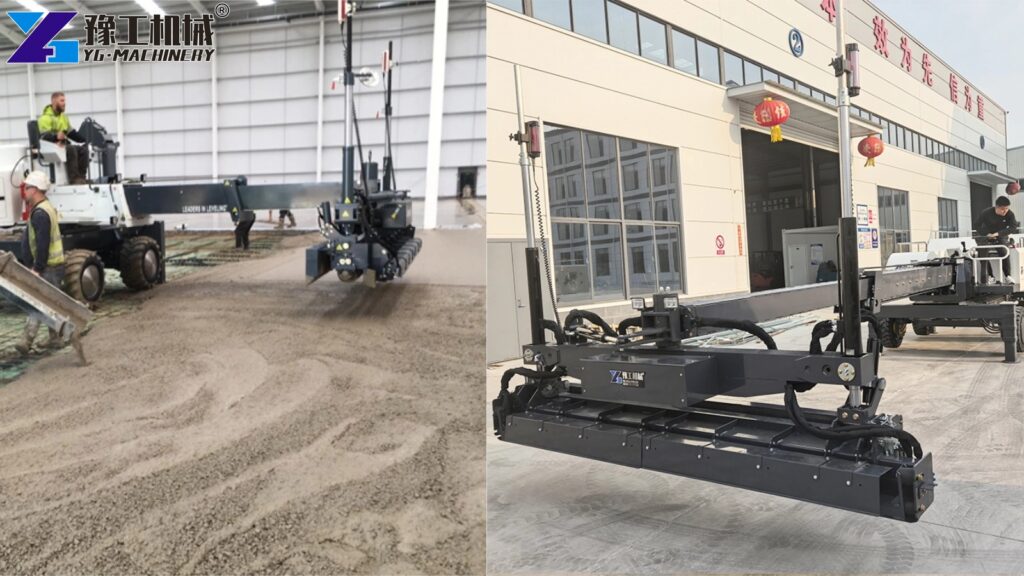
First pour. The crew placed the first slab with the YG35. The machine leveled and vibrated the concrete in one pass. The surface was flat and smooth. The operator worked from the ride-on platform, controlling everything with simple joysticks.
Challenges During Implementation
The contractor faced two challenges during the first week.
Laser setup. The operator initially struggled with the laser transmitter alignment. The YG support team provided additional guidance. By day three, the operator was confident.
Concrete mix adjustment. The machine performed best with a specific slump. The contractor adjusted the mix design slightly. The machine then performed perfectly.
Measurable Results with Concrete Laser Machine on the Warehouse Project
The contractor tracked performance throughout the 15,000 m² warehouse placement.
Productivity increases. The manual method placed 80- 100 m² per hour. The YG35 ride-on laser screed placed 250- 280 m² per hour. The crew completed the floor in 55 hours instead of 150 hours.
Labor reduction. The manual method required 8-10 workers. The YG35 required 4 workers: one operator, one to manage the concrete supply, and two for edge finishing. Labor hours fell by 60%.
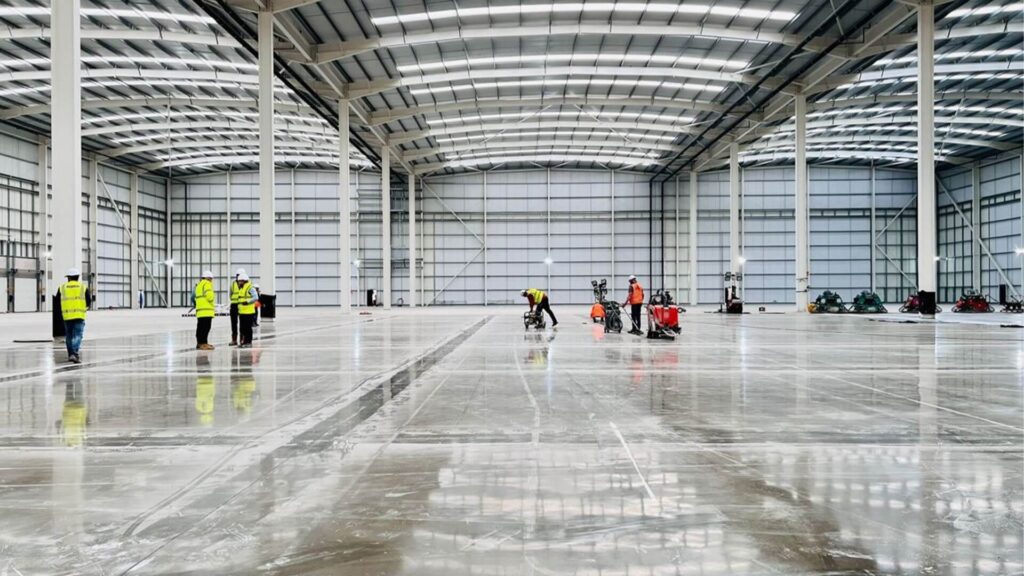
Flatness achievement. The floor achieved FF48/FL36, exceeding the required FF45/FL35. The concrete passed the flatness test on the first attempt with zero rework.
Cost savings. The contractor saved approximately £10,000 in labor and avoided £12,000 in potential grinding costs. The YG35 paid for itself on this single project.
Schedule success. The contractor finished the floor two weeks ahead of schedule. The warehouse opened on time for the logistics company.
Customer Feedback on Laser Screed for Concrete
The project manager shared his experience.
“The YG concrete laser screed changed how we approach large floor projects. The placement speed is impressive. We completed 15,000 m² in 55 hours. The floor flatness exceeded specifications. The machine is easy to operate. The imported engine and laser have been reliable. I am already planning to use the YG35 on our next warehouse project.”
The lead operator added his comments.
“The laser screed machine is straightforward to operate. The laser sets the grade automatically. I just drive and control the auger. The machine is comfortable to ride. The vibrator plate produces a smooth finish. The flip-up auger makes cleaning easy. This machine makes my job much easier.”
The contractor plans to purchase a second concrete screed equipment unit from YG for their next project. They have also recommended YG to two other contractors in the region.
Contact YG Machinery today for your concrete laser screed needs. Tell us your floor area and flatness requirements. We will recommend the right model and send you a full price, including shipping to your port. Every machine comes with a 24-month warranty and lifetime technical support.
Click the contact button now to request a quote. Ask for our free productivity calculator to estimate your potential time and cost savings.