The inquiry arrived on a Tuesday morning in early March. Subject line: “Rebar thread rolling machine – urgent requirement for Jakarta flyover.” Pak Budi, a project manager for a mid-sized contractor, needed a high-speed thread rolling machine for a 2.4-km flyover project. His team processed only 300 rebar ends daily with old lathes—far below the required 1,600 ends per day. They faced delays and potential penalties. That email started a four-month journey. A YG roller threading machine for sale would travel from China to a Jakarta construction site. Indonesia’s rebar equipment market is growing at 6–8% annually, with 85–90% of supply imported. Chinese machines offer the best price-performance ratio. Selecting the right thread rolling machine manufacturer was critical.
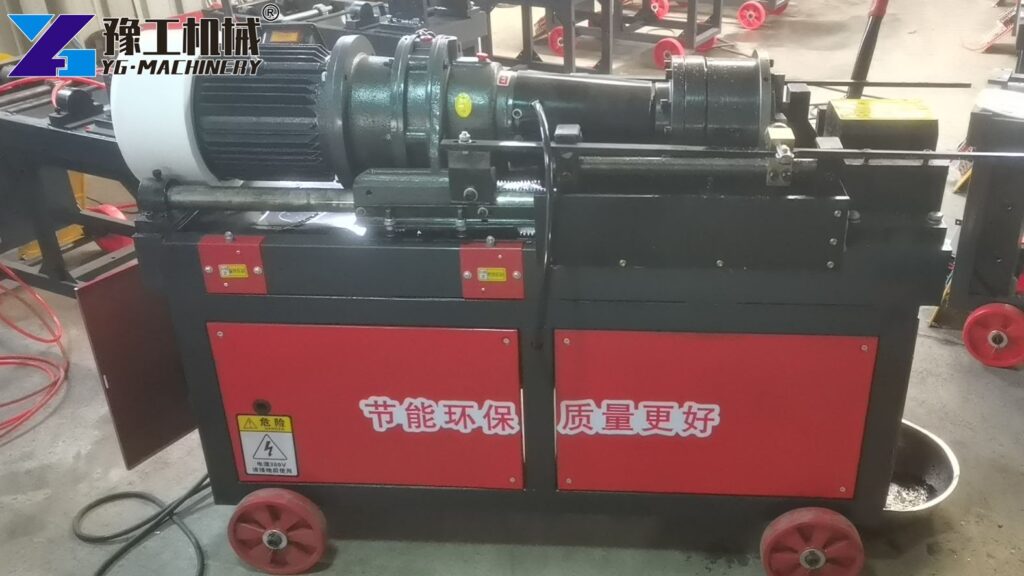
Start Your Project with the Right Equipment
Automatic Thread Rolling Machine Product Parameter
| Model | YGS-40 | YGT-40 | YGA-40 |
|---|---|---|---|
| Processing diameter range | 16-40mm | 16-40mm | 16-40mm |
| Thread rolling length | 0-80mm | 0-80mm | 0-100mm |
| Power voltage | 4kw/380V 50Hz | 4kw/380V 50Hz | 7.5kw/380V 50Hz |
| Working efficiency | 15s/forming | 8s/forming | One-touch auto forming |
| Machine weight | 320kg | 350kg | 400kg |
| Machine size | 115*50*106cm | 110*60*130cm | 126*70*106cm |
| Type | Standard type | Upgrade type | Fully automatic type |
Looking for sizes outside the 16–40mm range? We’ve got you covered. We also offer custom machinery designed for 5–80mm rebar sizes—feel free to explore our full line of rebar processing equipment to find the right fit for your project.
YG Thread Rolling Machine Video
Boost Productivity—Get a Free Quote
The Inquiry: A Rebar Thread Rolling Machine for Sale
Pak Budi found YG Machinery through an online search for a rebar thread rolling machine for sale. He had evaluated several suppliers. Japanese machines offered excellent quality but came with a high price tag. Local Indonesian suppliers could not meet the quality standards for precision threading. European machines were too expensive for his budget. Chinese machines offered the best balance of price and performance. He sent his first inquiry with specific technical requirements. The machine needed to process rebar diameters from 16mm to 40mm. Thread length had to reach at least 80mm. Power supply had to match the site’s 380V/50Hz system. Daily production needed to exceed 1,500 rebar ends.
Our reply went out within four hours. We asked for more details about their rebar specifications and daily production targets. Pak Budi responded the next day with photos of the rebar they were using and a breakdown of their monthly output needs. They needed to process at least 800 rebar ends per shift. Two shifts a day meant 1,600 ends. The old lathes could not handle that volume. They were falling behind schedule. The project timeline was tight. Every day of delay meant higher costs and potential penalties. Pak Budi needed a high-speed thread rolling machine that could deliver results immediately.
Video Conference and Selecting an Automatic Thread Rolling Machine
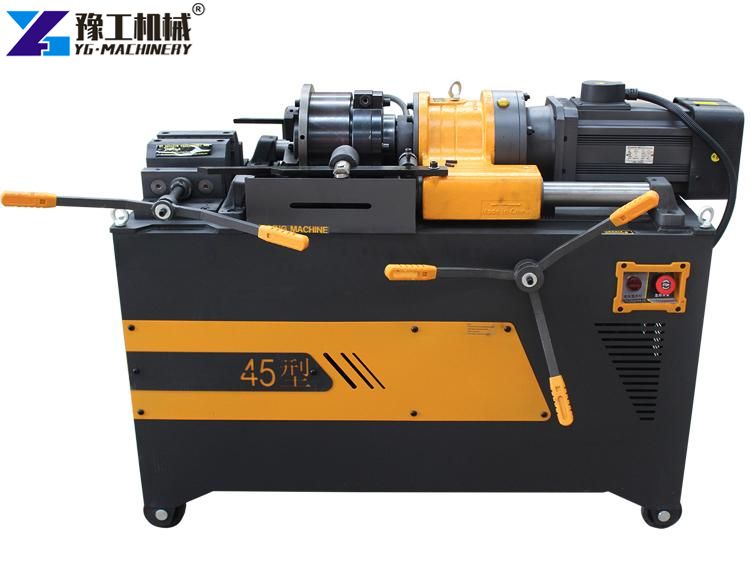
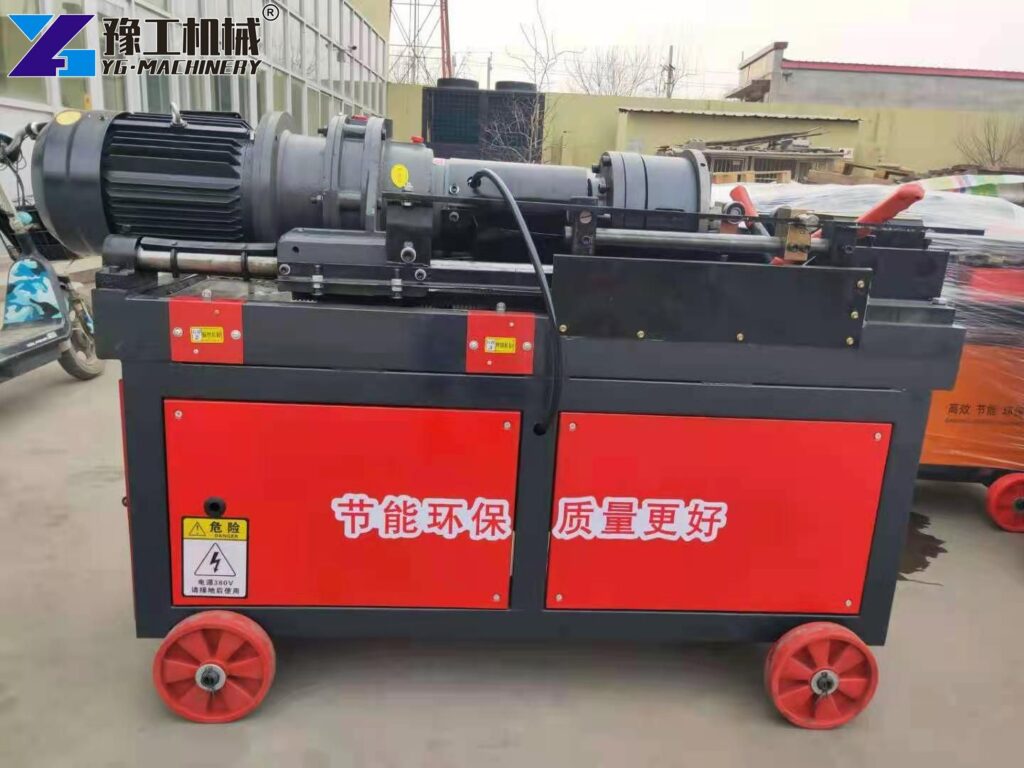
We scheduled a video conference for the following week. Pak Budi joined with his site engineer and procurement officer. They shared their screen to show the project timeline and rebar schedule. We walked them through the three YG models: the YGS-40 standard type, the YGT-40 upgrade type, and the YGA-40 full automatic type. The YGS-40 takes 15 seconds per forming. It weighs 320kg and measures 115*50*106cm. The YGT-40 cuts the time to 8 seconds per forming. It weighs 350kg and measures 110*60*130cm. The YGA-40 offers one-touch auto forming. It weighs 400kg and measures 126*70*106cm. All three machines process diameters from 16 to 40mm.
Pak Budi asked about the thread rolling length. The YGS-40 and YGT-40 both handle 0–80mm. The YGA-40 extends to 0–100mm. Their project required 75mm threads on most connections, with some needing up to 90mm. The YGA-40 was the only model that could cover all their needs without compromise. The video conference lasted 90 minutes. We demonstrated the machines using pre-recorded footage. The YGA-40’s automatic feeder caught their attention. One operator could run the machine while handling other tasks. This automatic thread rolling machine reduced labor requirements significantly. That sealed the decision.
Compare Models and Get a Quote
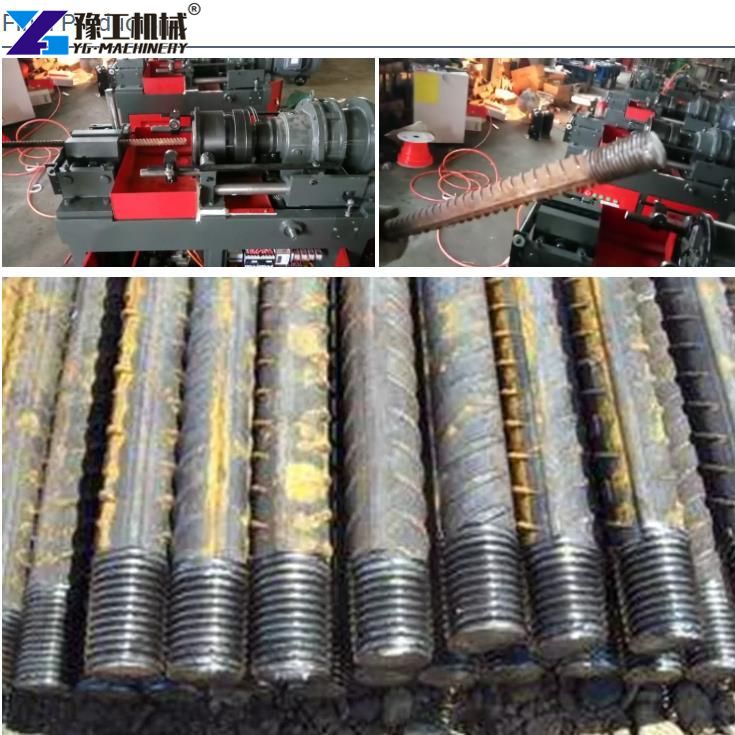
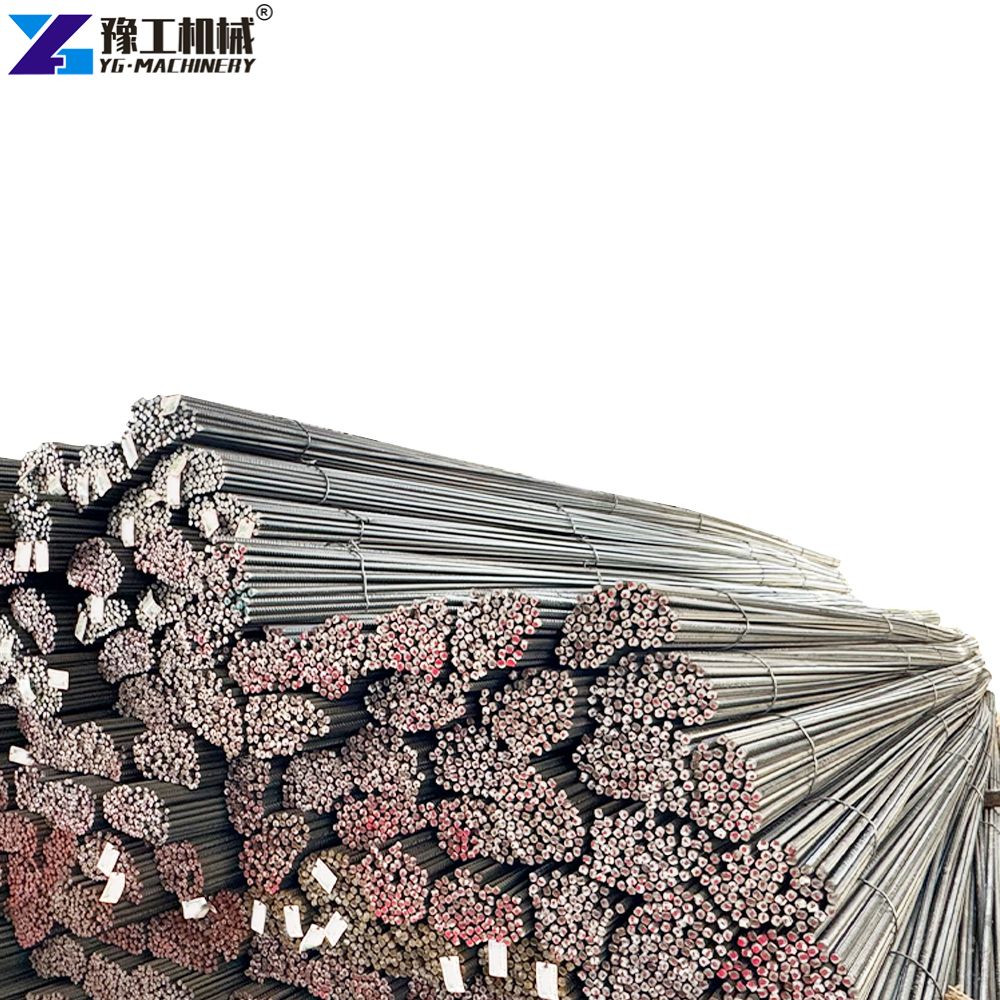
Quotation, Payment, and Logistics
We sent a formal quotation the same day. The price included the machine, a set of spare rolling dies, a basic tool kit, and shipping to Jakarta’s Tanjung Priok port. Pak Budi asked for two revisions. First, he wanted an additional set of rolling dies for 20mm rebar. Second, he requested a longer warranty on the hydraulic system. We agreed to both. Payment came through in two installments. The first 50% deposit arrived via wire transfer ten days after the quotation. The remaining 50% was due before shipment. Pak Budi’s procurement team handled all the paperwork. They had a licensed importer of record in Jakarta to manage customs clearance.
The YGA-40 went through final inspection at our factory. We tested it on three different rebar diameters: 20mm, 28mm, and 36mm. Each test produced clean, full threads. The thread pass rate was 99.7%. The machine met all specifications from the technical sheet. We packed it in a reinforced wooden crate. The crate measured 140*80*120cm and weighed 450kg including packaging. Shipping took 18 days from the port of Ningbo to Tanjung Priok. The vessel stopped in Singapore for transshipment. We tracked the container daily and updated Pak Budi on the vessel’s position. Customs clearance took another four days. Indonesia applies a 5% import duty on thread rolling machines. Value-added tax is 12%. Pak Budi’s customs broker handled everything smoothly. The container cleared on a Thursday and was delivered to the site the next morning.
Installation and On-Site Training
The machine arrived at the construction site on a Friday afternoon. Pak Budi sent photos of the crate being unloaded from the truck. The site team was eager to see it in action. We scheduled the installation and training for the following Monday. Our technician joined via video call for the installation. The site engineer and two operators followed the step-by-step instructions. The machine was bolted to a concrete foundation. The hydraulic system was filled with the recommended oil. The electrical connections were checked against the 380V/50Hz supply. The machine powered on without any issues.
Training took two full days. Day one covered basic operation: feeding rebar, setting thread length, adjusting rolling pressure, and starting the automatic cycle. The YGA-40’s one-touch auto forming made it simple. Operators pressed a single button and the machine did the rest. Day two covered maintenance: cleaning the rollers, changing dies, checking hydraulic fluid levels, and troubleshooting common issues. The operators ran their first production batch on Wednesday morning. They processed 100 rebar ends in the first hour. That was 20 minutes faster than the old lathes could manage. By the end of the first week, daily output had reached 1,800 ends. The machine was exceeding expectations.
Find the Right Model for Your Project
Production Results and Client Feedback on YG Roller Threading Machine
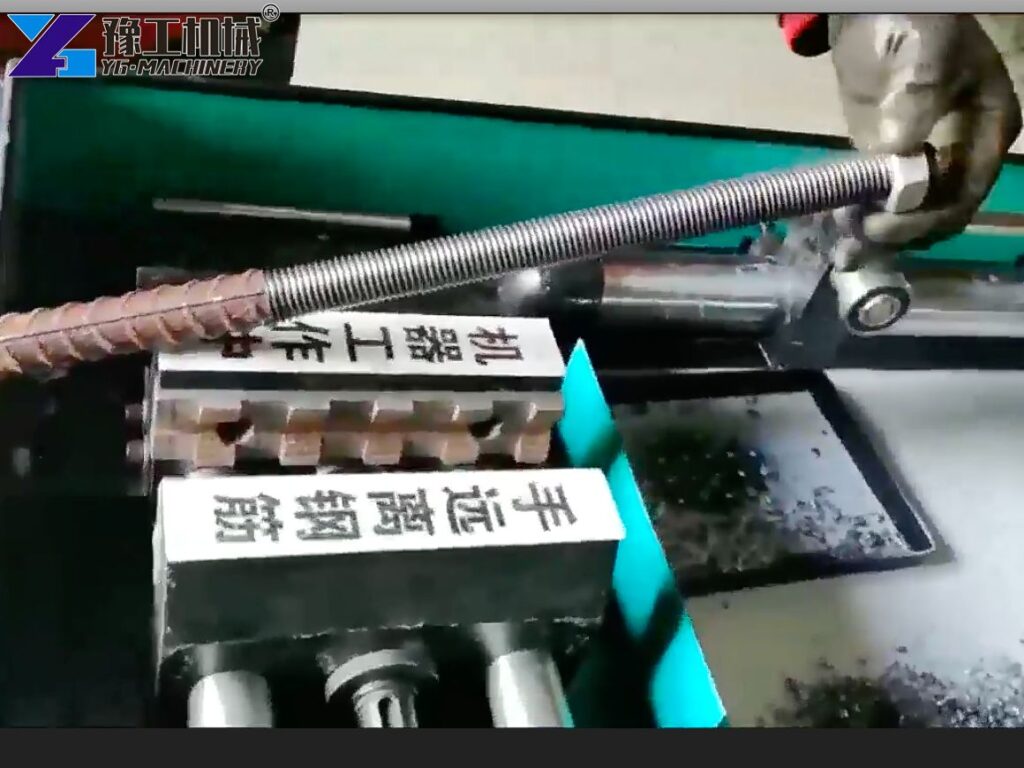
The rolling process creates threads by displacement, not cutting. This maintains the continuity of metal fibers. Thread hardness typically increases by 10% to 20% compared to cut threads. The finished threads have a smooth surface and full profile. Connection strength meets or exceeds the requirements of ASTM A615, the standard specification for deformed and plain carbon-steel bars for concrete reinforcement. ASTM A615 covers bars in Grades 40 [280], 60 [420], and 75 [520]. The YGA-40’s threads passed all tensile and shear tests required by this standard.
The machine uses hardened rolling dies that last 40% longer than standard ones. This means less downtime for die changes. The YGA-40 also saves about 30% in material costs compared to traditional turning methods. Turning creates waste chips. Rolling produces no metal chips. Every piece of rebar is used completely. This efficiency directly improves the project’s bottom line. Pak Budi sent a detailed feedback report after 30 days of operation. The machine had processed over 45,000 rebar ends. The thread pass rate remained above 99.5%. The machine had run for 480 hours with zero breakdowns.
The operators had become comfortable with this automatic thread rolling machine and could handle other tasks while it ran. The bridge project was ahead of schedule. The faster rebar processing allowed the concrete pouring team to start earlier than planned. Pak Budi estimated that the machine had saved them at least three weeks of work. He was already planning to order a second machine for another project in Bandung. “Si Cepat,” the operators called it—the fast one. It had become an essential part of their workflow.
A Roller Threading Machine for Sale That Delivers Real Value
For contractors in Indonesia or anywhere in Southeast Asia, the YGA-40 offers proven performance. It processes 16–40mm rebar, rolls threads up to 100mm long, runs on 7.5kw/380V 50hz power, and forms threads with one touch. It weighs 400kg and fits in a 126*70*106cm footprint. This rebar thread rolling machine for sale delivers results where they matter most—on the job site, under real conditions, day after day.
Ready to boost your rebar processing efficiency? Contact YG Machinery today for a customized quote. Email us at admin@ygequip.com or visit our website to explore our full range of high-speed thread rolling machines. Our team responds within 6 hours.