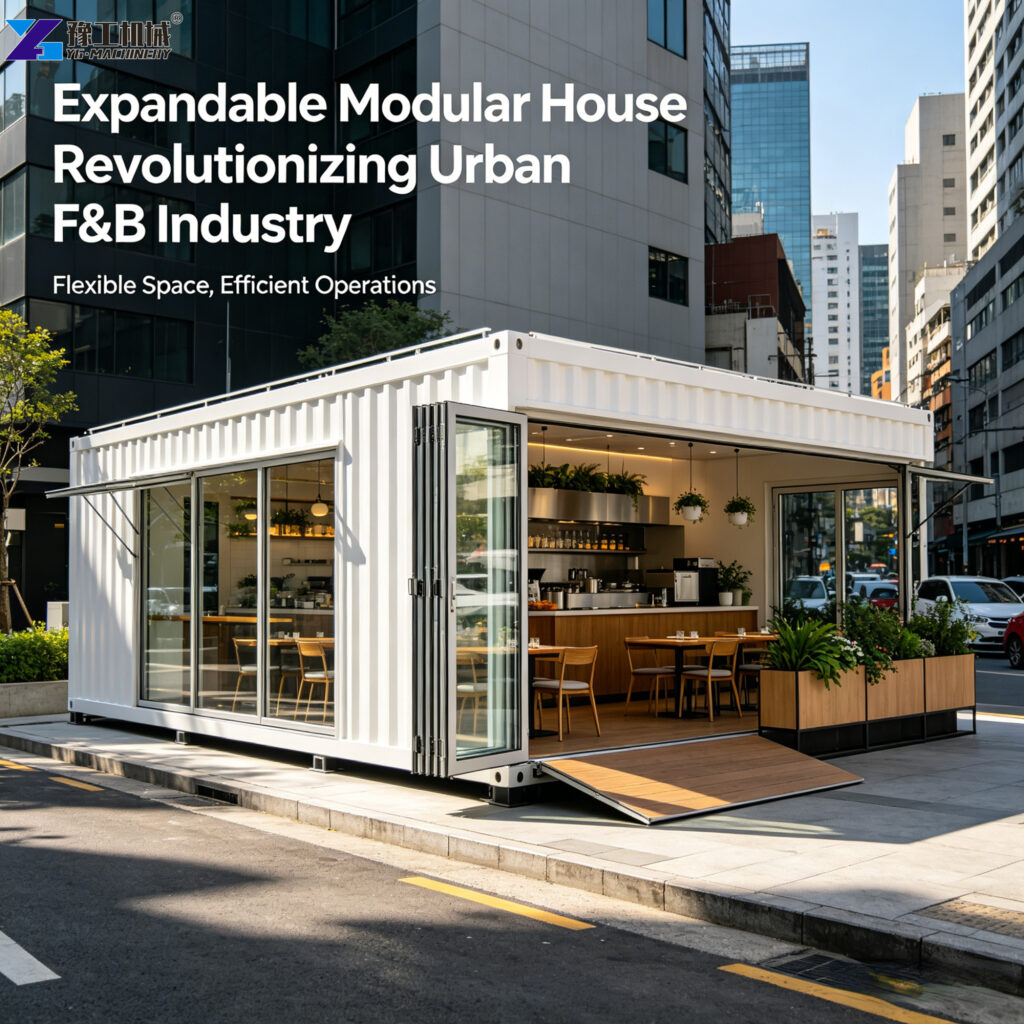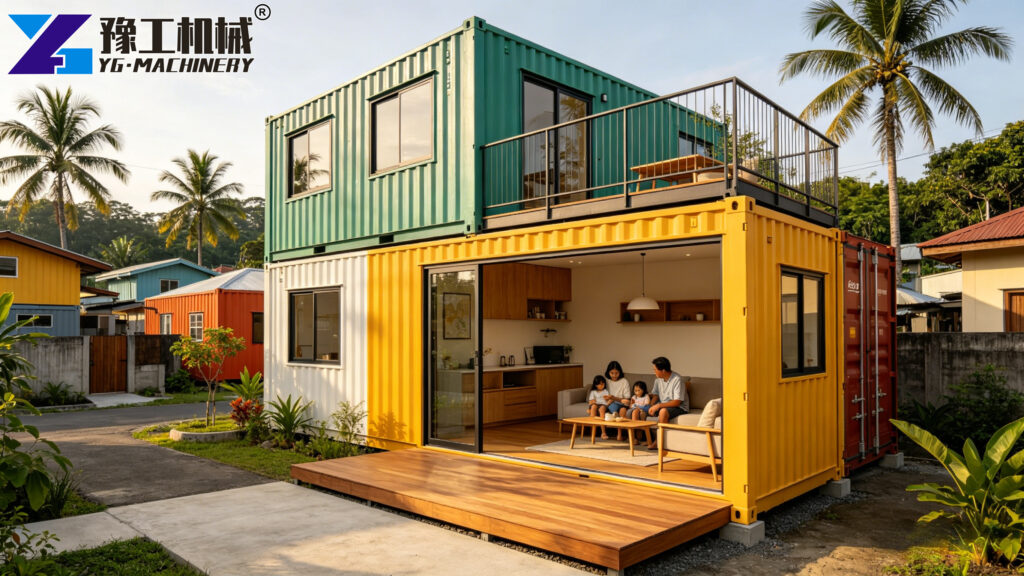
The landscape of urban dining is shifting. Sky-high rental costs, lengthy construction permits, and the unpredictable nature of city planning have forced restaurateurs to look for smarter, faster, and more flexible solutions. Enter the era of the expanding container home. Once confined to remote cabins or emergency housing, these steel structures are now the backbone of a new culinary movement, offering entrepreneurs a way to bypass traditional real estate nightmares and set up shop exactly where their customers are.
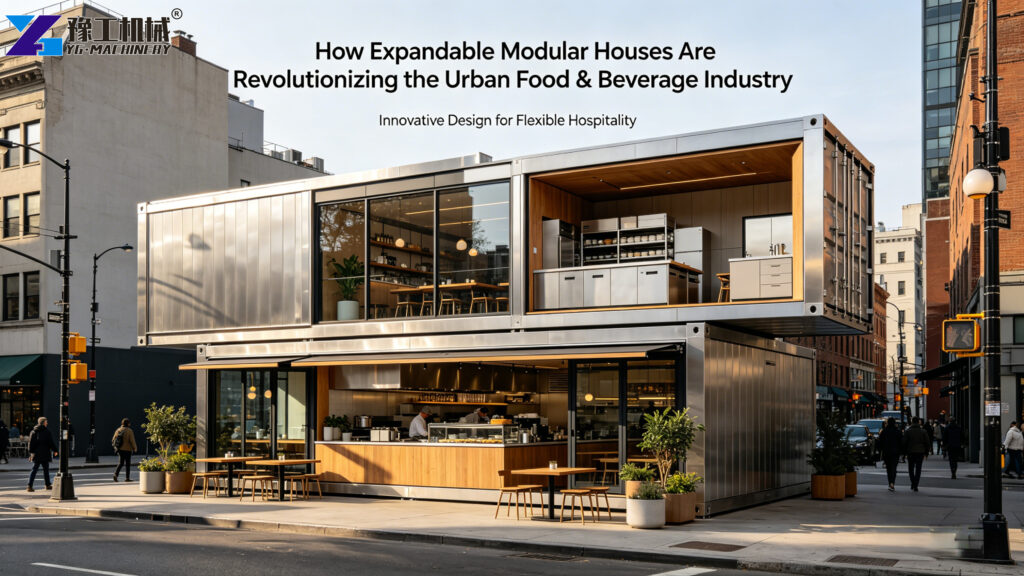
Product Specifications: Fully Customizable, Expandable Modular House
| Model | Parameter | Dimensions / Value |
| 20FT Basic Characteristics | External dimension (mm) | W6320 × L5900 × H2480 (Side 2270) |
| Internal dimension (mm) | W6160 × L5560 × H2240 (Side 2150) | |
| Folded state (mm) | W2200 × L5900 × H2480 | |
| Total mass (kg) | 2500 | |
| 30FT Basic Characteristics | External dimension (mm) | W6360 × L9000 × H2480 (Side 2180) |
| Internal dimension (mm) | W6200 × L8660 × H2240 (Side 2060) | |
| Folded state (mm) | W2200 × L9000 × H2480 | |
| Total mass (kg) | 3750 | |
| 40FT Basic Characteristics | External dimension (mm) | W6240 × L11800 × H2480 (Side 2180) |
| Internal dimension (mm) | W6080 × L11540 × H2200 (Side 2060) | |
| Folded state (mm) | W2200 × L11800 × H2480 | |
| Total mass (kg) | 4400 | |
| Smaller Fold Size | External dimension (mm) | W4820 × L5900 × H2480 (Side 2270) |
| Internal dimension (mm) | W4660 × L5560 × H2240 (Side 2150) | |
| Folded state (mm) | W700 × L5900 × H2480 | |
| Total mass (kg) | 1850 |
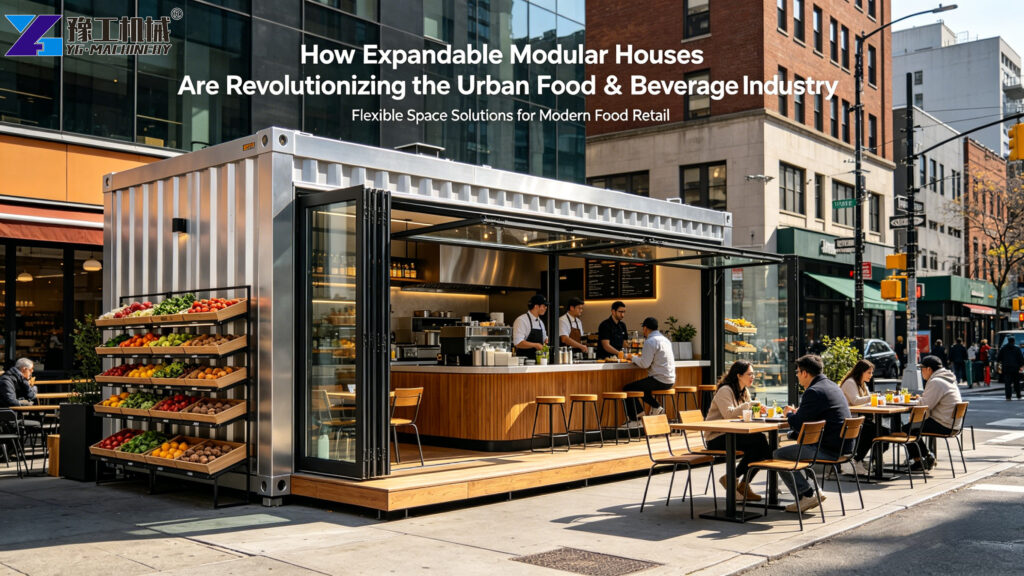
Why Traditional Brick-and-Mortar Restaurants Are Losing Ground to Expandable Modular Houses & Modular Units
For decades, opening a restaurant meant signing a decade-long lease and waiting six months for renovations. Today, the market demands agility. Pop-up stores, ghost kitchens, and seasonal beachfront cafes require structures that can be deployed quickly and moved just as fast. This is where the modular restaurant concept shines. Unlike conventional construction, which is permanent and labor-intensive, these modular units arrive ready to fit out. They eliminate the need for foundational work in many cases, drastically reducing the time between concept and opening day. For a chef looking to test a new concept or a franchise wanting to scale rapidly, the container homes offer a low-risk, high-flexibility entry point.
The Technical Edge: How Size, Portability, and Expandable Modular Houses Define Success
Not all culinary ventures are created equal. A gourmet coffee kiosk has vastly different spatial needs than a full-service ramen kitchen. Fortunately, the technical specifications of modern units cater to this diversity. For instance, the 20FT Basic Characteristics model offers an external dimension of W6320L5900, providing a compact internal space of W6160L5560—ideal for a single-chef operation or a takeaway window. In contrast, the 30FT (W6360L9000) and 40FT (W6240L11800) units provide the expansive floor plans necessary for prep stations, dishwashing areas, and customer seating.
However, the true game-changer is the “folded state.” A unit that measures W6320 in operation can collapse to a mere W2200 for transport. This logistical efficiency means a business owner isn’t buying a permanent fixture; they are buying an asset that can relocate with market trends. The Smaller Fold Size model is particularly interesting for urban environments, collapsing to just W700L5900H2480. This allows it to be shipped on a standard flatbed truck and maneuvered into tight alleyways or narrow city lots where traditional construction equipment cannot fit.
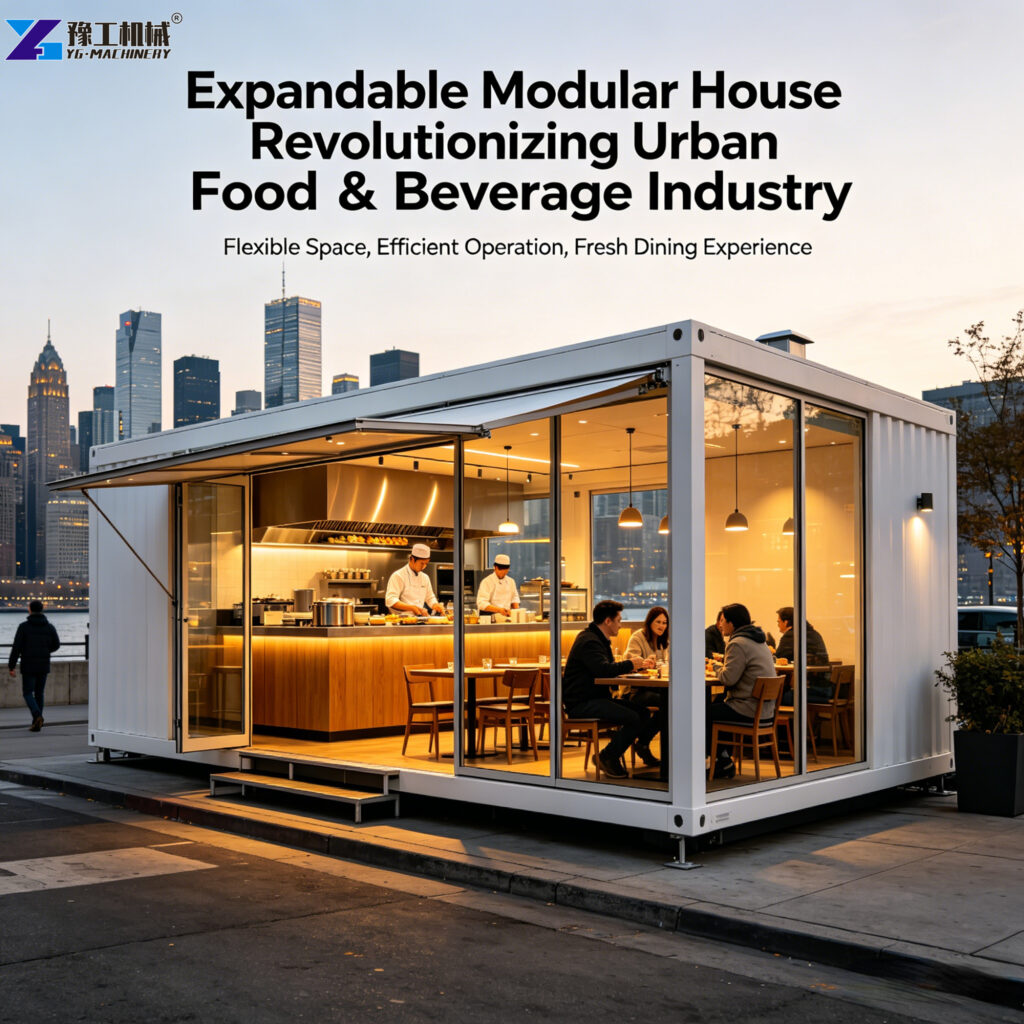
Maximizing Space Efficiency with Expandable Prefab Houses
Interior design in a commercial kitchen is about workflow. The “Side” height dimensions listed in the specifications (ranging from 2270mm down to 2060mm depending on the unit) are critical for creating a functional workspace. The expandable prefab houses design ensures that even when folded, the internal mechanisms remain protected, but when expanded, the ceiling height accommodates commercial hood systems and ventilation—often the biggest hurdle in converting a standard shipping container into a kitchen.
Furthermore, the structural integrity of a foldable container house allows for insulation, plumbing, and electrical routing to be pre-installed at the factory. This means that upon delivery, the unit is not just a shell; it is a turnkey solution ready to connect to city utilities. For the business owner, this translates to opening in days rather than months.
Analyzing the Investment: Expandable Container House Price vs. ROI
One of the first questions any entrepreneur asks is about the bottom line. When evaluating the expandable container house price, it is essential to compare it against the total cost of traditional construction (which averages $300-$500 per square foot in major cities). While the container house price varies by size—ranging from the lighter 1850kg unit to the heavy-duty 4400kg 40FT model—the total cost of ownership is significantly lower.
You save on architectural fees, city permit delays, and construction labor. Moreover, because these units are classified as movable structures rather than permanent additions to land, they often fall into different tax brackets. The container house price also includes a depreciable asset that retains resale value. If a location fails, the business doesn’t fail with it; the owner simply folds the unit and moves to a more profitable street corner.
Case Studies: From Ghost Kitchens to Beachfront Cafes—The Versatility of Expandable Modular Houses
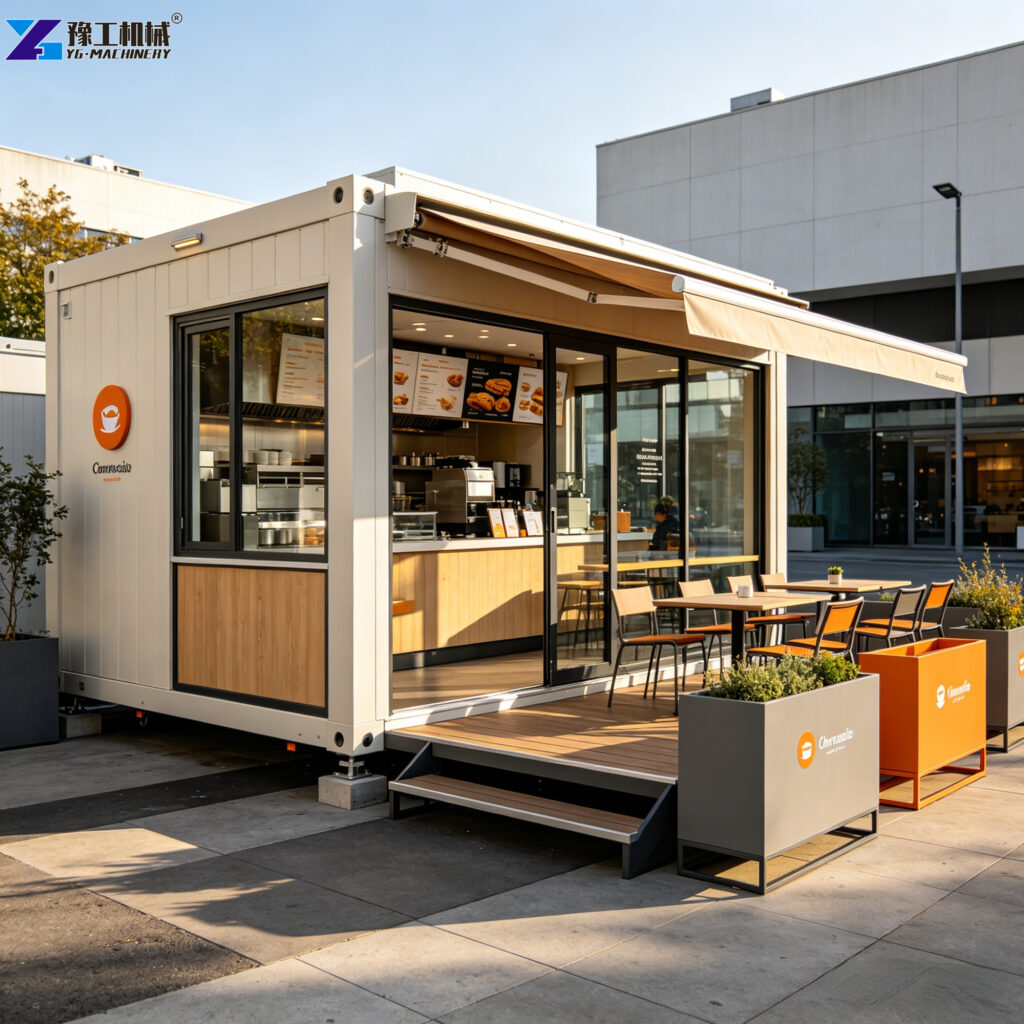
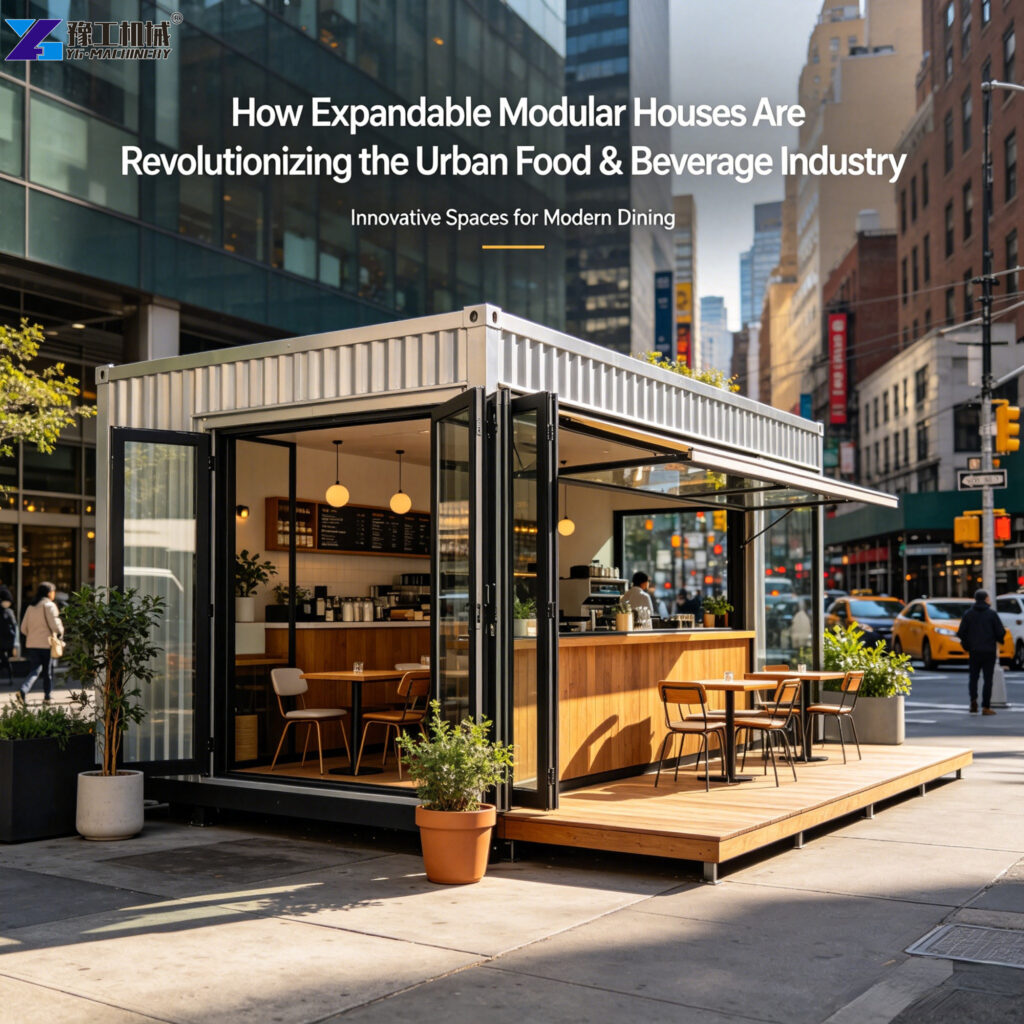
Consider the versatility of the 30FT model. With an external length of 9000mm and an internal width of 6200mm, it is the perfect size for a shared-use ghost kitchen, housing two to three separate cooking stations under one roof. The high side walls (2180mm external) allow for stacked shelving to maximize storage.
On the other end of the spectrum, the Smaller Fold Size unit is revolutionizing the food truck industry. While traditional food trucks suffer from engine maintenance issues and cramped quarters, this unit offers a spacious internal dimension when unfolded (W4660*L5560) but transports flat. A business owner can tow it to a weekend farmer’s market, expand it in minutes, and operate a full-scale kitchen with a dining area—something a standard truck simply cannot offer.
Conclusion: The Future of Urban Dining Is the Expandable Modular House
The days of being locked into a single location with a rigid lease are fading. The modern restaurateur requires mobility, speed, and adaptability. Whether you are looking at the heavy-duty 40FT unit for a flagship location or the nimble Smaller Fold Size for a delivery-only kitchen, expanding container homes provide the architectural freedom the food industry desperately needs.
By leveraging the logistical advantages of the container homes and their cost-effectiveness, entrepreneurs can focus on what truly matters: the food. As cities continue to evolve, the restaurant on wheels—or on rails—is no longer just a novelty; it is the new standard. Explore the options available to you, and take the first step toward a culinary business that can grow, move, and thrive wherever opportunity knocks.