Indonesia has seen rapid growth in infrastructure and foundation construction projects during recent years. Government investment in highways, bridges, ports, residential developments, and industrial zones continues to increase demand for reliable piling equipment.
As construction schedules become tighter and labor costs rise, many contractors are replacing traditional piling methods with hydraulic piling systems that offer higher efficiency and lower operating costs. Among these solutions, the hydraulic pile driver has become one of the most widely used machines for sheet pile installation and foundation reinforcement projects.
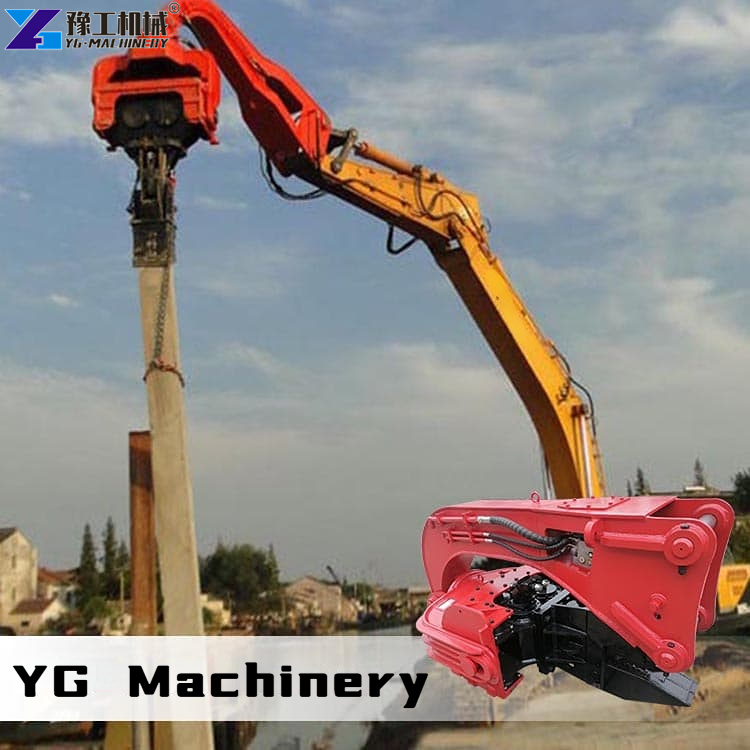
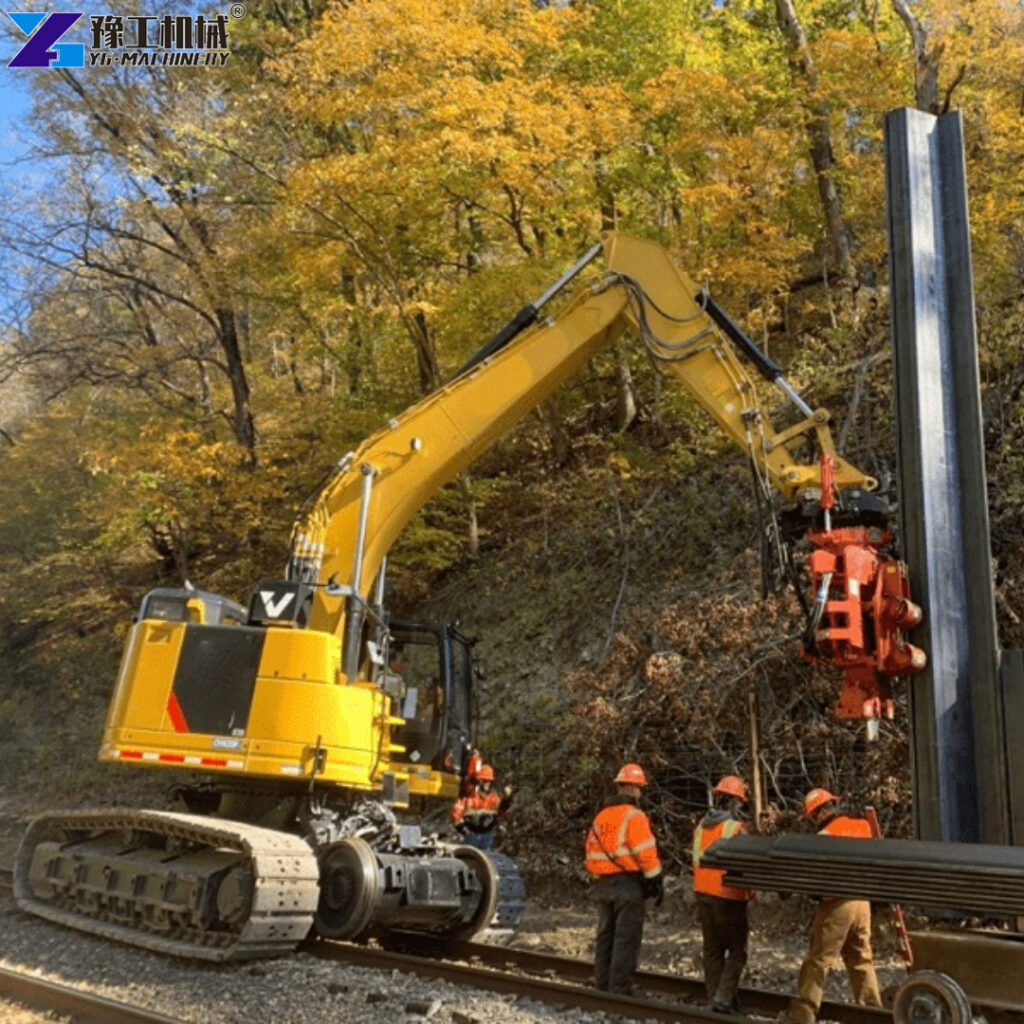
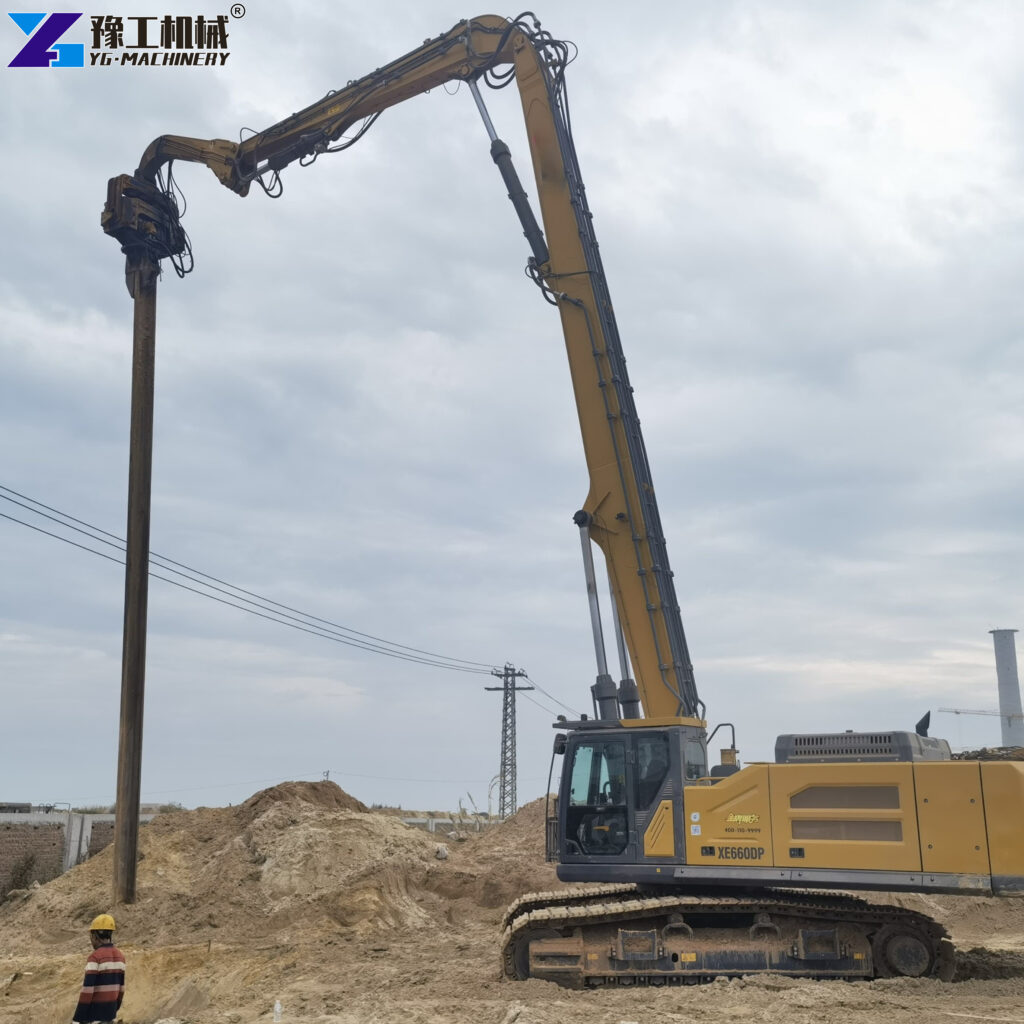
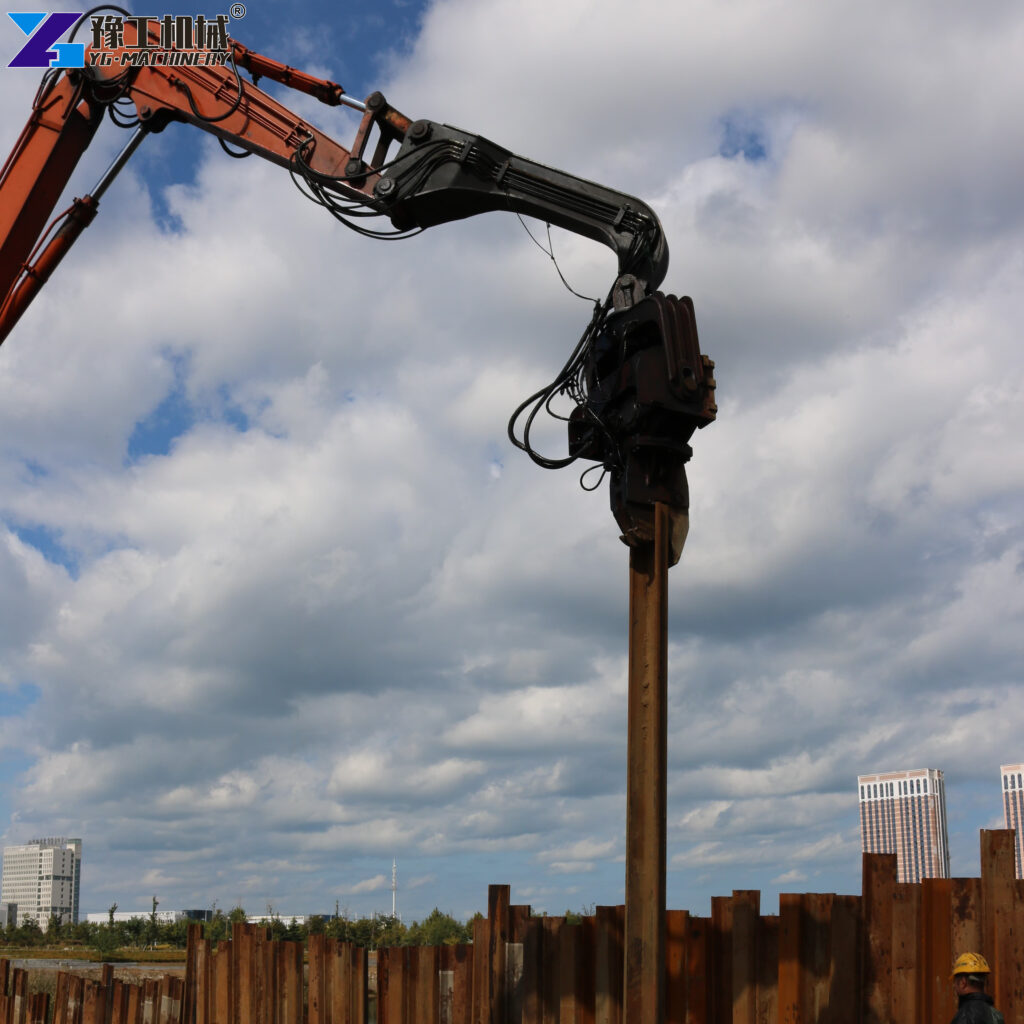
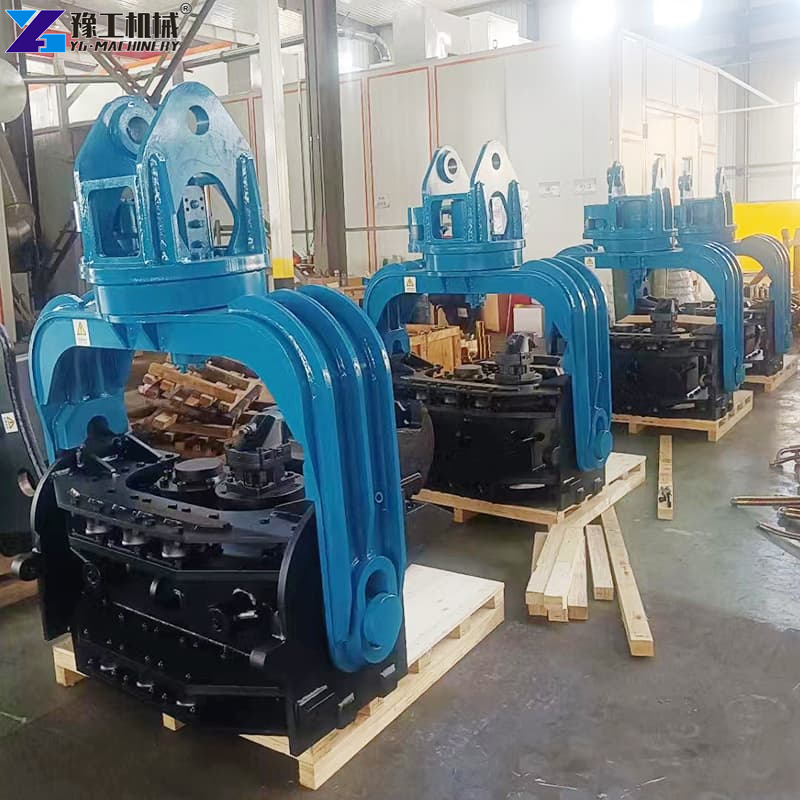
In this project, YG Machinery exported a heavy-duty hydraulic pile driver to Indonesia for a coastal foundation construction project. The customer required stable performance, strong vibration force, and reliable operation under difficult site conditions. The project also involved soft soil, rainy weather, and limited working space, creating several equipment selection challenges.
This case study explains the customer’s purchasing process, site limitations, equipment matching logic, delivery arrangement, installation support, and real operating feedback. It also provides practical reference value for contractors and equipment buyers planning similar projects.
Check machine details and technical parameters.
Hydraulic Pile Export to Indonesia for Foundation Construction
The customer was a local Indonesian contractor responsible for a coastal infrastructure development project. The construction site required large quantities of sheet piles to strengthen the foundation and improve soil stability near the shoreline.
Before purchasing new equipment, the company mainly relied on older piling systems with lower efficiency and high fuel consumption. Frequent downtime and slow piling speed affected the project schedule.
The contractor decided to upgrade equipment after facing several problems:
- Low piling efficiency
- High labor requirements
- Unstable vibration performance
- Frequent maintenance issues
- Difficulty handling long sheet piles
The company started searching for a professional hydraulic pile system suitable for medium-to-large foundation projects.
The customer’s main goal was to improve construction speed while maintaining stable operation in difficult working conditions.
Excavator Pile Driver Project Background and Site Limitations
Several challenging site conditions strongly influenced the equipment selection process.
1. Soft Soil Conditions
The project site was located near a coastal area with soft and unstable soil layers.
Traditional piling equipment often struggled with:
- Insufficient penetration force
- Poor pile alignment
- Slow installation speed
The contractor required a stronger vibration force to improve piling efficiency in soft ground conditions.
2. High Humidity and Rainy Weather
Indonesia’s tropical climate creates high humidity and frequent rainfall throughout the year.
These conditions can affect:
- Hydraulic system stability
- Hose durability
- Electrical components
- Equipment corrosion resistance
The customer specifically requested equipment capable of maintaining stable operation under wet conditions.
3. Limited Construction Space
The project site included narrow working areas near temporary structures and access roads.
Large traditional piling equipment created mobility problems.
The contractor needed a more flexible piling solution capable of working in confined areas while maintaining strong piling performance.
4. Excavator Compatibility Restrictions
The customer already owned several excavators ranging from 25 to 35 tons.
The new equipment needed:
- Proper hydraulic flow matching
- Stable hydraulic pressure compatibility
- Easy attachment installation
The customer wanted to avoid expensive excavator modifications.
5. Tight Project Schedule
The construction deadline was strict. Equipment downtime or delayed delivery could directly affect the entire project timeline.
This made reliability and after-sales support extremely important.
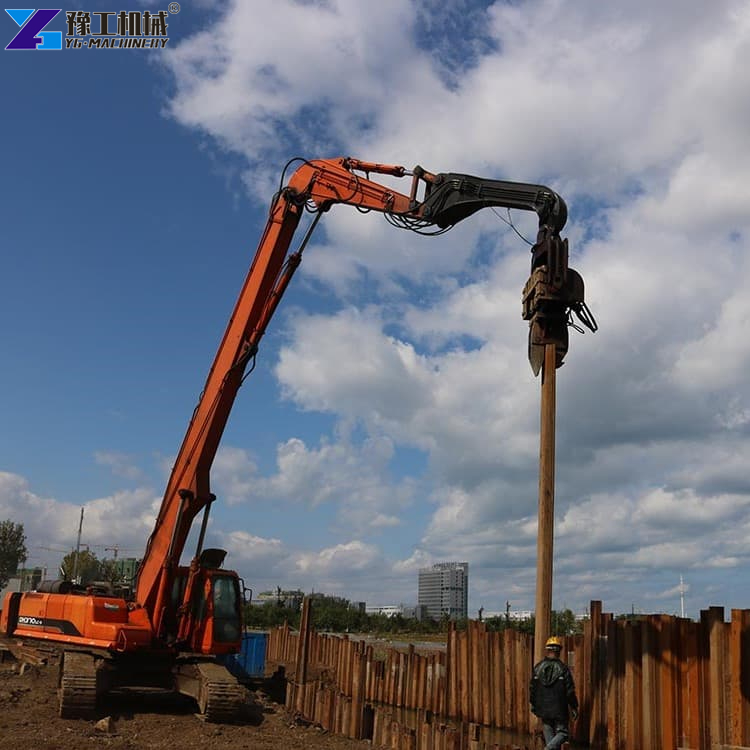
Excavator Pile Driver Selection Logic Before Purchase
The customer carefully compared multiple suppliers before making the final decision.
Key Technical Concerns
The contractor focused mainly on:
- Vibration force performance
- Hydraulic system stability
- Excavator compatibility
- Structural durability
- Delivery speed
- Spare parts availability
Several low-cost suppliers provided limited technical documentation, which created concerns regarding long-term reliability.
Why the Customer Chose YG Machinery
YG Machinery provided:
- Detailed hydraulic matching guidance
- Clear technical specifications
- Professional model recommendations
- Export experience for tropical regions
- Faster technical response
Instead of simply recommending the largest model, YG Machinery analyzed:
- Soil conditions
- Sheet pile size
- Excavator capacity
- Working environment
This practical approach helped the customer reduce unnecessary investment while maintaining strong operational performance.
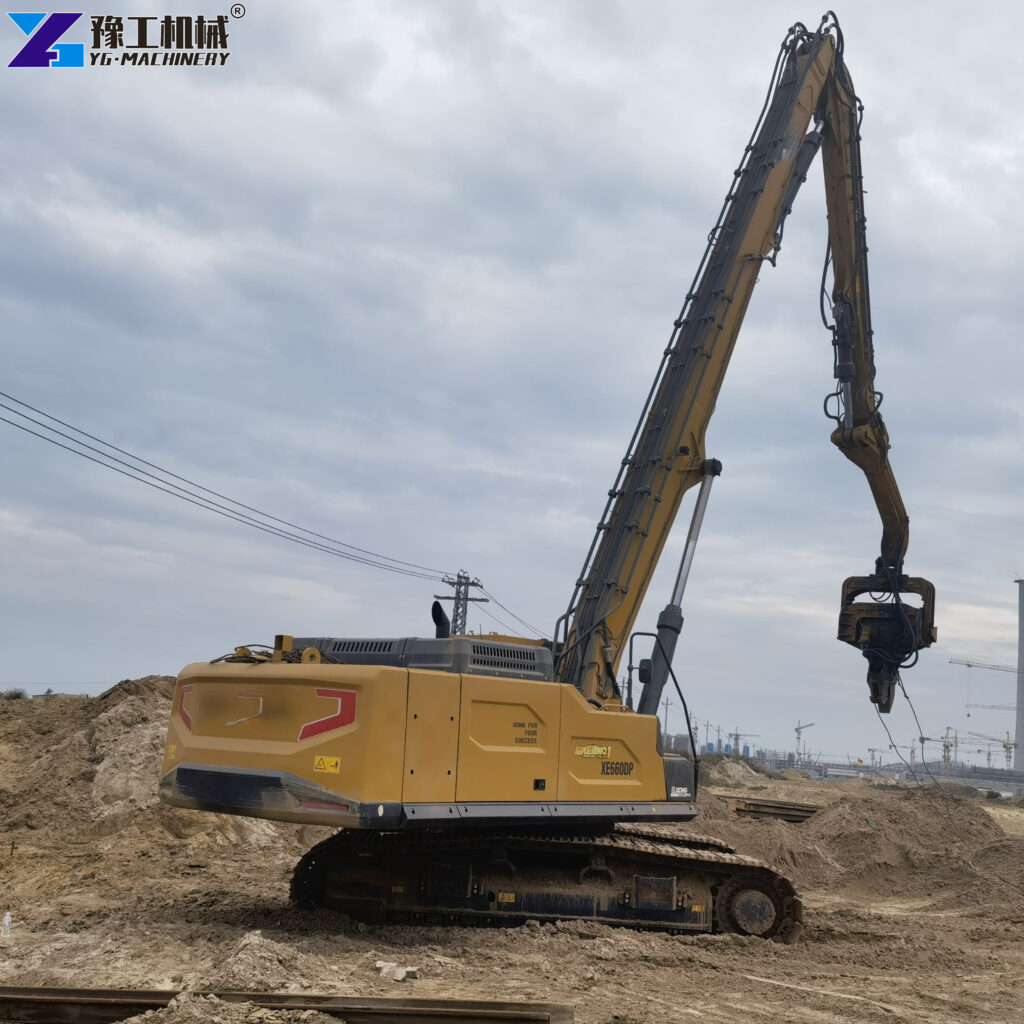
Sheet Pile Driver for Excavator Matching Points and Real Challenges
Choosing the correct sheet pile driver for an excavator required careful analysis of several practical operating factors.
1. Excavator Tonnage Matching
The customer mainly used 30-ton excavators at the site.
YG Machinery recommended the YG350D model because:
- The vibration force matched the project requirements
- Hydraulic flow compatibility was suitable
- The equipment’s weight fits the excavator safely
Proper matching helped maintain operational stability during piling work.
2. Hydraulic Flow Requirements
Hydraulic flow directly affects vibration efficiency.
Improper matching can create:
- Weak vibration performance
- Slow pile penetration
- Hydraulic overheating
YG Machinery engineers carefully checked the excavator’s hydraulic system before production.
3. Sheet Pile Material Characteristics
The project used long steel sheet piles with varying thickness.
This created challenges, including:
- Alignment control
- Vibration stability
- Penetration resistance
The hydraulic system needed sufficient power to maintain stable operation during continuous piling work.
4. Site Efficiency Expectations
The contractor wanted to:
- Increase daily piling quantity
- Reduce labor requirements
- Minimize machine downtime
- Improve project progress
After testing, the equipment significantly improved piling efficiency compared with the previous system.
5. Working Environment Challenges
Wet ground and muddy conditions increased operational difficulty.
The piling system needed:
- Stable structural design
- Reliable hydraulic performance
- Strong durability under continuous operation
The reinforced structure helped improve long-term reliability.
Hydraulic Pile Technical Parameters
The following models were available for different excavator sizes and project requirements:
| Model | YG150D | YG250D | YG350D | YG400D | YG450D |
| Eccentric Moment (kg·m) | 3.2 | 5.1/5.7 | 7.1 | 9.2 | 11 |
| Speed (rpm) | 2600 | 2600 | 2600 | 2600 | 2600 |
| Excitation Force (t) | 24 | 38/42 | 52 | 68 | 81 |
| Oil System Pressure (bar) | 200 | 300 | 320 | 330 | 330 |
| Hydraulic Flow (lpm) | 100 | 163 | 220 | 260 | 300 |
| Weight (t) | 1.2 | 1.6 | 2.4 | 2.5 | 2.6 |
| Excavator Range (t) | 8–12 | 20–25 | 25–35 | 35–45 | 40–55 |
For this Indonesia project, the customer selected the YG350D model to match a 30-ton excavator working in coastal foundation construction.
View full product specifications here.
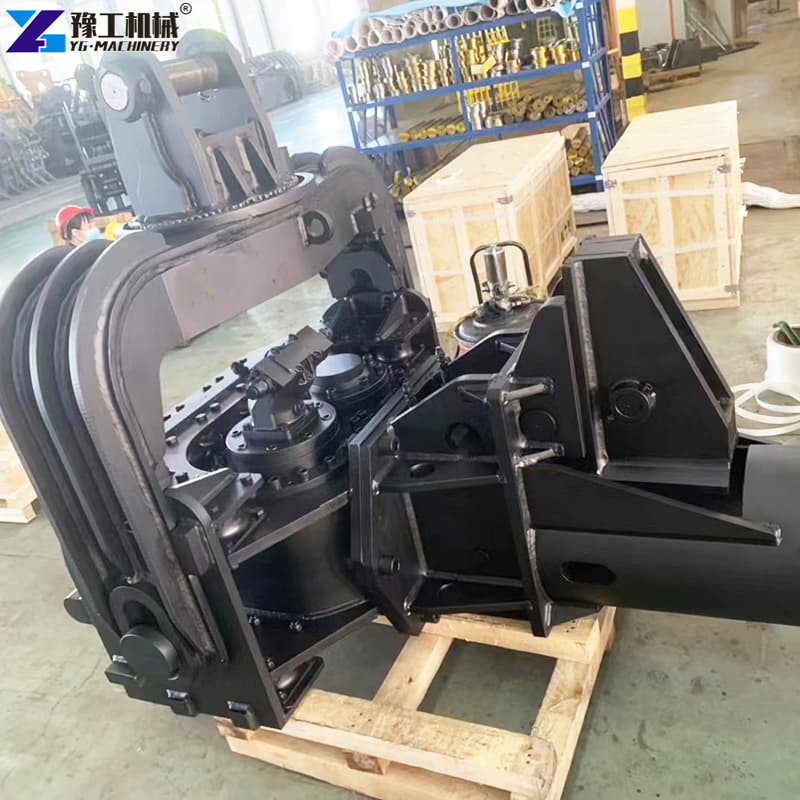
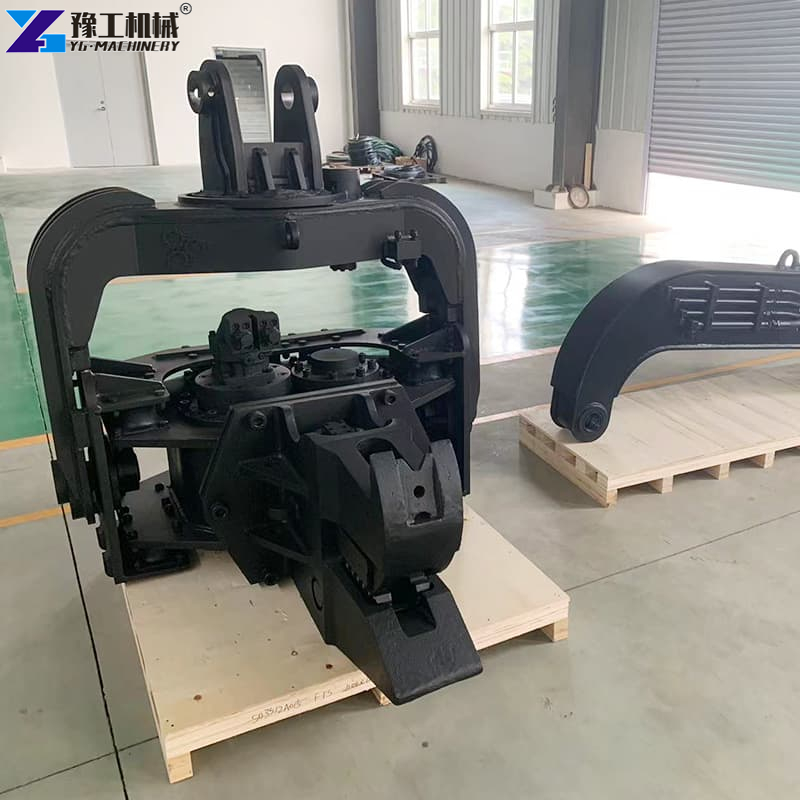
Pile Driver for Sale: Delivery and Installation Process
After confirming the final configuration, YG Machinery immediately arranged production and export logistics.
Shipping Arrangement
The equipment received:
- Reinforced export packaging
- Hydraulic component protection
- Anti-corrosion treatment
- Secure container loading
The equipment arrived in Indonesia on schedule.
Installation Support
YG Machinery provided:
- Hydraulic connection diagrams
- Remote technical assistance
- Installation instructions
- Operator training videos
The local construction team completed the installation efficiently.
On-Site Hydraulic Testing
After installation:
- Hydraulic pressure was tested
- Vibration frequency was adjusted
- Sheet pile installation trials were completed
The equipment quickly entered normal operation.
Pile Driver for Sale Working Feedback in Indonesia
After several months of operation, the contractor reported major improvements in construction efficiency and equipment reliability.
1. Faster Piling Efficiency
Compared with the previous equipment:
- Daily piling quantity increased significantly
- Pile penetration speed improved
- Project progress accelerated
This helped the contractor reduce overall construction time.
2. Stable Hydraulic Performance
Even under humid and rainy conditions:
- Hydraulic operation remained stable
- Vibration performance stayed consistent
- No major overheating occurred
The equipment maintained reliable operation during long working hours.
3. Reduced Fuel Consumption
Improved vibration efficiency reduced unnecessary excavator movement, helping lower fuel consumption during piling work.
4. Lower Maintenance Frequency
The reinforced structure reduced:
- Hydraulic leakage risk
- Structural wear
- Downtime caused by component failure
The customer reported lower maintenance costs compared with previous piling equipment.
5. Customer Feedback
“We compared several piling equipment suppliers before choosing YG Machinery. The machine performs very well on our coastal foundation project. The vibration force is strong, the hydraulic system remains stable, and the installation support was professional. Our piling efficiency improved significantly after using this equipment.”
What This Hydraulic Pile Case Means for Buyers
This pile driver machine project provides practical lessons for contractors and equipment buyers involved in foundation construction projects.
1. Hydraulic Matching Directly Affects Efficiency
Correct hydraulic flow and pressure matching strongly influence:
- Vibration performance
- Equipment stability
- Long-term reliability
Improper matching often causes performance loss and overheating problems.
2. Soil Conditions Should Guide Equipment Selection
Different soil conditions require different vibration force levels.
Buyers should consider:
- Soil density
- Pile length
- Ground moisture
- Project depth requirements
before selecting equipment.
3. Structural Durability Matters in Long-Term Projects
Continuous piling work creates heavy vibration and impact force.
High-strength structure and reliable welding quality help reduce long-term maintenance costs.
4. Technical Support Reduces Operational Risk
Professional supplier support helps avoid:
- Hydraulic compatibility problems
- Installation mistakes
- Operational delays
Reliable after-sales service becomes especially important for overseas projects.
5. Efficiency Improvement Creates Better Profitability
Higher piling efficiency helps contractors:
- Finish projects faster
- Reduce labor costs
- Lower fuel consumption
- Improve equipment utilization rate
These advantages directly improve project profitability.