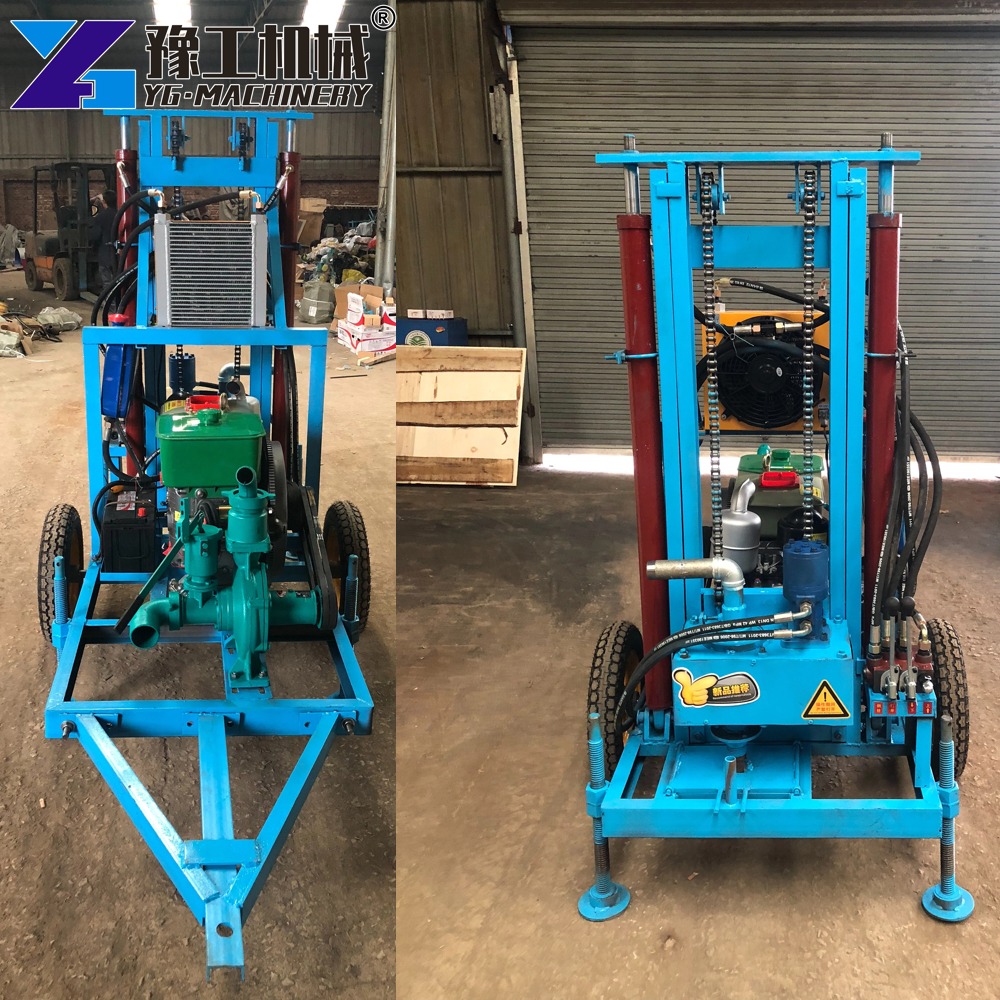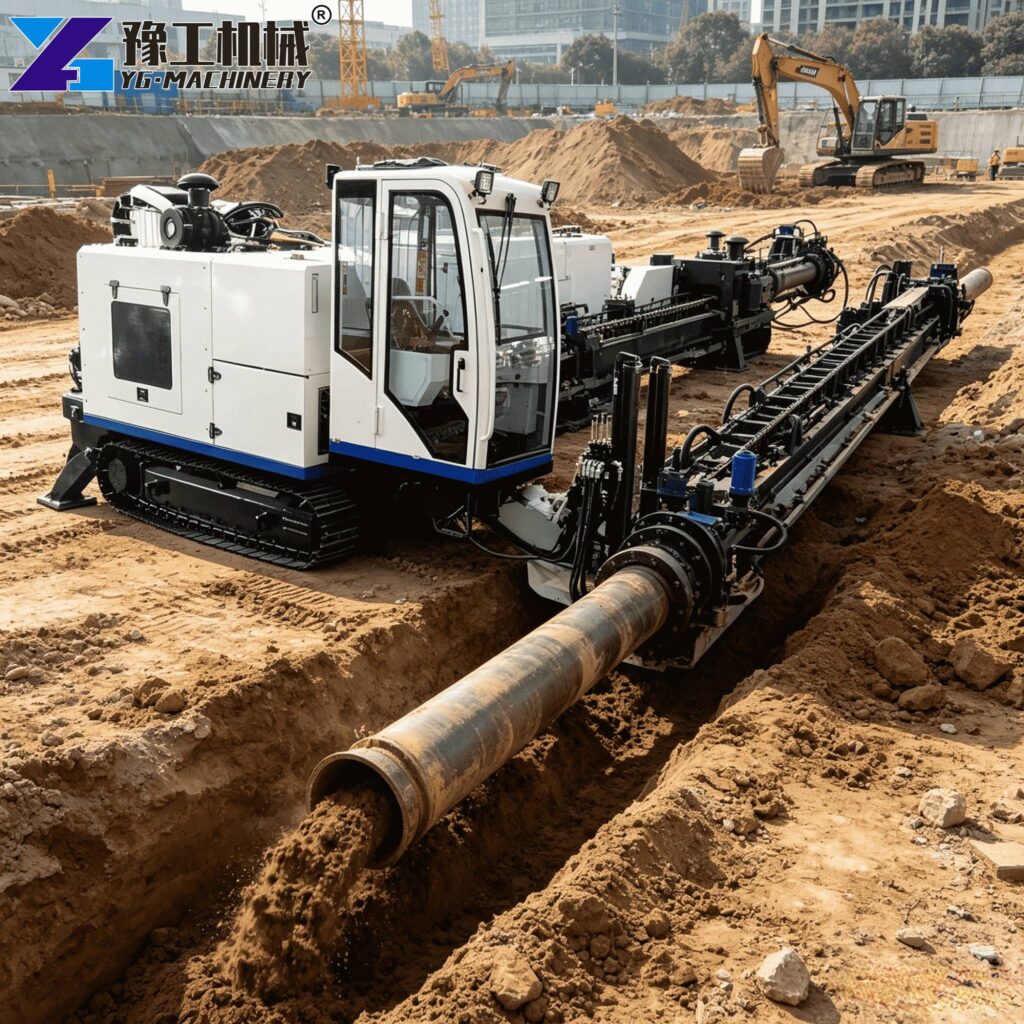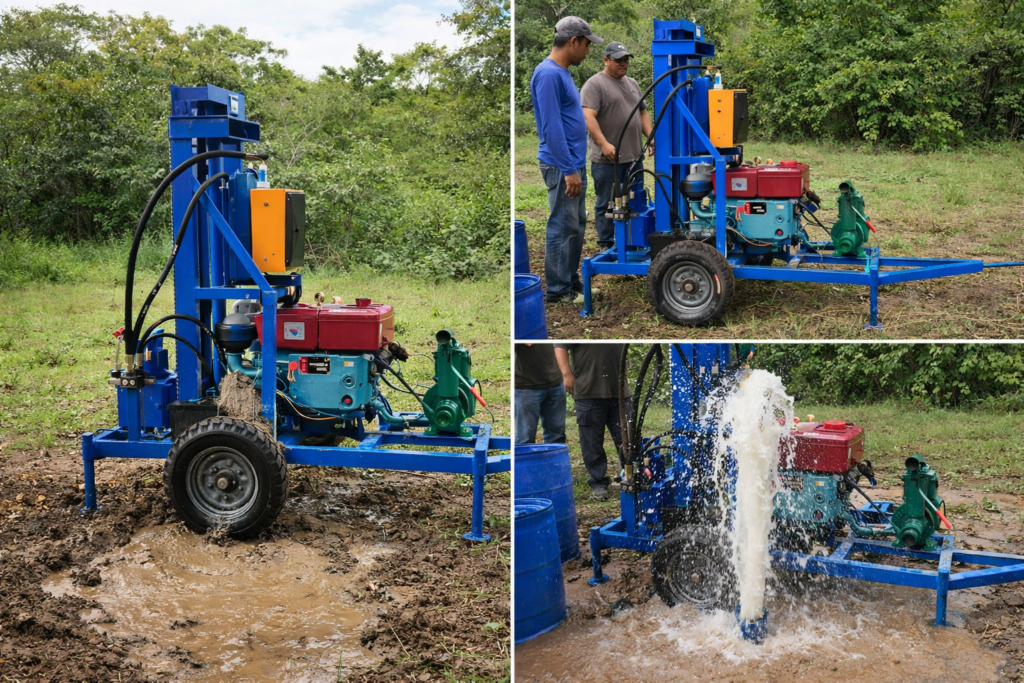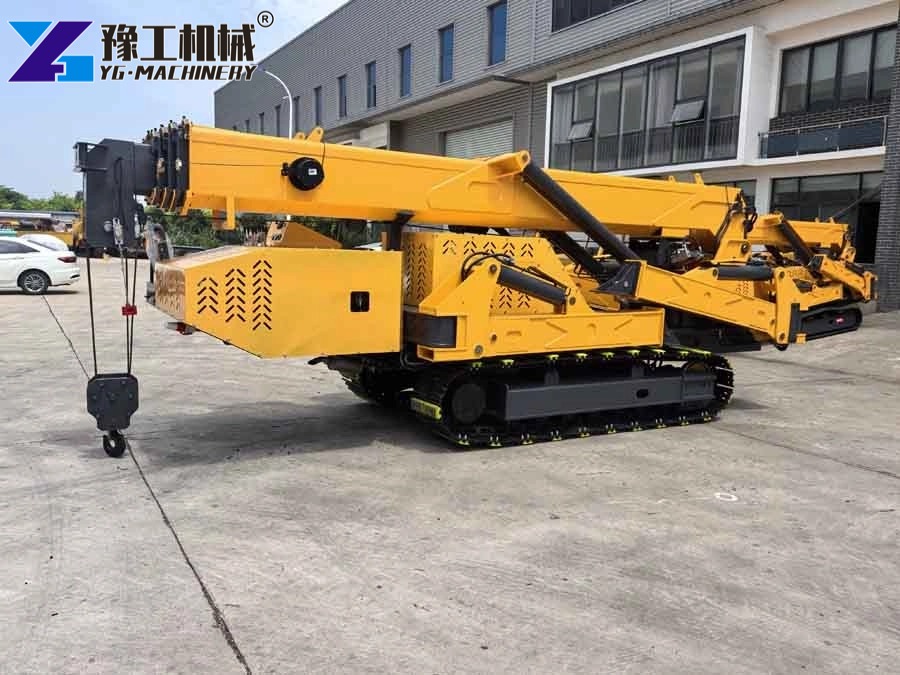
A down-the-hole drilling rig is one of the most efficient drilling solutions for hard rock drilling, quarry blasting, mining operations, water well construction, and foundation engineering. Compared with traditional rotary drilling systems, a modern DTH drilling rig delivers faster penetration speed, straighter boreholes, and lower energy loss during deep-hole drilling.
Today, contractors worldwide increasingly rely on advanced downhole drilling because of its strong adaptability to complex geological conditions and lower operating costs.
This guide explains how a DTH drilling machine works, its advantages, applications, and how to choose the right drilling rig for your project.
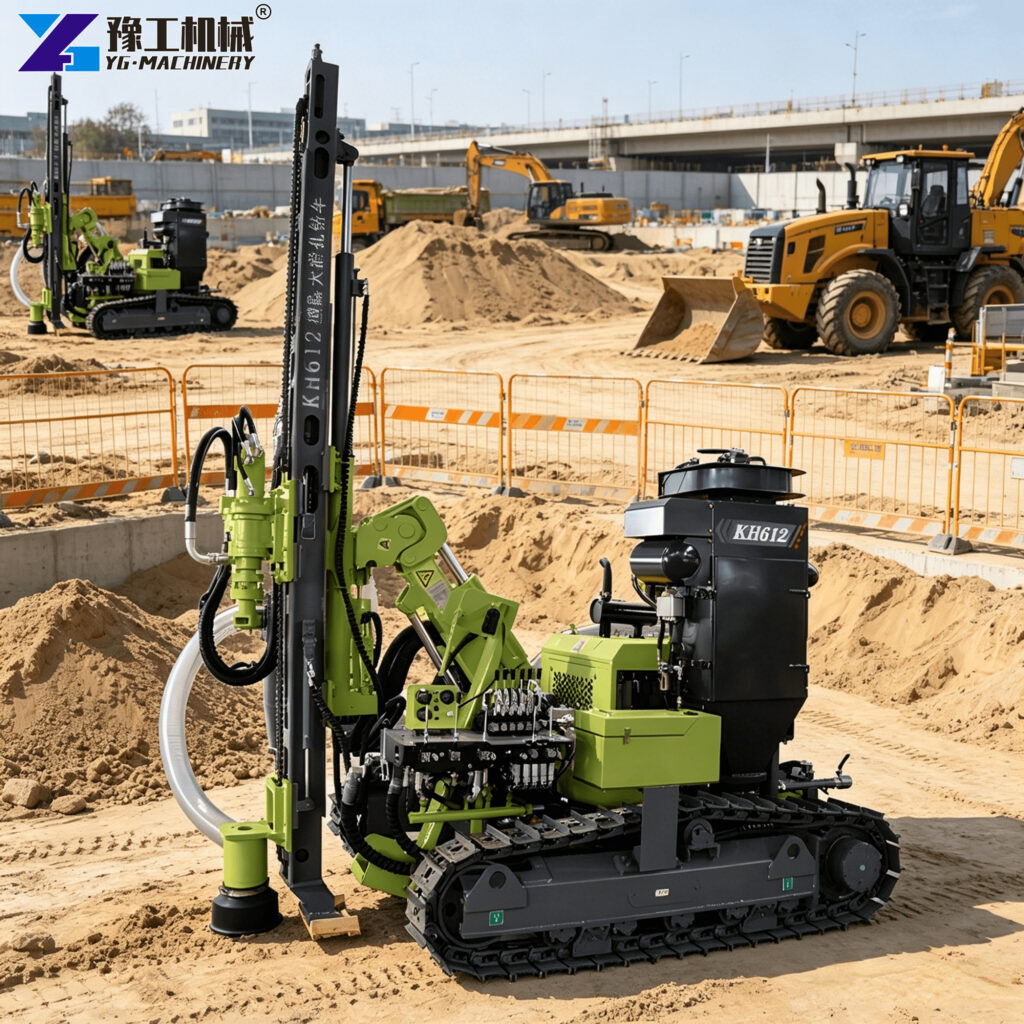
Need a Reliable DTH Drilling Rig for Your Project? Get direct factory pricing, detailed specifications, and custom drilling solutions from YG Machinery. 👉 Get a Free Quote Now
What Is DTH Drilling?
DTH stands for “Down-The-Hole” drilling. In this drilling method, the pneumatic hammer is mounted directly behind the drill bit at the bottom of the drill string. Compressed air powers the hammer and produces high-frequency impact energy to crush hard rock efficiently.
Unlike top hammer drilling systems, a down-the-hole drilling rig transfers impact energy directly to the bottom of the hole, greatly reducing energy loss through the drill rods. This allows the drilling system to maintain stable performance even in deep-hole operations.
How Does a Down-the-Hole Drilling Machine Work?
It combines impact force, rotation, feed pressure, and compressed air flushing to achieve efficient drilling.
Basic Working Process
- The air compressor delivers high-pressure compressed air into the drill pipes.
- The compressed air drives the DTH hammer.
- The hammer piston repeatedly strikes the drill bit.
- The drill bit crushes rock through continuous percussion.
- The rotation system ensures uniform cutting.
- Exhaust air removes rock debris from the borehole.
The drilling efficiency of a DTH drilling rig mainly depends on:
- Air pressure
- Hammer performance
- Drill bit quality
- Feed force
- Rock hardness
Main Components of Down-the-Hole Drilling Rig
A complete down-the-hole drilling system usually includes the following parts:
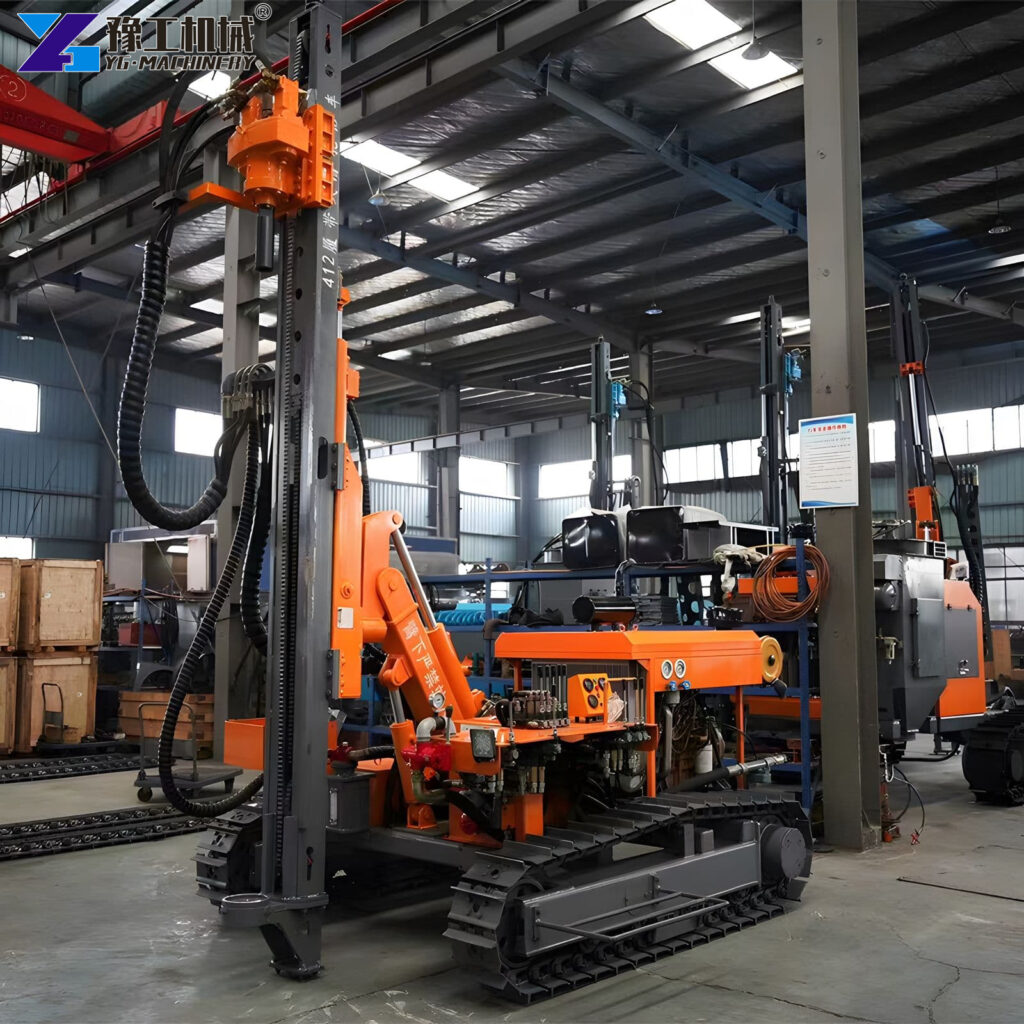
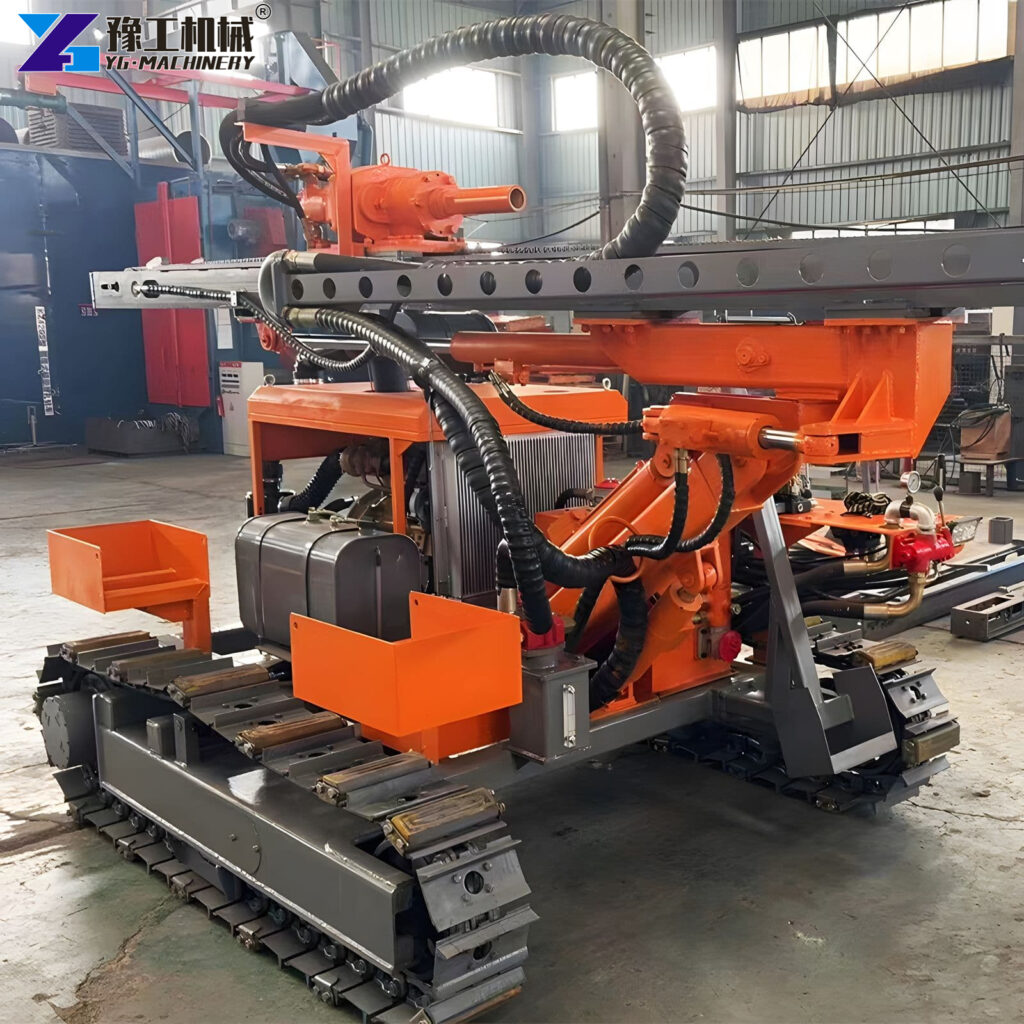
1. Drilling Rig
The rig provides mobility, feed force, rotation torque, and drilling control.
2. Air Compressor
The compressor supplies high-pressure air to power the DTH hammer.
3. DTH Hammer
Installed directly behind the drill bit, the hammer converts compressed air into impact energy.
4. Drill Bit
DTH button bits are commonly used for hard rock drilling applications.
5. Drill Pipes
Drill rods transfer compressed air and rotational power to the hammer and bit.
Advantages of a DTH Drilling Rig
High Penetration Speed
Because impact energy is generated directly at the bottom of the hole, drilling efficiency remains high even at greater depths.
Excellent Hole Straightness
A DTH drilling machine produces straighter boreholes with lower deviation, making it ideal for blasting and anchoring projects.
Strong Hard Rock Capability
DTH drilling performs exceptionally well in granite, basalt, limestone, and other hard formations.
Lower Energy Loss
Compared with top hammer drilling, DTH systems reduce impact energy loss through the drill string.
Wide Application Range
Modern downhole drilling equipment can be used in mining, water well drilling, slope stabilization, geothermal projects, and infrastructure construction.
Common Applications of Down-the-Hole Drilling Machines
Mining and Quarrying
A DTH drilling rig is widely used for:
- Blast hole drilling
- Limestone quarry operations
- Granite mining
- Aggregate production
Water Well Drilling
Many contractors use downhole drilling equipment for deep water well drilling because of its stable hole quality and efficient rock penetration.
Foundation Engineering
DTH drilling rigs are suitable for:
- Anchor hole drilling
- Micropile drilling
- Slope stabilization
- Grouting holes
Infrastructure Construction
DTH rigs are commonly used in:
- Highway projects
- Railway engineering
- Tunnel construction
- Hydropower projects
Types of DTH Drilling Rigs
Pneumatic DTH Drilling Rig
Powered mainly by compressed air, this type is suitable for quarrying and shallow rock drilling.
Hydraulic DTH Drilling Rig
Hydraulic systems provide stronger control, higher automation, and greater drilling efficiency.
Portable DTH Drilling Rig
Compact portable rigs are suitable for remote areas and small-scale projects.
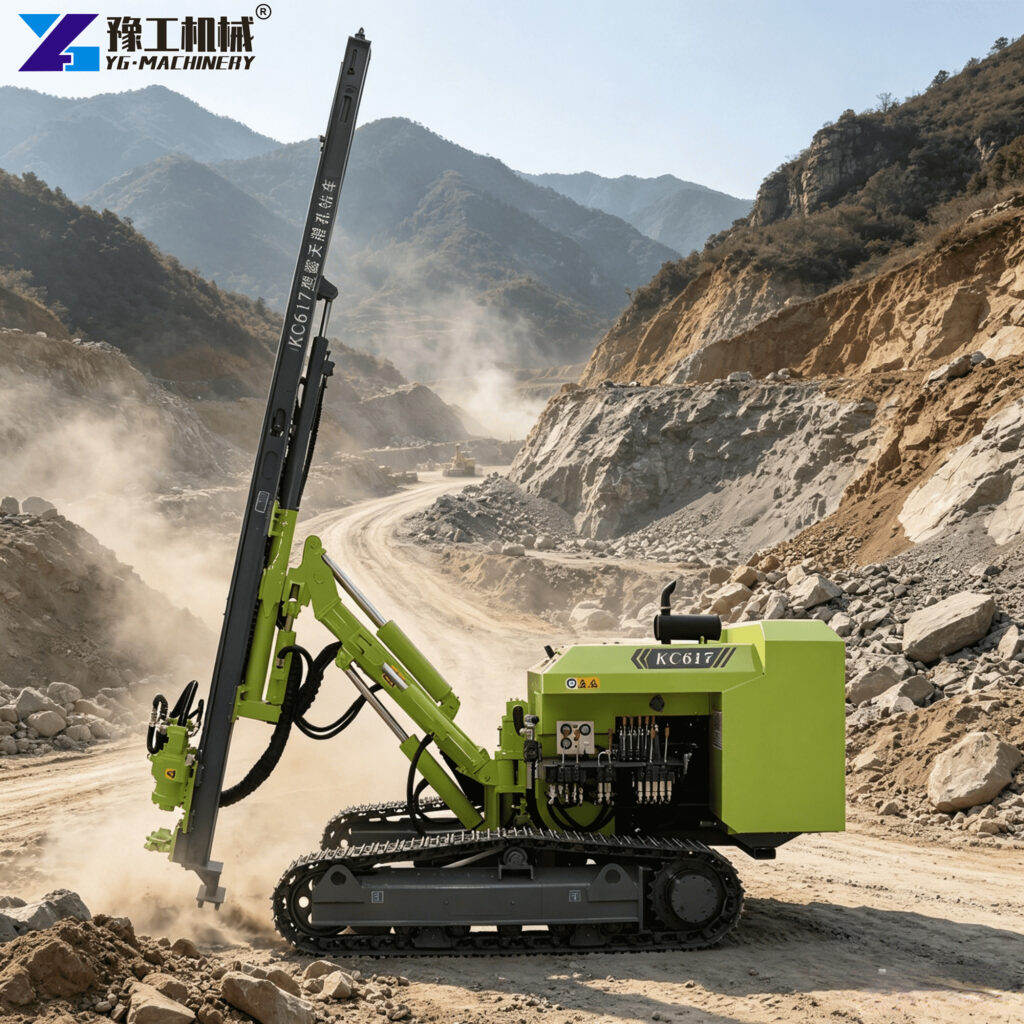
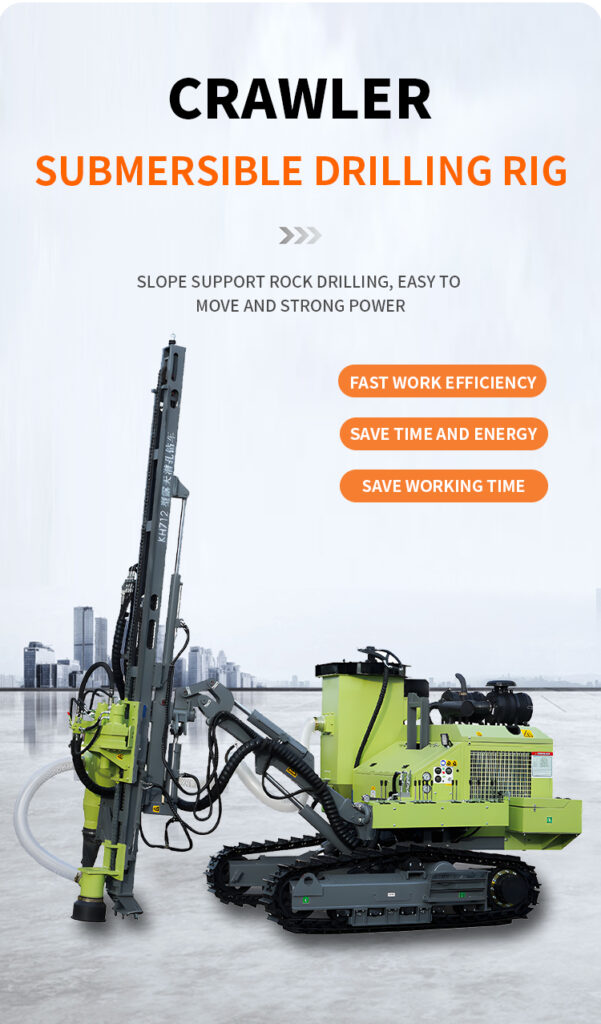
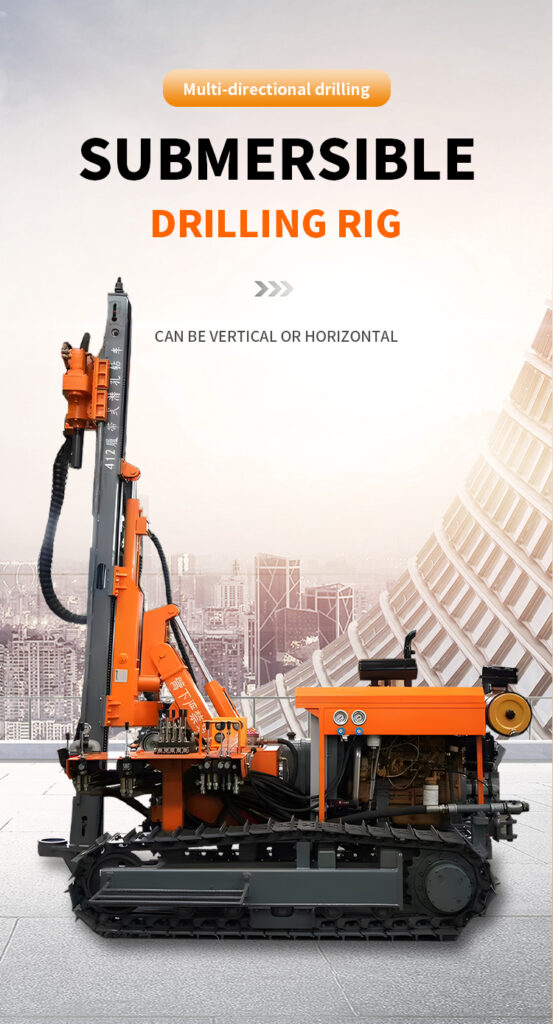
Crawler Mounted DTH Drilling Rig
Crawler-mounted systems provide excellent mobility and stability on rough terrain.
DTH Drilling Rig vs Top Hammer Drilling
| Feature | DTH Drilling Rig | Top Hammer Drill |
| Hole Straightness | Excellent | Moderate |
| Deep Hole Performance | Very Stable | Lower Efficiency |
| Hard Rock Drilling | Excellent | Good |
| Energy Loss | Low | Higher |
| Hole Diameter | Medium to Large | Small to Medium |
| Drilling Accuracy | High | Moderate |
DTH drilling is generally preferred for deeper and larger-diameter boreholes.
Not Sure Which YG DTH Model Fits Your Work Site? Our engineering team is here to help you select the exact rig, air compressor, and hammer package for your geological conditions. 👉 Consult Our Engineers
YG Down the Hole Drilling Rig Models
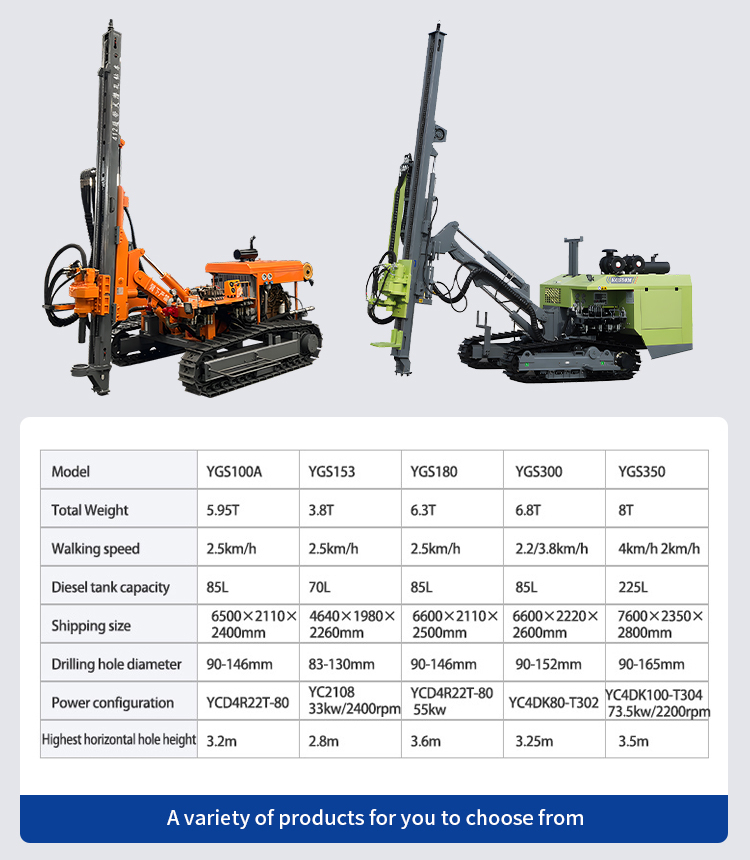
YG Machinery provides multiple down-the-hole drilling rig models suitable for mining, quarrying, water wells, and construction projects. The YGS series is designed for medium- and large-scale hard rock drilling operations.
| Model | YGS100A | YGS153 | YGS180 | YGS300 | YGS350 |
| Total Weight | 5.95T | 3.8T | 6.3T | 6.8T | 8T |
| Walking Speed | 2.5km/h | 2.5km/h | 2.5km/h | 2.2/3.8km/h | 4km/h / 2km/h |
| Diesel Tank Capacity | 85L | 70L | 85L | 85L | 225L |
| Shipping Size | 6500×2100×2400mm | 4640×1980×2260mm | 6600×2110×2500mm | 6600×2220×2600mm | 7600×2350×2800mm |
| Drilling Hole Diameter | 90-146mm | 83-130mm | 90-146mm | 90-152mm | 90-165mm |
| Power Configuration | YCD4R22T-80 | YC2108 33kw/2400rpm | YCD4R22T-80 55kw | YC4DK80-T302 | YC4DK100-T304 73.5kw/2200rpm |
| Highest Horizontal Hole Height | 3.2m | 2.8m | 3.6m | 3.25m | 3.5m |
These models are suitable for:
- Quarry blasting
- Open-pit mining
- Water well drilling
- Anchor hole drilling
- Geothermal drilling
- Foundation reinforcement
Learn more about the machine specifications and available models.
How to Choose the Right Down Hole Drilling Equipment
Consider Rock Hardness
Hard formations require a stronger impact force and higher air pressure.
Determine Hole Diameter
Different hammer sizes support different borehole diameters.
Evaluate Drilling Depth
Deep-hole drilling requires stable compressors and durable drill rods.
Check Mobility Requirements
Crawler-mounted rigs are ideal for rough terrain and mining environments.
Analyze Fuel Efficiency
Efficient engines reduce long-term operating costs.
Why Air Pressure Is Important in DTH Drilling
Compressed air is the core power source of a down-the-hole drilling machine.
It performs two critical functions:
- Driving the hammer piston
- Removing drilling debris from the borehole
Higher air pressure generally improves:
- Penetration rate
- Hole cleaning efficiency
- Drilling stability
However, the compressor must properly match the hammer size and drilling conditions.
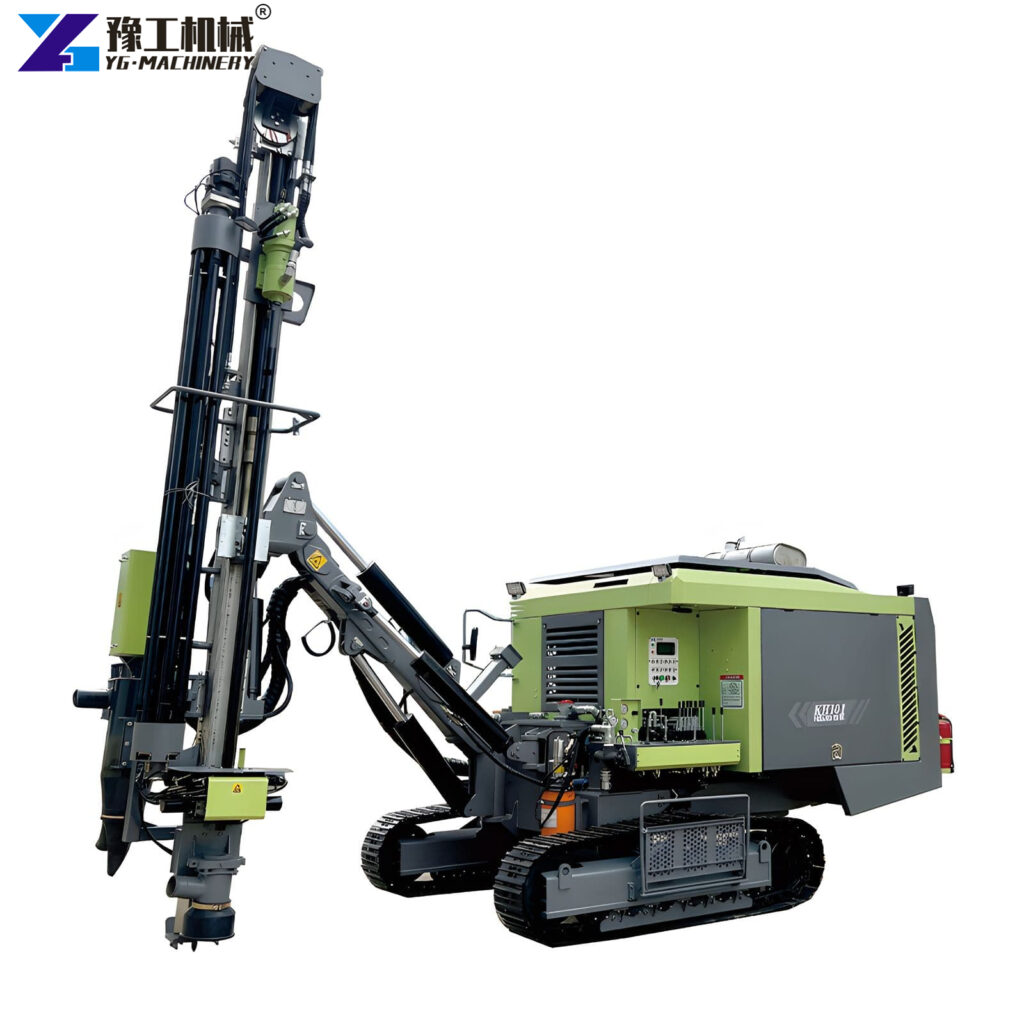
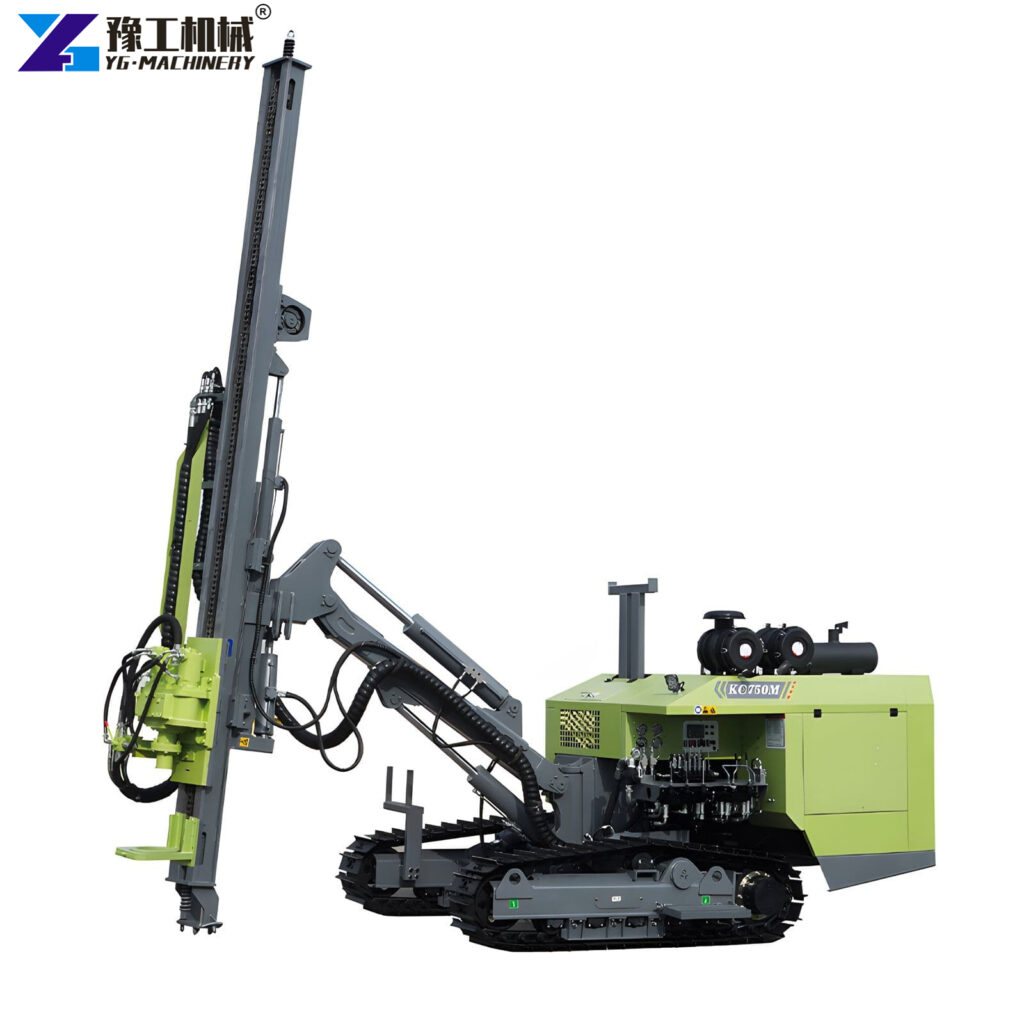
Why Choose YG Machinery DTH Drilling Rigs
YG Machinery focuses on manufacturing reliable rigs for the global mining and construction industries.
Key advantages include:
- Strong hard-rock drilling capability
- Durable crawler chassis
- Stable hydraulic system
- Competitive factory pricing
- Custom drilling solutions
- Global technical support
YG drilling rigs are widely used in Asia, Africa, the Middle East, and South America for quarrying, infrastructure, and water well projects.
Explore real project photos and customer feedback.
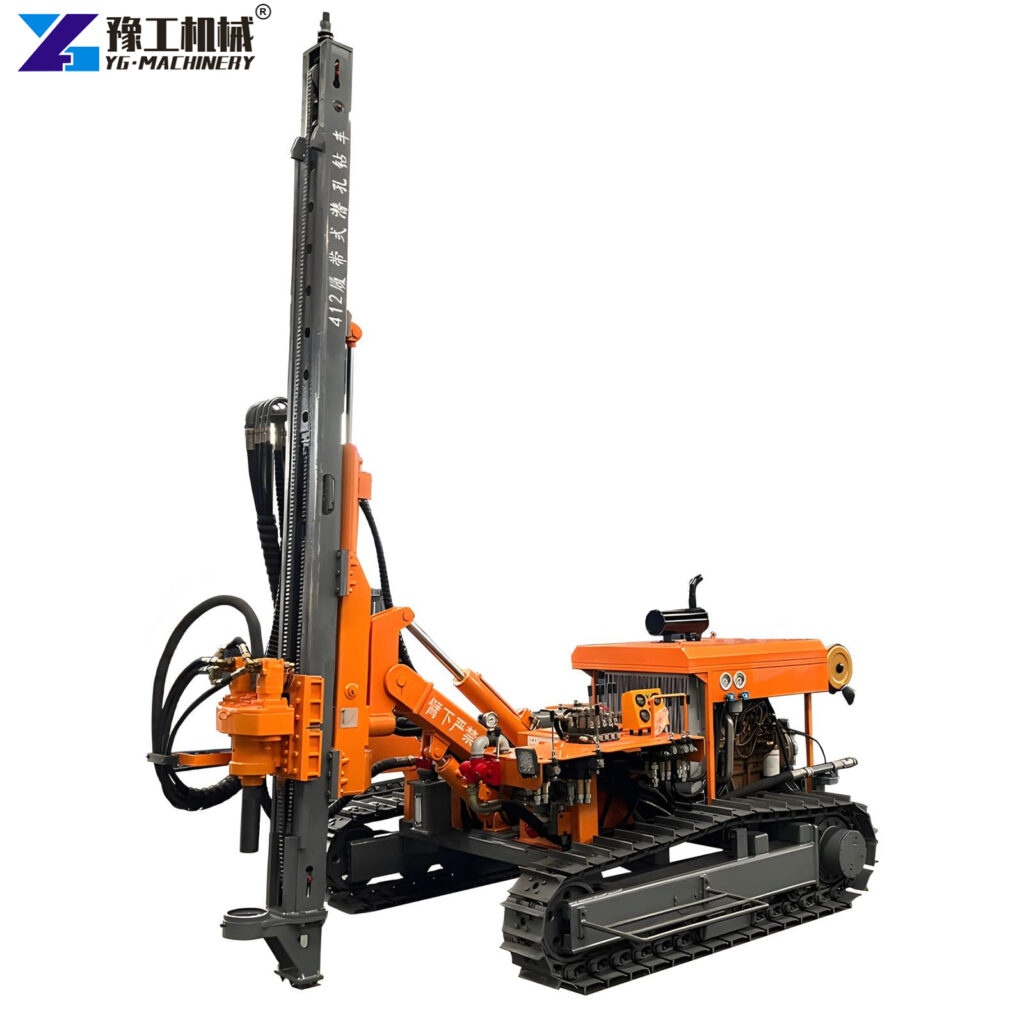
FAQs About Down the Hole Drilling Rig
A DTH drilling machine is especially suitable for medium to hard rock formations such as granite, basalt, limestone, and sandstone. It performs best where traditional rotary drilling becomes inefficient.
Key factors include air compressor pressure, hammer quality, drill bit condition, rock hardness, and drilling depth. Proper matching of equipment ensures higher efficiency and lower operating costs.
DTH drilling uses pneumatic impact at the bottom of the hole, while rotary drilling relies mainly on rotation and surface force. This makes DTH drilling rigs more efficient in hard rock and deep-hole applications.
When selecting a DTH drilling rig, consider hole diameter, drilling depth, rock hardness, mobility requirements, and engine power. Matching these factors ensures optimal performance for your project conditions.
Yes. The drill rods are manufactured from high-strength wear-resistant alloy steel, allowing them to be reused over 200 times under proper maintenance conditions. In addition, the manufacturer also offers drill rod inspection and flaw detection services to ensure continued safe and reliable performance.
Yes. After purchase, the manufacturer provides comprehensive technical support, including free operator training on equipment use, drilling parameter adjustment, drill bit replacement, and routine maintenance. A professional engineering team is also available to offer on-site or remote construction guidance to help ensure efficient and trouble-free project execution.
DTH drilling operations typically require supporting equipment such as air compressors, generators, drill bits, and drill rods. To simplify procurement and ensure full system compatibility, the manufacturer offers a one-stop purchasing solution for complete down-the-hole drilling systems, helping avoid mismatch issues between components.
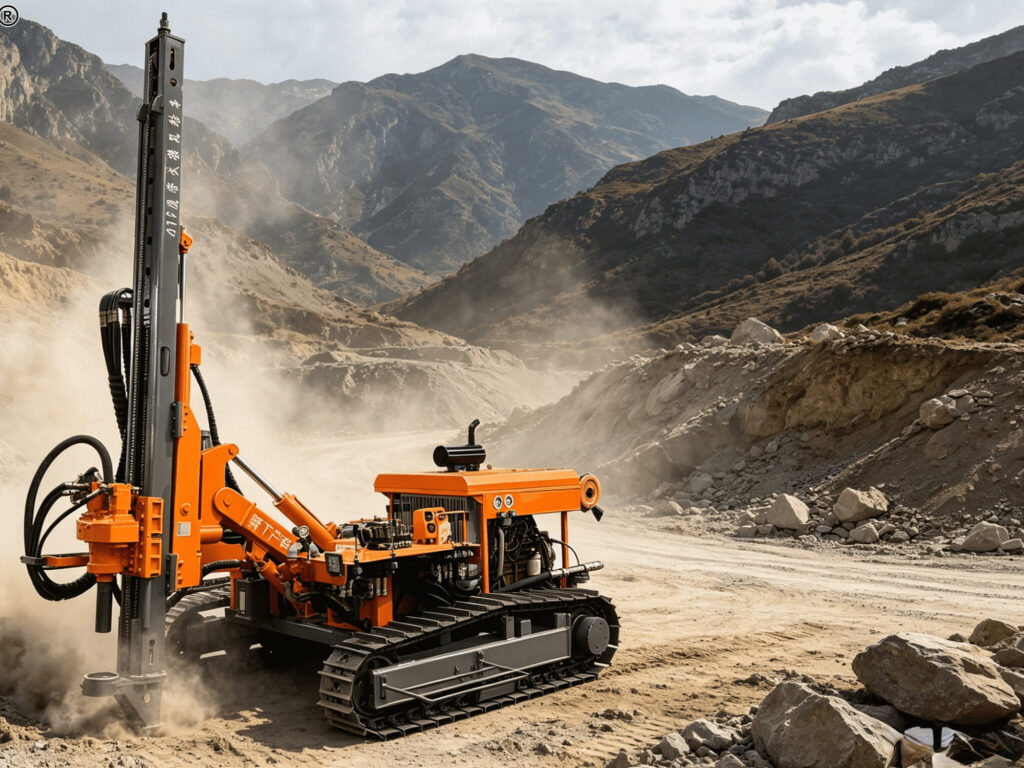
Ready to Boost Your Drilling Efficiency? YG Machinery offers complete down-the-hole drilling solutions, including on-site training, high-durability drill rods, and global technical support. 📩 Contact Us Today for Catalog & Price List