The debate around backhoe loader vs excavator has become increasingly important as construction companies seek more efficient and cost-effective equipment solutions. Whether you operate in urban construction, agriculture, municipal engineering, or road projects, understanding the differences between backhoe loader vs excavator machines can significantly improve productivity and reduce operational costs.
Although both machines perform excavation tasks, they serve different operational purposes. A backhoe loader combines digging and loading functions in one machine, while an excavator focuses primarily on heavy-duty excavation.
Choosing the right machine depends on:
- Project scale
- Jobsite conditions
- Budget
- Transportation needs
- Versatility requirements
This guide provides a complete comparison to help buyers make informed equipment decisions.
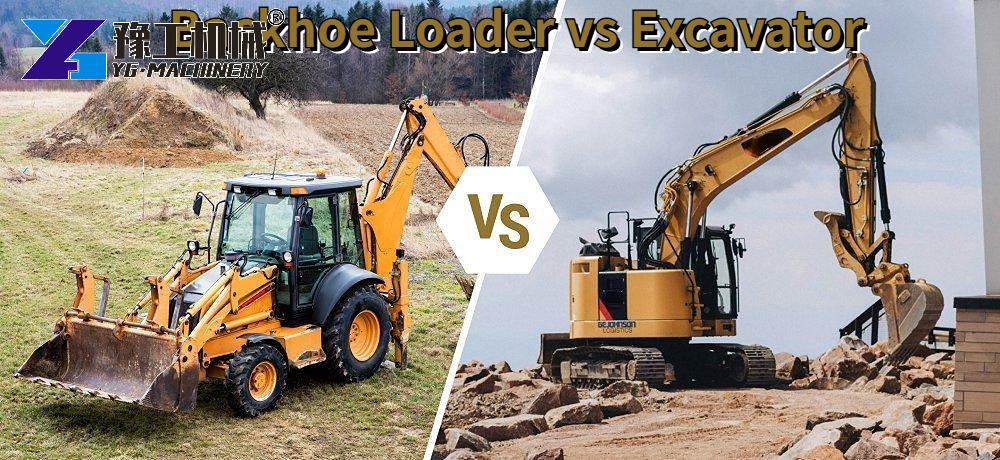
What Is a Backhoe Loader and How Does It Work?
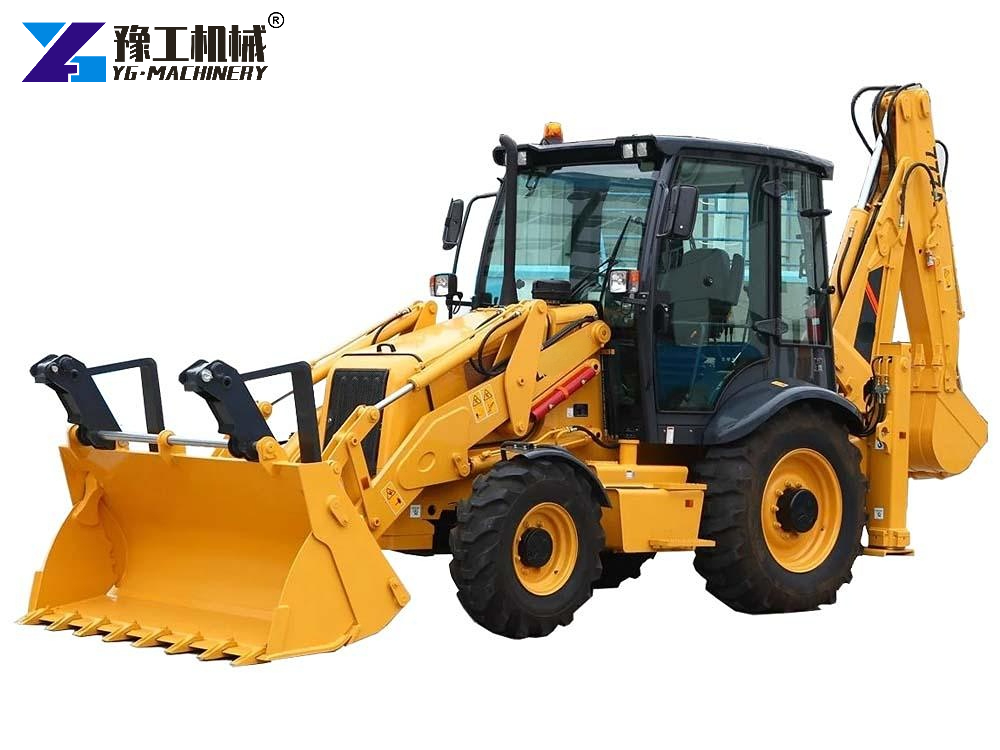
A backhoe loader is a multifunctional construction machine that combines:
- A front-loading bucket
- A rear excavating arm
This dual-function design allows operators to perform both material loading and excavation using a single machine.
Main Components
- Front loader bucket
- Rear backhoe attachment
- Hydraulic system
- Wheeled chassis
- Operator cabin
Unlike tracked excavators, backhoe loaders use tires, giving them better mobility and road travel capability.
Key Advantages
- Multi-purpose functionality
- Easy transportation
- Lower operating costs
- Fast movement between job sites
Because one machine can handle multiple tasks, contractors often choose backhoe loaders for medium-sized projects.
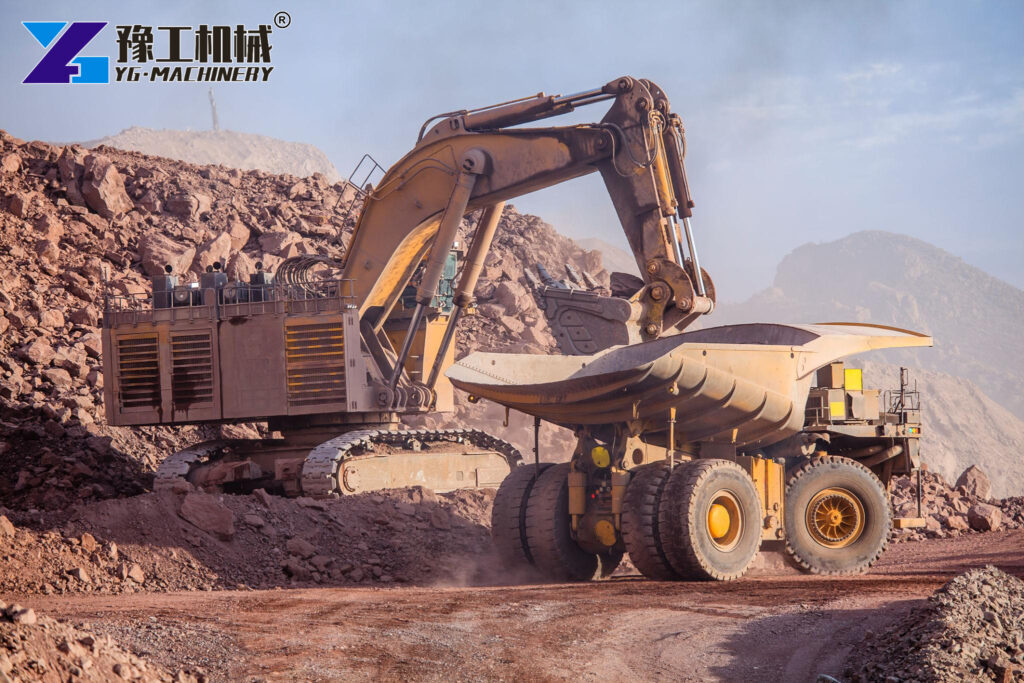
What Is an Excavator and What Are Its Main Functions?
An excavator is a specialized hydraulic machine mainly designed for:
- Deep excavation
- Heavy earthmoving
- Mining operations
- Demolition work
Most excavators use tracked undercarriages for stability on rough terrain.
Core Features
- Rotating upper structure
- Hydraulic boom and arm
- Large digging bucket
- High digging force
Excavators excel in:
- Deep trenching
- Large-scale excavation
- High-volume earthmoving
However, they generally lack the versatility of backhoe loaders.
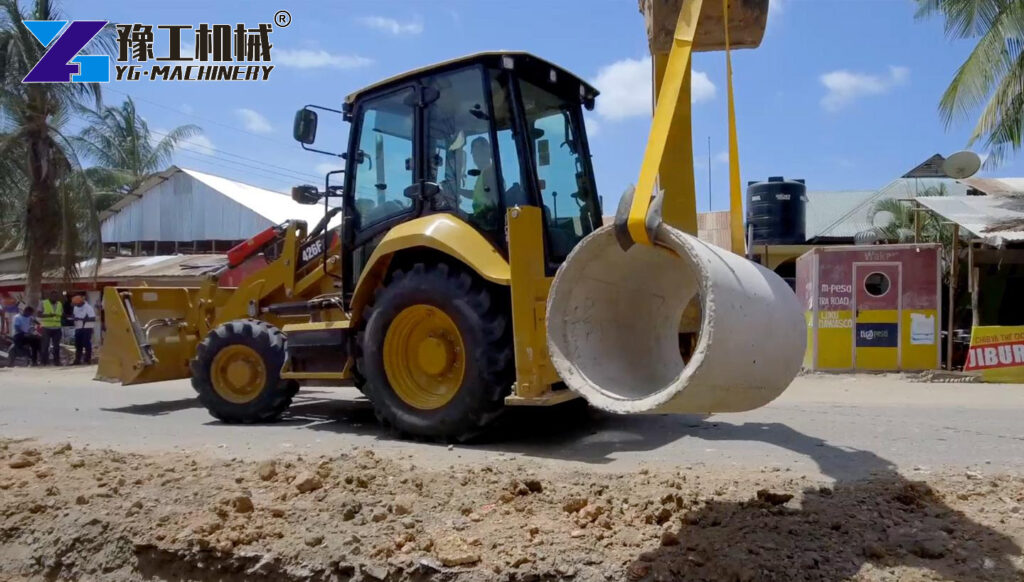
Backhoe Loader vs Excavator: Key Structural Differences
Machine Design and Configuration
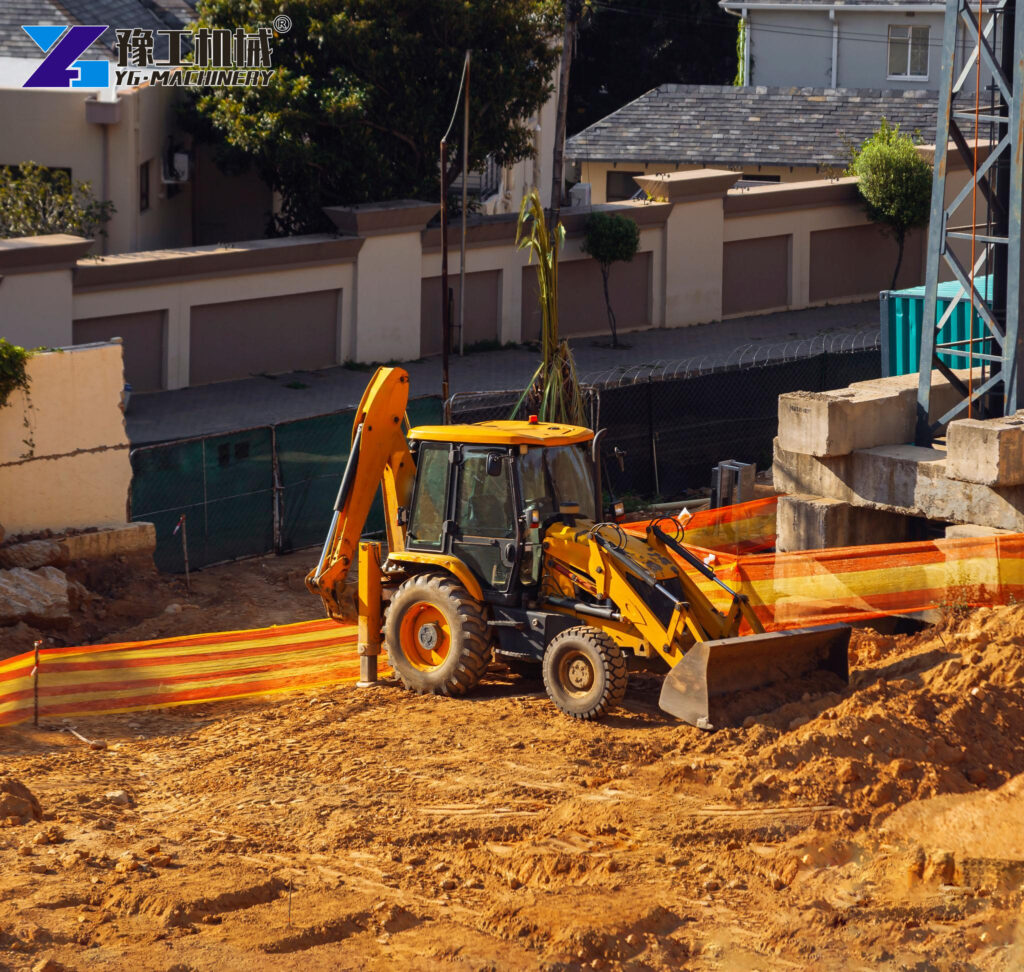
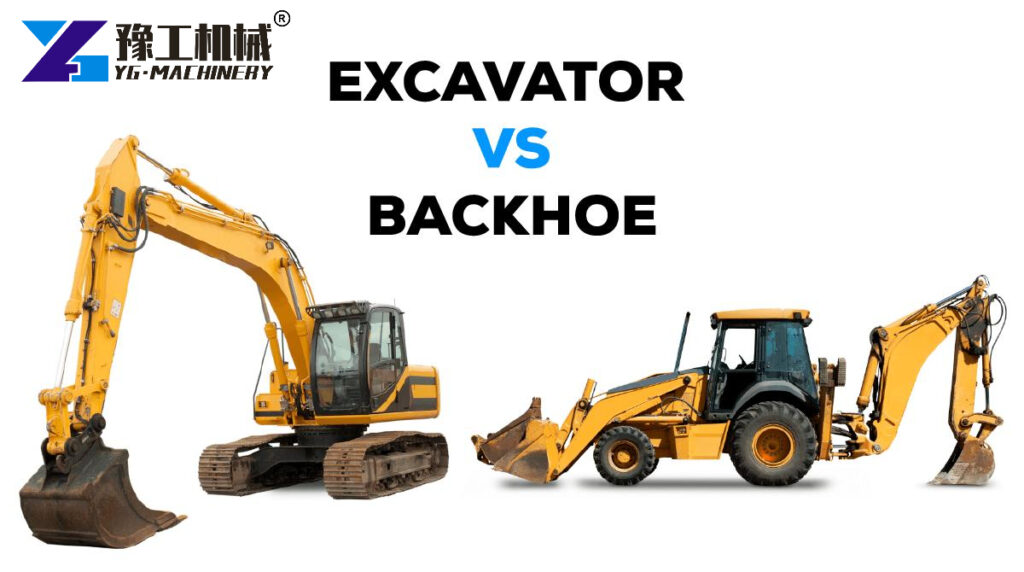
The most obvious difference in backhoe loader vs excavator comparisons is machine structure.
Backhoe Loader
- Loader bucket at the front
- Excavator arm at the rear
- Tire-based chassis
Excavator
- Central boom structure
- 360-degree rotation
- Tracked undercarriage
Backhoe loaders prioritize versatility, while excavators focus on digging power.
Mobility and Transportation
Backhoe loaders offer better mobility because they travel on wheels.
Advantages include:
- Faster movement on roads
- Lower transportation costs
- Easier relocation between projects
Excavators usually require trailers for transportation.
Professional Insight:
Urban contractors often prefer backhoe loaders because they move quickly between multiple job sites.
Digging Depth and Reach
Excavators generally provide:
- Greater digging depth
- Higher breakout force
- Longer operating reach
Backhoe loaders offer moderate digging performance suitable for:
- Utility work
- Municipal construction
- Residential projects
Loading and Material Handling
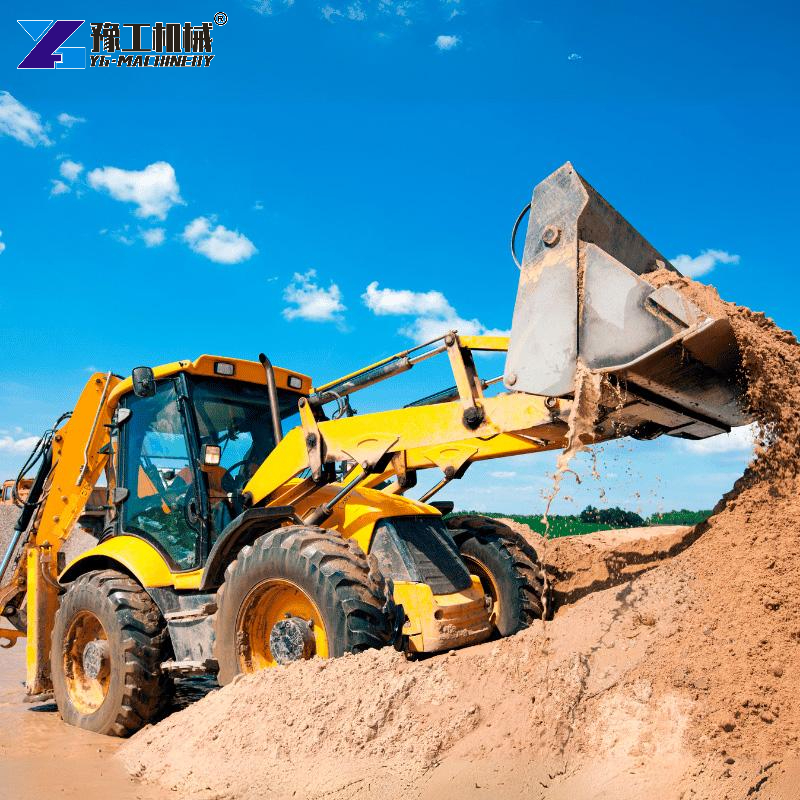
A backhoe loader includes a front bucket capable of:
- Material loading
- Site cleaning
- Soil transport
Excavators usually require additional equipment, such as wheel loaders for loading operations.
Backhoe Loader vs Excavator Performance Comparison
Efficiency on Urban Construction Sites
In compact urban projects, backhoe loaders often outperform excavators due to:
- Smaller turning radius
- Better mobility
- Multi-functional operation
A single machine can:
- Dig trenches
- Move materials
- Load trucks
This reduces equipment costs and labor requirements.
Heavy-Duty Earthmoving Applications
Excavators dominate heavy-duty applications such as:
- Mining
- Quarry work
- Large infrastructure projects
Their hydraulic systems generate:
- Higher digging force
- Better stability
- Continuous heavy operation capability
Fuel Consumption and Operating Costs
Backhoe loaders generally consume less fuel than large excavators.
Lower operating costs include:
- Reduced fuel consumption
- Lower transportation expenses
- Easier maintenance
For medium-sized contractors, this cost efficiency can significantly improve profitability.
Operator Flexibility and Ease of Use
Backhoe loaders allow operators to switch quickly between:
- Loading tasks
- Excavation work
- Site cleaning
This flexibility improves productivity, especially on mixed-use job sites.

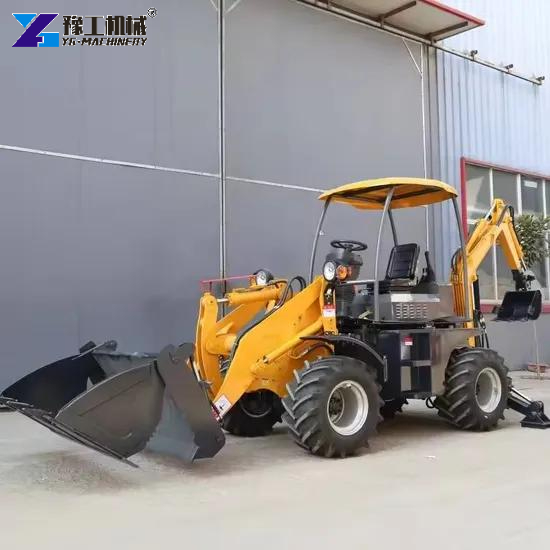
Why Compact Backhoe Loader Models Are Popular for Small Projects
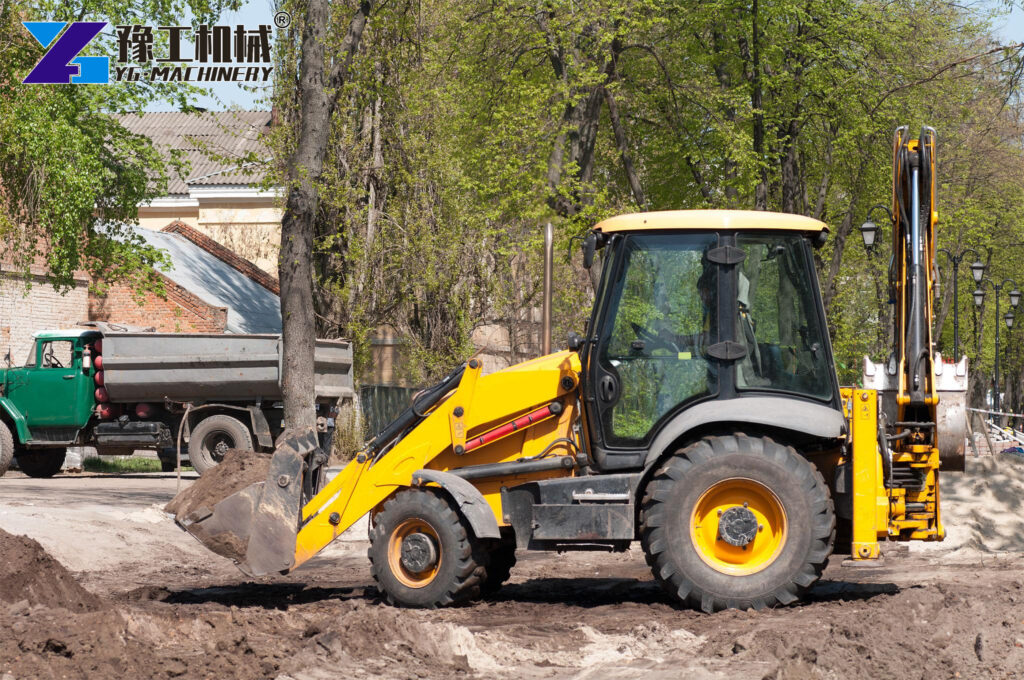
A compact backhoe loader is ideal for:
- Urban road maintenance
- Landscaping projects
- Agricultural work
- Residential construction
Benefits of Compact Models
- Easy transportation
- Lower fuel usage
- Better maneuverability
- Reduced operating costs
Compact equipment works especially well in narrow construction areas where large excavators struggle.
Small Backhoe Loader vs Mini Excavator for Limited Spaces
A small backhoe loader provides both excavation and loading functions, making it more versatile than a mini excavator.
Small Backhoe Loader Advantages
- Multifunction capability
- Faster movement
- Lower equipment investment
Mini Excavator Advantages
- Better digging precision
- Smaller footprint
- Improved stability in soft ground
Professional Tip:
Choose a small backhoe loader if your project requires both digging and material handling.
Technical Specifications of YG Compact Backhoe Loader Models
YG Backhoe Loader Technical Parameters
| Model | Transmission Type | Dumping Height (m) | Bucket Width (m) | Engine Configuration | Additional Specs |
| YG-920 | Mechanical | 3.2 | 1.8 | High/Low Speed / Isuzu Engine | — |
| YG-926 | CVT | 3.2 | 1.8 | 265 Engine / Small Hub Reduction Axle | — |
| YG-928 | CVT | 3.2 | 1.8 | Dual 265 Engine / Small Hub Reduction Axle | — |
| YG-930 | CVT | 3.2 | 1.8 | Dual 265 Engine / Small Hub Reduction Axle | — |
| YG-940 | CVT | 3.5 | 2.0 | Dual 265 / Large Hub Reduction Axle | 4102 Turbocharged / Air Brake |
| YG-946 | CVT | 3.5 | 2.0 | Dual 280 / Large Hub Reduction Axle | 4102 Turbocharged / Air Brake |
| YG-949 | CVT | 3.5 | 2.0 / 2.2 | Dual 300 Split / Large Hub Reduction Axle | 4108 Turbocharged / Air Brake |
How Different Configurations Affect Performance
- Mechanical transmission models provide simpler maintenance
- CVT systems improve driving comfort and efficiency
- Turbocharged engines deliver stronger digging power
Expert Insight:
Large hub reduction axles improve stability and durability in heavy-duty construction environments.
Want to see this machine in a real project? Check out our latest customer case here.
How to Choose a Reliable Backhoe Loader Supplier
Selecting the right backhoe loader supplier is critical for long-term operational success.
A reliable supplier should provide:
- Stable product quality
- Spare parts availability
- Technical support
- Operator training
- After-sales service
Buyers should also evaluate:
- Factory manufacturing capability
- Export experience
- Customer case studies
Strong after-sales support reduces downtime and maintenance risks.
Cost Analysis: Backhoe Loader vs Excavator Investment Comparison
When comparing backhoe loader vs excavator investments, buyers should consider:
- Initial purchase price
- Fuel consumption
- Transportation costs
- Maintenance expenses
- Labor efficiency
Backhoe Loader Advantages
- Lower total ownership cost
- Multi-purpose operation
- Reduced equipment fleet size
Excavator Advantages
- Higher productivity in large-scale excavation
- Better performance in extreme conditions
For many small and medium contractors, a backhoe loader offers better overall ROI.
Best Applications for Backhoe Loaders and Excavators
Backhoe Loader Applications
- Road maintenance
- Municipal engineering
- Landscaping
- Agriculture
- Utility trenching
Excavator Applications
- Mining
- Large earthmoving projects
- Demolition
- Deep foundation work
Choosing the correct machine improves efficiency and project profitability.
Conclusion – Backhoe Loader vs Excavator: Which One Fits Your Business?
The final decision in the backhoe loader vs excavator debate depends on your project requirements.
Choose a backhoe loader if you need:
- Versatility
- Mobility
- Lower operating costs
- Multi-functional capability
Choose an excavator if your project requires:
- Deep excavation
- Heavy-duty digging
- Large-scale earthmoving
For many contractors, especially in urban and medium-sized projects, a backhoe loader provides the best balance between performance, flexibility, and ROI.
Contact YG Machinery today to get professional recommendations and factory-direct pricing for your construction equipment needs.