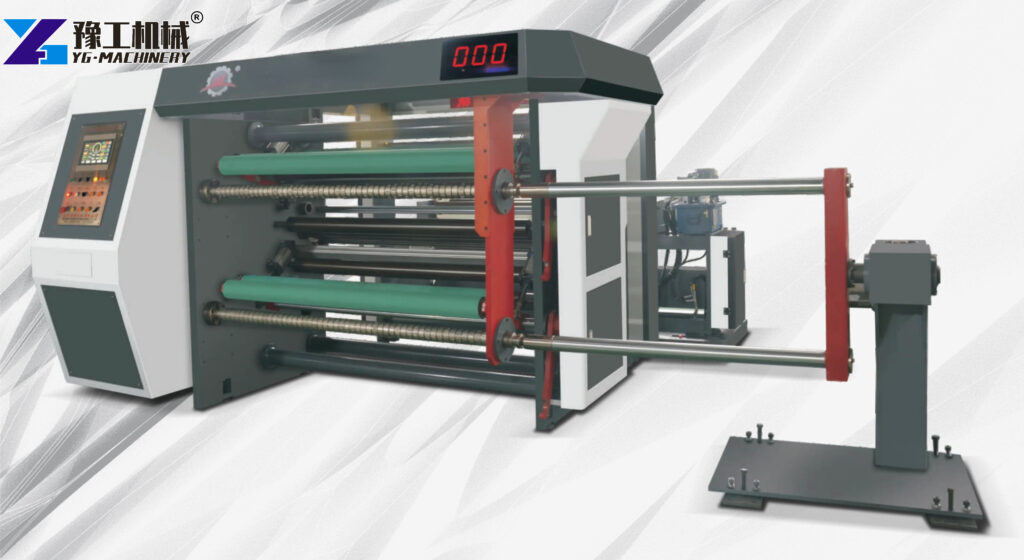
Fabric slitting machine technology plays an important role in modern textile production. Manufacturers require clean cutting, stable feeding, and accurate width control to improve product quality. Manual cutting cannot meet today’s production standards. Automatic slitting equipment delivers higher efficiency and consistent performance. It also reduces material waste and labor costs. YG Machinery supplies professional slitting equipment for textile factories worldwide. The company provides customized configurations for different production requirements and factory layouts.
Start Your Project with the Right Equipment
Technical Specifications of Fabric Slitting Machine
| Parameter | YG-800C | YG-1100C | YG-1400C | YG-800D | HQJ-1100D | YG-1400D |
|---|---|---|---|---|---|---|
| Max Material Diameter | Ø1400mm | Ø1400mm | Ø1400mm | Ø1400mm | Ø1400mm | Ø1400mm |
| Max Slitting Width | 800mm | 1100mm | 1300mm | 800mm | 1100mm | 1300mm |
| Minimum Slitting Width | 50mm | 50mm | 50mm | 50mm | 50mm | 50mm |
| Cutting Length | 20–1200mm | 20–1200mm | 20–1200mm | 20–1200mm | 20–1200mm | 20–1200mm |
| Length Accuracy | ±0.2mm | ±0.2mm | ±0.2mm | ±0.2mm | ±0.2mm | ±0.2mm |
| Production Speed | 10–180 times/min | 10–180 times/min | 10–180 times/min | 10–180 times/min | 10–180 times/min | 10–180 times/min |
| Total Power | 9kW | 10kW | 10kW | 5.5kW | 6.5kW | 7.5kW |
| Approximate Weight | 2500kg | 2800kg | 3000kg | 2500kg | 2800kg | 3000kg |
| Overall Dimensions (L×W×H) | 5000×1600×1300mm | 5000×1950×1300mm | 5000×2150×1300mm | 5000×1600×1300mm | 5000×1950×1300mm | 5000×2150×1300mm |
Why These Specifications Matter
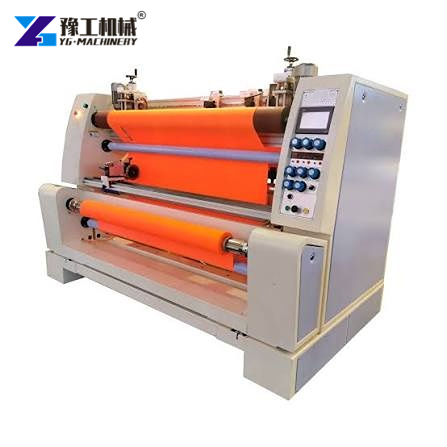
Each model targets different production capacities.
- The 800 series suits small and medium production lines.
- The 1100 series balances productivity and flexibility.
- The 1400 series supports large textile factories.
- High cutting accuracy reduces material waste.
- Wide material compatibility expands production capability.
- Multiple power options help reduce operating costs.
Choosing the proper model depends on roll width, production volume, and future expansion plans.
Boost Productivity—Get a Free Quote
6 Reasons Fabric Slitting Machine Improves Textile Production Efficiency
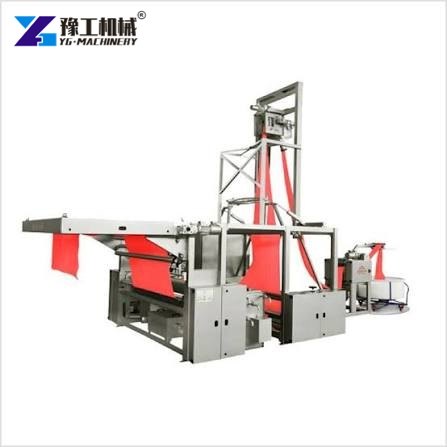
Textile manufacturers need equipment that maintains speed without sacrificing cutting quality. Modern production lines also require stable operation during continuous shifts.
This equipment provides several practical advantages:
- High cutting accuracy
- Stable continuous production
- Reduced material waste
- Easy operation
- Fast roll processing
- Low maintenance requirements
The servo control system keeps cutting dimensions consistent. Automatic feeding improves productivity. The machine also minimizes manual intervention. These advantages help factories reduce operating costs while increasing finished product quality.
YG Machinery designs every model for industrial production. Customers can choose different working widths according to production capacity.
Cloth Slitter Helps Factories Handle Multiple Materials
Different textile products require different cutting requirements. One production line often processes several material types every day.
Compatible materials include:
- Cotton fabric
- Polyester fabric
- Nonwoven fabric
- Felt
- Denim
- Canvas
- Laminated textiles
- Synthetic fiber rolls
The machine maintains stable tension throughout the cutting process. This prevents wrinkles and edge deformation. Clean cutting also reduces secondary processing work.
Manufacturers serving different industries benefit from this flexibility. One production line can support multiple customer orders without changing major equipment.
Compare Models and Get a Quote
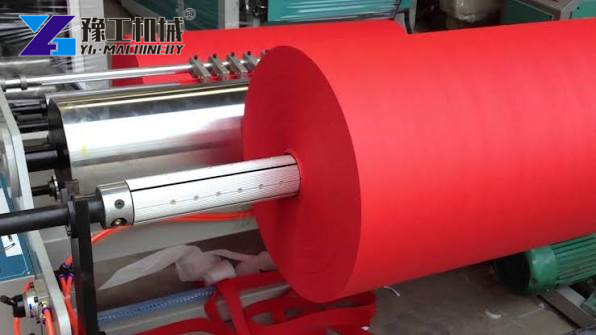
Fabric Slitting Machine Working Principle Ensures Stable Accuracy
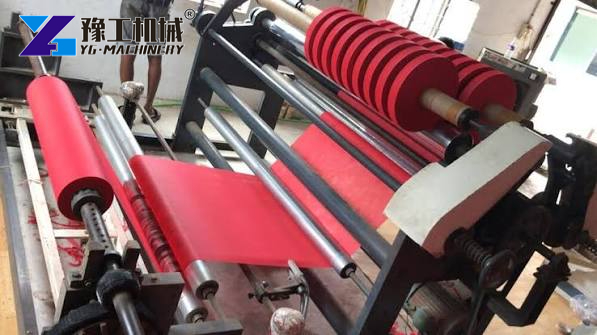
A precise working process directly affects finished product quality. Every component works together to achieve clean and accurate cutting.
The operating sequence includes:
Material Loading
Operators place the master roll onto the unwinding system. Automatic positioning keeps the roll centered.
Tension Control
The tension system keeps material movement stable. Proper tension prevents stretching and uneven cutting.
Slitting Process
Rotary blades cut the material into preset widths. The control system maintains consistent spacing throughout production.
Length Measurement
Sensors monitor cutting length continuously. The machine automatically controls fixed-length cutting accuracy.
Rewinding
Finished rolls rewind evenly with smooth edges. This prepares products for packaging or further processing.
The complete process reduces operator workload. It also improves production consistency across long operating hours.
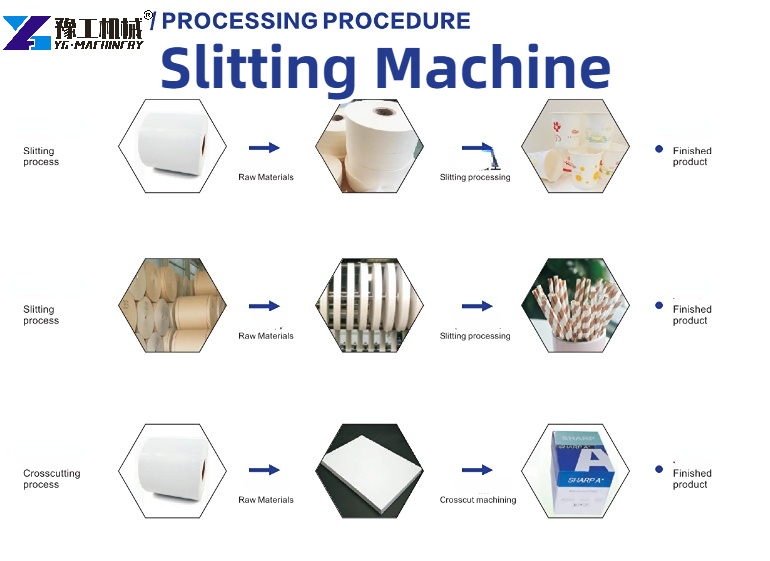
How The Slitting Machine Manufacturer Designs A Reliable Production Line
Equipment quality depends not only on components but also on engineering design. Reliable construction improves stability during continuous production.
The complete workflow includes several coordinated stages.
- The unwinding unit feeds the material smoothly.
- The guide system keeps the material aligned.
- Rotary blades perform continuous cutting.
- Tension control maintains stable feeding.
- Rewinding shafts collect finished rolls evenly.
- Finished rolls are removed for packaging.
Each stage works together to reduce vibration and improve cutting accuracy.
The machine uses heavy-duty steel construction to improve long-term durability. High-quality bearings reduce friction during high-speed rotation. Servo control improves synchronization between feeding and rewinding.
These engineering improvements help factories maintain stable production throughout long working shifts.
Fabric Slitter Applications Across Modern Textile Industries
Accurate roll slitting supports many manufacturing sectors. Different industries require different roll widths, materials, and production capacities.
Common applications include:
Garment Manufacturing
Produces narrow fabric rolls for clothing production.
Home Textile Industry
Processes curtain fabric, sofa fabric, and upholstery materials.
Medical Textile Production
Cuts nonwoven materials for disposable medical products.
Industrial Textile Manufacturing
Handles technical fabrics used in filtration and insulation.
Packaging Industry
Processes woven packaging materials and laminated fabrics.
Automotive Interior Production
Cuts upholstery materials with consistent dimensional accuracy.
The machine supports continuous production for both standard and customized manufacturing projects.
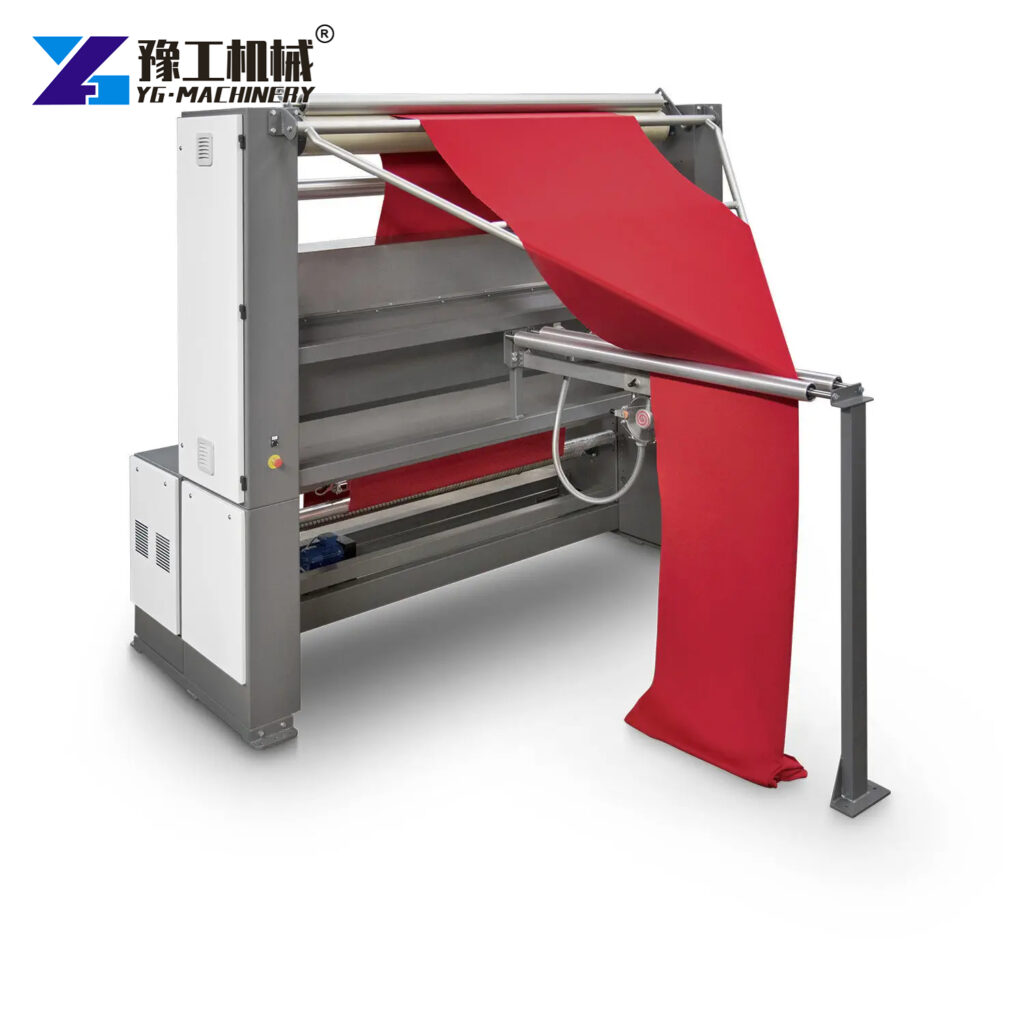
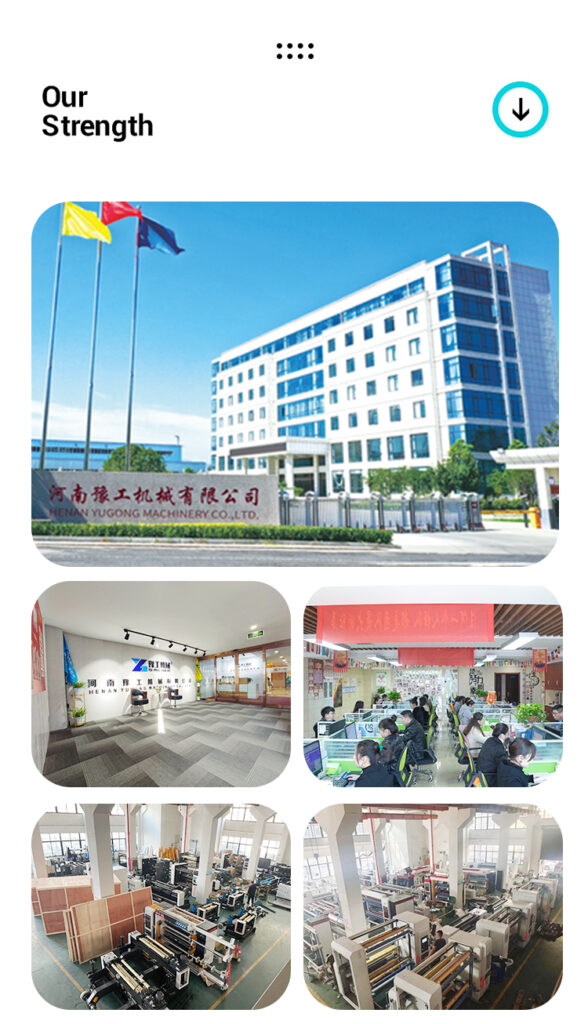
Why YG Machinery Supports Global Textile Manufacturers
Choosing equipment is only the beginning of a successful project. Reliable technical support is equally important.
YG Machinery has exported industrial machinery to customers across Asia, Europe, Africa, South America, and the Middle East.
Customers appreciate several advantages.
- Factory-direct pricing.
- Professional engineering support.
- Customized production solutions.
- Stable manufacturing quality.
- Fast spare parts supply.
- Overseas export experience.
- Online installation guidance.
- Long-term technical support.
Whether you operate a startup workshop or a large industrial factory, our engineers recommend suitable configurations based on production goals and budget.
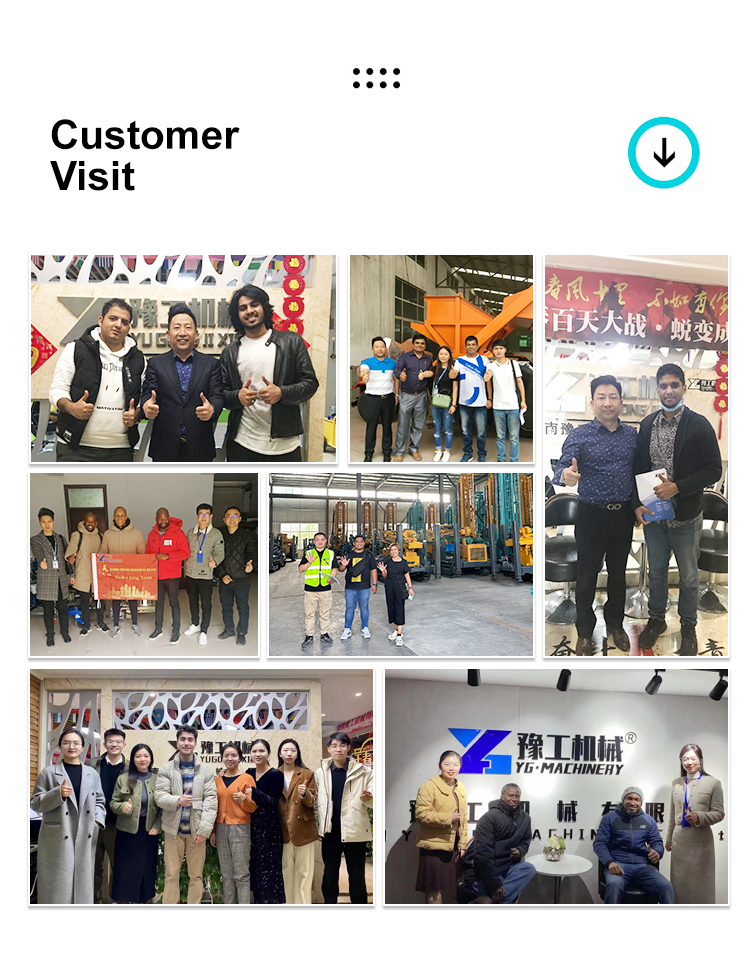
Request A Customized Fabric Slitting Solution Today
Every factory has different production requirements. Material type, roll width, cutting precision, and daily output all influence equipment selection.
YG Machinery provides customized solutions instead of one-size-fits-all machines.
Our engineering team helps customers choose the correct model before production begins.
Contact us today to receive:
- Factory-direct quotations.
- Equipment recommendations.
- Technical consultation.
- Production layout suggestions.
- Shipping solutions.
- Complete after-sales support.
A professional slitting solution helps improve productivity, reduce waste, and create higher long-term profitability.