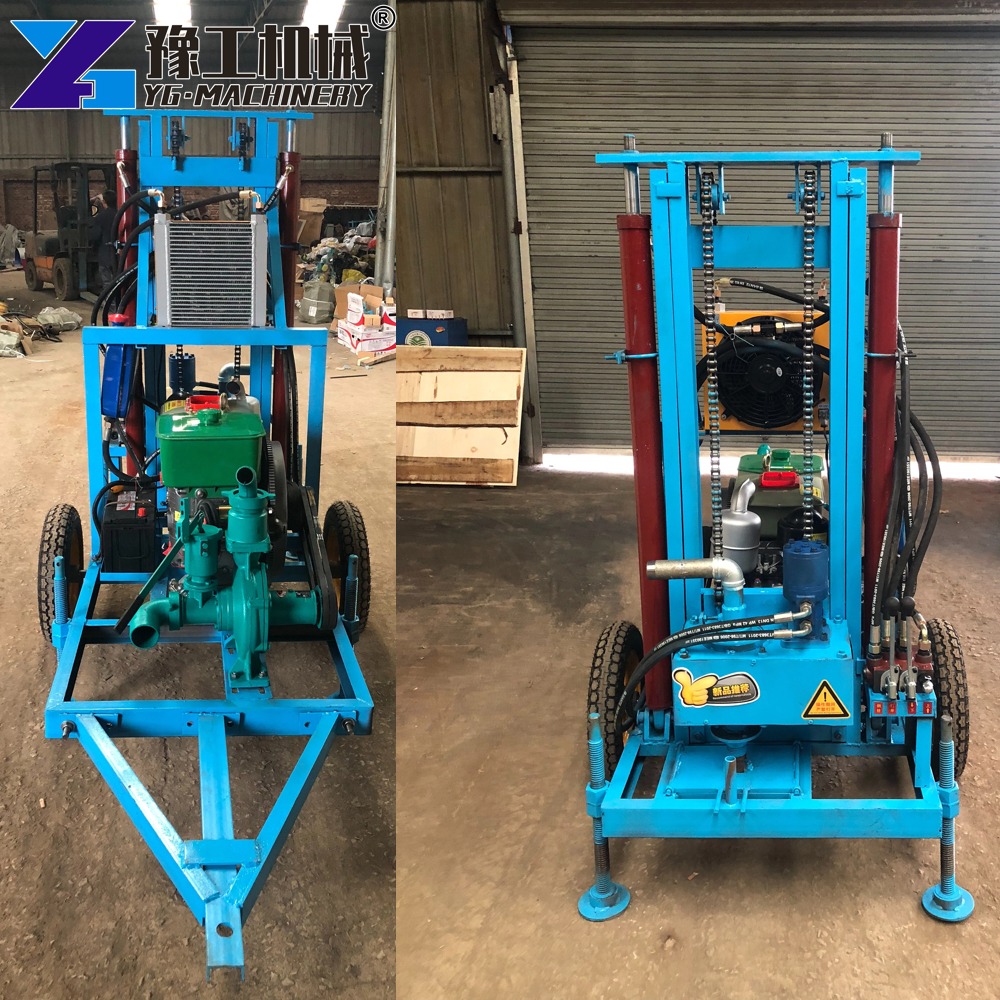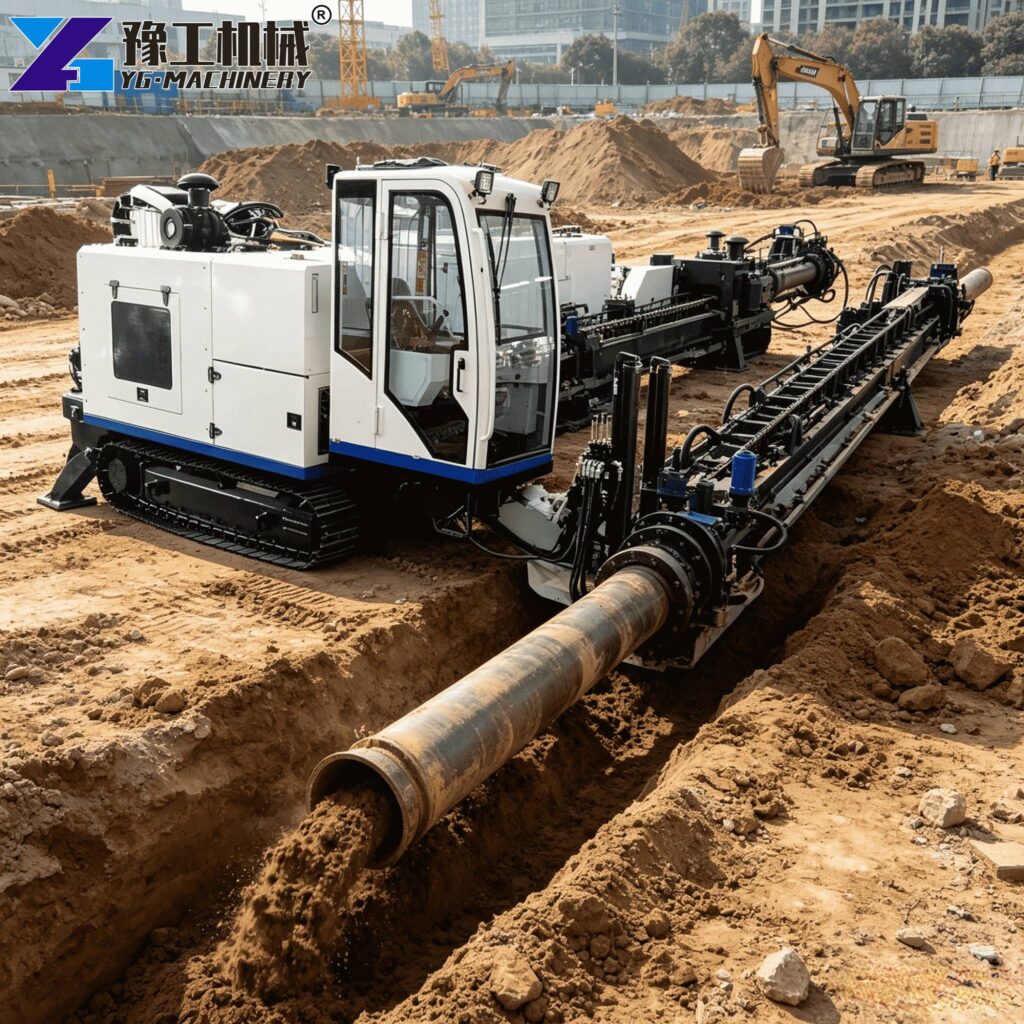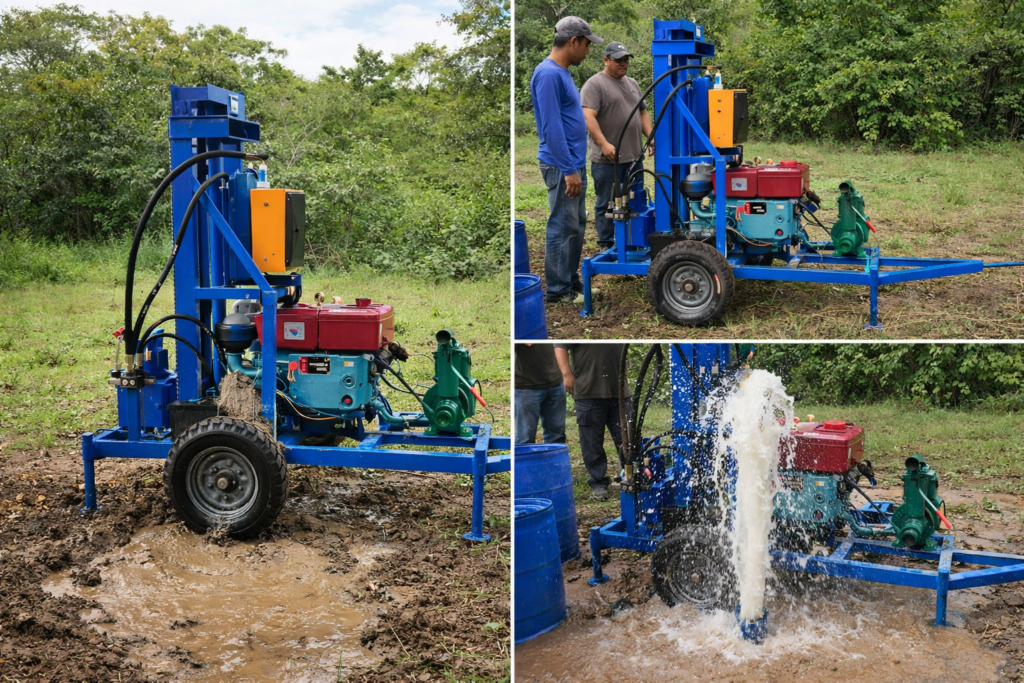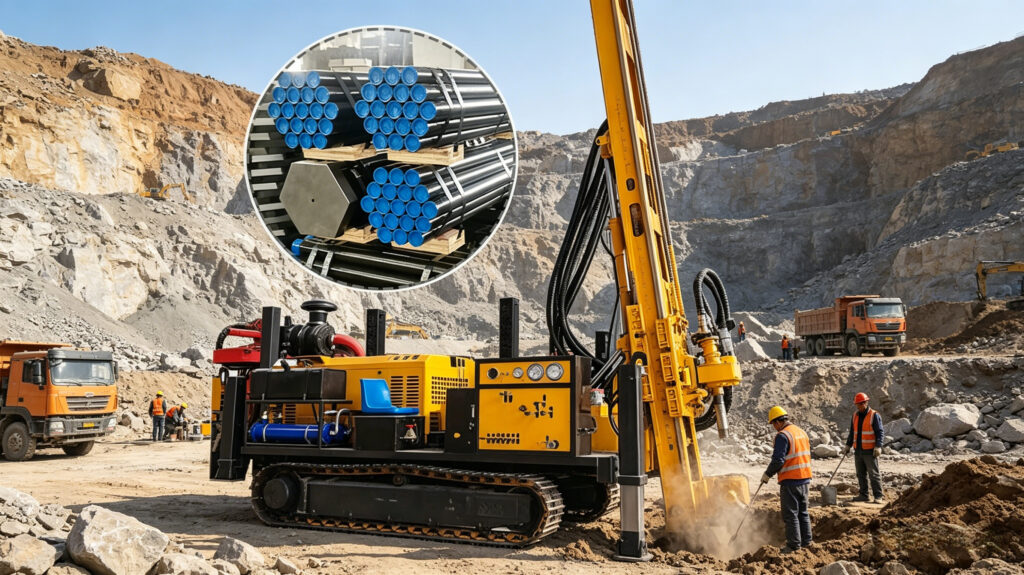
SPT drill rig plays a critical role in modern geotechnical engineering, especially when accurate soil data determines the safety and cost of construction projects. In real field conditions, it helps engineers obtain stable and repeatable soil resistance results under complex geological layers.
For foundation engineering, its performance directly influences whether early-stage soil investigation can support safe structural design. When working in deep boreholes, mixed formations, or unstable soil zones, the machine ensures controlled penetration and consistent sampling quality, reducing uncertainty in engineering decisions.
In infrastructure development, reliable subsurface data is the foundation of every safe structure. High-rise buildings, highways, bridges, and industrial foundations all depend on accurate soil investigation before construction begins.
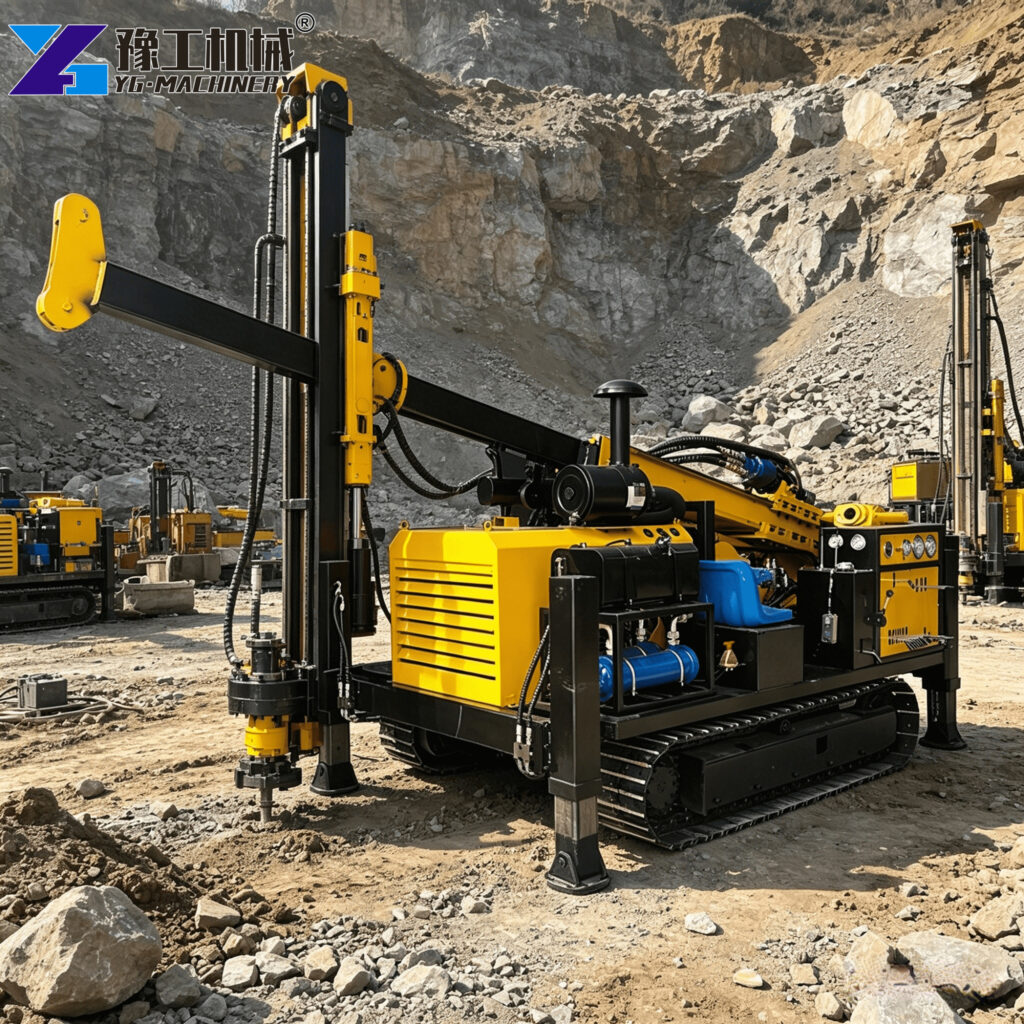
SPT Drill Rig Field Performance and Stability in Geotechnical Investigation
In real engineering environments, drilling stability directly affects data reliability and construction safety. The system maintains consistent penetration force even when soil resistance changes suddenly.
Field conditions are often unpredictable. Operators may encounter soft soil layers followed by dense gravel or weathered rock. The system responds with stable hydraulic control, reducing vibration and maintaining alignment during deep penetration.
Key advantages:
- Stable drilling in layered formations
- Reduced vibration impact on surrounding soil
- Consistent sampling quality for lab analysis
- Improved safety in unstable ground conditions
Soil Test Drilling machine Adaptability in Complex Geological Conditions
Geological uncertainty is one of the biggest challenges in subsurface exploration. Hard rock transitions, groundwater presence, and mixed soil layers often slow down conventional drilling operations.
The system adjusts automatically to resistance changes during drilling. This ensures smooth penetration without sudden load failure or mechanical shock. It improves operational continuity and reduces equipment wear during long exploration cycles.
Main benefits:
- Stable performance in mixed formations
- Reduced downtime during resistance changes
- Better control in deep sampling operations
- High efficiency in restricted work areas
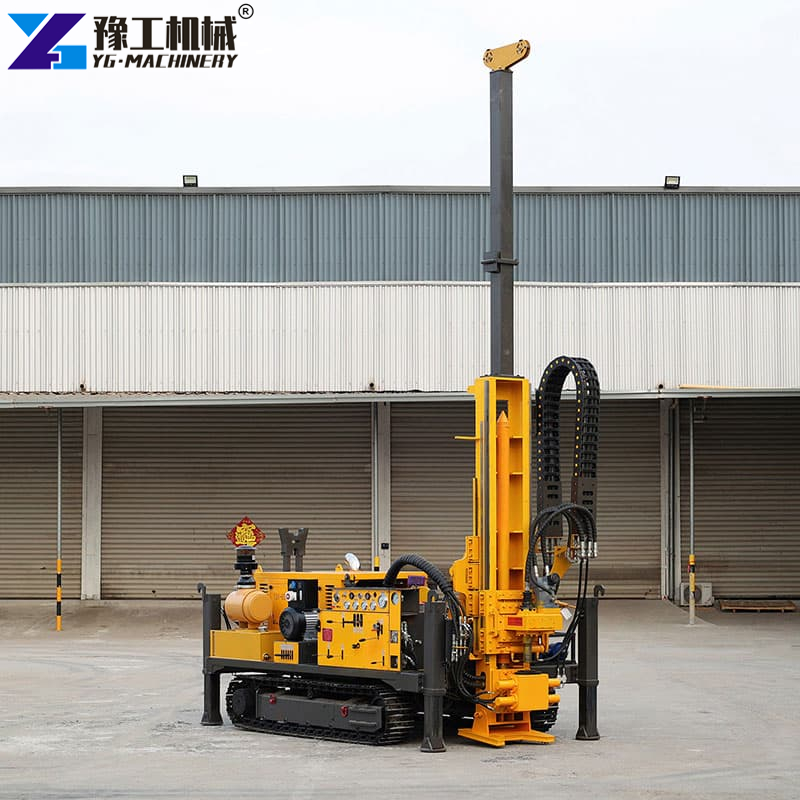
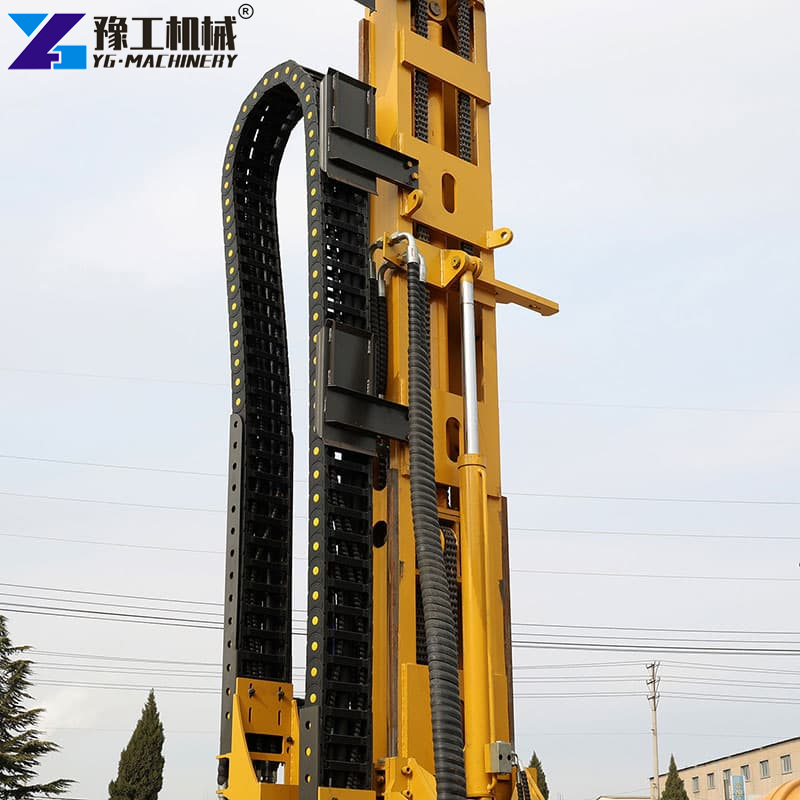
Read a real export case of our SPT rig.
SPT Rig Engineering Design and Hydraulic Efficiency
The structural design focuses on durability, load stability, and hydraulic efficiency. Reinforced components ensure stable operation under high drilling pressure.
Efficient energy transmission improves drilling responsiveness and reduces mechanical stress. This is essential in long-duration geotechnical projects where stable performance directly impacts data quality.
A dual cooling system prevents overheating during continuous operation in high-temperature environments.
Operational benefits:
- Strong lifting and feeding stability
- Efficient hydraulic power distribution
- Reduced mechanical wear during long cycles
- Reliable performance under heavy load
SPT drilling machine Data Accuracy and N-Value Reliability
Accurate soil resistance measurement is the foundation of geotechnical engineering. The system ensures consistent penetration energy, which is essential for reliable N-value acquisition.
Key advantages:
- High consistency in penetration testing
- Reduced deviation between test results
- Improved soil classification reliability
- Better support for foundation design
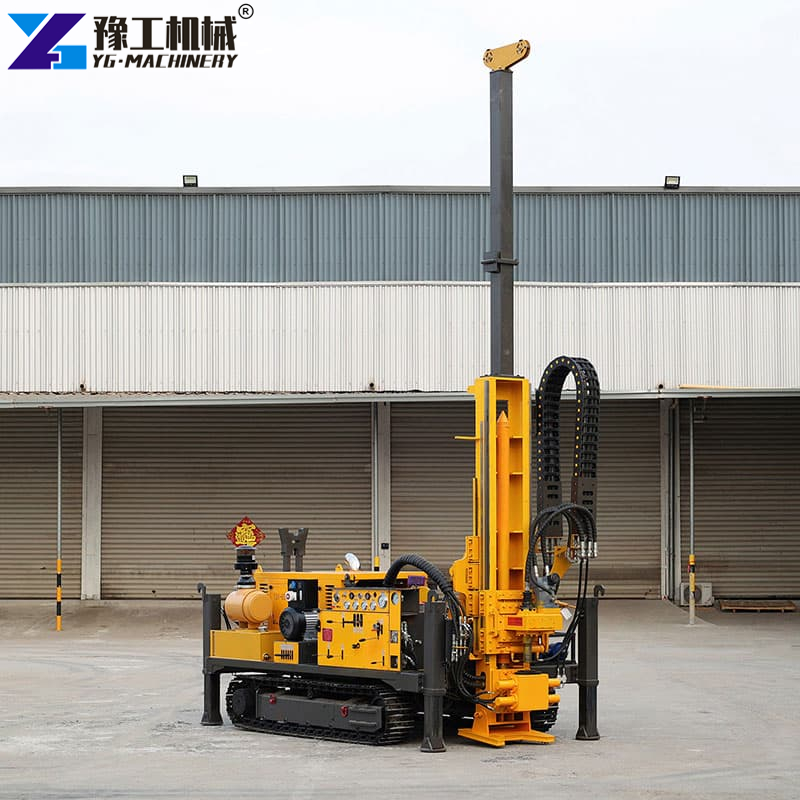
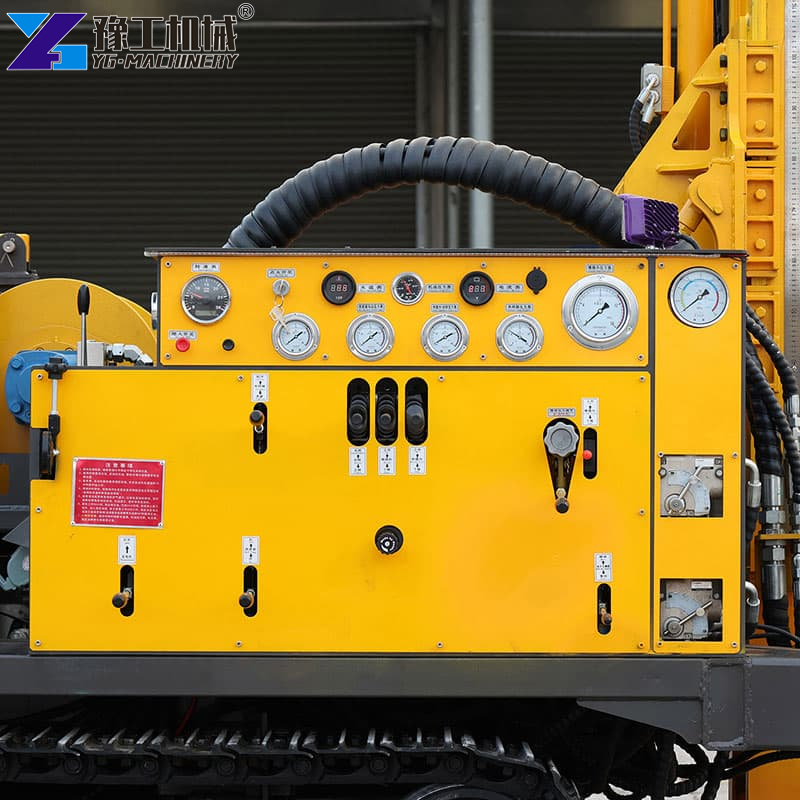
SPT Drill Rig Model Configuration and Technical Parameters Overview
Different engineering projects require different drilling capacities and depth ranges. The system offers multiple configurations designed for varying geological and structural requirements.
Model options include:
- YGX-400 for medium-depth soil investigation
- YGX-600 for extended exploration projects
- YGX-800 for complex geological formations
- YGX-1000 for ultra-deep drilling operations
Each configuration is designed with a balance of power output, hydraulic stability, and structural strength. Engine options include Yuchai and Cummins systems, ensuring reliable global adaptability.
Core technical highlights:
- Maximum drilling depth up to 1100 meters
- Hydraulic pressure up to 28 MPa
- Lifting force up to 30 tons
- Adjustable drilling angle from 0°–90°
- Dual cooling system for thermal stability
These configurations allow engineering teams to select suitable setups based on project depth, soil type, and operational requirements.
| Model | Drilling Depth (m) | Rated Pressure (MPa) | Rated Flow (L/min) | Cooling System | Engine | Power/Speed | Angle (°) | Lifting Force (T) | Feed Force (T) | Mud Pump Flow (L/min) | Mud Pump Pressure (MPa) | Dimension (mm) | Weight (T) |
|---|---|---|---|---|---|---|---|---|---|---|---|---|---|
| YGX-400 | 180-500 | 21 | 168 | Air + Water | Yuchai | 78kW / 2400 | 0-90 | 12 | 6 | 30-90 | 4-7 | 4000×1900×1800 | 4.3 |
| YGX-600 | 200-650 | 21 | 192 | Air + Water | Yuchai | 92kW / 2400 | 45-90 | 16 | 8 | 30-90 | 4-7 | 4000×2000×1800 | 4.5-5.5 |
| YGX-800 | 400-1000 | 25 | 260 | Air + Water | Yuchai | 92kW / 2400 | 45-90 | 24 | 12 | 90-180 | 4-7 | 5500×2100×2000 | 6.5 |
| YGX-1000 | 500-1100 | 28 | 300 | Air + Water | Cummins | 154kW / 2400 | 45-90 | 30 | 15 | 90-180 | 4-7 | 6000×2200×2400 | 7.5 |
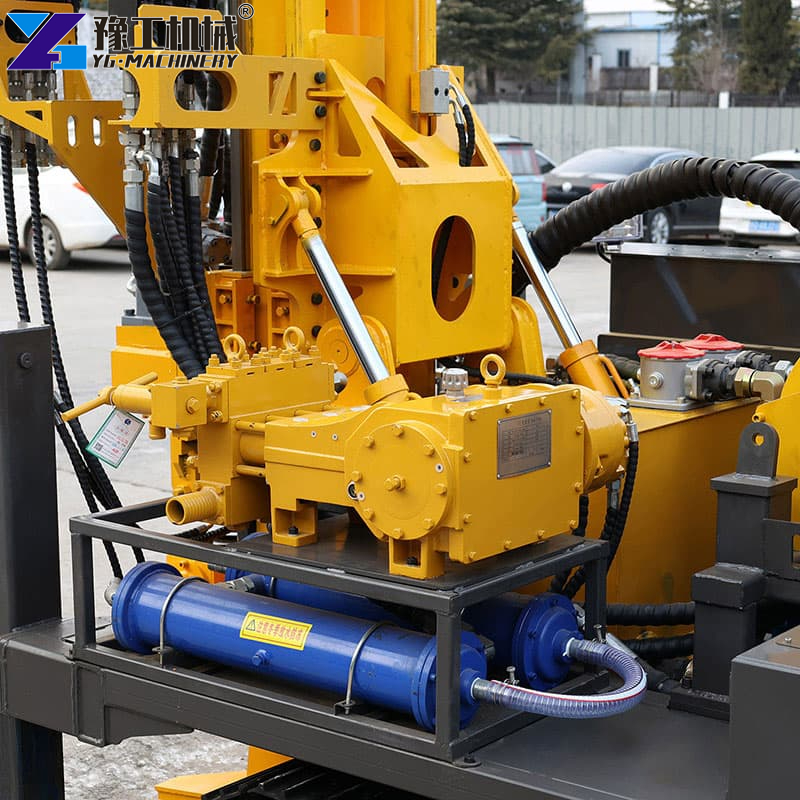
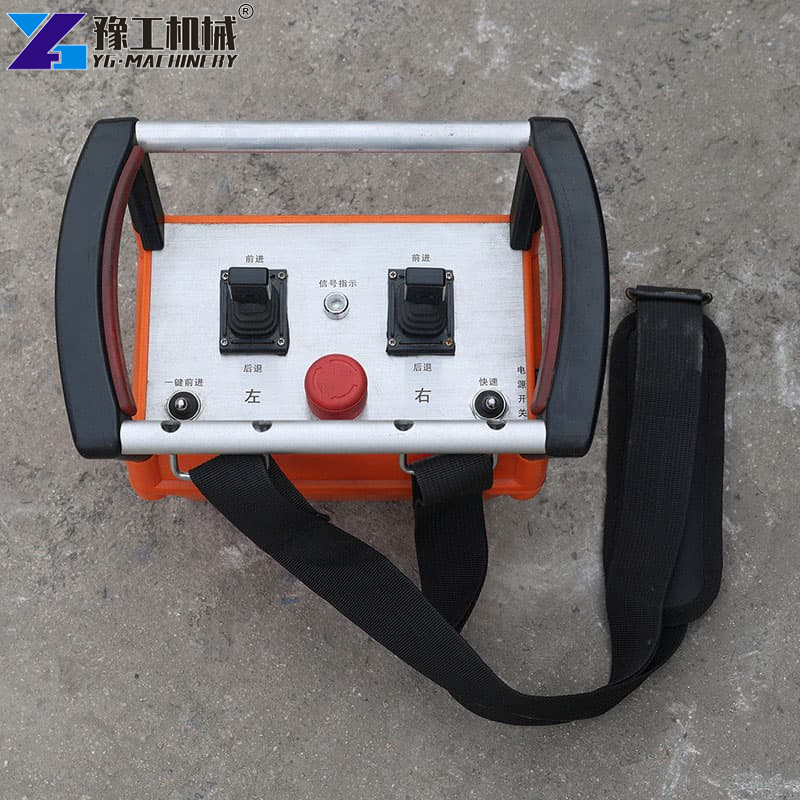
SPT Drill Rig Engineering Applications in Infrastructure Projects
The system is widely used across a broad range of geotechnical and civil engineering projects where accurate subsurface data is essential for safe and efficient construction planning. In modern infrastructure development, it plays a key role in early-stage site investigation, helping engineers understand soil stratification, groundwater conditions, and bearing capacity before structural design begins.
In bridge construction, the equipment is frequently deployed to evaluate deep foundation stability in riverbanks, soft soil zones, and variable sediment layers. It helps engineers determine pile foundation depth and load-bearing capacity with greater confidence, reducing the risk of uneven settlement or structural deformation over time.
In mining exploration projects, it supports geological profiling by providing consistent sampling results in complex rock-soil transition zones. This improves resource estimation accuracy and helps reduce unnecessary excavation costs during preliminary exploration phases.
For environmental and municipal engineering studies, the system is used to assess soil contamination levels, landfill stability, and underground water impact. This is especially important in urban redevelopment projects where historical land use may affect ground conditions.
Key application advantages include:
- Faster and more efficient site investigation across large-scale projects
- Improved accuracy in soil layer identification and classification
- Better foundation design decisions based on reliable field data
- Reduced engineering uncertainty and construction rework risk
- Strong adaptability in both urban and remote working environments
From highways and tunnels to industrial facilities and high-rise developments, the equipment provides consistent geotechnical insights that directly support safer, more cost-effective engineering decisions. Its ability to maintain stable performance under varying geological conditions makes it a dependable choice for contractors and survey teams working on complex infrastructure projects worldwide.
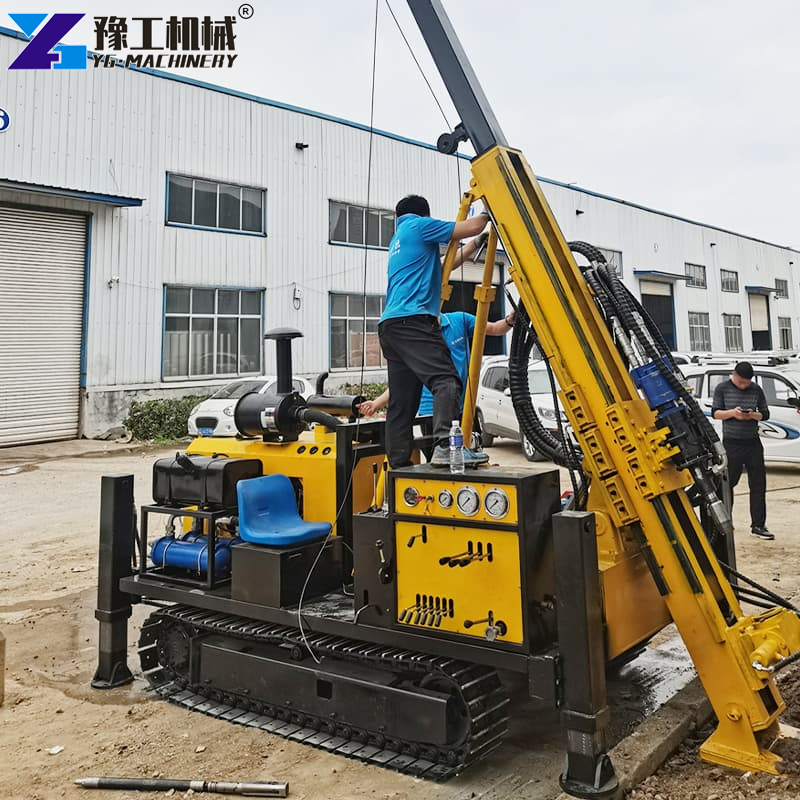
SPT Drill Rig: Why YG Machinery for Geotechnical Solutions
YG Machinery focuses on delivering practical engineering solutions for global geotechnical projects. The company integrates field experience with advanced manufacturing processes to ensure reliable performance under real working conditions.
Through continuous product refinement, YG Machinery supports contractors with equipment designed for durability, stability, and adaptability. Technical support is also provided for international clients, ensuring smooth project execution across different regions and geological environments.
Key strengths include:
- Consistent manufacturing quality control
- Engineering-driven product development
- Global project support experience
- Customizable drilling configurations
This combination of engineering capability and field understanding ensures long-term reliability in demanding geotechnical applications.