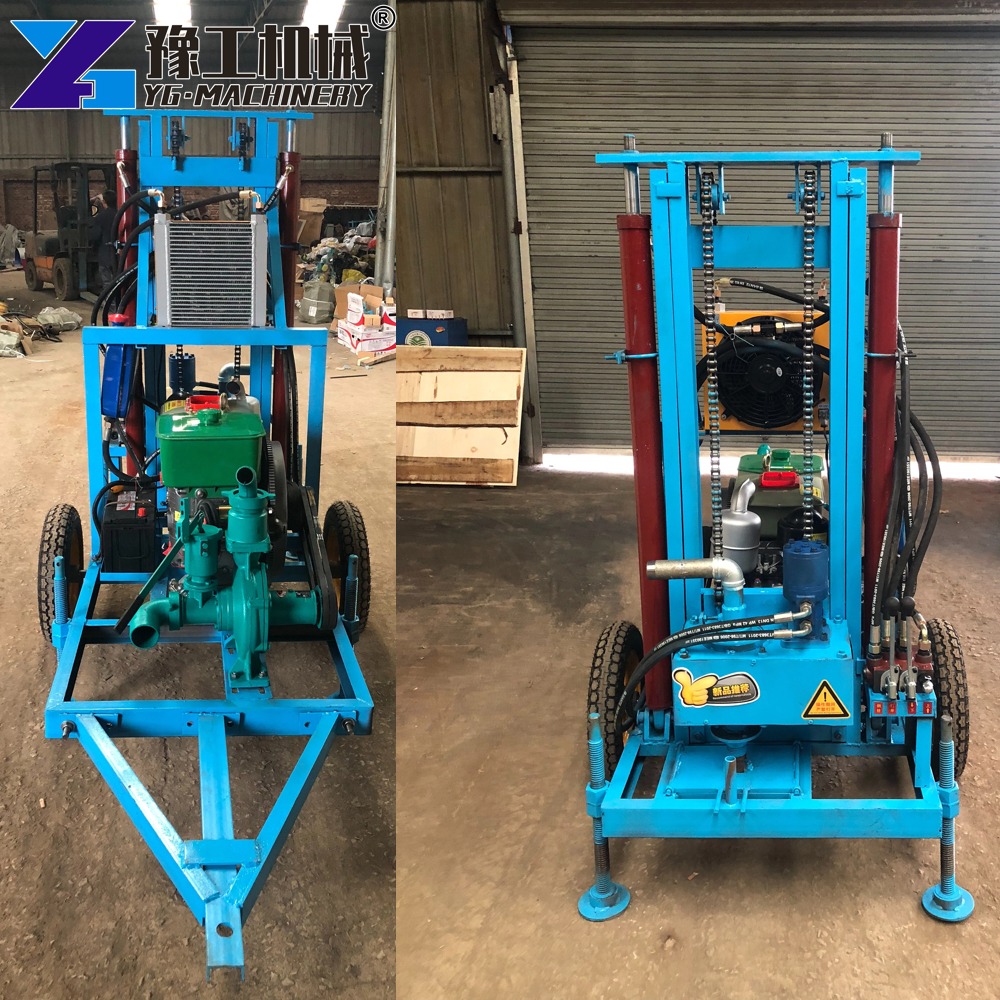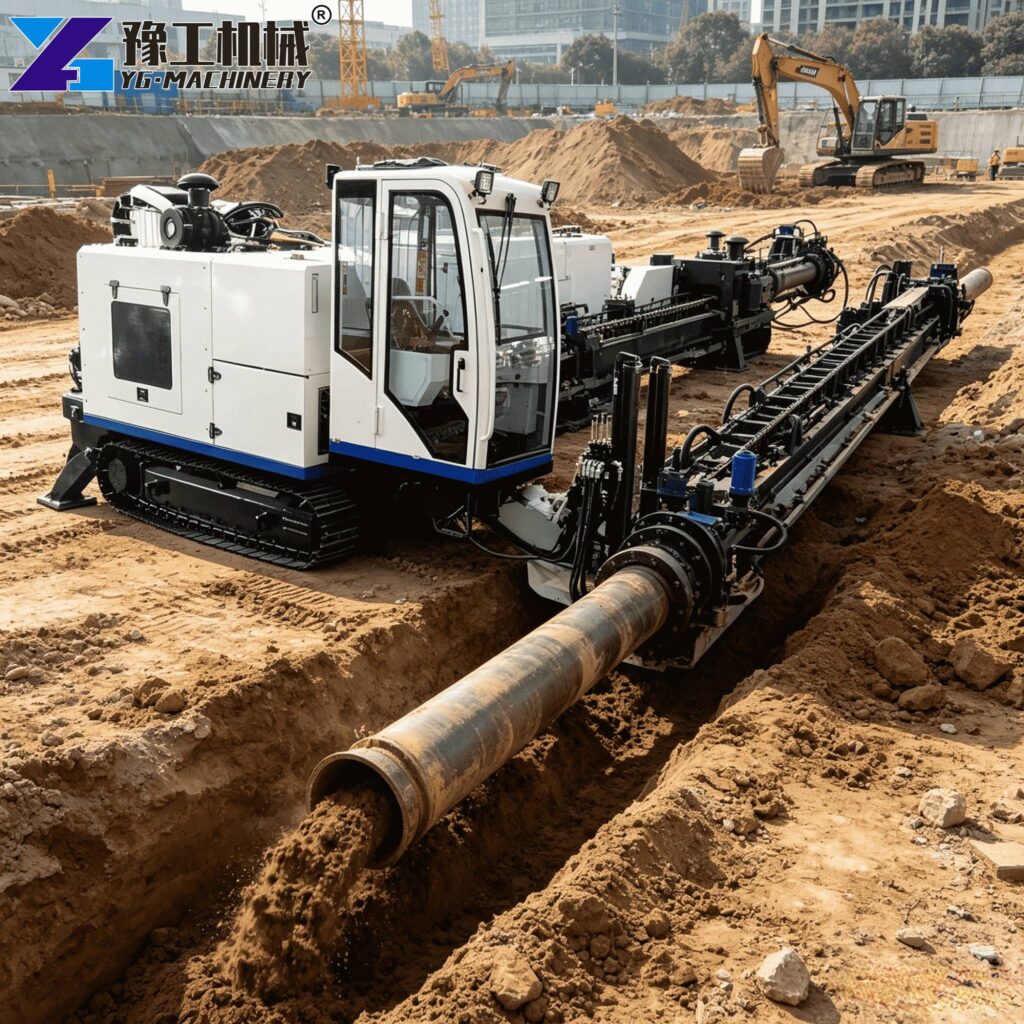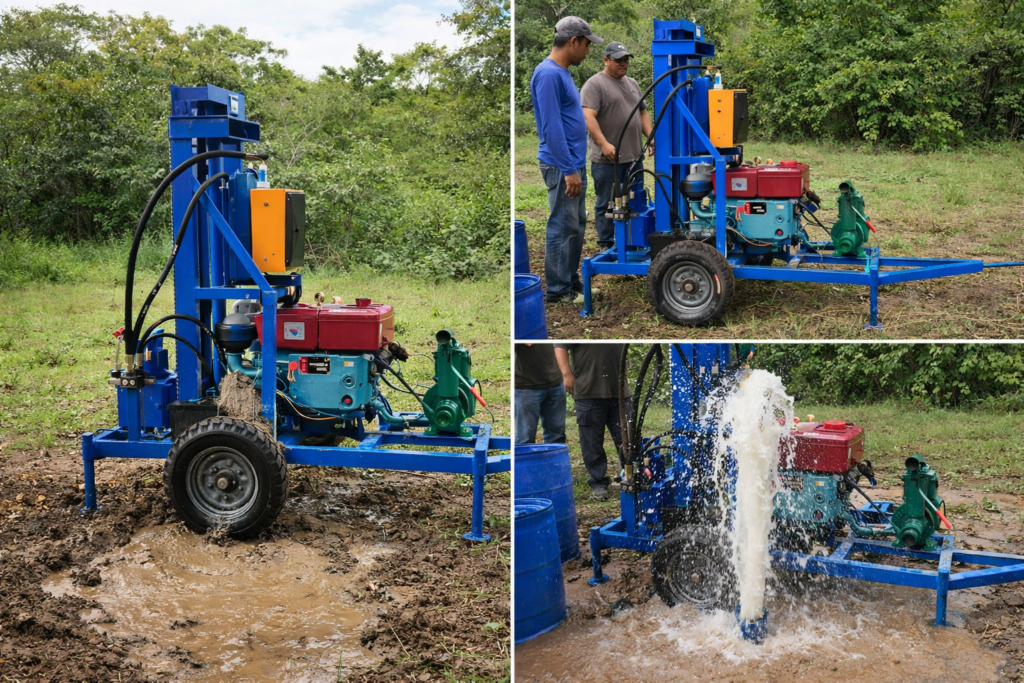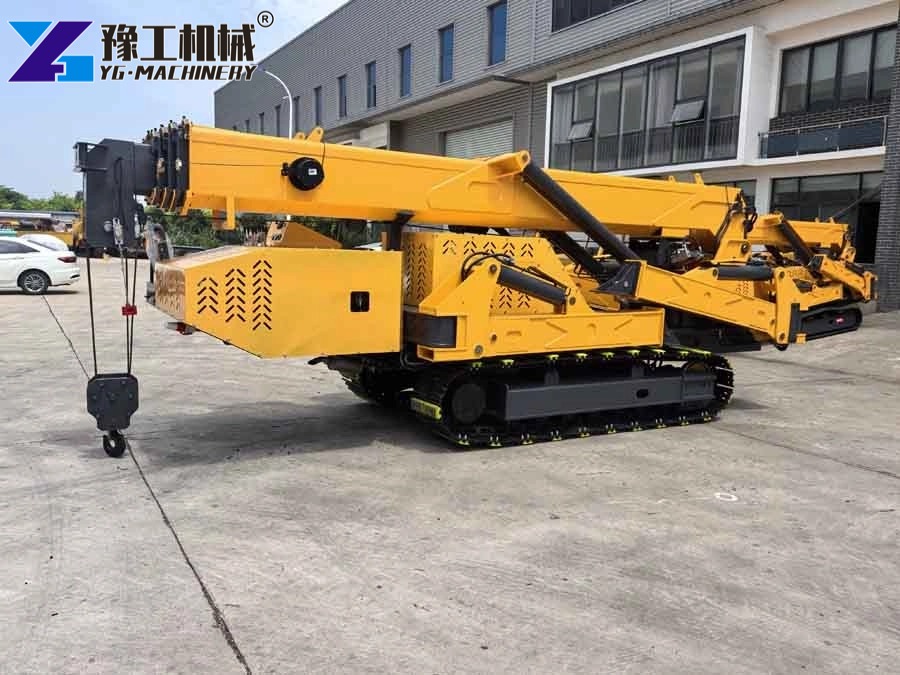
A modern Foundation Drilling Machine plays a critical role in infrastructure and deep foundation construction projects. As urbanization and large-scale engineering projects continue to expand worldwide, contractors increasingly rely on advanced drilling technology to improve drilling efficiency, reduce labor costs, and ensure foundation stability.
Compared with traditional manual or impact drilling methods, this type of equipment delivers:
- Faster drilling speed
- Better hole accuracy
- Stronger adaptability to complex soil conditions
- Improved operational safety
These machines now serve as essential equipment in:
- Building foundations
- Bridge engineering
- Highway construction
- Solar power projects
- Municipal infrastructure development
Understanding how these machines work helps contractors choose the right equipment for their projects and maximize construction efficiency.
Looking for real project feedback before purchasing? Read this customer case study.
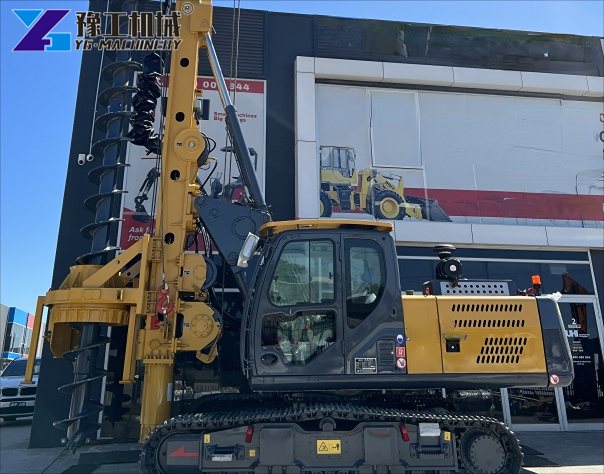
What Is a Foundation Drilling Machine and How Does It Work?
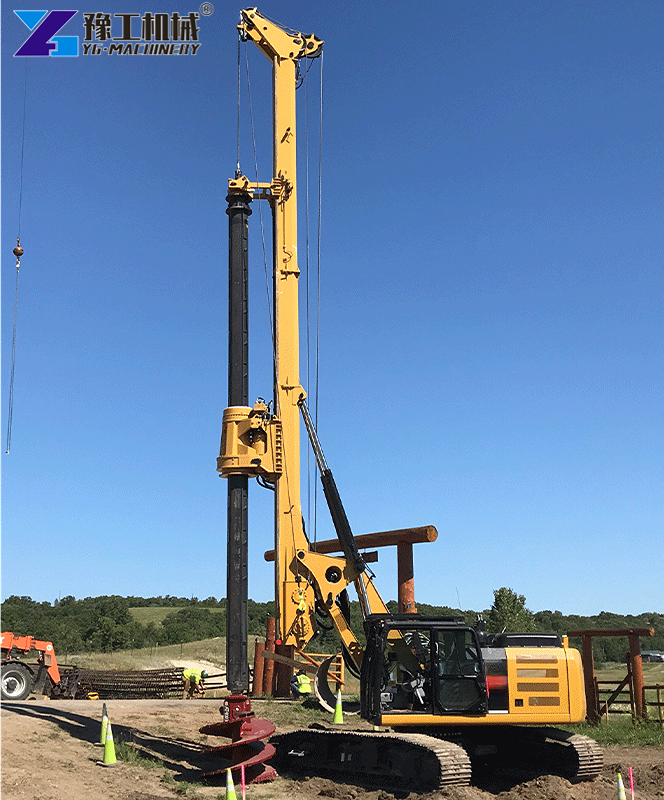
It is a heavy-duty hydraulic construction machine designed to drill deep foundation holes for piles, columns, and structural supports.
The machine uses hydraulic power and rotary torque to drive drilling tools into the ground. During operation, the drill bit cuts through soil, clay, sand, gravel, and even rock layers while removing excavated material from the borehole.
Basic Working Principle
- Hydraulic systems generate rotational power
- The rotary head drives the drilling tool
- The drill rod transfers torque downward
- Soil and debris are extracted from the hole
- The machine repeats drilling cycles until reaching the target depth
Modern systems also include:
- Automatic pressure control
- Hydraulic stabilization systems
- Intelligent monitoring systems
These technologies improve drilling precision and operational efficiency.
Main Components of a Foundation Drilling Machine
A high-performance Foundation Drilling Machine combines several critical systems that work together during drilling operations.
Hydraulic Power System
The hydraulic system serves as the machine’s power core.
It controls:
- Rotary torque
- Mast lifting
- Drilling pressure
- Walking movement
Modern hydraulic systems offer:
- Smooth power transmission
- Stepless speed regulation
- Stable drilling performance
👉 Professional Insight:
Stable hydraulic pressure directly affects drilling efficiency and hole quality.
Rotary Drilling System
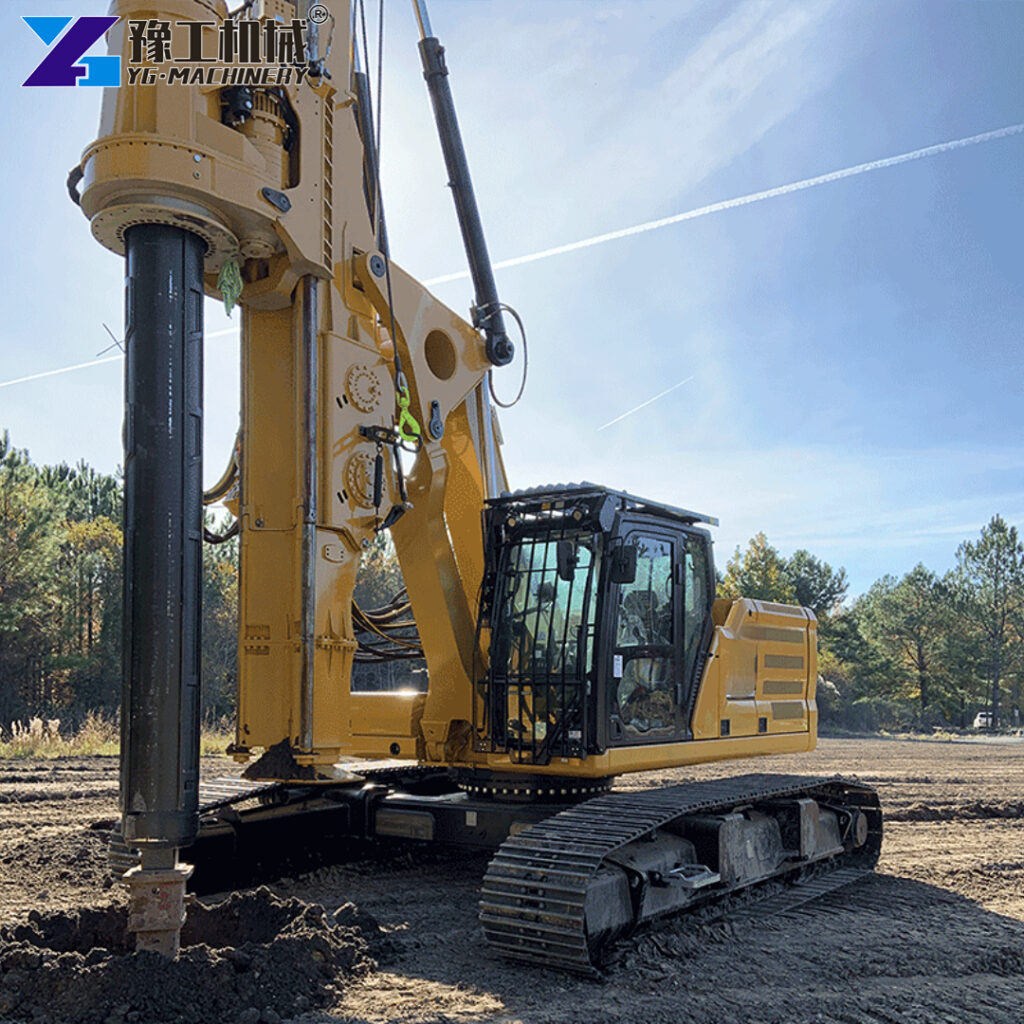
The rotary drilling system generates torque for cutting through soil and rock layers.
Key components include:
- Rotary head
- Drill pipe
- Kelly bar
- Drilling bucket or auger
A high-torque rotary system improves:
- Penetration speed
- Rock drilling capability
- Borehole stability
Mast and Kelly Bar
The mast supports drilling tools and guides vertical movement during drilling.
The Kelly bar:
- Transfers torque
- Extends drilling depth
- Supports drilling pressure
Modern telescopic Kelly bars allow deeper drilling while maintaining compact transportation dimensions.
Chassis and Mobility System
Most drilling rigs use crawler or wheeled chassis systems.
A wheeled chassis offers:
- Faster movement
- Easier transportation
- Better road mobility
Crawler systems provide:
- Higher stability
- Stronger off-road capability
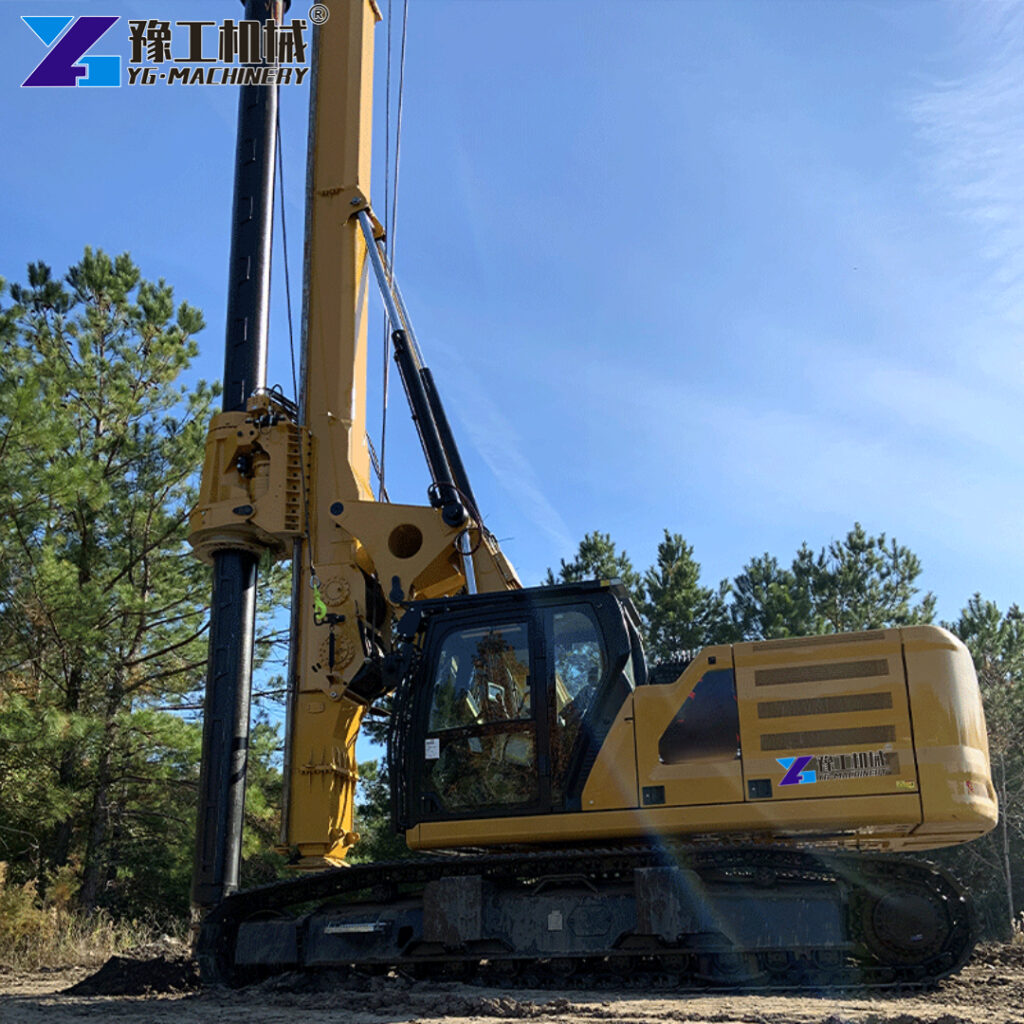
Rotary Drilling Rig Machine vs Traditional Foundation Equipment
A modern rotary drilling rig provides major advantages compared with traditional percussion or impact drilling systems.
Advantages of Rotary Drilling Technology
- Faster drilling speed
- Lower noise levels
- Reduced vibration
- Better hole accuracy
- Higher automation level
Traditional drilling equipment often struggles with:
- Slow drilling speed
- Poor hole stability
- High labor intensity
Modern rotary rigs improve both efficiency and construction quality.
Types of Piling Drilling Rigs Used in Construction
Different projects require different drilling technologies.
Rotary Drilling Rig
Rotary drilling rigs are widely used in:
- Bridge foundations
- High-rise buildings
- Infrastructure projects
These machines handle large diameters and deep boreholes efficiently.
CFA Piling Machine
Continuous Flight Auger (CFA) machines combine drilling and concrete pouring in one continuous process.
Advantages include:
- Reduced collapse risk
- Faster pile construction
- Lower environmental impact
Hydraulic Drilling Machine for Foundation
A hydraulic drilling machine for foundation uses a full hydraulic control system for precise drilling operations.
Benefits include:
- Flexible operation
- Better torque control
- Reduced mechanical wear
- Easier maintenance
Hydraulic systems also improve operational safety in complex geological conditions.
Piling Drilling Rig
A piling drilling rig specializes in pile foundation construction for:
- Bridges
- High-rise structures
- Industrial plants
These rigs often support:
- Large pile diameters
- Deep foundation drilling
- High-load structural applications
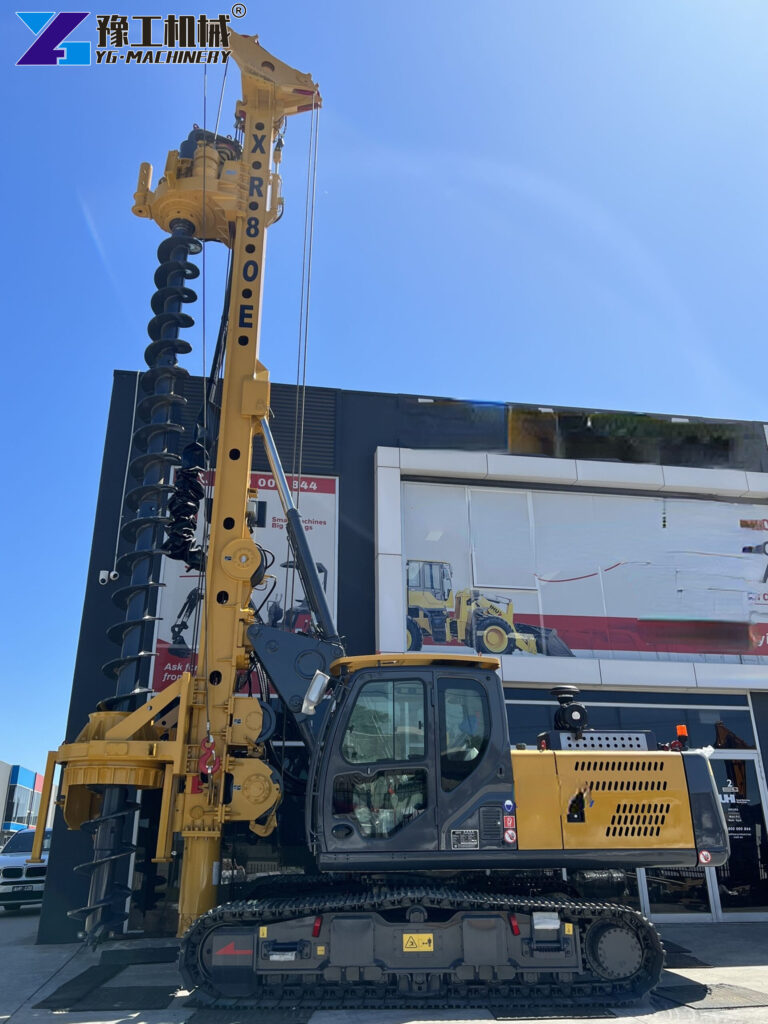
Technical Specifications of YG Foundation Drilling Machine
📊 Product Parameters
| Item | Specification |
|---|---|
| Dimensions (mm) | 7900 × 2260 × 3100 |
| Vehicle Mass (kg) | 8000 |
| Wheelbase (mm) | 3150 |
| Front / Rear Wheelbase (mm) | Front 1400 / Rear 1060 |
| Drilling Depth (m) | 13 |
| Drilling Diameter (mm) | 600–1600 |
| Rotation Angle | 180° |
| Walking Speed (km/h) | 50 |
| Gear Pump Model | CBJT2080 |
| Hydraulic Pressure (MPa) | 20–25 |
| Hydraulic Displacement (ml/r) | 80 |
| Engine Model | 4108 |
| Engine Power (kW) | 88 |
How These Specifications Affect Performance
Drilling Depth and Diameter
A maximum depth of 13 meters and a diameter range of 600–1600 mm make this machine suitable for:
- Medium-depth pile foundations
- Solar pile projects
- Municipal engineering
Hydraulic Pressure
A working pressure of 20–25 MPa ensures a stable drilling force in complex geological conditions.
Mobility
The 50 km/h walking speed improves project transfer efficiency and reduces transportation costs.
👉 Professional Insight:
High mobility is especially valuable for contractors managing multiple urban construction sites.
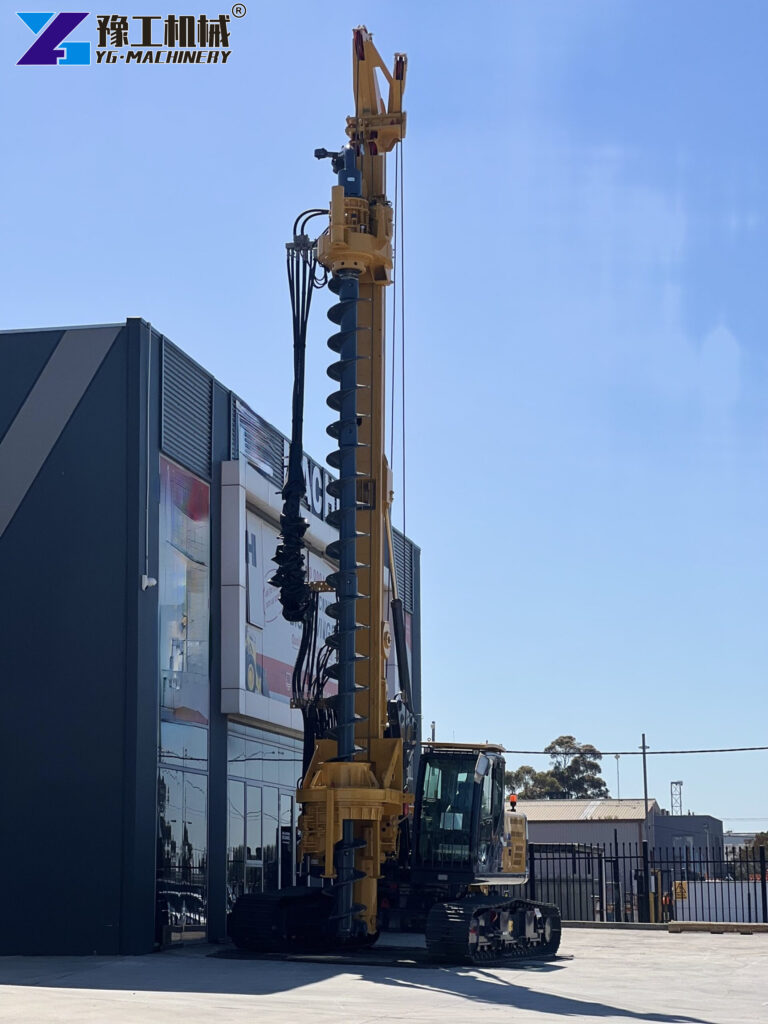
Working Process of a Foundation Drilling Machine
Site Preparation
Operators first prepare the construction site by:
- Leveling the ground
- Removing obstacles
- Marking drilling positions
Stable ground conditions improve machine safety and drilling precision.
Positioning and Leveling
The drilling rig is positioned over the target location and stabilized.
Hydraulic leveling systems help maintain vertical drilling accuracy.
Drilling Operation
The rotary head drives the drilling tool into the ground while hydraulic pressure controls penetration speed.
Operators monitor:
- Drilling depth
- Hydraulic pressure
- Soil conditions
- Torque fluctuations
Slag Removal and Hole Cleaning
After drilling reaches the target depth, the machine removes soil debris and cleans the borehole.
Proper hole cleaning improves:
- Concrete bonding
- Structural integrity
- Foundation stability
Reinforcement Cage Placement
Workers lower steel reinforcement cages into the completed borehole.
This reinforcement increases structural load-bearing capacity.
Concrete Pouring
Finally, contractors pour concrete into the borehole to form the foundation pile.
Once cured, the pile becomes part of the building’s structural foundation system.
Advantages of Using a Modern Foundation Drilling Machine
Modern drilling equipment offers several major advantages.
High Drilling Efficiency
Hydraulic rotary systems greatly improve drilling speed.
Better Hole Accuracy
Advanced control systems maintain vertical alignment and drilling precision.
Reduced Labor Intensity
Automation reduces manual labor requirements and improves operator safety.
Strong Geological Adaptability
Modern rigs handle:
- Clay
- Sand
- Gravel
- Weathered rock
This adaptability increases project flexibility.
Common Applications of the Foundation Drilling Machine
Foundation drilling equipment supports many industries.
Building Foundations
Used for residential and commercial structures.
Bridge Construction
Supports deep bridge pile foundations.
Solar Pile Projects
Used for photovoltaic support structures.
Highway and Railway Engineering
Ensures stable infrastructure support.
How to Choose the Right Foundation Drilling Machine
Selecting the right machine depends on several factors.
Soil Conditions
Different geological conditions require different torques and drilling systems.
Required Drilling Depth
Deep foundations need larger rigs with stronger hydraulic systems.
Mobility Requirements
Urban projects often benefit from wheeled drilling rigs.
Engine and Hydraulic Performance
Higher engine power improves drilling efficiency and stability.
👉 Buyers should also evaluate:
- After-sales service
- Spare parts availability
- Technical support
Cost Analysis and ROI of Foundation Drilling Machine
Although a Foundation Drilling Machine requires significant initial investment, it often delivers excellent long-term ROI.
Key Cost Factors
- Machine size
- Hydraulic system quality
- Fuel consumption
- Maintenance requirements
Profitability Advantages
- Faster project completion
- Reduced labor costs
- Improved construction accuracy
- Higher operational efficiency
For contractors handling multiple infrastructure projects, modern drilling equipment significantly increases competitiveness.
Conclusion – Why Rotary Drilling Rig Machines are Essential in Modern Construction
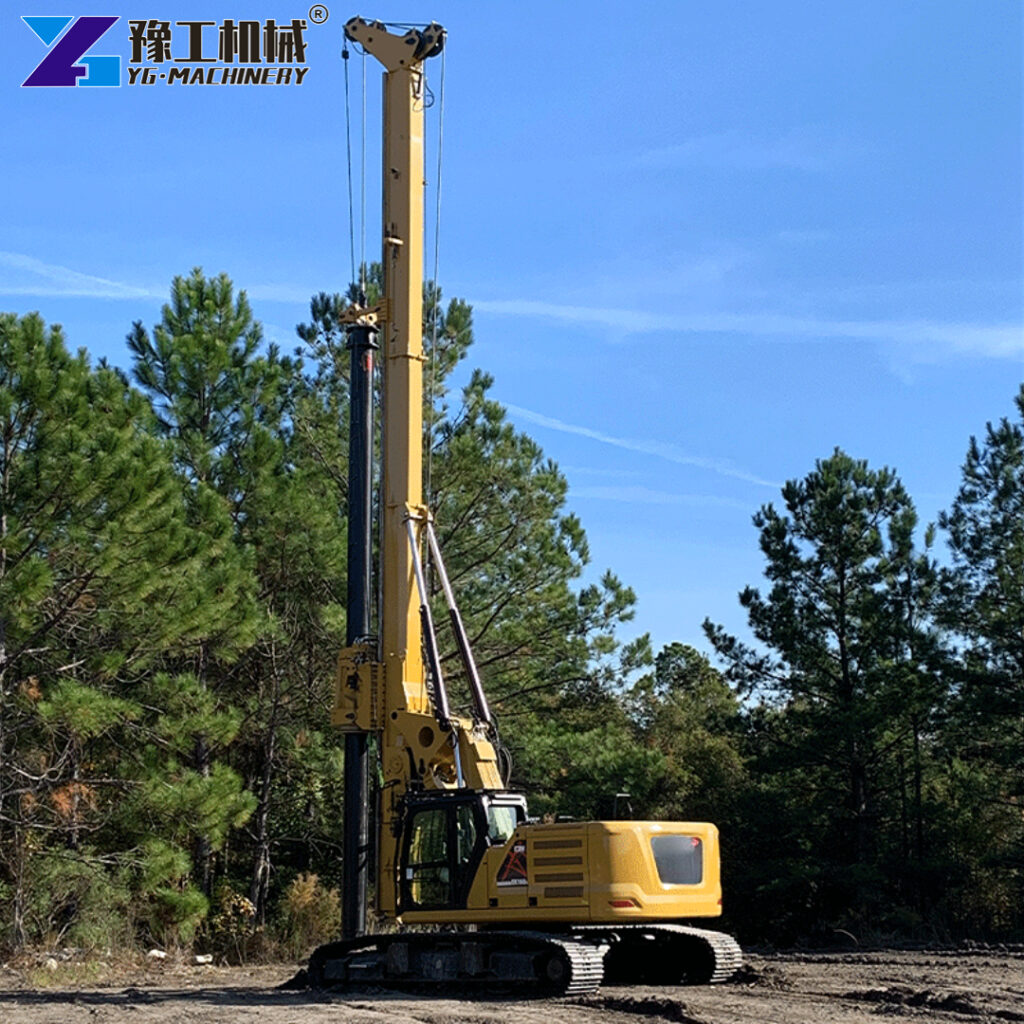
A modern rotary drilling rig has become one of the most important pieces of equipment in today’s construction industry.
Compared with traditional drilling systems, modern hydraulic rotary rigs provide:
- Higher efficiency
- Better drilling precision
- Stronger adaptability
- Lower operating costs
Whether you need a rotary drilling rig machine, a piling drilling rig, or a hydraulic drilling machine for foundation, selecting the right equipment directly impacts project quality and profitability.
👉 Get a Free Quote from YG Machinery today and discover customized foundation drilling solutions for your next project.