The Philippines continues to invest heavily in infrastructure, commercial buildings, industrial facilities, transportation networks, and residential developments. Before any foundation construction begins, contractors must understand underground soil conditions to ensure structural safety and long-term project stability.
As geotechnical investigation requirements become more stringent, engineering companies are increasingly seeking reliable drilling equipment capable of delivering accurate soil sampling results while maintaining efficient project schedules.
In early 2025, a geotechnical engineering contractor from the Philippines contacted YG Machinery regarding a new soil investigation project. The company needed a drilling solution capable of supporting Standard Penetration Testing (SPT), borehole drilling, and foundation investigation across multiple construction sites.
After evaluating several alternatives available in the local market, the customer selected a standard penetration test rig supplied by YG Machinery. This case study presents the complete journey from project requirements and equipment selection to delivery, commissioning, and operational performance in the Philippines.
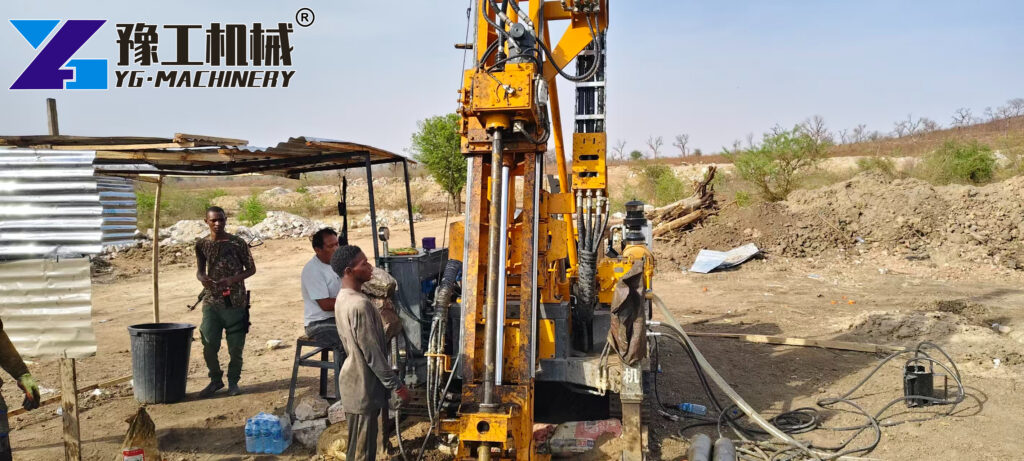
Why The Contractor Needed A Standard Penetration Test Rig
The customer specializes in geotechnical surveys and foundation investigations for commercial buildings, warehouses, industrial parks, and infrastructure projects throughout the Philippines.
The company had recently secured contracts for several projects located in rapidly developing urban areas. Before construction could begin, comprehensive soil investigations were required to determine bearing capacity, groundwater conditions, and foundation design parameters.
Although the company already owned older drilling equipment, several limitations began affecting productivity.
First, the existing machines lacked sufficient drilling efficiency when working through mixed soil layers. Projects often encountered clay, sand, weathered rock, and gravel formations within a single borehole.
Second, equipment mobility became a concern. Many construction sites were located in densely populated urban environments where transportation and setup space were limited.
Third, maintenance costs continued to increase. Frequent hydraulic repairs and component replacements reduced machine availability and created project delays.
The customer identified several key objectives for the new purchase:
- Improve drilling efficiency
- Support accurate Standard Penetration Testing
- Reduce maintenance requirements
- Increase equipment reliability
- Improve transportation convenience
- Support future project expansion
These requirements became the foundation for the equipment selection process.
Local Project Requirements And Site Challenges
Unlike mining projects that often focus primarily on depth and production, geotechnical investigations require accuracy and consistency.
The customer needed equipment capable of producing reliable soil samples while maintaining stable drilling performance across different geological conditions.
Several challenges complicated the project.
Variable Soil Conditions
The planned projects involved multiple soil profiles.
Operators expected to encounter:
- Soft clay layers
- Dense sand deposits
- Silty formations
- Weathered rock zones
- Groundwater-bearing layers
This required equipment capable of adapting to changing ground conditions without significant productivity losses.
Urban Construction Sites
Many drilling locations were situated near existing roads, commercial buildings, and residential developments.
The equipment needed to offer:
- Compact dimensions
- Easy transportation
- Fast setup
- Stable operation in limited spaces
Tight Investigation Schedules
Project developers demanded rapid completion of geotechnical reports.
Any equipment downtime could delay foundation design and construction activities.
The contractor therefore prioritized reliability as much as drilling performance.
How The Customer Evaluated Different Drilling Solutions
Rather than selecting the first available machine, the customer conducted a comprehensive evaluation process.
Several suppliers submitted quotations and technical proposals.
Comparing Local Equipment
Local suppliers offered basic drilling rigs at relatively low purchase prices.
However, after reviewing specifications, the customer identified several concerns:
- Limited drilling depth
- Lower hydraulic performance
- Reduced spare parts availability
- Inconsistent manufacturing quality
Although the initial investment appeared attractive, long-term operating costs raised concerns.
Considering Imported Alternatives
The customer also evaluated imported equipment from multiple international suppliers.
Evaluation criteria included:
- Drilling depth capability
- Hydraulic system performance
- Engine reliability
- Technical support
- Delivery lead time
- Cost-effectiveness
Several premium brands provided strong technical performance but exceeded the project budget.
Equipment Rental Option
The company briefly considered renting equipment.
However, long-term project commitments made ownership a more economical solution.
After comparing total operating costs, purchasing a new machine offered better long-term value.
Why YG Machinery Became The Preferred SPT Rig Supplier
During technical discussions, YG Machinery focused on understanding actual project requirements rather than simply recommending the largest model.
Engineers collected detailed information regarding:
- Planned drilling depth
- Soil conditions
- Transportation limitations
- Available operators
- Future project plans
This consultation process helped identify the most suitable configuration.
The customer appreciated several advantages:
- Responsive technical communication
- Detailed equipment recommendations
- Flexible configuration options
- Competitive pricing
- Export experience
- Comprehensive after-sales support
These factors ultimately influenced the purchasing decision.
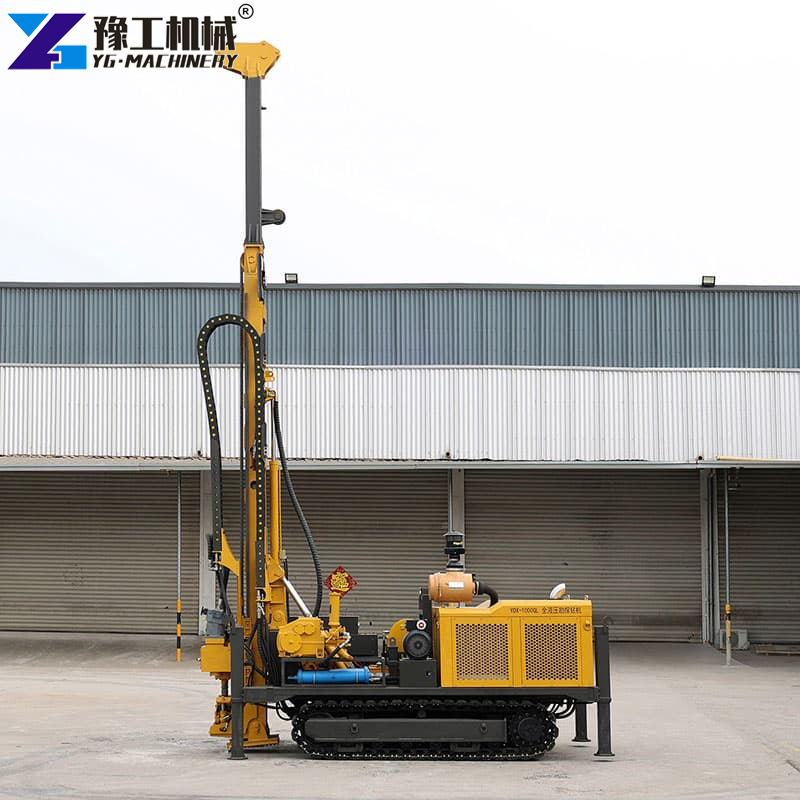
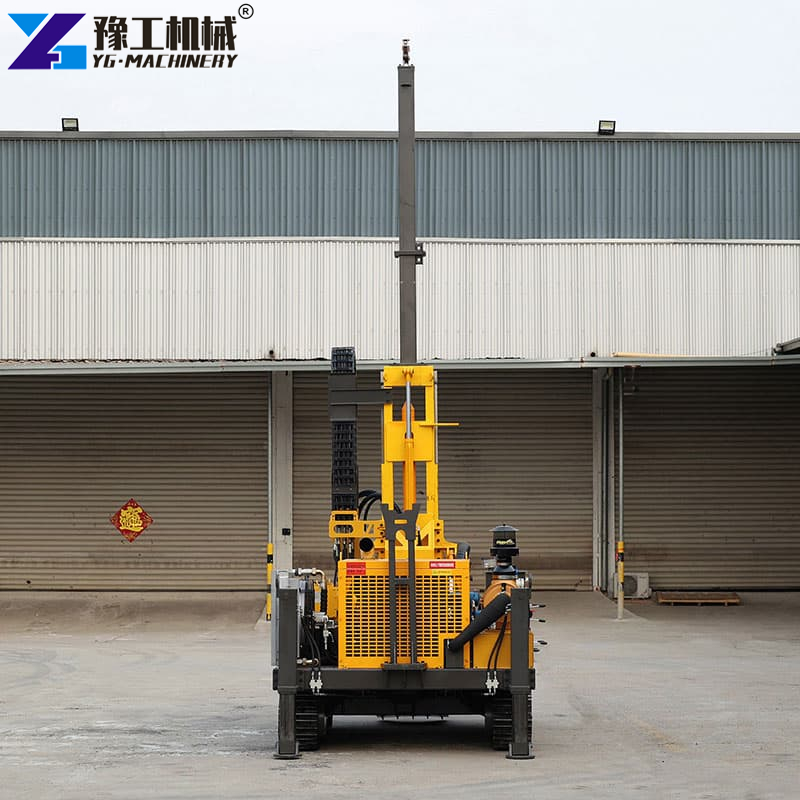
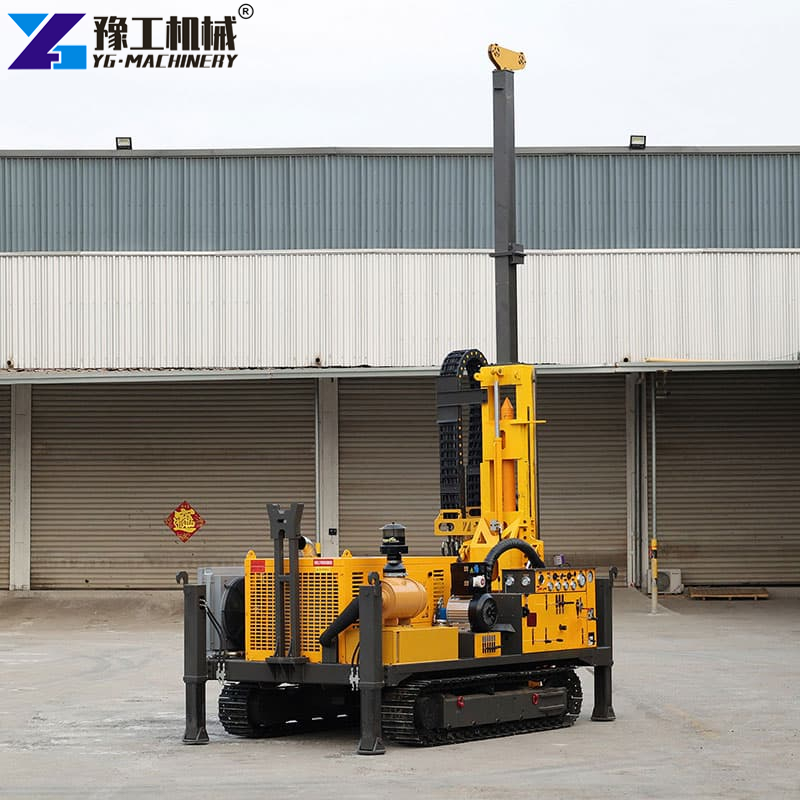
SPT Drill Rig Configuration Matching Process
Selecting the right machine required more than comparing specifications.
YG engineers analyzed site requirements to ensure the equipment would perform efficiently under real working conditions.
The customer expected most projects to involve boreholes between 100 and 300 meters deep.
Although deeper drilling capability was desirable for future projects, purchasing an oversized machine would increase acquisition and transportation costs unnecessarily.
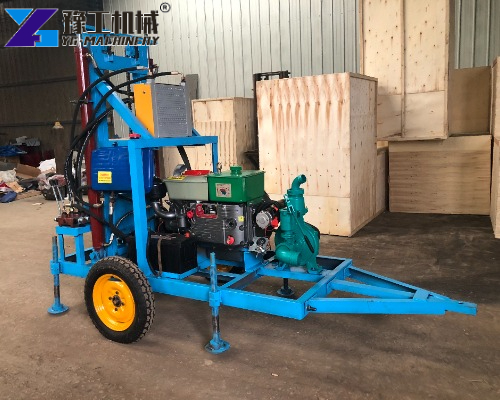
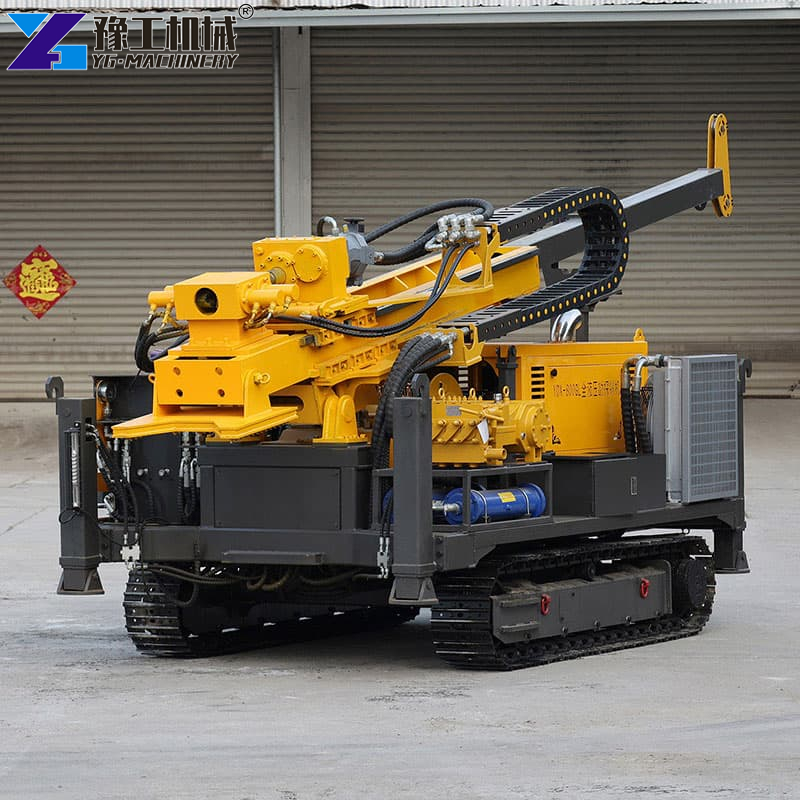
After evaluating project data, the YGX-600 model emerged as the most practical solution.
Standard Penetration Test Rig Technical Specifications
| Model | YGX-400 | YGX-600 | YGX-800 | YGX-1000 |
|---|---|---|---|---|
| Drilling Depth (m) | 180-500 | 200-650 | 400-1000 | 500-1100 |
| Rated Pressure (MPa) | 21 | 21 | 25 | 28 |
| Rated Flow (L/min) | 168 | 192 | 260 | 300 |
| Cooling System | Air + Water | Air + Water | Air + Water | Air + Water |
| Engine | Yuchai | Yuchai | Yuchai | Cummins |
| Power/Speed | 78kW/2400 | 92kW/2400 | 92kW/2400 | 154kW/2400 |
| Angle (°) | 0-90 | 45-90 | 45-90 | 45-90 |
| Lifting Force (T) | 12 | 16 | 24 | 30 |
| Feed Force (T) | 6 | 8 | 12 | 15 |
| Mud Pump Flow (L/min) | 30-90 | 30-90 | 90-180 | 90-180 |
| Mud Pump Pressure (MPa) | 4-7 | 4-7 | 4-7 | 4-7 |
| Dimension (mm) | 4000×1900×1800 | 4000×2000×1800 | 5500×2100×2000 | 6000×2200×2400 |
| Weight (T) | 4.3 | 4.5-5.5 | 6.5 | 7.5 |
See the full specifications, customization options, and delivery details.
The YGX-600 offered an ideal balance between drilling capability, mobility, and investment cost.
Its advantages included:
- Up to 650-meter drilling depth
- Reliable Yuchai engine
- Strong lifting force
- Compact transportation dimensions
- Efficient hydraulic system
- Excellent adaptability to geotechnical projects
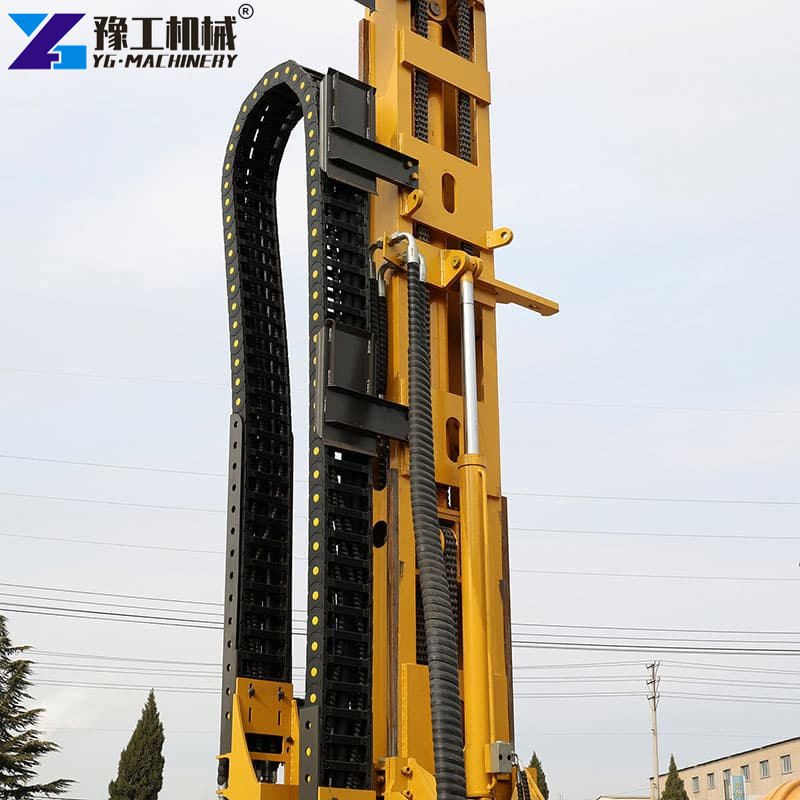
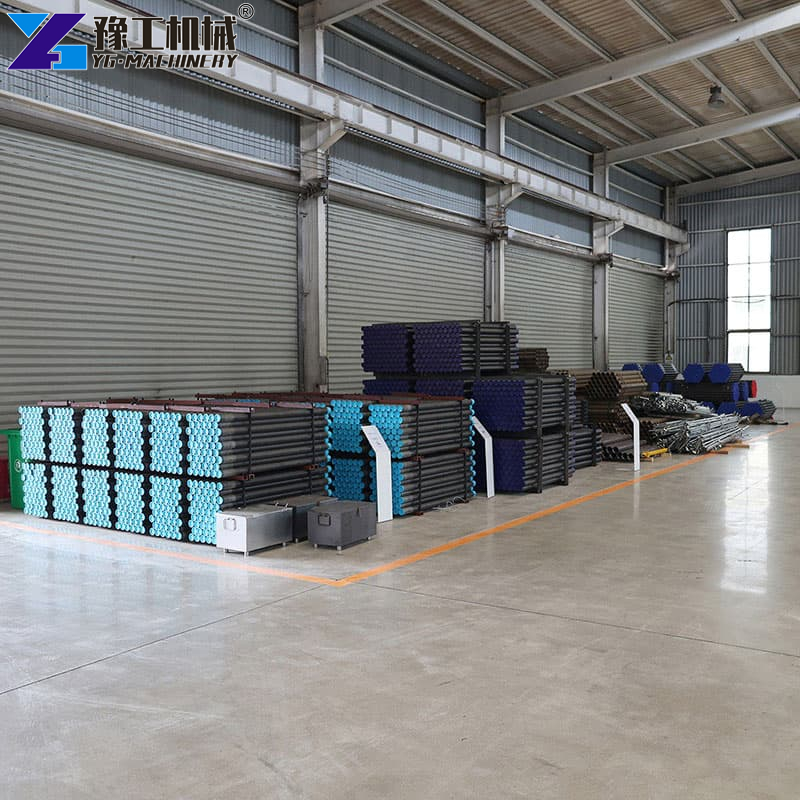
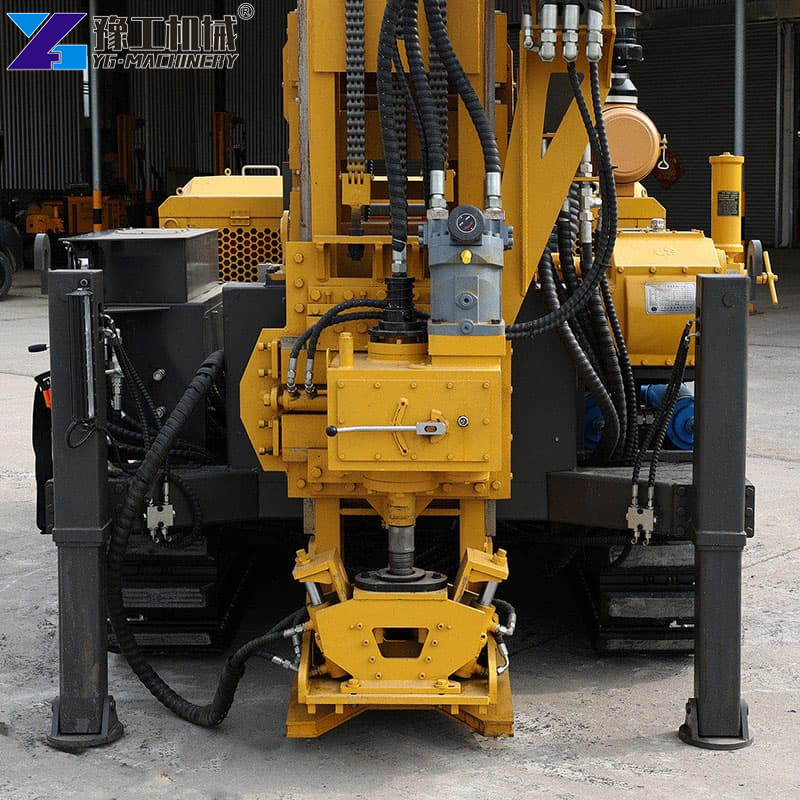
Soil Test Drilling Machine Selected For Geotechnical Investigation
Once the customer finalized equipment selection, production scheduling began.
The contractor specifically wanted a soil test drilling machine capable of supporting long-term operations across multiple projects.
Several features influenced the final decision.
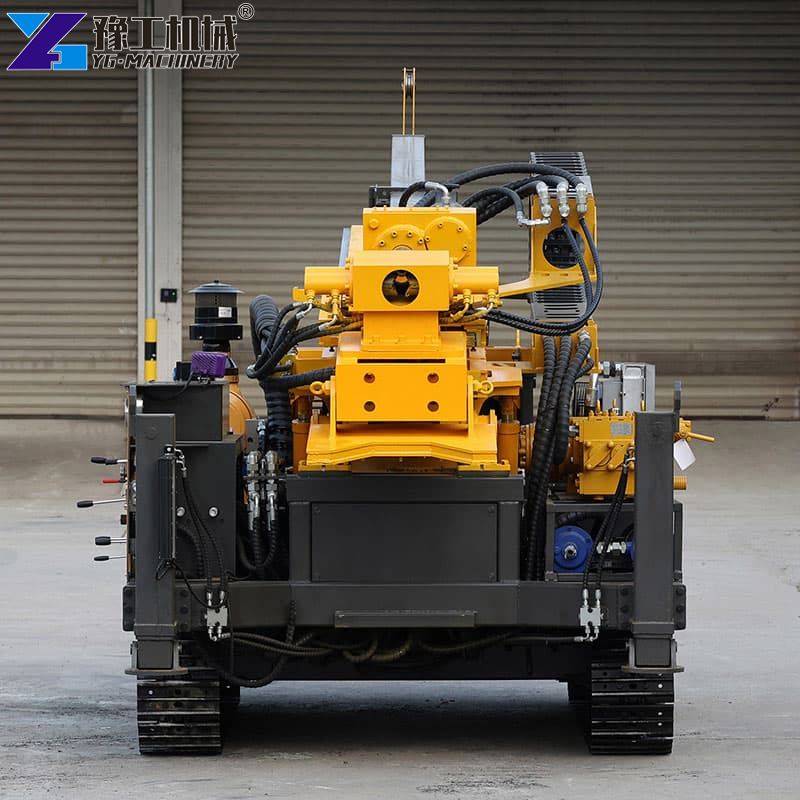
The hydraulic system provided stable drilling performance under varying geological conditions.
The combined air-and-water cooling system improved operational reliability during extended work periods in tropical environments.
The machine also offered flexible drilling angle adjustments, allowing operators to adapt to different project requirements.
Most importantly, the configuration provided sufficient performance reserves for future projects without significantly increasing ownership costs.Manufacturing, Quality Inspection, And Export Preparation
After confirming the final configuration, YG Machinery arranged production according to the agreed delivery schedule.
Throughout the manufacturing process, strict quality control procedures were implemented to ensure that every major component met performance and reliability requirements.
Component Inspection
Before assembly began, technicians inspected key components, including:
- Hydraulic pumps and valves
- Engine systems
- Drilling heads
- Steel structural parts
- Electrical components
Only qualified parts were approved for installation.
Assembly And System Testing
Once assembly was completed, the machine underwent a series of operational tests.
These tests included:
- Hydraulic pressure testing
- Rotation system inspection
- Feed and lifting force verification
- Engine performance evaluation
- Safety system checks
The objective was to ensure stable operation under actual working conditions before shipment.
Export Packaging And Shipping
Because the equipment would be transported internationally, special attention was given to packaging and logistics.
Protective measures included:
- Anti-corrosion treatment
- Secure component fastening
- Protective wrapping for hydraulic connections
- Reinforced loading procedures
After final inspection, the machine was loaded and shipped to the Philippines according to the customer’s project schedule.
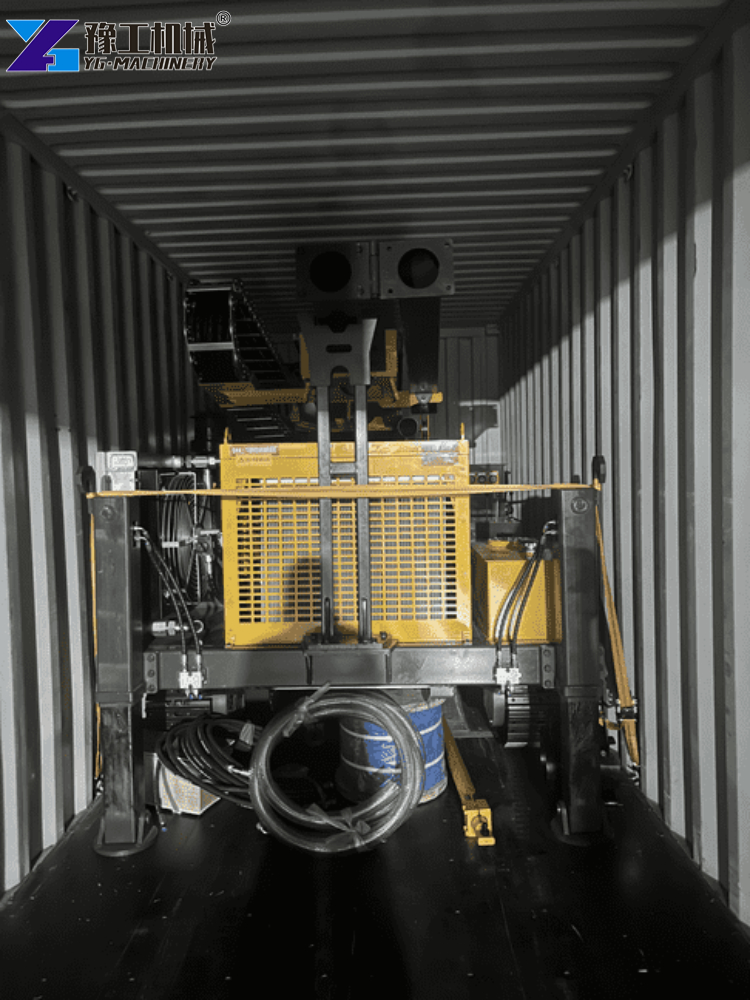
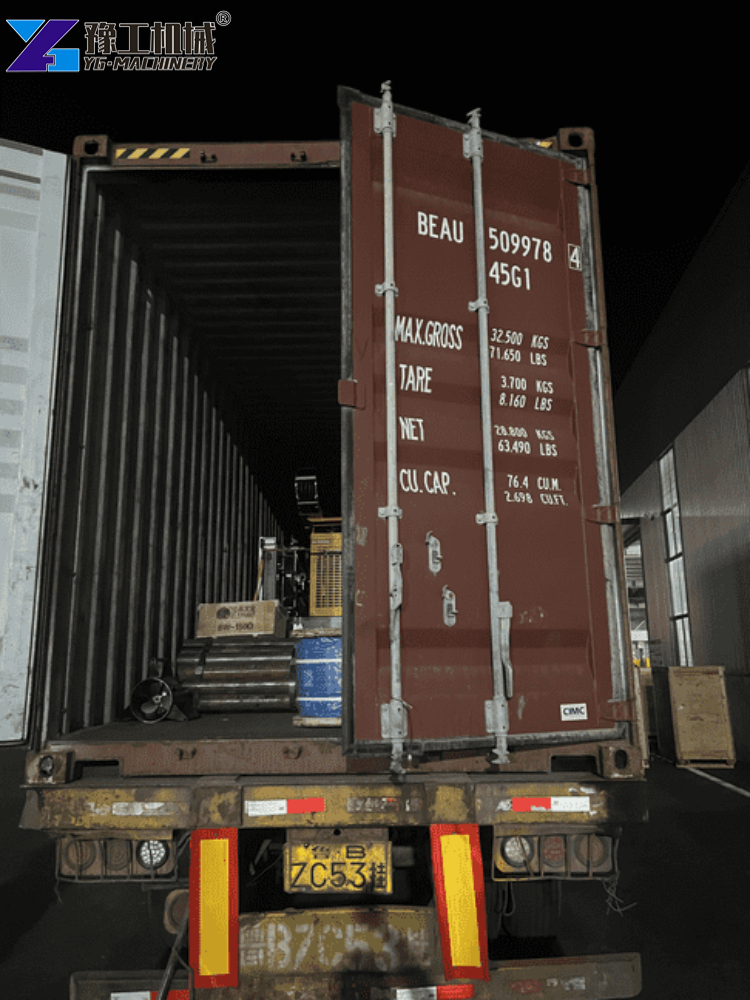
Standard Penetration Test Rig Arrival And On-Site Commissioning
Upon arrival at the project location, the customer coordinated unloading and site preparation.
YG Machinery provided technical guidance to assist with installation and commissioning.
The setup process was completed efficiently due to the machine’s compact design and user-friendly configuration.
During commissioning, technicians verified:
- Hydraulic system operation
- Engine performance
- Drilling functions
- Mud circulation system
- Safety controls
Operators also received guidance regarding routine maintenance procedures and recommended operating practices.
This preparation helped ensure smooth deployment once field operations began.
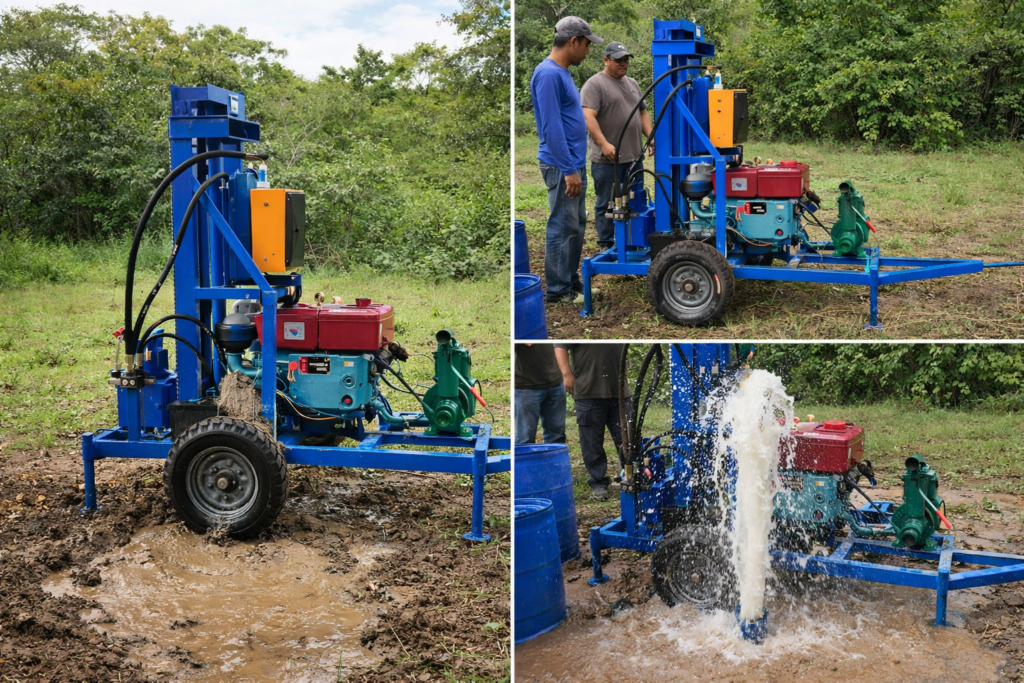
Initial Field Performance of The SPT Rig
The first project involved geotechnical investigation for a commercial development site.
The drilling team immediately noticed improvements compared with their previous equipment.
Faster Drilling Progress
The hydraulic system delivered stable power output throughout the drilling process.
As a result, operators were able to complete boreholes more efficiently while maintaining consistent drilling quality.
Improved Borehole Stability
Maintaining borehole integrity is critical during soil investigation work.
The machine’s stable drilling performance helped reduce interruptions caused by borehole collapse or excessive deviation.
This improved the overall quality of collected geological data.
Easier Operation
Operators reported that machine controls were straightforward and responsive.
The simplified operating process reduced fatigue during long working hours and improved overall productivity.
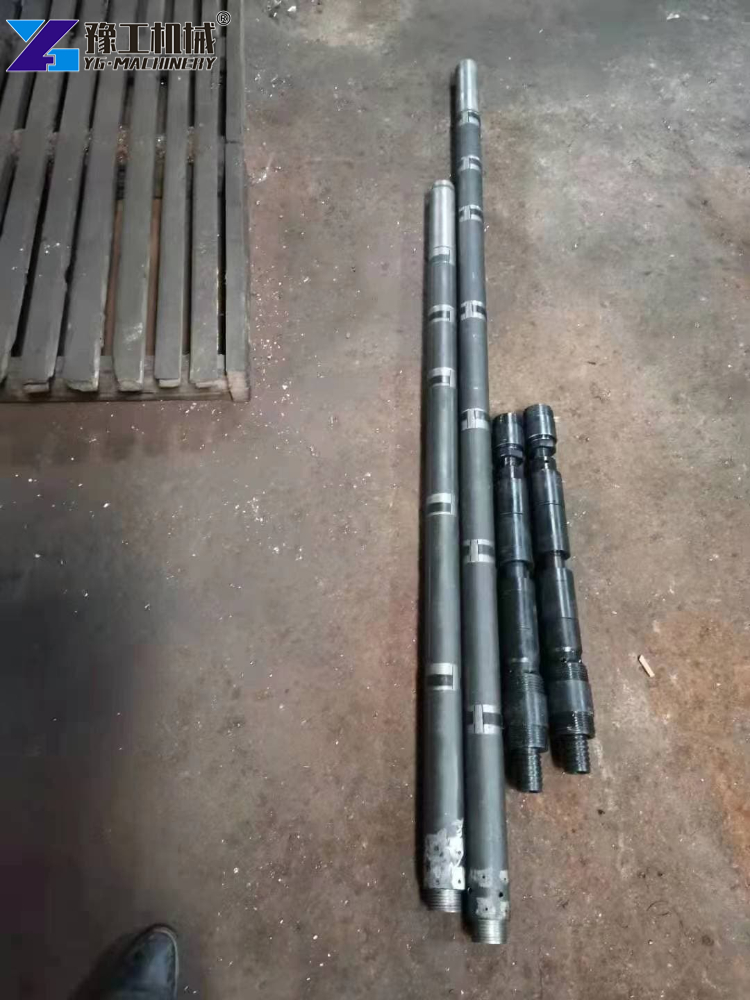
Performance Across Different Soil Conditions of SPT Drill Rig
One of the customer’s primary concerns was the ability to handle varying geological formations.
During the first several projects, the rig encountered multiple soil types, including:
- Soft clay
- Dense sand
- Silt layers
- Gravel formations
- Weathered rock
The equipment demonstrated strong adaptability throughout these conditions.
The hydraulic system maintained stable performance, allowing drilling operations to continue efficiently even when transitioning between different soil layers.
This versatility enabled the contractor to use the same machine across multiple projects without requiring specialized equipment for each site.
Benefits Achieved After Deployment of Standard Penetration Test Rig
Several months after commissioning, the customer reported measurable improvements in project execution.
Increased Productivity
The company completed more boreholes within the same project timeframe.
Improved drilling efficiency allowed investigation teams to meet demanding schedules more consistently.
Reduced Maintenance Costs
Compared with older equipment, the new rig required fewer repairs and less unplanned maintenance.
This increased machine availability and reduced operating expenses.
Improved Data Collection Quality
Stable drilling performance contributed to more reliable soil sampling and Standard Penetration Testing results.
Engineers were able to generate geotechnical reports with greater confidence in the collected field data.
Enhanced Business Opportunities
Because the machine offered greater drilling capability than the company’s previous equipment, the contractor became eligible to bid on larger and more technically demanding projects.
This expanded the company’s potential market opportunities.
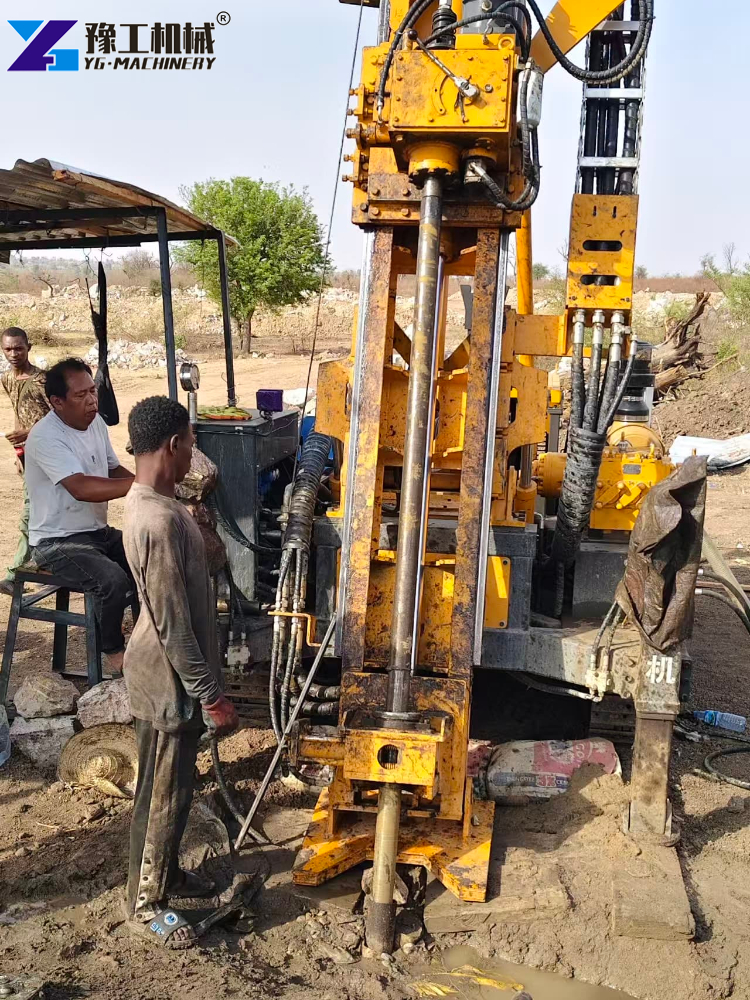
Customer Feedback on Soil Test Drilling Machine
Following several successful projects, the customer shared positive feedback regarding the equipment.
According to the project manager, the machine delivered the balance of performance and mobility that the company had been seeking.
Particularly appreciated features included:
- Stable hydraulic performance
- Reliable engine operation
- Convenient transportation
- Easy maintenance access
- Consistent drilling efficiency
The customer also expressed satisfaction with YG Machinery’s technical support throughout the purchasing and commissioning process.
Lessons For Contractors Purchasing A Standard Penetration Test Rig
This project highlights several important considerations for companies planning to invest in geotechnical drilling equipment.
Focus On Actual Project Requirements
Selecting the largest available machine is not always the most economical solution.
Equipment should be matched to expected drilling depths, site conditions, and transportation requirements.
Consider Long-Term Ownership Costs
Purchase price represents only one portion of total investment.
Contractors should also evaluate:
- Fuel consumption
- Maintenance requirements
- Spare parts availability
- Equipment reliability
- Productivity improvements
Prioritize Technical Support
Reliable after-sales service can significantly reduce downtime and improve equipment utilization.
Working with an experienced supplier helps ensure that operators receive the guidance necessary to maximize performance.
Plan For Future Growth
Choosing equipment with reasonable performance reserves allows contractors to pursue larger projects without requiring immediate additional investment.
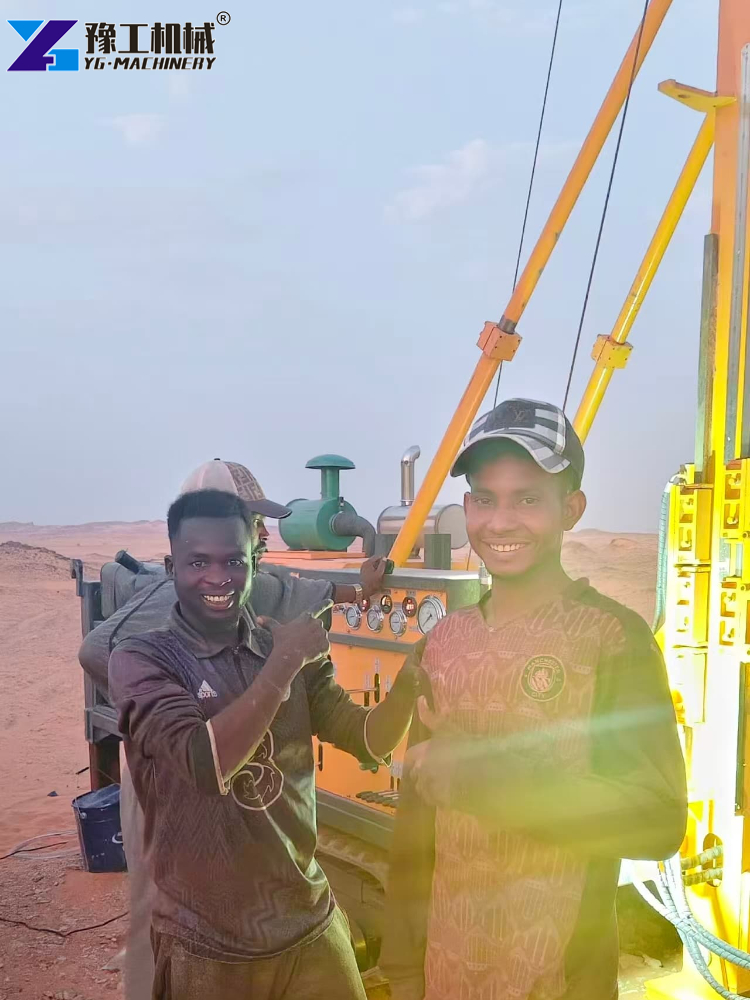
Conclusion on SPT drill rig
The successful export of the standard penetration test rig to the Philippines demonstrates how properly matched equipment can improve geotechnical investigation efficiency, reliability, and project profitability.
By selecting the YGX-600 model, the customer obtained a versatile solution capable of supporting Standard Penetration Testing, soil sampling, and foundation investigations across a wide range of geological conditions.
From equipment selection and manufacturing to delivery and field operation, the project highlights YG Machinery’s commitment to providing practical drilling solutions tailored to customer requirements.
As infrastructure development continues throughout the Philippines, reliable geotechnical investigation equipment will remain essential for ensuring safe and successful construction projects. Contractors seeking efficient, durable, and cost-effective drilling solutions can benefit from choosing a professionally engineered SPT rig designed for long-term field performance.