The inquiry arrived on a Tuesday morning in early March. Subject line: “Wire saw for bridge demolition – Sydney, Australia.” Mr. David Chen, project manager for a commercial demolition contractor in Western Sydney, wrote the email. His company had won a contract to demolish a 50-year-old concrete bridge over the Parramatta River. The bridge deck measured 1.8 meters thick. Heavy reinforcement and post-tensioning cables ran through it.
Traditional methods would not work. Jackhammers created too much vibration. Explosives were out of the question near residential areas. A diamond wire cutting saw was needed—one that could cut through the structure silently and precisely. That email started a two-month journey. A YG diamond wire cutting saw would travel from our factory to a demolition site on the outskirts of Sydney.
Australia’s demolition market is growing steadily. Infrastructure renewal projects are driving demand for precision cutting equipment. The Australian construction sector is projected to grow at a CAGR of 3.5% through 2028. Bridge demolition projects require specialized equipment. The Concrete Sawing and Drilling Association of Australia (CSDAA) provides industry guidelines. Their code of practice emphasizes safety and precision. Wire sawing has become the preferred method for thick concrete structures. The process generates no vibration and minimal noise, allowing large concrete sections to be removed in a controlled manner. Mr. Chen had used wire saws before. His old machine, however, was unreliable. A new machine and a trustworthy supplier were needed.
Start Your Project with the Right Equipment
Inquiry: First Contact for a Diamond Wire Saw for Concrete Cutting
Mr. Chen found YG Machinery through an online search. Several suppliers were evaluated. European brands offered premium quality but came with high prices and long lead times. Local Australian suppliers offered limited options. They focused on smaller machines. His first inquiry included specific requirements. The machine needed to cut concrete up to 2 meters thick. It had to handle reinforced concrete with post-tensioning cables and operate on 380V 50Hz power. Reliability was critical. Downtime was not an option. The project schedule was tight.
Our reply went out within four hours. We asked for more details about the bridge structure, concrete strength, and reinforcement density. The next day, Mr. Chen responded with photos of the bridge, core samples, and structural drawings. The concrete was 50 MPa. It contained 32mm rebar at 150mm spacing. Post-tensioning cables ran through the deck. He needed to cut the deck into sections weighing no more than 15 tons each. The crane could lift that much. Precise cuts were essential. A machine that could handle the job was essential. We scheduled a video conference for the following week.
Video Conference: Selecting a Bridge Demolition Wire Saw for Australian Conditions
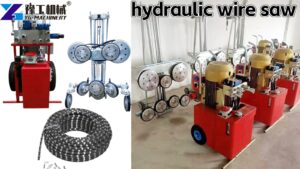
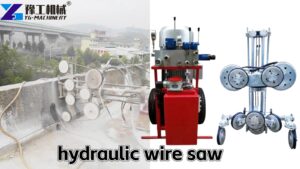
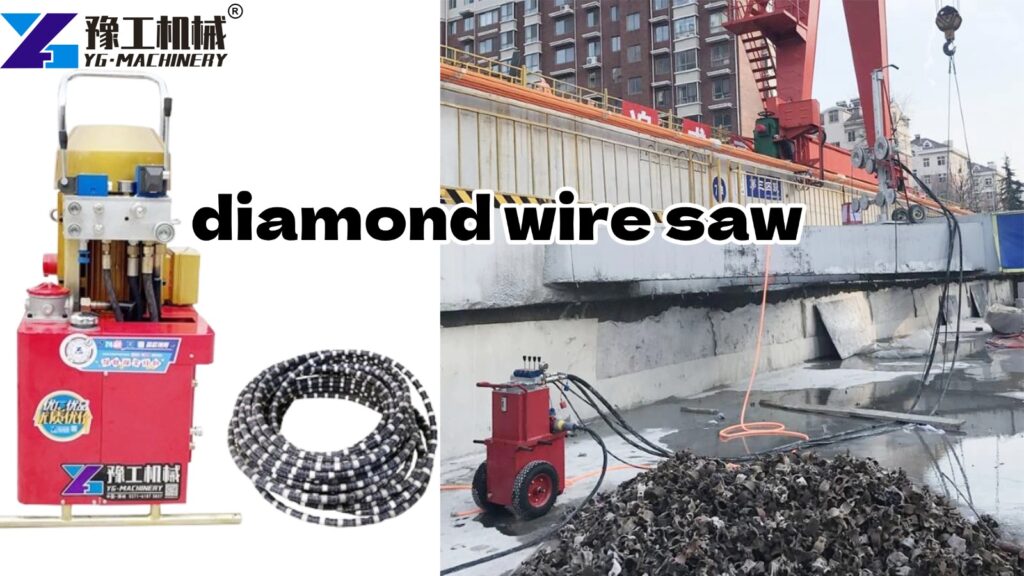
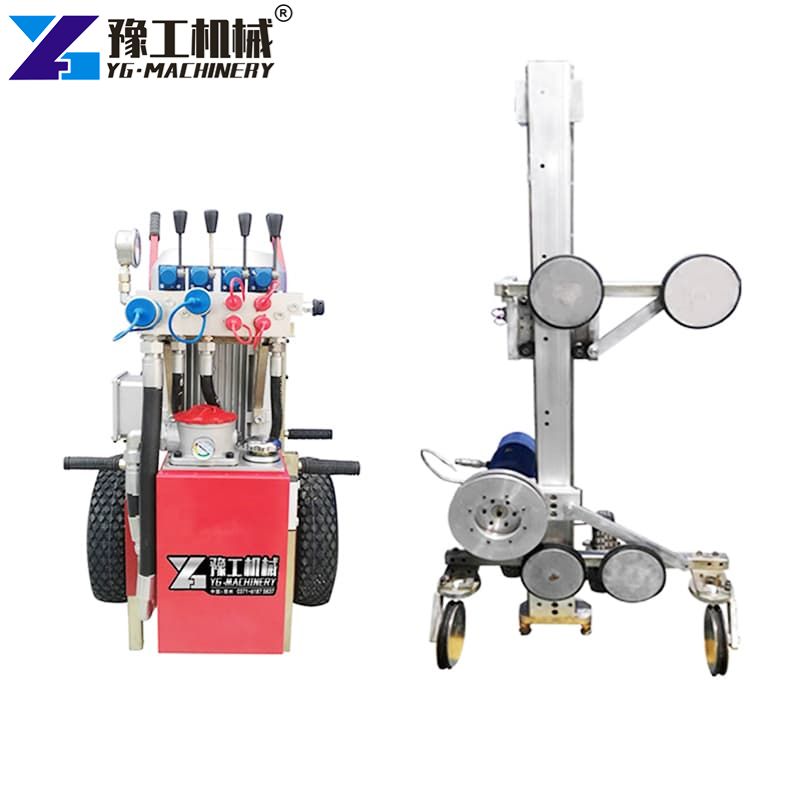
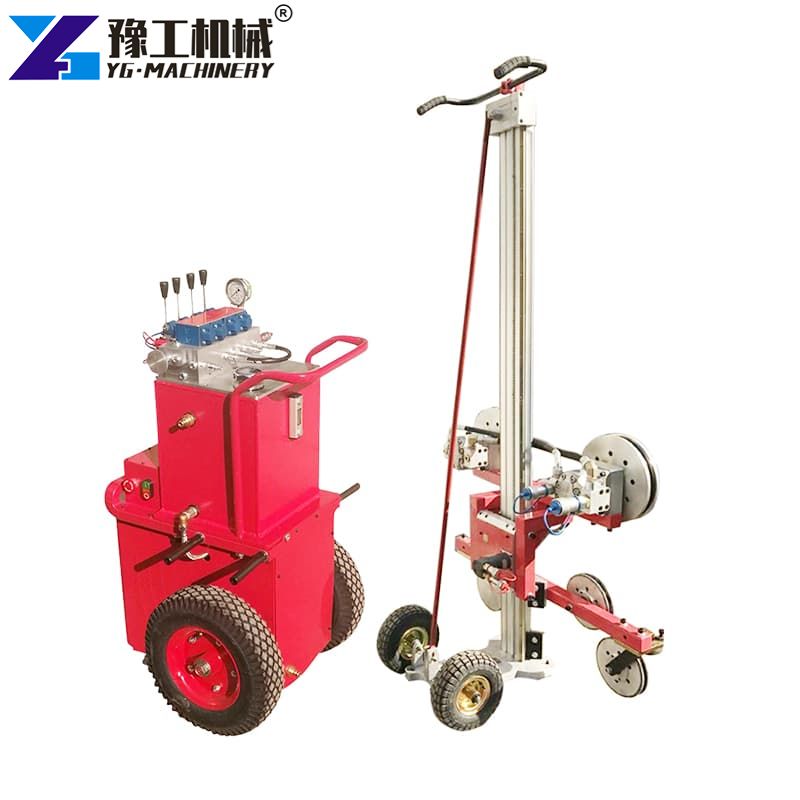
Mr. Chen joined the video call from his site office in Sydney. His site engineer, Ms. Sarah Williams, sat beside him. Photos of the bridge and the demolition plan were shared. We walked them through the YG HM-80 wire saw system. The wire saw wheel is the core cutting component. Hydraulic drive mode is used. Model type: HM-80. Minimum input power: 25HP/33HP. Output shaft speed comes with three settings: 350, 940, and 1300 revolutions per minute. Maximum wire length reaches 20 meters. Feeding method is fully hydraulic. The wire saw wheel weighs 64kg. The motor weighs 14kg. Its size is 1700*700*800mm. Both transverse and longitudinal cutting are possible.
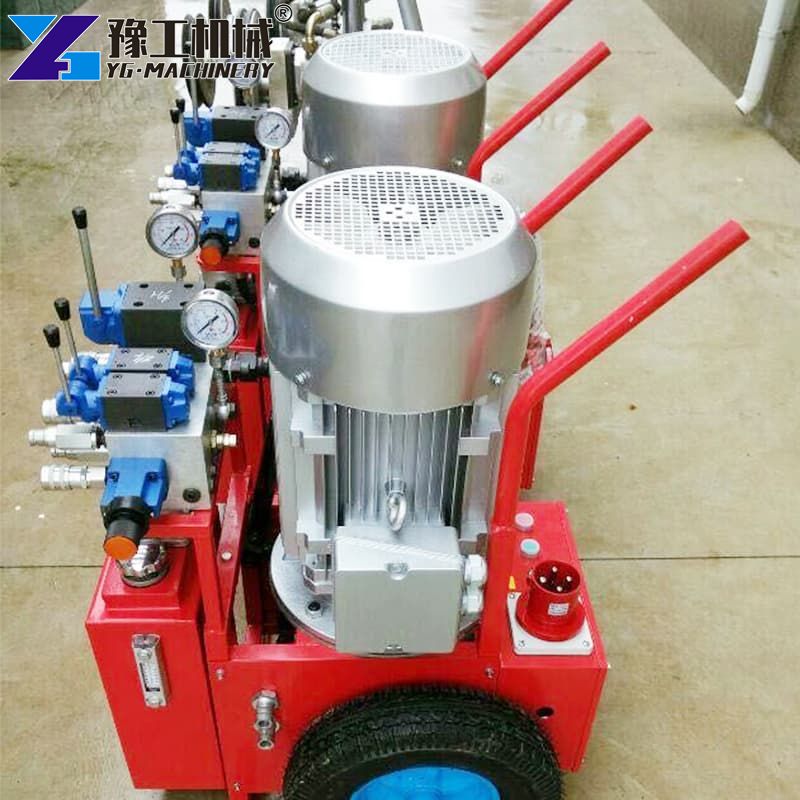
The hydraulic pump station powers the system. Rated output power is 22/25KW. Working voltage is 220V/380V, 50Hz. A gear pump is used. Main drive motor working flow ranges from 40 to 100 liters per minute. Working pressure is 15-20MPa. Oil tank capacity is 17 liters. The pump station weighs 160kg. Dimensions are 700*700*1200mm. Ms. Williams asked about cutting speed. We explained that wire saws cut thick reinforced concrete at 15-20 square meters per hour. That rate depends on reinforcement density and concrete strength. The HM-80 could handle the bridge deck. It could cut through the post-tensioning cables without damaging the surrounding structure. Mr. Chen asked about safety compliance. We confirmed the machine meets IACDS tolerances for diamond wire saws in horizontal and vertical concrete structures. It also complies with AS/NZS 3012 for electrical installations on construction sites. He chose the HM-80 system.
Boost Productivity—Get a Free Quote
Quotation and Order: Pricing a Hydraulic Wire Saw for Australian Import
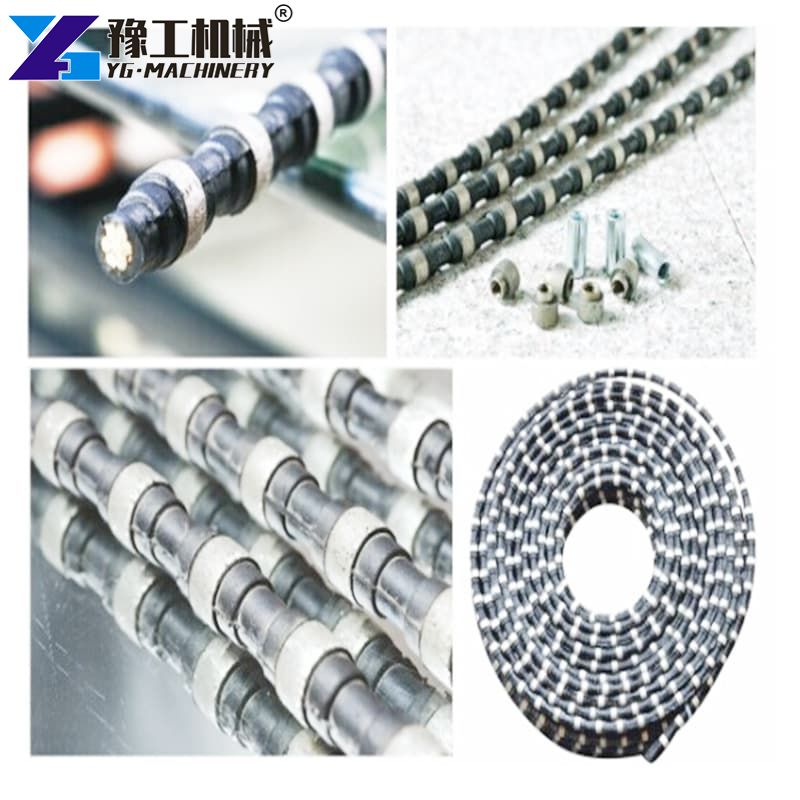
A formal quotation was sent three days later. The price included the HM-80 wire saw wheel, the hydraulic pump station, a starter set of diamond wire, and a basic tool kit. Mr. Chen asked for two revisions. First, he wanted an additional 20 meters of diamond wire. Second, he requested spare hydraulic hoses and fittings. Both requests were agreed to. Payment came through in two installments. The first 50% deposit arrived via wire transfer ten days after the quotation. The remaining 50% was due before shipment. Mr. Chen worked with a customs broker in Port Botany to handle the import process. The machine would enter Australia through Sydney’s main container port.
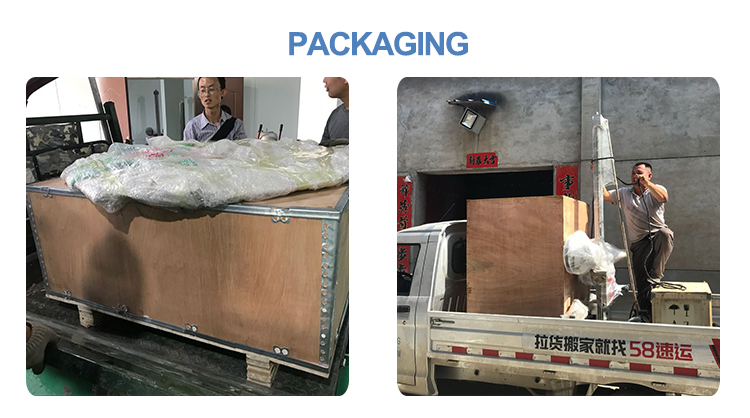
The HM-80 went through final inspection at our factory. We tested the wire saw wheel at all three speed settings and ran the hydraulic pump station at full load for two hours. The gear pump maintained consistent flow. Working pressure stayed within the 15-20MPa range. We checked all hydraulic connections for leaks, verified the oil tank capacity at 17 liters, tested the emergency stop system, and inspected the wire tensioning mechanism. The machine met all specifications. It was packed in a reinforced wooden crate. The diamond wire was included in a separate sealed container. The package was ready for export.
Shipping and Delivery: Transporting a Diamond Wire Cutting Saw to Port Botany
Shipping took 18 days from the Port of Ningbo to Port Botany. The vessel crossed the South Pacific. The container was tracked daily. Mr. Chen received updates on its position. The machine arrived at Port Botany on a Thursday morning. Customs clearance took four days. Australia applies a 5% import duty on sawing machines classified under HS Code 8464.10.00. The goods and services tax (GST) is 10%. Mr. Chen’s customs broker handled all the paperwork: the commercial invoice, packing list, and bill of lading. The container cleared customs on a Monday.
A local transport company was hired to move the crate from Port Botany to the project site in Parramatta. The journey was 25 kilometers. The truck arrived at the site on a Tuesday afternoon. Photos of the crate being unloaded were sent by Mr. Chen. His team gathered around. They had used wire saws before. But this one looked different. The build quality was solid. The hydraulic components were well-machined. Everyone was eager to set it up.
Find the Right Model for Your Project
Installation and Training: Setting Up the Hydraulic Wire Saw System
Installation began the following morning. The process was straightforward. The team positioned the wire saw wheel near the first cut line and mounted it on a stable base. They connected the hydraulic hoses to the pump station, filled the oil tank with 17 liters of hydraulic fluid, threaded the diamond wire through the guide pulleys, and tensioned it according to the manual. The entire setup took three hours.
Training took one day. Our technician joined via video call from China. The team learned how to operate the hydraulic pump station, adjust wire speed, and monitor cutting progress. Key points included correct wire tensioning, proper cooling water flow, and safe cutting techniques. They practiced starting and stopping the machine, learned how to change the wire when it wore out, and also covered daily maintenance: checking hydraulic fluid levels, inspecting hoses for wear, and cleaning the guide pulleys. By the end of the training day, the team was confident and ready for production.
Operational Results: Performance on the Sydney Bridge Demolition
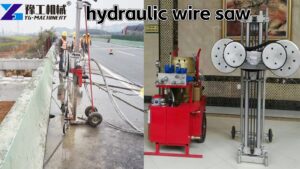
The first cut started on a Wednesday morning. The target was a 1.8-meter-thick section of the bridge deck. The operator positioned the wire saw wheel. He activated the hydraulic pump station. The diamond wire began moving. It cut into the concrete slowly but steadily. Water sprayed onto the wire to cool it and control dust. Within 40 minutes, the first cut was complete. The section separated cleanly from the main structure. The operator moved to the next cut line. By the end of the day, the team had completed four cuts. Each cut was precise. Each section weighed approximately 14 tons. The crane lifted them out without issues.
The project required 45 cuts over two months. The machine performed consistently. It cut through reinforced concrete, post-tensioning cables, and steel plates. The wire lasted through an average of six cuts before needing replacement. Steady pressure was maintained by the hydraulic system. No signs of wear appeared on the gear pump. The motor ran smoothly at all three speed settings.
Mr. Chen sent a detailed feedback report after 60 days of operation. The machine had completed all 45 cuts. Total cutting length exceeded 320 linear meters. The average cutting rate was 16 square meters per hour. That was within the 15-20 square meters per hour range we had quoted. There were zero breakdowns. The hydraulic system required no repairs. The wire saw wheel showed minimal wear. The project finished two days ahead of schedule. Mr. Chen estimated that the machine saved his company over AUD 28,000 compared to hiring an external wire sawing contractor. The hydraulic wire saw price he paid would be recovered within two more projects.
Ms. Williams noted the safety benefits. The machine produced no vibration and created minimal noise. Workers nearby did not need hearing protection. The cutting process created no dust when water was used correctly. The site remained clean and organized. The local council had imposed strict noise and vibration limits. The machine met all requirements. The project passed all inspections without issues.
Industry Standards and Technical Specifications
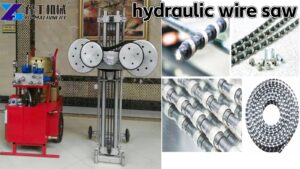
The YG HM-80 meets international standards for concrete cutting equipment. The machine complies with IACDS S-Tolerances-2 2017 for diamond wire saws in horizontal and vertical concrete structures. It also meets AS/NZS 3012 for electrical installations on construction and demolition sites. The hydraulic system follows ISO 4413 requirements for fluid power systems and components. The wire saw wheel uses high-grade alloy steel. The guide pulleys are hardened for durability. The diamond wire uses sintered beads for cutting reinforced concrete.
YG Hydraulic Wire Saw Machine Parameters
| Wire Saw Wheel Parameters | Specifications | Hydraulic Pump Parameters | Specifications |
|---|---|---|---|
| Wire Drive Mode | Hydraulic | Motor Power | 22/25KW |
| Motor Type | HM-80, 2 Cylinders | Voltage | 220V/380V, 50Hz |
| Minimum Input Power | 25HP/33HP | Hydraulic Pump Type | Gear Pump |
| Output Shaft Speed | 350/940/1300 r/min | Main Drive Motor | 40-100L/min |
| Maximum Wire Length | 20m | Working Pressure | 15-20Mpa |
| Feeding Method | Fully Hydraulic | Oil Tank Capacity | 17L |
| Wire Saw Wheel Weight | 64kg | Weight | 160kg |
| Motor Weight | 14kg | Size | 700*700*1200mm |
| Size | 1700*700*800mm |
The machine operates at 15-20MPa working pressure. The motor flow rate ranges from 40 to 100 liters per minute. The oil tank capacity of 17 liters provides sufficient cooling during continuous operation. The three-speed output shaft allows operators to adjust cutting speed for different materials. The transverse and longitudinal cutting capability makes the machine versatile for complex demolition projects.
Conclusion: A Diamond Wire Cutting Saw That Delivers Real Value
Mr. Chen’s story shows what a diamond wire cutting saw can do. The HM-80 traveled across the South Pacific. Customs clearance took four days. Setup required three hours. Over 60 days, it completed 45 cuts and cut 320 linear meters of reinforced concrete. The machine saved AUD 28,000 in contractor costs, finished the project two days early, and ran with zero breakdowns.
Mr. Chen is now planning to purchase a second unit. He has a new project starting in Melbourne next quarter. He recommends YG to other demolition contractors in Australia. His team calls the machine “the silent cutter.” It does its job without noise, vibration, or drama. It just works.
For demolition contractors, civil engineers, or project managers seeking a reliable diamond wire saw for concrete cutting, the HM-80 is a proven choice. It cuts through 2-meter-thick reinforced concrete, operates at 15-20MPa working pressure, and runs on 220V/380V 50Hz power. It meets IACDS and AS/NZS standards, providing reliable performance on the toughest bridge demolition wire saw jobs. That is what matters most.
Ready to power your next demolition project with a diamond wire cutting saw? Contact YG Machinery today for a customized hydraulic wire saw price quote. Email us at admin@ygequip.com. Visit our website to explore our full range of diamond wire saws for concrete cutting. Our team responds within 4 hours.