The fully automatic brick making machine has become one of the most important solutions in modern construction material production. As global demand for hollow blocks, paving bricks, and concrete blocks continues to rise, manufacturers increasingly focus on high-output automated systems that reduce labor costs while maintaining stable product quality.
Compared with traditional manual brick production, modern automated systems improve molding consistency, shorten production cycles, and support continuous large-scale manufacturing. Many contractors, building material factories, and infrastructure suppliers now prefer automated production lines because they deliver higher efficiency and more stable profits.
YG Machinery provides complete brick production solutions for customers worldwide. From small factories to industrial-scale production plants, the company offers multiple configurations suitable for different project budgets and output requirements.
Explore a real customer project using this equipment for on-site operations.
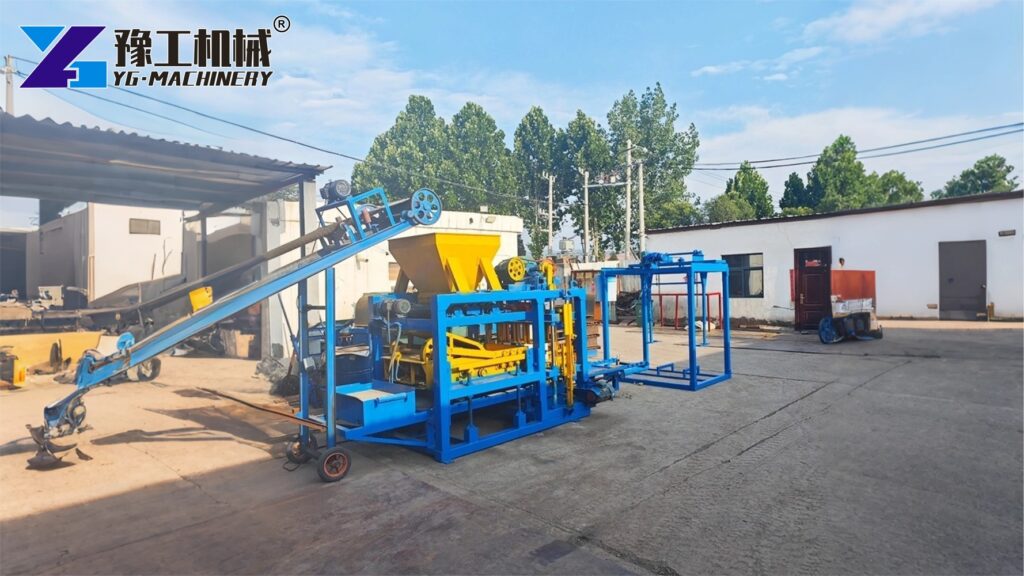
What Is a Fully Automatic Brick Making Machine?
A fully automatic brick making machine is industrial equipment designed for continuous block and brick production through hydraulic pressure, automatic feeding, vibration molding, and automatic pallet transfer systems.
The system combines material batching, mixing, pressing, and molding into one production workflow. Operators mainly supervise the process while the control system handles most of the production tasks automatically.
This type of equipment is widely used in:
- Concrete block factories
- Municipal construction projects
- Real estate developments
- Road paving material production
- Prefabricated construction industries
Compared with manual systems, it delivers:
- Higher daily output
- Better brick density
- Lower labor dependence
- More stable dimensions
- Faster return on investment
Automatic Clay Brick Making Machine Production Flexibility
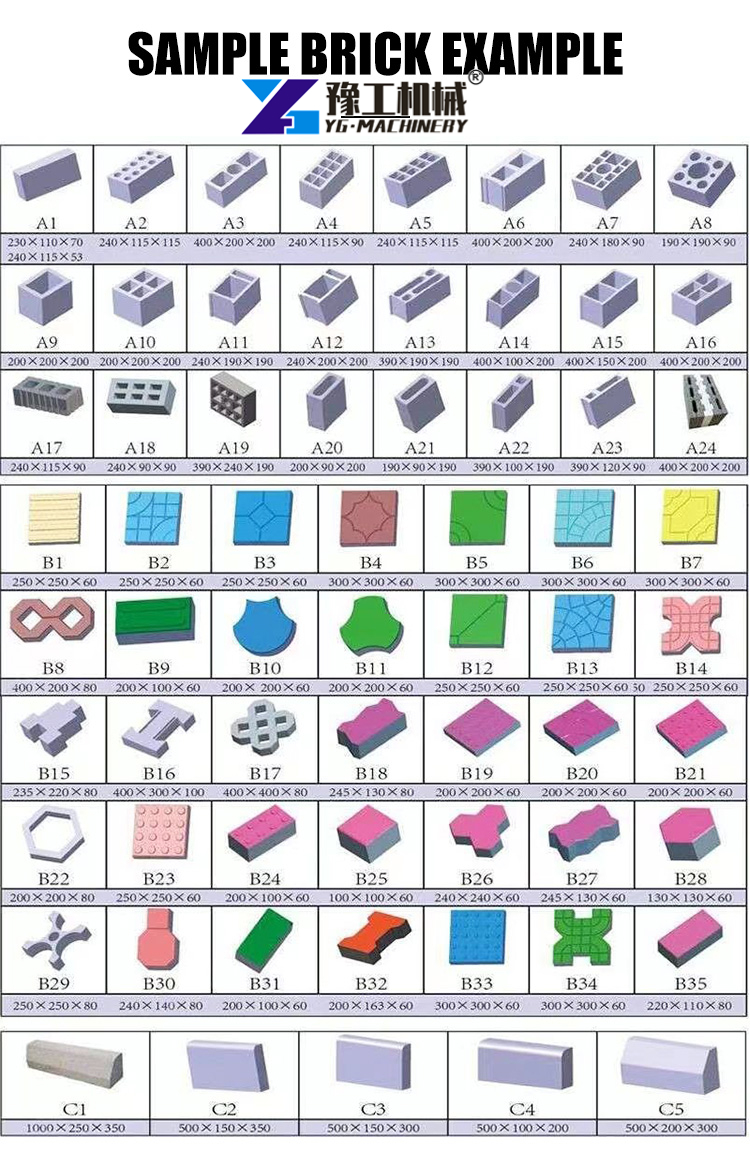
Modern brick factories require equipment capable of producing different products without complicated adjustments. This production line supports multiple mold types and can quickly switch between various brick specifications.
Supported products include:
- Hollow blocks
- Solid bricks
- Porous blocks
- Interlocking pavers
- Pavement bricks
- Curbstones
The mold replacement process is simple and practical. Operators can complete adjustments quickly, helping factories reduce downtime and improve production efficiency.
For growing businesses, this flexibility creates major advantages because one production line can serve multiple market demands.
How the Hydraulic Brick Machine Production Process Works
The production workflow combines hydraulic pressing technology with automatic control systems to achieve fast and stable manufacturing performance.
Raw Material Preparation
Cement, sand, fly ash, gravel, and other aggregates enter the batching system. Proper mixing improves density and molding consistency.
Material Feeding
The feeding system transfers mixed materials into the mold evenly. Stable feeding improves brick surface quality and dimensional accuracy.
Hydraulic Pressing and Vibration
Hydraulic cylinders apply strong pressure while vibration systems compact the materials tightly. This process increases brick strength and durability.
Automatic Demolding
After molding, the system automatically releases finished products onto pallets. The conveyor system transports them for curing and stacking.
Finished Product Curing
Bricks cure naturally or through steam curing, depending on factory conditions and production goals.
Hydraulic Brick Machine Structural Advantages
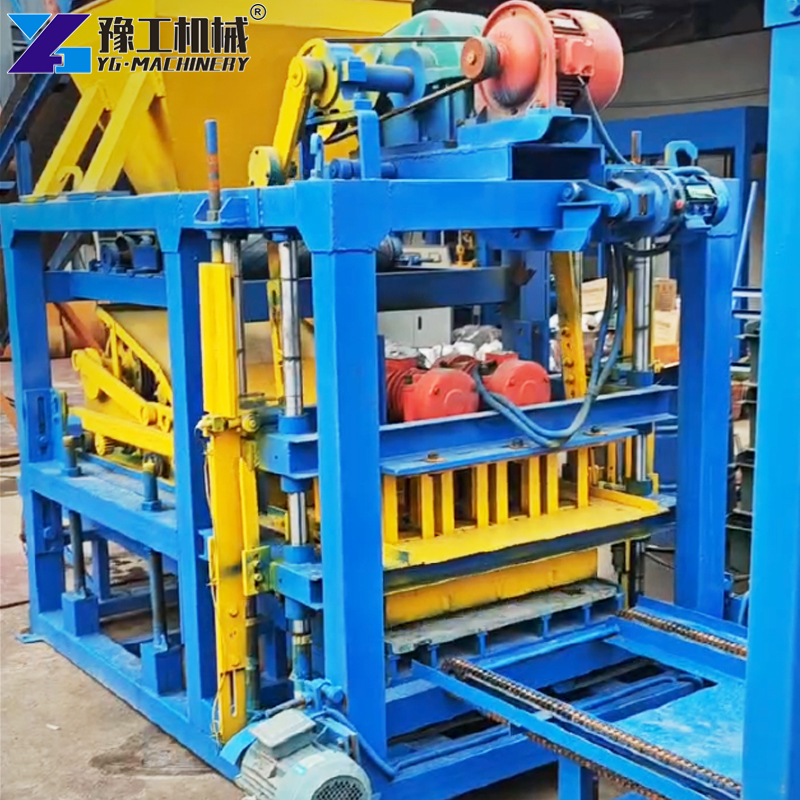
Hydraulic systems directly affect production stability, brick strength, and equipment lifespan. YG Machinery adopts reinforced hydraulic configurations designed for long-term industrial operation.
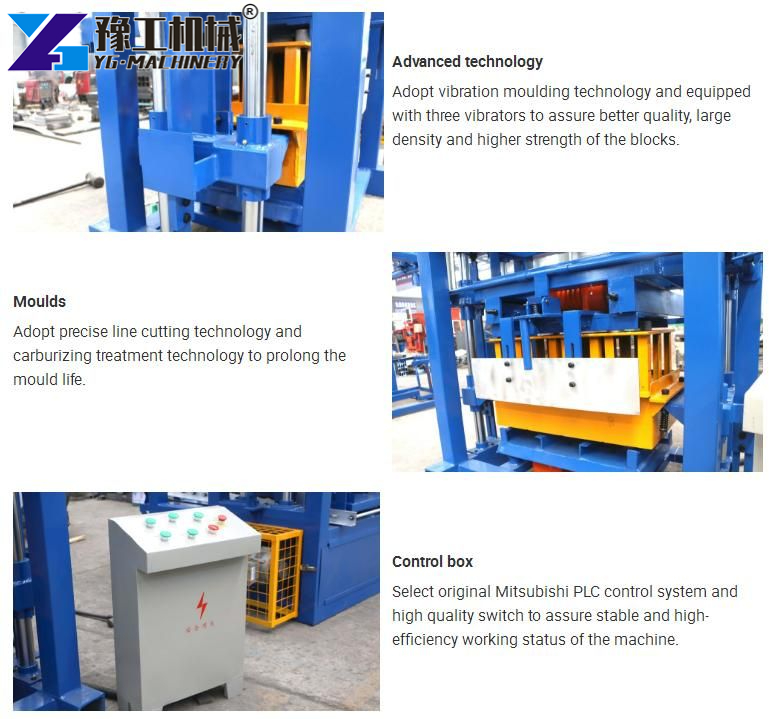
High-Pressure Hydraulic Control
Stable pressure improves compactness and reduces cracking during curing.
Reinforced Frame Structure
Heavy-duty steel welding improves vibration resistance and supports continuous operation.
Intelligent Electrical Control
PLC automation simplifies operation and reduces labor intensity.
Strong Vibration System
Efficient vibration technology improves molding speed and product density.
Wear-Resistant Components
Critical parts use durable materials that reduce maintenance frequency.
These engineering details help factories maintain stable production even under heavy workloads.
Automatic Brick Machine Price and Cost Performance
Many buyers focus heavily on initial equipment costs. However, experienced manufacturers pay more attention to long-term production efficiency and operating expenses.
Several factors influence equipment pricing:
- Automation level
- Production capacity
- Mold quantity
- Hydraulic configuration
- Electrical control system
- Auxiliary equipment requirements
Although automated systems require a higher initial investment than manual equipment, they significantly reduce labor costs and improve daily output.
For medium and large factories, higher production efficiency usually shortens the investment recovery cycle.
YG Machinery provides customized production solutions according to customer capacity requirements, factory layouts, and local market conditions.
Fully Automatic Brick Making Machine Technical Specifications
| Block Name | Size (LWH) mm | Molding Cycle | QTY/Mould | QTY/Hour | Qty/8hr |
|---|---|---|---|---|---|
| Hollow Block | 400×200×200 | 15–20s | 6 pcs | 1080–1440 pcs | 8640–11520 pcs |
| Hollow Block | 400×150×200 | 15–20s | 7 pcs | 1260–1680 pcs | 10080–13440 pcs |
| Hollow Block | 400×100×200 | 15–20s | 11 pcs | 1980–2640 pcs | 15840–21120 pcs |
| Porous Block | 240×115×90 | 15–20s | 15 pcs | 2700–3600 pcs | 21600–28800 pcs |
| Standard Brick | 240×115×53 | 15–17s | 30 pcs | 6300–7200 pcs | 50400–57600 pcs |
| Paver | 225×112.5×60 | 20–25s | 15 pcs | 2160–2700 pcs | 17280–21600 pcs |
Technical Performance Interpretation
- Standard brick production can exceed 50,000 pieces within one shift.
- Hollow block production supports large-scale commercial projects.
- Short molding cycles improve factory productivity.
- Multiple mold configurations increase product diversity.
- Automated systems reduce labor dependence significantly.
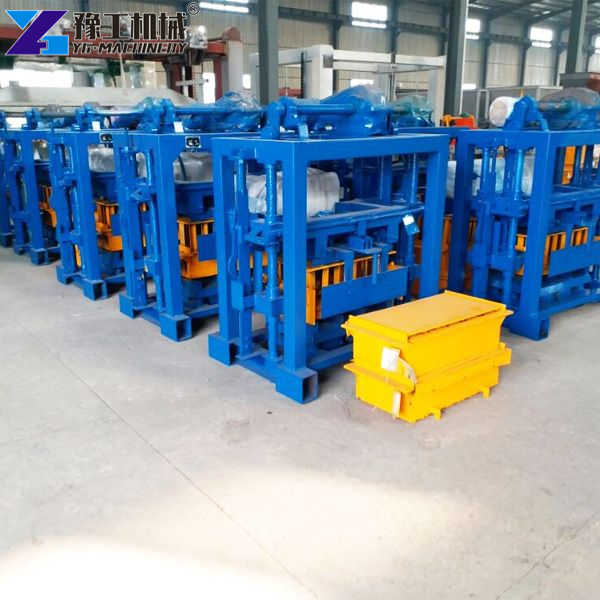
Why Construction Material Factories Prefer Automatic Clay Brick Making Machine Production Lines
Modern construction projects require large quantities of uniform building materials. Manual production methods struggle to meet industrial-scale demand.
Automated systems help factories achieve:
- Stable production schedules
- Reduced labor management pressure
- Consistent product quality
- Faster delivery cycles
- Better profit margins
For export-oriented factories, dimensional consistency also improves international market competitiveness.
Industrial Applications of Brick Production Equipment
This production line is widely used across different construction industries because it can produce various types of concrete blocks, paving bricks, and structural materials efficiently.
Residential Construction
The machine is commonly used for producing hollow blocks, solid bricks, and paving materials for residential housing projects. Stable brick dimensions and high compressive strength help improve construction quality and reduce material waste on-site.
Municipal Infrastructure
Municipal engineering projects often require large quantities of road bricks, curbstones, and drainage blocks. Automated production lines help contractors maintain a stable supply capacity for roads, sidewalks, drainage systems, and public utility construction.
Industrial Parks
Factories and industrial parks usually need durable wall blocks and pavement materials for warehouses and production buildings. High-output brick machines support continuous large-scale production, helping reduce project construction time.
Real Estate Development
Real estate developers prefer automated brick production because it lowers long-term material procurement costs and improves supply stability. Consistent brick quality also helps accelerate construction schedules for commercial and residential projects.
Landscape Engineering
Landscape contractors use the equipment to produce decorative paving bricks, garden blocks, and walkway materials. Different molds allow manufacturers to create various shapes and surface patterns suitable for parks, plazas, and outdoor public spaces.
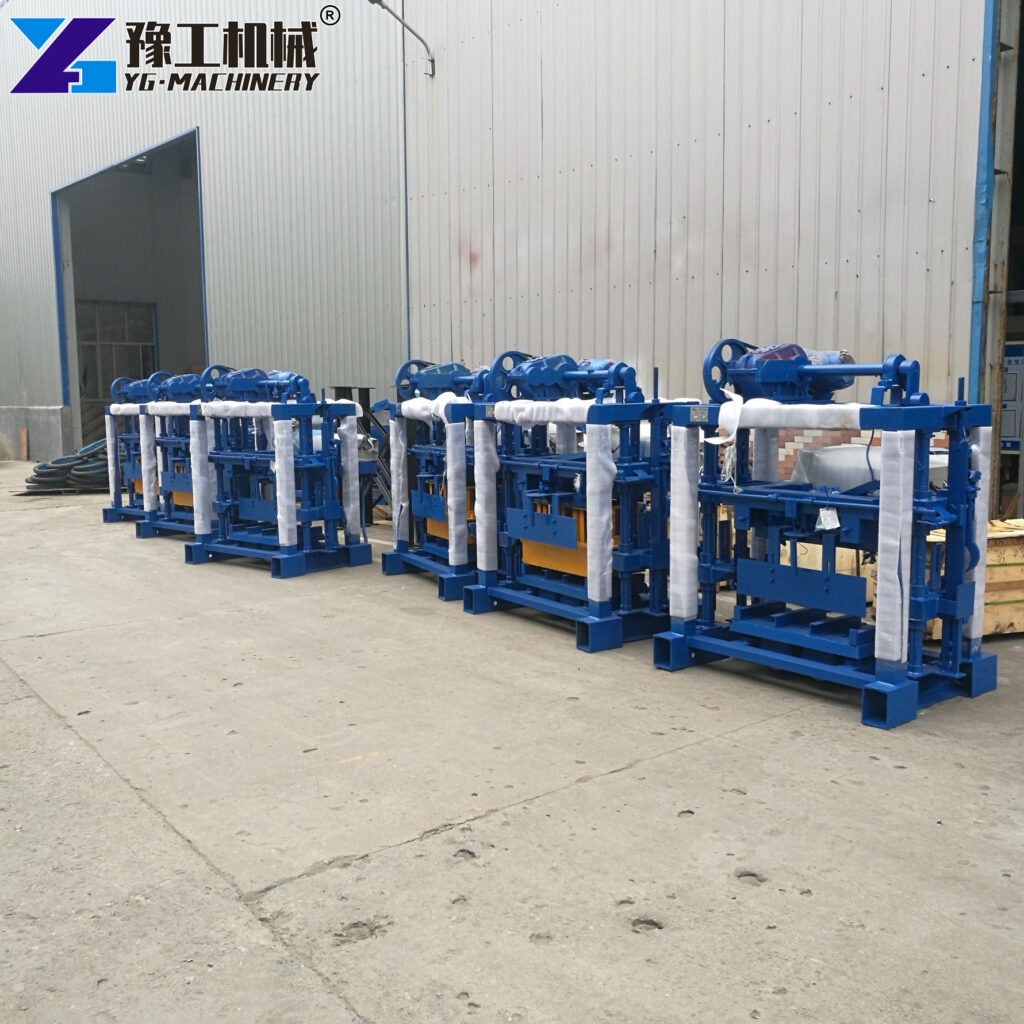
Why Construction Material Factories Prefer Automated Production Lines
Modern construction projects require large quantities of uniform building materials. Manual production methods struggle to meet industrial-scale demand.
Automated systems help factories achieve:
- Stable production schedules
- Reduced labor management pressure
- Consistent product quality
- Faster delivery cycles
- Better profit margins
- Optimized hydraulic energy distribution
- Stable vibration frequency
- Reduced material waste
- Lower failure rates
- Continuous production capability
Efficient energy management directly helps factories reduce long-term operating costs and improve profitability. Stable operation also minimizes unexpected downtime during peak production periods, which is especially important during large-scale construction projects and peak production seasons.
Why Choose YG Machinery for Brick Production Equipment?
YG Machinery has exported construction machinery and industrial equipment to many countries across Asia, Africa, the Middle East, and South America.
Customers choose the company because of:
- Stable equipment quality
- Factory-direct pricing
- Professional technical support
- Flexible customization
- Export experience
- Fast spare parts supply
The company also provides complete production line solutions, including mixers, conveyors, batching systems, pallet feeders, and curing equipment.
Many overseas buyers appreciate the balance between cost performance and long-term reliability.
Fully Automatic Brick Making Machine Production Line Configuration Recommendations
Different factory scales require different production solutions.
Small Investment Factories
Recommended for local block production businesses with limited startup budgets.
Medium-Scale Commercial Plants
Suitable for regional building material suppliers requiring stable daily output.
Large Industrial Production Lines
Designed for infrastructure projects and large construction material manufacturers.
Proper configuration selection helps buyers avoid overinvestment or insufficient capacity problems.
Fully Automatic Brick Making Machine FAQ
Production capacity depends on block type and configuration. Output can range from several thousand to over 50,000 bricks within one working shift.
The system supports hollow blocks, solid bricks, porous blocks, paving bricks, and interlocking blocks through mold replacement.
Yes. Buyers can choose semi-automatic or fully automatic production lines according to factory size and investment budget.
Hydraulic high-pressure molding improves density and compressive strength, helping products meet construction standards.
No. The structure is mature and practical. Routine inspection and regular cleaning usually keep the system operating efficiently.
Yes. Industrial-grade hydraulic systems and reinforced frames support long-hour continuous production.
Yes. YG Machinery provides customized mold designs and production line configurations according to project requirements. The machine can also produce colored bricks, decorative paving blocks, and various customized brick shapes to meet different architectural and landscaping needs.
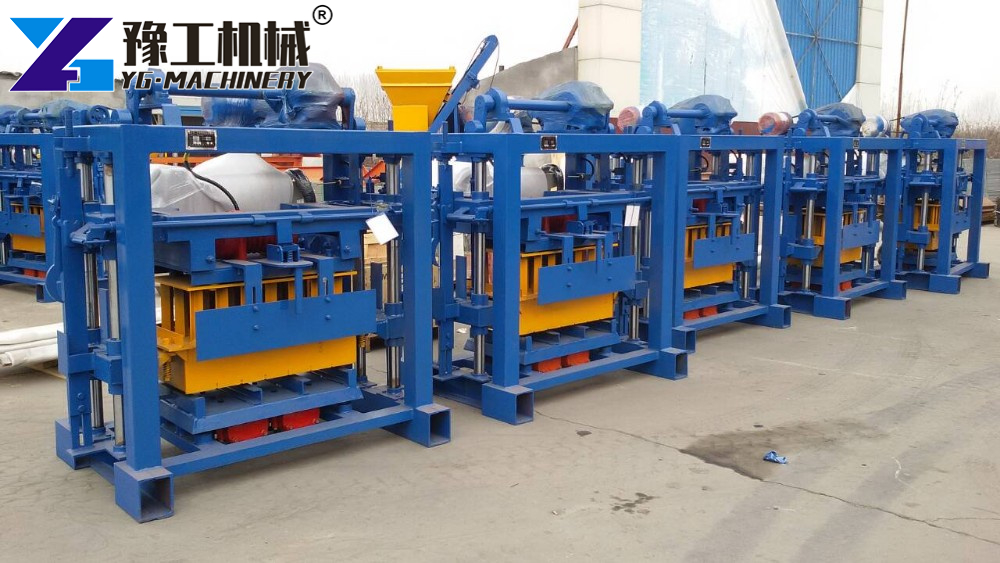
Contact YG Machinery for Complete Brick Production Solutions
YG Machinery supplies professional brick production equipment for global construction material factories. Whether you need a small startup production line or a large automated factory solution, the company can provide suitable configurations for your project requirements.
Besides brick production equipment, YG Machinery also offers:
- Concrete batching plants
- Asphalt mixing plants
- Concrete mixers
- Road rollers
- Excavators
- Wheel loaders
- Concrete pump machines
- Hollow block production lines
- Mobile crushing plants
Contact YG Machinery today to get technical support, factory pricing, and customized production recommendations for your business.