As urban construction expands rapidly across many countries, the demand for reliable concrete products continues to increase. Construction companies, municipal contractors, and real estate developers all require durable blocks and paving materials in large quantities. To meet these growing requirements, manufacturers are shifting from labor-intensive production methods to automated brick manufacturing systems.
A concrete brick making machine helps factories improve production speed while maintaining stable product quality. Compared with traditional manual molding methods, modern hydraulic equipment reduces labor costs, shortens production cycles, and increases operational efficiency.
YG Machinery supplies advanced brick production equipment suitable for different factory sizes and project requirements. Whether customers operate a small local workshop or a large industrial production facility, customized solutions are available to support long-term business growth.
Understanding Concrete Brick Making Machine
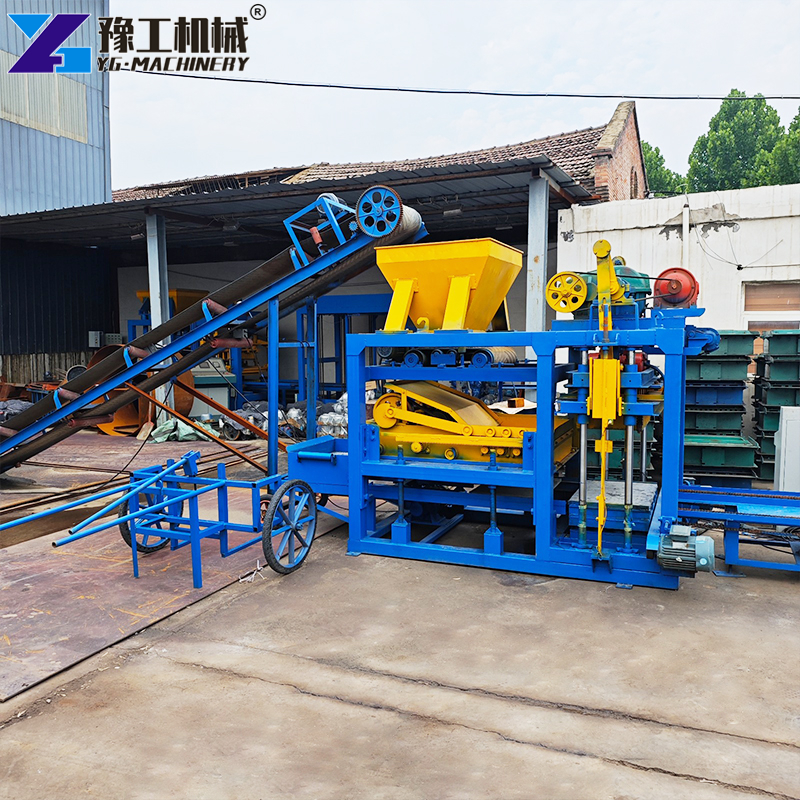
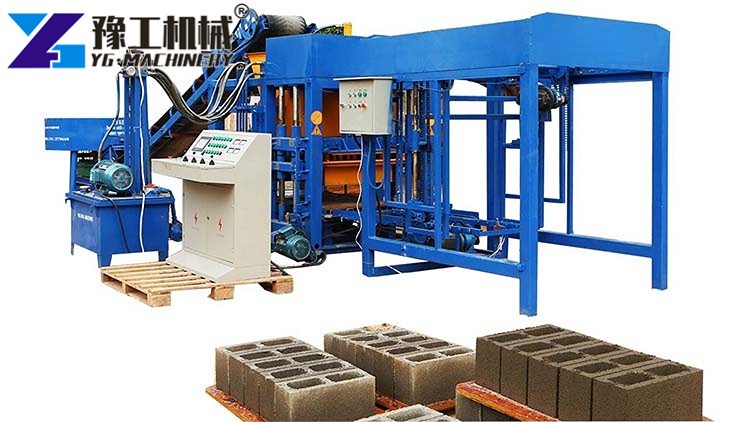
Concrete brick manufacturing equipment is designed to produce various cement-based construction materials through vibration compaction and hydraulic pressing technology.
The machine forms bricks by compressing mixed raw materials inside molds under controlled pressure. Automated systems coordinate feeding, molding, pallet transfer, and demolding processes to improve production consistency.
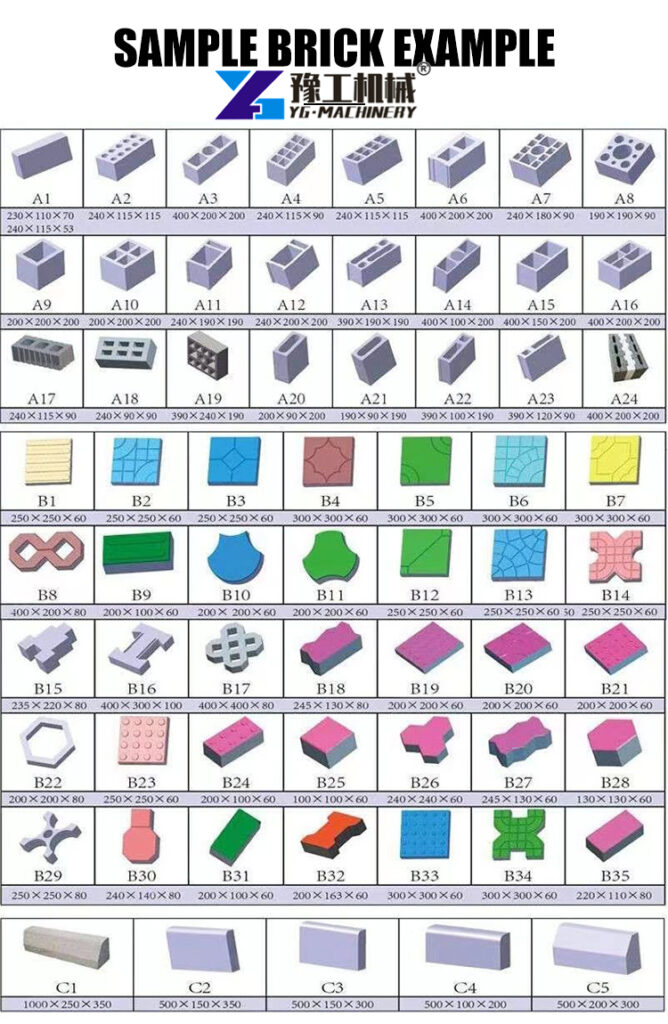
Common products include:
- Hollow concrete blocks
- Solid cement bricks
- Pavement pavers
- Curbstones
- Porous blocks
- Interlocking bricks
These products are widely used in:
- Residential construction
- Commercial buildings
- Municipal engineering
- Road paving projects
- Industrial facilities
- Landscaping applications
Modern production systems allow factories to manufacture large quantities of blocks while maintaining accurate dimensions and stable compressive strength.
Read the successful application case of this machine in the Spanish market.
Main Benefits of Auto Bricks Machine Production Systems
Construction material manufacturers increasingly prefer automated production lines because they improve efficiency and reduce operational challenges.
Increased Production Efficiency
Automated molding systems complete production cycles quickly, allowing factories to achieve higher daily output.
Reduced Labor Requirements
Most production stages operate automatically, reducing dependence on manual labor and lowering management costs.
Stable Product Quality
Hydraulic pressure and vibration systems improve brick density and dimensional consistency.
Flexible Product Manufacturing
Factories can produce different brick specifications by replacing molds according to market demand.
Lower Material Waste
Accurate feeding systems help reduce raw material loss during production.
Continuous Industrial Operation
Industrial-grade structures support long working hours and stable factory operation.
These advantages help manufacturers improve competitiveness in both local and export markets.
Working Principle of the Hydraulic Brick Machine Production Line
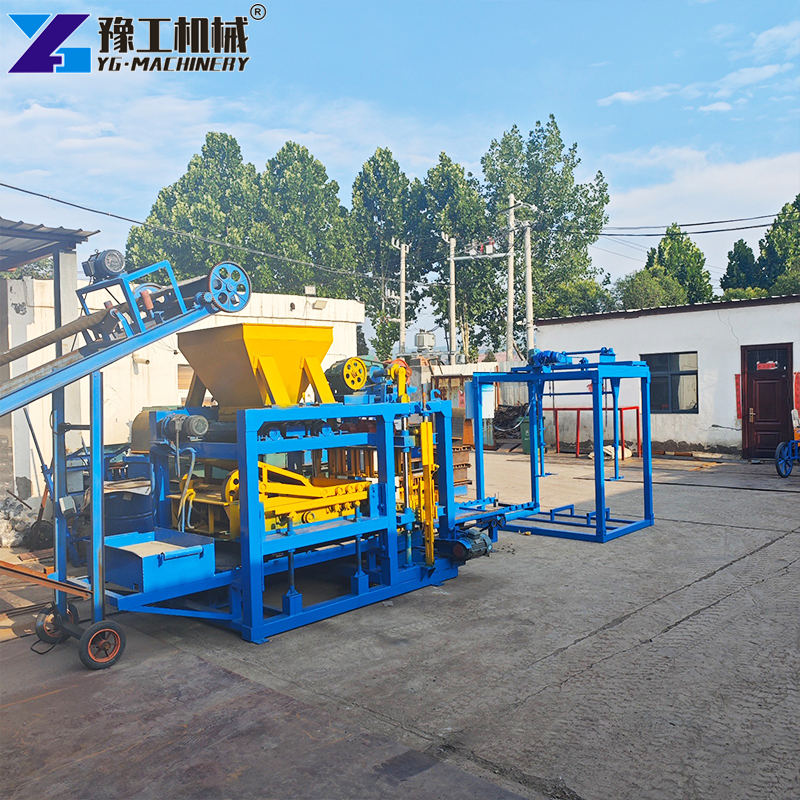
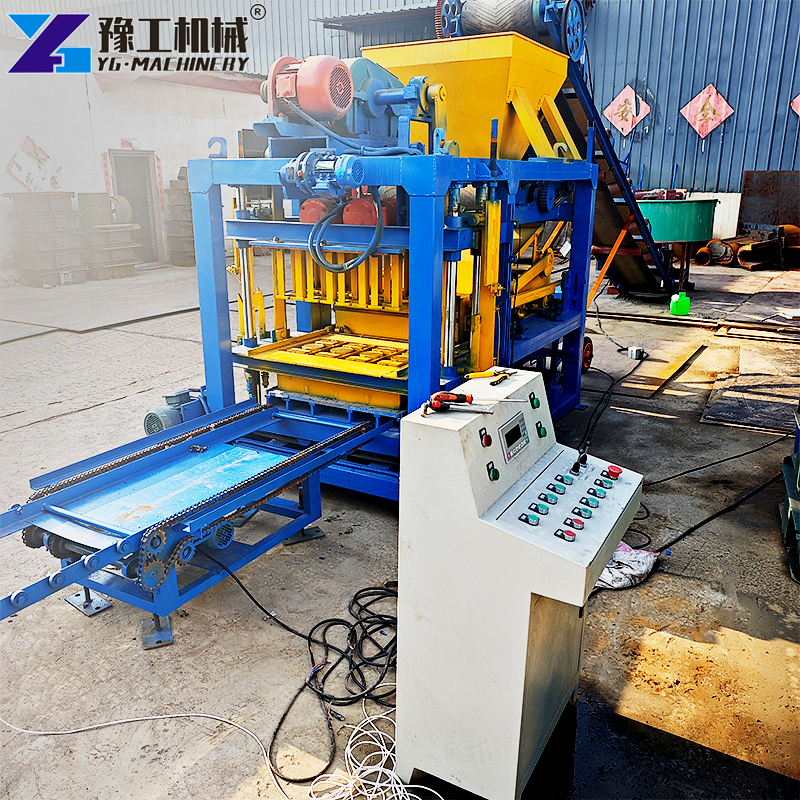
The production line combines several coordinated systems to complete the brick manufacturing process efficiently. A modern hydraulic brick machine improves molding stability and helps factories achieve higher production efficiency.
Material Preparation
Raw materials such as cement, sand, fly ash, gravel, and water are mixed evenly before entering the molding system.
Automatic Feeding
The feeding mechanism distributes mixed materials into molds uniformly to ensure consistent brick dimensions.
Hydraulic Compression
Hydraulic cylinders apply strong pressure to compact materials tightly inside the molds. The hydraulic brick machine system ensures stable pressure during continuous operation.
Vibration Molding
High-frequency vibration removes air gaps and improves product density.
Automatic Brick Release
Finished blocks are transferred automatically onto pallets for transportation and curing.
Product Curing
Bricks are cured naturally or through steam curing, depending on production requirements.
This integrated workflow helps factories maintain stable production with minimal interruption.
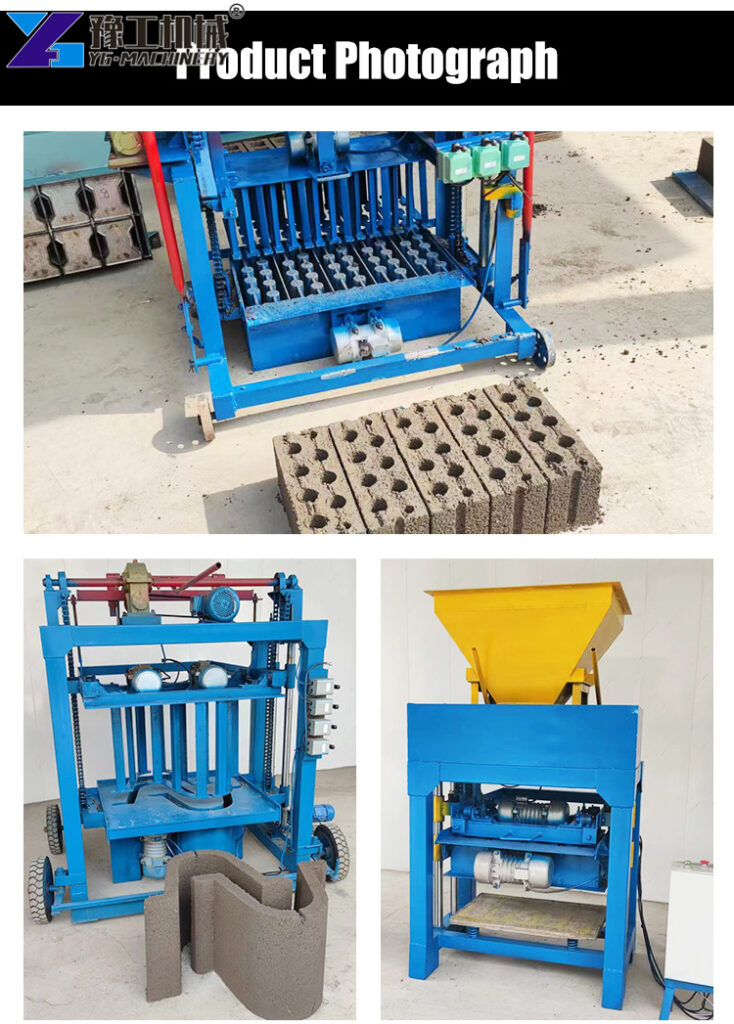
Structural Features of the Concrete Brick Making Machine
Reliable structural design is essential for long-term industrial operation. YG Machinery adopts durable engineering configurations suitable for demanding production environments.
Heavy-Duty Machine Body
The reinforced steel frame improves stability during continuous vibration and hydraulic operation.
Industrial Hydraulic Components
High-quality hydraulic systems provide stable pressure and improve molding performance.
Intelligent Electrical Control
PLC control systems simplify operation and improve production accuracy.
Efficient Vibration Platform
Strong vibration force enhances material compaction and increases brick strength.
Durable Wear Parts
Critical components use wear-resistant materials to reduce maintenance frequency.
Optimized Feeding Technology
Uniform material distribution improves surface smoothness and dimensional consistency.
These features help factories reduce downtime and maintain efficient production schedules.
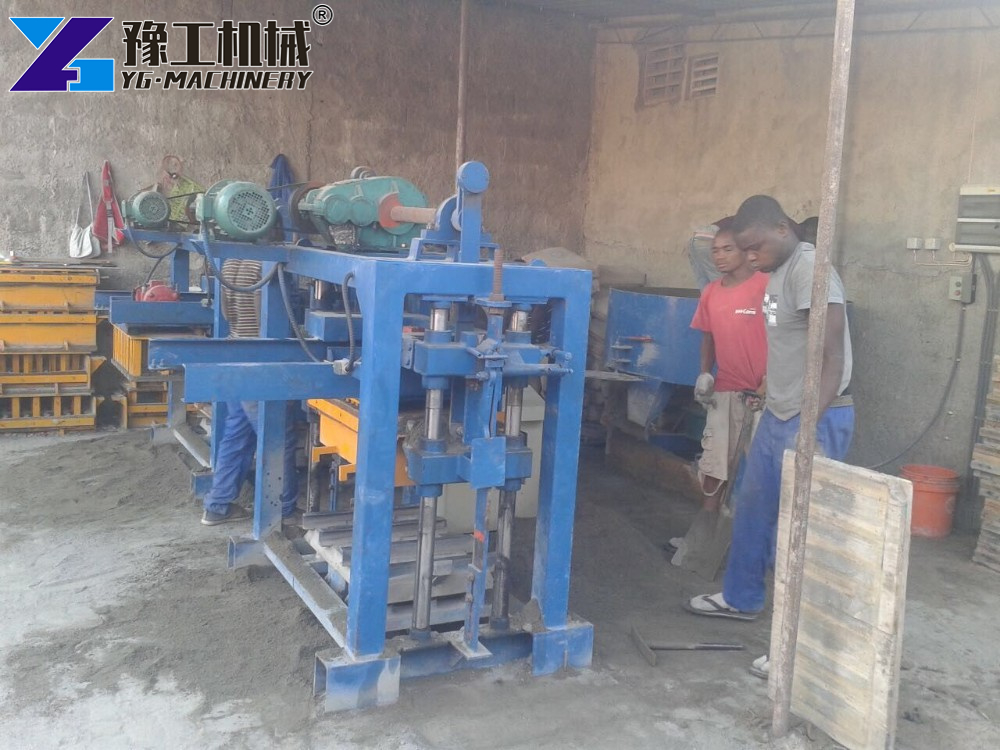
Suitable Production Solutions for Different Business Sizes
Different customers require different production capacities depending on market demand and investment plans.
Entry-Level Brick Workshops
Suitable for small businesses supplying local construction projects with moderate production requirements.
Medium Commercial Factories
Designed for regional suppliers requiring stable daily output and multiple product types.
Large Industrial Plants
Ideal for infrastructure contractors and large-scale building material manufacturers.
YG Machinery provides customized equipment configurations according to factory layout, production targets, and local market conditions.
Concrete Brick Making Machine Technical Parameters
| Product Type | Size (L×W×H) mm | Cycle Time | Quantity/Mold | Hourly Output | 8-Hour Output |
|---|---|---|---|---|---|
| Hollow Block | 400×200×200 | 15–20s | 6 pcs | 1080–1440 pcs | 8640–11520 pcs |
| Hollow Block | 400×150×200 | 15–20s | 7 pcs | 1260–1680 pcs | 10080–13440 pcs |
| Hollow Block | 400×100×200 | 15–20s | 11 pcs | 1980–2640 pcs | 15840–21120 pcs |
| Porous Brick | 240×115×90 | 15–20s | 15 pcs | 2700–3600 pcs | 21600–28800 pcs |
| Standard Brick | 240×115×53 | 15–17s | 30 pcs | 6300–7200 pcs | 50400–57600 pcs |
| Paving Brick | 225×112.5×60 | 20–25s | 15 pcs | 2160–2700 pcs | 17280–21600 pcs |
Production Performance Highlights
- Fast molding cycles improve factory productivity.
- Multiple mold options support diversified product manufacturing.
- Large daily output meets commercial construction demand.
- Automated operation reduces labor intensity.
- Stable hydraulic systems improve finished product quality.
These production capabilities help factories complete large orders efficiently.
Industries Using Concrete Brick Making Machines
Concrete block production equipment supports many sectors within the construction industry.
Housing Construction
Residential projects require hollow blocks and standard bricks for walls and structural applications.
Road and Pavement Engineering
Municipal contractors use paving bricks and curbstones for roads, sidewalks, and drainage systems.
Industrial Infrastructure
Factories and warehouses often require durable concrete blocks for flooring and wall construction.
Commercial Real Estate Projects
Developers prefer stable brick supply systems to maintain project schedules.
Public Landscape Construction
Decorative paving products are widely used in parks, plazas, and pedestrian walkways.
The ability to manufacture multiple products increases factory business opportunities.
Factors Affecting Auto Braking Machine Investment
Equipment pricing depends on several technical and production factors rather than machine size alone.
Important considerations include:
- Automation level
- Hydraulic system configuration
- Production capacity
- Mold quantity
- Electrical control system
- Conveyor equipment
- Pallet handling systems
- Auxiliary machinery
Although fully automated systems require higher initial investment, they often reduce long-term operating costs significantly through improved efficiency and lower labor expenses.
YG Machinery helps customers select suitable configurations according to production goals and budget planning.
Why Choose YG Machinery for Brick Maker Machine for Sale and Brick Production Equipment
YG Machinery provides complete concrete brick manufacturing solutions for customers worldwide. From compact production systems to fully automated industrial lines, the company offers practical equipment configurations for different business needs and factory scales.
Customers searching for a reliable Brick Maker Machine for Sale often choose YG Machinery because of its balance between production efficiency, equipment durability, and long-term operating value.
Customers choose YG Machinery because of:
- Factory-direct pricing
- Stable equipment quality
- Professional export experience
- Customized production solutions
- Technical support services
- Fast spare parts supply
- Reliable after-sales assistance
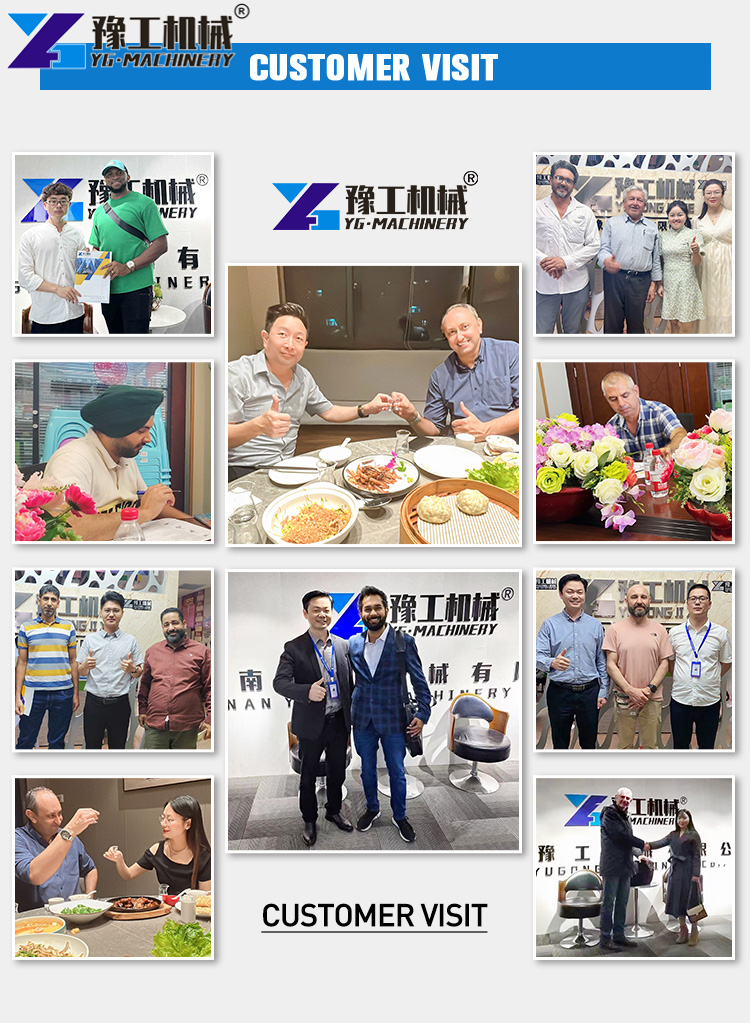
The company has supplied construction machinery and block production equipment to customers across Asia, Africa, South America, and the Middle East. Its engineering team helps buyers select suitable configurations according to production targets, local market demand, and investment budgets.
In addition to brick production machinery, YG Machinery also supplies:
- Concrete batching plants
- Asphalt plants
- Concrete pump trucks
- Excavators
- Road rollers
- Mobile crushing equipment
- Cement storage systems
- Block production lines
Whether customers need a small workshop setup or a large automated factory line, YG Machinery can recommend a suitable Brick Maker Machine for Sale based on production capacity and project requirements.
Contact YG Machinery today for equipment recommendations, factory quotations, and customized production solutions.
FAQs About Concrete Brick Making Machine
Yes. Different molds allow the equipment to manufacture multiple brick specifications.
Most production cycles range between 15 and 25 seconds, depending on product type.
Yes. Semi-automatic and fully automatic configurations are available.
Yes. Hydraulic molding improves density and compressive strength for construction applications.
Industrial-grade structures support long working hours and stable factory production.
Yes. Customized solutions are available according to customer requirements and factory conditions.