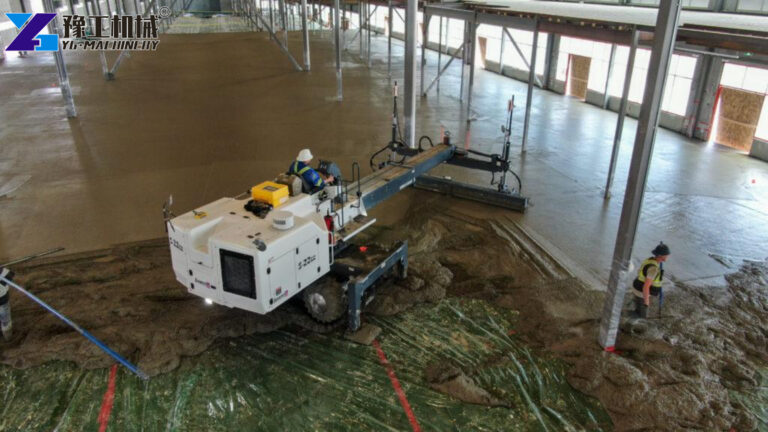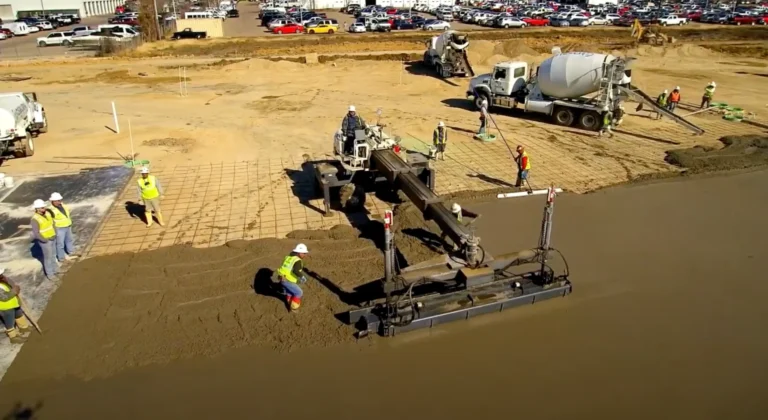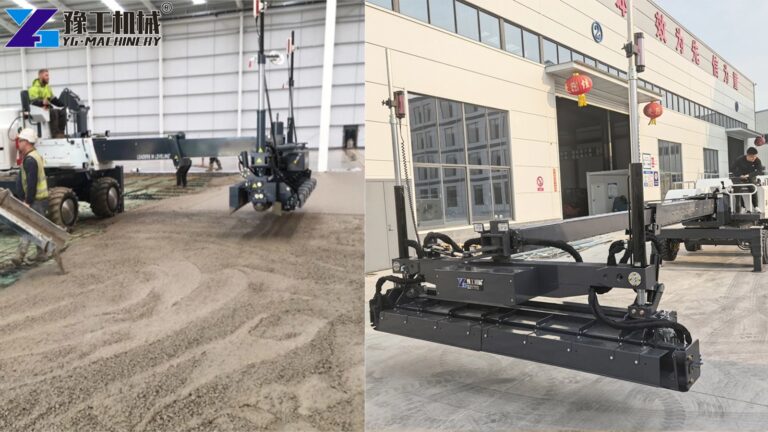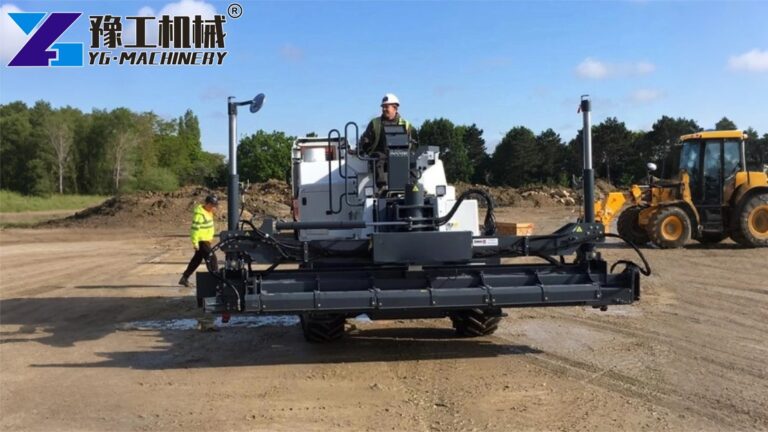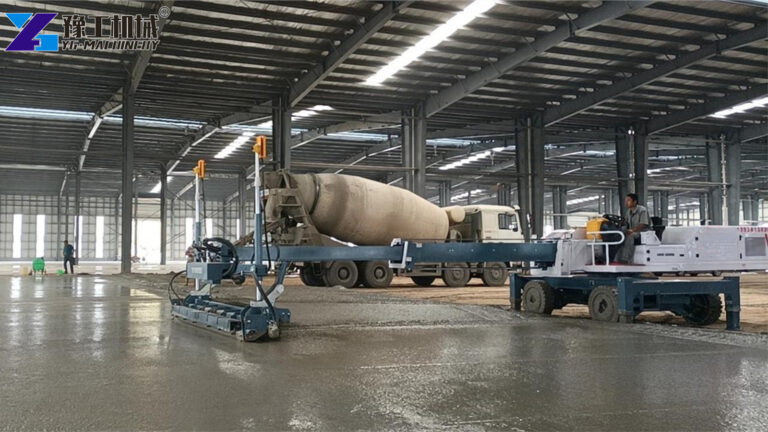
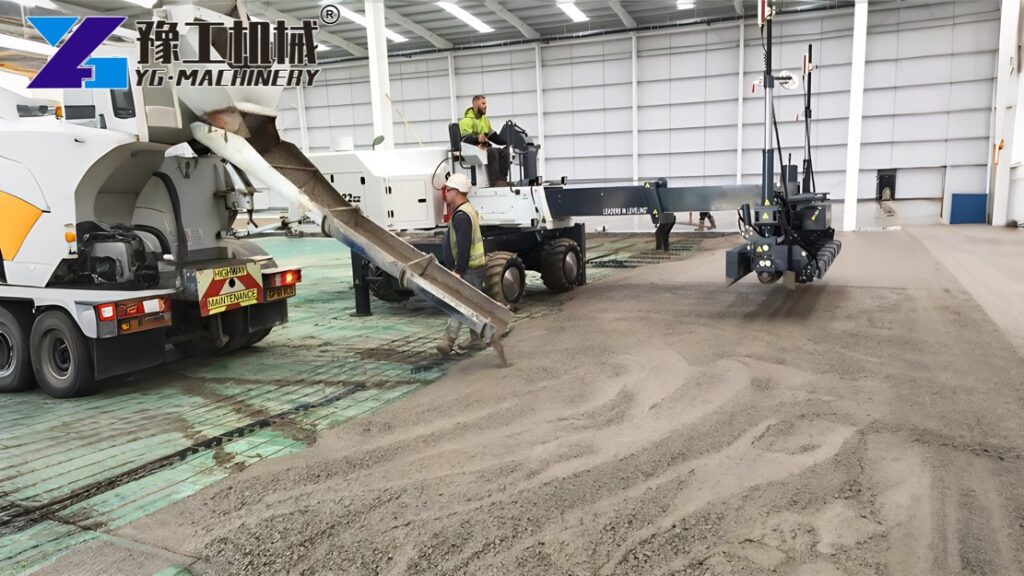
In the rapidly evolving Canadian construction market, precise floor flatness has become a baseline expectation for warehouses, industrial facilities, and high‑volume commercial spaces. Traditional hand‑guided methods of concrete leveling struggle to meet the demands of tight schedules and strict flatness tolerances. This challenge led a major construction contractor in Canada to seek an advanced solution: a laser concrete leveling machine from YG Machinery.
This in‑depth case explores the entire process—from the project’s initial challenges and equipment selection logic to delivery, installation, and real‑world performance feedback. Along the way, we highlight how the chosen laser screed machine helped transform the customer’s flooring productivity, quality, and cost efficiency.
Start Your Project with the Right Equipment
Meeting Canadian Construction Demands with a Laser Concrete Leveling Machine
Canada’s construction sector has seen strong growth in large‑scale industrial facilities, distribution centers, and manufacturing warehouses. These buildings demand flat, durable concrete floors capable of handling heavy equipment, forklift traffic, racking systems, and high throughput operations.
The customer in this case was a well‑established Canadian contractor focusing on industrial and commercial flooring. Their recent project involved pouring and finishing more than 20,000 square meters of concrete for a logistics warehouse near Toronto.
Challenges on the Jobsite
Before selecting the laser leveling solution, the customer faced several common but critical challenges:
- Strict Flatness and Smoothness Requirements: Modern warehouse floors must meet tight tolerances (FF and FL values) for automated vehicles and pallet racking.
- Manual Methods Slowed Progress: Traditional vibrating screeds, bull floats, and hand trowels required large labor input and caused inconsistent results.
- Short Construction Window: The project schedule left little room for delays or rework.
- Labor Constraints: Skilled labor was limited, and onboarding new workers for hand leveling would have introduced risk.
- Variable Weather: Spring weather in southern Ontario can fluctuate wildly, affecting concrete curing and ease of surface finishing.
With these challenges mounting, the contractor began searching for a laser concrete leveling machine that could deliver consistent, high‑quality floor finishes with a smaller, more reliable crew.
Boost Productivity—Get a Free Quote
Why a Laser Screed Machine Became the Optimal Choice
Laser screed technology has transformed the way concrete floors are constructed in North America and around the world. Hydraulic‑driven screeds guided by laser receivers ensure precision and speed impossible with manual methods.
Before purchasing, the customer compared several options:
Competing Methods Considered
- Hand Trowel and Screeding Methods – labor‑intensive, slow, and imprecise.
- Mechanical Vibrating Screeds – better than manual, but still limited flatness control.
- Imported Laser Screeds from Other Suppliers – many lacked reliable technical documentation or export support.
Key Decision Criteria
The customer evaluated each option against several metrics:
- Flatness and Finish Quality
- Ease of Use and Learning Curve
- After‑Sales Support
- Warranty and Export Assistance
- Price‑Performance Ratio
In this process, YG Machinery stood out. The company offered a laser leveling solution backed by comprehensive documentation, clear performance data, and strong export logistics support for the Canadian market.
After reviewing options and verifying performance claims, the contractor selected a YG concrete laser screed machine model best suited for large‑scale industrial flooring.
Concrete Laser Screed Machine Configuration for Canada
To ensure the chosen equipment met project needs, YG Machinery engineers worked with the customer to refine specifications based on workload, environmental conditions, and labor availability.
Key Requirements Identified
- Large Floor Area: 20,000+ m²
- High Flatness and Leveling Tolerance
- Fast Working Speed to Match Pour Schedule
- Reliable Engine and Hydraulic Components
- Easy Operator Control
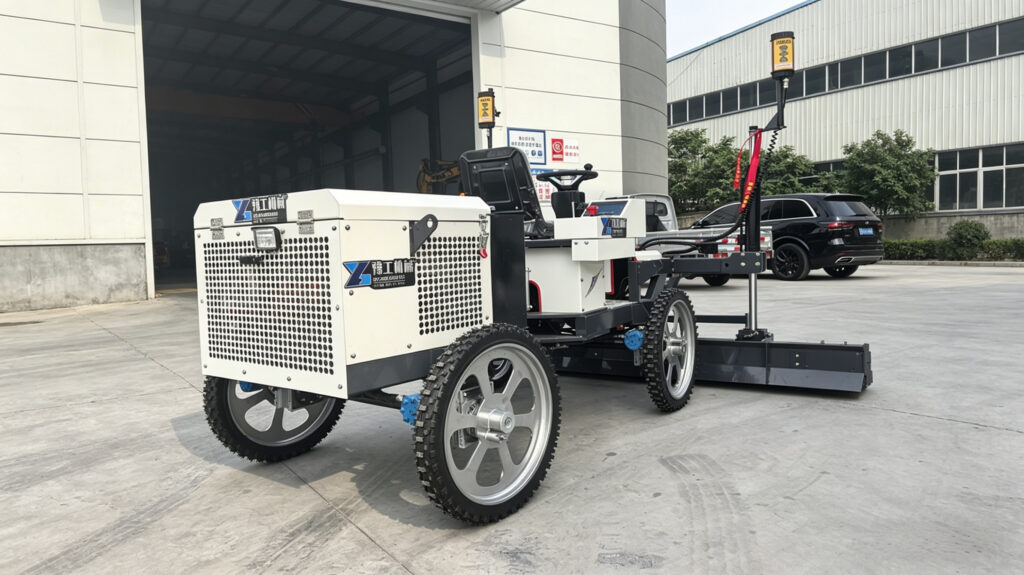
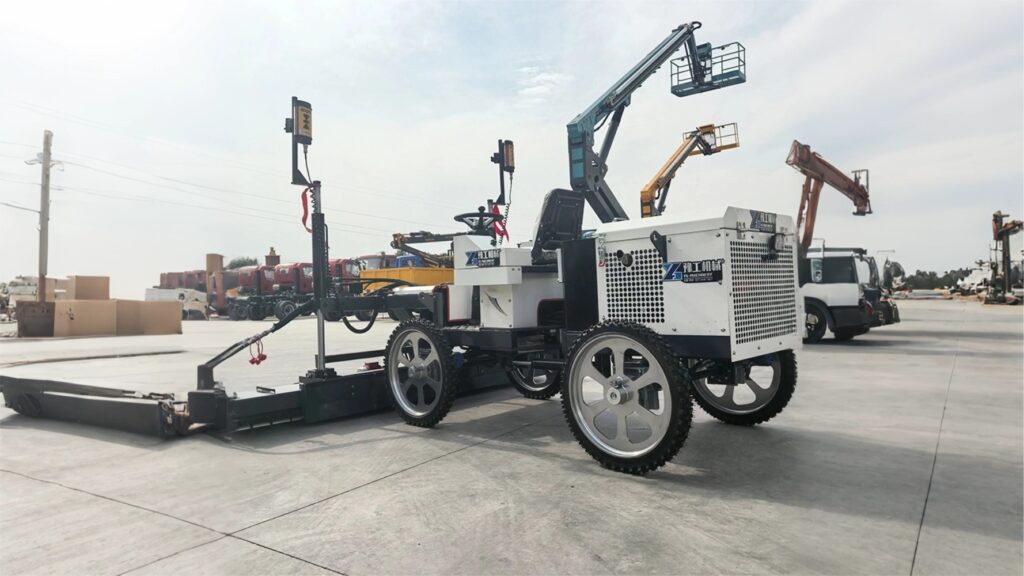
After detailed consultation, the appropriate model from YG’s lineup was recommended based on the following strengths:
Compare Models and Get a Quote
Hot Sale Laser Concrete Leveling Machine Specifications
| Model | YGJX31 | YGJX32 | YGJX33 | YGJX34 |
|---|---|---|---|---|
| Engine Power | 2.0kW | 13hp/3600rpm | 13hp/3600rpm | 13hp/3600rpm |
| Fuel Tank | 14.5L | 6.5L | 6.5L | 6.5L |
| Drive Type | Motor Drive | Hydraulic Motor | Hydraulic Motor | Hydraulic Motor |
| Running Speed | 0‑36 m/min | 0‑45 m/min | 0‑65 m/min | 0‑45 m/min |
| Suggested Working Speed | 5 m/min | 5 m/min | 5 m/min | 5 m/min |
| Screed Head | Self‑Leveling | Electric Control | Self‑Leveling | Hydraulic Control |
| Working Width | 2500 mm | 2500 mm | 2500 mm | 2500 mm |
| Vibration Frequency | 50 Hz | 50 Hz | 50 Hz | 50 Hz |
| Laser Control | Microcomputer Scan | Microcomputer Scan | Microcomputer Scan | Microcomputer Control |
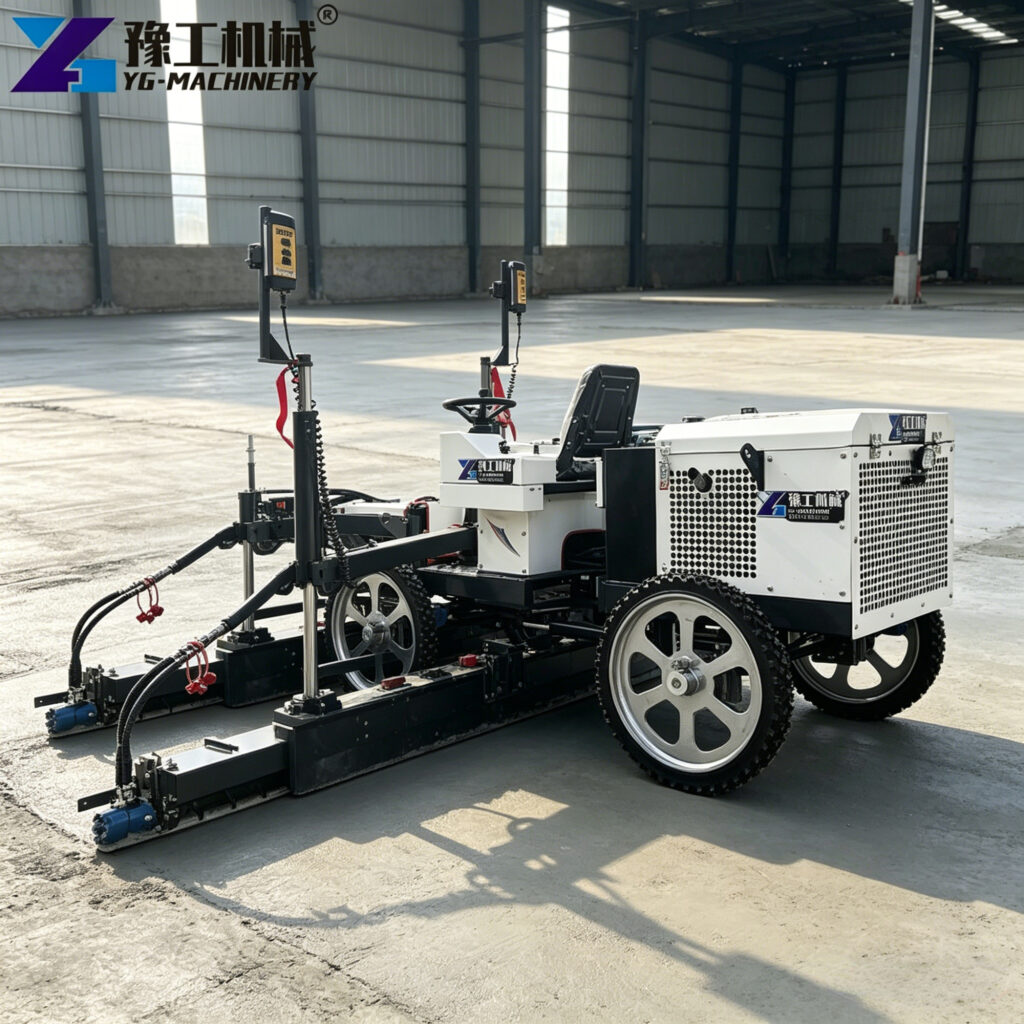
| Operation Mode | Walk‑Behind | Walk‑Behind | Walk‑Behind | Walk‑Behind |
| Weight | 295 kg | 365 kg | 380 kg | 410 kg |
This configuration ensured the machine:
- Maintained ultra‑flat floor finishes on large slabs.
- Supported long sessions with consistent vibration and leveling.
- Offered adaptability to job-site conditions.
- Delivered high productivity with controlled operator movement.
Find the Right Model for Your Project
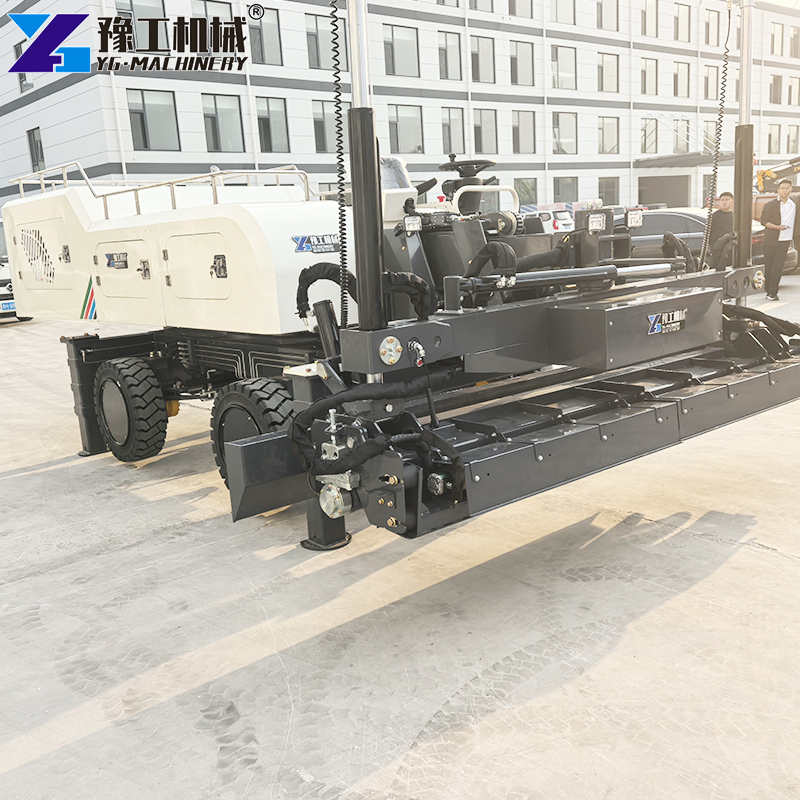
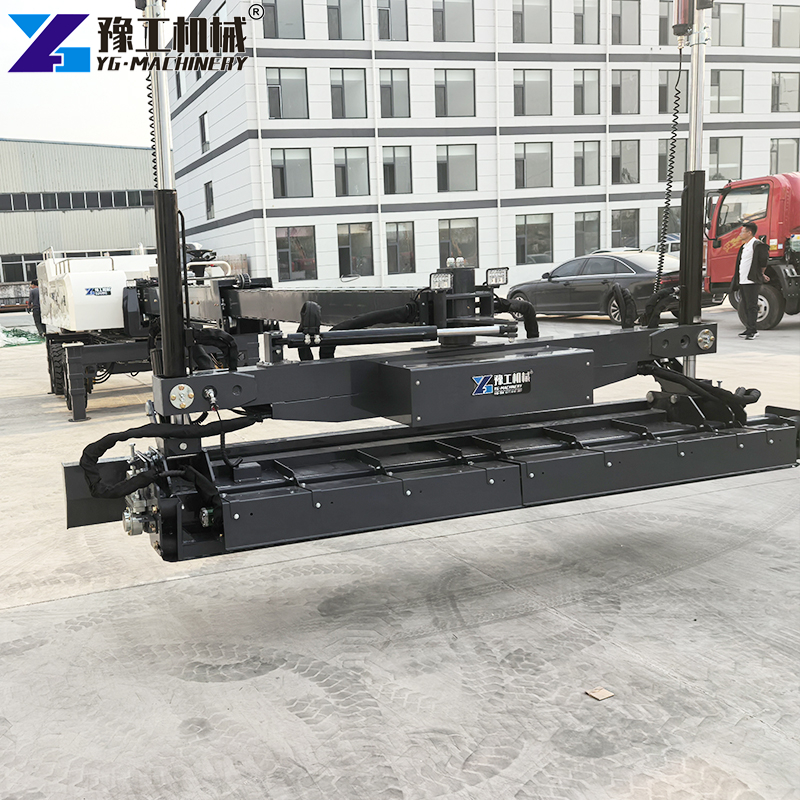
Laser Screed for Sale: From Factory to Canadian Construction Site
Once the machine selection was final, the YG Machinery team initiated manufacturing and export processes.
Manufacturing and Assembly
YG’s production team structured the assembly to match precise specifications, including:
- Laser guidance calibration
- Hydraulic control validation
- Engine performance testing
- Vibratory head responsiveness
Each component underwent rigorous quality checks before packaging.
Quality Inspection and Testing
Before leaving the factory:
- Every hydraulic hose and fitting was pressure tested.
- Engine performance under load was verified.
- Laser scanning accuracy was confirmed.
- Final dry runs were made to mimic job-site operation.
This ensured the customer received equipment that required minimal adjustment on-site.
Export Packaging and Shipping
YG Machinery arranged:
- Weather‑resistant export packaging
- Protective cushioning for laser components
- Secure bracing for long‑distance transport to Canada
The machine was shipped via sea freight to the Port of Vancouver. Export coordination included:
- Customs documentation handling
- Transit tracking updates
- Arrival notifications
On‑Site Delivery and Preparation
Once cleared through Canadian customs, the machine was delivered to the jobsite near Toronto. The local contractor prepared:
- Flat paved staging area
- Power generator (optional support)
- Safety and operator training zone
YG Machinery also dispatched technical guides and remote support for site startup.
Installing and Operating the Laser Screed Machine
Site Preparation
Before the operation began:
- Concrete pour sections were segmented into manageable zones.
- Laser reference points were established across the slab surface.
- Surface obstacles were removed for unobstructed machine movement.
Operator Training
YG Machinery provided:
- Remote onboarding videos
- Written operating manuals
- Step‑by‑step guidance on laser calibration
Operators learned:
- How to set and adjust laser controls
- How to control walk‑behind speed
- How to monitor vibration head performance
- Safety and maintenance procedures
First Concrete Leveling Attempts
During initial leveling trials:
- The machine responded smoothly to laser signals
- Vibratory heads maintained consistent frequency
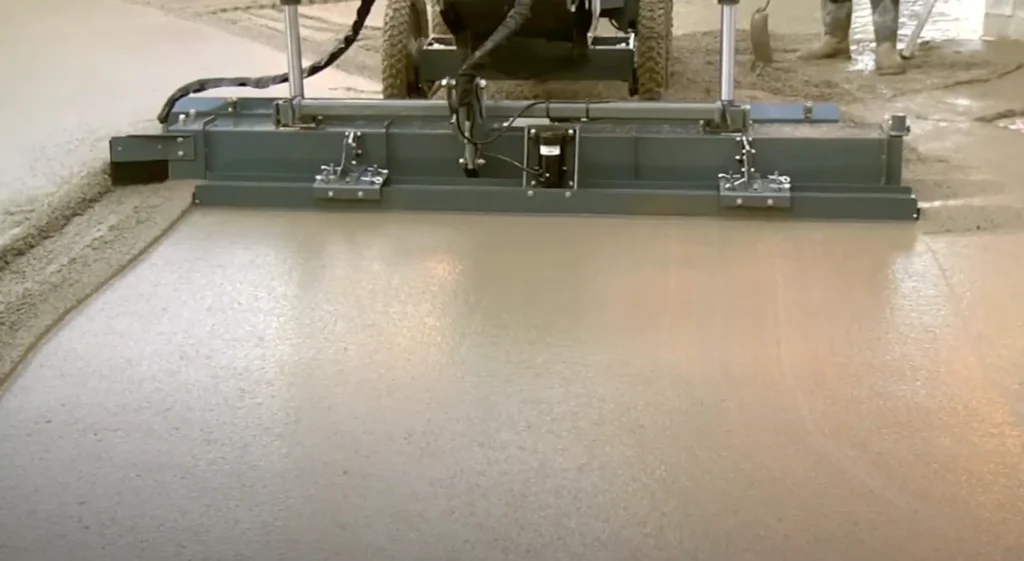
- Screed head provided uniform flatness across the width
Operators quickly adapted to the system, noting how much easier it was compared to traditional manual leveling.
Laser Screed Machine Project Results and Performance in Canada
After weeks of dedicated use, the contractor reported significant improvements in floor quality and productivity.
1. Consistently Flat and Level Floors
The laser guidance ensured:
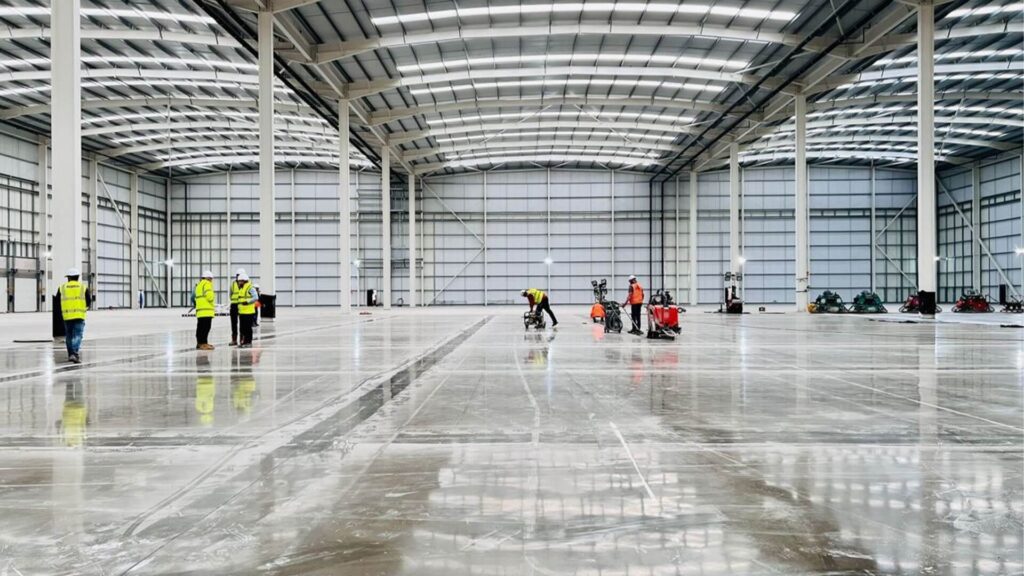
- Uniform height across slabs
- High FF/FL tolerance compliance
- Minimal rework
- Faster curing and finishing readiness
2. Fewer Workers, Better Results
The team needed fewer manual finishers, lowering labor costs and improving on-site safety. Supervisor feedback highlighted:
- Better initial quality
- Reduced fatigue for workers
- Higher confidence in meeting deadlines
3. Faster Workflow
Compared to manual methods, the laser concrete leveling machine:
- Increased area finished per day
- Reduced curing delays
- Improved scheduling flexibility
Jobsite crews were able to pour and finish multiple slabs in parallel, maintaining project milestones.
4. Lower Long‑Term Costs
While the initial investment was higher than traditional methods, overall project cost decreased due to:
- Reduced labor hours
- Less rework
- Lower defect‑related delays
- Higher first‑pass quality
5. Customer Evaluation
The contractor shared:
“Integrating the concrete laser machine into our workflow changed how we approach big slabs. The precision and speed are unmatched, and the entire crew adapted quickly to operation. The floors exceeded flatness expectations, and we saved significant time and labor costs.”
What This Canada Laser Screed Case Means for Other Buyers
This laser concrete leveling machine export case offers practical lessons for contractors, project managers, and facility owners:
1. High‑Precision Floors Are Now Achievable
Advanced laser technology removes guesswork from leveling work, delivering:
- Measurable flatness
- Repeatable quality
- Professional finishes
This outcome matters most on industrial and commercial floors where performance matters.
2. Productivity Gains Yield Real ROI
Even with upfront equipment costs, contractors see:
- Reduced onsite personnel
- Faster pour schedules
- Lower rework expenses
This translates to stronger project margins.
3. Training and Support Improve Adoption
Investing in training ensures crews get maximum value. YG Machinery’s support helped this Canadian team adopt the technology quickly and efficiently.
4. Efficient Logistics Support Is Key
Exporting a complex machine to another country requires experience. From packaging to customs handling, strong export support reduces delivery risk.
Why More Companies Should Consider Laser Screed Machines
The success of this project reflects wider industry trends. As floors become more demanding in functionality, precision tools like the laser concrete leveling machine are no longer optional—they’re essential.
Contractors seeking:
- Better quality control
- Faster finishing times
- Lower labor dependency
- Predictable project outcomes
will find significant value in advanced laser screed systems.
Whether it’s a national rollout of industrial parks or a single high‑profile warehouse project, understanding how to choose and implement this technology is a competitive advantage.