The debate between a laser screed machine and traditional concrete leveling methods has become increasingly important as modern construction projects demand higher floor quality, faster completion times, and lower labor costs. Whether you are building a warehouse, logistics center, manufacturing facility, or commercial structure, floor flatness directly impacts operational efficiency, equipment performance, and long-term maintenance costs.
A modern laser screed machine uses laser-guided technology to automatically control elevation and leveling accuracy. Traditional methods rely heavily on operator skill, manual screeding, and repeated finishing passes. While both approaches can produce usable concrete floors, the differences in productivity and floor quality are significant.
Today, developers and contractors increasingly prioritize floor tolerances because modern warehouses use automated racking systems, forklifts, and robotic equipment that require extremely flat surfaces. Even small deviations can lead to operational inefficiencies and increased maintenance expenses.
As a result, many construction companies now evaluate not only the initial equipment investment but also the long-term return generated by higher-quality floors and faster project completion.
What Is a Laser Screed Machine and How Does It Work?
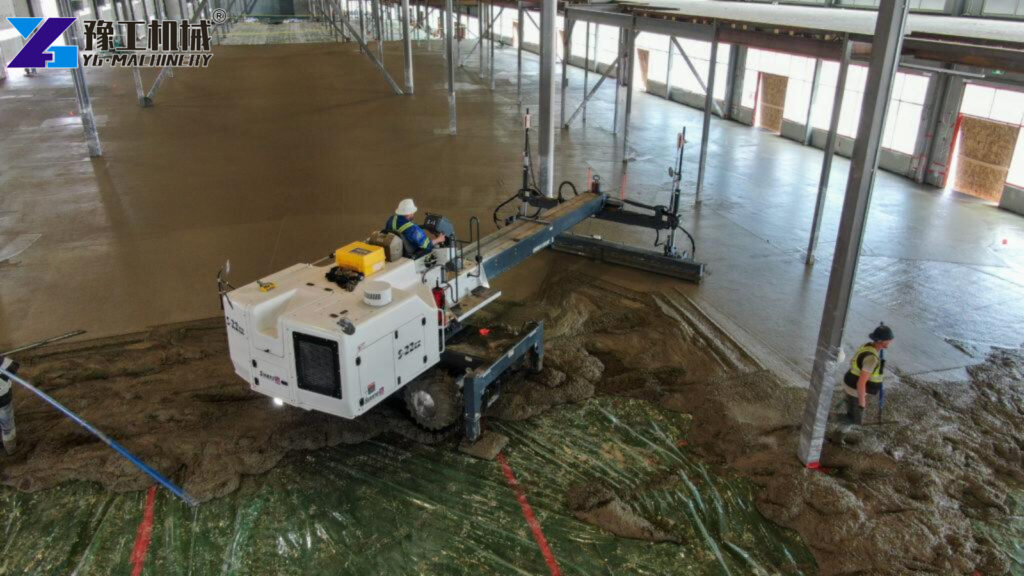
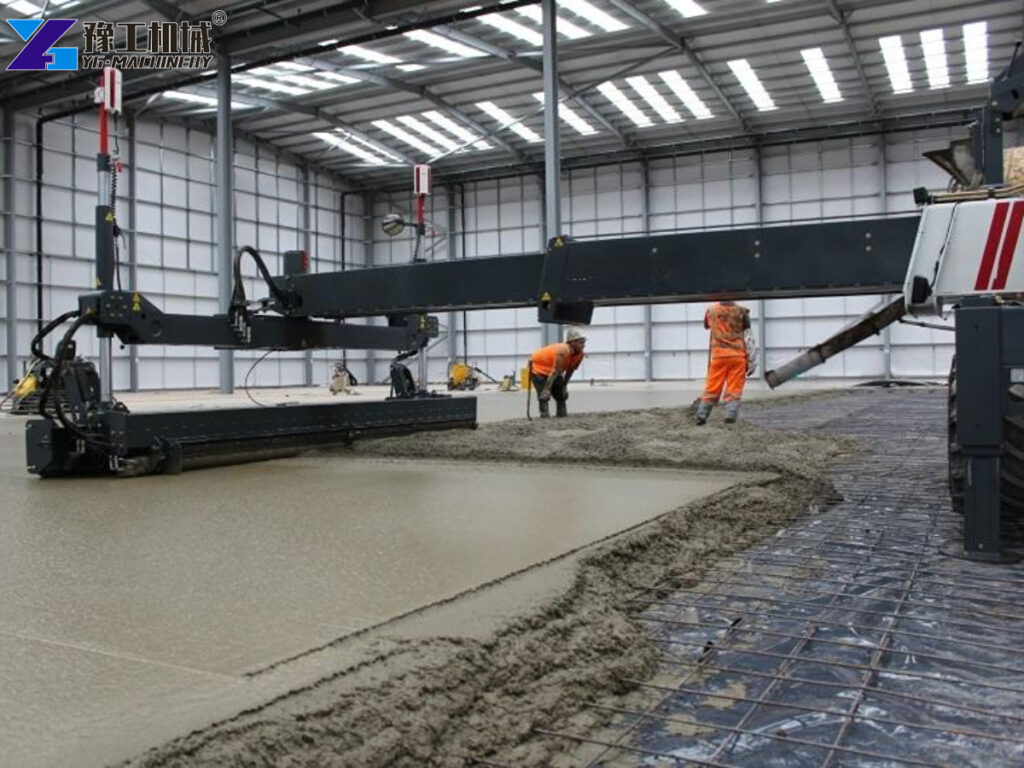
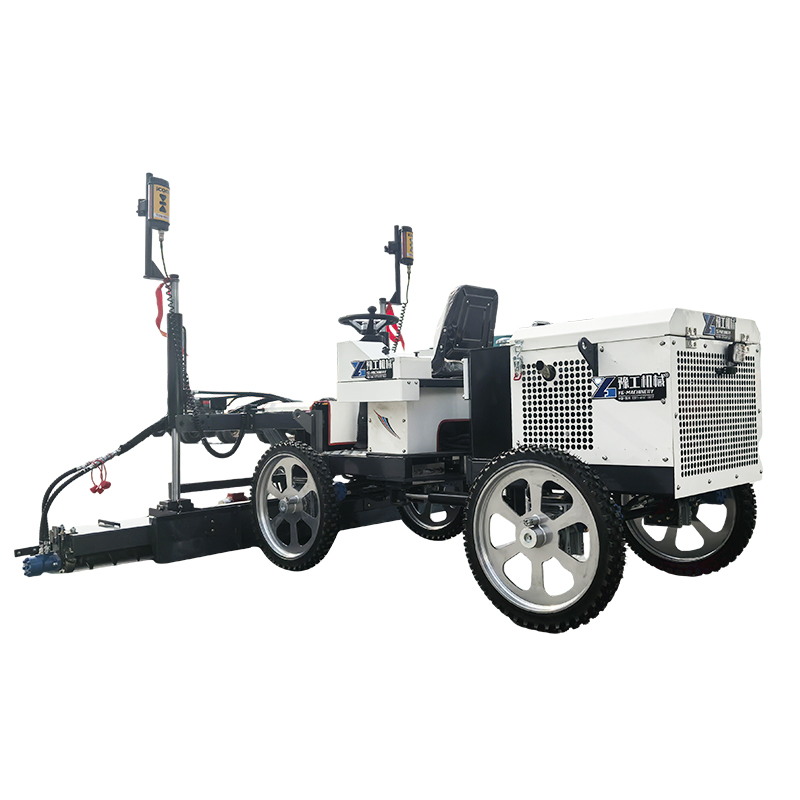
A laser screed machine is a specialized concrete finishing machine that automatically levels freshly poured concrete using a laser-guided control system.
Unlike manual screeding methods, laser screeds continuously monitor elevation through laser transmitters and receivers. The machine automatically adjusts the screed head height to maintain precise floor levels throughout the project.
Core Components of a Laser Screed Machine
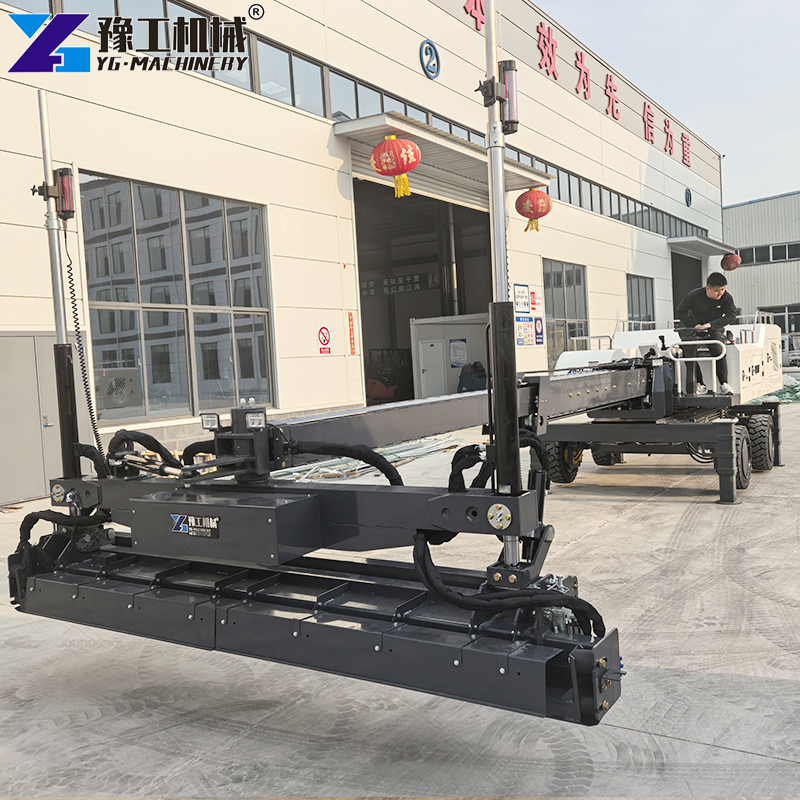
The main components include:
- Laser transmitter
- Laser receiver
- Hydraulic drive system
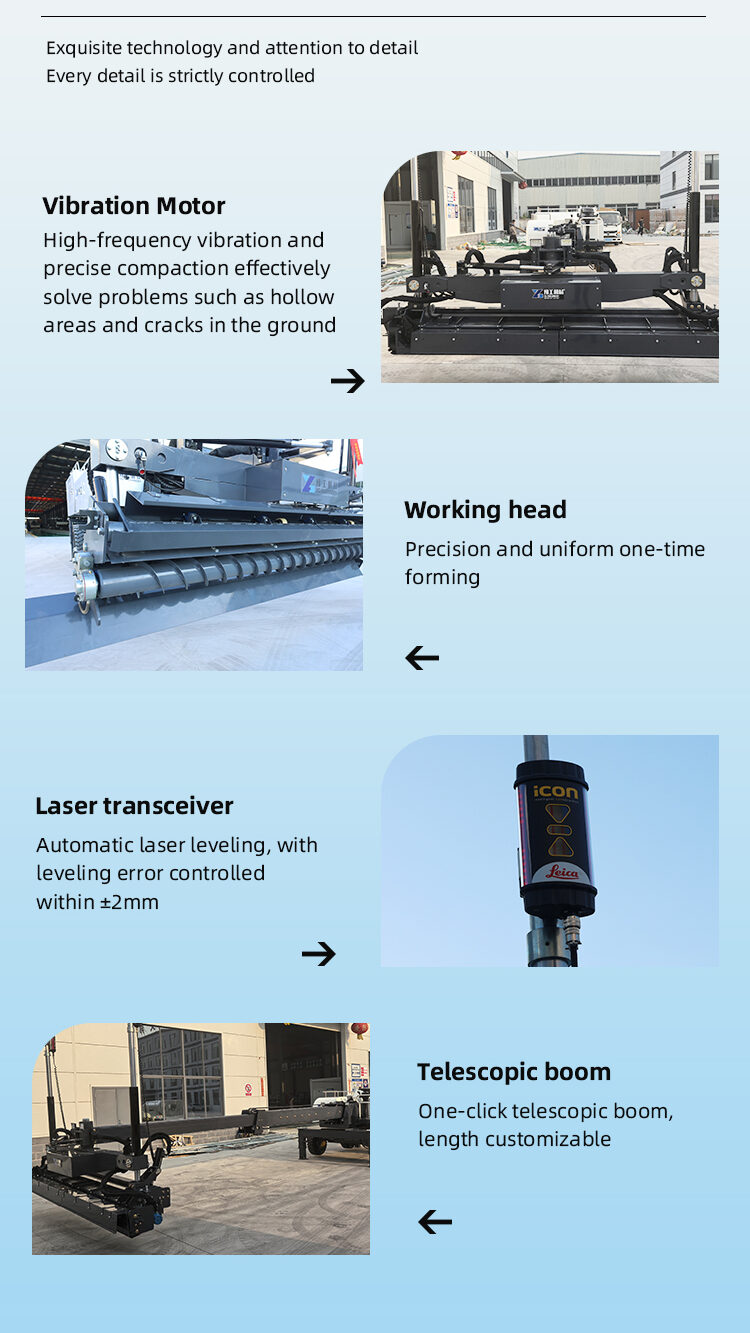
- Vibrating screed head
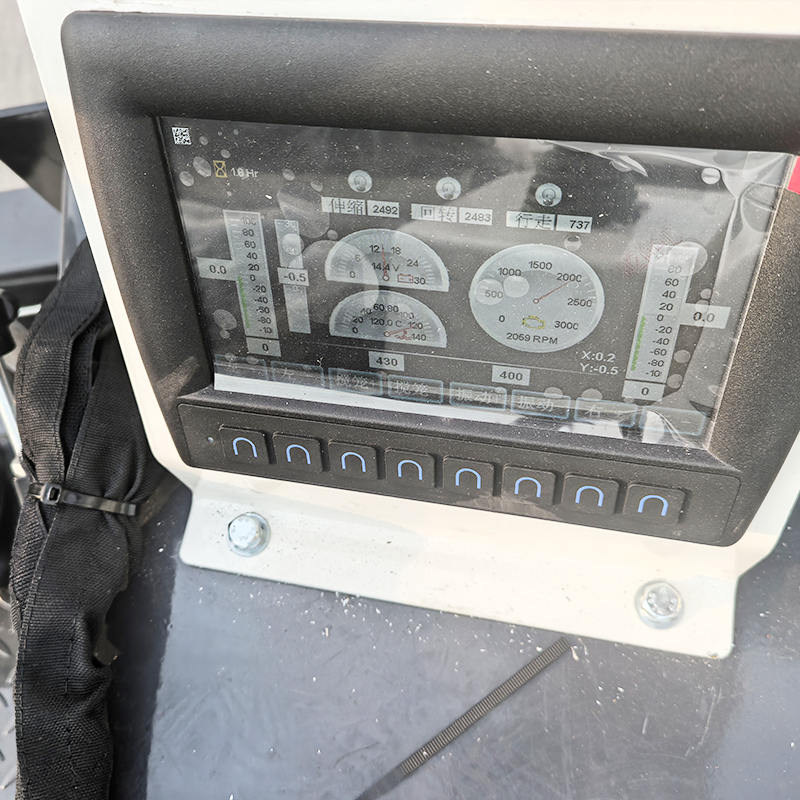
- Microcomputer control system
- Self-leveling mechanism
These systems work together to deliver accurate and consistent floor elevation across large construction areas.
Laser Control System and Automatic Leveling
The laser transmitter establishes a reference plane across the project site. Receivers mounted on the machine continuously detect elevation differences.
When variations occur, the control system automatically adjusts the screed head, eliminating many of the errors associated with manual leveling.
Vibration, Screeding, and Surface Finishing Process
As the machine moves forward:
- Concrete spreads evenly.
- Vibrators consolidate the concrete.
- The screed head trims excess material.
- The surface reaches the target elevation.
This integrated process significantly improves floor consistency while reducing manual finishing requirements.
How Traditional Concrete Leveling Works
Traditional concrete leveling relies on physical guides, string lines, and manual screeding techniques.
Workers typically:
- Install formwork and guides
- Pour concrete
- Use straightedges and screeds
- Check elevations manually
- Repeat finishing operations
While experienced crews can achieve acceptable results, floor quality often depends heavily on worker skill and site conditions.
Common Tools Used in Traditional Concrete Leveling
Traditional methods generally use:
- Aluminum screeds
- Bull floats
- Straightedges
- Hand trowels
- Vibrators
These tools remain common on smaller projects but become increasingly challenging on large industrial slabs.
Challenges Faced by Contractors
Common issues include:
- Uneven floor elevations
- Labor shortages
- Slower construction speed
- Material waste
- Higher rework costs
For large commercial projects, these challenges can significantly impact project profitability.
Laser Screed Machine vs Traditional Concrete Leveling: Side-by-Side Comparison
Accuracy and Floor Flatness
The biggest advantage of a laser screed machine is floor accuracy.
Laser-controlled systems can consistently achieve superior FF and FL ratings compared with traditional manual methods.
Benefits include:
- Better floor flatness
- Improved levelness
- Reduced elevation variation
- Higher compliance with project specifications
For warehouses and logistics facilities, this accuracy directly affects operational performance.
Construction Speed
Traditional leveling requires multiple workers performing separate tasks.
A laser screed combines:
- Concrete spreading
- Vibrating
- Leveling
- Screeding
into one continuous operation.
Many contractors report productivity improvements of 200% to 300% compared with conventional methods.
Labor Requirements
Labor availability continues to challenge construction companies worldwide.
Traditional methods often require:
- Screed operators
- Concrete finishers
- Grade checkers
- Additional laborers
A laser screed reduces crew size while maintaining higher output.
Material Utilization
Poor leveling often increases concrete consumption.
A laser-guided system helps maintain consistent slab thickness, reducing material waste and improving project cost control.
Long-Term Floor Performance
Higher-quality floors generally provide:
- Reduced cracking
- Better load distribution
- Lower maintenance costs
- Improved equipment operation
These advantages contribute to long-term project value.
Why Contractors Prefer a Concrete Laser Screed Machine for Large Projects
A concrete laser screed machine is particularly valuable on projects where floor quality and construction efficiency directly affect profitability.
Warehouse Construction
Modern warehouses require extremely flat floors for:
- Forklift operations
- High-density storage systems
- Automated logistics equipment
Laser screeds help contractors meet strict floor tolerance requirements.
Industrial Manufacturing Plants
Manufacturing facilities often install:
- Heavy machinery
- Automated production lines
- Precision equipment
Flat and level floors support equipment stability and operational efficiency.
Logistics Centers
Distribution centers depend on smooth floor surfaces to improve material handling efficiency and reduce equipment wear.
Commercial Buildings
Shopping centers, exhibition halls, and parking structures benefit from improved floor quality and reduced finishing time.
Technical Specifications of YG Concrete Laser Screed Machine
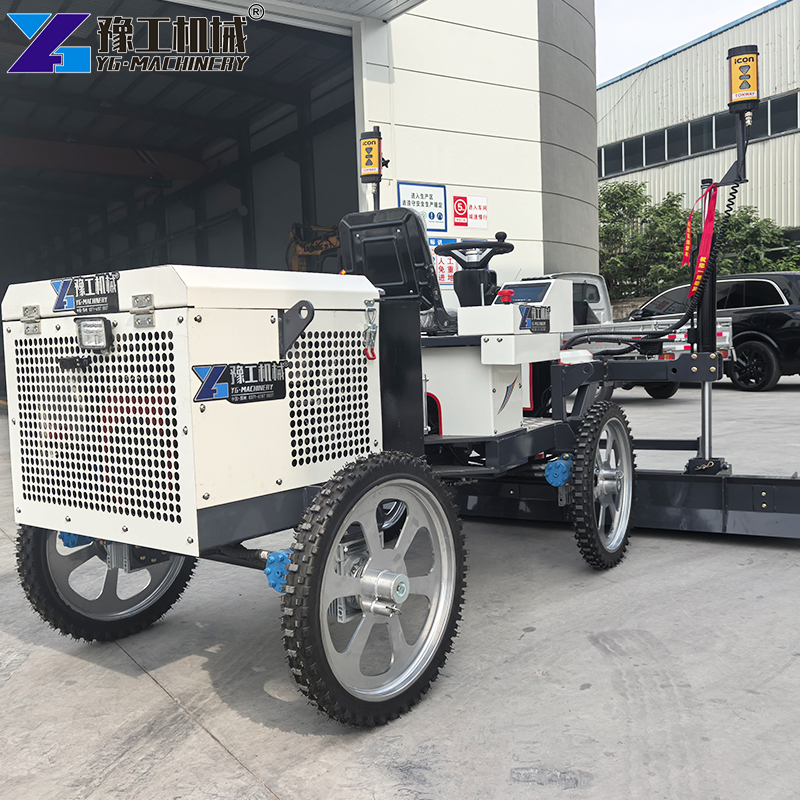
YG Concrete Laser Screed Machine Parameters
| Model | YGJX31 | YGJX32 | YGJX33 | YGJX34 |
|---|---|---|---|---|
| Engine Model | Generator Set | GX390 Electric Start | GX390 Electric Start | GX390 Electric Start |
| Power | 2.0kW | 13hp | 13hp | 13hp |
| Fuel Tank | 14.5L | 6.5L | 6.5L | 6.5L |
| Drive System | Motor | Hydraulic Motor | Hydraulic Motor | Hydraulic Motor |
| Running Speed | 0-36 m/min | 0-45 m/min | 0-65 m/min | 0-45 m/min |
| Working Speed | 5 m/min | 5 m/min | 5 m/min | 5 m/min |
| Screed Width | 2500 mm | 2500 mm | 2500 mm | 2500 mm |
| Exciting Force | 500N | 500N | 500N | 500N |
| Vibration Frequency | 50Hz | 50Hz | 50Hz | 50Hz |
| Weight | 295kg | 365kg | 380kg | 410kg |
How Specifications Affect Performance
The 2500 mm screed width allows operators to cover larger areas efficiently.
A vibration frequency of 50 Hz helps consolidate concrete and reduce surface defects.
Hydraulic drive systems provide smooth operation and precise control, particularly on large industrial floor projects.
Comparing Operating Costs and Project ROI
Initial Investment
A laser screed machine typically costs more than traditional hand tools.
However, equipment cost represents only one part of the project economics.
Labor Savings
Labor reduction often delivers the fastest return on investment.
A smaller crew can complete larger areas in less time.
Material Savings
Improved slab thickness control reduces unnecessary concrete consumption.
On large projects, even small reductions in material usage can generate substantial savings.
Long-Term Profitability
When evaluating ROI, contractors should consider:
- Faster project completion
- Reduced rework
- Improved floor quality
- Lower labor costs
- Better customer satisfaction
Many contractors recover equipment investment after only a few large-scale projects.
When Is a Concrete Floor Leveling Machine the Best Choice?
A concrete floor leveling machine offers the greatest value under specific project conditions.
Large Continuous Slab Projects
Large warehouses and industrial facilities benefit most from automated leveling technology.
High Flatness Requirements
Projects requiring strict FF/FL standards often specify laser screeding equipment.
Fast Construction Schedules
When project deadlines are tight, higher productivity becomes a major competitive advantage.
How to Choose the Right Laser Screed for Sale
Selecting the correct laser screed for sale requires evaluating several factors.
Project Size
Larger projects generally justify higher-capacity equipment.
Floor Tolerance Requirements
Review project specifications and required flatness standards before selecting a machine.
Mobility and Ease of Operation
Operator-friendly controls improve productivity and reduce training requirements.
Supplier Support and Service
Choose a manufacturer that offers:
- Technical support
- Spare parts availability
- Equipment training
- After-sales service
Reliable support helps maximize equipment uptime and long-term performance.
Conclusion: Is a Laser Screed Machine Worth the Investment?
For contractors focused on floor quality, productivity, and profitability, a modern laser screed machine provides clear advantages over traditional concrete leveling methods.
Compared with manual techniques, laser-guided systems deliver:
- Superior floor flatness
- Faster construction speed
- Lower labor requirements
- Better material utilization
- Higher long-term ROI
As warehouse, logistics, and industrial construction standards continue to rise, laser screeding technology is becoming the preferred solution for professional concrete contractors worldwide.
Get a Free Quote
Looking for a reliable laser screed solution for your next project?
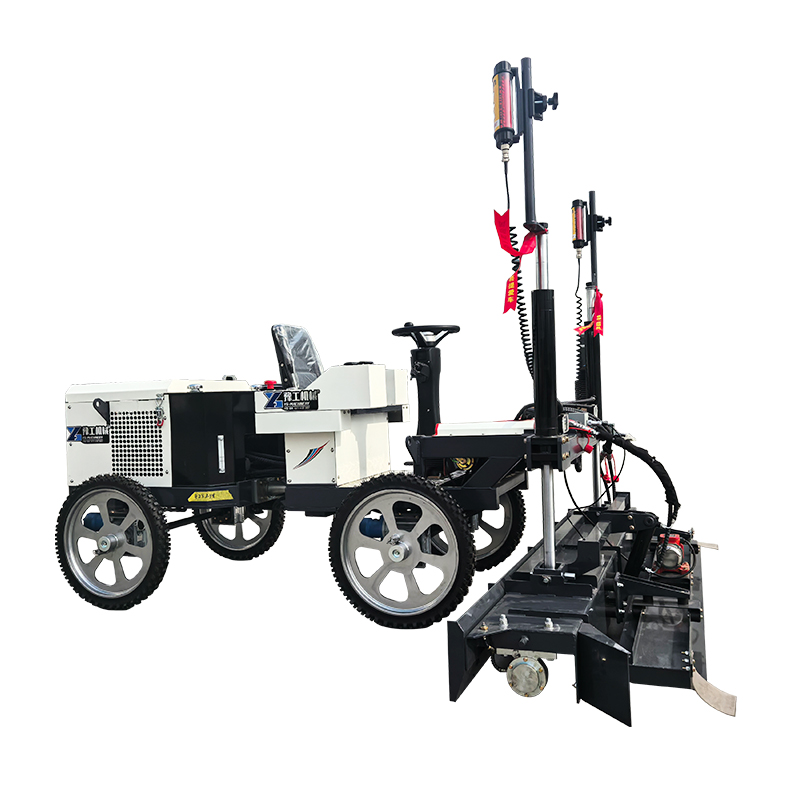
Contact YG Machinery today for expert recommendations, factory-direct pricing, and customized concrete floor construction solutions.