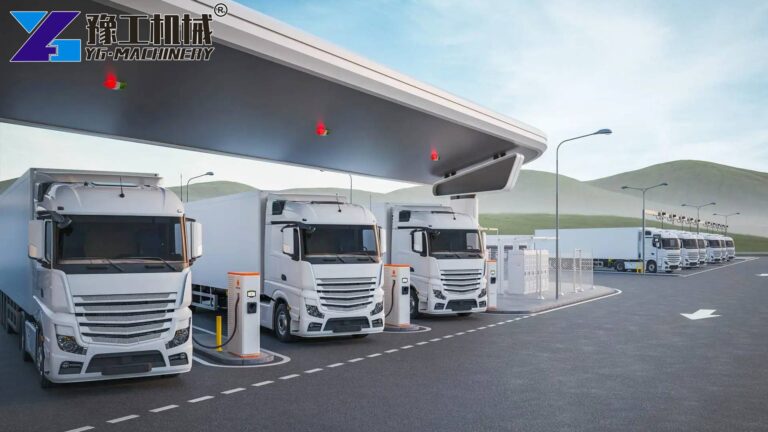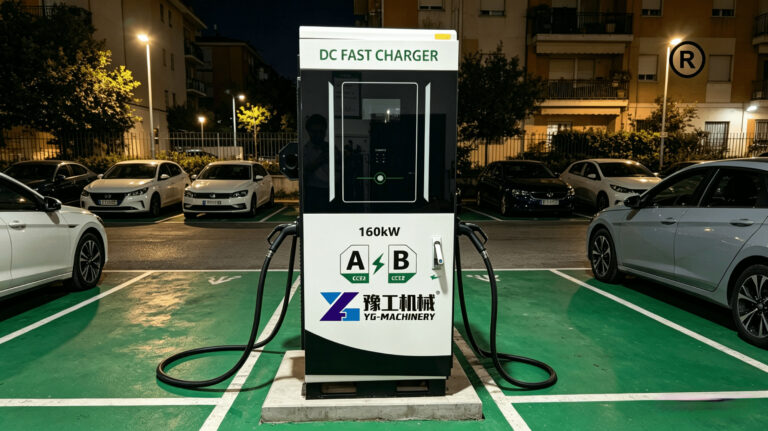
The inquiry for an electric truck charging station reached our inbox at 6:40 a.m. on a Tuesday in March. It came from Daniel, fleet operations manager at a drayage company near the Port of Houston. His email ran four lines. He named a power target, a voltage, a truck count, and a deadline.
The fleet had 12 battery-electric Class 8 tractors on order. Each truck carried a 400 kWh pack. Each truck accepted up to 250 kW on DC. The first tractors would arrive in 130 days. Chargers had to run before then.
Daniel already held three quotes. Two came from US distributors. One came from a European brand. All three promised delivery in more than 26 weeks. He asked us one question. “Can you ship in under 20 weeks?”
Our sales engineer, Lin, replied within two hours. She did not promise anything. She asked for three documents: the site single-line diagram, the utility service size, and the truck inlet type. Daniel sent all three that afternoon. We logged it as Day 0.
Start Your Project with the Right Equipment
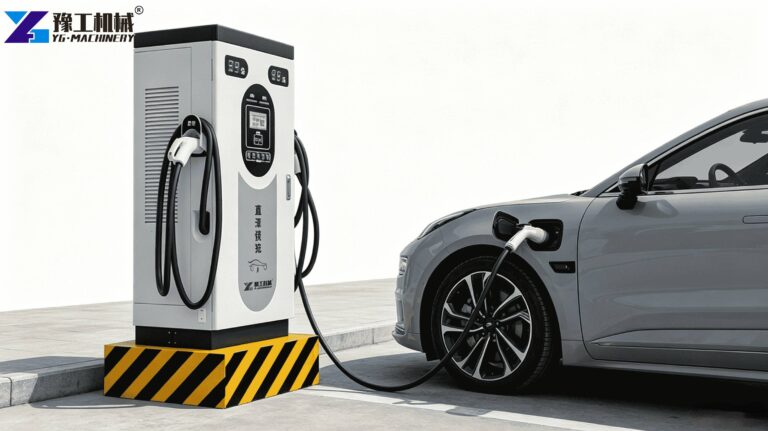
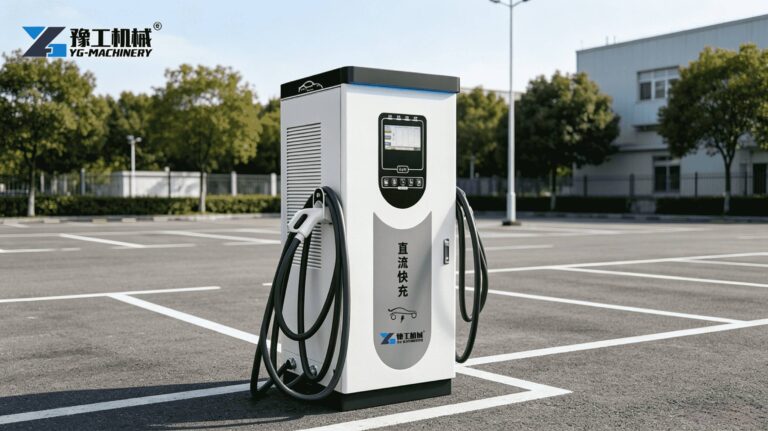
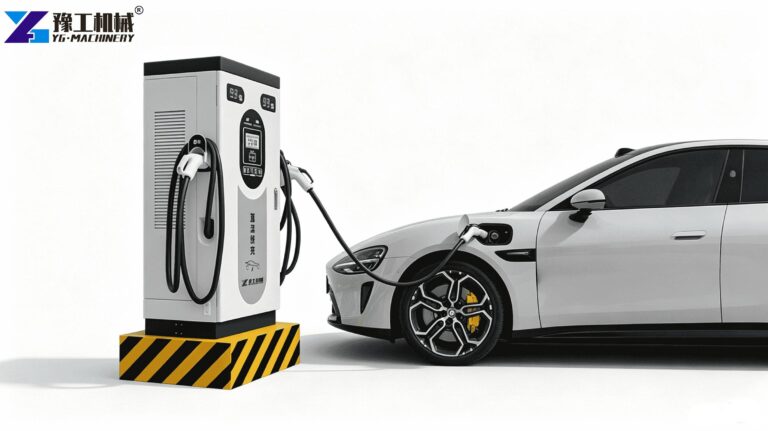
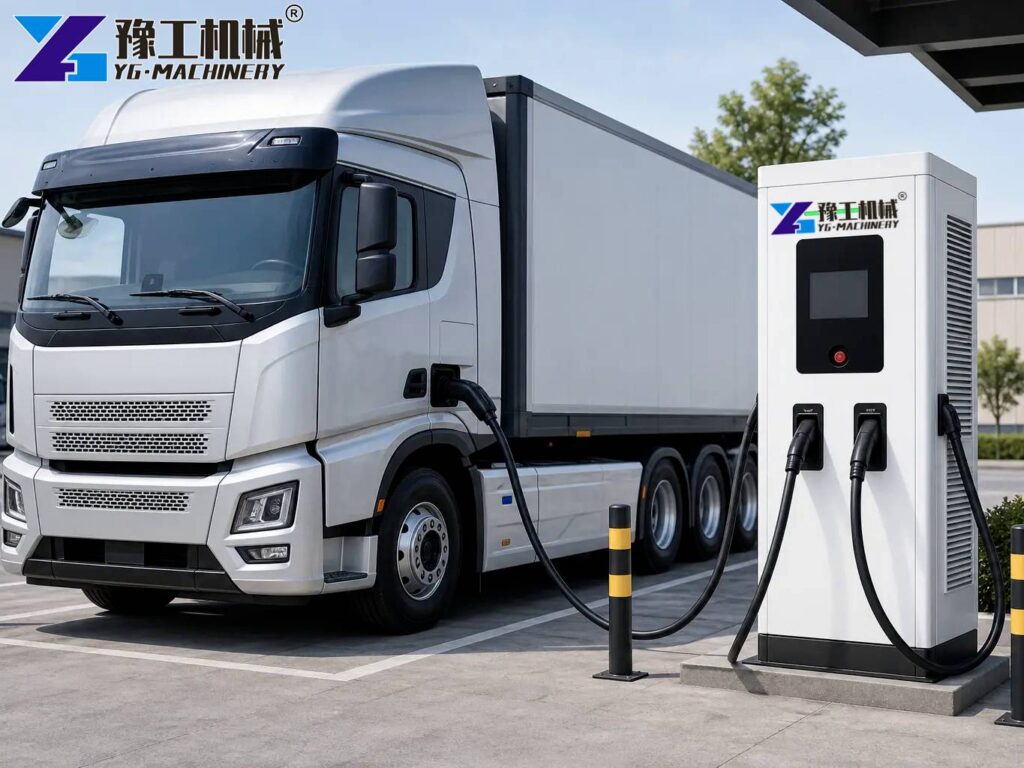
YG Electric Truck Charger Technical Specifications
| Technical Parameter | Specification Value |
|---|---|
| Product Series | Commercial DC Fast Charging Station |
| Power Rating Options | 240 kW / 320 kW / 360 kW / 400 kW / 480 kW |
| Charging Type | Integrated Dual-Gun DC Fast Charger |
| Single-Gun Output Current | 0–400 A |
| Input Voltage / Frequency | AC 380V ±20% / 50 Hz ±10% |
| Output Voltage Range | DC 50–1000 V |
| Current Harmonic Distortion | ≤ 3% (at full load) |
| Peak Module Efficiency | 96.7% (Silicon Carbide SiC) |
| Cabinet Dimensions (W×D×H) | 850 × 850 × 1880 mm |
| Enclosure Protection Rating | IP54 Floor-Mounted |
| Charging Cable Type | TPU Insulated (Optional 50% Length Extension) |
| Connector Type & Lifespan | Standard Liquid-Cooled (Approx. 3-Year Service Life) |
Compare Models and Get a Quote
Sizing Charging Stations for E-TRUCK Fleets
Lin and Daniel spent the next week on numbers. Most quotes for charging stations for E-TRUCK yards skip the grid math. Lin started there.
The yard ran a 2,000 kVA transformer at 480 V, three-phase. Offices and refrigerated trailers used about 300 kW. That left roughly 1.7 MVA for chargers. The trucks used a CCS1 inlet, the combo connector defined in SAE J1772. Lin then worked out the nightly energy need:
- Trucks return near 6 p.m. at 30% state of charge.
- Drivers leave at 5 a.m. and need 90%.
- Each truck needs 240 kWh (60% of 400 kWh).
- Twelve trucks need 2,880 kWh per night.
- Off-peak rates start at 10 p.m.
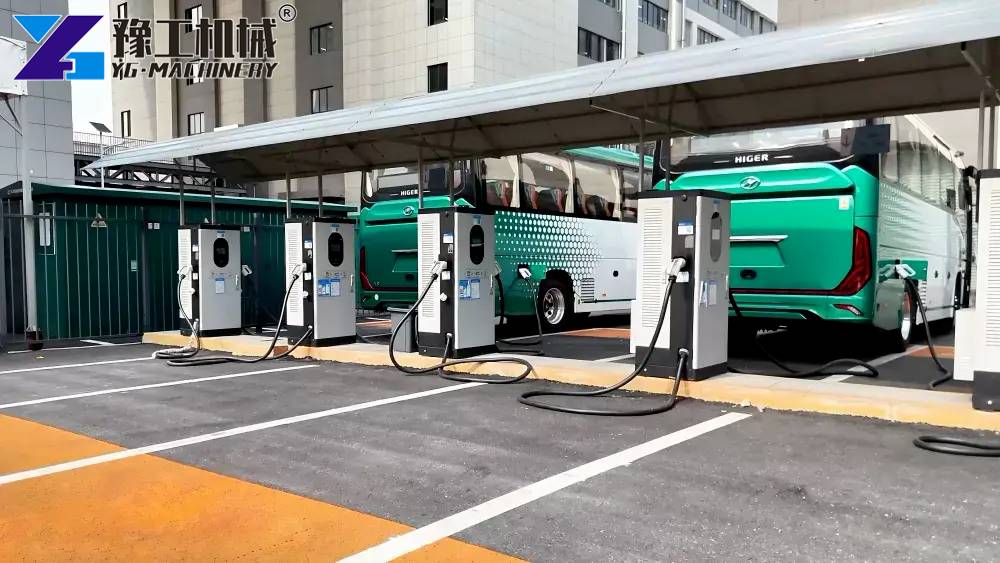
Lin proposed three 480 kW dual-gun cabinets. That gives six guns and 1.44 MW of DC output. When two trucks share a cabinet, each gets 240 kW. That sits just under the trucks’ 250 kW limit. One session takes about 70 minutes. Six guns charge the fleet in two waves. The cabinets draw about 1.5 MW from the grid, so Daniel skipped a utility upgrade request.
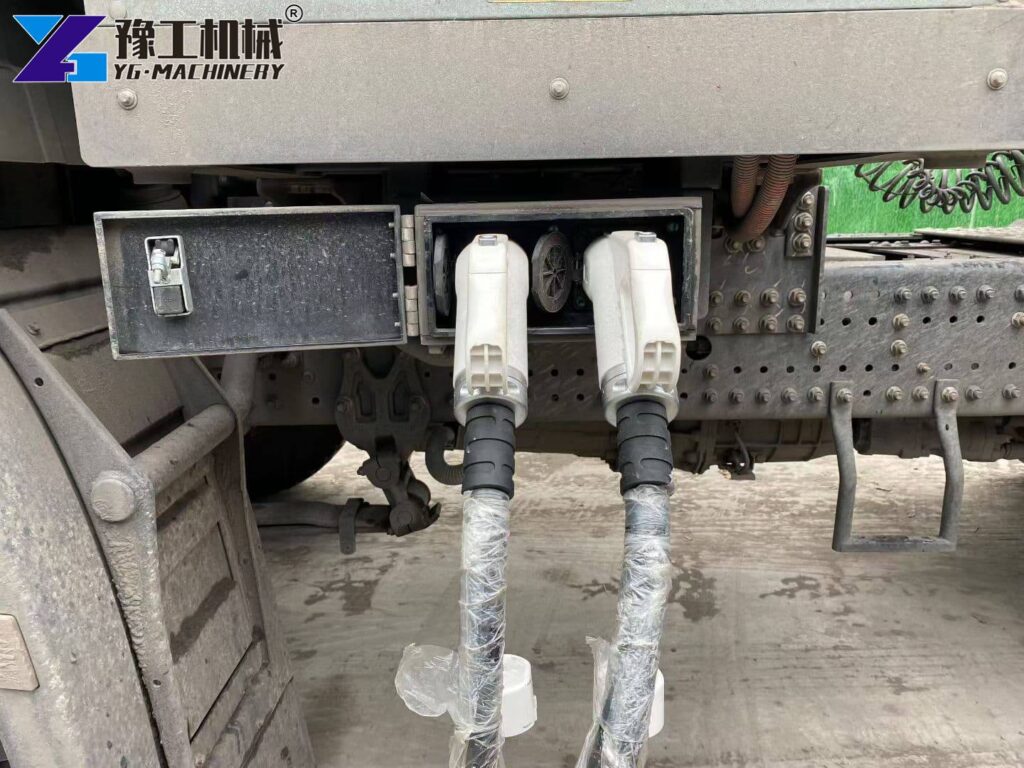
Video Call: Planning a Zero-Emission Truck Charging Hub
On Day 9, six people joined a 70-minute video call. Daniel brought his site electrician and a civil contractor. Lin brought a power engineer and a project manager. Daniel shared a satellite photo of the yard. Our engineer placed cabinets on it in real time. Daniel wanted the zero-emission truck charging hub to run without surprises. The team went through three topics.
Layout came first. Each cabinet measures 850 × 850 × 1880 mm. That is about 0.72 m² of floor space. Three cabinets fit on one 6 m concrete pad along the north fence.
Code came second. The electrician asked how the design meets NEC Article 625 for EV charging equipment. He also asked about UL 2202 listing. Our engineer answered plainly: the chargers need a field evaluation by a US lab before energizing. Nobody pretended otherwise.
Power quality came third. The cabinet holds current harmonic distortion at 3% or less at full load. IEEE 519 sets a 5% distortion limit at many industrial connections. The electrician wrote the number down.
The call ended with four open items: input voltage, cable reach, weather protection, and certification. Daniel said no other supplier had listed the problems before the sale.
Find the Right Model for Your Project
Configuration Changes for Heavy-Duty Electric Vehicle Charging
The standard cabinet takes 380 V at 50 Hz. Daniel’s yard ran 480 V at 60 Hz. That gap drove the biggest change. On Day 16, our engineers reworked the input stage and re-tested the power modules at 480 V and 60 Hz. The DC side stayed the same: 50–1000 V output and up to 400 A per gun. The full change list:
- Input: 480 V, 60 Hz, three-phase.
- Cable: the optional 50% longer TPU-insulated cable, so drivers can park nose-in or back-in.
- Spares: one extra liquid-cooled connector per cabinet. The connector lasts about three years.
- Software: OCPP 1.6J, so the cabinets talk to Daniel’s billing system.
- Certification: a UL 2202 field evaluation, booked for arrival week.
The IP54 enclosure resists dust and splashing water. Houston rain is heavier. Daniel’s contractor added a steel canopy. Rules for heavy-duty electric vehicle charging leave no room for shortcuts, and the local inspector reads every label.
Lin sent the revised quote on Day 18. Daniel questioned two lines and dropped one accessory. He signed on Day 21. He wired the 30% deposit by T/T two days later. The 70% balance came due before shipment.
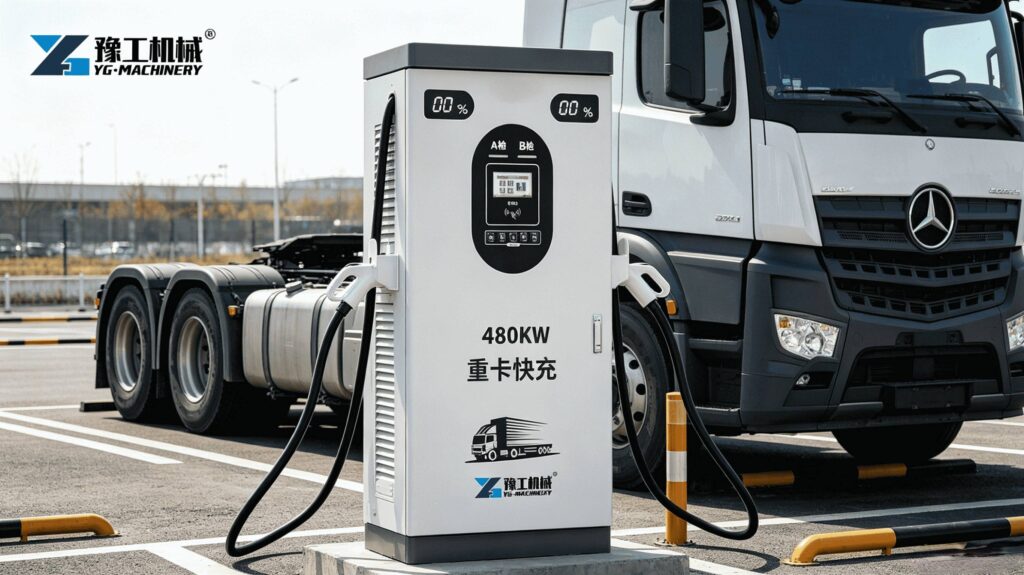
Inspecting and Shipping an Electric Truck Charging Station
Production took 35 days. On Day 59, Daniel’s engineer joined a live video inspection. A third-party inspector stood at each cabinet with a camera. The tests ran in order:
- Burn-in: 4 hours at full rated load per cabinet.
- Efficiency: 96.7% peak module efficiency, matching the datasheet.
- Safety: insulation resistance, ground continuity, emergency stop.
- Cooling: pressure test on liquid-cooled connectors and hoses.
- Nameplate: 480 V, 60 Hz confirmed on every cabinet.
The inspector found two defects. One door panel had a scratch. One warning label sat crooked. The factory swapped the panel and reprinted the label the same day. Daniel paid the balance on Day 61.
Loading happened on Day 63. Workers strapped three cabinets and the cable boxes to pallets inside one 20-ft container. They braced each cabinet, added desiccant bags, and photographed every step. The container left Ningbo on Day 65.
The sea leg to Houston took 34 days. The ship docked on Day 99. Daniel’s customs broker cleared the box on Day 101. A trucker delivered the cabinets to the yard on Day 102.
Installation, Training and the First 90 Days
Five electricians started on Day 103. The concrete pad had cured two weeks earlier. They anchored the three cabinets, pulled 480 V feeders, and grounded each unit. Our engineer joined three video sessions. The 13-hour time difference meant early mornings in Houston and late nights in China. A US lab completed the UL 2202 field evaluation on Day 112. The utility inspector signed off on Day 114. The yard was energized on Day 115.
Training took half a day on Day 116. Eight staff attended. Drivers learned to plug in, read fault codes, and press the emergency stop. Two technicians learned to swap a liquid-cooled connector. They logged the install date because the connector lasts about three years.
A dealer’s demo tractor plugged in on Day 118. It took 238 kWh in 71 minutes. Daniel’s twelve production tractors followed on Day 130. The six guns now run two charging waves each night.
Three months later, Daniel sent his numbers. Uptime stood at 98.4%. One fault appeared: a latch sensor error, fixed remotely within two days. The heavy cables tired drivers, so his crew mounted cable hooks. Since then, the yard’s electric truck charging station has run every night. He plans six more guns next year.
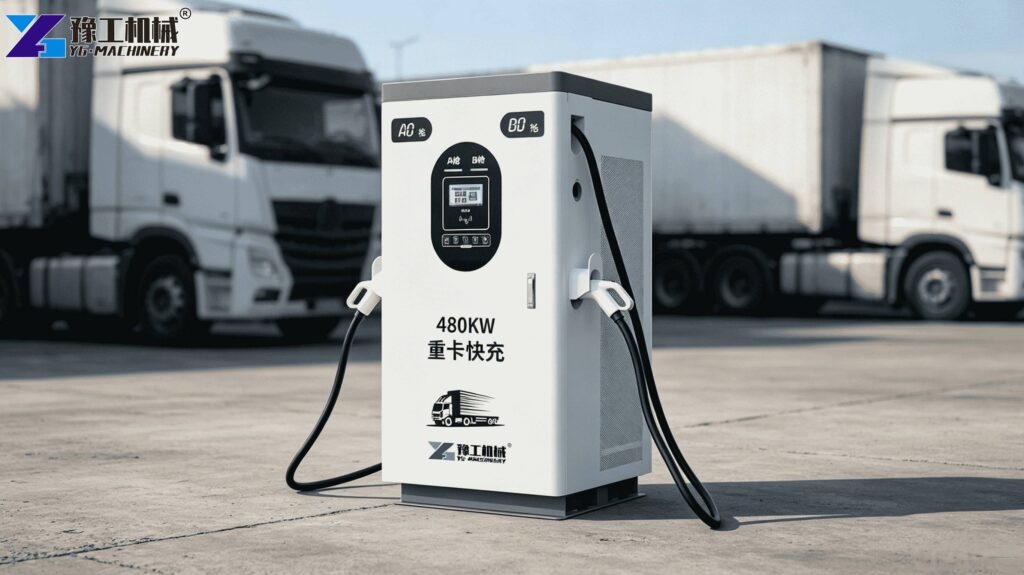
Send Us Your Site Data
Every project in this story started with three documents. Send us the same three:
- Your site single-line diagram.
- Your utility service size and voltage.
- Your truck model and charging inlet type.
Add your truck count and your deadline. Our engineers will reply within 8 hours with a power plan, a cabinet count, and a lead-time estimate. No sales script. Just numbers.
WhatsApp:+86183 3715 2861
Email:admin@ygequip.com