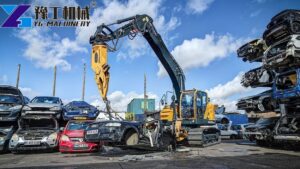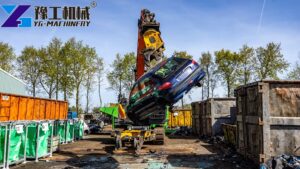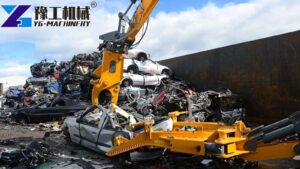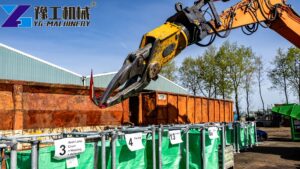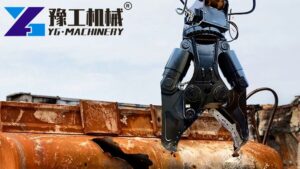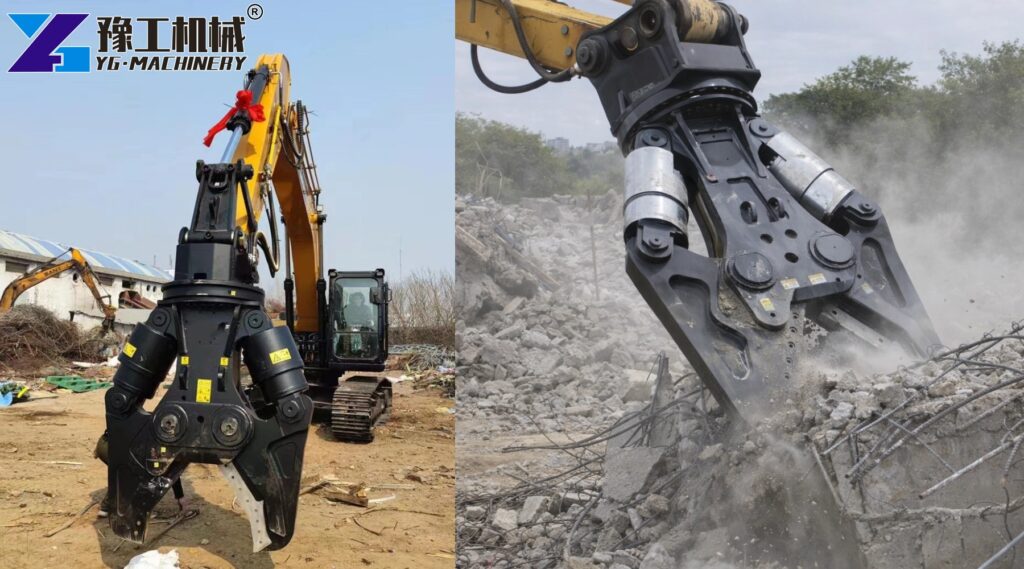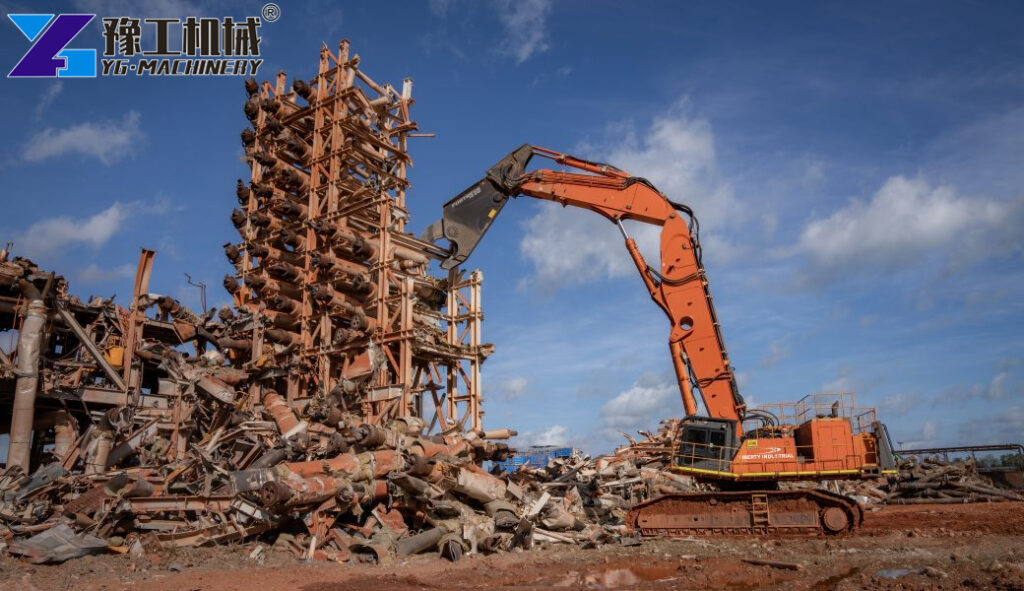
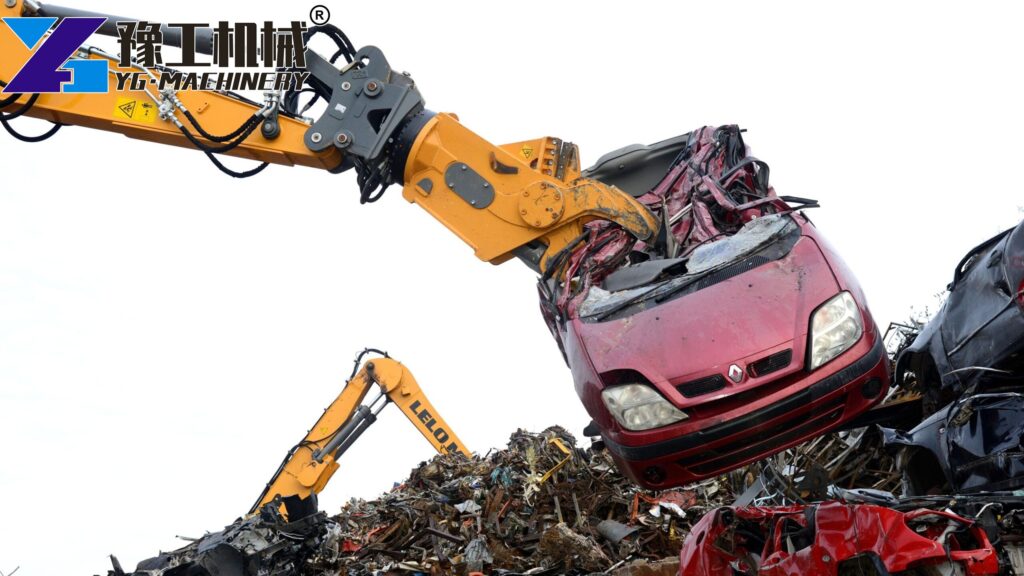
A Hydraulic Vehicle Dismantler recently entered service at an automobile recycling company in northern Mexico. The customer wanted to modernize vehicle dismantling operations, reduce manual cutting work, and improve processing efficiency for end-of-life vehicles. After several rounds of technical communication, YG Machinery supplied a hydraulic dismantling attachment designed specifically for heavy-duty excavators.
From the first inquiry to daily operation, the project documented every important stage. Engineers discussed application requirements, confirmed the excavator model, optimized the attachment configuration, completed factory inspection, arranged shipment, and provided remote commissioning support. Within a short period after installation, the equipment became one of the customer’s primary tools for vehicle recycling.
Start Your Project with the Right Equipment
Customer Background And Hydraulic Vehicle Dismantler Requirements
The customer operates an automobile dismantling and scrap metal recycling company serving several cities in northern Mexico. Every month, hundreds of damaged passenger cars, pickup trucks, and light commercial vehicles arrive for dismantling before steel recycling.
Previously, workers relied on gas cutting equipment, hydraulic hand tools, and standard excavator attachments. Although these methods completed basic dismantling work, overall efficiency remained limited.
Several operational challenges became increasingly obvious:
- Slow vehicle processing speed
- High labor intensity
- Inconsistent cutting quality
- Rising fuel and labor costs
- Increased safety risks during manual cutting
The management team planned to upgrade its dismantling process by introducing dedicated hydraulic equipment capable of handling multiple dismantling tasks with one excavator.
Initial Inquiry And Equipment Evaluation
The first inquiry reached YG Machinery through the company’s official website.
The customer explained that the attachment would mainly process scrapped passenger vehicles, SUVs, pickup trucks, and small commercial vans. The existing excavator fleet included a 30-ton crawler excavator already used for scrap handling.
To recommend the appropriate model, YG engineers requested additional information, including:
- Excavator model
- Hydraulic flow
- Operating pressure
- Typical vehicle types
- Daily processing volume
- Preferred installation position
An online video meeting was arranged shortly afterward.
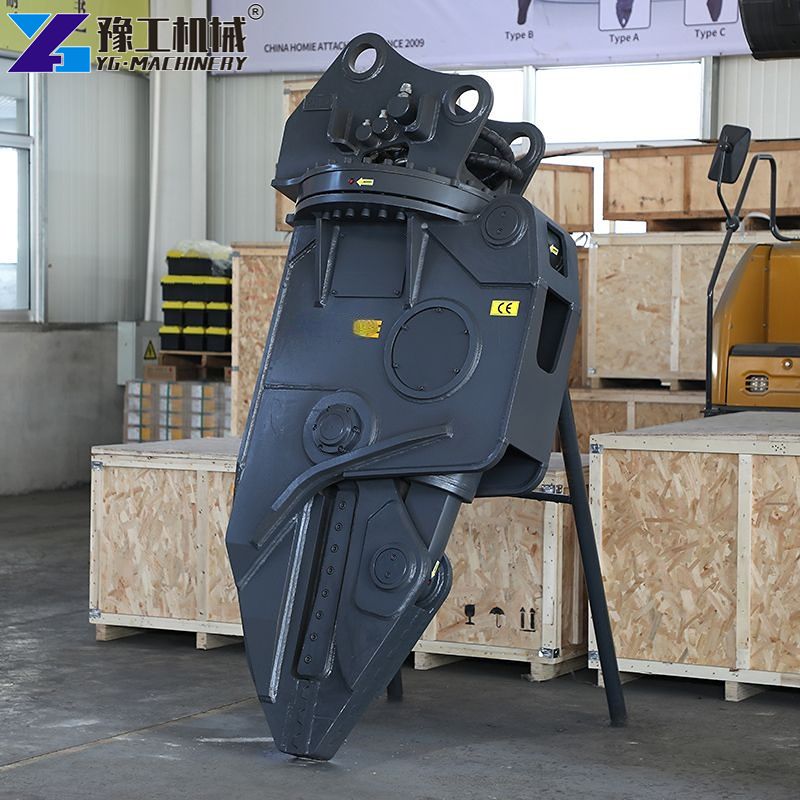
During the discussion, both teams reviewed the customer’s dismantling workflow. Engineers also analyzed photographs and videos from the recycling yard to understand actual working conditions. After evaluating the hydraulic system and expected workload, YG recommended the YG380RT Car Dismantling Shear for Excavators, which provided sufficient cutting force while remaining compatible with the customer’s excavator.
Boost Productivity—Get a Free Quote
Excavator Car Dismantling Shear Configuration Discussion
After the video conference, both teams focused on matching the attachment to the customer’s actual dismantling workflow instead of simply selecting the largest available model.
The recycling yard processed more than passenger cars. Pickup trucks, SUVs, vans, and light commercial vehicles were also common. Some vehicles contained reinforced chassis members and thicker structural steel, requiring greater cutting force than ordinary demolition attachments.
Following several technical discussions, the customer selected the YG380RT model for installation on a 30-ton crawler excavator.
The final configuration included:
- Reinforced high-strength steel body
- Replaceable alloy cutting blades
- 360° hydraulic rotation
- Optimized hydraulic cylinder
- Heavy-duty pivot bearings
- Wear-resistant jaw structure
Engineers also recommended installing an additional protective guard on the excavator boom to reduce the risk of hydraulic hose damage during continuous dismantling work.
Once the final drawings and hydraulic interface were confirmed, production preparation began.
Hydraulic Vehicle Dismantler Technical Specifications
Before manufacturing, YG Machinery provided the customer with a complete specification sheet for comparison. After reviewing cutting capacity, excavator compatibility, and hydraulic requirements, the customer confirmed that the YG380RT offered the best balance between productivity and operating cost.
| Item / Model | YG280RT | YG350RT | YG380RT | YG450RT | YG480RT |
|---|---|---|---|---|---|
| Arm Installation | 18–27T | 28–38T | 30–40T | 40–50T | 42–50T |
| Boom Installation | 14–18T | 20–28T | 20–28T | 28–39T | 28–39T |
| Weight | 2100kg | 3000kg | 3500kg | 4500kg | 4600kg |
| Maximum Jaw Opening | 485mm | 595mm | 600mm | 700mm | 740mm |
| Overall Length | 2700mm | 3200mm | 3280mm | 3700mm | 3800mm |
| Operating Pressure | 250–300kg/cm² | 300–320kg/cm² | 320–350kg/cm² | 320–350kg/cm² | 320–350kg/cm² |
| Operating Flow | 180–220L/min | 200–250L/min | 200–250L/min | 250–300L/min | 250–300L/min |
The customer ultimately chose the YG380RT because its cutting capacity matched the structural components commonly found in passenger vehicles while remaining fully compatible with the existing excavator.
Compare Models and Get a Quote
Car Dismantling Shear for Excavators: Improved Equipment Selection
Selecting the correct Excavator Car Dismantling Shear involved more than matching excavator weight.
YG engineers evaluated several additional factors before confirming the recommendation:
- Average vehicle weight
- Thickness of chassis steel
- Daily dismantling volume
- Hydraulic system performance
- Future business expansion
The customer initially considered a larger model. However, engineers explained that oversized attachments would increase fuel consumption, reduce operating efficiency, and add unnecessary stress to the excavator’s hydraulic system.
The YG380RT provided sufficient cutting force for most dismantling tasks while maintaining faster cycle times and lower operating costs.
This recommendation helped the customer avoid unnecessary investment while improving long-term equipment utilization.
Factory Inspection Before Export
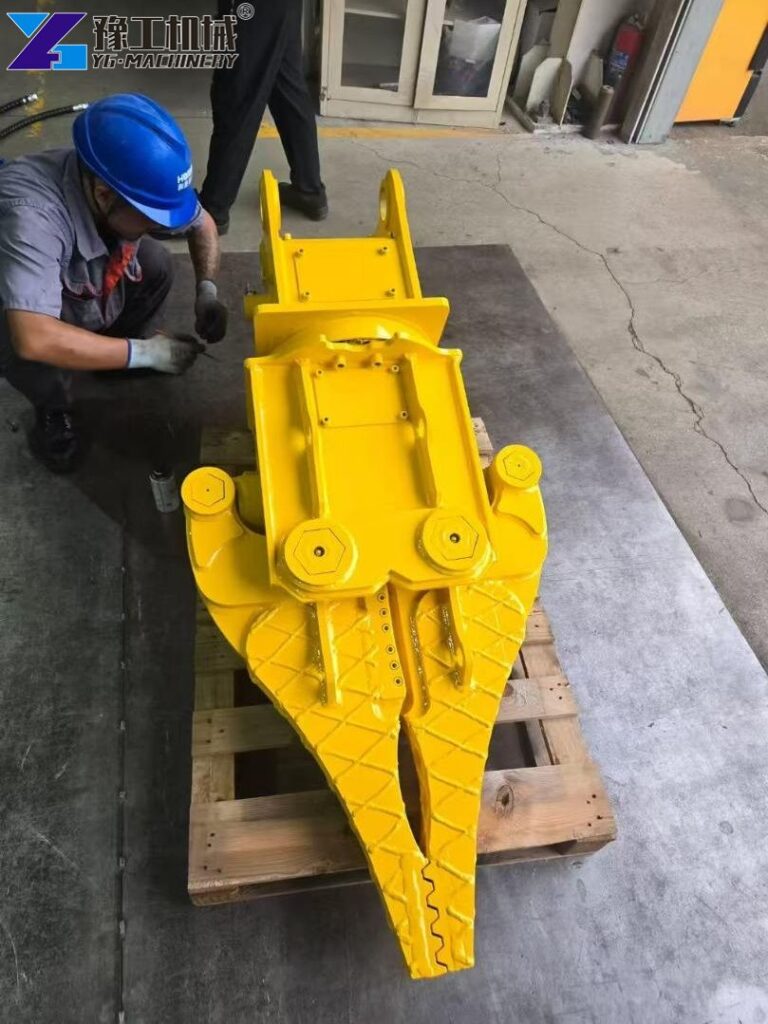
Once manufacturing was completed, the attachment entered the final inspection stage.
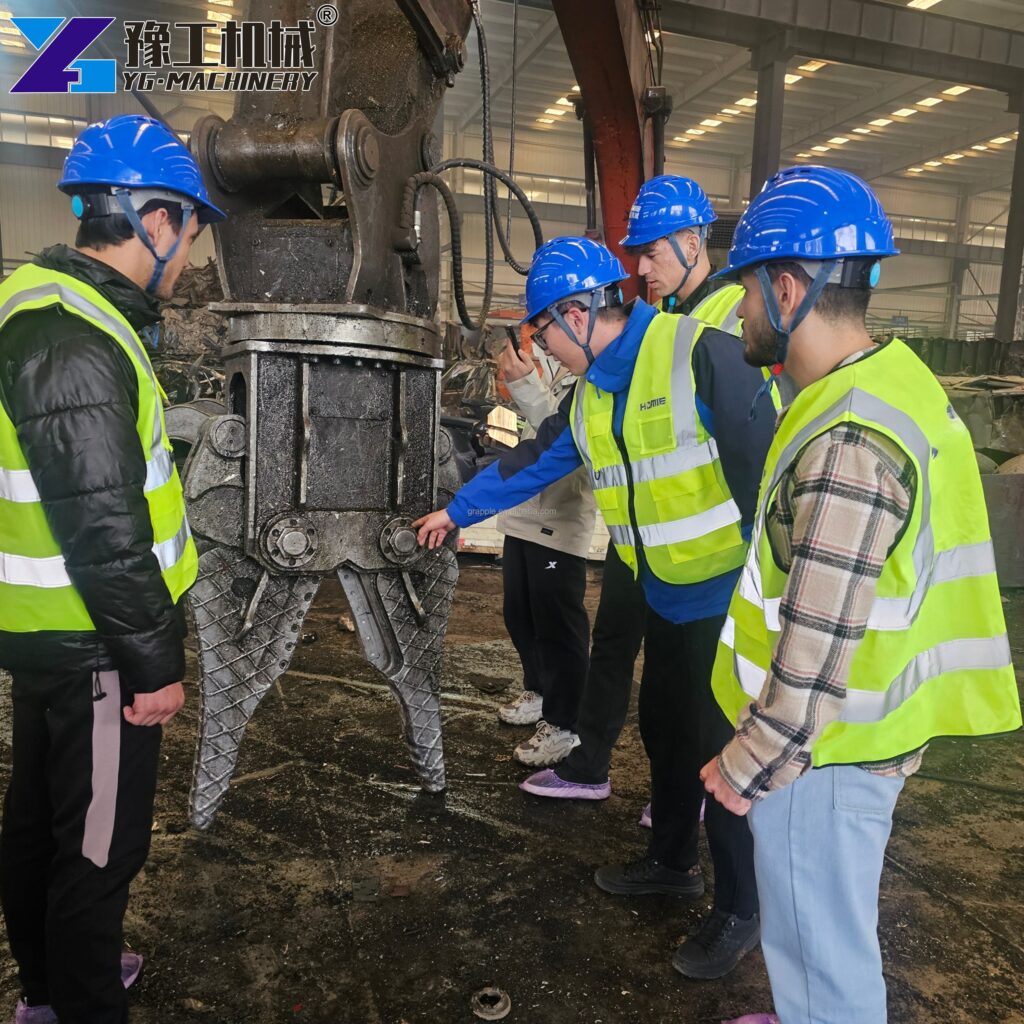
Technicians examined weld quality, hydraulic cylinder operation, jaw synchronization, blade installation, and rotation performance. Functional testing confirmed stable opening and closing movement under hydraulic pressure before shipment approval.
After passing inspection, the dismantler was cleaned, protected against corrosion, and prepared for international transportation.
Shipment To Mexico
The Excavator Vehicle Dismantler was secured inside an export container using reinforced steel supports to prevent movement during ocean transportation.
YG Machinery supplied the customer with packing photographs, loading records, and shipping documents throughout the logistics process. Regular shipment updates allowed the customer to coordinate customs clearance and prepare the excavator before the equipment arrived.
The machine reached Mexico according to the agreed delivery schedule and was transported directly to the recycling facility for installation.
Find the Right Model for Your Project
Excavator Vehicle Dismantler Supplier Provided Installation Support
After the shipment arrived in Mexico, the customer installed the attachment on the existing 30-ton crawler excavator.
Because the hydraulic connections matched the excavator specifications confirmed during the earlier technical discussions, installation progressed smoothly. Operators completed hydraulic hose connection, rotation circuit testing, and pressure adjustment within a short period.
YG Machinery provided remote technical guidance during commissioning. Engineers assisted with hydraulic parameter settings and demonstrated proper operating procedures through online video support.
Training focused on practical dismantling operations, including:
- Safe attachment installation
- Hydraulic pressure inspection
- Blade clearance adjustment
- Vehicle dismantling sequence
- Daily lubrication
- Routine blade maintenance
Within one working day, operators became familiar with the new equipment and started processing scrapped vehicles independently.
Hydraulic Vehicle Dismantler Improved Daily Recycling Efficiency
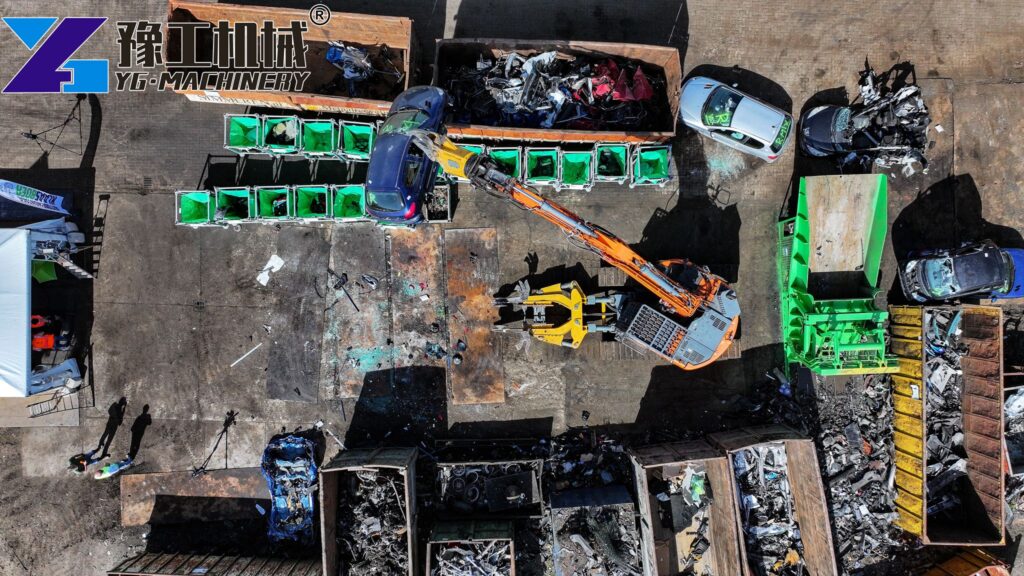
The first production task involved dismantling several damaged passenger vehicles that had recently entered the recycling yard.
Previously, workers spent considerable time cutting vehicle bodies with gas torches before using excavators to separate larger components. The process required multiple workers and frequent equipment changes.
After introducing the hydraulic dismantler, the workflow became much more efficient.
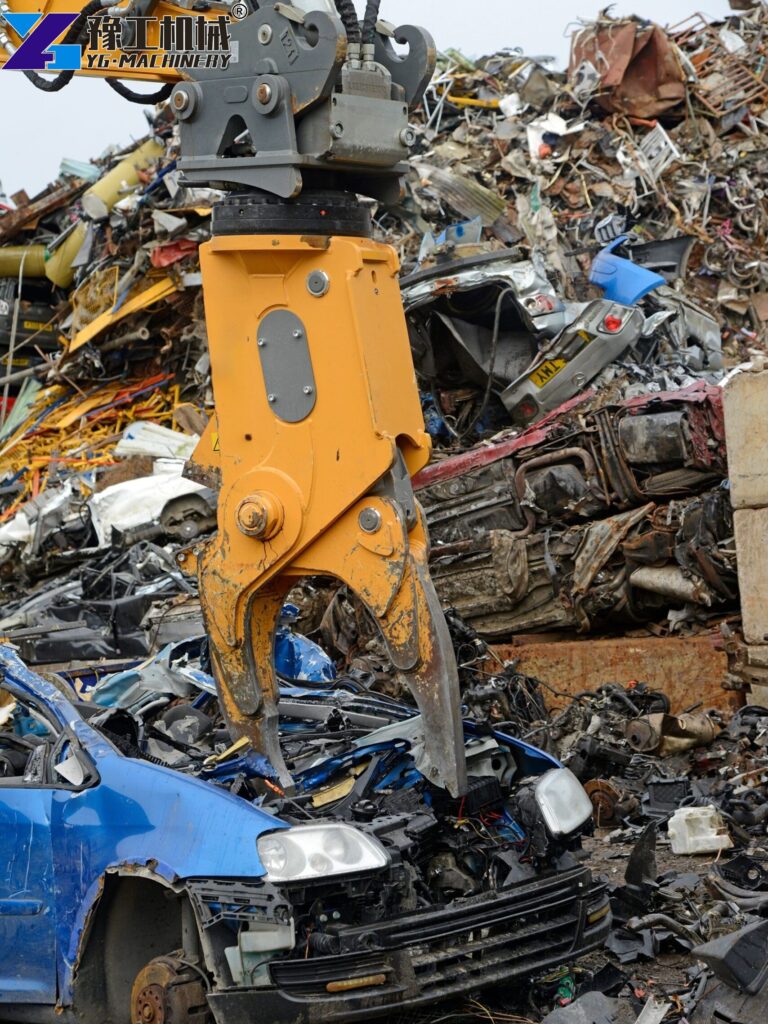
The attachment quickly cut through:
- Roof pillars
- Doors
- Chassis rails
- Engine compartments
- Suspension components
- Reinforced structural members
Instead of switching between several tools, operators completed most dismantling work using a single excavator.
The rotating jaw allowed flexible positioning from different angles, reducing unnecessary machine movement and improving overall operating efficiency.
Customer Reported Higher Productivity After Three Months
Three months after commissioning, the customer compared production records with data from the previous dismantling process.
Several improvements became clear.
Average vehicle processing time decreased significantly because structural cutting required fewer operating steps. Manual torch cutting was also reduced, improving workplace safety and lowering fuel consumption.
The customer reported the following operational improvements:
- Vehicle dismantling efficiency increased by approximately 40%
- Manual cutting work decreased by nearly 50%
- Equipment utilization improved substantially
- Fuel consumption during dismantling operations decreased
- Overall processing capacity increased during peak recycling periods
Management also noted that the excavator could now perform additional scrap handling work after completing dismantling tasks, improving equipment utilization throughout the day.
Customer Feedback From The Mexico Recycling Yard
Following several months of continuous operation, the customer shared positive feedback regarding both machine performance and technical support.
According to the operations manager, the attachment performed reliably during daily dismantling work and significantly reduced dependence on manual cutting equipment.
The customer particularly appreciated:
- Powerful cutting force
- Smooth 360° rotation
- Stable hydraulic performance
- Easy blade replacement
- Simple maintenance
- Reliable technical support
Because the equipment met production expectations, the company began discussing additional excavator attachments for future recycling projects as business volume continued to increase.
Why This Hydraulic Vehicle Dismantler Project Was Successful
This project demonstrated that selecting the right attachment requires more than matching excavator size.
YG Machinery evaluated the customer’s recycling process, hydraulic system, daily production volume, and future expansion plans before recommending the most suitable configuration. Rather than purchasing an oversized model, the customer selected equipment that matched actual operating requirements and delivered excellent long-term productivity.
The combination of professional technical communication, factory inspection, reliable export logistics, and remote commissioning support helped ensure the attachment entered production quickly after arrival.
For vehicle recycling companies seeking higher efficiency, lower labor costs, and improved operational safety, a properly matched hydraulic dismantling attachment offers a practical solution for modern scrap processing.
Need A Hydraulic Vehicle Dismantler For Your Recycling Business?
Every recycling yard processes different vehicle types, production volumes, and working conditions. Selecting the correct hydraulic attachment can significantly improve dismantling efficiency while reducing operating costs and equipment downtime.
YG Machinery supplies customized hydraulic vehicle dismantlers for excavators ranging from 14 to 50 tons. Our engineering team can recommend the most suitable model based on your excavator specifications, hydraulic system, and recycling requirements.
Contact us today to receive detailed technical specifications, professional application advice, and a customized quotation for your vehicle dismantling project.