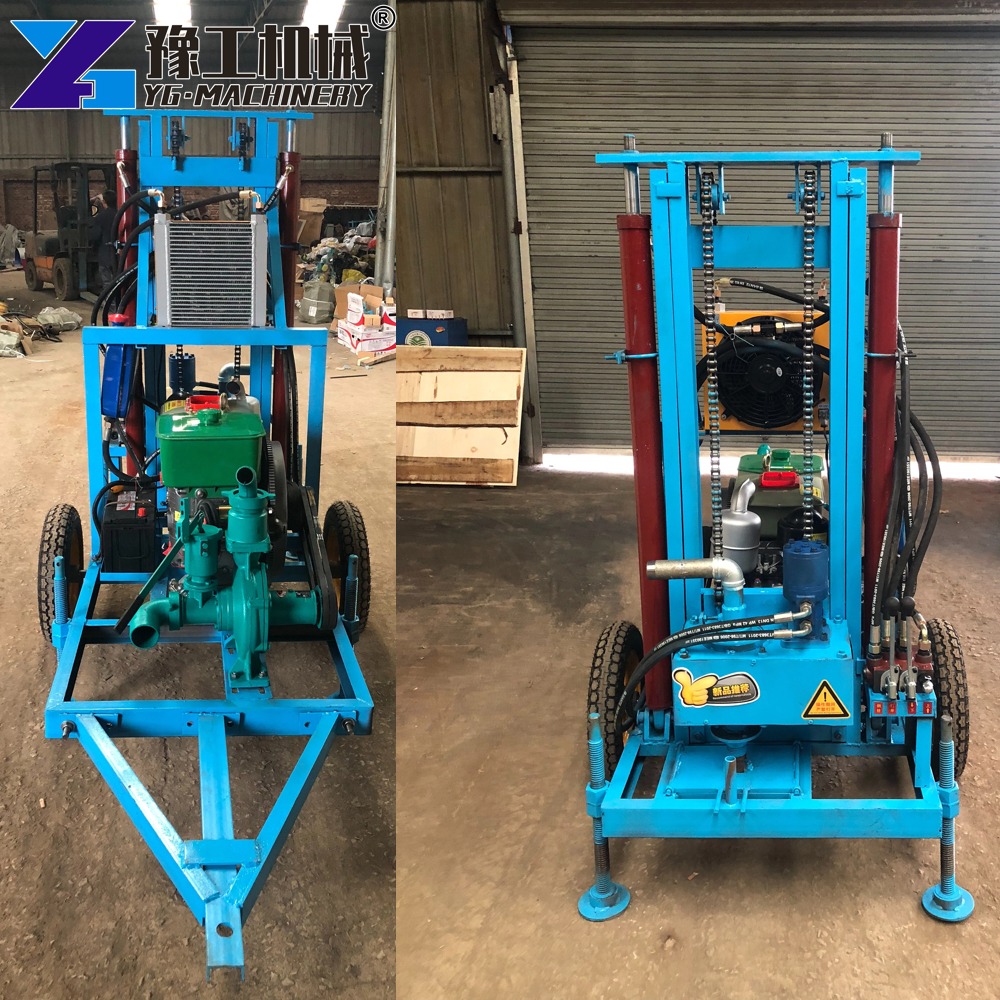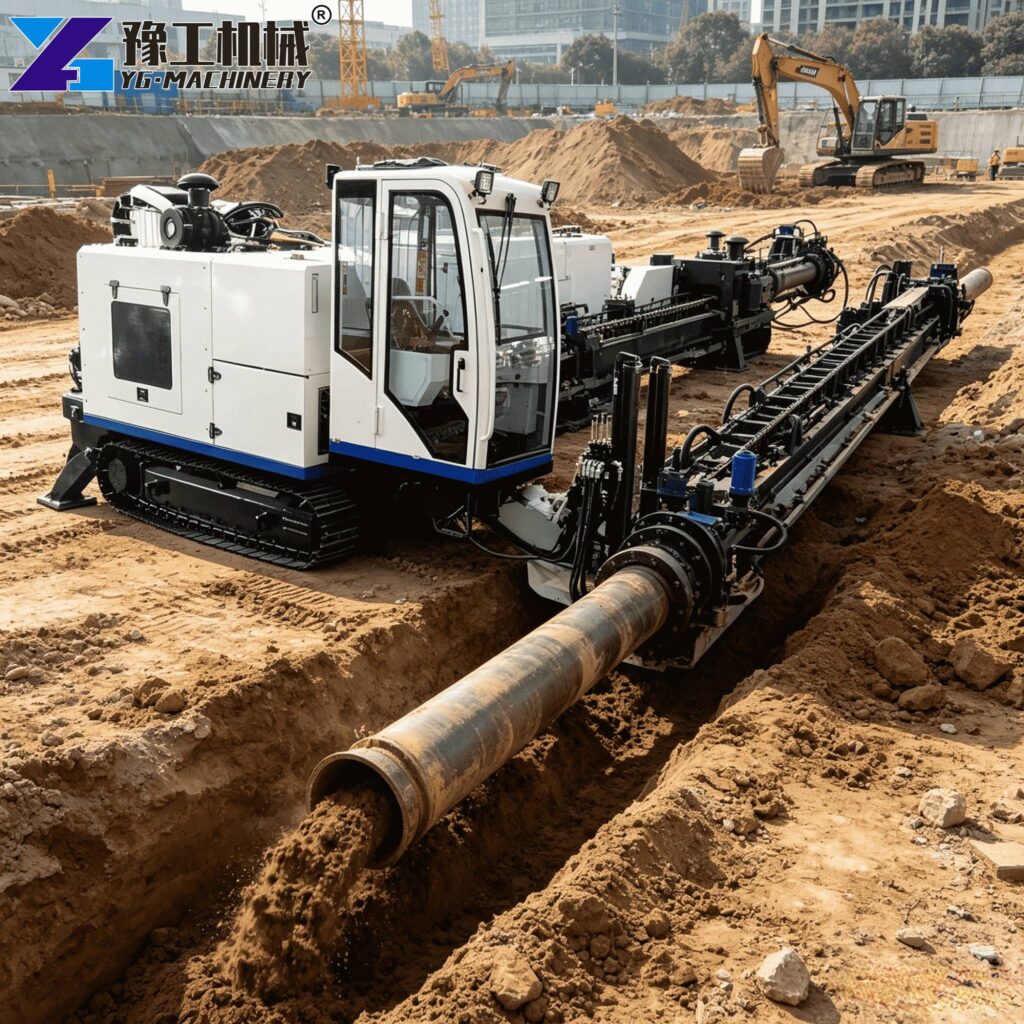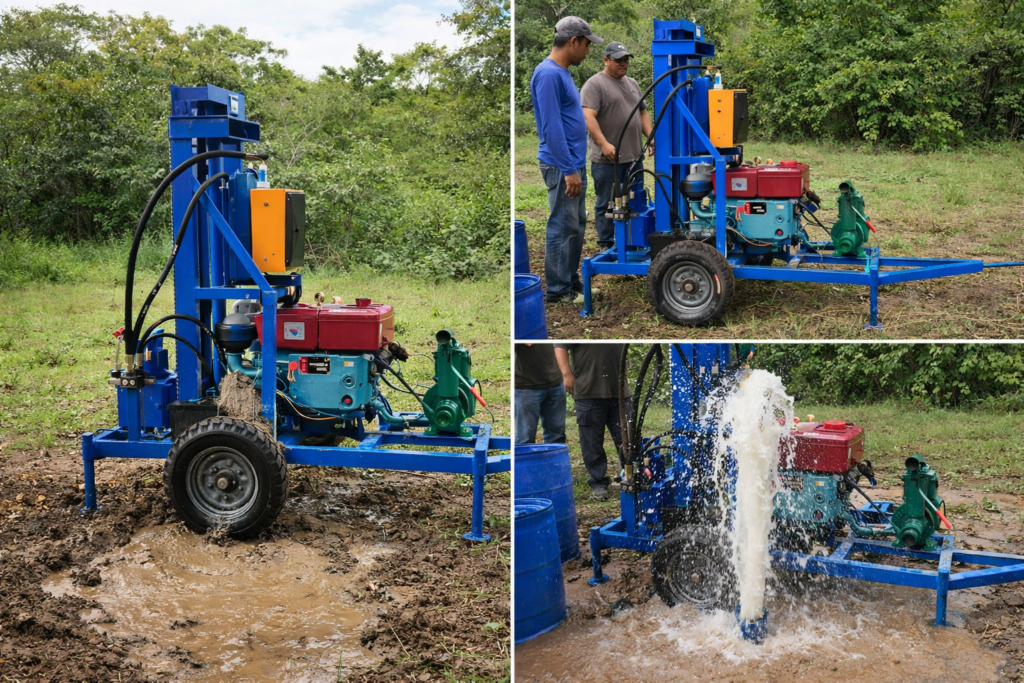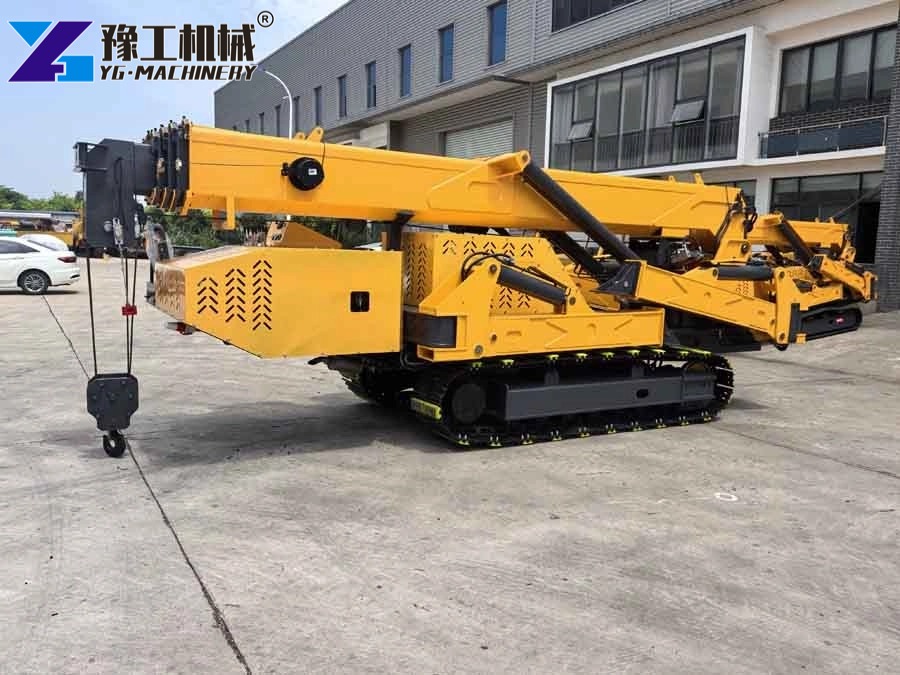
A modern reverse drilling machine has become one of the most important tools in mining exploration, geological investigation, and deep drilling projects. As mineral exploration activities continue to expand worldwide, contractors increasingly rely on this advanced technology to improve drilling speed, reduce contamination, and achieve more accurate sampling results.
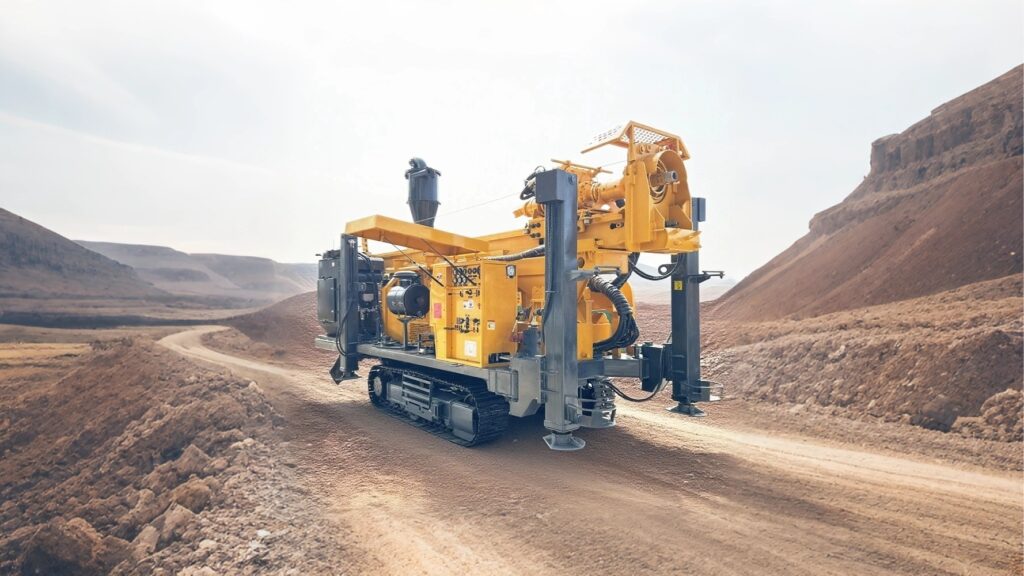
Compared with conventional drilling systems, it offers several major advantages:
- Faster penetration rates
- Cleaner and more accurate samples
- Reduced drilling contamination
- Better performance in hard rock formations
- Lower operational downtime
These advantages make reverse circulation drilling widely used in:
- Gold exploration
- Copper mining
- Geological surveys
- Water well drilling
- Foundation investigation projects
Understanding how reverse drilling works helps contractors and mining companies choose the right equipment for efficient and cost-effective drilling operations.
What Is a Reverse Drilling Machine and How Does It Work?
A reverse drilling machine is a specialized drilling system that uses reverse circulation (RC) technology to recover rock samples from underground formations.
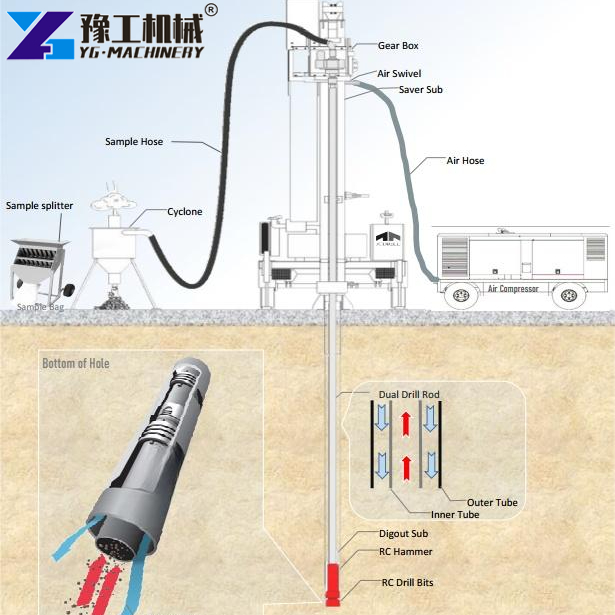
Unlike conventional rotary drilling methods, reverse circulation drilling transports cuttings upward through the inner tube of a dual-wall drill pipe using compressed air.
Basic Working Principle
- Compressed air travels downward between the outer and inner drill pipes
- The DTH hammer and drill bit crush rock formations
- Rock chips move upward through the inner tube
- Samples travel directly to the cyclone separator
- Operators collect clean and uncontaminated samples
This reverse circulation process greatly improves sample quality because the rock fragments remain isolated from the borehole wall during transportation.
👉 Professional Insight:
The cleaner sample recovery process makes RC drilling highly suitable for mineral grade analysis and exploration accuracy.
Main Components of a Reverse Drilling Machine
A high-performance reverse drilling machine combines multiple systems to ensure efficient drilling and sample recovery.
Drill Rod and Dual-Wall Pipe System
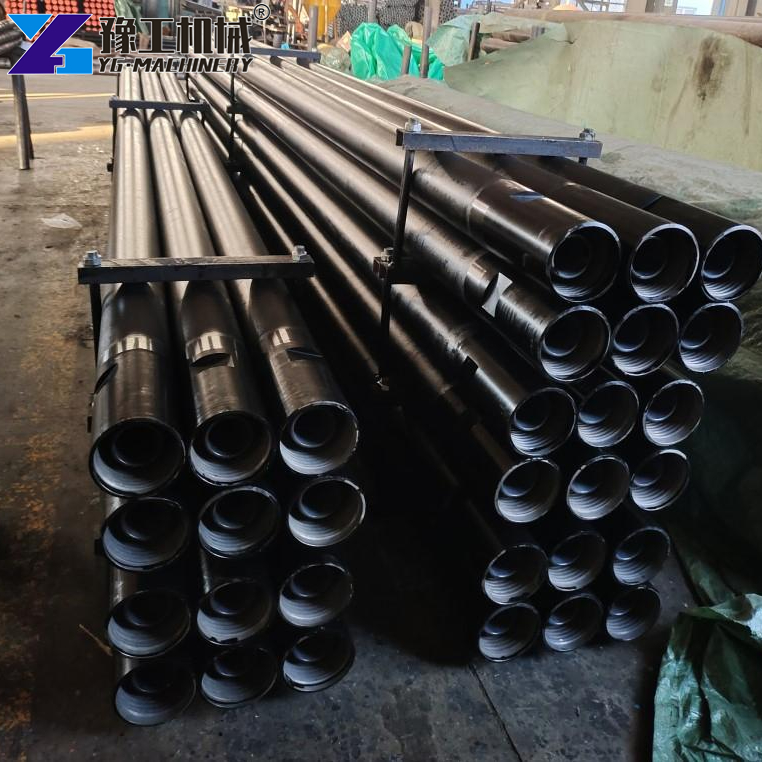
The dual-wall drill pipe serves as the core component of RC drilling technology.
The system includes:
- Outer pipe for downward airflow
- Inner tube for upward sample transport
This design prevents contamination and improves sample integrity.
Advantages of Dual-Wall Drill Pipes
- Cleaner sample recovery
- Reduced dust leakage
- Faster chip transportation
- Better drilling efficiency
Air Compressor System
Compressed air powers the entire reverse circulation drilling process.
The air compressor:
- Drives the DTH hammer
- Removes rock cuttings
- Maintains borehole cleanliness
High-pressure air systems significantly affect:
- Penetration speed
- Drilling depth capability
- Sample transport efficiency
👉 Professional Tip:
Insufficient compressor capacity often reduces drilling efficiency and sample recovery quality.
Cyclone Separator and Sample Collection
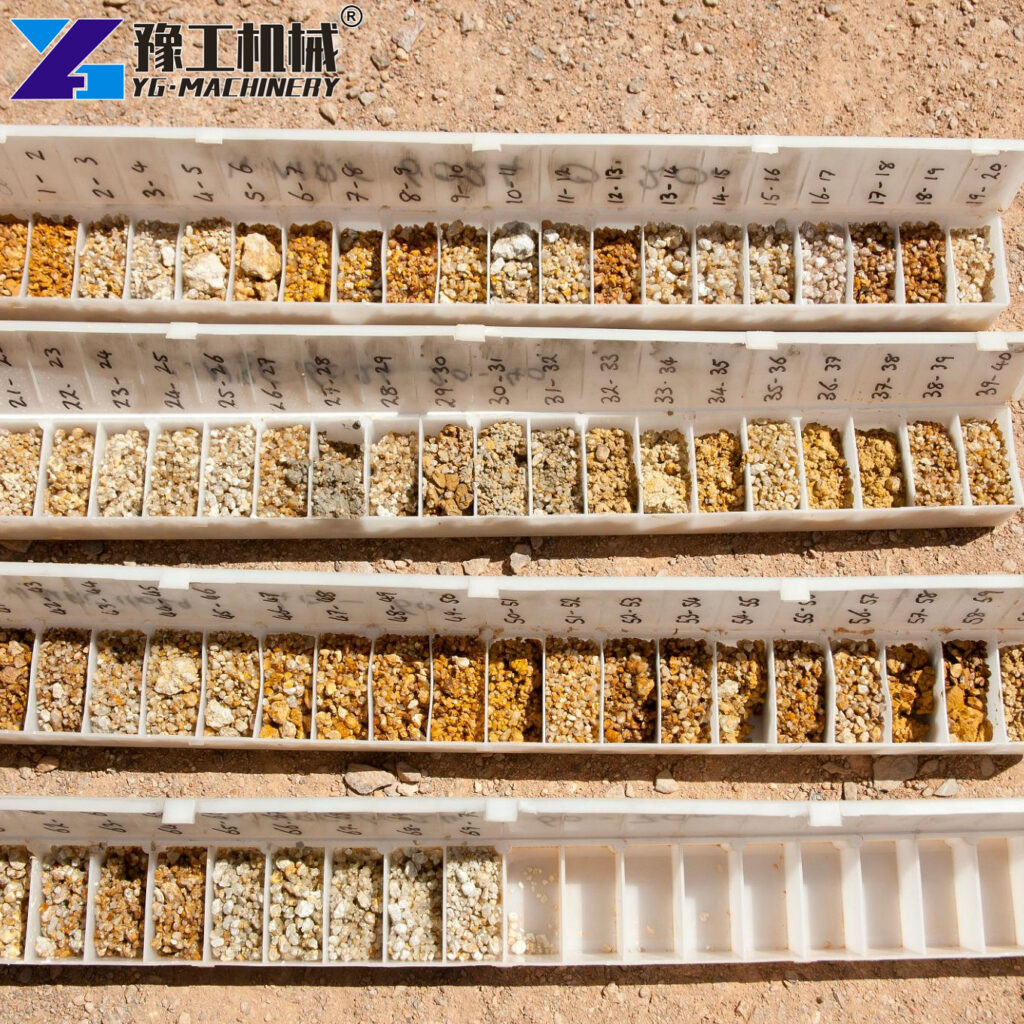
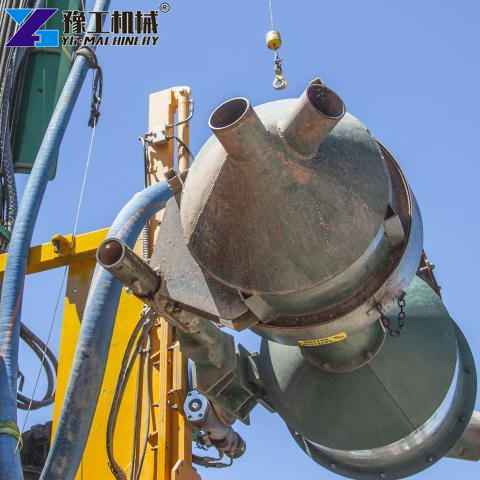
The cyclone separator separates air from rock chips after the samples return through the inner tube.
Key Functions
- Dust control
- Sample separation
- Accurate sample collection
This system ensures:
- Reliable geological analysis
- Minimal contamination
- Better exploration data quality
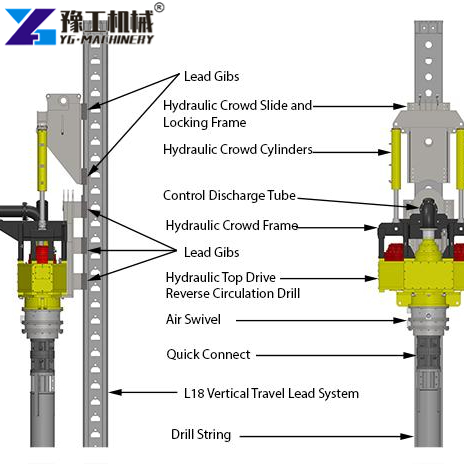
Hydraulic Power System
Modern RC rigs use hydraulic systems to control:
- Rotation speed
- Feed pressure
- Mast movement
- Walking systems
Hydraulic systems provide:
- Flexible operation
- Smooth torque transmission
- Stable drilling performance
Drill Bit and Hammer Assembly
The DTH hammer and drill bit crush underground formations during drilling.
Common bit materials include:
- Tungsten carbide
- Hardened alloy steel
Different geological formations require different bit designs for maximum efficiency.
RC Drilling Machine vs Conventional Drilling Methods
A modern RC drilling machine offers significant advantages compared with traditional drilling technologies.
RC Drilling vs Rotary Drilling
RC Drilling Advantages
- Cleaner samples
- Faster drilling speed
- Reduced contamination
- Better hard-rock performance
Rotary Drilling Advantages
- Lower initial investment
- Simpler equipment setup
However, rotary drilling often produces mixed or contaminated samples.
RC Drilling vs Diamond Core Drilling
Diamond drilling provides solid core samples but usually operates at slower penetration rates.
RC Drilling Benefits
- Higher productivity
- Lower operating cost per meter
- Faster exploration progress
Diamond Drilling Benefits
- Continuous core recovery
- Detailed geological structure analysis
👉 Professional Insight:
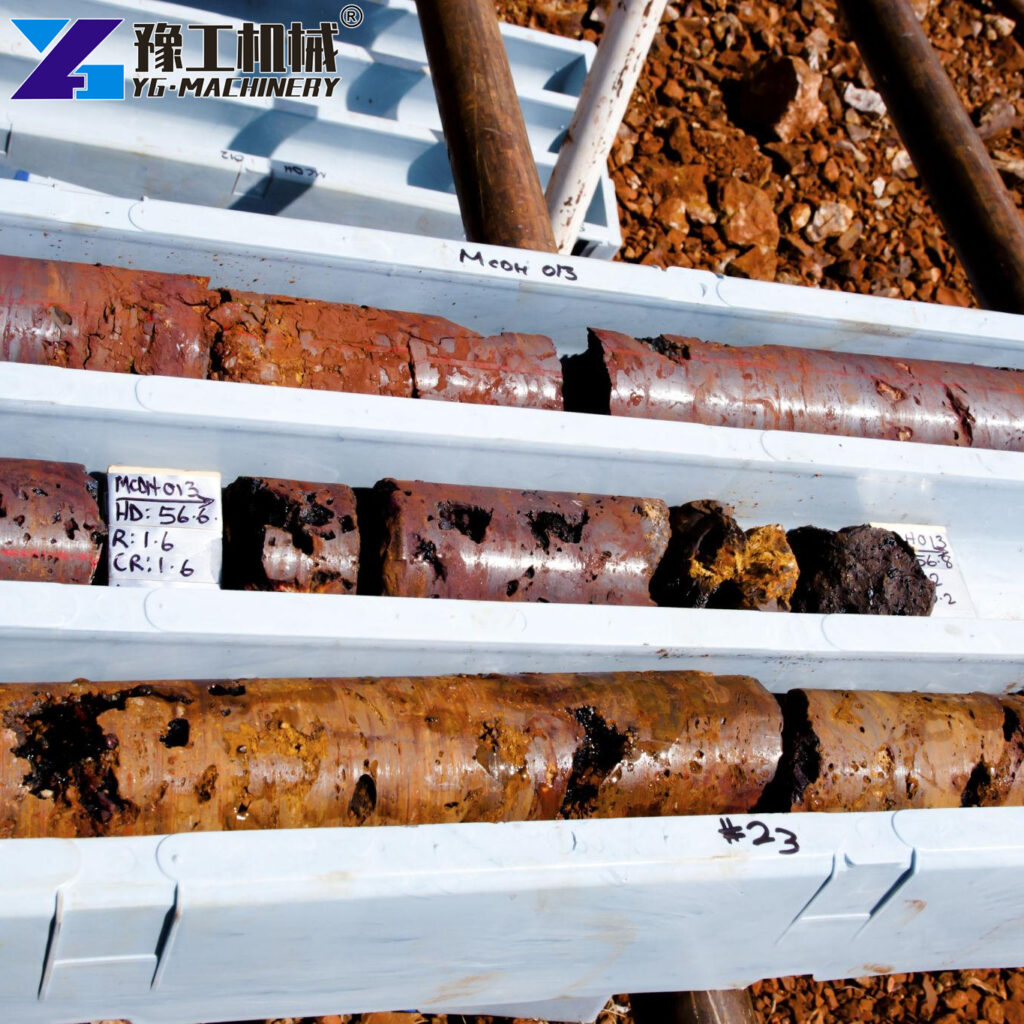
Mining companies often combine RC drilling and diamond drilling during exploration campaigns.
How an RC Drilling Rig Performs Reverse Circulation Drilling
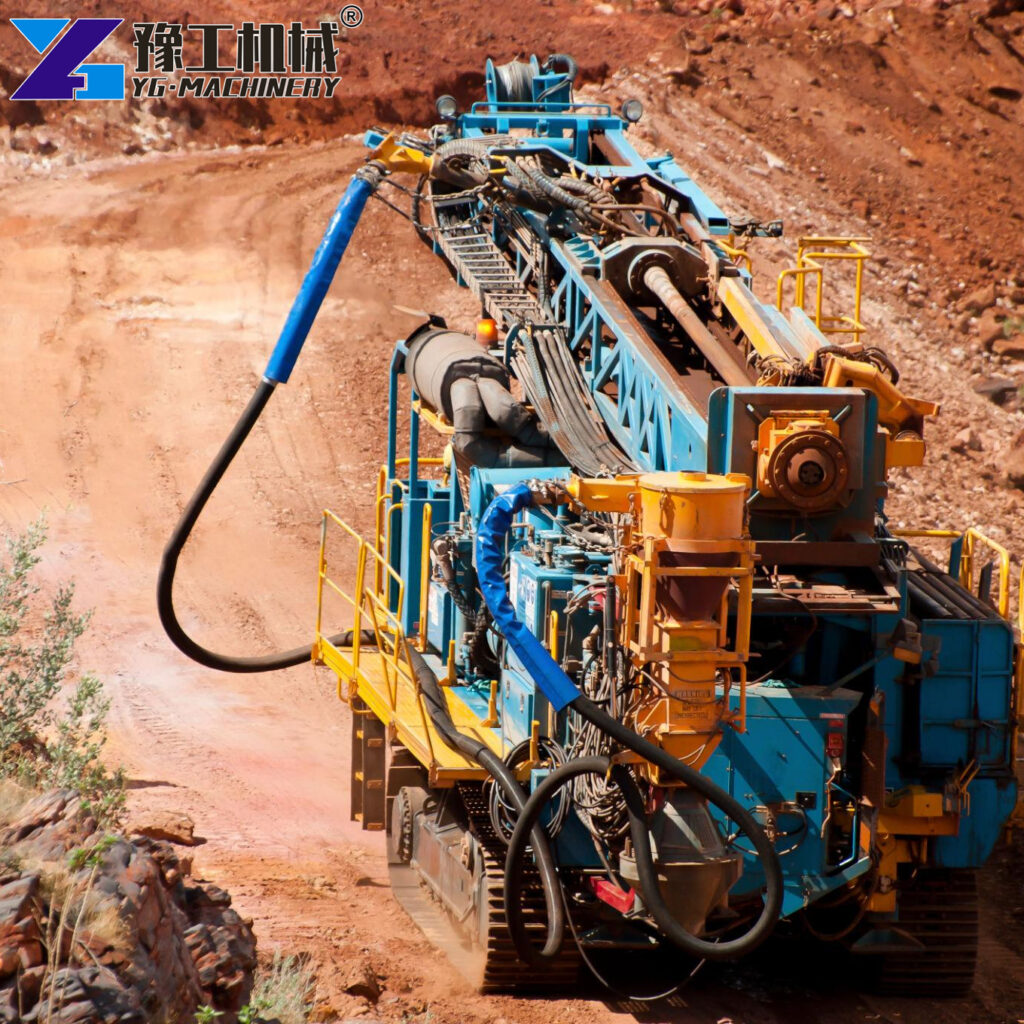
An RC drilling rig performs drilling operations through a continuous circulation process powered by compressed air.
Air Injection Process
Compressed air enters the drill pipe system through the outer tube.
The airflow:
- Powers the DTH hammer
- Cools the drill bit
- Removes drilling debris
Rock Fragment Transportation
After the bit crushes the rock, air pressure forces the cuttings upward through the inner tube.
This reverse circulation movement:
- Prevents contamination
- Improves sample recovery speed
- Reduces hole cleaning time
Sample Collection and Analysis
The cyclone separator collects samples into bags or containers for geological analysis.
Geologists then evaluate:
- Mineral composition
- Ore grade
- Formation characteristics
Accurate samples directly affect exploration decisions and project profitability.
Hole Cleaning and Stability
Continuous airflow keeps the borehole clean during drilling.
Advantages include:
- Reduced hole collapse risk
- Better drilling stability
- Improved penetration rates
Technical Advantages of Reverse Circulation Drilling Equipment
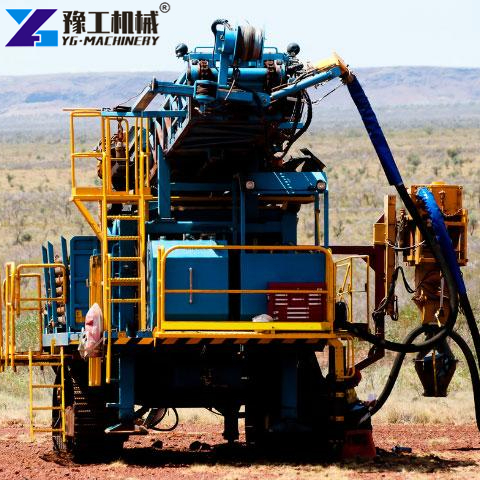
Modern reverse circulation drilling equipment offers several technical benefits.
Faster Drilling Speed
RC drilling achieves high penetration rates, especially in hard rock formations.
Better Sample Quality
Dual-wall drill pipes minimize contamination during sample transport.
Reduced Downtime
Efficient chip removal improves drilling continuity.
Lower Operational Costs
High drilling efficiency reduces labor and fuel costs per drilled meter.
Strong Geological Adaptability
RC drilling handles:
- Hard rock
- Fractured formations
- Dry conditions
- Remote exploration environments
Applications of the Reverse Drilling Machine in Mining and Construction
Reverse circulation drilling technology supports multiple industries.
Mineral Exploration
Mining companies widely use RC drilling for:
- Gold exploration
- Copper exploration
- Iron ore projects
- Rare earth exploration
Geotechnical Investigation
Engineers use RC drilling to evaluate underground conditions before construction projects.
Water Well Drilling
Reverse drilling systems also support deepwater well construction.
Foundation and Infrastructure Projects
Large infrastructure projects require accurate geological investigation before foundation construction.
Reverse Drilling Machine Working Process Step by Step
Site Preparation
Operators prepare the drilling site by:
- Clearing obstacles
- Leveling the ground
- Marking drilling points
Rig Positioning and Setup
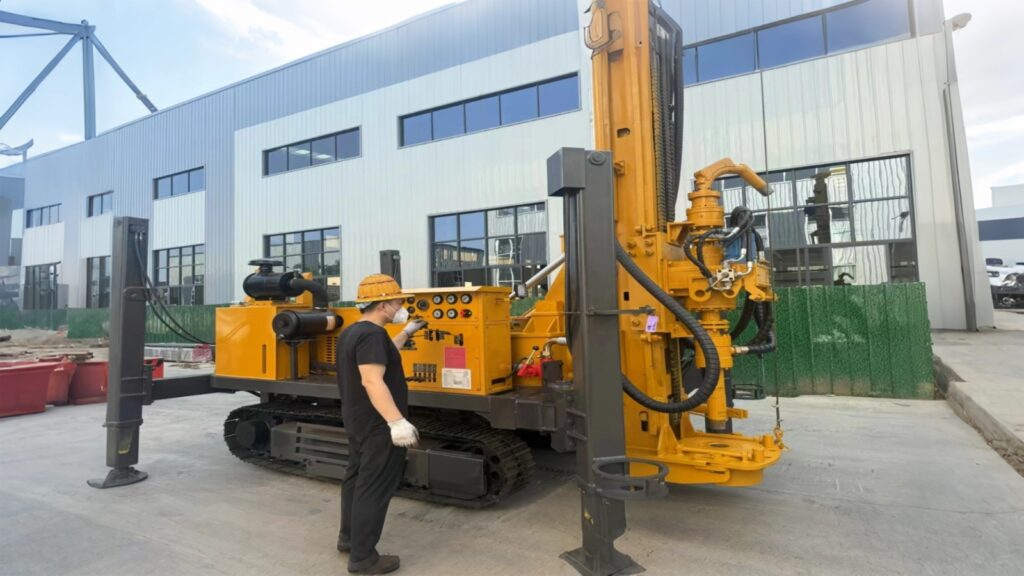
The drilling rig is positioned and stabilized before operation begins.
Hydraulic leveling systems ensure drilling accuracy.
Drilling Operation
The DTH hammer and drill bit begin penetrating the ground while compressed air circulates continuously.
Operators monitor:
- Air pressure
- Rotation speed
- Penetration rate
- Sample recovery quality
Sample Recovery
Rock chips travel upward through the inner tube into the cyclone separator.
Operators label and store samples for geological analysis.
Borehole Completion
Once the target depth is reached, operators:
- Remove drill rods
- Clean the hole
- Secure the borehole if required
Common Drill Bits and Hammers Used in a Reverse Drilling Machine
Selecting the right drilling tools improves efficiency and reduces wear.
Tungsten Carbide Drill Bits
Suitable for abrasive and hard formations.
DTH Hammer Systems
Provide high-impact energy for deep drilling operations.
Bit Selection by Formation
Different formations require different:
- Button designs
- Airflow channels
- Impact configurations
👉 Professional Tip:
Proper tool selection significantly reduces operating cost per meter drilled.
How to Choose the Right Reverse Drilling Machine
Several factors affect equipment selection.
Drilling Depth Requirements
Deeper holes require larger compressors and stronger rigs.
Geological Conditions
Hard rock formations require higher torque and stronger hammer systems.
Compressor Capacity
Airflow volume directly impacts drilling performance.
Mobility and Transportation
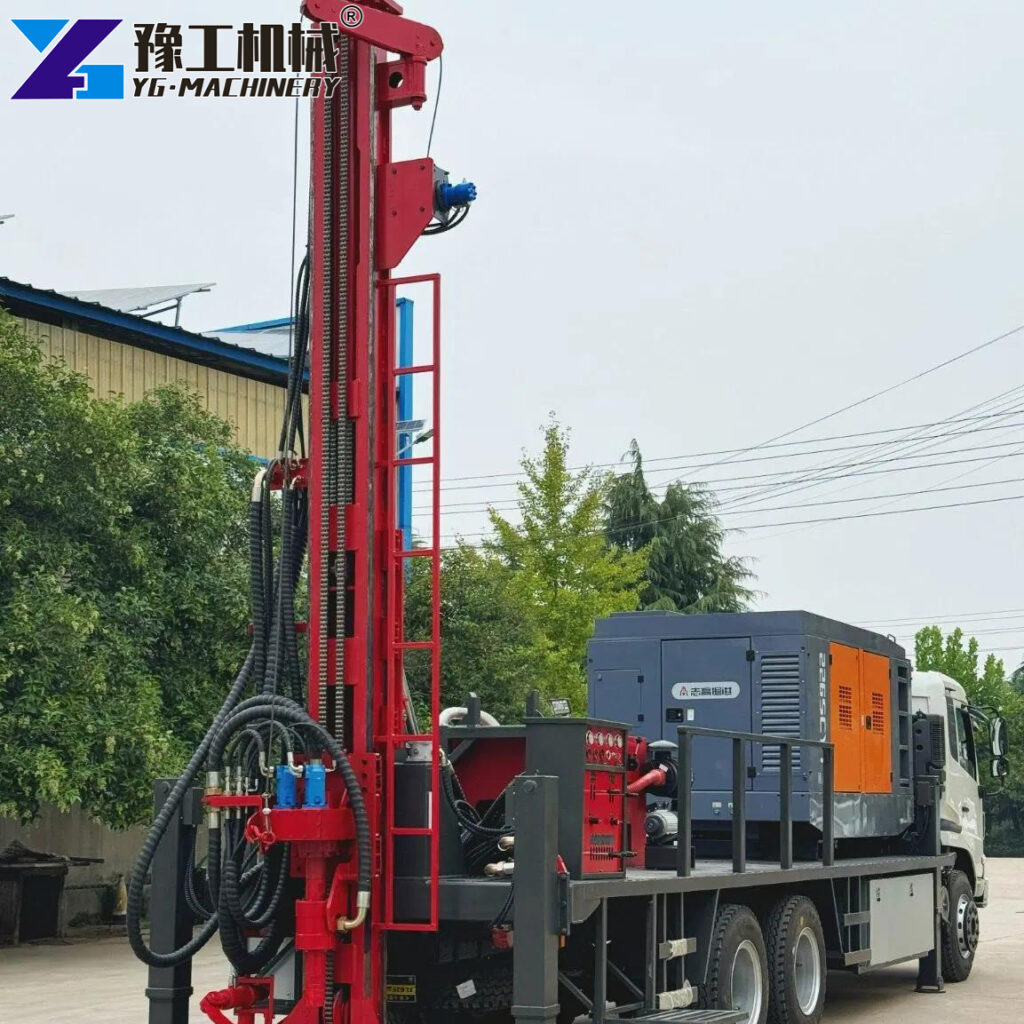
Remote projects often require mobile and truck-mounted rigs.
Cost Analysis and ROI of RC Drilling Rig
An RC drilling rig requires significant initial investment, but it often delivers strong long-term profitability.
Key Cost Factors
- Compressor system
- Hydraulic power system
- Drill rod consumption
- Fuel usage
- Maintenance costs
ROI Advantages
- Faster drilling cycles
- Higher productivity
- Reduced labor requirements
- Better exploration efficiency
For mining contractors, these advantages significantly improve project profitability.
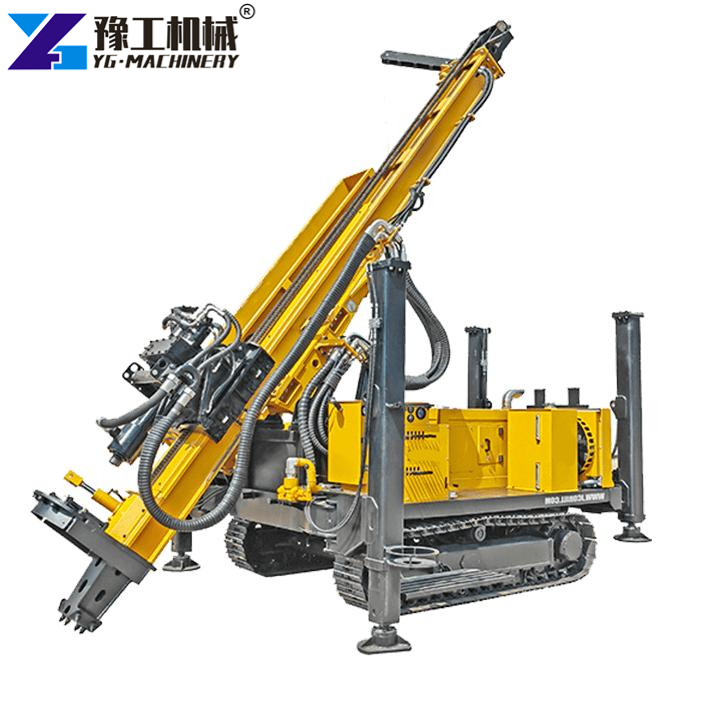
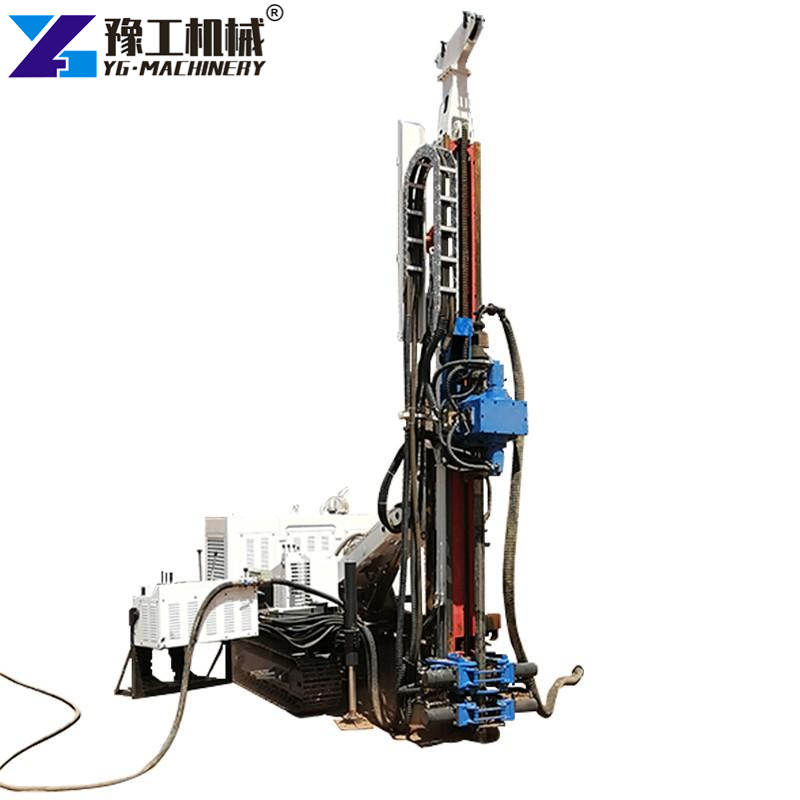
Conclusion – Why Reverse Drilling Machines Are Essential for Modern Exploration
A modern reverse drilling machine has become an essential tool for efficient mineral exploration and geological drilling projects.
Compared with conventional drilling systems, RC drilling technology provides:
- Faster penetration rates
- Cleaner sample recovery
- Better drilling efficiency
- Reduced contamination
- Lower operational costs
Whether you need an RC drilling machine, an RC drilling rig, or complete reverse circulation drilling equipment, choosing the right drilling system directly affects exploration accuracy and project success.
👉 Contact YG Machinery today to get professional drilling solutions and factory-direct pricing for your next exploration project.