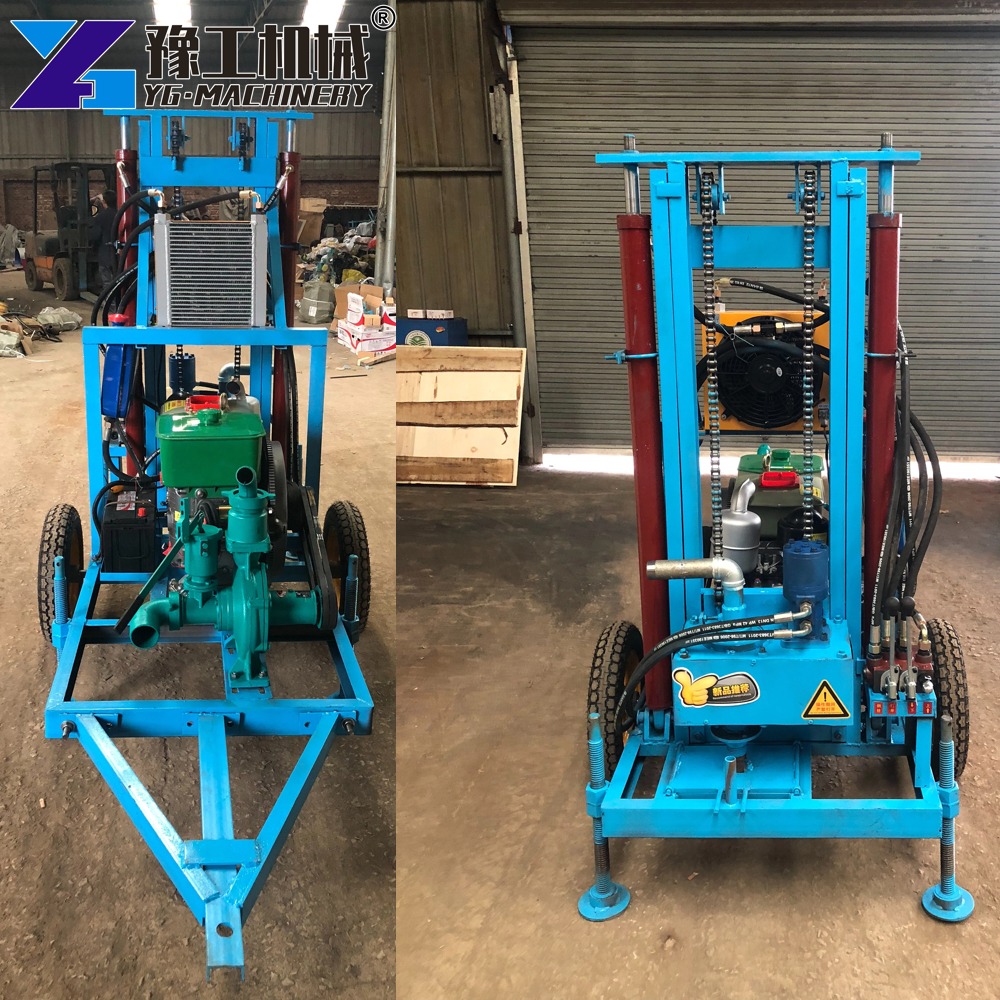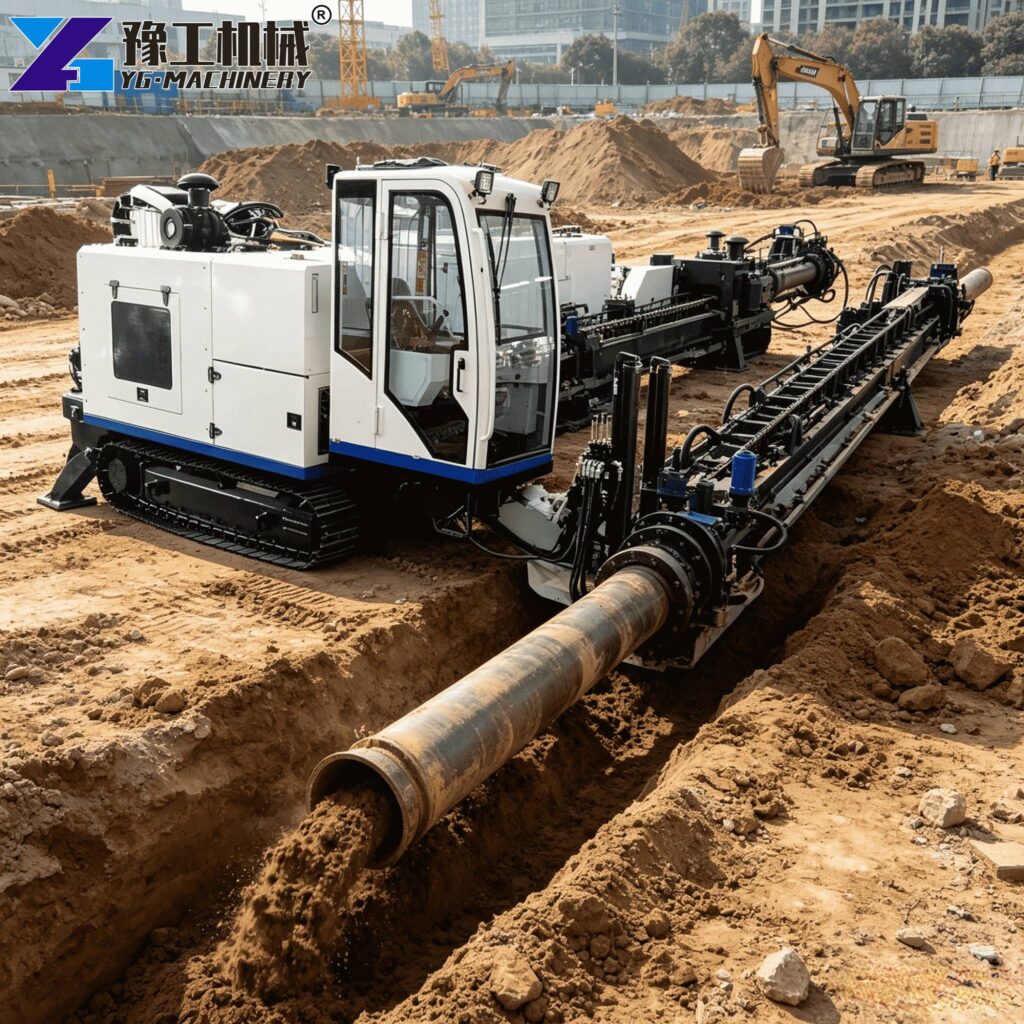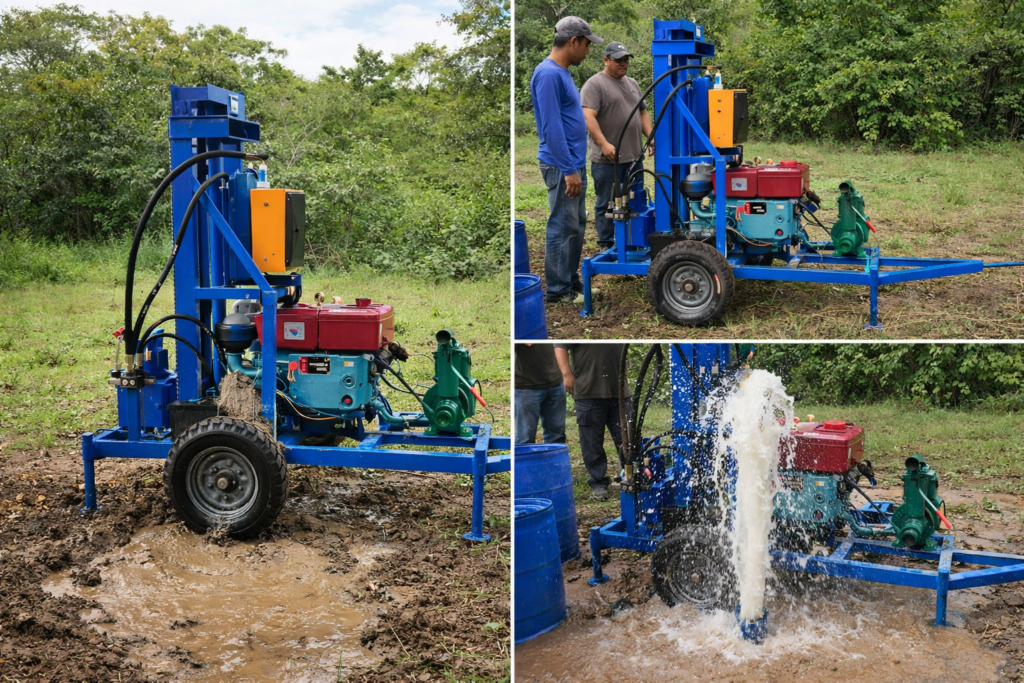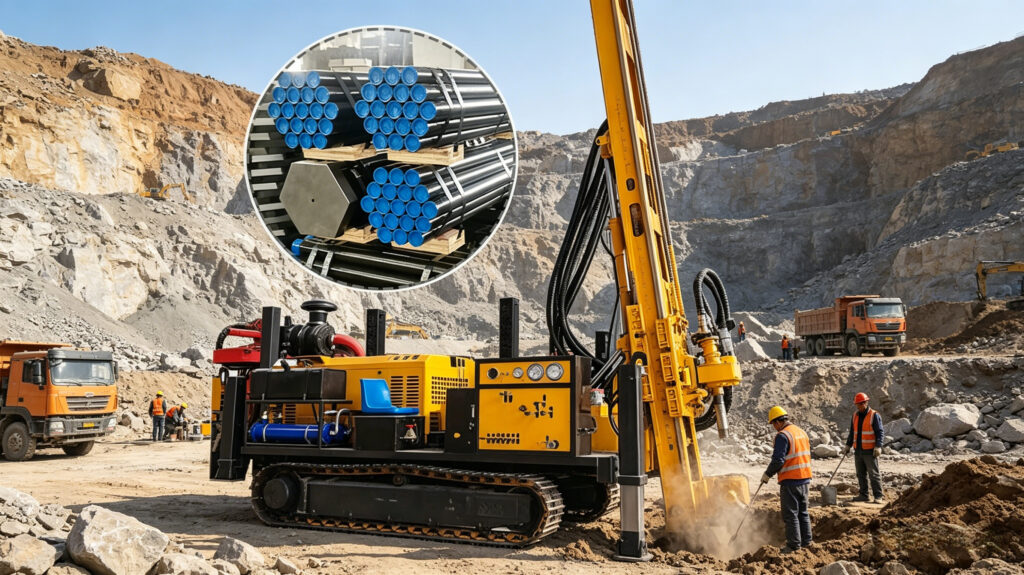
Hydraulic rotary drilling rig technology has become a key solution in modern foundation engineering. Contractors across infrastructure, bridge, highway, industrial, and commercial construction projects now require equipment that can deliver stable drilling performance, deeper foundation capacity, and lower labor pressure. Compared with traditional pile construction methods, this type of equipment improves efficiency while reducing site disruption and construction time.
YG Machinery focuses on practical engineering solutions for global customers. Our drilling equipment combines strong hydraulic power, stable structural design, and flexible operation to support demanding job sites in different environments. Whether working in clay, sand, gravel, or hard rock formations, the machine maintains reliable drilling performance and smooth operation.
Learn how contractors use this machine in real working conditions.
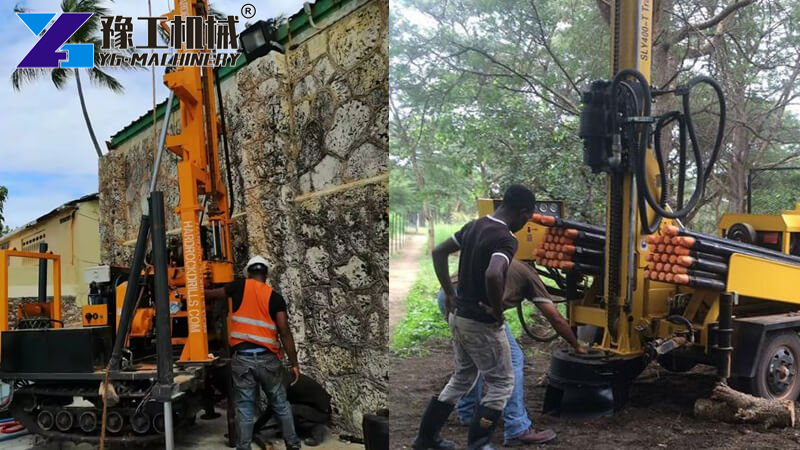
What Is a Hydraulic Rotary Drilling Rig?
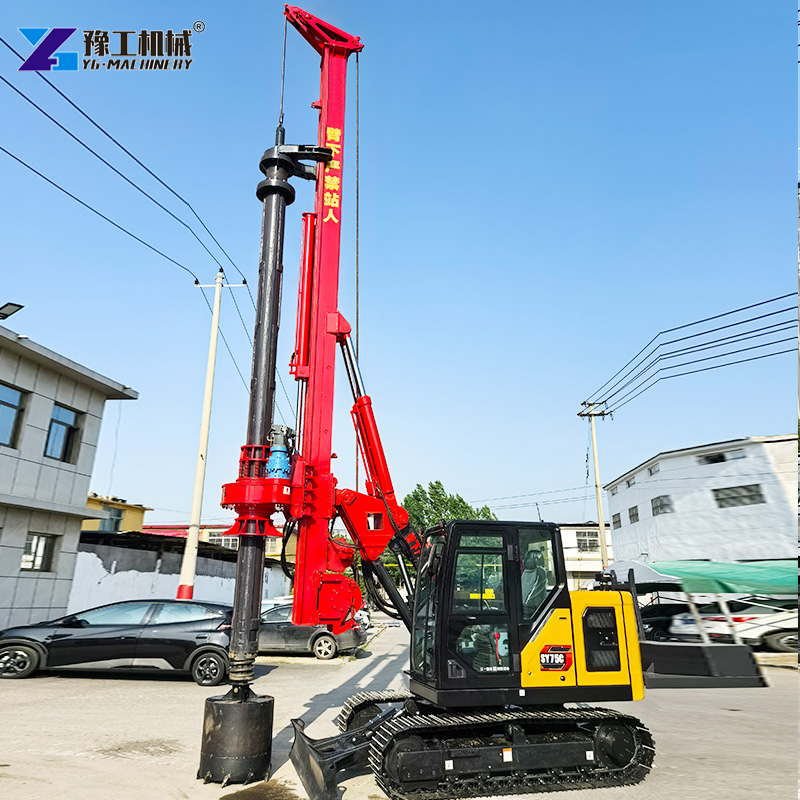
A hydraulic rotary drilling rig is a heavy-duty foundation construction machine used for bored pile construction. It creates deep foundation holes through rotary drilling technology and hydraulic power transmission. The equipment is widely used in highways, railway bridges, high-rise buildings, solar foundations, and municipal engineering projects.
Compared with conventional excavation methods, this solution offers several advantages:
- Faster drilling speed
- Lower labor intensity
- Better hole accuracy
- Reduced environmental impact
- Stronger adaptability to complex geology
The machine uses hydraulic systems to drive drilling tools while maintaining stable torque output. This design helps improve drilling efficiency and foundation quality in large-scale engineering projects.
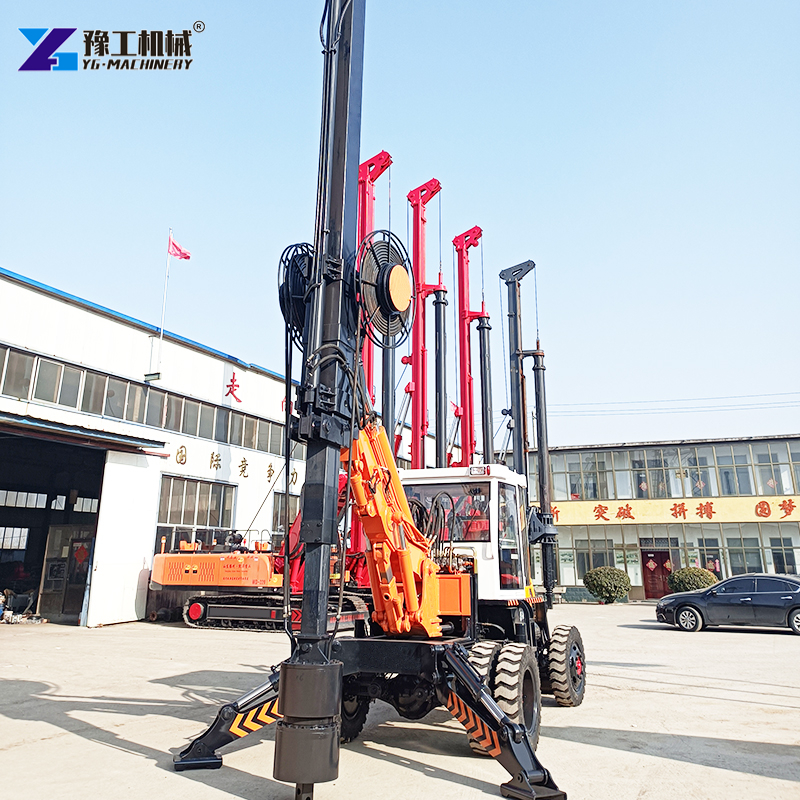
Piling Drilling Rig Structure and Main Components
Modern piling equipment requires durable structural engineering and stable hydraulic performance. YG Machinery designs the equipment with reinforced components to improve durability and long-term operation.
Main Structural Components
Chassis System
The reinforced chassis improves machine stability during drilling operations. The heavy-duty frame reduces vibration and enhances balance on uneven terrain.
Rotary Power Head
The rotary unit delivers strong torque output for different geological conditions. It supports continuous drilling performance in both soft soil and hard rock layers.
Hydraulic Control System
The hydraulic system controls movement, rotation, lifting, and drilling operations. Precise pressure control improves drilling accuracy and operational safety.
Drill Mast and Kelly Bar
The mast structure supports vertical drilling stability. The Kelly bar transfers torque efficiently during deep foundation construction.
Engine System
The powerful diesel engine provides stable energy output for continuous operation under demanding site conditions.
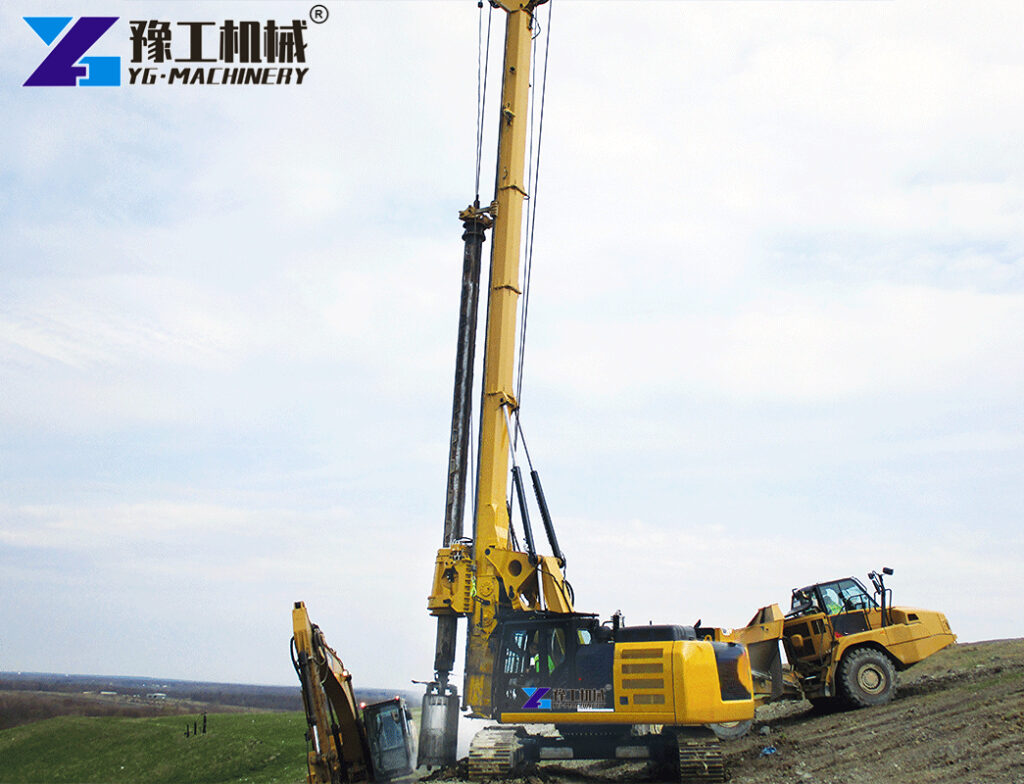
How a Hydraulic Rotary Drilling Rig Works
The working process combines hydraulic power transmission with rotary drilling technology. The system creates foundation holes through continuous drilling and soil removal.
1. Positioning and Setup
The operator positions the equipment according to the foundation layout. Hydraulic stabilizers help maintain balance before drilling begins.
2. Rotary Drilling Operation
The rotary drive powers the drilling tool while applying downward pressure. Soil, sand, or rock material is gradually removed during operation.
3. Hole Cleaning Process
After reaching the required depth, the machine cleans debris and loose material from the hole to ensure foundation quality.
4. Reinforcement and Concrete Placement
Steel reinforcement cages are inserted into the completed hole before concrete pouring begins.
This construction process improves foundation stability and load-bearing performance for large engineering projects.
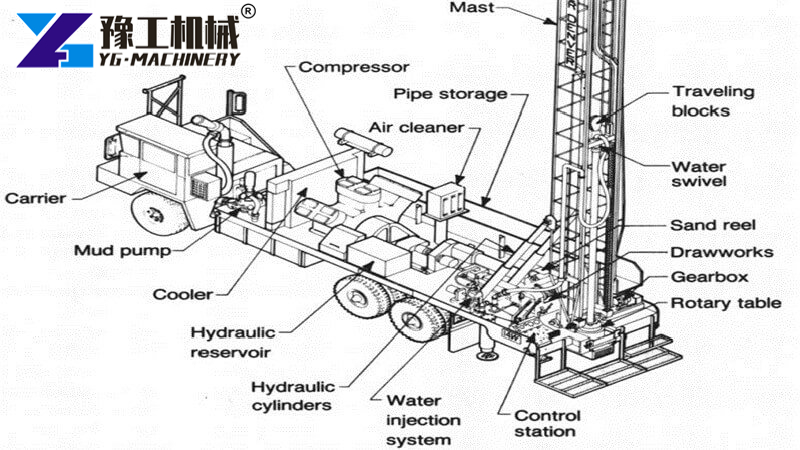
Rotary Drilling Rig Machine for Efficient Construction
Construction contractors often focus on drilling speed, operation flexibility, and site adaptability when selecting equipment.
High-Efficiency Drilling Performance
Strong hydraulic output improves drilling speed and reduces project completion time.
Deep Foundation Capability
The equipment supports deep drilling applications for bridges, commercial buildings, and infrastructure projects.
Stable Operation on Complex Terrain
The reinforced chassis structure improves stability during operation on uneven or soft ground conditions.
Automated Operation Features
Hydraulic controls simplify machine operation and reduce operator workload during long construction shifts.
Multi-Geological Adaptability
The machine performs effectively in clay, gravel, sand, weathered rock, and mixed geological conditions.
Hydraulic Drilling Machine for Foundation Engineering Applications
Foundation engineering projects require reliable drilling equipment capable of adapting to different construction environments.
Municipal Construction
Used for urban infrastructure, drainage systems, and public utility projects.
Highway and Bridge Foundations
Provides stable pile construction support for transportation infrastructure.
High-Rise Building Foundations
Supports deep foundation drilling for commercial and residential towers.
Solar and Energy Projects
Suitable for renewable energy foundation construction and industrial facilities.
Railway Engineering
Improves drilling efficiency for railway bridge and support structure foundations.
Hydraulic Rotary Drilling Rig Technical Specifications
YG Machinery provides practical drilling solutions for different construction requirements. The following specifications reflect the core performance capabilities of the equipment.
| Item | Specification |
|---|---|
| Dimensions (mm) | 7900 × 2260 × 3100 |
| Vehicle Mass (kg) | 8000 |
| Wheelbase (mm) | 3150 |
| Front / Rear Wheelbase (mm) | Front 1400 / Rear 1060 |
| Drilling Depth (m) | 13 |
| Drilling Diameter (mm) | 600–1600 |
| Rotation Angle | 180 Degree |
| Walking Speed (km/h) | 50 |
| Gear Pump Model | CBJT2080 |
| Hydraulic Working Pressure (MPa) | 20–25 |
| Hydraulic System Displacement (ml/r) | 80 |
| Engine Model | 4108 |
| Engine Power | High-performance diesel engine |
Parameter Interpretation
Drilling Diameter Range
The 600–1600 mm drilling capacity supports different pile foundation sizes for commercial and infrastructure projects.
Hydraulic Pressure System
Stable hydraulic pressure output improves drilling consistency and overall construction efficiency.
Compact Machine Dimensions
The optimized structure allows easier transportation between construction sites while maintaining strong working performance.
Mobility Performance
The high walking speed improves movement efficiency during multi-location construction tasks.
What Is a Foundation Drilling Machine? View Details
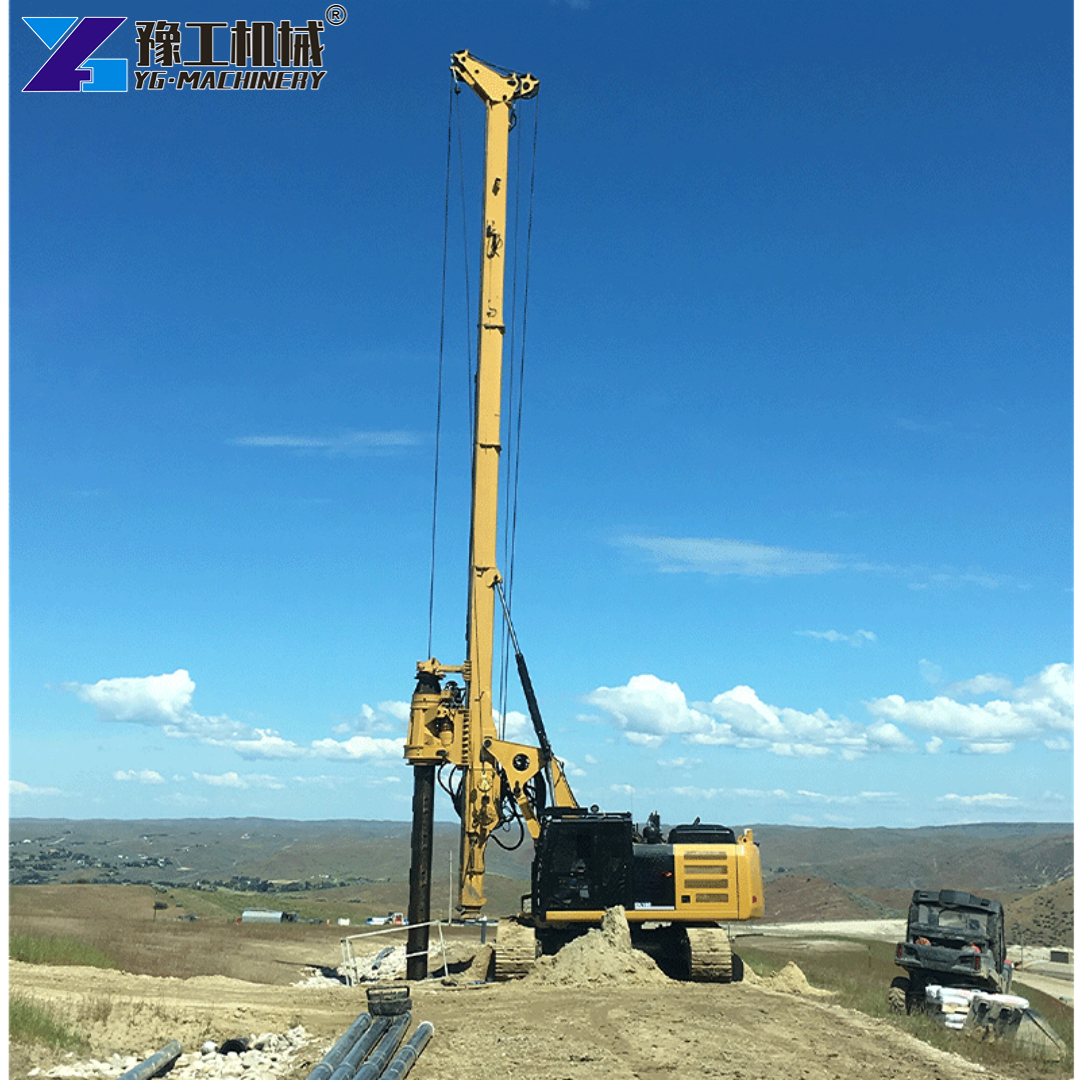
Advantages of Choosing YG Machinery
YG Machinery focuses on reliable construction equipment for international customers. Our engineering team continuously improves structural durability and hydraulic system performance based on real project feedback.
Export Experience
The company has supplied equipment to Asia, Africa, the Middle East, and South America.
Technical Support
Professional technical assistance helps customers with installation guidance and operational training.
Stable Product Quality
Strict production inspection standards improve equipment reliability and long-term performance.
Flexible Customization
Customized drilling solutions are available according to project requirements and local working conditions.
Key Performance Advantages in Real Construction Projects
Lower Labor Pressure
Hydraulic operation systems simplify drilling control and reduce operator fatigue.
Faster Project Completion
Improved drilling speed helps contractors shorten construction schedules.
Reduced Downtime
Durable hydraulic components improve long-term operational stability.
Better Hole Accuracy
Stable mast structure and hydraulic control improve vertical drilling precision.
Strong Environmental Adaptability
The machine performs effectively in high-temperature, dusty, and humid environments.
How to Choose the Right Hydraulic Rotary Drilling Rig
Selecting suitable drilling equipment depends on project requirements, soil conditions, and construction scale.
Consider Drilling Depth Requirements
Large infrastructure projects usually require deeper drilling capabilities and stronger torque output.
Evaluate Geological Conditions
Soft soil, gravel, and rock formations require different drilling tools and hydraulic performance levels.
Analyze Transportation Conditions
Compact equipment dimensions improve transportation convenience for remote construction sites.
Focus on Long-Term Operating Costs
Reliable hydraulic systems reduce maintenance expenses and improve operational efficiency.
Match Equipment With Project Scale
Medium-sized projects may prioritize flexibility, while large-scale infrastructure projects require stronger drilling capacity.
Maintenance Tips for Long-Term Equipment Stability
Regular maintenance improves machine lifespan and operational reliability.
Daily Inspection
Check hydraulic hoses, oil levels, and drilling components before operation.
Lubrication Maintenance
Apply lubrication to moving components according to maintenance schedules.
Hydraulic System Monitoring
Inspect hydraulic pressure and seals regularly to prevent leakage.
Engine Servicing
Follow engine maintenance intervals to maintain stable power output.
Cleaning Procedures
Remove soil and drilling residue after the operation to reduce component wear.
Frequently Asked Questions
The machine can work in clay, sand, gravel, weathered rock, and mixed geological formations.
Yes. Proper training improves operational safety and drilling efficiency during foundation construction.
Yes. Different drilling buckets and tools can be configured according to project requirements.
The compact structure improves transportation convenience and reduces preparation time between sites.
Yes. Technical guidance, spare parts support, and operational assistance are available for international customers.
Bridge foundations, highway engineering, municipal construction, solar foundations, and building projects frequently use this drilling solution.
Replacement schedules depend on operating conditions and usage frequency. Regular inspection is recommended.
Yes. The hydraulic system and engine configuration support operation in high-temperature environments.