Vietnam has become one of Southeast Asia’s fastest-growing manufacturing centers. The country’s rubber processing industry continues to expand alongside the automotive, electronics, and industrial equipment sectors. Many manufacturers are upgrading production equipment to improve product consistency, reduce energy consumption, and increase output. Stable molding quality has become increasingly important as export orders continue to grow.
In early 2025, a rubber products manufacturer in southern Vietnam contacted YG Machinery after searching online for a reliable rubber molding press. The company planned to expand production of industrial rubber seals, vibration pads, and molded rubber components for construction machinery. Their existing equipment had operated for more than ten years and could no longer meet increasing production requirements.
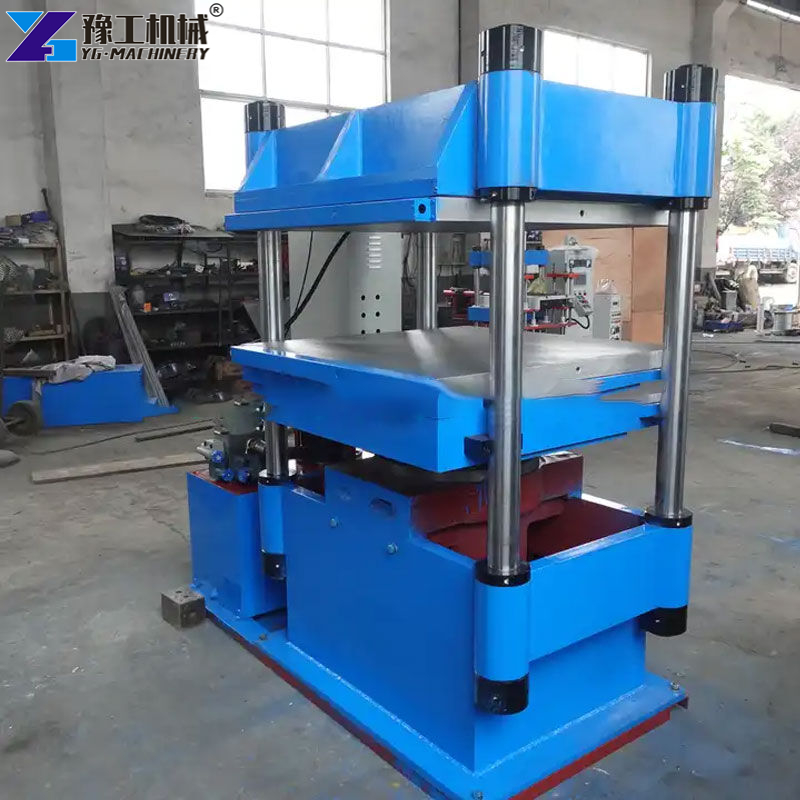
After several rounds of technical discussions, online meetings, equipment evaluation, factory testing, and export preparation, the customer selected a customized 300T rubber molding press. The machine was successfully delivered to Vietnam and entered production shortly after installation. The project demonstrated how proper equipment selection can improve manufacturing efficiency while reducing long-term operating costs.
Start Your Project with the Right Equipment
Why The Customer Needed A Rubber Molding Press
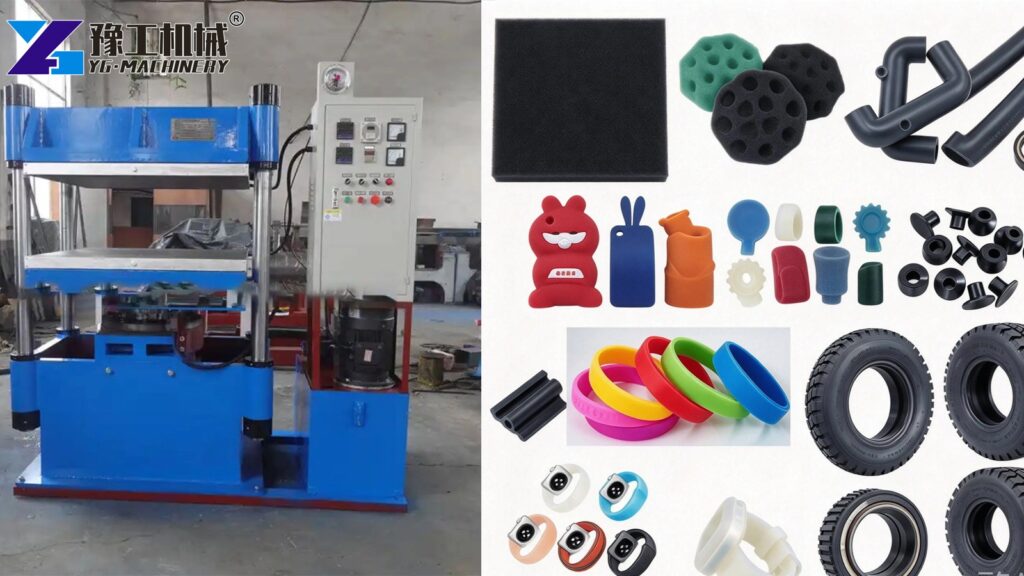
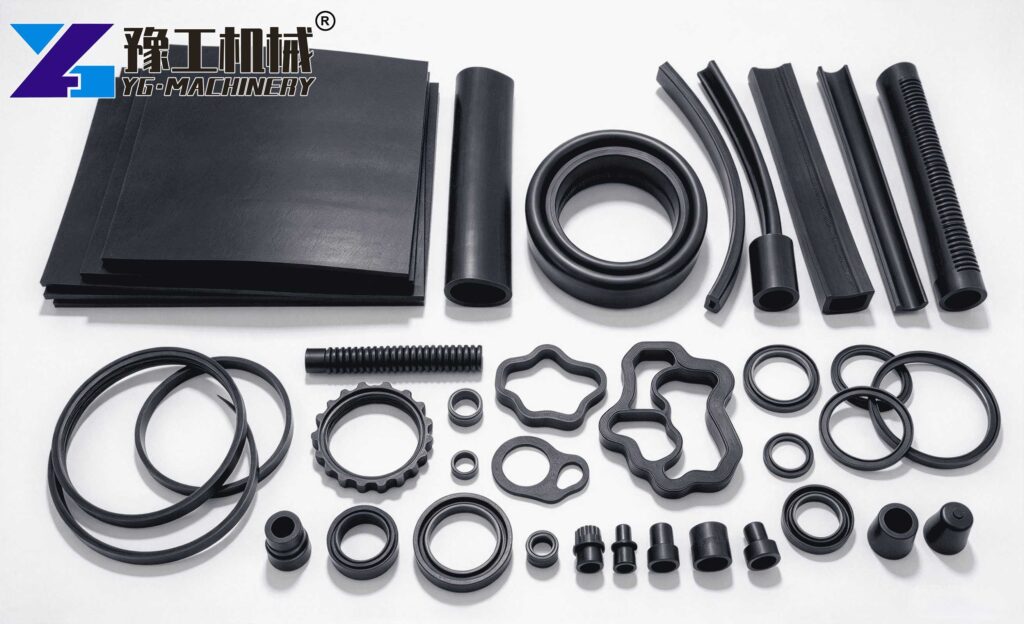
The customer operates a medium-sized rubber products factory supplying molded components to equipment manufacturers across Southeast Asia. Their products include industrial seals, anti-vibration pads, rubber bushings, and custom compression-molded parts. Most finished products are exported, making production stability an important competitive advantage.
Although the factory already operated several hydraulic presses, production managers identified growing challenges as order volume increased. Hydraulic pressure fluctuated during long production runs, curing cycles became less consistent, and maintenance costs continued to rise. Equipment downtime also affected delivery schedules during peak production periods.
Before contacting YG Machinery, the management team established several purchasing objectives:
- Stable hydraulic pressure throughout each molding cycle
- Consistent platen temperature distribution
- Lower maintenance requirements
- Reduced electricity consumption
- Simple daily operation
- Reliable spare parts support
- Long equipment service life
After comparing several suppliers from China and other Asian markets, the customer arranged its first online meeting with YG Machinery to discuss technical solutions.
Industrial Rubber Vulcanizing Machine Requirement Analysis
Rather than recommending equipment immediately, YG Machinery’s engineers first studied the customer’s production process in detail. During the video conference, the customer shared product drawings, mold dimensions, production schedules, and workshop layouts. Engineers also reviewed the factory’s existing hydraulic presses to understand the limitations affecting daily production.
Several factors influenced the equipment selection. Most molded products required medium-sized molds with stable closing pressure during the curing process. The factory planned to operate two production shifts each day and expected output to increase by nearly 30% within the next two years. Installation space inside the workshop was also limited, making overall machine dimensions an important consideration.
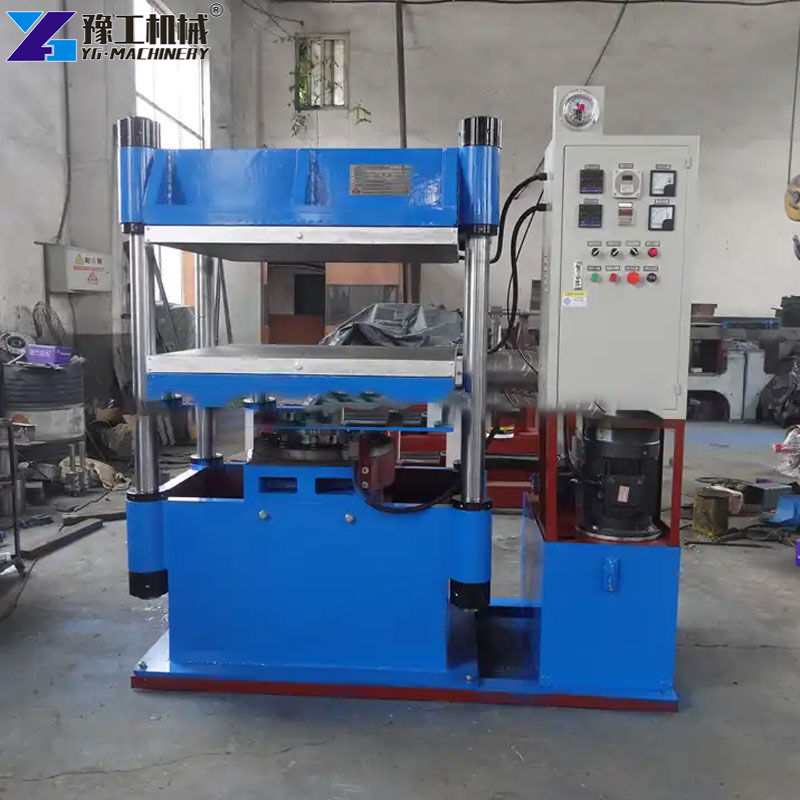
Energy efficiency remained another key concern. Electricity represented a significant portion of manufacturing costs, so management wanted a machine capable of delivering stable hydraulic performance without unnecessary power consumption. After evaluating every requirement, YG Machinery recommended a customized 300T Rubber Vulcanizing Press model that balanced production capacity, operating costs, and future expansion plans.
Boost Productivity—Get a Free Quote
Why The Customer Selected The 300T Rubber Molding Press
Several machine configurations were evaluated during the technical consultation. The customer initially compared 250T, 300T, and 350T models. YG engineers analyzed mold dimensions, required clamping force, production efficiency, and long-term investment costs before preparing a recommendation report.
The analysis showed that the 250T model could complete current production tasks but offered limited capacity for future expansion. The 350T model provided higher pressure but required greater investment and occupied more workshop space than necessary. After reviewing production forecasts together, both engineering teams agreed that the 300T rubber molding press offered the most practical solution.
The selected machine provided several important advantages:
- 300-ton hydraulic pressure
- Plate sizes up to 650 × 650 mm
- 300 mm piston stroke
- Dual 7.5 kW hydraulic motors
- Stable pressure control throughout curing
- Heavy-duty welded steel structure
The customer also appreciated the machine’s maintenance-friendly design. Hydraulic components remained easily accessible, reducing servicing time and simplifying routine inspections. During the final online meeting, YG engineers explained hydraulic operation, mold replacement procedures, preventive maintenance, and installation requirements before both parties confirmed the final production configuration.
YG Rubber Manufacturing Equipment Technical Parameters
Before confirming the final order, YG Machinery prepared a complete technical comparison covering several available models. The engineering team compared clamping force, platen dimensions, piston stroke, and motor power with the customer’s production requirements. Because most rubber products used medium-sized molds and required stable pressure throughout each curing cycle, the 300T model delivered the best balance between productivity and investment cost.
The customer also reviewed future expansion plans during the evaluation process. Selecting a machine with sufficient production capacity would reduce the need for additional equipment in the short term. After reviewing every specification together, the factory approved the final configuration and confirmed production.
| Model | 150T | 200T | 300T | 350T | 500T |
|---|---|---|---|---|---|
| Clamping Force | 1500KN | 2000KN | 3000KN | 3500KN | 5000KN |
| Platen Size | 500×500mm | 560×560mm | 650×650mm | 750×750mm | 900×900mm |
| Piston Stroke | 250mm | 250mm | 300mm | 300mm | 350mm |
| Daylight Opening | 300mm | 300mm | 350mm | 350mm | 400mm |
| Heating Plate Quantity | 2 | 2 | 2 | 2 | 2 |
| Heating Method | Electric | Electric | Electric | Electric | Electric |
| Motor Power | 5.5kW | 7.5kW | 2×7.5kW | 2×7.5kW | 2×11kW |
| Voltage | Customized | Customized | Customized | Customized | Customized |
The 150T and 200T models are commonly used for small molded rubber products. The 300T model suits medium-volume industrial production and provides higher flexibility for different mold sizes. Larger 350T and 500T machines are generally selected for heavy rubber components, large industrial products, and higher production capacity.
Compare Models and Get a Quote
Video Meeting And Factory Inspection Before Order Confirmation
After agreeing on the recommended model, both companies arranged another online meeting to finalize technical details. Engineers reviewed hydraulic drawings, electrical layouts, mold installation dimensions, and workshop utilities. The customer wanted to ensure that installation could begin immediately after the equipment arrived in Vietnam.
Several configuration adjustments were completed before production started. The electrical system was modified to match the local power supply, while operating language labels were translated into English for easier operator training. Additional hydraulic fittings and maintenance tools were also included with the shipment to simplify future servicing.
Before making the final payment, the customer requested a factory inspection. YG Machinery recorded detailed production videos, hydraulic pressure tests, platen heating tests, and machine operation demonstrations. These materials allowed the customer to verify equipment performance before shipment. After reviewing every inspection report, the purchasing manager approved the final delivery schedule.
Manufacturing, Quality Inspection And Export Preparation
Production officially began after receiving the customer’s confirmation. Every manufacturing stage followed the planned delivery schedule, while quality inspectors monitored key processes throughout assembly. Hydraulic cylinders, pumps, valves, electrical components, and heating plates were carefully inspected before installation.
Once assembly was completed, the machine entered a comprehensive testing phase. Engineers conducted hydraulic pressure testing, platen temperature uniformity inspection, repeated opening and closing cycle tests, electrical safety verification, and continuous operation trials. Temperature differences across the heating plates remained within acceptable industrial tolerances, helping ensure consistent vulcanization quality during production.
Because the equipment would be transported overseas, additional export protection measures were applied before loading. Exposed metal surfaces received anti-rust treatment, hydraulic ports were sealed against contamination, and electrical cabinets were protected from moisture. Every component was secured carefully inside the container to prevent movement during sea transportation.
The logistics department coordinated customs documentation, export inspection, and vessel booking according to the agreed shipping schedule. Throughout the transportation process, YG Machinery regularly updated the customer with loading photographs, shipping documents, and vessel tracking information until the equipment arrived safely at the destination port.
Find the Right Model for Your Project
Installation And Operator Training In Vietnam
The equipment arrived at Ho Chi Minh City Port according to the planned shipping schedule. After customs clearance, the customer transported the machine directly to its production facility. The workshop foundation and electrical connections had already been prepared before delivery, allowing installation to begin immediately.
YG Machinery provided remote technical support throughout the commissioning process. Engineers guided the customer’s maintenance team through hydraulic oil filling, electrical inspection, pressure calibration, and heating system testing. Every operating parameter was verified before trial production started.
Operator training focused on daily production procedures and preventive maintenance. Employees learned how to install molds correctly, adjust molding pressure, set curing temperature, and monitor hydraulic performance during operation. The maintenance team also received guidance on lubrication schedules, hydraulic filter replacement, and routine inspection procedures. Within two working days, production personnel had completed training and successfully began manufacturing rubber components independently.
Rubber Vulcanizing Machine For Sale Improved Production Efficiency
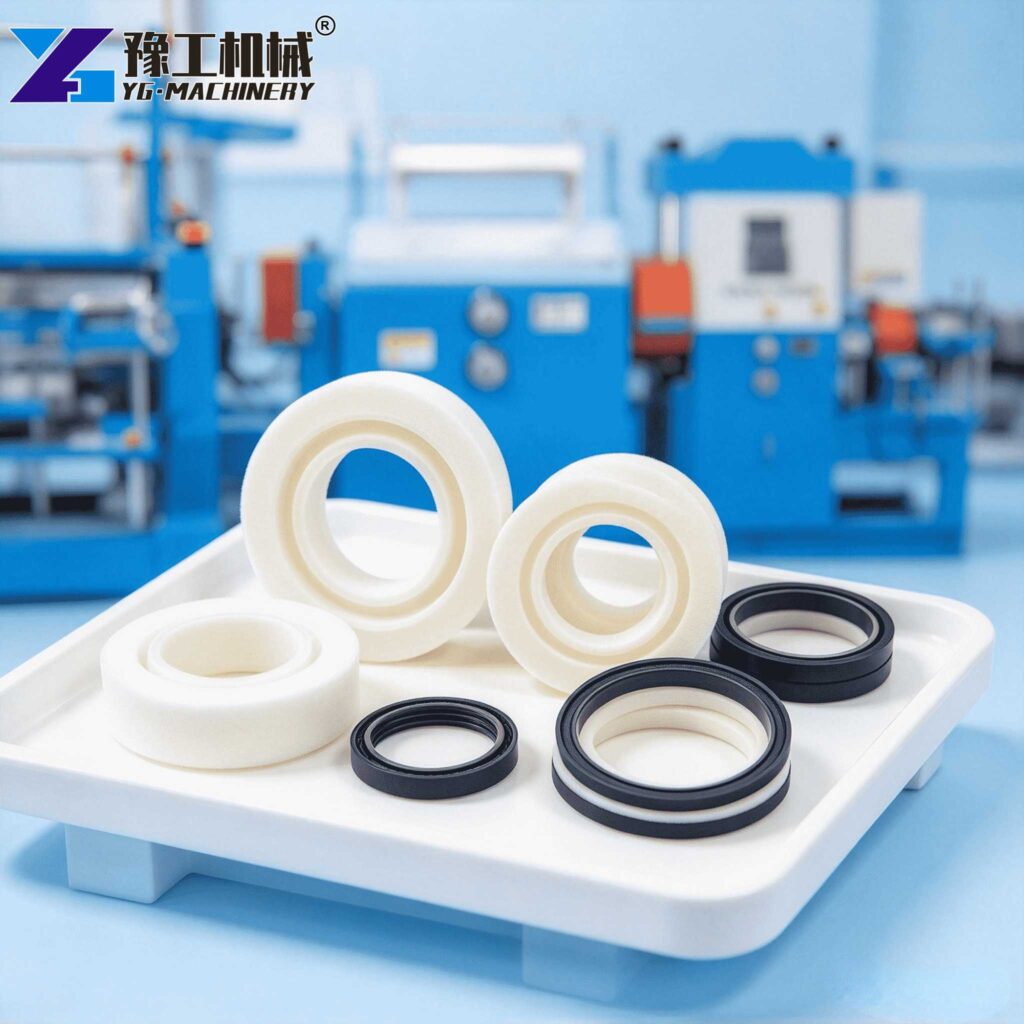
The first production batch consisted of molded rubber bushings and industrial sealing components supplied to agricultural equipment manufacturers. Compared with the previous production line, the new equipment demonstrated more stable hydraulic pressure throughout each molding cycle. Mold closing remained consistent, while platen temperature distribution improved product quality.
Production managers immediately observed several operational improvements. Product dimensions became more consistent because pressure remained stable during vulcanization. Shorter production cycles also allowed operators to complete additional molding runs within each shift. As equipment downtime decreased, production scheduling became easier to manage.
After three months of operation, internal production records showed measurable improvements.
- Production efficiency increased by approximately 25%.
- Product rejection rates decreased by nearly 18%.
- Hydraulic maintenance requirements became significantly lower.
- Daily electricity consumption per finished product declined.
- Equipment utilization improved across both production shifts.
- Delivery schedules became more stable during peak demand.
The factory also reduced mold changeover time because the machine offered easier access around the working area. Maintenance technicians reported that routine servicing required fewer labor hours than the previous hydraulic presses.
Customer Feedback After Six Months
Six months after commissioning, YG Machinery held a follow-up video meeting with the customer’s production and maintenance teams to evaluate long-term operating performance.
According to the production manager, the new press quickly became one of the factory’s primary production machines. Stable pressure and consistent heating significantly reduced process variation during molding. Operators no longer needed to adjust parameters frequently during continuous production.
The maintenance supervisor reported that routine servicing remained straightforward. Daily inspections mainly involved checking hydraulic oil levels, cleaning the working area, and verifying electrical connections. No unexpected hydraulic failures occurred during the first six months of operation, allowing the production schedule to remain uninterrupted.
The customer also confirmed that product consistency improved after introducing the new equipment. Better dimensional accuracy reduced material waste and simplified final quality inspection. Based on these results, management began planning an additional equipment purchase to support future capacity expansion.
Why More Manufacturers Choose YG Machinery
Modern rubber manufacturers require more than sufficient molding pressure. Stable hydraulic systems, accurate temperature control, reliable components, and responsive technical support all influence long-term production efficiency.
YG Machinery supplies customized rubber molding solutions for manufacturers producing automotive parts, industrial seals, electrical insulation products, vibration dampers, rubber mats, and many other molded components. Every project begins with a detailed evaluation of production requirements to ensure that equipment capacity matches actual manufacturing needs.
From technical consultation and equipment manufacturing to factory testing and overseas commissioning, our engineering team provides practical support throughout the entire project. This approach helps customers reduce production risks while improving long-term equipment reliability.
Request A Quote For Your Rubber Molding Press
Every rubber production line has different molding requirements. Product size, mold dimensions, production volume, and factory layout all affect equipment selection.
YG Machinery manufactures rubber molding press solutions ranging from small production models to large industrial systems. Our engineers can recommend the most suitable configuration according to your products, production capacity, and investment budget.
Contact YG Machinery today to receive detailed specifications, customized technical recommendations, and a competitive quotation for your next rubber manufacturing project.
Frequently Asked Questions About Industrial Rubber Vulcanizing Machines
A rubber molding press can produce many compression-molded rubber products, including seals, gaskets, O-rings, vibration isolators, rubber pads, bushings, industrial rollers, and automotive rubber components. The appropriate machine depends on product dimensions, mold size, and required clamping force.
Clamping force depends on the projected area of the rubber part, mold design, rubber material, and molding pressure requirements. Selecting an oversized machine increases investment costs, while an undersized model may reduce product quality. YG Machinery recommends suitable models after reviewing your drawings and production requirements.
Cycle time varies according to rubber formulation, product thickness, mold temperature, and curing process. Most industrial rubber products require several minutes per cycle. Proper temperature control and stable hydraulic pressure help maintain consistent production efficiency.
Yes. YG Machinery customizes voltage, electrical components, control language, and safety configurations according to the destination country. Machines can be supplied for 220V, 380V, 415V, or other local industrial power standards.
Routine maintenance is straightforward and normally includes:
Checking hydraulic oil level
Cleaning the heating plates
Inspecting hydraulic hoses
Lubricating moving components
Checking electrical connections
Replacing hydraulic filters according to the maintenance schedule
Regular preventive maintenance helps maximize equipment reliability and service life.
Yes. We provide remote installation guidance, operation training, maintenance instructions, troubleshooting assistance, and long-term technical support. Spare parts and engineering assistance are also available whenever required.