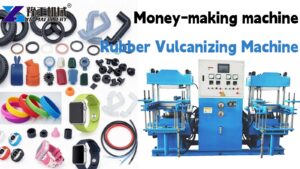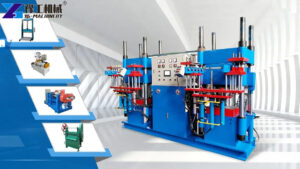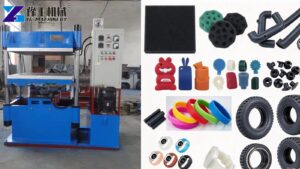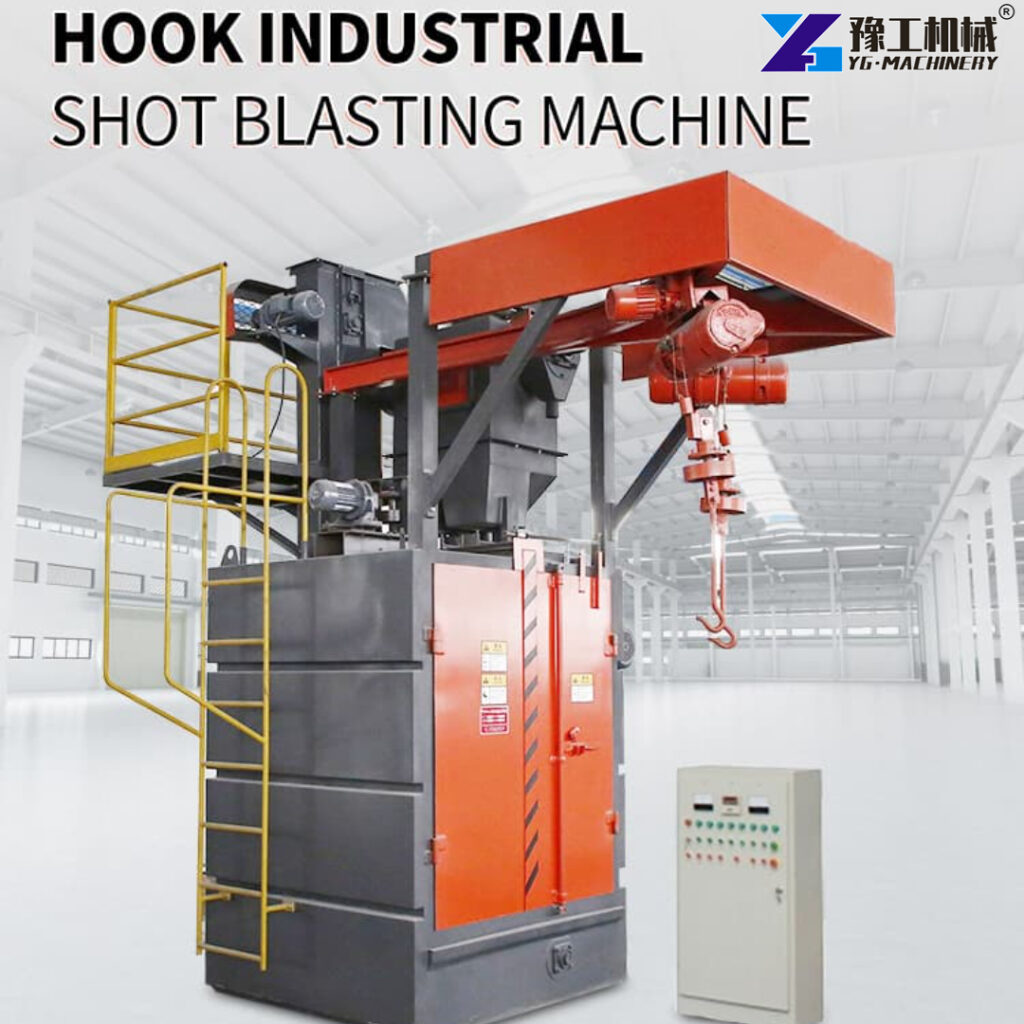
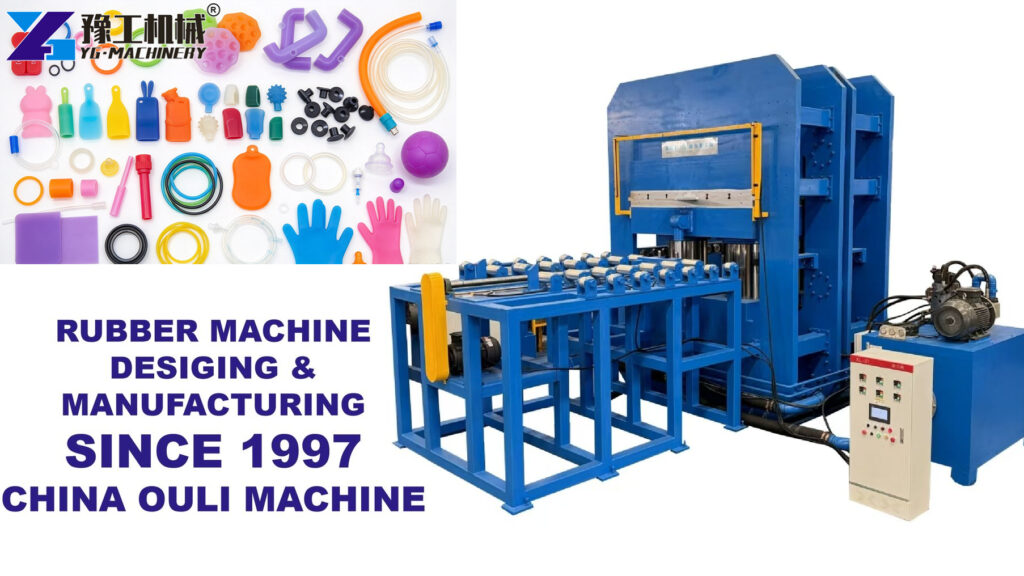
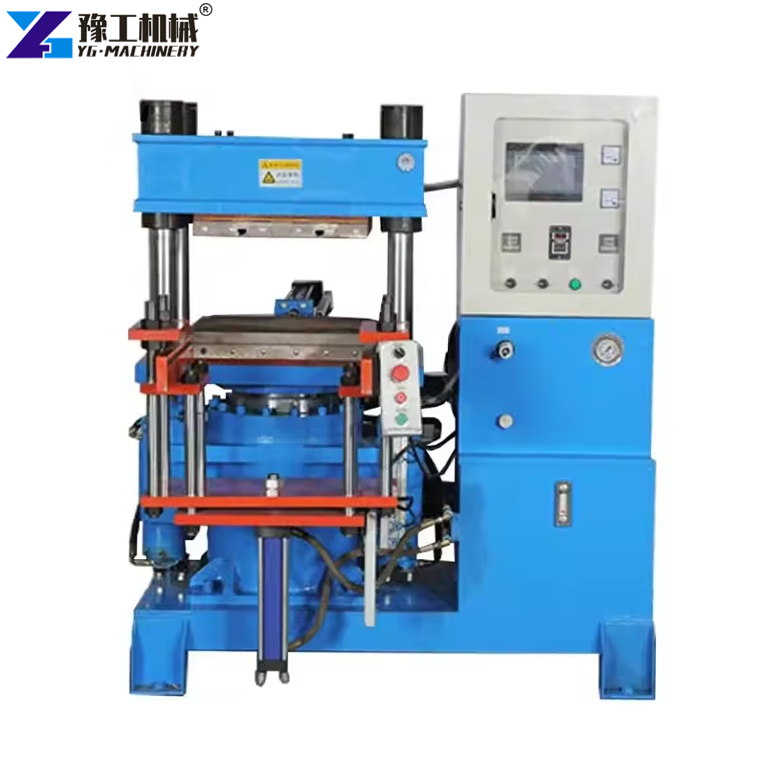
A rubber vulcanizing machine uses heat and pressure to turn raw rubber into strong, elastic products. YG Machinery builds hydraulic presses from 150 to 500 tons, with plate sizes from 380 x 380 mm to 1200 x 1000 mm. Every model uses dual motors and a hydraulic piston with a 250–300 mm stroke, so pressure stays steady across the plate. Weights run from 6,500 to 30,000 kg, so plan your foundation and lifting early. This guide gives you the full parameter table, a sizing method, and a clear path from mold size to quote.
Start Your Project with the Right Equipment
YG Rubber Vulcanizing Machine Parameters: 7 Models From 150 to 500 Tons
Pick the tonnage that matches your mold area. Here are all seven models side by side:
| Model | Total pressure (T) | Plate size (mm) | Gap (mm) | Piston diameter (mm) | Piston stroke (mm) | Cover stroke (mm) | Motor power (kW) | Weight (kg) |
|---|---|---|---|---|---|---|---|---|
| 150 Ton | 150 | 380×380 / 400×400 | 250–300 | 300 | 250 | 200 | 4×2 | 6500 |
| 200 Ton | 200 | 503×508 / 560×560 | 250–350 | 360 | 250 | 250 | 7.5×2 | 9000 |
| 250 Ton | 250 | 600×600 / 600×650 | 300–350 | 400 | 300 | 250 | 7.5×2 | 11500 |
| 300 Ton | 300 | 600×600 / 650×650 | 300–350 | 450 | 300 | 250 | 7.5×2 | 13500 |
| 350 Ton | 350 | 700×700 / 700×750 | 300–350 | 475 | 300 | 250 | 11×2 | 17000 |
| 400 Ton | 400 | 800×800 / 850×850 | 300–400 | 500 | 300 | 300 | 11×2 | 22500 |
| 500 Ton | 500 | 1000×1000 / 1200×1000 | 300–400 | 560 | 300 | 300 | 11×2 | 30000 |
Three patterns help you read the table:
- Pressure scales with piston size. The piston grows from 300 mm to 560 mm as pressure rises from 150 to 500 tons.
- Plates grow with tonnage. The 150-ton press takes molds up to 400 x 400 mm. The 500-ton press takes molds up to 1200 x 1000 mm.
- Motors step up in three tiers. You get 4×2 kW, 7.5×2 kW, or 11×2 kW, so check your site power before you order.
Compare Models and Get a Quote
How Does a Hydraulic Rubber Vulcanizing Press Work? 4 Steps
A hydraulic rubber vulcanizing press squeezes rubber between heated plates until the compound cures. The cycle runs in four steps:
- Open and load. Use the gap between the plates (250–400 mm, depending on the model) to place the mold with the rubber inside.
- Close and press. The hydraulic piston drives the plates together with a 250–300 mm stroke and applies the full rated force.
- Cure. Heat and pressure act on the compound together. Your rubber formula sets the cure time and temperature.
- Release and remove. Open the press, take out the mold, and trim the part.
Pressure matters because it pushes the rubber into every detail of the mold. It also squeezes out trapped air, which helps prevent voids and weak spots. Even pressure across the plate gives you consistent thickness and density from one part to the next.
How Do You Size a Press? 3 Steps and a Quick Chooser
Start with your mold, not the tonnage. Follow three steps:
- Measure the mold footprint. Leave a margin so the mold sits fully inside the plate.
- Match the plate size. Use the chooser below.
- Check unit pressure. Divide total force by the mold area. As an estimate, a 150-ton press over a 400 x 400 mm mold gives about 9.2 MPa. A 500-ton press over a 1000 x 1000 mm mold gives about 4.9 MPa. Compare the result with your compound supplier’s recommended molding pressure.
| Mold footprint up to (mm) | Suggested model |
|---|---|
| 400 × 400 | 150 Ton |
| 560 × 560 | 200 Ton |
| 600 × 650 | 250 Ton |
| 650 × 650 | 300 Ton |
| 700 × 750 | 350 Ton |
| 850 × 850 | 400 Ton |
| 1200 × 1000 | 500 Ton |
If you plan to mold bigger parts later, choose the next size up now. A larger plate gives you room to grow.
Find the Right Model for Your Project
6 Products You Can Mold on a Rubber Press
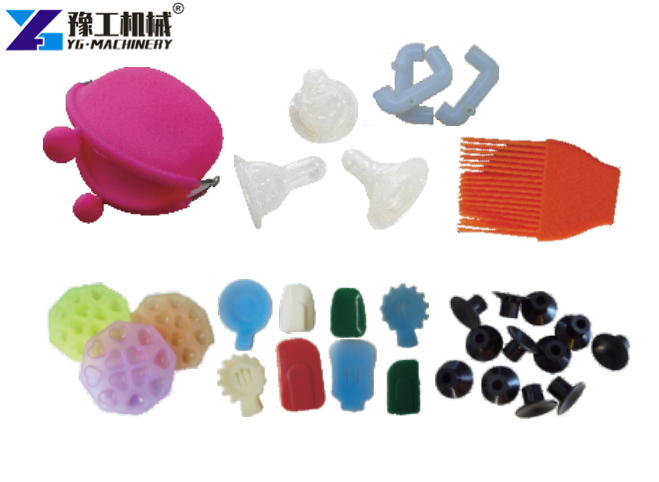
A rubber vulcanizing machine handles six common product groups:
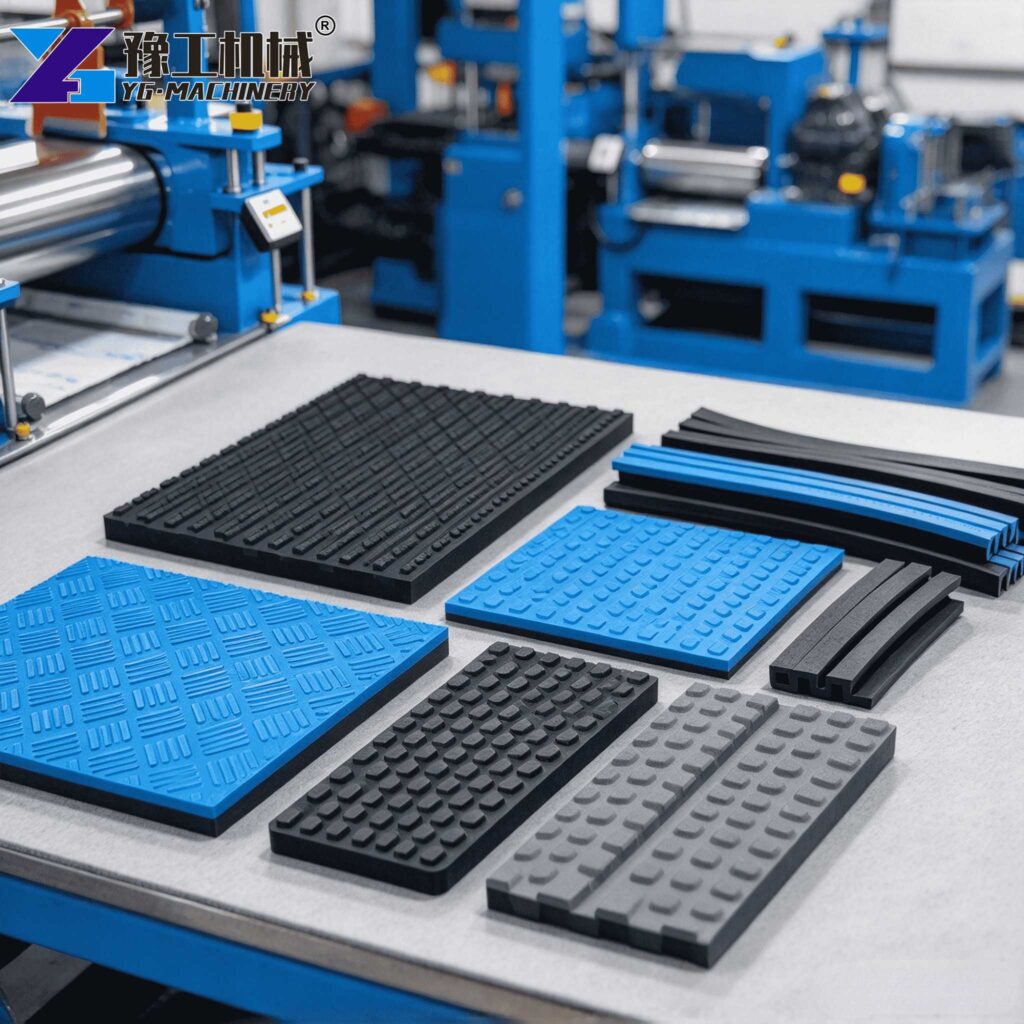
- Rubber sheets and mats: Flat sheets, floor mats, and industrial pads.
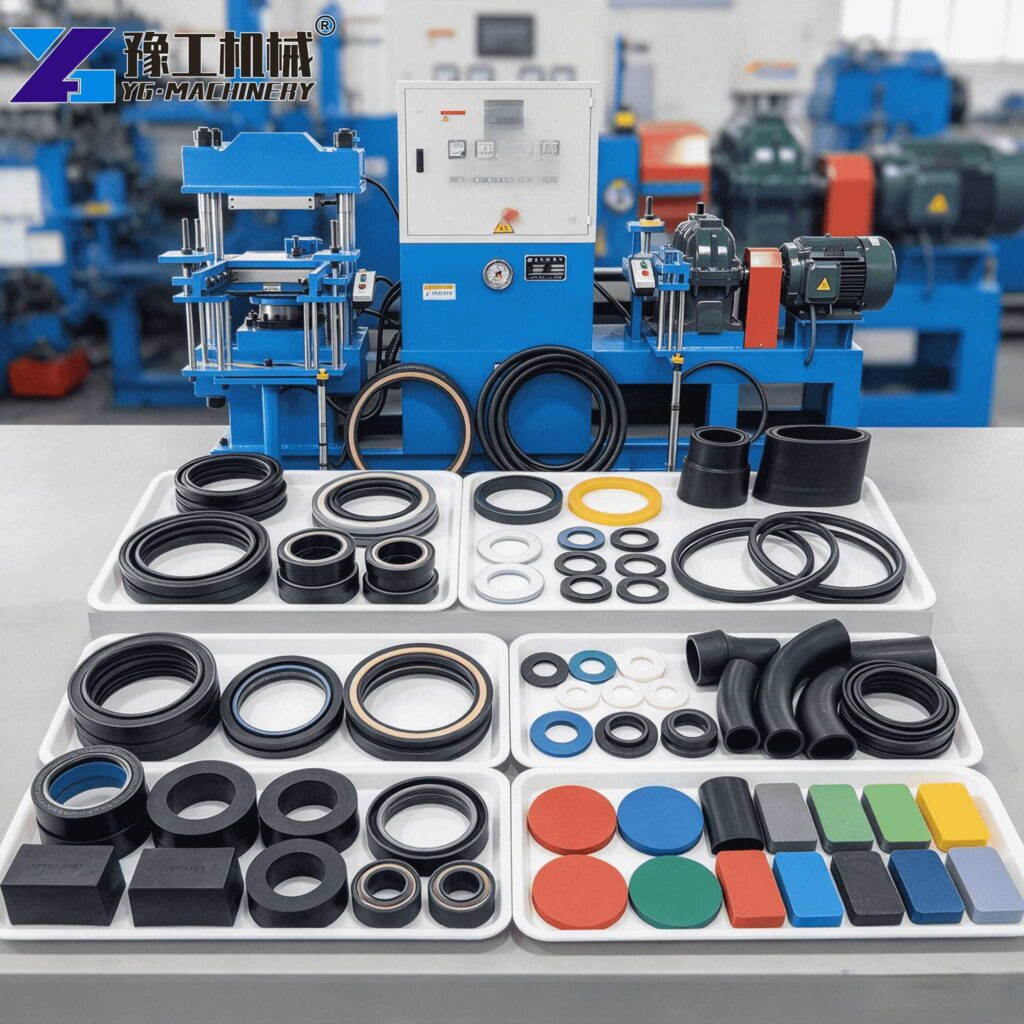
- Seals and gaskets: Flat and shaped sealing parts for machinery and pipes.
- Vibration-damping pads: Mounts and isolators that absorb shock.
- Bushings and bumpers: Molded parts for vehicles and equipment.
- Shoe soles: Molded soles in different patterns.
- Custom molded parts: Any shape you can cut into a mold.
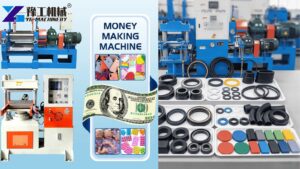
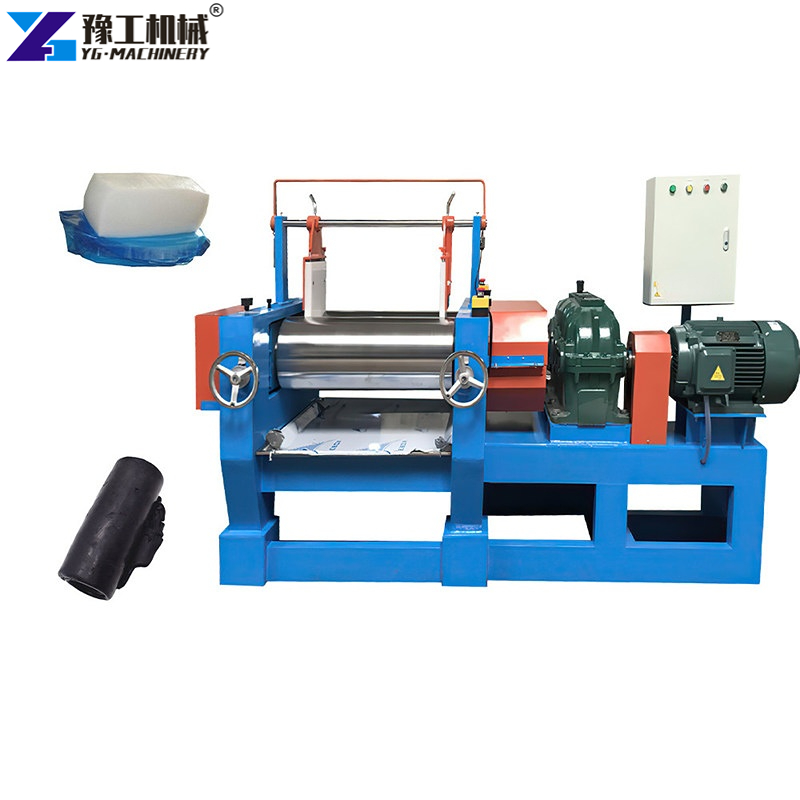
Prepare the compound first with a rubber mixing mill or a rubber kneader machine. Use a rubber cutting machine to prepare the blanks before they go into the mold. For other metal-forming or pressing tasks, see our hydraulic press machine range.
Case Study: Equipping a Vietnamese Rubber Goods Factory With a 300 Ton Press
This scenario walks through the full selection logic that YG Machinery applies to every rubber press inquiry: define the largest mold, test each model against it, check the site, then plan delivery and commissioning.
- Market: Vietnam. The factory supplies rubber sheets, floor mats, and sealing pads to local machinery and construction buyers, and it imports its production equipment.
- Background: The mid-size factory outsources its larger orders to other plants, which adds lead time and limits control over quality.
- Goal: Mold the larger orders in-house on one press, and keep the same press useful for all three product lines.
- Key requirements: The largest mold measures 650 x 650 mm. Mold heights vary between products. The press must fit the factory’s floor, crane, and local power supply.
- Selection logic:
- Plate size first. The 250 Ton press offers 600 x 600 mm and 600 x 650 mm plates, so the 650 mm mold does not fit. The 300 Ton press offers a 650 x 650 mm plate and is the smallest model that holds the mold.
- Gap second. The 300 Ton press opens 300–350 mm, which leaves room for molds of different heights.
- Pressure third. Spread over the full plate, 300 tons gives roughly 7 MPa. The team compares this estimate with the compound supplier’s recommended molding pressure before ordering.
- Why not 350 Ton? The 350 Ton press has a 700 x 700 mm plate and weighs 17,000 kg, against 13,500 kg for the 300 Ton press. This mold range does not need the extra size and weight.
- Machine specification: 300 Ton press, 650 x 650 mm plate, 300–350 mm gap, 450 mm piston diameter, 300 mm piston stroke, 250 mm cover stroke, 7.5 x 2 kW motors, 13,500 kg.
- Site and import check: The engineer checks floor strength and crane capacity against the 13,500 kg weight. The team confirms the two 7.5 kW motors match the local grid voltage before shipment. They also plan sea freight, port handling, and truck delivery, and they leave working space around the press for loading molds and trimming parts.
- Implementation: After delivery, the crew sets the press on a prepared foundation, connects power, and tests it with an empty mold. Then they run trial batches of sheets, mats, and pads, and adjust cure settings for each compound.
- Outcome: One press now covers all three product lines. Operators change molds between runs without changing the machine, and even pressure across the plate supports consistent part thickness.
- Takeaway: Start from your largest mold and your site limits, then choose the smallest model that fits both.
Send us your mold sizes, product mix, and destination country, and we will match the press to your factory.
Automatic Rubber Vulcanizing Machine or Standard Press? 4 Questions to Decide
Choose an automatic rubber vulcanizing machine when you run repeat batches and need steady cycle times. Choose a standard hydraulic press when you mold varied products in small runs. Four questions settle it:
- How many cycles do you run per day? High volume rewards automation.
- How many operators do you have? Automation frees staff for other tasks.
- Do you need repeatable cure times? Controlled cycles give you the same result on every part.
- Do you plan to scale? Choose a size and control level that fits next year’s output, not just today’s.
Tell us your cycle needs and target output, and we will confirm the control options for your press.
What Drives Rubber Sheet Vulcanizing Machine Price? 5 Cost Factors
The price depends on the machine size and the options you choose. Ask every supplier what the rubber sheet vulcanizing machine price covers. Five factors matter most:
- Tonnage and plate size. A 500-ton press with a 1200 x 1000 mm plate costs more than a 150-ton press with a 400 x 400 mm plate.
- Steel and build weight. Weights range from 6,500 kg to 30,000 kg, and a heavier frame uses more material.
- Motor and hydraulic system. Motor power rises from 4×2 kW to 11×2 kW with the model.
- Controls and customization. Special plate sizes, gaps, or control levels change the quote.
- Freight and packing. A 30,000 kg press costs more to ship than a 6,500 kg press.
YG Machinery is a Chinese machinery manufacturer and exporter, and we reply to every inquiry within 8 hours. Send your mold size and target output, and we will recommend a model and provide a clear quote.
Ready to Order? 3 Steps From Mold Size to Quote
Follow three steps to get the right press:
- Measure your largest mold. Add margin for the plate.
- Pick the model. Use the chooser and the parameter table above.
- Check your site. Confirm power for the motors, floor strength for the weight, and space for the press.
Then choose the next step that fits your stage:
- Still researching? Compare the 7 models in the table and note the plate size and motor power you need.
- Comparing suppliers? Send your mold size, rubber product, daily output, and destination country. We reply within 8 hours with a model recommendation.
- Ready to order? Request a free quote on WhatsApp at +86 183 3715 2861, or email admin@ygequip.com.
The right rubber vulcanizing machine gives you steady pressure, consistent parts, and a press that grows with your orders. Send your inquiry today and get a clear plan.