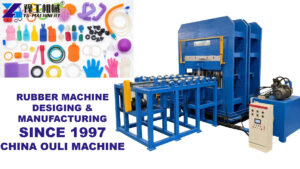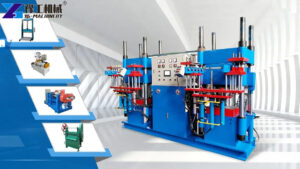
If you work with rubber seals, gaskets, mats, shoe soles, or molded rubber parts, you will sooner or later need a rubber vulcanizing press machine. It is the core equipment that turns raw, soft rubber into a strong, elastic, and durable finished product.
This beginner’s guide explains what a rubber vulcanizing press machine is, how it works, what it is used for, and how to choose the right tonnage. It also includes the full parameter table for our 150 to 500 ton models.
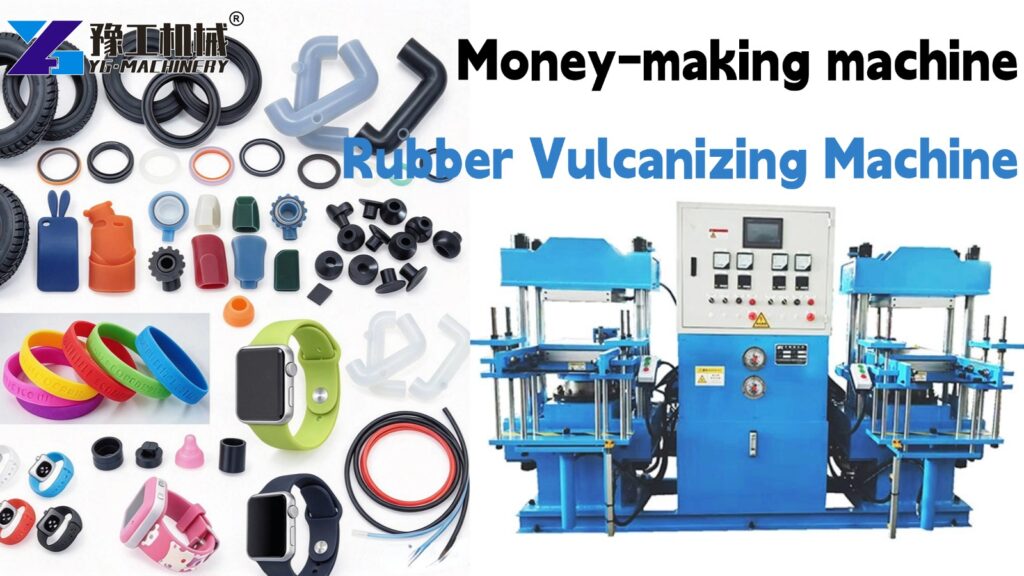
Start Your Project with the Right Equipment
What Is a Rubber Vulcanizing Press Machine?
A rubber vulcanizing press machine, also called a rubber vulcanizing machine, rubber molding press, or plate vulcanizing press, applies heat and pressure to rubber placed inside a mold. Under these conditions, the rubber goes through a chemical reaction called vulcanization (curing).
Raw rubber is soft, sticky, and easily deformed. Vulcanization creates cross-links between the rubber molecules, so the material becomes:
- Elastic, so it returns to its shape after stretching or compression
- Strong, with better tensile strength and tear resistance
- Durable, with better resistance to heat, aging, wear, and chemicals
Without this step, most rubber products would be unusable.
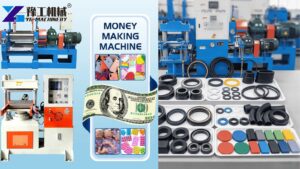
Why Is the Rubber Vulcanizing Press Called a “Money-Making Machine”?
In the rubber industry, the rubber vulcanizing press machine is often nicknamed a “money-making machine.” Here are the main reasons behind this reputation:
1. Easy to Operate, Quick to Start
The process is mature and simple to learn. New factory owners and startups can begin production quickly without a large technical team.
2. One Machine, Many Products
By changing the mold, a single rubber vulcanizing press can produce seals, gaskets, rubber mats, shoe soles, and automotive parts. You can respond to different customer orders without buying new equipment.
3. Steady Market Demand
Molded rubber products are used in many industries, including automotive, footwear, construction, and machinery. This keeps demand stable and helps the machine stay busy.
4. Low Material Cost and Short Curing Cycles
Raw rubber is relatively affordable, and curing cycles are short. Together, these help many manufacturers see a faster return on their investment.
Actual profit depends on your products, mold design, order volume, and local costs. Still, it is easy to see why the rubber vulcanizing press machine has earned its reputation as a reliable, profit-generating workhorse.
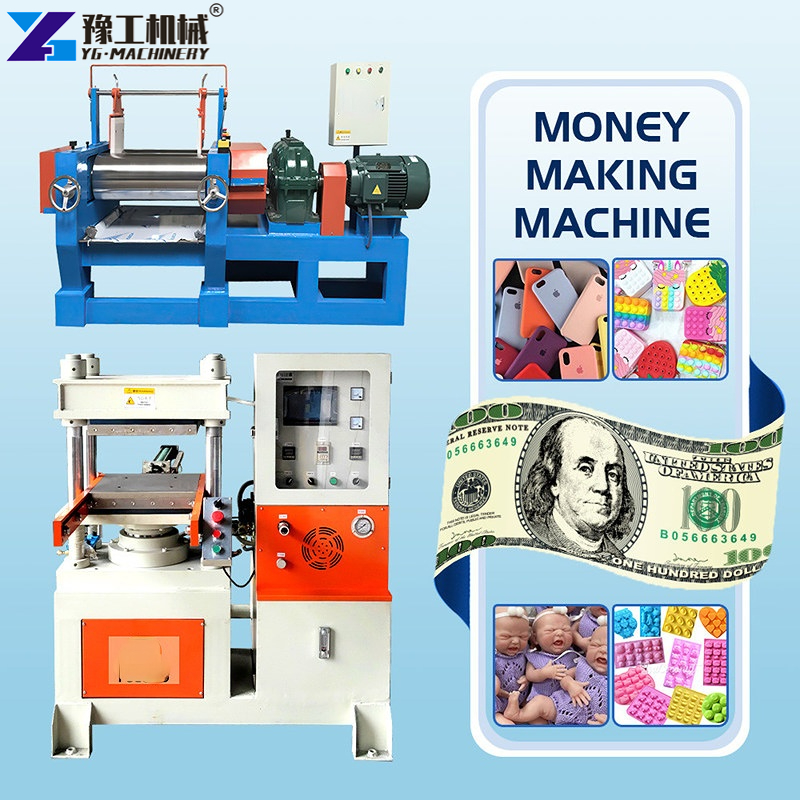
Boost Productivity—Get a Free Quote
How Does a Rubber Vulcanizing Press Work?
Most modern machines are hydraulic rubber vulcanizing presses. The process follows these steps:
- Prepare the rubber. Raw rubber compound is cut or shaped into blanks (preforms).
- Load the mold. The blank is placed in the mold cavity, and the mold is positioned between the upper and lower heating plates.
- Close and press. The hydraulic system drives the piston upward, closing the mold and applying the set pressure.
- Heat and cure. The heated plates transfer heat to the mold. The rubber flows to fill the cavity and cures at the set temperature and time.
- Open and demold. After curing, the press opens, and the finished part is removed. Flash (excess rubber) is trimmed if needed.
The three parameters that decide product quality are temperature, pressure, and curing time. Correct settings avoid problems such as under-cure, air bubbles, and incomplete mold filling.
Main Components of a Rubber Vulcanizing Press
Understanding the structure helps you read a specification sheet:
- Frame: the heavy steel structure that withstands the full pressing force.
- Hydraulic cylinder and piston: generate the pressing force. The piston diameter and stroke are key specifications.
- Heating plates (platens): hold the mold and provide even heat. Plate size determines the maximum mold size you can use.
- Hydraulic power unit and motors: supply oil pressure to the cylinder.
- Control system: sets and monitors temperature, pressure, and time.
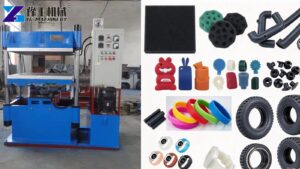
What Is a Rubber Vulcanizing Press Used For?
A rubber vulcanizing press is a versatile machine used across many industries:
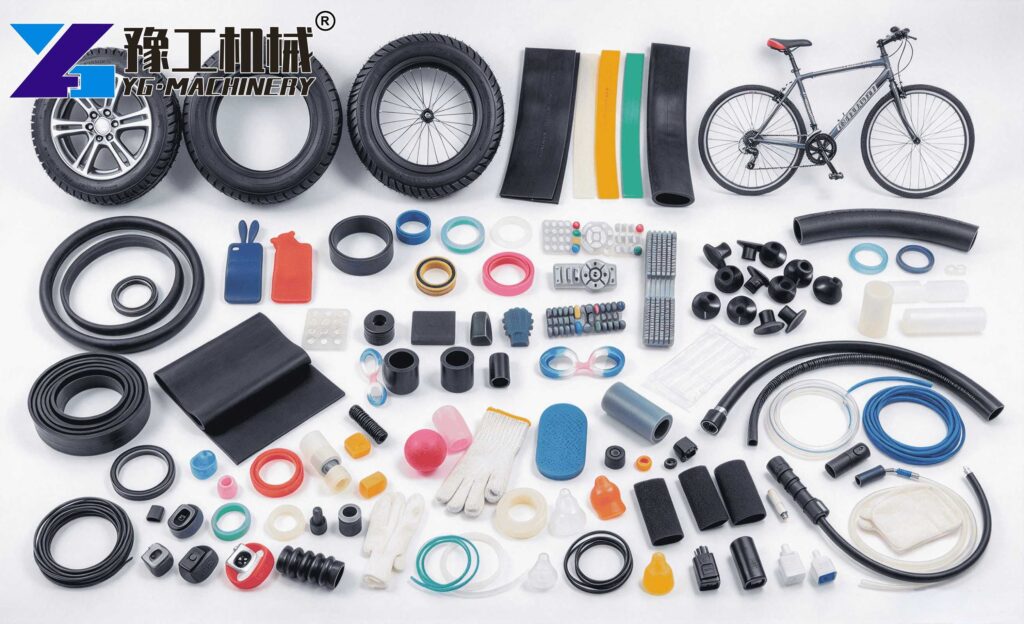
- Rubber seals, O-rings, and gaskets
- Rubber mats and sheets
- Shoe soles and footwear parts
- Automotive rubber parts such as bushings and dampers
- Industrial rubber products such as rubber blocks and vibration pads
- Silicone and other molded rubber products
Most of these products are made by compression molding, the process this machine is designed for.
Find the Right Model for Your Project
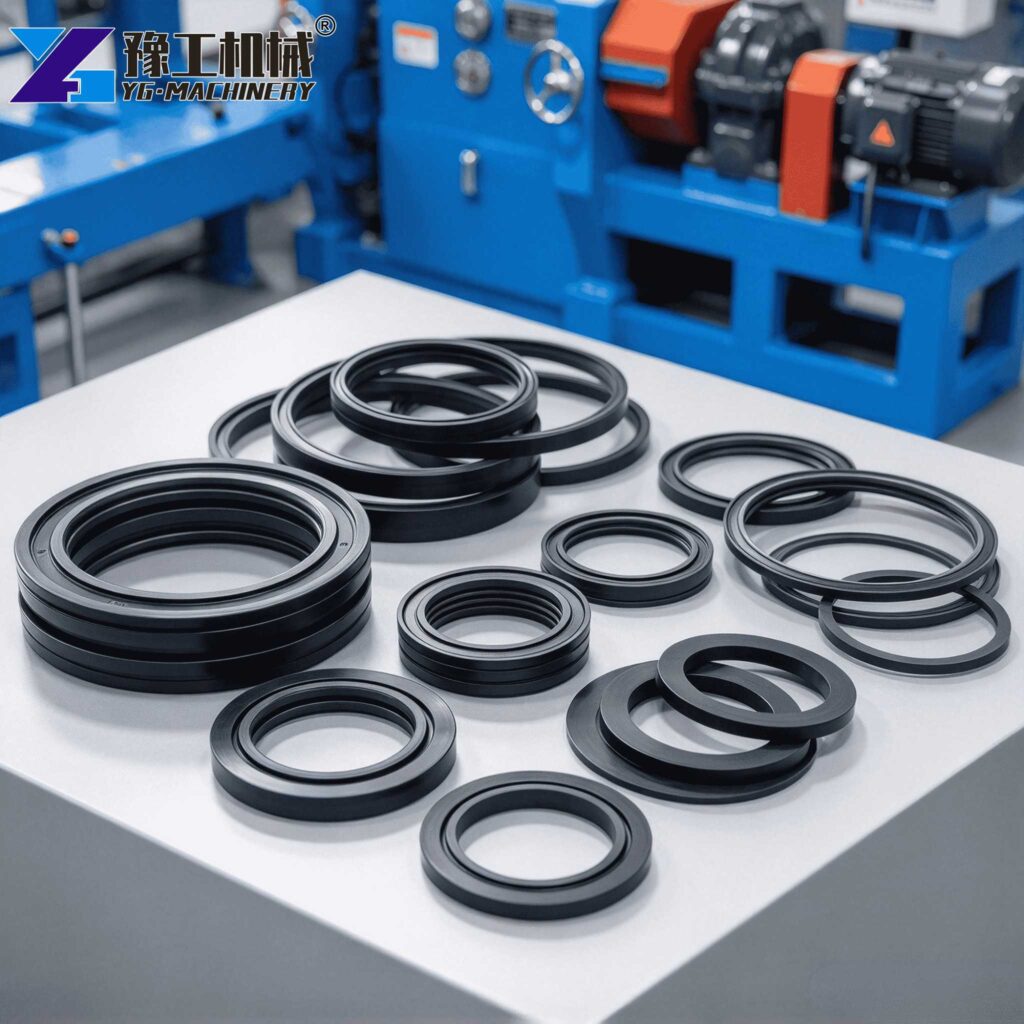
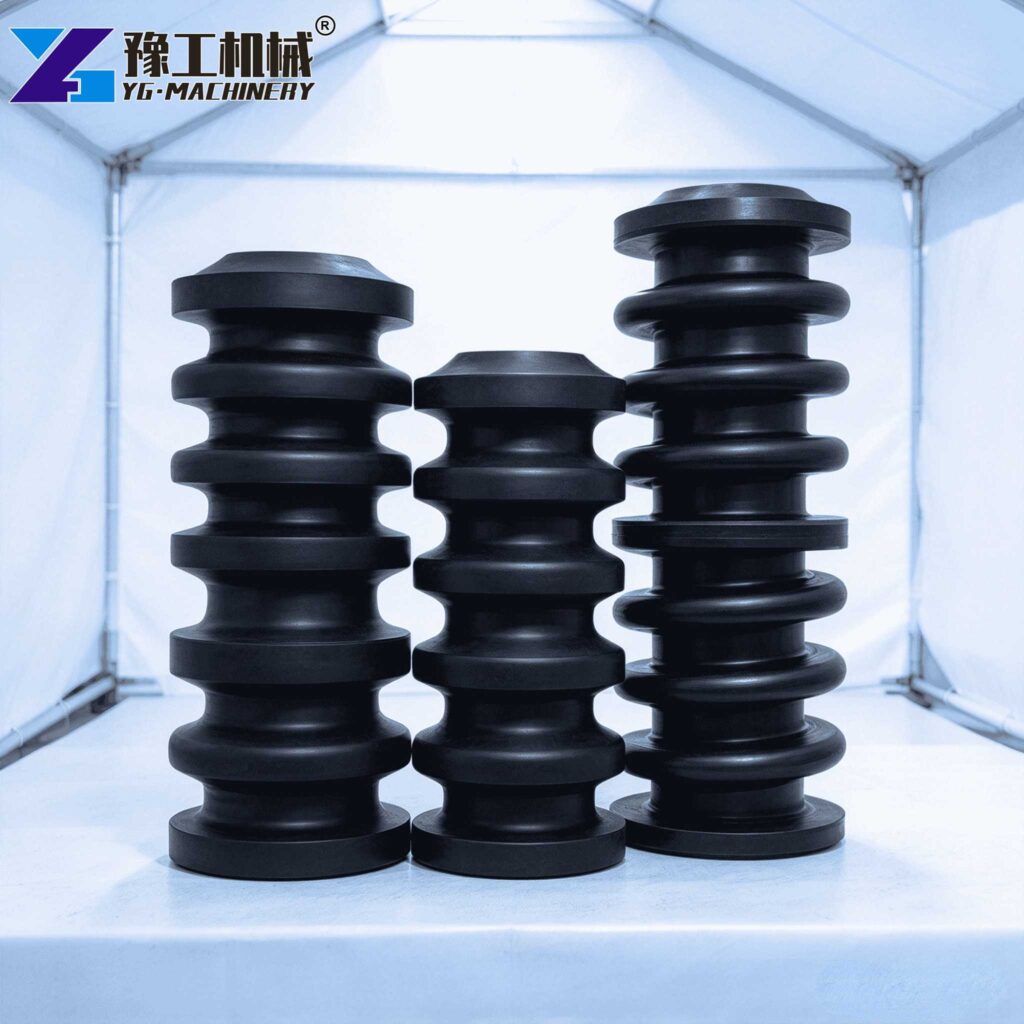
Rubber Vulcanizing Press Machine Parameters
Below are the technical specifications for our rubber vulcanizing press models from 150 to 500 tons.
| Parameter / Model | 150 Ton | 200 Ton | 250 Ton | 300 Ton | 350 Ton | 400 Ton | 500 Ton |
|---|---|---|---|---|---|---|---|
| Total Pressure (T) | 150 | 200 | 250 | 300 | 350 | 400 | 500 |
| Plate Size (mm) | 380×380 / 400×400 | 503×508 / 560×560 | 600×600 / 600×650 | 600×600 / 650×650 | 700×700 / 700×750 | 800×800 / 850×850 | 1000×1000 / 1200×1000 |
| Gap (mm) | 250-300 | 250-350 | 300-350 | 300-350 | 300-350 | 300-400 | 300-400 |
| Piston Diameter (mm) | 300 | 360 | 400 | 450 | 475 | 500 | 560 |
| Piston Stroke (mm) | 250 | 250 | 300 | 300 | 300 | 300 | 300 |
| Cover Stroke (mm) | 200 | 250 | 250 | 250 | 250 | 300 | 300 |
| Motor Power (kW) | 4×2 | 7.5×2 | 7.5×2 | 7.5×2 | 11×2 | 11×2 | 11×2 |
| Weight (kg) | 6500 | 9000 | 11500 | 13500 | 17000 | 22500 | 30000 |
How to Read the Table
- Total pressure (T): the maximum pressing force. This is the number in the model name.
- Plate size: the working area of the heating plates. Your mold must fit inside it.
- Gap (mm): the daylight opening between plates when the press is open. It determines the mold height and how easily you can load and unload.
- Piston diameter and stroke: a larger piston diameter lets the press deliver more force. The stroke is how far the piston travels.
- Cover stroke: the additional movement of the cover section of the press.
- Motor power (kW): the power of the hydraulic pump motors. The “×2” means two motors.
- Weight (kg): useful for planning your workshop floor, transport, and installation.
Compare Models and Get a Quote
How to Choose the Right Rubber Vulcanizing Press
- 1. Start with your mold size. The plate must be larger than your mold. Check both length and width, and leave some margin for handling.
- 2. Calculate the pressure you need. Different rubber compounds and products need different molding pressure per unit area. Larger products with a large projected area need higher total tonnage.
- 3. Check the gap (daylight opening). Make sure the open height fits your mold height plus the space needed to remove the finished part.
- 4. Consider your output. Higher tonnage and bigger plates usually allow larger molds or more cavities, so you can produce more parts per cycle.
- 5. Plan for your workshop. Check the machine weight, floor strength, power supply, and available space before ordering.
- 6. Choose a reliable manufacturer. Look for a supplier that provides clear specifications, installation guidance, and after-sales support. If your products are unusual, ask about customization.
Tips for Better Results and Longer Machine Life
- Preheat the plates fully so the temperature is even before the first cycle.
- Keep the hydraulic oil clean and at the correct level, and check for leaks regularly.
- Use molds that are properly sized and centered on the plates for even pressure.
- Maintain consistent process settings for temperature, pressure, and time for each product.
- Clean the plates and mold surfaces regularly to prevent rubber residue buildup.
Frequently Asked Questions About Rubber Vulcanizing Press Machine
In practice, the terms are often used interchangeably. A rubber vulcanizing press applies heat and pressure to cure rubber inside a mold, which is the molding process.
It depends on your product size and required pressure. Small seals and gaskets often suit smaller presses, while large mats, blocks, and heavy industrial parts need higher tonnage and larger plates.
Customization is possible for many projects. Share your mold size and product requirements, and our team will recommend the best solution.
Get a Quote for Your Rubber Vulcanizing Press Machine
Not sure which model fits your production? Send us your product type, mold size, and daily output, and our engineers will recommend the right rubber vulcanizing press machine for you.
📱 WhatsApp: +86 183 3715 2861
📧 Email: admin@ygequip.com
We reply to every inquiry within 6 hours.