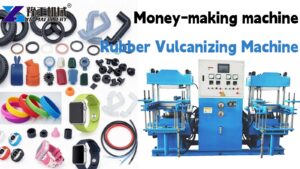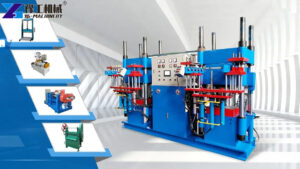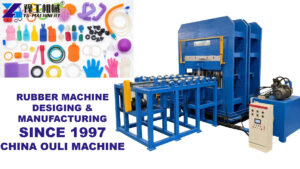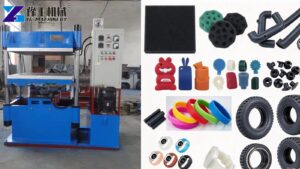
An Automated Rubber Vulcanizing Press delivers precise hydraulic pressure, uniform platen heating, and automated cure timing to transform raw rubber compounds into durable molded technical parts, seals, conveyor belts, and rubber sheets. Operating across total clamping forces from 150T to 500T with heating platens sized up to 1200×1000 mm, these heavy-duty hydraulic presses maintain consistent cross-linking density throughout continuous thermal curing cycles. Rubber product manufacturers rely on automated curing systems to eliminate human operational errors, accelerate cycle times, and minimize flash material waste across industrial production lines. Sourcing your equipment directly from our manufacturing plant cuts out expensive third-party distributor commissions, securing wholesale pricing, custom platen options, and reliable long-term technical support. Contact our engineering sales team today to request a direct factory price quotation and lock in exclusive manufacturer rates!
Start Your Project with the Right Equipment
Why Is an Automated Rubber Vulcanizing Press Essential for Modern Molded Rubber Production?
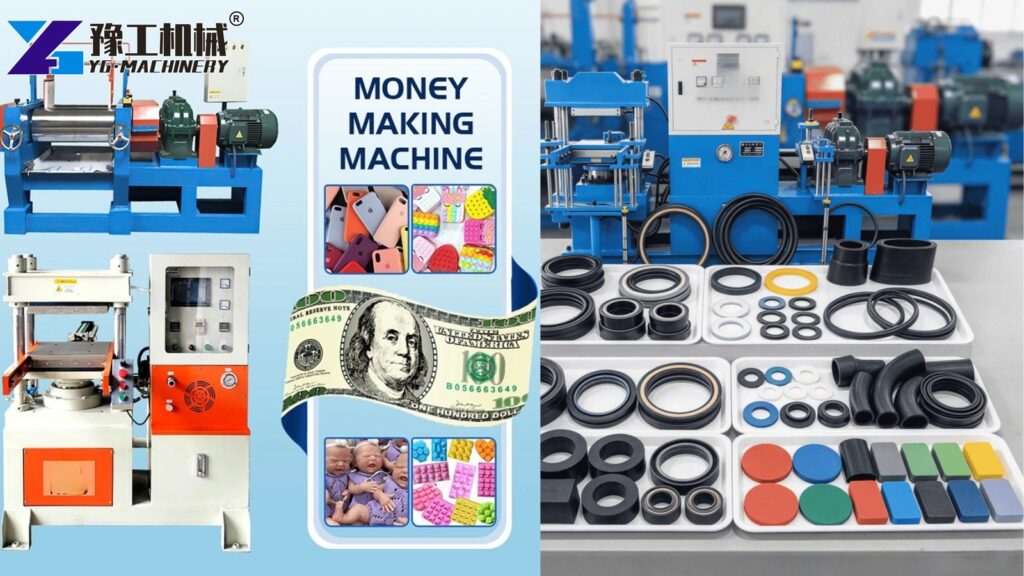
An Automated Rubber Vulcanizing Press is essential for modern molded rubber production because it applies high hydraulic clamping tonnage while maintaining precise platen temperature control, preventing internal air bubbles, scorching, or incomplete sulfur curing. Manual compression presses depend heavily on operator experience, resulting in uneven density and inconsistent tensile strength.
- Precision Hydraulic Clamping: Piston diameters ranging from 300 mm to 560 mm deliver stable clamping force up to 500T, ensuring flash-free mold sealing.
- Uniform Thermal Distribution: Precision-machined heating platens eliminate localized cold spots, accelerating chemical vulcanization across complex molds.
- Automated Bump Breaker Cycles: Programmable micro-venting automatically releases trapped air during initial closure, eliminating internal voids.
- Reduced Energy Overhead: Optimized hydraulic pump circuits (powered by dual motor configurations up to 11×2 kW) lower electrical power draw during holding cycles.
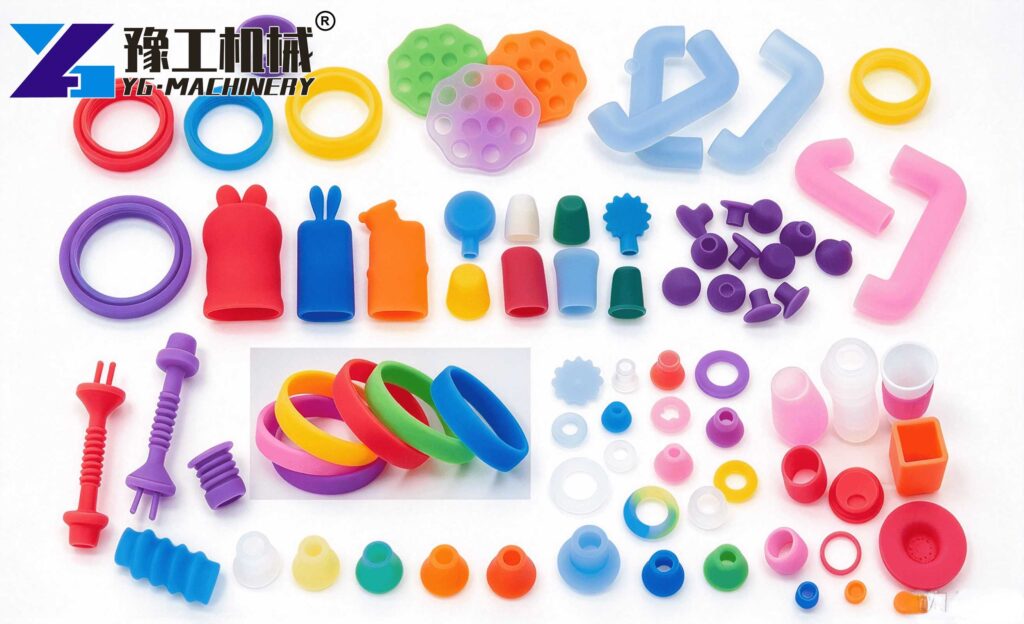
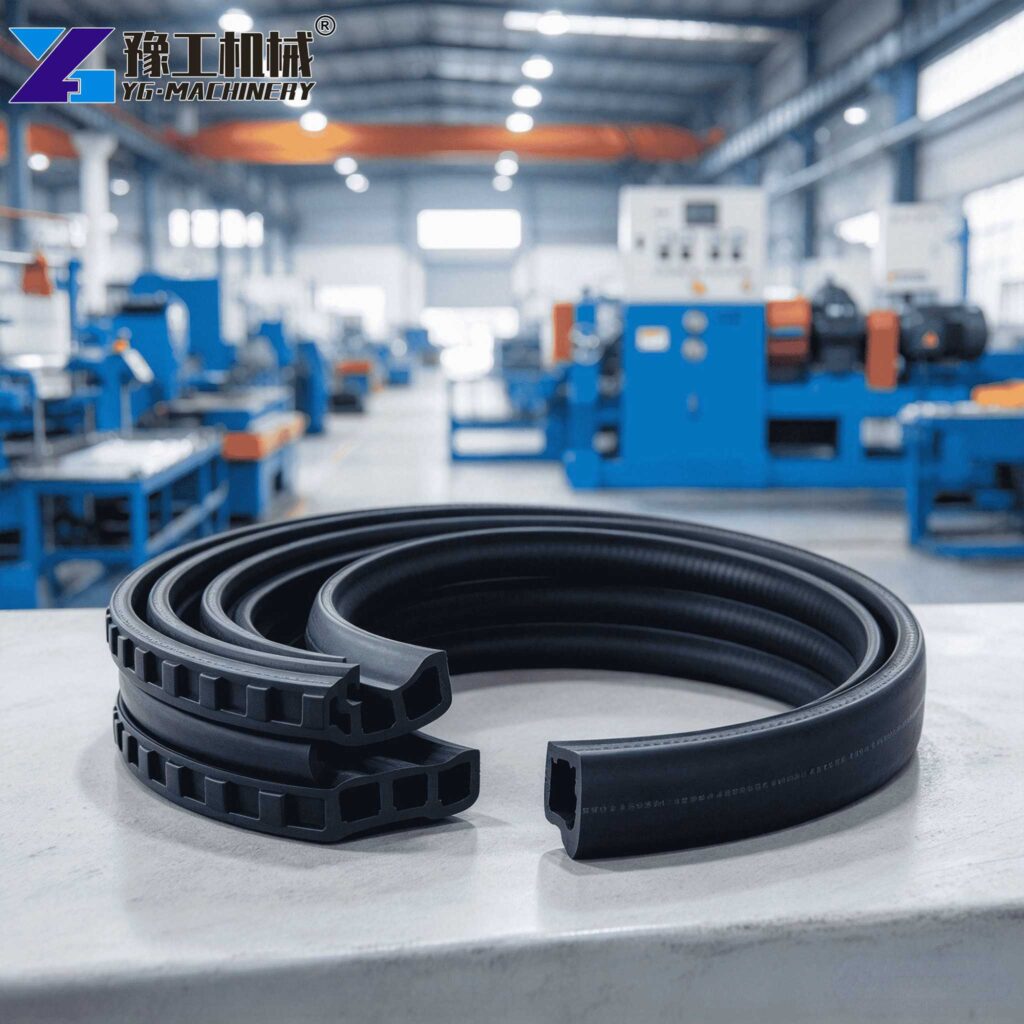
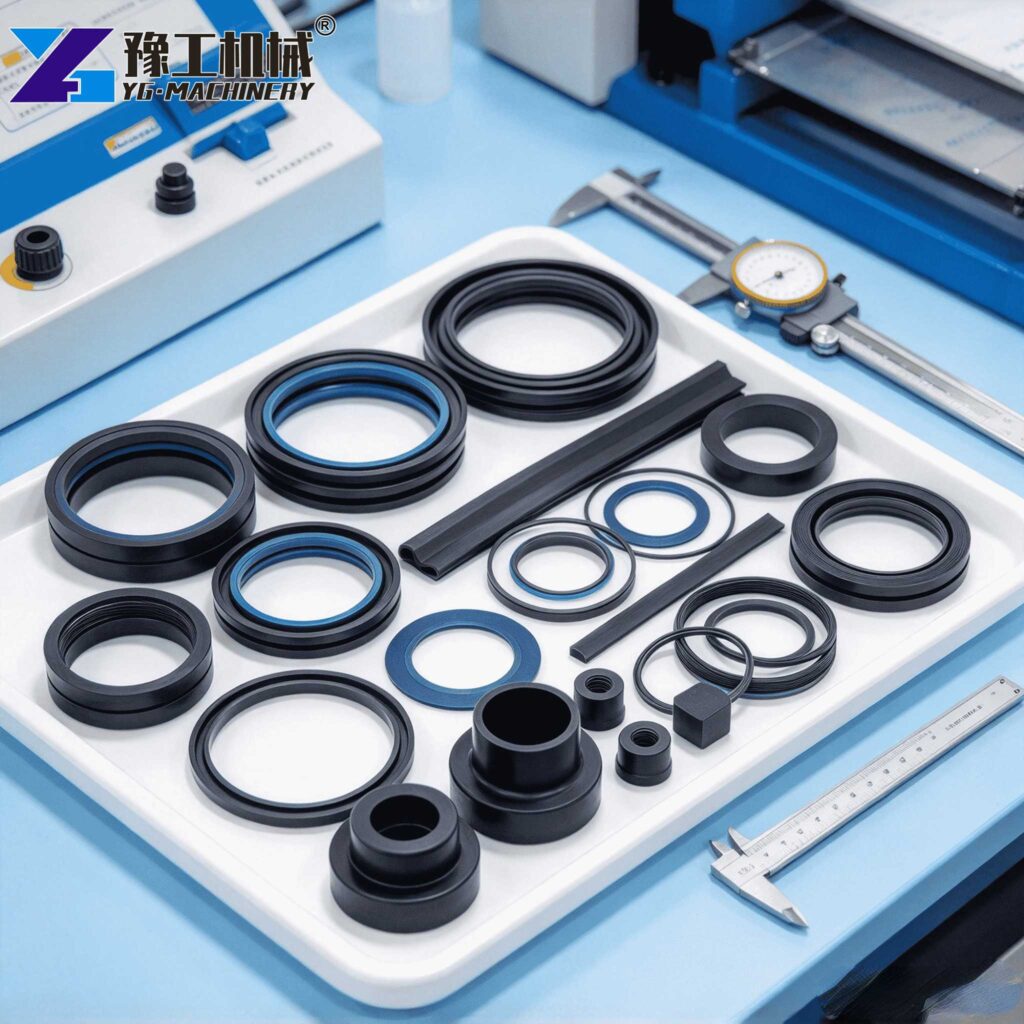
Consistent pressure and temperature management guarantee long service life for rubber O-rings, automotive dampers, gaskets, and heavy industrial sheets.
Technical Parameter Overview Across YG Standard Models
Selecting the right hydraulic press model requires matching your product dimensions, required curing tonnage, piston stroke, and heating platen area. Purchasing machinery directly from YG Machinery guarantees rigorous factory pressure testing, heavy-duty frame construction, and immediate access to original replacement components.
| Equipment Parameter | Model 150T | Model 200T | Model 250T | Model 300T | Model 350T | Model 400T | Model 500T |
| Total Pressure | 150 T | 200 T | 250 T | 300 T | 350 T | 400 T | 500 T |
| Plate Size (mm) | 380×380 / 400×400 | 503×508 / 560×560 | 600×600 / 600×650 | 600×600 / 650×650 | 700×700 / 700×750 | 800×800 / 850×850 | 1000×1000 / 1200×1000 |
| Daylight Gap (mm) | 250 – 300 | 250 – 350 | 300 – 350 | 300 – 350 | 300 – 350 | 300 – 400 | 300 – 400 |
| Piston Diameter (mm) | 300 | 360 | 400 | 450 | 475 | 500 | 560 |
| Piston Stroke (mm) | 250 | 250 | 300 | 300 | 300 | 300 | 300 |
| Cover Stroke (mm) | 200 | 250 | 250 | 250 | 250 | 300 | 300 |
| Motor Power (kW) | 4 × 2 | 7.5 × 2 | 7.5 × 2 | 7.5 × 2 | 11 × 2 | 11 × 2 | 11 × 2 |
| Machine Weight (kg) | 6,500 | 9,000 | 11,500 | 13,500 | 17,000 | 22,500 | 30,000 |
Heavy 30,000 kg structural steel frames on 500T units resist deflection during high-pressure holding cycles, guaranteeing precise dimensional tolerances across large-format rubber products.
Compare Models and Get a Quote
How Does a Rubber Curing Press Machine Optimize Thermal Curing Efficiency?
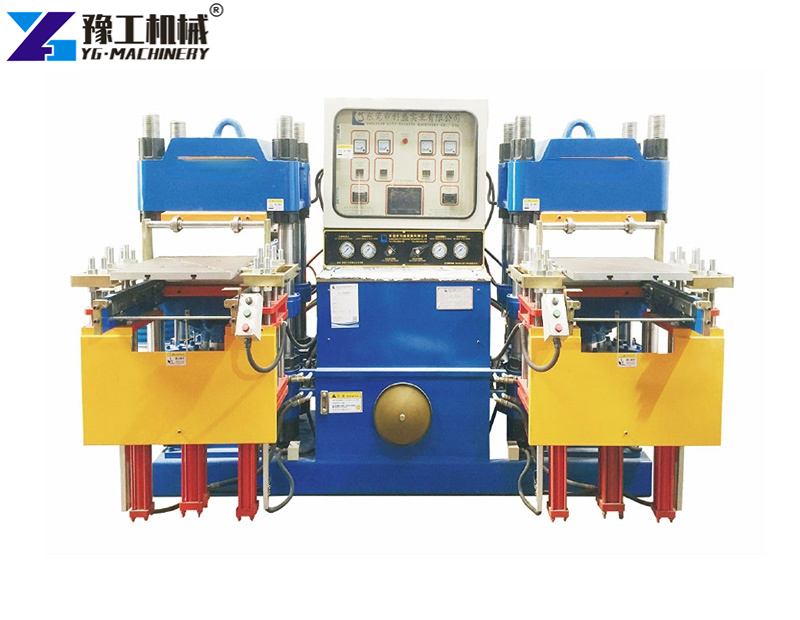
A rubber curing press machine optimizes thermal curing efficiency by integrating digital PID temperature controllers with electric or steam-heated platens, keeping temperature fluctuations strictly within ±1°C across the molding surface.
- Fast Heating Response: Multi-zone heating elements rapidly bring platens up to target vulcanizing temperatures (140°C–200°C), reducing warm-up delays.
- Precise Pressure Hold: Dual-stage hydraulic pumps maintain locked clamping tonnage automatically without continuous motor straining.
- PLC Touchscreen Control: Allows operators to pre-store multi-stage pressure, temperature, and bump-venting recipes for fast product switching.
- Ergonomic Daylight Openings: Adjustable daylight gaps (250 mm to 400 mm) accommodate multi-cavity molds and automatic mold-pushing devices easily.
Optimizing thermal cycles shortens cure times per batch, allowing production facilities to increase daily output without expanding factory floor space.
What Features Make a Rubber Sheet Vulcanizing Machine Ideal for Continuous Belting?
A specialized rubber sheet vulcanizing machine is ideal for continuous belting and sheet manufacturing because its extended platen surface (up to 1200×1000 mm) delivers uniform pressure across wide material rolls, preventing thickness variations and edge delamination.
- Large-Format Platen Design: Accommodates wide rubber sheeting, floor mats, and conveyor belts under uniform 150T to 500T clamping pressure.
- Smooth Piston Travel: Deep-stroke pistons (250 mm to 300 mm) provide generous opening clearances for rapid manual or mechanical sheet loading.
- Heavy-Duty Steel Platens: High-rigidity forged steel platens resist thermal deformation under continuous 24/7 production schedules.
- Wholesale Factory Value: Sourcing directly from the original manufacturer eliminates middleman dealer fees, lowering capital equipment payback periods.
High-capacity sheet presses ensure high density, smooth surface finishes, and excellent wear resistance for industrial rubber flooring and heavy-duty conveyor belting.
Boost Productivity—Get a Free Quote
How Does a Hydraulic Rubber Molding Press Cut Operational Overhead?
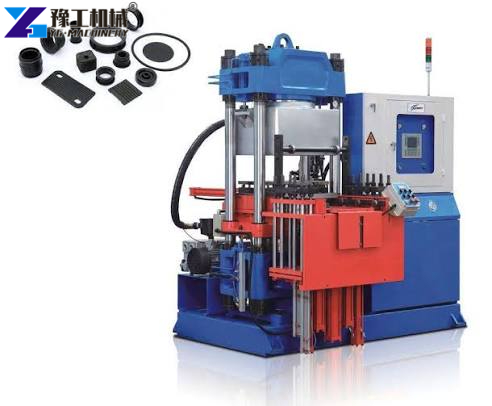
A hydraulic rubber molding press cuts operational overhead by automating mold opening and closing sequences, reducing scrap rates from improper venting, and minimizing hydraulic power consumption during holding cycles.
- Lower Material Scrap: Automated venting sequences release air pockets before curing begins, reducing product rejection rates below 0.5%.
- Dual Motor Hydraulics: Independent dual-motor power units (e.g., 11×2 kW) engage secondary pumps only when fast closing speed is required, saving standby electricity.
- Long Component Service Life: Chrome-plated pistons (300 mm to 560 mm diameter) and wear-resistant seals prevent hydraulic fluid leaks under 30,000 kg operating mass.
- Simplified Maintenance Access: Open frame structures allow quick access to hydraulic valves, heating elements, and central oil filtration units.
Upgrading to an automated hydraulic press protects your production line against costly downtime while delivering high dimensional accuracy across every batch.
Complete Rubber Recycling and Manufacturing Line Integration
Building a profitable rubber manufacturing or recycling facility requires matching your curing press with reliable material preparation and recycling equipment.
Pairing your vulcanizing press with our complete line of industrial machinery builds an efficient, sustainable processing loop:
- Scrap Rubber Shredding: Process waste tires and rubber offcuts into uniform rubber chips using a high-torque [shredder machine].
- Recycled Crumb Rubber Processing: Refine shredded rubber chips into fine rubber powder for re-molding using a complete [tire recycling line].
- Precision Rubber Molding: Press refined crumb rubber and raw rubber compounds into high-value molded products using an [Automated Rubber Vulcanizing Press].
Sourcing your complete material processing and curing machinery directly from YG Machinery guarantees complete mechanical compatibility, streamlined factory support, and direct manufacturer pricing advantages.
Find the Right Model for Your Project
Field Case Study: Automotive Rubber Parts Plant in Thailand
The Operational Challenge
An automotive rubber component manufacturer in Thailand needed to expand its production capacity for heavy engine mounts and suspension bushings. Their older manual presses suffered from inconsistent platen heating, causing a 6.5% scrap rate due to improper vulcanization. Furthermore, high equipment dealer markups in the local market threatened their expansion budget.
The Equipment Solution
To solve their quality issues and remain within budget, the manufacturer purchased two Model 300T units directly from YG Machinery’s factory. Featuring 650×650 mm heating platens, 450 mm piston diameters, and 7.5×2 kW dual motors, the factory-direct purchase saved the company 22% compared to local machinery distributors. The automated PLC system was programmed for automated micro-venting and precise 170°C thermal control.
Operational Results and Return on Investment (ROI)
Deploying the factory-direct hydraulic curing presses transformed factory productivity:
- Scrap Rate Drops Below 0.4%: Precise temperature control and automated bump venting virtually eliminated internal air voids and incomplete cures.
- 35% Output Increase: Faster hydraulic closing speeds and automated curing timers reduced batch cycle times from 12 minutes down to 7.8 minutes.
- Significant Energy Savings: Dual-motor hydraulic circuits cut daily electrical power consumption by 18%.
- 11-Month Capital Payback: Direct factory savings combined with higher product yields enabled the plant to fully recover its machinery investment within 11 months.
Accelerate Your Production Capability with Direct Factory Pricing
Upgrading your rubber manufacturing facility with an Automated Rubber Vulcanizing Press from YG Machinery gives you direct manufacturer pricing without distributor commissions. Choose your buyer decision pathway below:
- Direct Wholesale Quotation (Ready to Buy): Need immediate factory pricing? Send us your required clamping force (150T–500T), platen dimensions, and target port to receive an itemized factory quote within 24 hours.
- Technical Model Matching (Evaluation Stage): Share your product mold dimensions and daily output targets with our engineering team to select the ideal model between 150T and 500T configurations.
- Engineering Blueprint Download (Research Stage): Access detailed foundation drawings, hydraulic schematics, and electrical wiring diagrams for facility planning.
FAQs About Automated Rubber Vulcanizing Presses
A1: Direct factory purchasing eliminates middleman markups, secures wholesale pricing, allows custom platen/daylight engineering, and provides direct technical support from original machine builders.
A2: Standard capacities range from 150T up to 500T total clamping pressure, with platen sizes up to 1200×1000 mm.
A3: Bump venting automatically opens the press slightly during initial closure to release trapped air and volatile gases, preventing internal blisters and surface voids.
A4: Platens can be engineered for electric cartridge heating, steam heating, or thermal oil circulation depending on your factory’s utility setup.
A5: Regularly check hydraulic oil levels and filter cleanliness, inspect piston seals, grease guide pillars, and verify platen heating element resistance every shift.