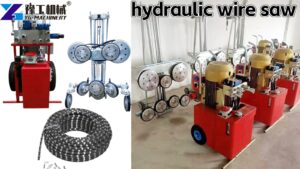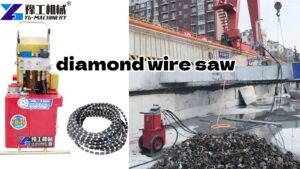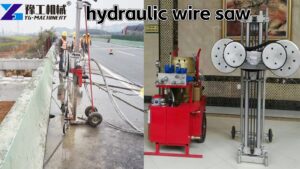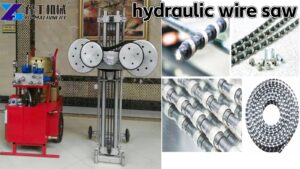
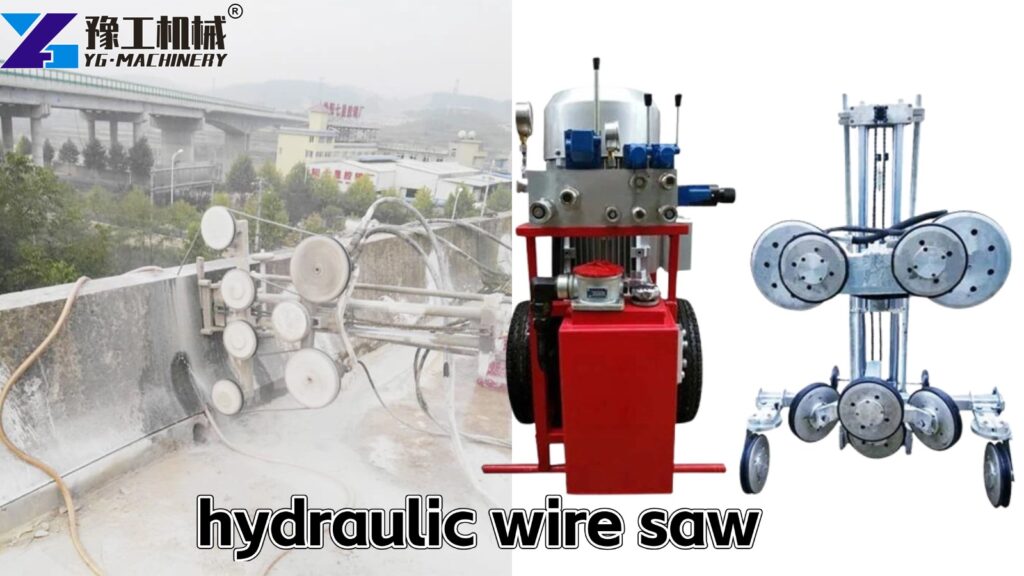
A bridge demolition wire saw recently helped a Philippine engineering contractor complete precision concrete cutting during a bridge rehabilitation project. The customer required equipment capable of cutting heavily reinforced concrete while minimizing vibration, noise, and disruption to nearby traffic. After several technical discussions, YG Machinery supplied a hydraulic wire saw system that met the project’s structural and environmental requirements.
From the initial inquiry to successful field operation, every stage of the project followed a carefully planned process. Engineers evaluated the bridge structure, confirmed equipment specifications, completed factory inspection, arranged international shipment, and provided remote commissioning support. Shortly after installation, the equipment entered full operation and became one of the contractor’s primary concrete cutting solutions.
Start Your Project with the Right Equipment
Why The Customer Needed A Bridge Demolition Wire Saw
The customer is a civil engineering contractor based in Metro Manila. The company specializes in bridge maintenance, highway reconstruction, and municipal infrastructure upgrades.
One project involved replacing several deteriorated bridge sections while preserving adjacent structural components. Traditional demolition methods using hydraulic breakers generated excessive vibration and dust, increasing the risk of damaging nearby concrete that needed to remain intact. Modern bridge rehabilitation increasingly favors controlled cutting methods because they reduce vibration and improve precision while maintaining structural safety.
The contractor identified several challenges:
- Reinforced concrete up to several hundred millimeters thick
- Strict noise restrictions
- Limited construction windows
- Heavy daily traffic
- High cutting accuracy requirements
- Safe lifting of pre-cut bridge sections
Management decided to invest in a hydraulic wire saw system capable of producing accurate cuts before crane lifting operations.
Diamond Wire Cutting Saw Requirements Before Equipment Selection
The contractor first contacted YG Machinery through the company website after reviewing several concrete cutting solutions.
Instead of recommending equipment immediately, YG engineers requested detailed project information to better understand the working environment.
The technical discussion focused on:
- Bridge dimensions
- Concrete strength
- Reinforcement density
- Expected cutting depth
- Crane lifting capacity
- Available electrical supply
- Daily cutting schedule
An online video meeting followed.
The customer shared bridge drawings, construction photographs, and demolition sequencing plans. Engineers explained that diamond wire cutting is widely used for bridge rehabilitation because it allows reinforced concrete to be separated into controlled sections with very low vibration and high dimensional accuracy. Industry practice also favors wire sawing when adjacent structures must remain undamaged.
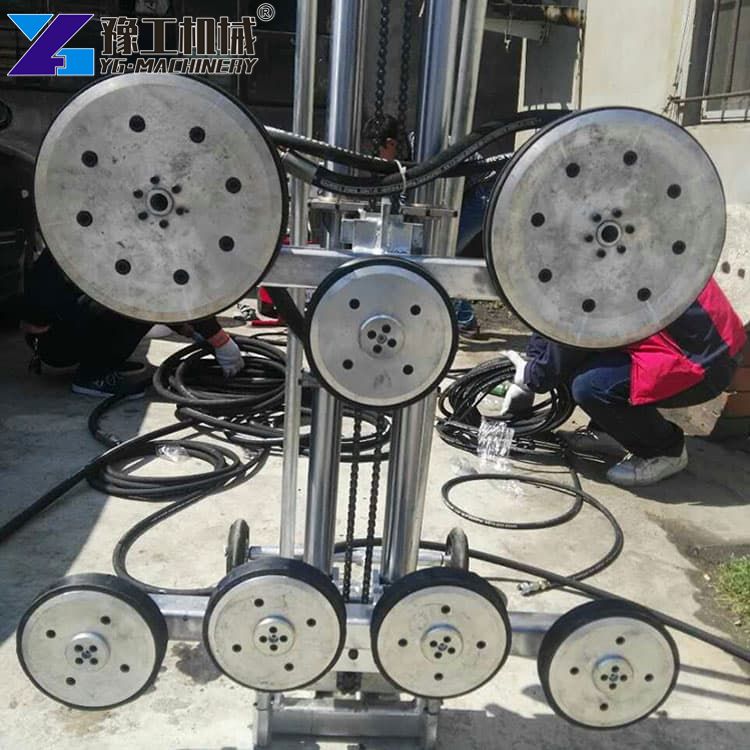
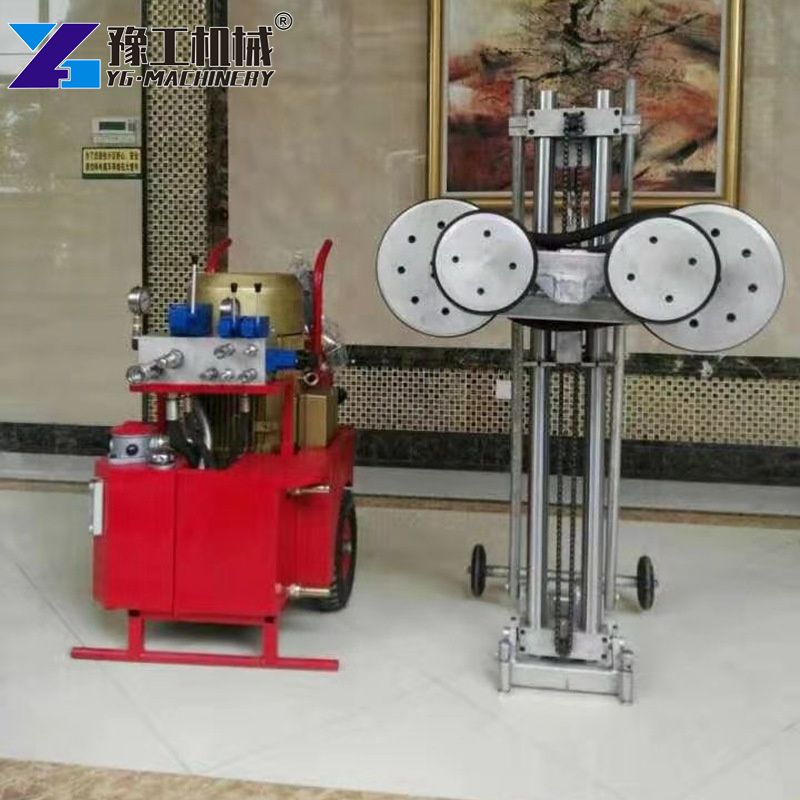
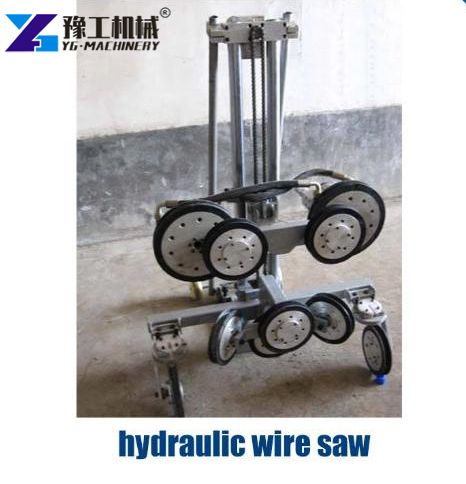
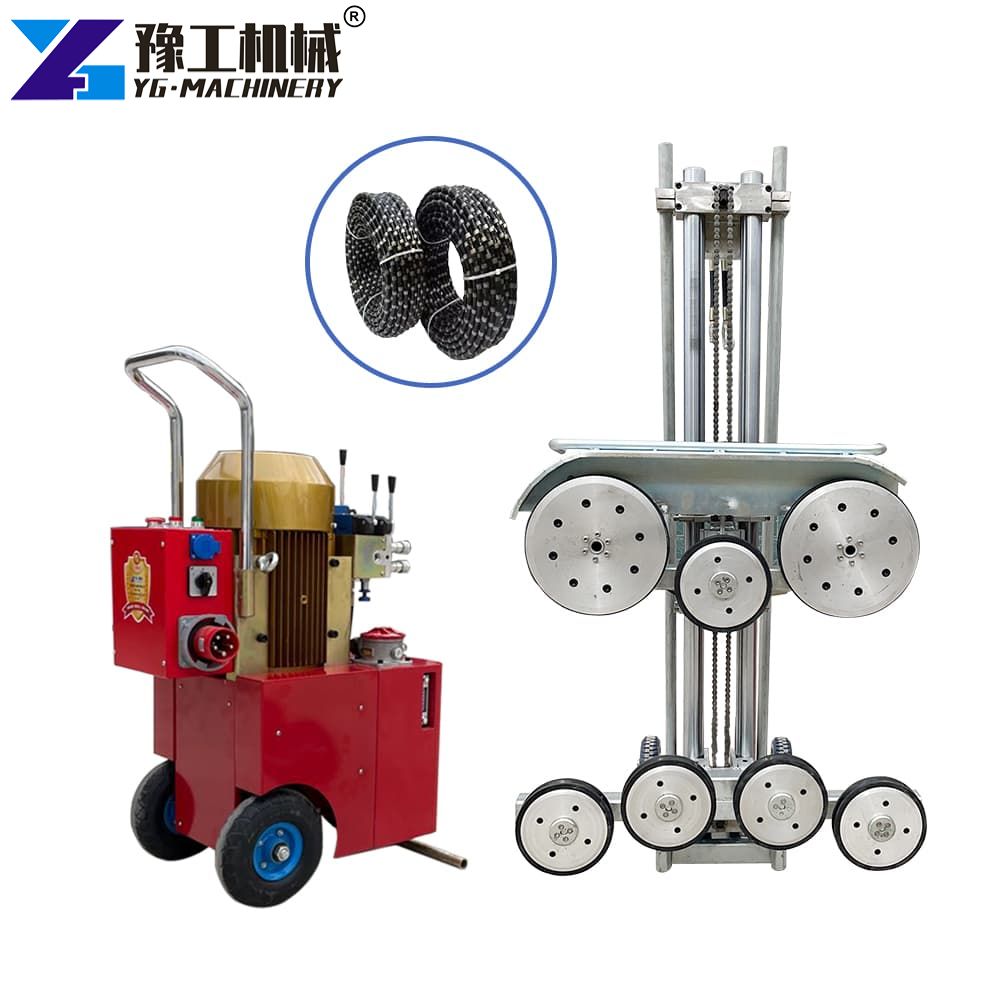
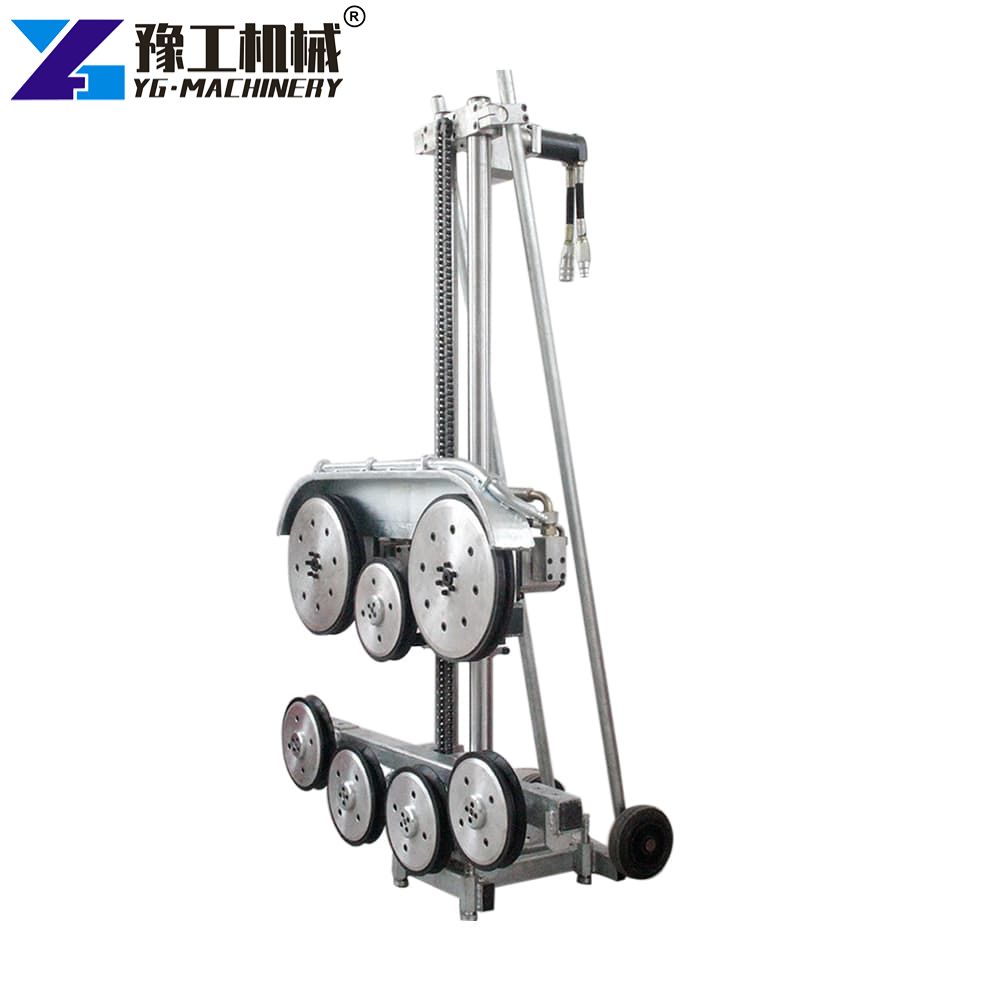
After reviewing the entire demolition sequence, YG recommended the HM-40/80 hydraulic wire saw. The machine provided sufficient power, stable hydraulic output, and flexible installation for bridge deck and pier cutting.
Why The Customer Selected The Hydraulic Wire Saw
After several technical meetings, the customer compared hydraulic breakers, wall saws, and wire saw systems.
Each solution offered different advantages. Hydraulic breakers worked well for bulk demolition but generated vibration and uncontrolled cracking. Wall saws produced accurate cuts but were less suitable for thick bridge members with complex cutting paths.
The hydraulic wire saw offered the greatest flexibility.
It could perform:
- Horizontal cutting
- Vertical cutting
- Inclined cutting
- Large-section concrete separation
- Reinforced concrete cutting
- Irregular structural cutting
More importantly, it allowed engineers to divide the bridge into manageable lifting sections before crane removal. This significantly improved construction safety while reducing the risk of accidental structural damage.
After evaluating productivity, operating cost, and cutting accuracy, the customer confirmed the HM-40/80 hydraulic wire saw as the final solution.
Boost Productivity—Get a Free Quote
Hydraulic Stone Cutter Technical Parameters
Before production, YG Machinery provided a complete technical specification sheet for customer review. Engineers compared power output, hydraulic performance, wire capacity, and operating pressure before confirming the final configuration.
| Wire Saw Wheel Parameters | Specification | Hydraulic Pump Station Parameters | Specification |
|---|---|---|---|
| Wire Drive Mode | Hydraulic | Rated Output Power | 22/25KW |
| Model Type | HM-40/80 | Working Voltage | 380V 50Hz |
| Minimum Input Power | 25HP / 33HP | Hydraulic Pump | Gear Pump |
| Output Shaft Speed | 350 / 940 / 1300 r/min | Motor Working Flow | 40–100L/min |
| Maximum Wire Length | 18m | Working Pressure | 15–20MPa |
| Feeding Method | Fully Hydraulic | Oil Tank Volume | 16L |
| Wire Saw Wheel Weight | 64kg | Pump Station Weight | 98kg |
| Motor Weight | 13kg | Pump Station Size | 650 × 550 × 1150mm |
| Cutting Type | Transverse & Longitudinal Cutting |
The customer selected this configuration because it provided stable hydraulic output while remaining compact enough for bridge maintenance projects where working space was limited.
Compare Models and Get a Quote
Hydraulic Stone Cutter Configuration Confirmation
Once the model was selected, both engineering teams finalized several configuration details according to the bridge demolition plan.
Because the project involved reinforced concrete bridge beams with dense steel reinforcement, several upgrades were incorporated before production.
The final configuration included:
- Fully hydraulic feeding system
- 18-meter diamond wire capacity
- High-strength drive wheel assembly
- Reinforced guide pulley system
- Heavy-duty hydraulic pump station
- Adjustable cutting speed
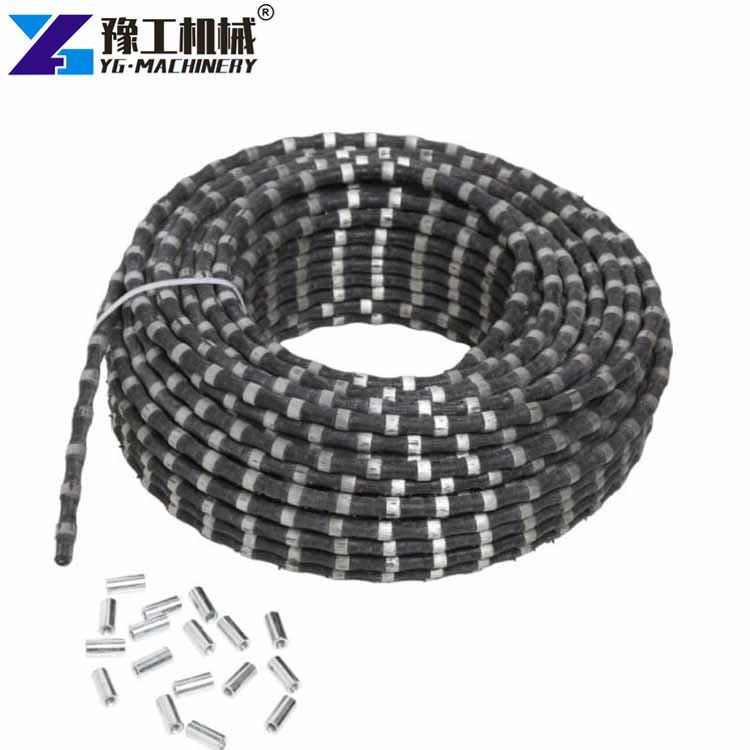
YG engineers also recommended preparing multiple diamond wire loops for continuous operation. This would reduce downtime during large-scale concrete cutting and improve daily productivity.
After confirming all technical drawings and hydraulic layouts, the customer approved production.
Manufacturing And Factory Inspection
Production started according to the agreed delivery schedule.
Throughout manufacturing, technicians inspected every major component before final assembly. The drive system, hydraulic pump station, guide wheels, feeding mechanism, and electrical control unit all underwent quality inspections to ensure reliable operation under demanding construction conditions.
After assembly, the machine completed a series of functional tests.
Factory inspection focused on:
- Hydraulic pressure stability
- Feeding system movement
- Wire drive performance
- Motor operation
- Emergency stop response
- Continuous running stability
The equipment successfully completed all operational tests before receiving export approval.
Find the Right Model for Your Project
Export Packaging And Shipment To The Philippines
Following final inspection, the machine was prepared for international transportation.
To protect the equipment during ocean shipping, key hydraulic components were sealed, exposed metal surfaces received anti-corrosion treatment, and electrical components were securely packed. The hydraulic pump station and cutting assembly were fixed inside reinforced export packaging to minimize movement during transport.
YG Machinery provided loading photographs, shipping documents, and logistics updates throughout the transportation process. This allowed the customer to coordinate customs clearance and crane scheduling before the equipment arrived at the project site.
The shipment reached the Philippines on schedule and was transported directly to the bridge construction site for installation.
Installation And Operator Training After Arrival
When the equipment arrived at the Philippine project site, the contractor arranged unloading and installation according to the previously discussed plan.
The working area was located near an active bridge construction zone. Space was limited. The customer needed a cutting system that could be moved easily between different working positions.
YG engineers provided remote installation guidance through video communication. The customer’s technicians completed the basic setup following the installation drawings.
The commissioning process included:
- Hydraulic connection inspection
- Motor rotation testing
- Wire wheel alignment adjustment
- Feeding system calibration
- Cutting speed verification
- Safety operation checks
Before starting official cutting work, operators received practical training.
The training focused on:
- Correct diamond wire installation
- Hydraulic pressure adjustment
- Cooling water management
- Daily inspection procedures
- Wear part replacement
- Safe cutting operation
The operators quickly understood the working principle. Compared with traditional demolition equipment, the system required more attention to wire tension and cutting parameters rather than impact force.
After several test cuts, the contractor confirmed that the machine was ready for the bridge demolition project.
First Bridge Demolition Project With Diamond Wire Cutting Saw
The first application involved removing sections of an old reinforced concrete bridge structure.
The bridge components contained dense steel reinforcement. The contractor needed clean separation before lifting each section with a crane.
During the first cutting operation, the team followed a controlled sequence:
- Mark the cutting position according to engineering drawings.
- Install guide pulleys around the concrete section.
- Mount the diamond wire loop.
- Adjust hydraulic feeding pressure.
- Start continuous cutting.
- Remove the separated concrete section.
The process produced smooth cutting surfaces. The removed sections matched the planned dimensions, which simplified lifting and transportation.
Compared with mechanical impact demolition, the wire cutting method reduced surrounding vibration. This was especially important because some nearby structures remained in service during the renovation project.
The contractor recorded several operational improvements:
- More accurate cutting lines
- Reduced secondary breaking work
- Lower noise levels
- Better control of demolition sequence
- Improved worker safety
The machine continued operating during multiple cutting stages throughout the project.
Hydraulic Wire Saw Performance Under Philippine Working Conditions
During field operation, the contractor tested the equipment under different cutting requirements.
The project included:
- Bridge deck cutting
- Reinforced beam separation
- Concrete block removal
- Structural modification work
The hydraulic system maintained stable performance during long working periods.
Operators adjusted cutting speed according to concrete thickness and reinforcement density. The flexible hydraulic control allowed gradual feeding, reducing unnecessary stress on the diamond wire.
The customer particularly appreciated three features:
Stable Cutting Performance
The hydraulic drive system provided consistent power output. Cutting speed remained stable even when the wire encountered reinforced sections.
Flexible Installation
The compact structure allowed workers to reposition the equipment quickly. This helped the team handle different bridge sections without complex transportation arrangements.
Lower Structural Impact
Because the cutting process used controlled abrasion rather than impact force, surrounding concrete structures experienced less vibration.
These advantages helped the contractor maintain the original project schedule.
Project Results After Several Months Of Operation
After several months of field use, the customer reviewed the performance of the equipment.
The machine had completed multiple bridge cutting tasks without major downtime.
The contractor reported measurable improvements:
- Cutting preparation time reduced compared with previous methods
- Less manual breaking work required after cutting
- Improved accuracy of removed concrete sections
- Better coordination between cutting and lifting operations
- Reduced interruption to nearby traffic activities
The project manager explained that the biggest improvement was the ability to plan demolition work more precisely.
Previously, workers needed additional time to correct irregular demolition edges. After using the wire saw system, most sections could be removed according to the original cutting plan.
This improved both efficiency and material handling.
Customer Feedback On The Bridge Demolition Wire Saw Project
After completing the first bridge rehabilitation project, the customer provided feedback regarding equipment performance and technical support.
The contractor highlighted several advantages:
- Reliable hydraulic system
- Accurate concrete cutting
- Simple operation process
- Convenient maintenance
- Stable performance during long working hours
The project manager noted that the equipment matched the company’s requirements for controlled demolition work.
The customer also appreciated the communication process before shipment. Technical discussions helped avoid configuration problems after arrival.
Because of the successful application, the contractor planned to use the equipment for additional infrastructure projects, including bridge maintenance and reinforced concrete structure renovation.
This project demonstrated how selecting suitable cutting technology can improve demolition quality, reduce risks, and support more efficient infrastructure construction.
Why Contractors Choose YG Machinery For Concrete Cutting Solutions
For bridge rehabilitation and structural demolition projects, equipment selection directly affects construction safety, efficiency, and final results.
A professional wire cutting system helps contractors handle:
- Large reinforced concrete structures
- Precision demolition projects
- Urban construction environments
- Infrastructure renovation work
YG Machinery focuses on providing practical equipment solutions based on real project requirements.
From initial technical communication to final operation support, each stage of this Philippine project followed a clear process:
- Requirement analysis
- Equipment configuration
- Factory testing
- International delivery
- Installation guidance
- Field operation support
For contractors planning bridge demolition or concrete cutting projects, choosing the right equipment can reduce project risks and improve overall productivity.
Contact YG Machinery to receive technical specifications, project recommendations, and customized quotation solutions for your next concrete cutting application.


Frequently Asked Questions
A1: It is commonly used for bridge removal, reinforced concrete cutting, building renovation, infrastructure maintenance, and large concrete structure separation.
A2: Wire cutting produces lower vibration and more accurate cutting results. It is suitable for projects where surrounding structures need protection.
A3: Service life depends on concrete strength, reinforcement density, cutting speed, and operating conditions. Proper cooling and tension adjustment can extend wire performance.
A4: Yes. The system is designed for reinforced concrete structures containing steel bars and complex internal reinforcement.
A5: Yes. YG Machinery provides installation guidance, operation training, maintenance instructions, and remote technical support.