Modern mining exploration and geological drilling projects require higher drilling efficiency, cleaner sampling results, and lower operating costs. A professional RC drilling machine delivers reliable drilling performance for mining, water well construction, geological investigation, and foundation engineering. Compared with conventional drilling systems, this equipment improves drilling speed and reduces sample contamination through reverse circulation technology.
YG Machinery focuses on practical drilling solutions for global contractors and engineering companies. With a crawler-mounted structure, hydraulic power system, and strong rotary drilling head, the equipment performs steadily in complex terrain and demanding drilling environments.
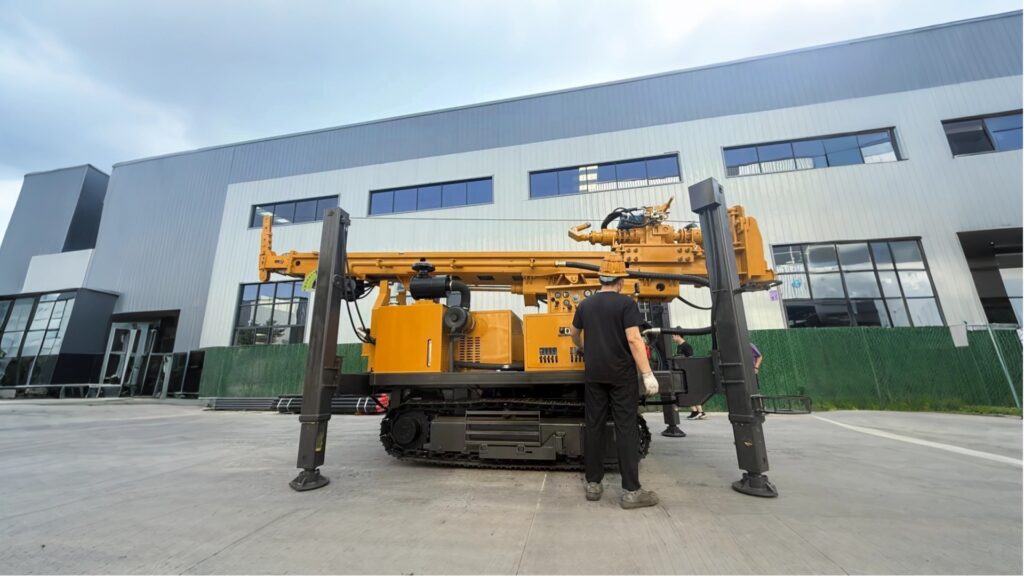
What Is an RC Drilling Machine?
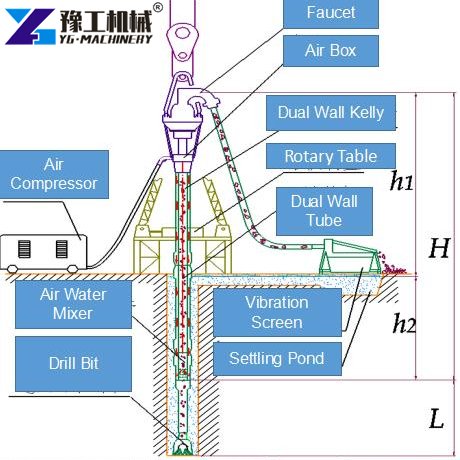
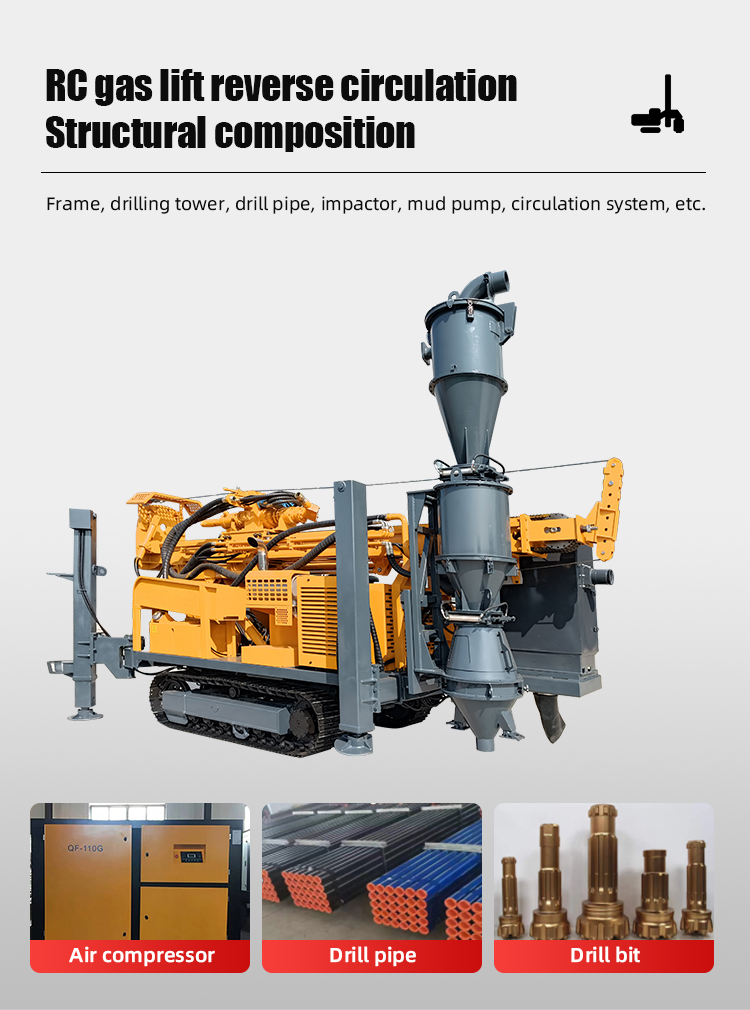
It is a specialized drilling system designed for reverse circulation drilling operations. The equipment uses dual-wall drill pipes and compressed air circulation to transport rock cuttings from the drill bit directly to the surface.
This drilling method provides cleaner geological samples because the cuttings travel through the inner pipe rather than mixing with surrounding soil layers. It is widely used in mineral exploration, geological investigation, quarry projects, and water well drilling.
Compared with traditional drilling methods, reverse circulation drilling offers several advantages:
- Faster drilling speed
- Better sample quality
- Reduced contamination risk
- Cleaner job site conditions
- Lower drilling interruption frequency
- Strong adaptability to different formations
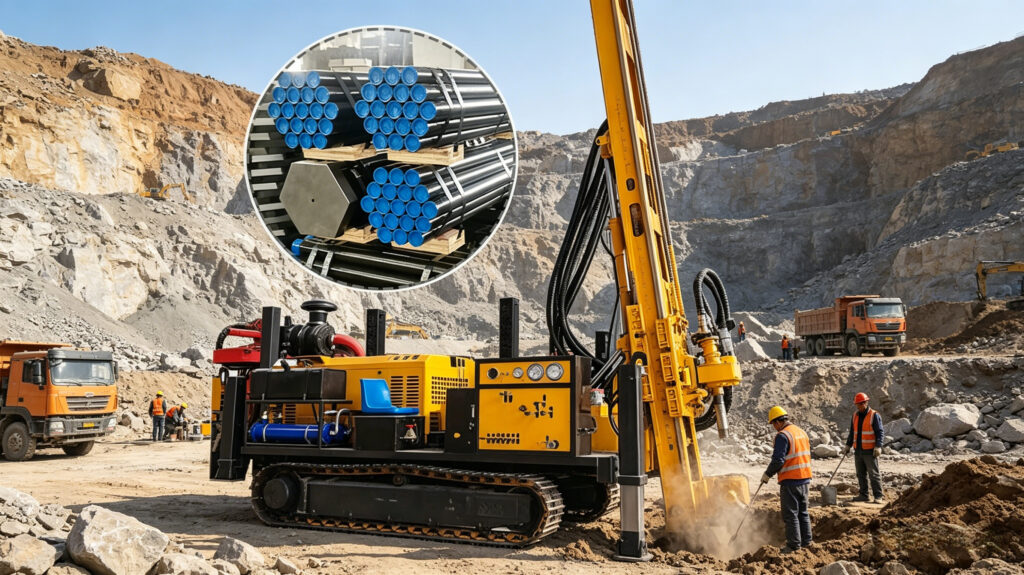
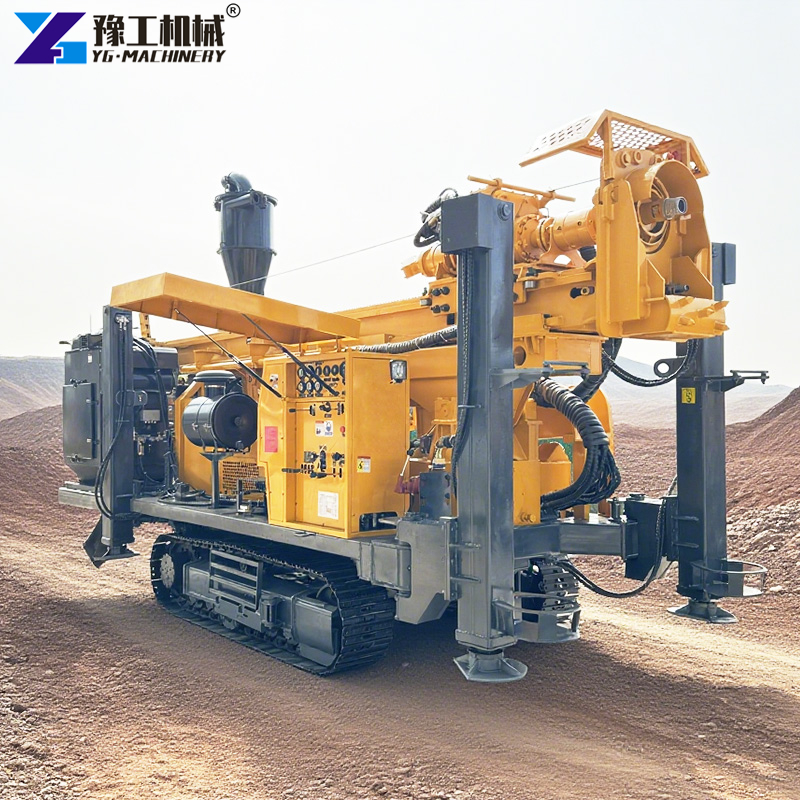
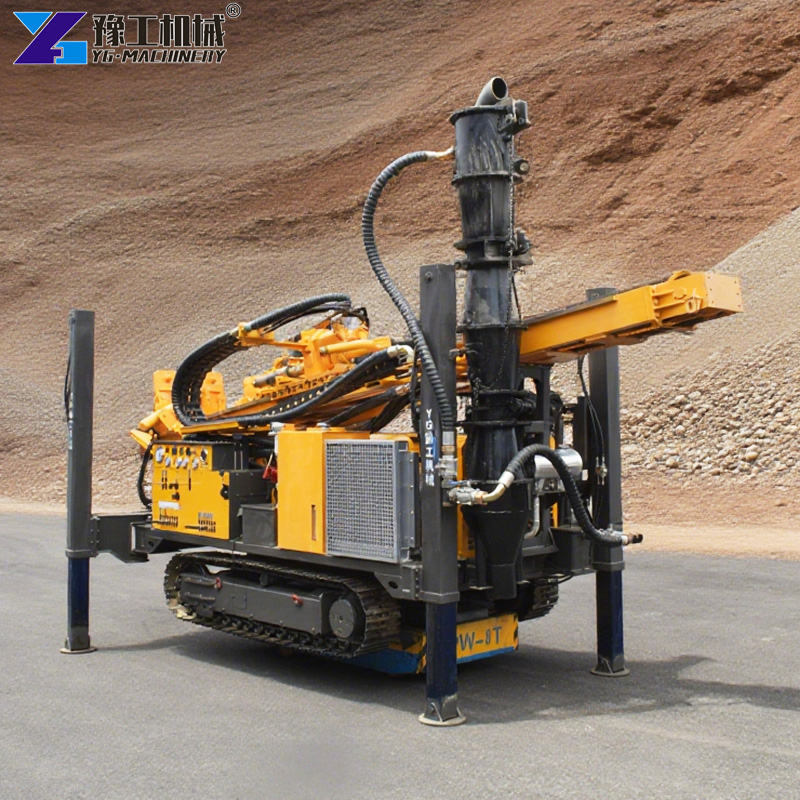
The machine combines a crawler chassis, hydraulic feeding system, rotary drilling head, and air circulation system into one integrated drilling platform.
Hydraulic RC Drilling Rig for Stable Drilling Performance
A professional RC drilling rig improves drilling efficiency through stable hydraulic control and high-torque output.
Powerful Hydraulic System
The hydraulic system delivers a stable feeding force and lifting capacity during continuous drilling operations.
High-Torque Rotary Head
Strong rotary torque improves penetration performance in hard rock and mixed geological conditions.
Flexible Drilling Angles
The adjustable drilling angle system supports vertical, inclined, and directional drilling requirements.
Stable Crawler Mobility
Crawler walking systems maintain traction and operational stability on rough construction sites.
Efficient Sample Collection
The reverse circulation structure improves sample cleanliness and drilling accuracy.
How the Hydraulic RC Drilling Rig Works
Understanding the working process helps contractors choose suitable drilling equipment for different projects.
Step 1: Rotary Drilling Operation
The drilling head rotates the drill pipe and drill bit into the ground through hydraulic power transmission.
Step 2: Reverse Circulation Air Flow
Compressed air enters the outer pipe and pushes rock cuttings upward through the inner pipe.
Step 3: Internal Slag Discharge
The reverse circulation structure transports drilling debris directly to the surface efficiently.
Step 4: Continuous Deep Drilling
The crawler-mounted structure stabilizes the machine during deep-hole drilling operations.
This working principle improves drilling speed while reducing contamination and hole collapse risk.
Explore a real customer project using this equipment for on-site operations.
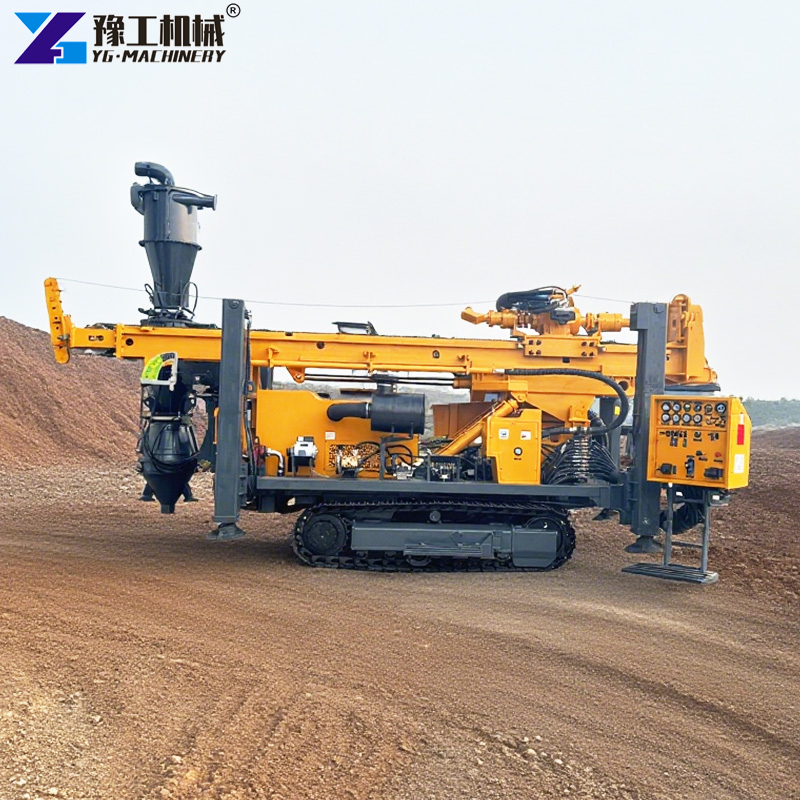
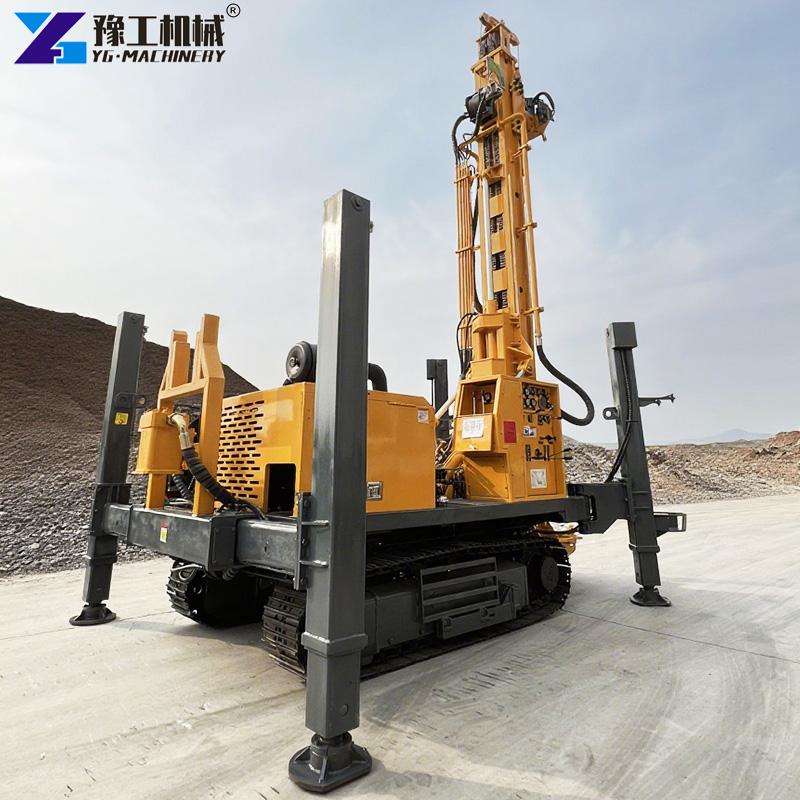
Reverse Circulation Drilling Rig for Complex Geological Conditions
A modern reverse circulation drilling rig performs efficiently in challenging geological environments.
Suitable for Multiple Formations
The equipment can work effectively in:
- Gravel layers
- Clay formations
- Sandstone
- Hard rock
- Weathered rock
- Mixed geological conditions
Strong Deep-Hole Stability
Efficient slag removal improves borehole cleanliness and reduces collapse risk during deep drilling operations.
Better Drilling Accuracy
Stable feeding pressure and rotary control improve drilling precision.
Reduced Downtime
Efficient circulation systems reduce blockages and improve continuous drilling efficiency.
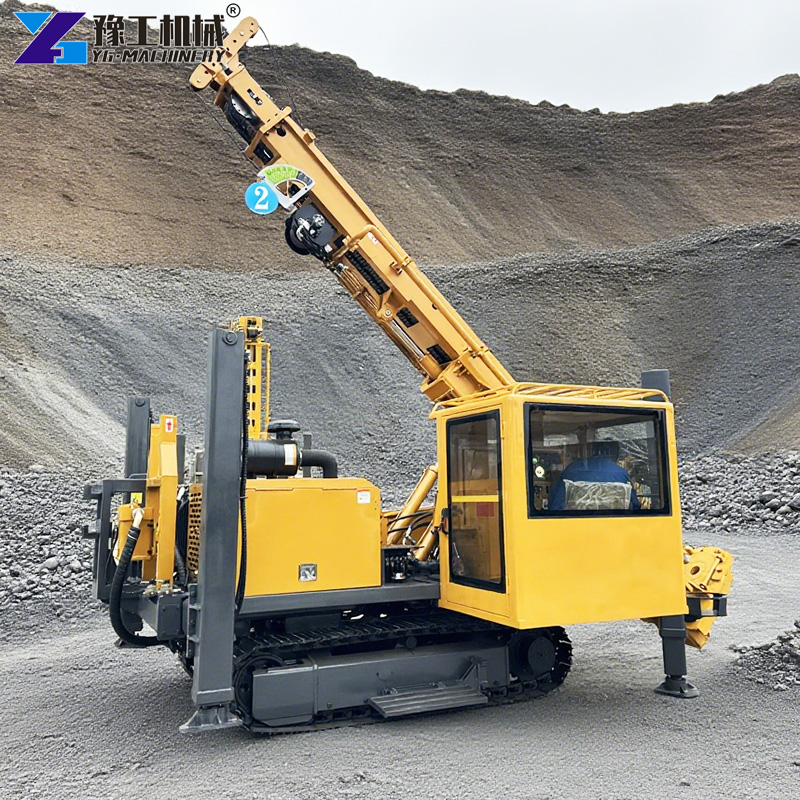
Reverse Drilling Machine Structural Design and Engineering
A professional reverse drilling machine combines durability, drilling stability, and easy maintenance into one integrated structure.
Heavy-Duty Crawler Chassis
The crawler base improves movement stability on rough terrain and muddy job sites.
Reinforced Drilling Frame
The drilling frame supports continuous heavy-load operations while reducing vibration during drilling.
Hydraulic Feeding System
The feeding structure provides a stable thrust force and lifting capacity for deep drilling projects.
Compact Transportation Design
The machine structure simplifies transportation between different construction sites.
Maintenance-Friendly Layout
The mature structural design allows operators to inspect and maintain hydraulic systems more conveniently.
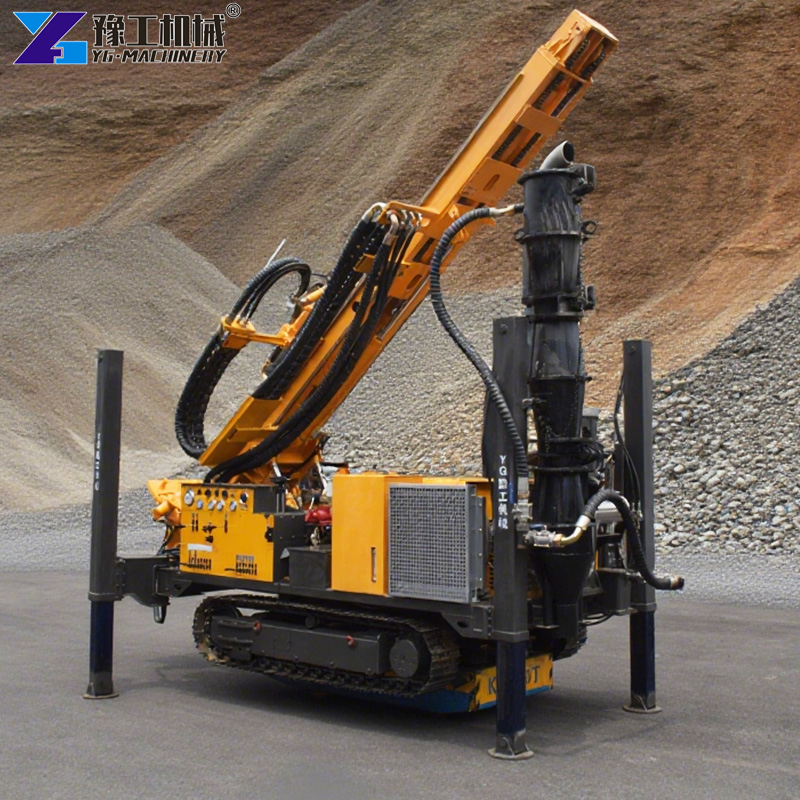
Key Features of the Reverse Circulation Drilling Rig
High Drilling Efficiency
Reverse circulation technology improves drilling productivity and reduces unnecessary downtime.
Cleaner Geological Samples
Internal circulation helps minimize contamination during sample collection.
Strong Climbing Ability
Crawler systems support stable operation on slopes and uneven terrain.
Wide Drilling Diameter Range
The equipment supports different drilling diameter requirements for various engineering projects.
Reliable Power Configuration
The diesel engine provides continuous power output for long working hours.
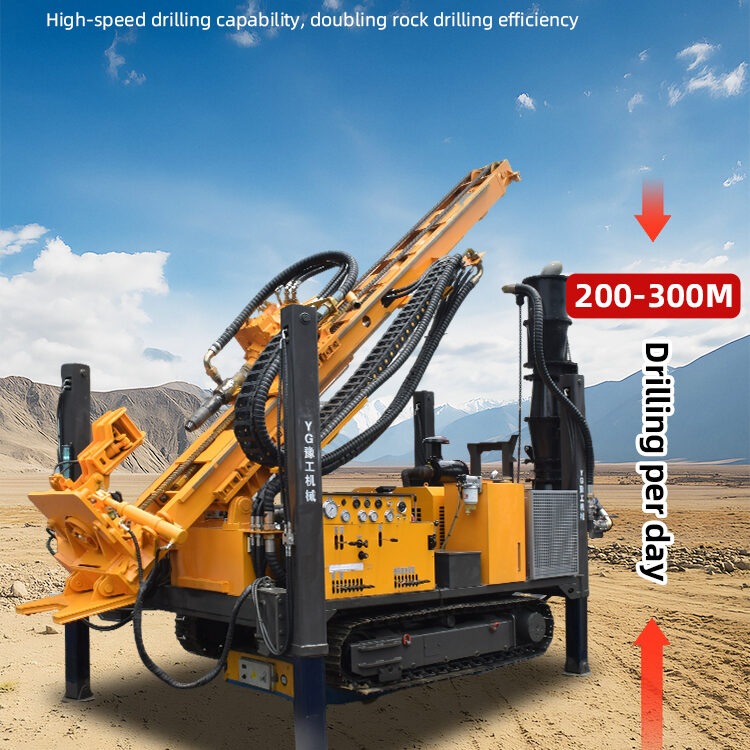
RC Drilling Machine Technical Specifications
| Item | Unit | YG150RC |
|---|---|---|
| Model | — | YG150RC |
| Drill Rig Weight (Crawler Mounted) | kg | 9000 |
| Engine Power | kW | 125 |
| Length × Width × Height | mm | 6750 × 2200 × 2950 |
| Ambient Temperature Range | °C | -10~38 |
| Nominal Drill Depth | m | 150 |
| End-hole Diameter | mm | 110–250 |
| Drill Angle | ° | -10–90 |
| Horizontal Hole Height | m | 1.85–2.8 |
| Max Output Torque | N.m | 8000 |
| Output Rotation Speed (Continuity) | rpm | 30/60, 54/108 |
| Output Rotation Speed (Interval) | rpm | 62/124, 105/210 |
| Feeding Stroke | mm | 3500 |
| Thrust Force | kN | 45 |
| Lifting Capacity | kN | 65 |
Technical Parameter Interpretation
150-Meter Drilling Depth
The machine supports medium-depth exploration and engineering drilling projects.
8000 N · m Rotary Torque
Strong rotary output improves penetration efficiency in difficult geological formations.
45kN Feeding Force
Stable feeding pressure helps maintain drilling continuity and hole stability.
65kN Lifting Capacity
The lifting system improves drill pipe handling efficiency during operation.
Wide Drilling Diameter Range
The machine supports hole diameters from 110mm to 250mm for different project requirements.
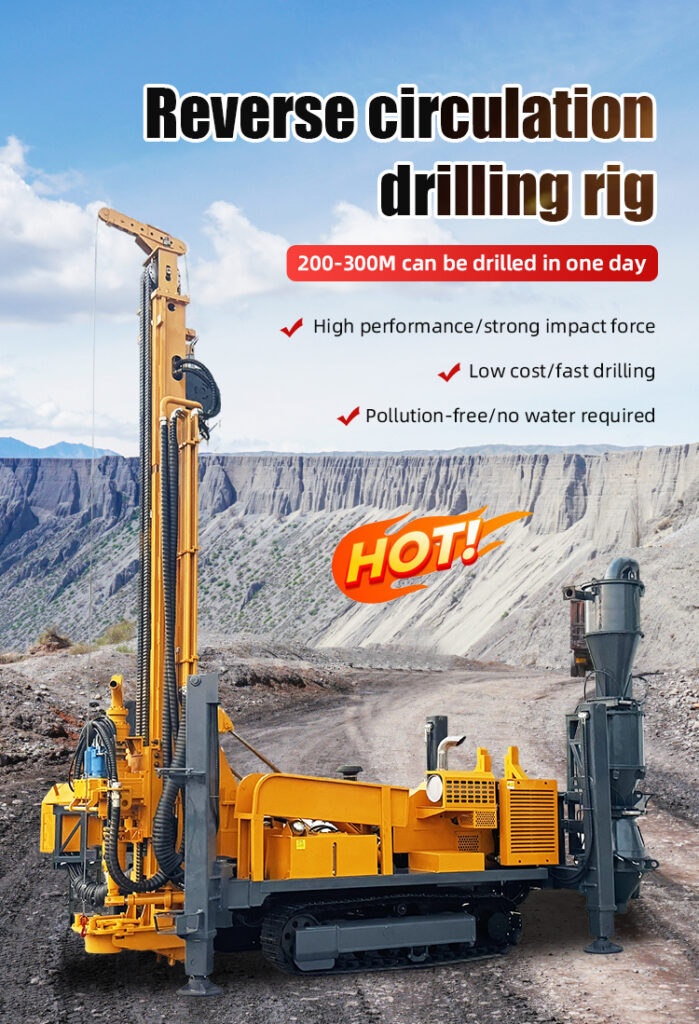
Applications of the Reverse Drilling Machine
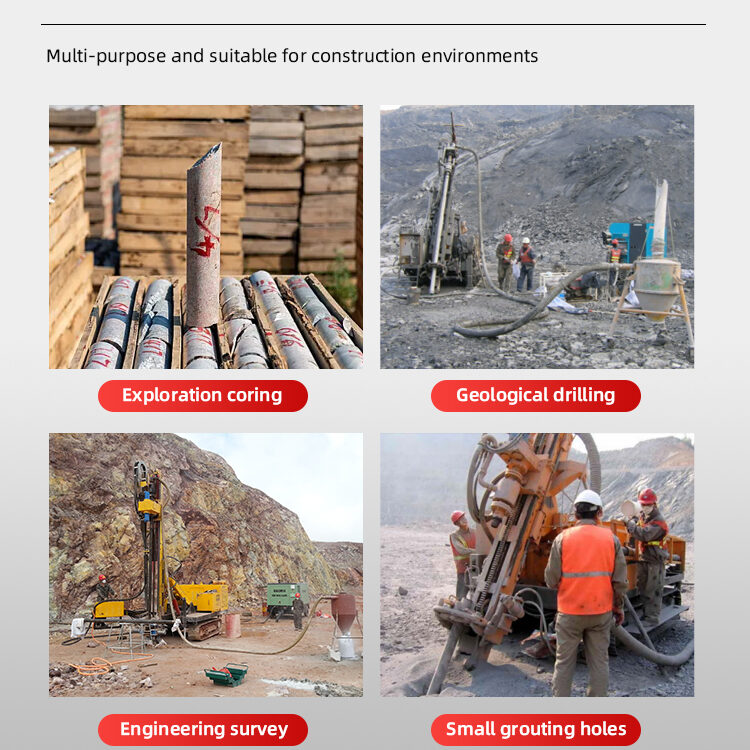
The equipment supports multiple industries and engineering applications.
Mining Exploration
Accurate sample collection helps improve mineral exploration efficiency.
Water Well Drilling
The machine supports groundwater drilling projects in different soil conditions.
Geological Investigation
Reverse circulation technology improves geological data collection accuracy.
Quarry Operations
Fast drilling speed increases operational productivity in quarry environments.
Infrastructure Construction
Foundation investigation projects require stable and reliable drilling performance.
Why Contractors Choose YG Machinery
YG Machinery supplies drilling equipment to contractors and engineering companies worldwide. The company focuses on equipment durability, operational stability, and practical project solutions.
Advantages of Working With YG Machinery
- Professional export experience
- Stable hydraulic system design
- Reliable crawler structure
- Factory-direct pricing
- Spare parts support
- Technical guidance services
- Fast equipment delivery
YG Machinery also supplies:
- Rotary drilling rigs
- DTH drilling machines
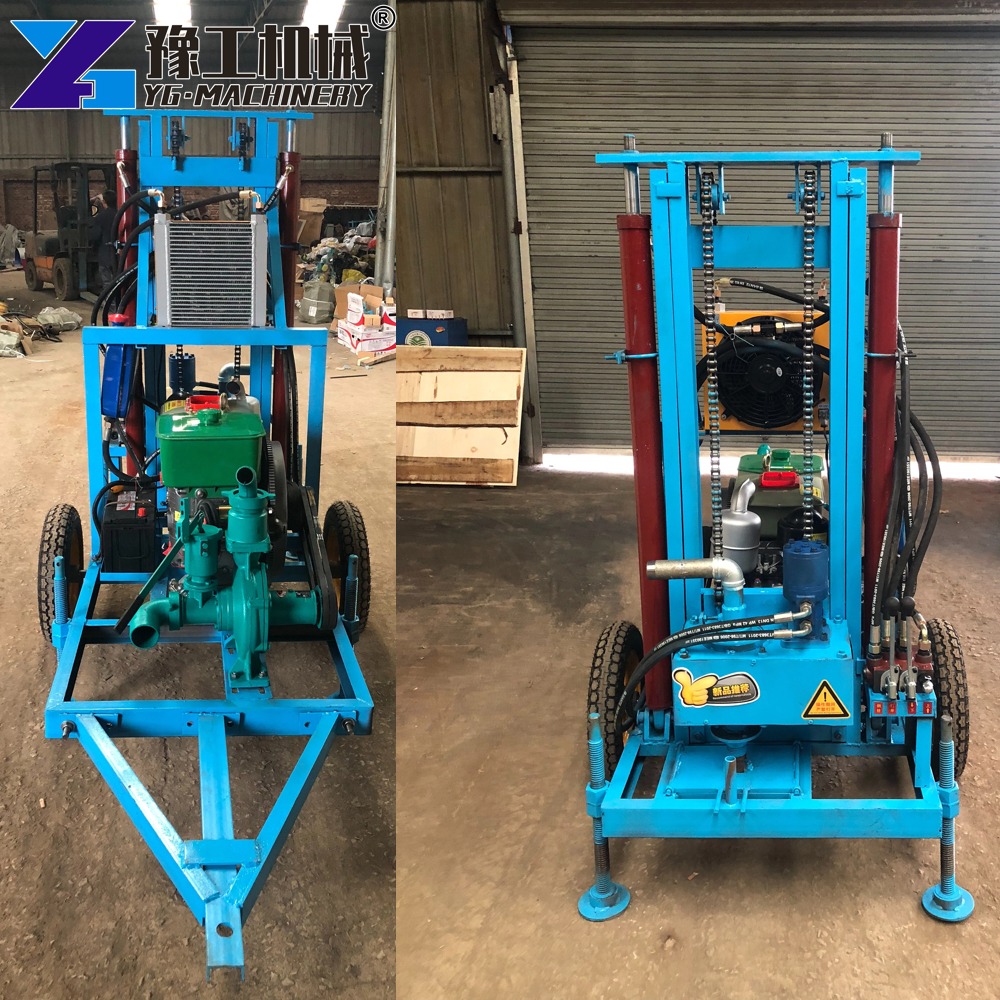
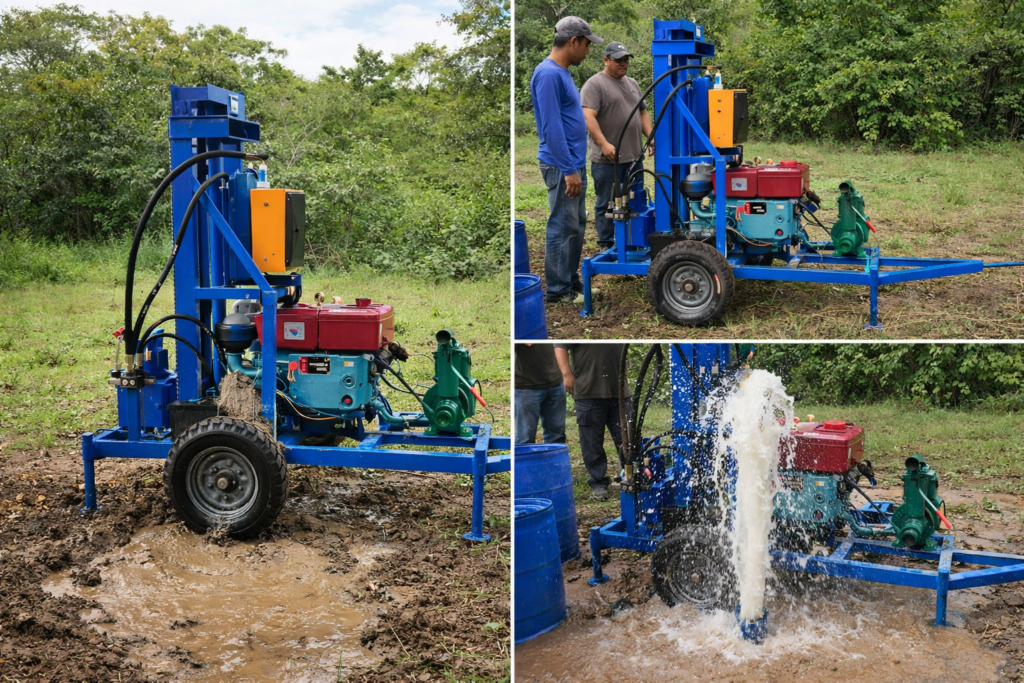
- Water well drilling rigs
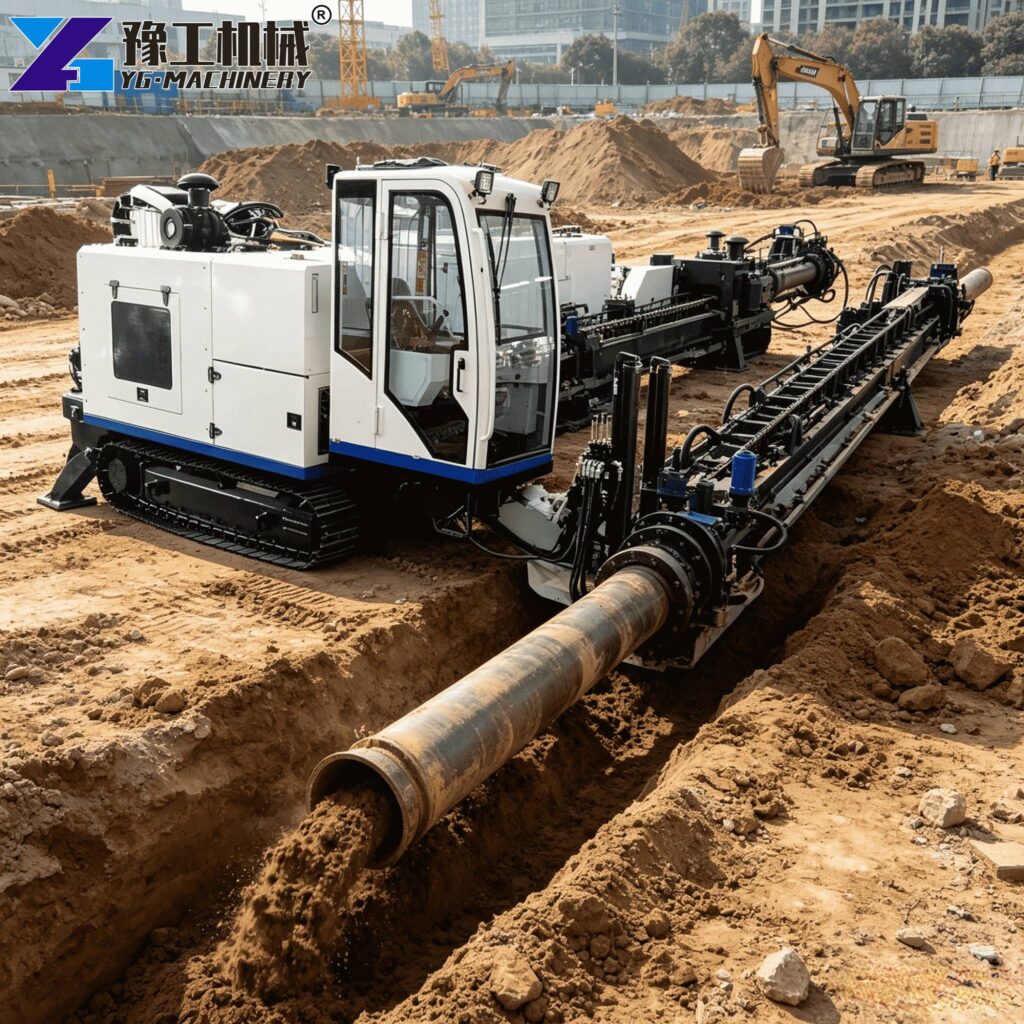
- Horizontal directional drilling rigs
- Excavators
- Diesel generator sets
- Pile drivers
- Road construction equipment
Buying Guide for RC Drilling Machine
Choosing suitable drilling equipment depends on project requirements and geological conditions.
Evaluate Drilling Depth Requirements
Different projects require different drilling capacities. Exploration projects often need deeper drilling capability.
Check Geological Conditions
Hard rock formations require higher rotary torque and stable hydraulic systems.
Review Hydraulic System Quality
Efficient hydraulic systems improve drilling stability and reduce operational interruptions.
Consider Transportation Requirements
Compact machine dimensions help reduce transportation costs between project sites.
Compare Maintenance Convenience
Machines with mature structural designs simplify routine inspection and maintenance work.
Examine After-Sales Support
Reliable spare parts supply and technical guidance reduce long-term operating risks.
FAQ About RC Drilling Machine
Different models support different drilling capacities. Small and medium units are commonly used for 30m–150m projects, while larger crawler-mounted equipment can reach 200m or even deeper under suitable geological conditions. Buyers should select the proper configuration based on project depth, formation hardness, and hole diameter requirements.
The system uses an internal reverse circulation structure. Compressed air transports cuttings through the inner drill pipe directly to the surface. This design reduces debris accumulation inside the hole and improves drilling continuity, especially in deep-hole operations.
Yes. The equipment performs well in complex formations such as gravel layers, weathered rock, hard soil, and fractured strata. Strong torque output and stable feeding force help maintain drilling efficiency under difficult ground conditions.
The cleaning efficiency remains high during operation, which helps reduce hole collapse risks and improves borehole stability. Continuous discharge also supports more accurate sampling quality in geological exploration projects.
Yes. Many crawler-mounted models are designed for off-road mobility and harsh outdoor environments. Compact layouts, durable tracks, and reliable power systems allow stable operation in remote exploration sites and mountainous areas.
Most models support borehole diameters from approximately 110mm to 250mm, depending on drill bit selection and project requirements. Different tooling combinations allow flexible adaptation for mining exploration and water well drilling.
The internal air-return system minimizes contamination during cutting transport. Samples reach the surface faster and remain cleaner, which improves geological analysis accuracy during mineral exploration projects.